Cardiovascular Device Development: Clinical Access Hurdles in 2026
In 2026, cardiovascular device development is shaped by clinical access more than prototype performance. Strong engineering still matters, yet evidence timing, site readiness, and regulatory alignment now decide whether innovation reaches revenue or stalls in premarket delay.
For organizations tracking interventional devices, structural heart systems, and implantable consumables, the central question is practical. Which clinical access scenario applies, what proof is expected, and how can launch risk be reduced before cost pressure rises further?
Why cardiovascular device development now depends on the right clinical access scenario
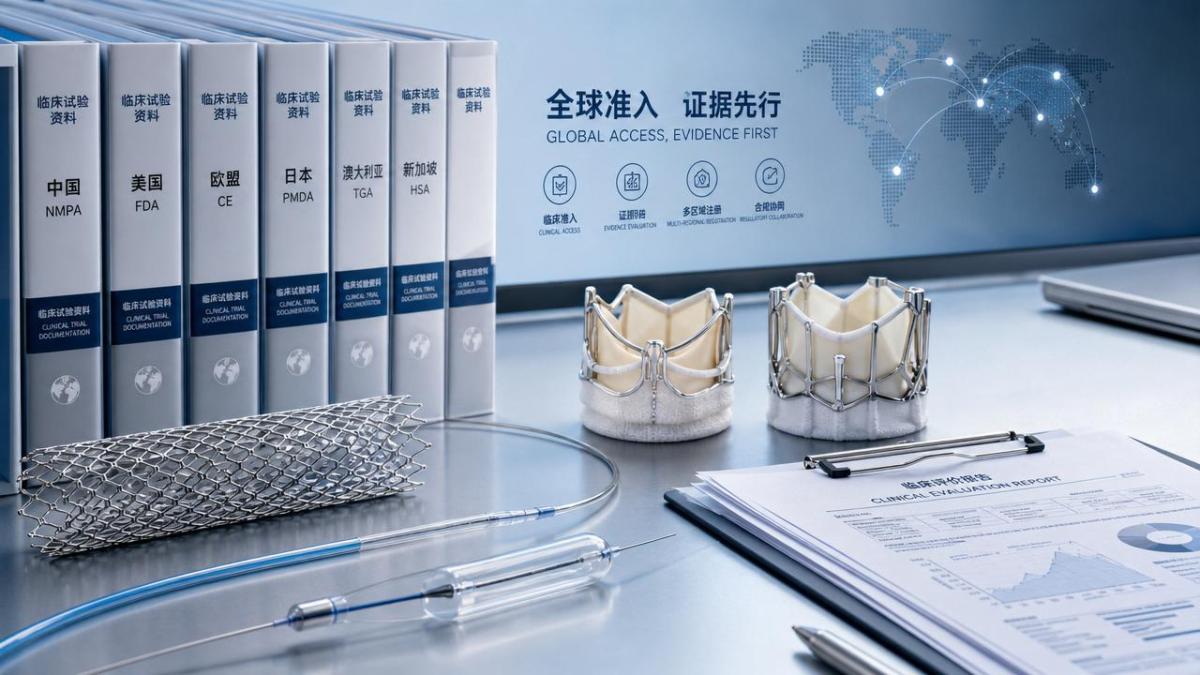
Clinical access is no longer one pathway. In cardiovascular device development, access varies by device risk, target population, comparator standard, and regional evidence culture.
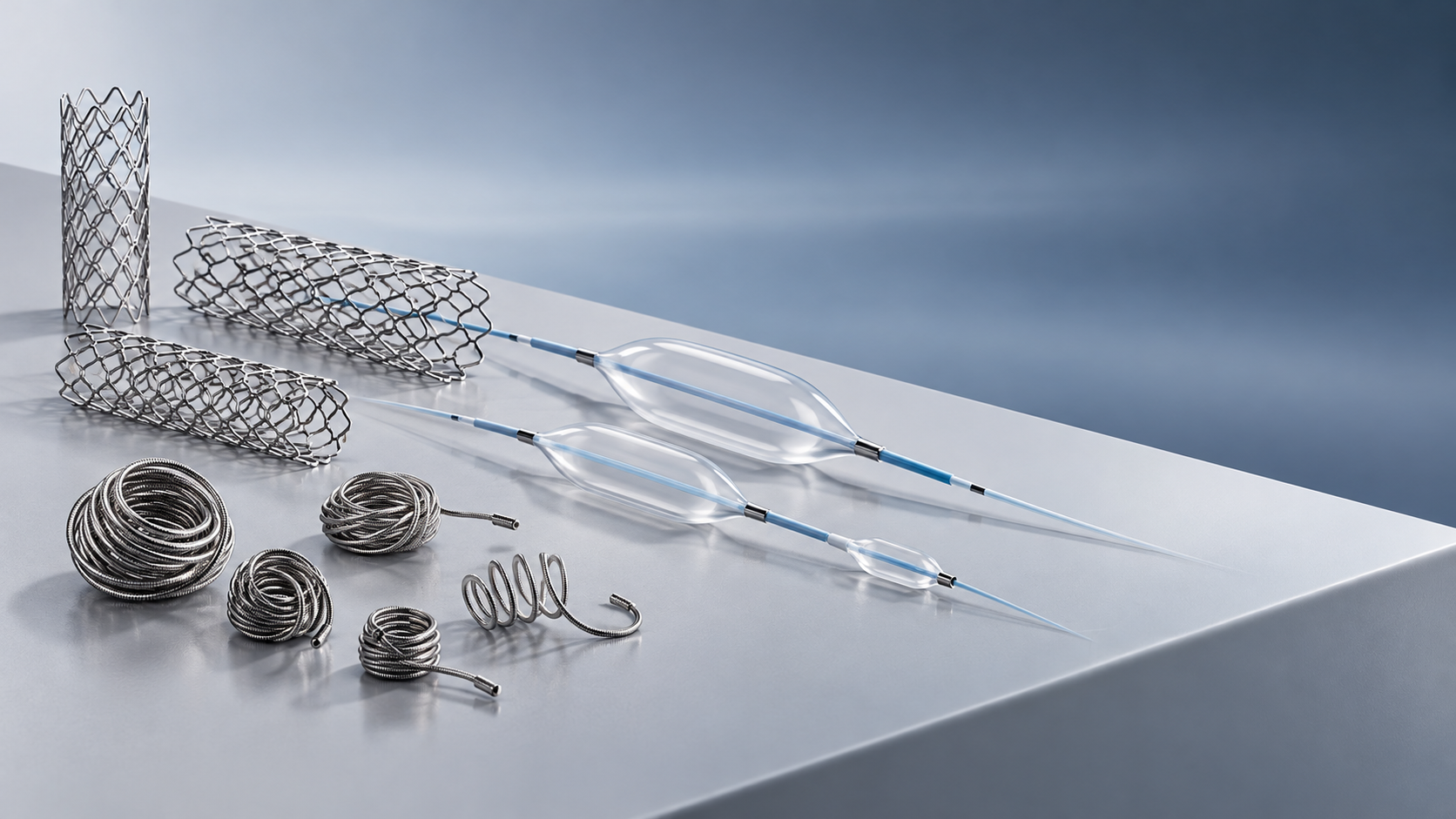
A coronary stent upgrade, a first-in-class TAVR system, and a neurovascular-adjacent catheter all face different activation barriers. The same development budget can produce very different timelines.
This matters across the broader medtech value chain. Capital allocation, biocompatibility planning, supplier qualification, reimbursement assumptions, and post-market commitments all depend on early scenario judgment.
IMCS observes that high-value consumables increasingly win or lose before enrollment begins. Protocol credibility, endpoint realism, and site economics have become strategic assets.
Scenario one: incremental devices face hidden evidence escalation
Many teams assume line extensions should move quickly. In 2026, cardiovascular device development for incremental devices often meets tougher questioning than expected.
Minor design changes can trigger major clinical concerns. New coatings, thinner struts, delivery refinements, or polymer adjustments may alter thrombogenicity, fatigue behavior, or long-term vessel response.
Core judgment points in this scenario
- Whether equivalence claims remain defensible under updated regulatory interpretation
- Whether bench data truly bridge clinical performance expectations
- Whether the control arm reflects current real-world standard of care
- Whether follow-up duration matches safety questions raised by material changes
The hurdle is not only approval. Commercial confidence also weakens if the evidence package looks thin against peer devices with stronger registries or broader multicenter use.
Scenario two: first-in-class cardiovascular device development slows at site activation
Novel cardiovascular device development often stalls before first patient enrollment. Site activation has become a bottleneck because hospitals now review sponsor readiness more rigorously.
Investigators ask sharper questions about training burden, emergency conversion plans, imaging consistency, and endpoint adjudication. Without complete operational answers, activation drifts.
What typically slows activation
- Immature physician training pathways for complex structural procedures
- Inadequate imaging core lab preparation
- Unclear adverse event escalation workflows
- Weak coordination between clinical, regulatory, and supply teams
For breakthrough devices, access is earned through operational trust. A promising design can still lose momentum if site teams doubt procedural reproducibility.
Scenario three: multinational studies create evidence that is hard to transfer
Global cardiovascular device development often seeks speed through cross-border recruitment. Yet evidence generated in one region may not transfer cleanly into another review system.
Differences in patient anatomy, lesion complexity, procedural style, antiplatelet use, and follow-up discipline can weaken external validity. Regulators increasingly notice these gaps.
This is especially relevant for Class III implants and interventional consumables where long-term safety signals matter. A fast trial is not automatically a credible trial.
Key judgment points for transferability
- Population similarity to intended commercial markets
- Consistency of procedural technique and operator learning curves
- Alignment of endpoint definitions across regions
- Availability of post-market bridging commitments
How clinical access needs differ across common cardiovascular device development situations
Not every program needs the same evidence design. The table below highlights how clinical access expectations shift across common development situations.
Practical adaptation advice for each cardiovascular device development pathway
The most effective response is not generic acceleration. It is scenario-fit preparation that reduces avoidable rework and improves clinical credibility.
If the program is an incremental implant
- Map every design change to a specific clinical question.
- Test whether non-clinical data can truly support reduced enrollment.
- Prepare a stronger clinical evaluation narrative, not only a comparison chart.
If the program is first-in-class
- Design site onboarding as carefully as device engineering.
- Use procedural simulation and emergency workflow drills early.
- Align supply reliability with enrollment windows and replacement needs.
If the study is multinational
- Select regions for evidence credibility, not only recruitment speed.
- Harmonize endpoint language across monitors, investigators, and reviewers.
- Predefine local post-market evidence that can support acceptance.
Common misjudgments that weaken clinical access in 2026
A frequent mistake is treating cardiovascular device development as a straight line from design verification to trial execution. In reality, access fails where assumptions remain untested.
- Assuming a prior device history automatically proves equivalence
- Underestimating learning-curve effects on early safety outcomes
- Ignoring how CE MDR, local registration, and reimbursement narratives interact
- Separating biocompatibility, clinical, and market access planning too late
- Using broad endpoints that fail to answer the reviewer’s real concern
Another neglected issue is cost-control pressure. Even when approval is possible, weak evidence may reduce pricing power in markets influenced by tendering or VBP logic.
That makes cardiovascular device development a combined evidence and value strategy. Stronger clinical access supports not only registration, but also downstream negotiation resilience.
A workable next step for more resilient cardiovascular device development
The fastest way to reduce uncertainty is to run an early access stress test. Review the program through three lenses: evidence sufficiency, site activation realism, and regional transferability.
For cardiovascular device development, this means checking whether the intended claims match the likely scrutiny level. It also means verifying that operations can support the science.
IMCS supports this approach by connecting clinical logic, material safety, and market policy interpretation. For high-value consumables, that integrated view is increasingly essential in 2026.
Before the next protocol milestone, define the clinical access scenario, list the likely evidence objections, and assign mitigation actions with deadlines. That discipline can protect timeline, valuation, and market entry quality.
Get weekly intelligence in your inbox.
No noise. No sponsored content. Pure intelligence.
News Recommendations
 Oct 26, 2026Can a single approval cover life science product sales worldwide?Can a single approval cover life science product sales worldwide?
 Oct 25, 2026When is sensitization testing needed for medical device biocompatibility?When is sensitization testing needed for medical device biocompatibility?
 Oct 24, 2026How is biocompatibility tested for implantable polymer biomaterials?How is biocompatibility tested for implantable polymer biomaterials?
 Oct 23, 2026How to build reimbursement into an implant commercialization strategyHow to build reimbursement into an implant commercialization strategy
 Oct 22, 2026What clinical evidence do implants need for CE marking under EU MDR?What clinical evidence do implants need for CE marking under EU MDR?
 Oct 21, 2026How to choose disposable laparoscopic stapler reloads for thick tissueHow to choose disposable laparoscopic stapler reloads for thick tissue
 Oct 20, 2026How to assess medical polymer biocompatibility under ISO 10993How to assess medical polymer biocompatibility under ISO 10993
 Oct 19, 2026How do interventional device categories differ in clinical use?How do interventional device categories differ in clinical use?
 Oct 18, 2026When to choose alginate dressings for heavily exuding chronic woundsWhen to choose alginate dressings for heavily exuding chronic wounds
 Oct 17, 2026How is biocompatibility tested for custom medical-grade PEEK implants?How is biocompatibility tested for custom medical-grade PEEK implants?
 Oct 16, 2026How to check a wound healing materials supplier’s biocompatibility dataHow to check a wound healing materials supplier’s biocompatibility data
 Oct 15, 2026How to verify the FDA clearance status of silver wound dressingsHow to verify the FDA clearance status of silver wound dressings
 Oct 14, 2026How to register orthopedic implants and instruments in Latin AmericaHow to register orthopedic implants and instruments in Latin America
 Oct 13, 2026How to use a device market intelligence database to benchmark VBP pricesHow to use a device market intelligence database to benchmark VBP prices
 Oct 12, 2026When should stainless steel orthopedic instruments be replaced?When should stainless steel orthopedic instruments be replaced?
 Oct 11, 2026When are alginate dressings rope the right choice for cavity wounds?When are alginate dressings rope the right choice for cavity wounds?
 Oct 10, 2026When smart minimally invasive technology improves catheter accessWhen smart minimally invasive technology improves catheter access
 Oct 08, 2026Clinical evaluation requirements for cardiovascular implant devices in EuropeClinical evaluation requirements for cardiovascular implant devices in Europe
 Oct 07, 2026What to verify before appointing an artificial joint implants distributorWhat to verify before appointing an artificial joint implants distributor
 Oct 06, 2026How ISO 10993 guides biocompatibility testing for medical materialsHow ISO 10993 guides biocompatibility testing for medical materials
 Oct 05, 2026How to verify an orthopedic implants and instruments exporterHow to verify an orthopedic implants and instruments exporter
 Oct 04, 2026What drives surgical stapling devices price differences in hospital tenders?What drives surgical stapling devices price differences in hospital tenders?
 Oct 03, 2026How to assess a central venous catheter manufacturer's infection-control evidenceHow to assess a central venous catheter manufacturer's infection-control evidence
 Oct 02, 2026How to assess an advanced wound care factory’s quality systemHow to assess an advanced wound care factory’s quality system
 Oct 01, 2026What is driving global medical consumables demand in emerging markets?What is driving global medical consumables demand in emerging markets?
 Sep 30, 2026Implant Material Compliance Testing: Evidence Needed for Regulatory SubmissionImplant Material Compliance Testing: Evidence Needed for Regulatory Submission
 Sep 30, 2026From Corrosion to Fatigue: What Implant Materials Testing Should MeasureFrom Corrosion to Fatigue: What Implant Materials Testing Should Measure