Medical Device Clinical Evaluation: Common Gaps
Medical device clinical evaluation often breaks down in practical review settings, not because evidence is absent, but because evidence is fragmented, weakly justified, or disconnected from regulatory expectations.
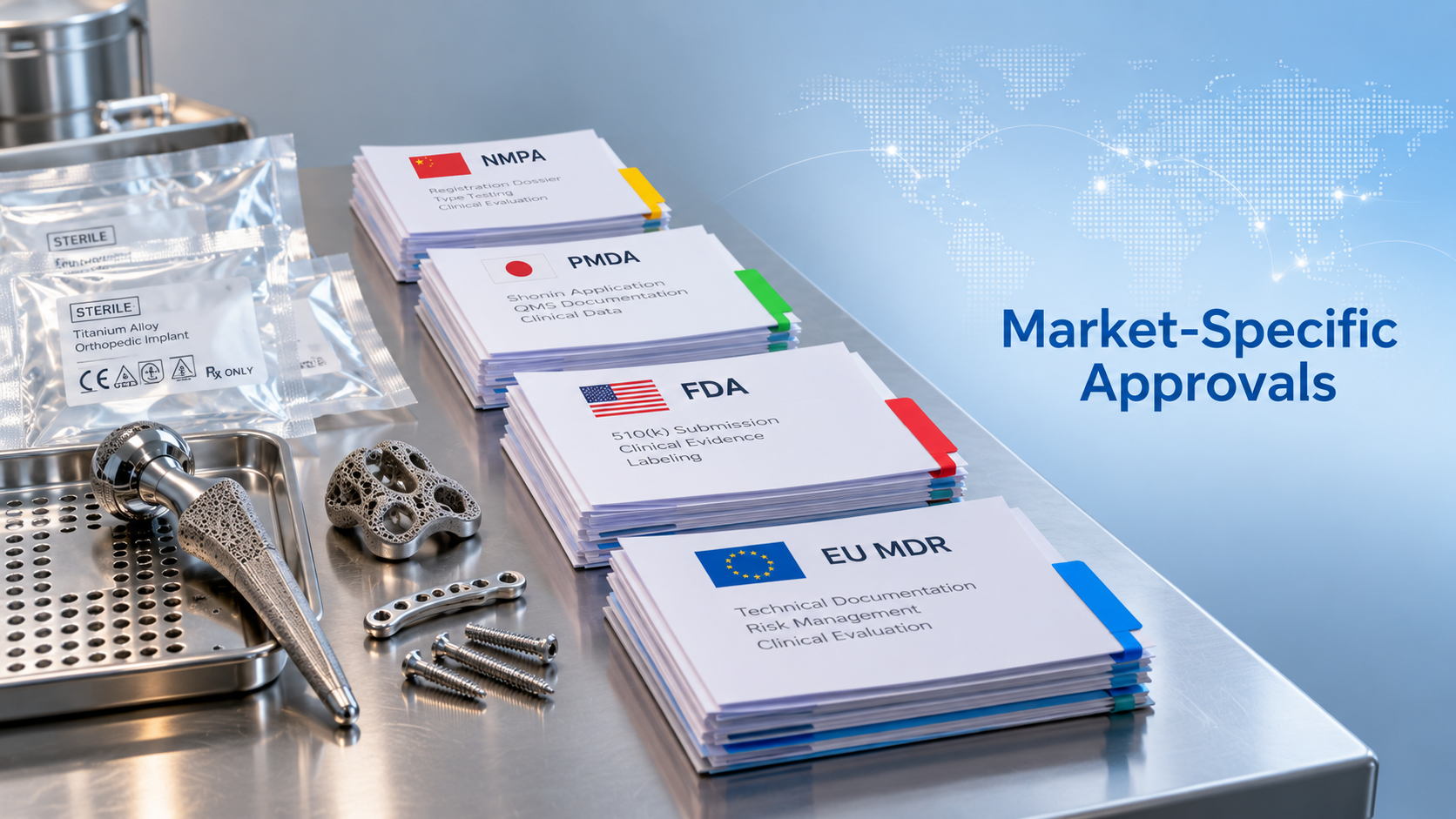
For implants, catheters, staplers, wound care products, and cardiovascular devices, small documentation gaps can create large approval delays, especially under MDR, FDA, and other high-risk frameworks.
A strong medical device clinical evaluation must fit the device’s scenario, risk profile, intended purpose, and real clinical use. That is where many submissions fail.
When the review scenario changes, medical device clinical evaluation expectations also change
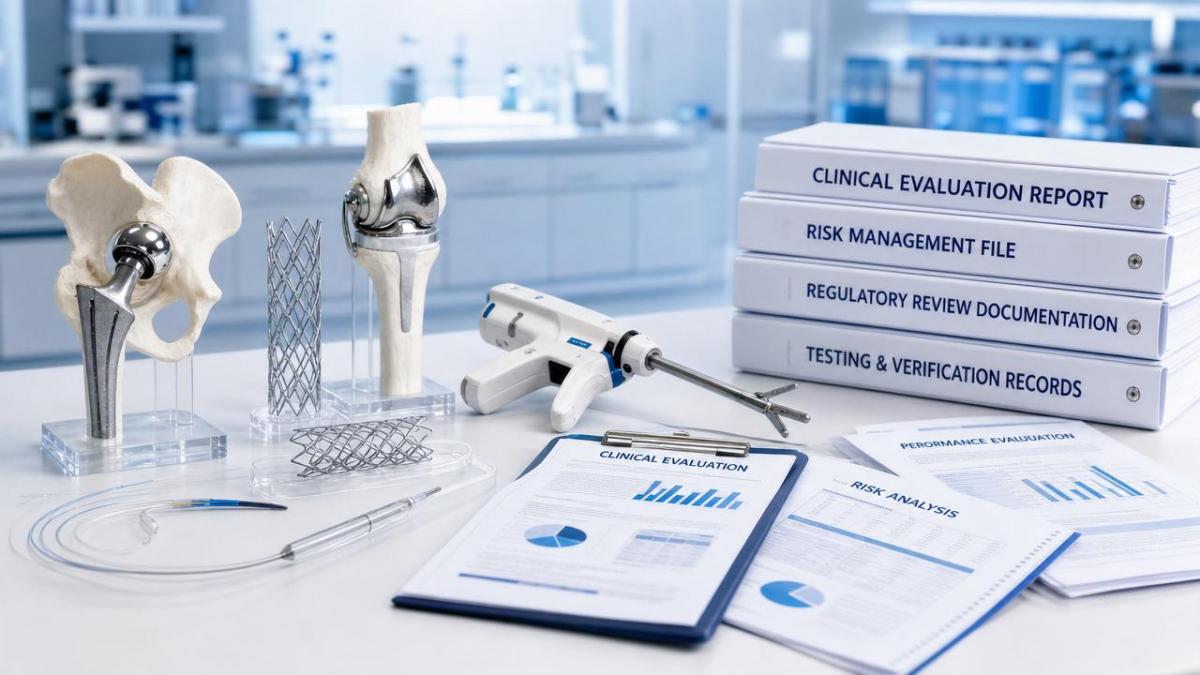
Clinical evidence is never judged in a vacuum. Reviewers assess whether the data matches the device’s design, indications, user population, and claimed benefits.
A low-change wound dressing and a novel Class III implant face very different evidence thresholds. Using the same logic for both creates avoidable regulatory risk.
This is why medical device clinical evaluation should begin with scenario mapping. The core question is simple: what proof is needed for this exact product situation?
Scenario signals that reshape evidence needs
- High-risk implantable status raises expectations for long-term safety and performance.
- Novel materials trigger deeper biological and clinical reasoning.
- Expanded indications require direct support, not broad assumptions.
- Equivalence claims need technical, biological, and clinical alignment.
- Post-market complaints may weaken earlier benefit-risk conclusions.
Common gaps appear differently across typical device scenarios
The most frequent medical device clinical evaluation problems are not universal. They appear in different forms depending on product type and regulatory pathway.
Scenario 1: Orthopedic implants with incremental design changes
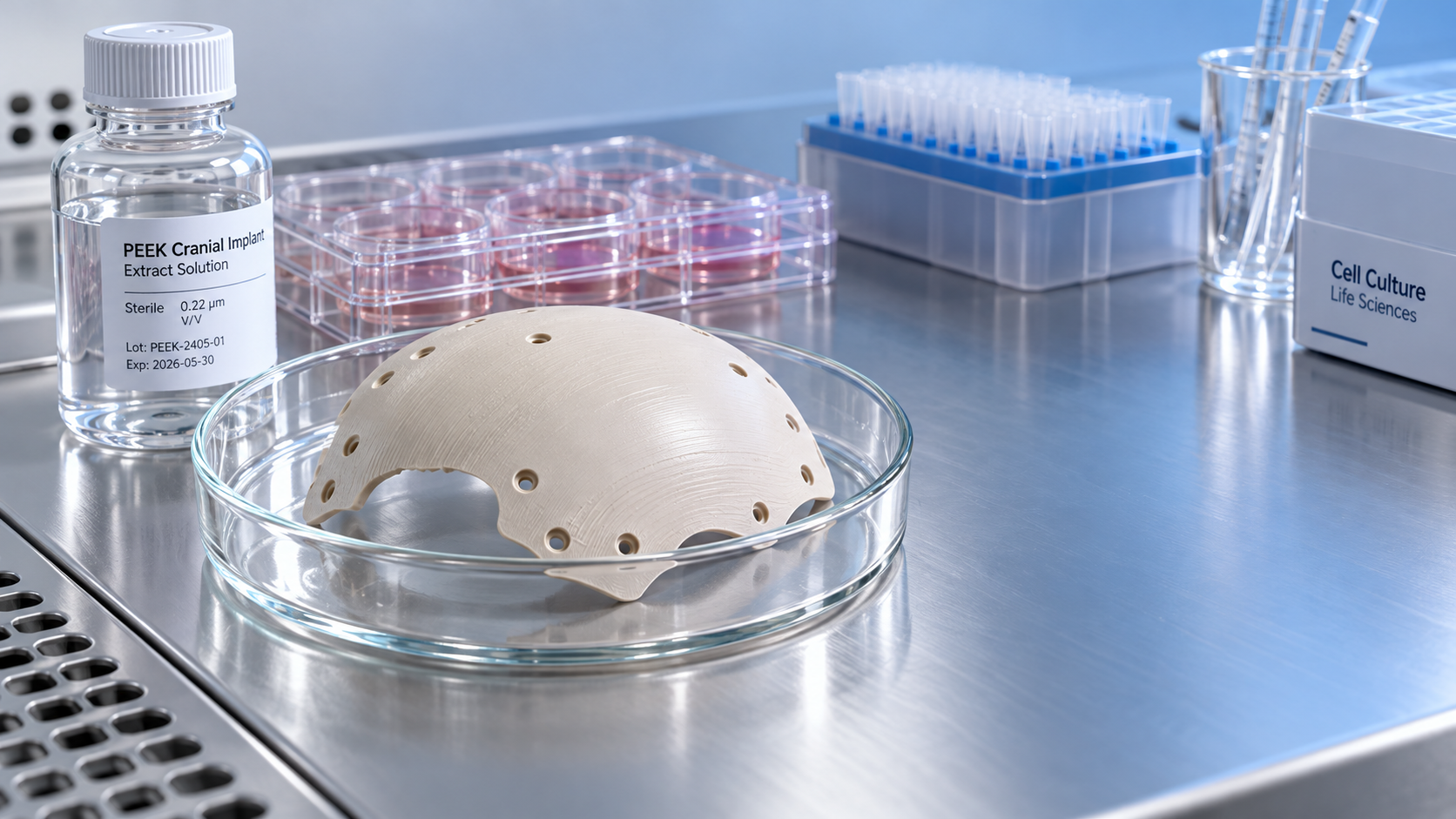
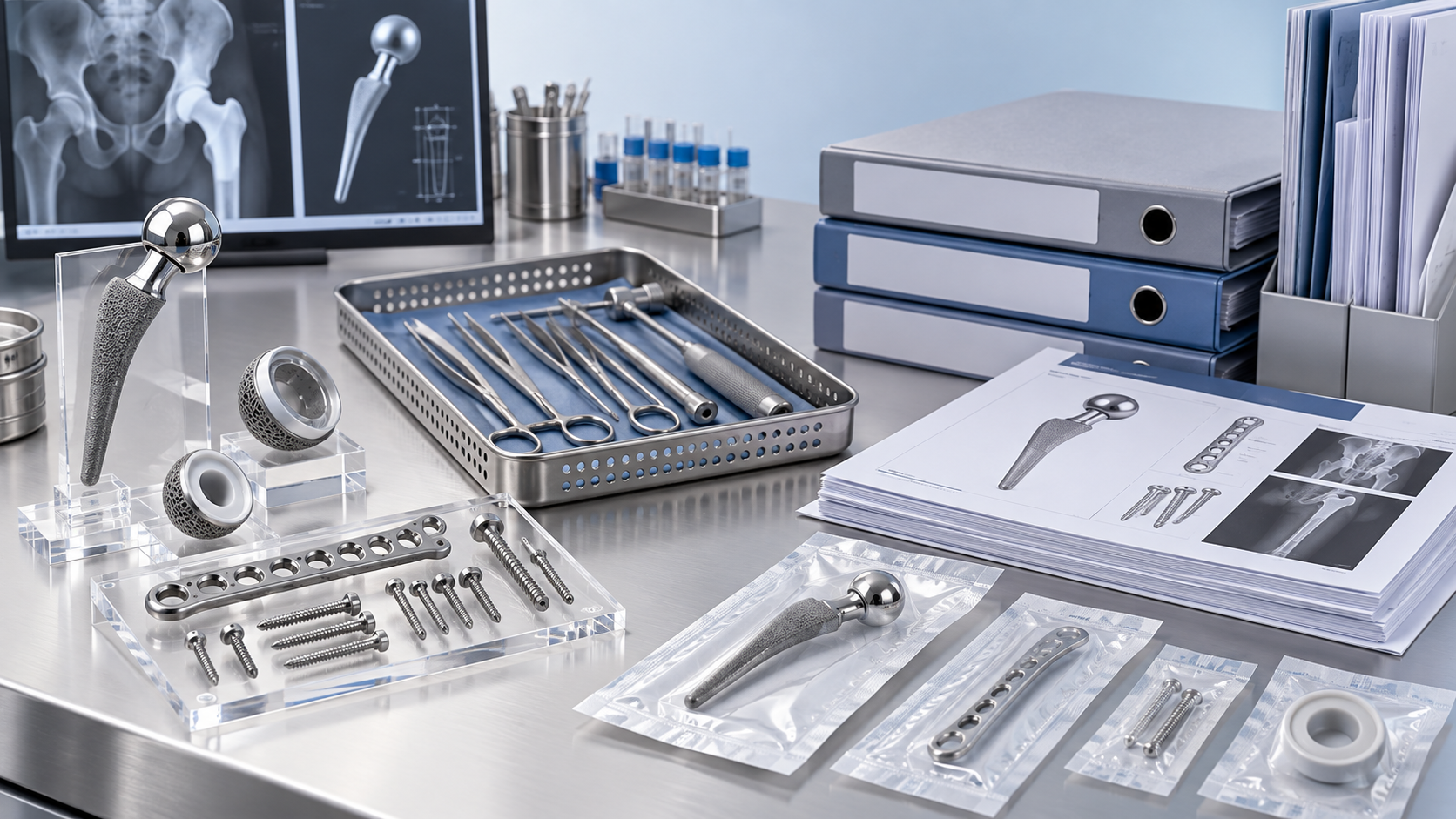
Teams often assume that a familiar implant family automatically supports a new version. That assumption fails when porous structures, coatings, or fixation methods are modified.
A medical device clinical evaluation for such implants must explain whether the change affects osseointegration, wear, revision risk, or long-term survivorship.
Scenario 2: Cardiovascular interventional devices with high clinical sensitivity
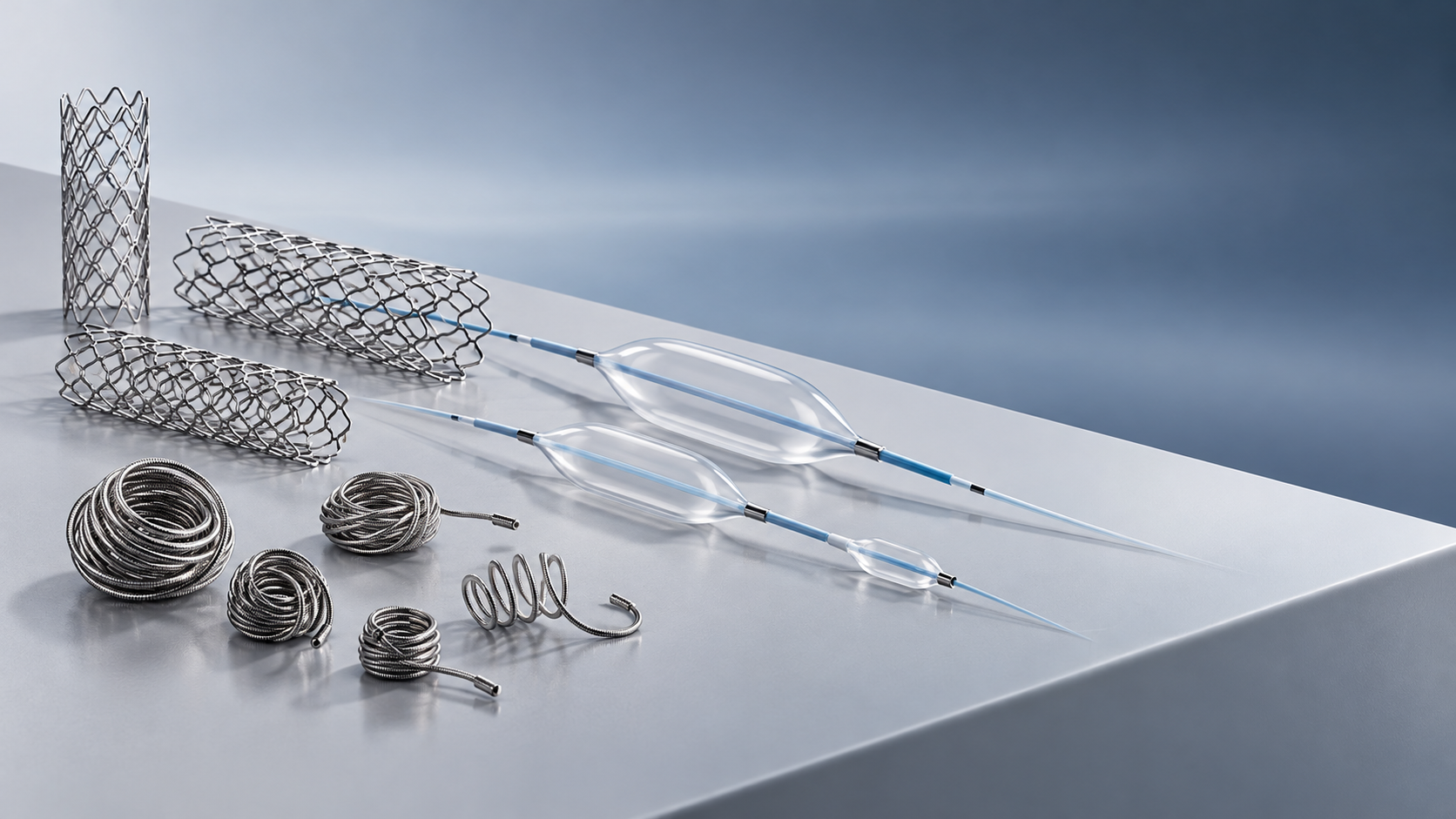
For stents, valves, and delivery systems, reviewers expect tighter links between bench performance and clinical outcomes. Small differences may affect thrombosis, restenosis, leakage, or deployment success.
Here, medical device clinical evaluation gaps often come from overreliance on literature without proving device-specific relevance.
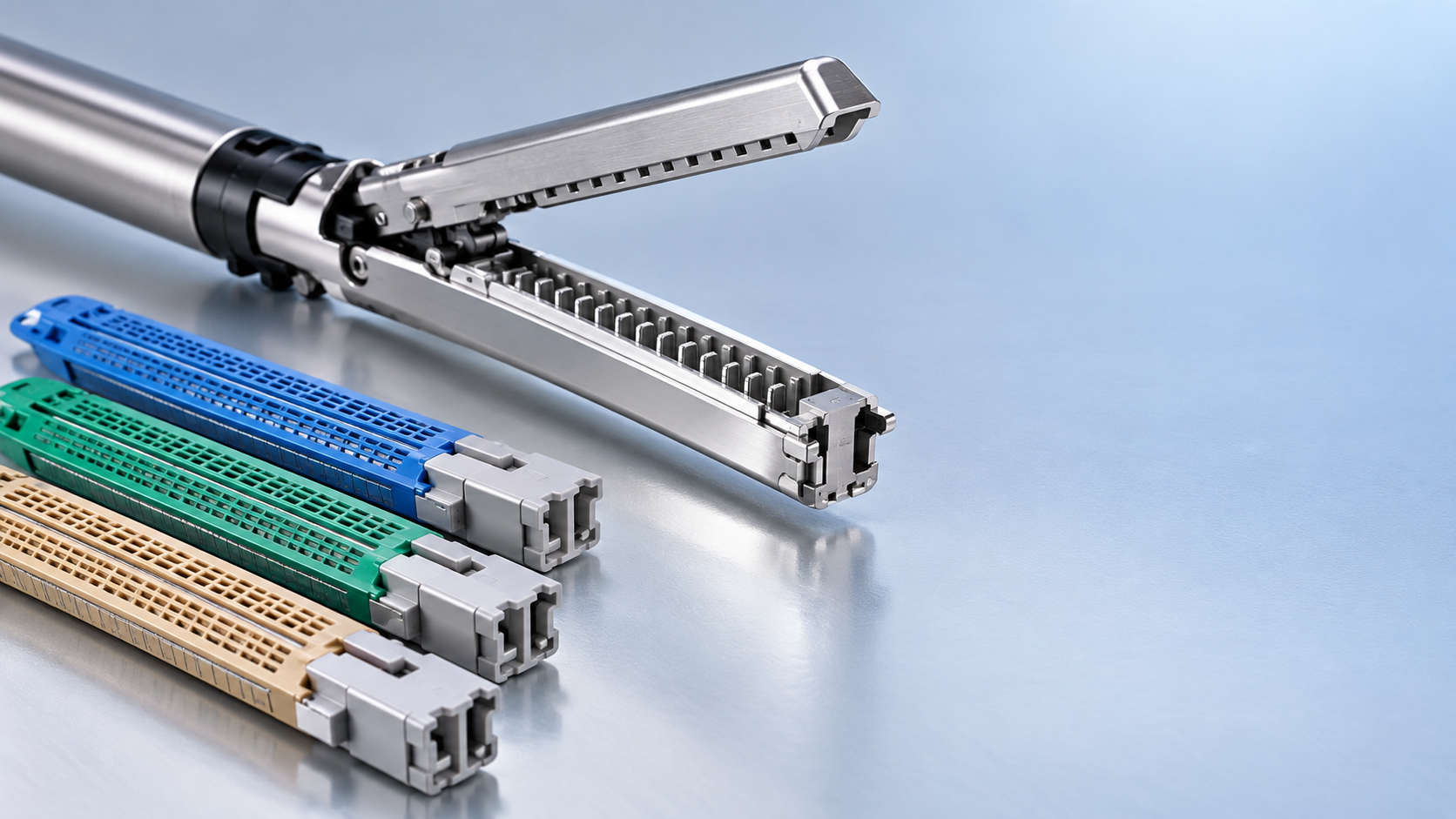
Scenario 3: Minimally invasive staplers and surgical consumables
Mechanical reliability is important, but clinical evaluation must also address use conditions. Tissue thickness variation, firing consistency, leak risk, and user handling matter.
A common gap is treating usability evidence as separate from clinical performance, when both directly influence patient outcomes.
Scenario 4: Polymer catheters and coated access devices
These products often look mature, yet coating stability, thrombogenicity, kink resistance, and dwell time can change benefit-risk conclusions.
Medical device clinical evaluation frequently fails when chemical characterization, biocompatibility, and clinical claims are not integrated into one argument.
Scenario 5: Advanced wound care products with broad claims
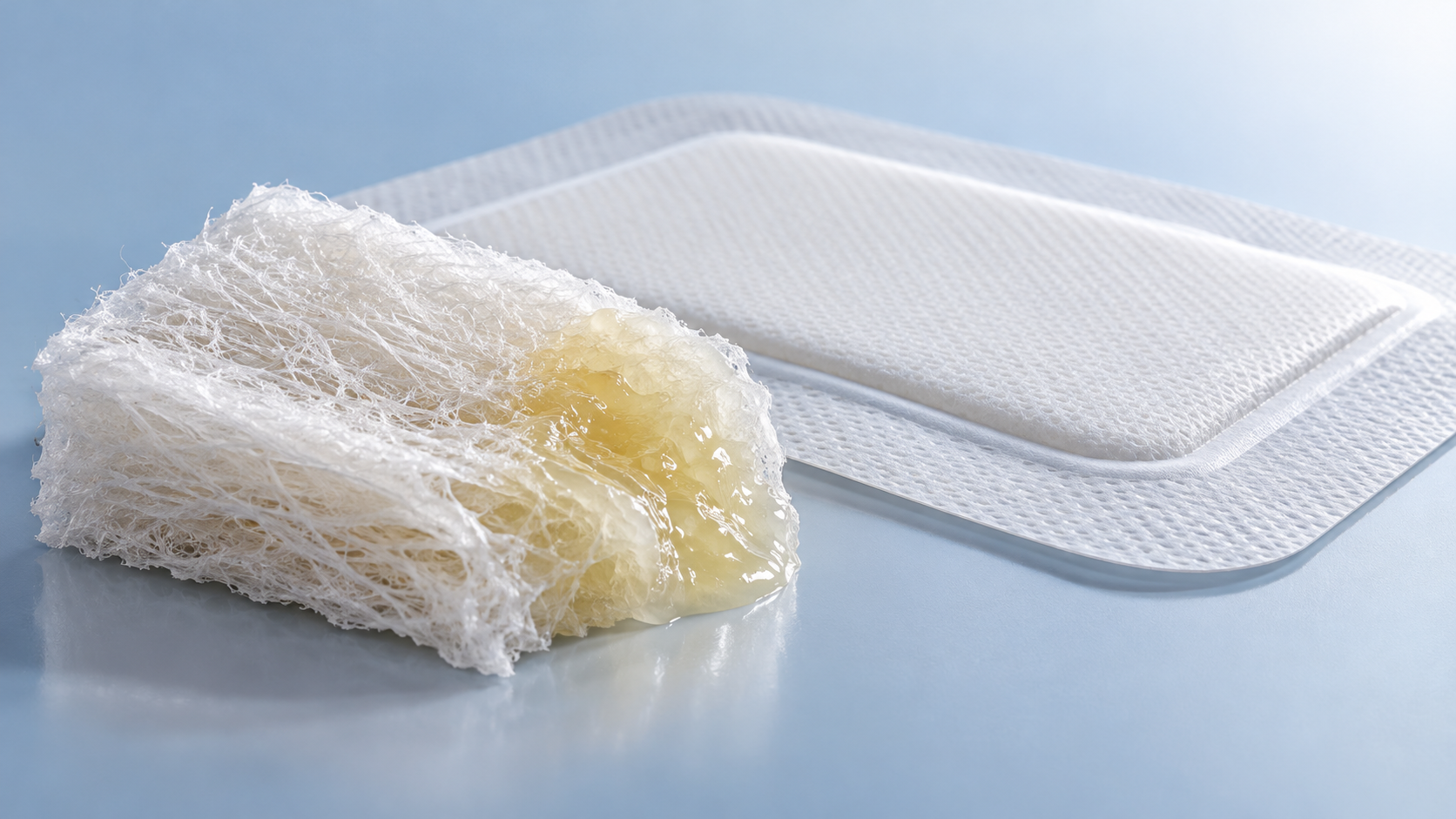
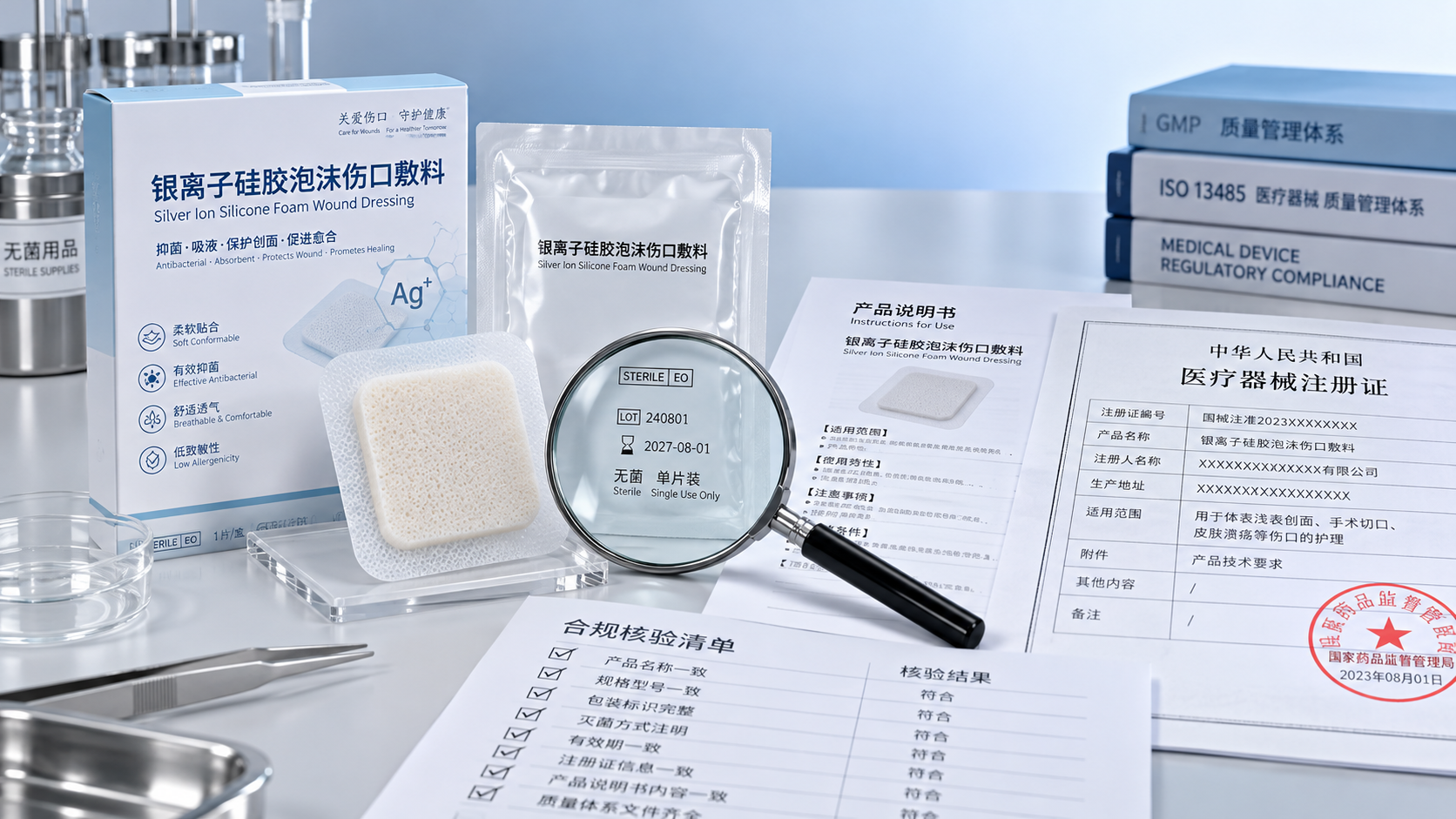
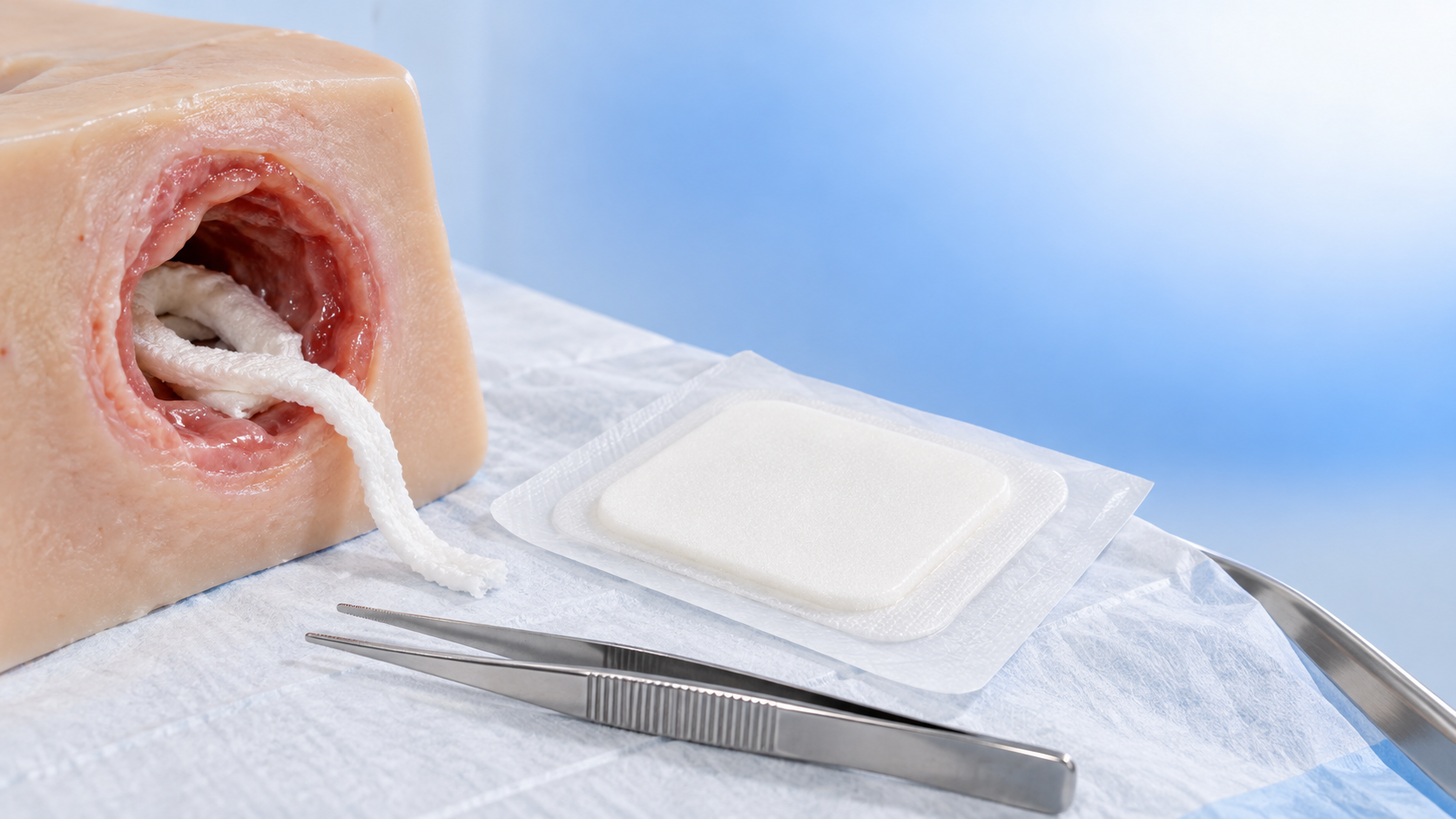
Silver foams, alginates, and NPWT-related systems often carry strong healing claims. Problems arise when those claims exceed the actual evidence base.
If data covers general moisture management only, statements about infection control, diabetic ulcer acceleration, or severe burn recovery may be challenged.
Different scenarios create different evidence priorities
The table below shows how medical device clinical evaluation priorities shift by application scenario and where common weakness usually appears.
How to adapt medical device clinical evaluation to each scenario
Good clinical evaluation is not just document assembly. It is structured reasoning that connects intended purpose, data quality, and benefit-risk logic.
Build the evaluation around intended use boundaries
Define patient group, anatomical site, duration, user profile, and treatment context early. This prevents evidence from drifting beyond the actual approved use case.
Test equivalence before relying on it
Many medical device clinical evaluation failures start with weak equivalence. Similar shape alone is never enough for implants, coated products, or interventional systems.
- Compare materials and surface properties.
- Compare design principles and contact conditions.
- Compare clinical indication and target population.
- Explain why differences do not alter outcomes.
Close the loop between bench, biological, and clinical evidence
Bench success does not automatically prove clinical safety. Biological safety does not automatically prove real-world effectiveness. Reviewers expect an integrated narrative.
Use post-market data as a decision tool, not decoration
Complaint rates, vigilance trends, registry findings, and literature updates should actively reshape the medical device clinical evaluation conclusion when needed.
The most overlooked errors in medical device clinical evaluation
Some errors repeat across product categories because teams focus on data quantity instead of argument quality.
Error 1: Literature is broad, but not relevant enough
A large bibliography cannot rescue a weak clinical fit. Literature must match device configuration, patient population, and performance claims.
Error 2: Risk analysis and clinical evaluation are disconnected
If the risk file identifies embolization, leakage, revision, or sensitization concerns, the clinical evaluation must directly address them.
Error 3: PMCF is generic and non-corrective
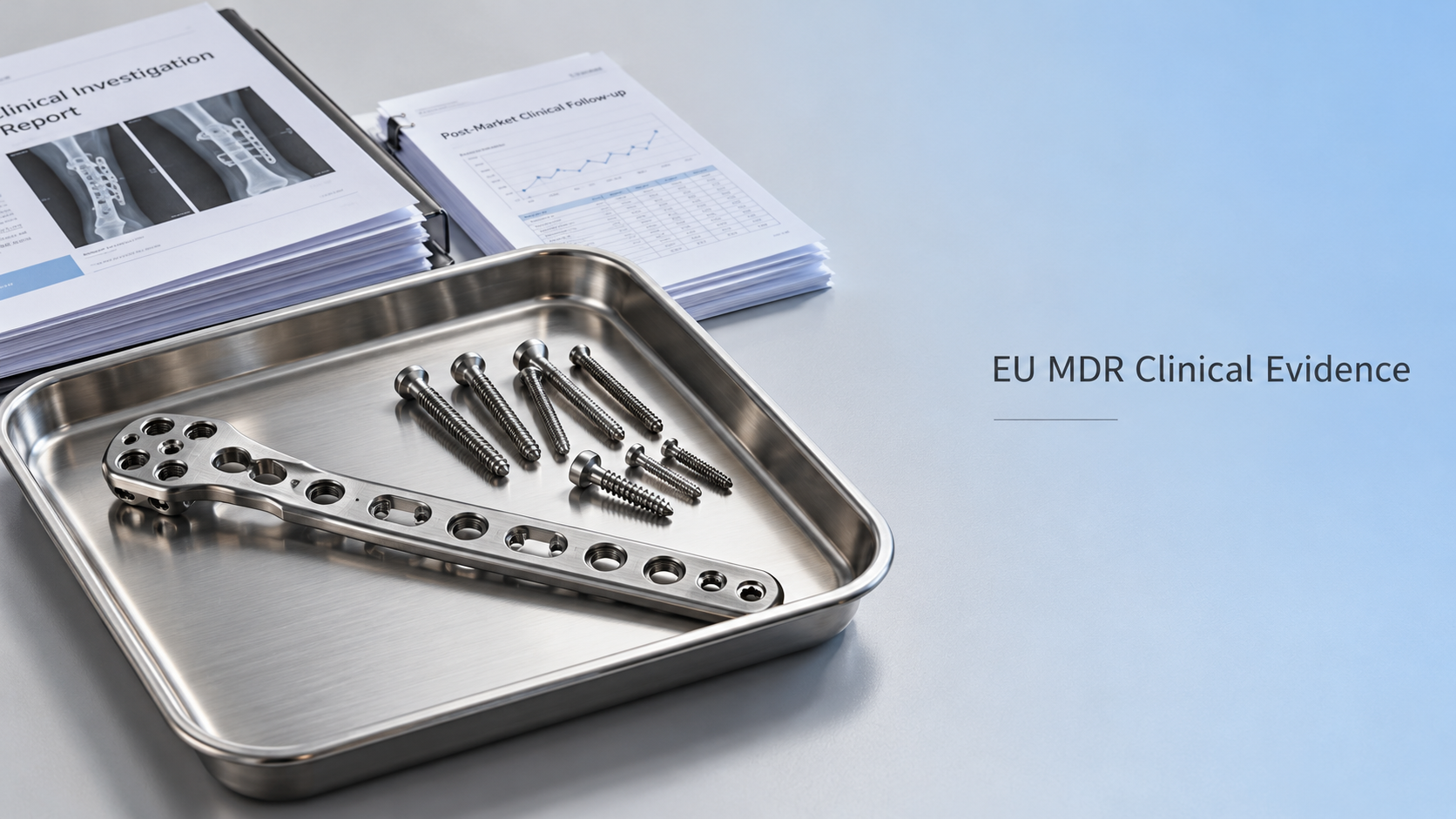
Post-Market Clinical Follow-up should target residual uncertainties. Generic questionnaires rarely support a robust medical device clinical evaluation strategy.
Error 4: Claims are stronger than evidence
This is common in wound healing, anti-thrombotic, and advanced material products. Strong marketing language often creates weak regulatory positioning.
A practical path to strengthen the next submission
An effective medical device clinical evaluation improves when the work starts with gap diagnosis, not document formatting.
- Map the product to its exact regulatory and clinical scenario.
- Define which claims need direct evidence.
- Challenge equivalence assumptions line by line.
- Link bench, biological, and clinical findings into one logic chain.
- Use PMCF to close the highest residual uncertainties.
For organizations working across implants, interventional consumables, catheters, staplers, and regenerative materials, this disciplined approach reduces rework and improves submission resilience.
In a market shaped by strict Class III regulation, evidence scrutiny, and pricing pressure, stronger clinical logic is not optional. It is the foundation of sustainable access.
Get weekly intelligence in your inbox.
No noise. No sponsored content. Pure intelligence.
News Recommendations
 Oct 26, 2026Can a single approval cover life science product sales worldwide?Can a single approval cover life science product sales worldwide?
 Oct 25, 2026When is sensitization testing needed for medical device biocompatibility?When is sensitization testing needed for medical device biocompatibility?
 Oct 24, 2026How is biocompatibility tested for implantable polymer biomaterials?How is biocompatibility tested for implantable polymer biomaterials?
 Oct 23, 2026How to build reimbursement into an implant commercialization strategyHow to build reimbursement into an implant commercialization strategy
 Oct 22, 2026What clinical evidence do implants need for CE marking under EU MDR?What clinical evidence do implants need for CE marking under EU MDR?
 Oct 21, 2026How to choose disposable laparoscopic stapler reloads for thick tissueHow to choose disposable laparoscopic stapler reloads for thick tissue
 Oct 20, 2026How to assess medical polymer biocompatibility under ISO 10993How to assess medical polymer biocompatibility under ISO 10993
 Oct 19, 2026How do interventional device categories differ in clinical use?How do interventional device categories differ in clinical use?
 Oct 18, 2026When to choose alginate dressings for heavily exuding chronic woundsWhen to choose alginate dressings for heavily exuding chronic wounds
 Oct 17, 2026How is biocompatibility tested for custom medical-grade PEEK implants?How is biocompatibility tested for custom medical-grade PEEK implants?
 Oct 16, 2026How to check a wound healing materials supplier’s biocompatibility dataHow to check a wound healing materials supplier’s biocompatibility data
 Oct 15, 2026How to verify the FDA clearance status of silver wound dressingsHow to verify the FDA clearance status of silver wound dressings
 Oct 14, 2026How to register orthopedic implants and instruments in Latin AmericaHow to register orthopedic implants and instruments in Latin America
 Oct 13, 2026How to use a device market intelligence database to benchmark VBP pricesHow to use a device market intelligence database to benchmark VBP prices
 Oct 12, 2026When should stainless steel orthopedic instruments be replaced?When should stainless steel orthopedic instruments be replaced?
 Oct 11, 2026When are alginate dressings rope the right choice for cavity wounds?When are alginate dressings rope the right choice for cavity wounds?
 Oct 10, 2026When smart minimally invasive technology improves catheter accessWhen smart minimally invasive technology improves catheter access
 Oct 08, 2026Clinical evaluation requirements for cardiovascular implant devices in EuropeClinical evaluation requirements for cardiovascular implant devices in Europe
 Oct 07, 2026What to verify before appointing an artificial joint implants distributorWhat to verify before appointing an artificial joint implants distributor
 Oct 06, 2026How ISO 10993 guides biocompatibility testing for medical materialsHow ISO 10993 guides biocompatibility testing for medical materials
 Oct 05, 2026How to verify an orthopedic implants and instruments exporterHow to verify an orthopedic implants and instruments exporter
 Oct 04, 2026What drives surgical stapling devices price differences in hospital tenders?What drives surgical stapling devices price differences in hospital tenders?
 Oct 03, 2026How to assess a central venous catheter manufacturer's infection-control evidenceHow to assess a central venous catheter manufacturer's infection-control evidence
 Oct 02, 2026How to assess an advanced wound care factory’s quality systemHow to assess an advanced wound care factory’s quality system
 Oct 01, 2026What is driving global medical consumables demand in emerging markets?What is driving global medical consumables demand in emerging markets?
 Sep 30, 2026Implant Material Compliance Testing: Evidence Needed for Regulatory SubmissionImplant Material Compliance Testing: Evidence Needed for Regulatory Submission
 Sep 30, 2026From Corrosion to Fatigue: What Implant Materials Testing Should MeasureFrom Corrosion to Fatigue: What Implant Materials Testing Should Measure