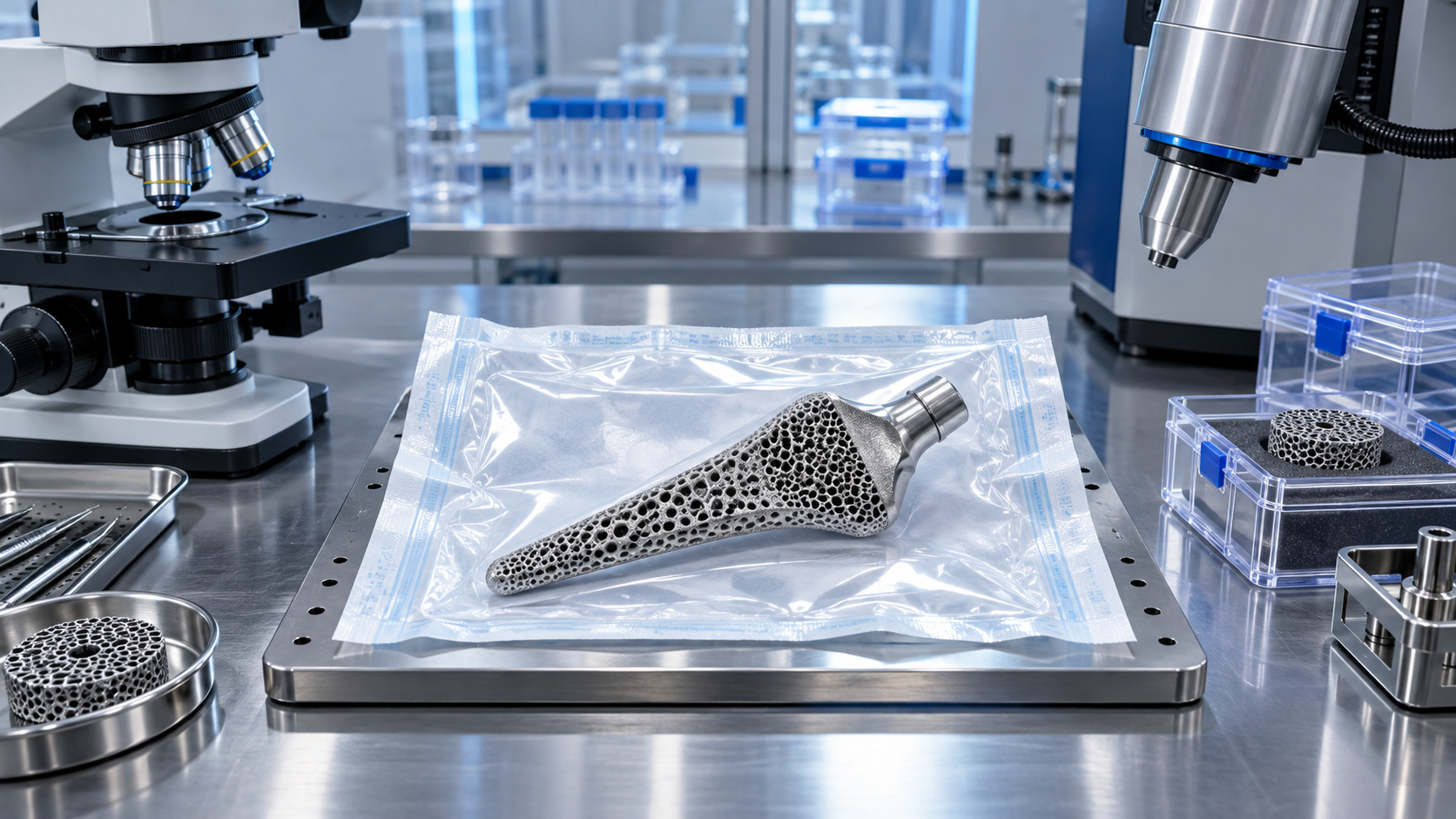
Personalized Medical Devices: Clinical Access Hurdles
Personalized medical devices are reshaping care pathways across implants, interventional tools, catheters, stapling systems, and regenerative materials. Their promise is clear: closer anatomical fit, better function, and lower revision risk.
Yet clinical access remains difficult. Evidence thresholds are rising, Class III regulation is unforgiving, reimbursement logic is inconsistent, and procurement systems often reward standardization over precision.
For organizations navigating high-value consumables, the commercial question is no longer whether personalized medical devices matter. The real question is which scenarios justify customization, and what access strategy fits each one.
When personalized medical devices create real access value
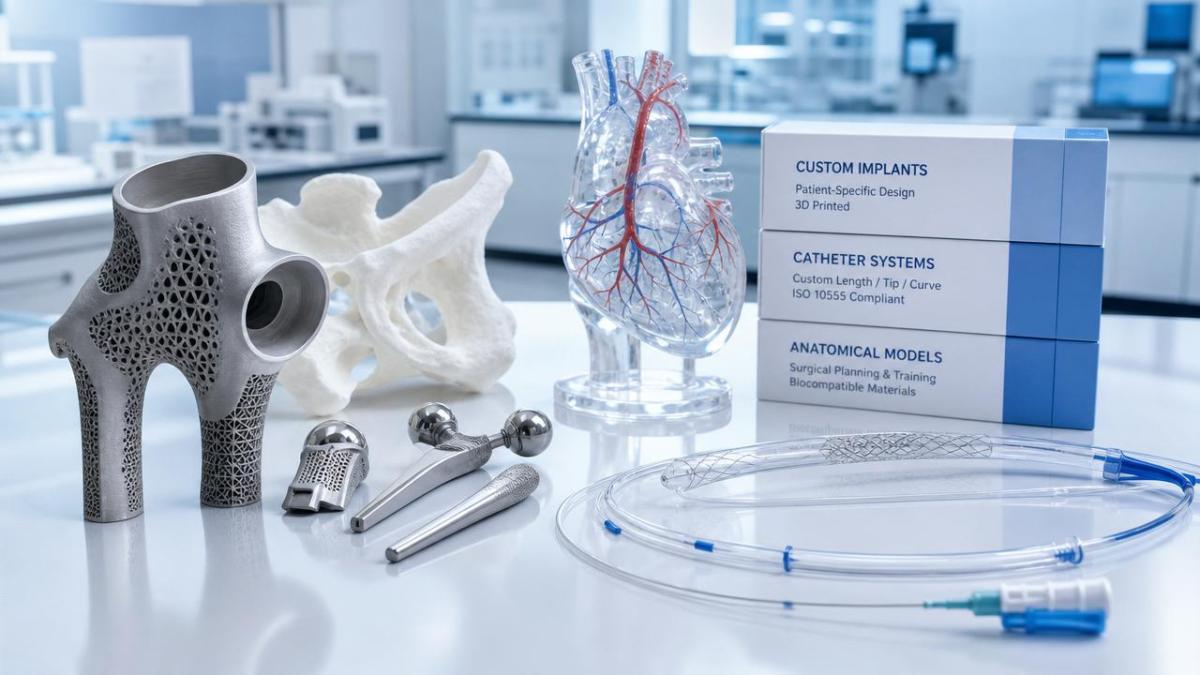
Clinical access improves when personalization solves a documented problem that standard devices cannot address safely, effectively, or economically. This scenario-based filter is essential before scaling development.
In medical consumables, access value often appears in anatomically complex cases, revision procedures, fragile tissue environments, and high-risk interventions where fit and precision directly affect outcomes.
Scenario 1: Complex orthopedic reconstruction
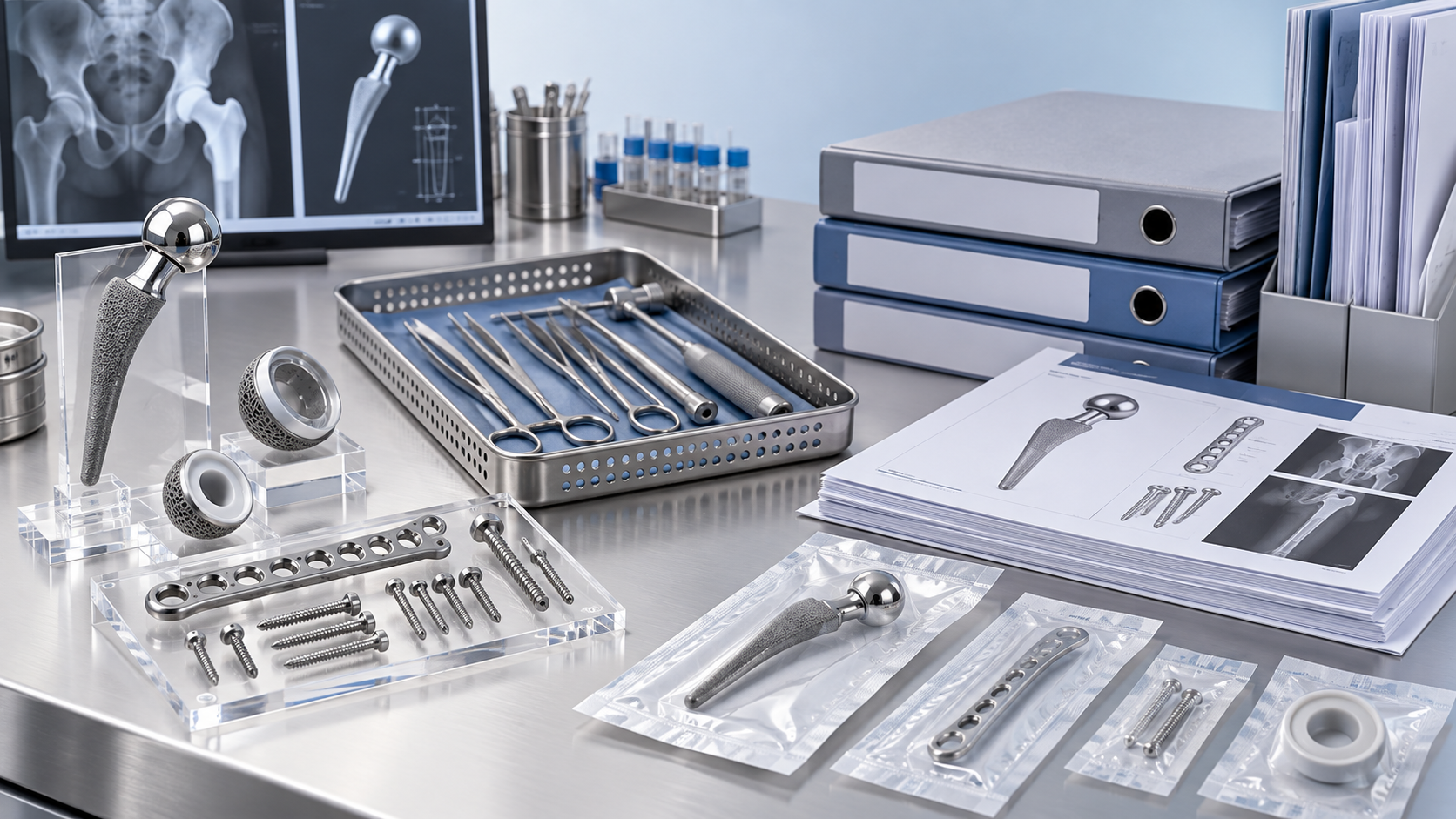
Personalized medical devices show strong logic in acetabular defects, tumor reconstruction, spinal deformity, and revision arthroplasty. Standard implants may fail to restore biomechanics or achieve stable fixation.
Here, clinical access depends on proving that patient-specific geometry improves osseointegration, alignment, and long-term survivorship. Imaging workflow, porous structure validation, and surgeon planning tools also matter.
Scenario 2: Structural heart and vascular anatomy variation
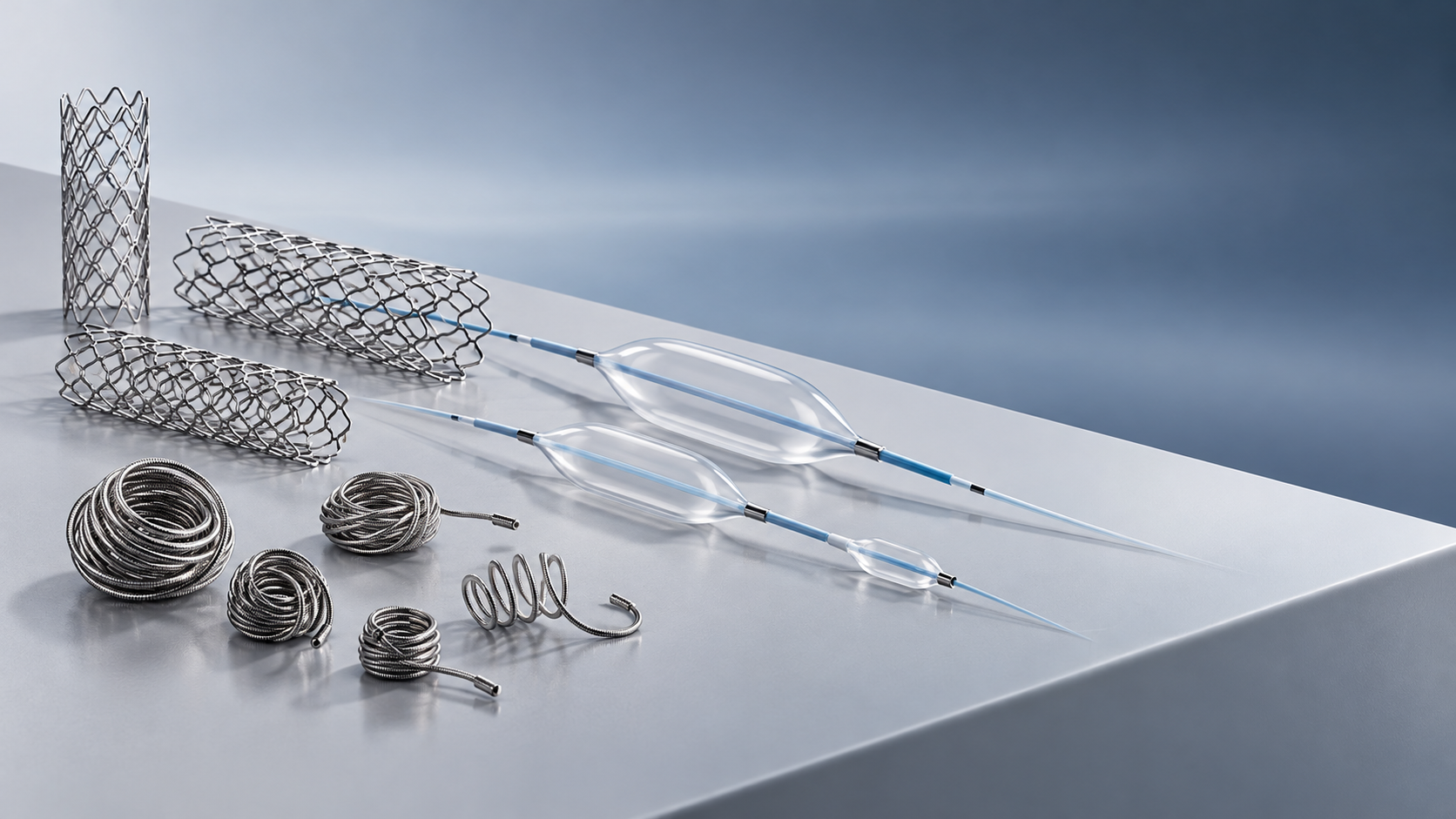
For cardiovascular interventions, anatomy can vary widely. Tortuous vessels, calcified lesions, and unusual landing zones challenge conventional delivery systems, stents, and valve sizing strategies.
Personalized medical devices may support better procedural planning, sizing confidence, and lower complication risk. However, evidence must show that customization changes outcomes, not just operator preference.
Scenario 3: Tissue-sensitive wound and regeneration pathways
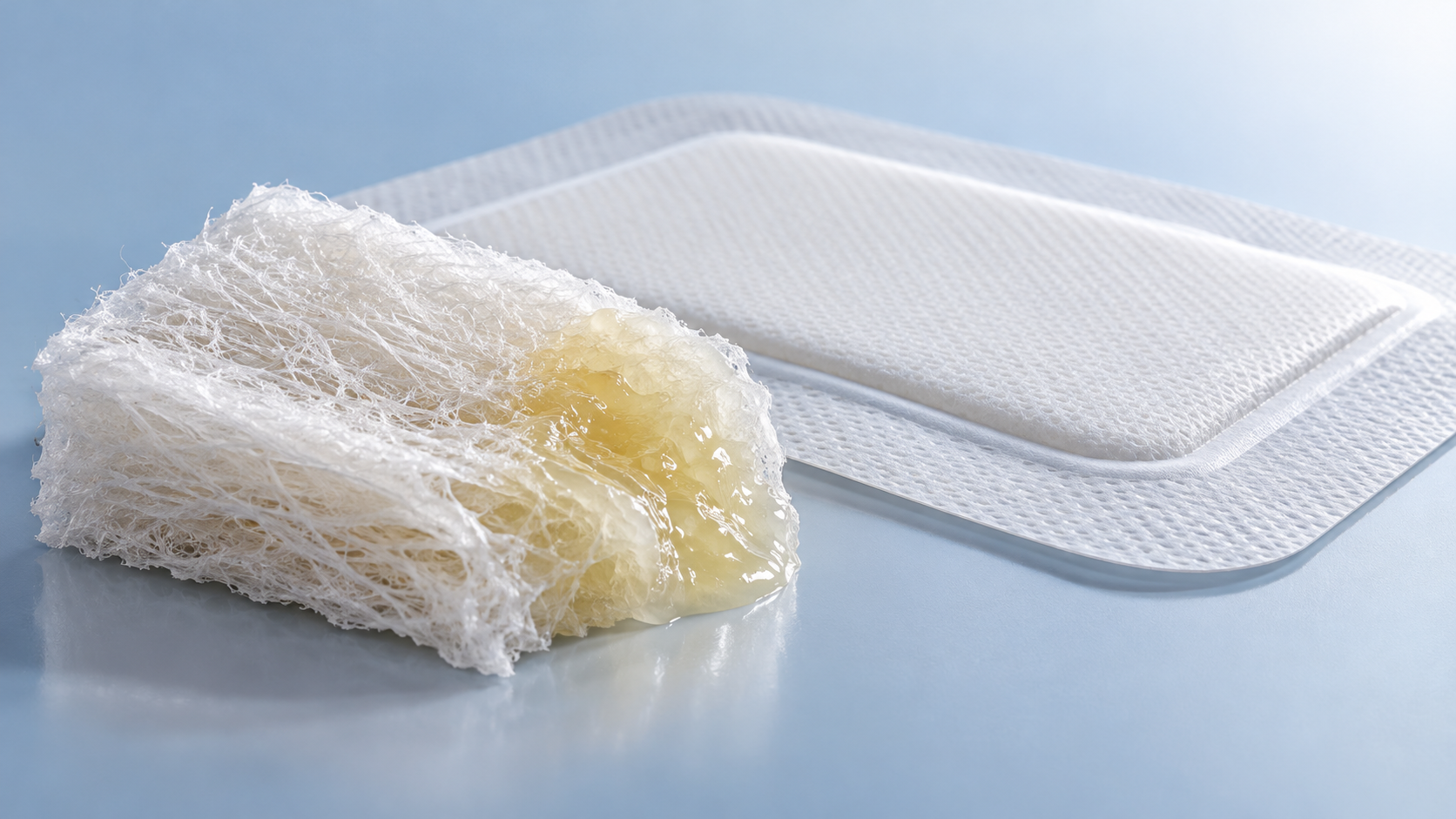
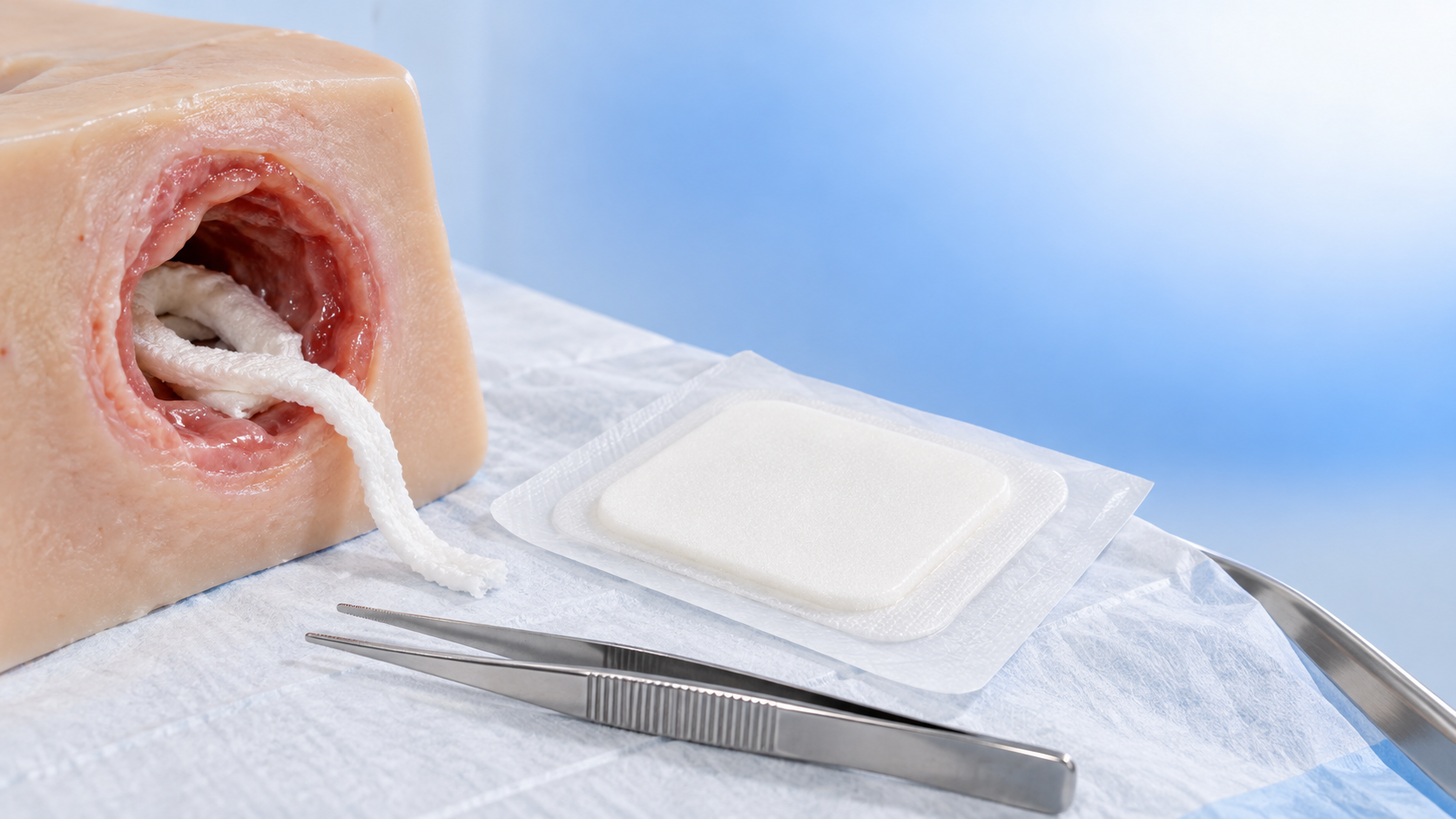
Advanced dressings and regenerative materials can be personalized by wound depth, exudate profile, infection burden, and tissue healing stage. This is especially relevant in diabetic foot ulcers and burns.
Clinical access in this scenario often hinges on comparative healing data, reduced dressing change burden, and lower downstream treatment costs rather than premium material claims alone.
Why clinical evidence demands differ across scenarios
Not all personalized medical devices face the same evidence burden. Risk class, implant duration, anatomical criticality, and revision consequences determine how regulators and payers interpret clinical value.
A patient-matched external guide may need different proof than an implanted spinal cage. A personalized catheter coating may face different scrutiny than a custom TAVR-related workflow element.
Key evidence questions in high-access scenarios
- Does personalization address a measurable unmet clinical need?
- Can imaging, design, and manufacturing consistency be demonstrated?
- Is there a validated link between fit and outcome improvement?
- Are biocompatibility and sterilization risks fully controlled?
- Can real-world evidence support broader adoption after launch?
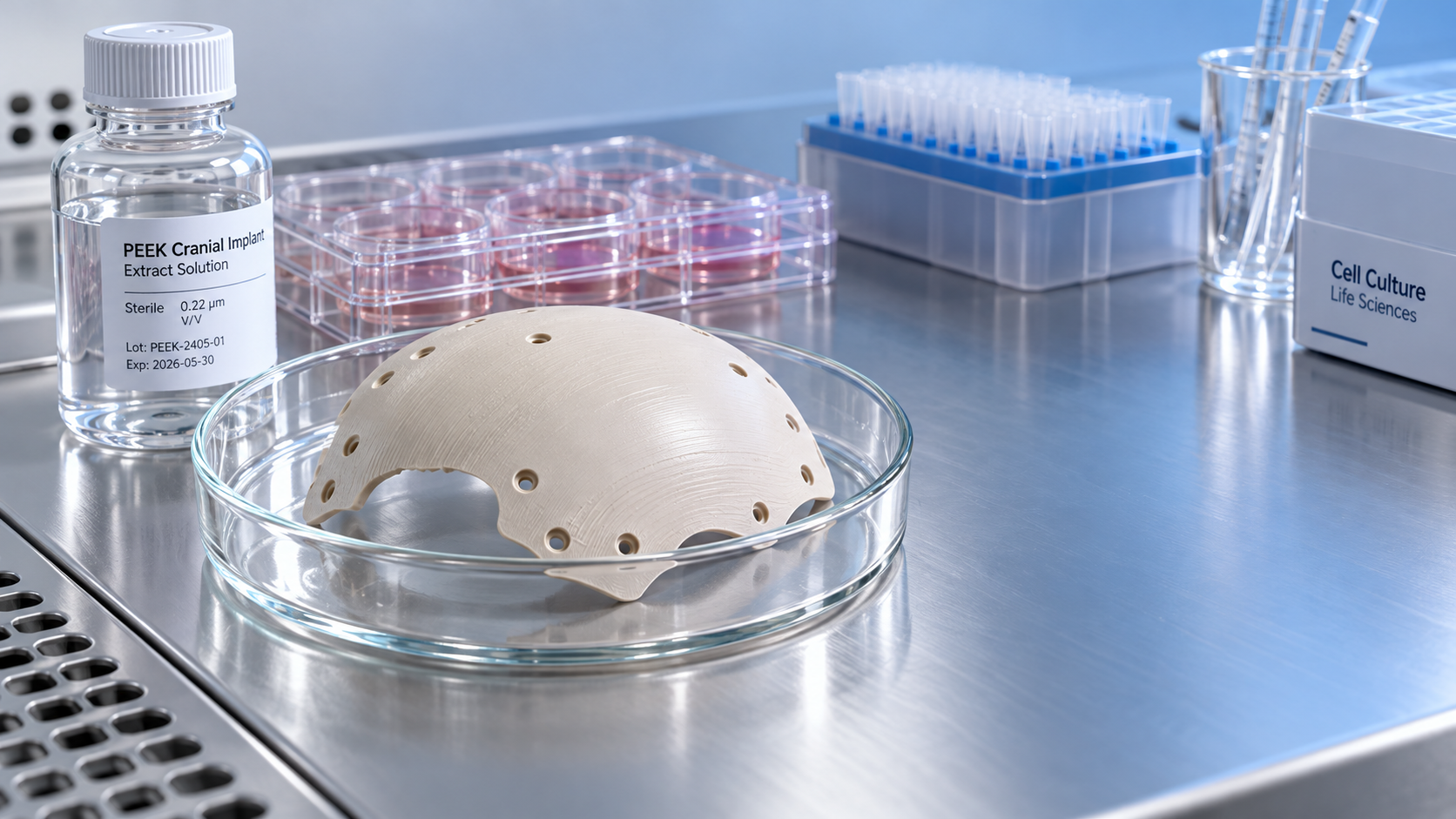
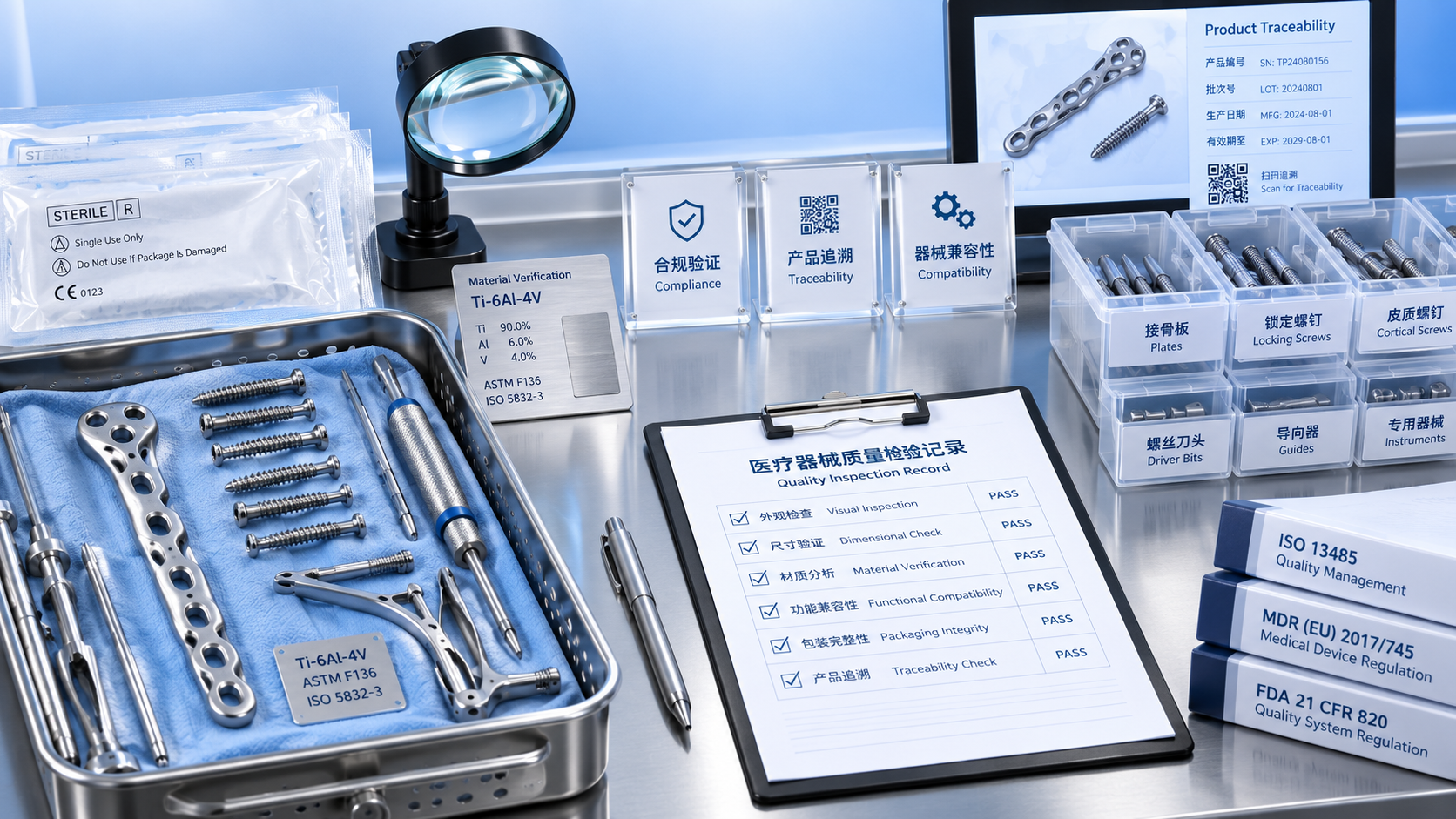
For IMCS-tracked sectors, ISO 10993 toxicology, machining precision, surface integrity, and design transfer traceability remain central. Personalized medical devices add workflow complexity that standard products usually avoid.
Typical access hurdles in three decision-critical scenarios
Scenario A: Regulation recognizes risk before value
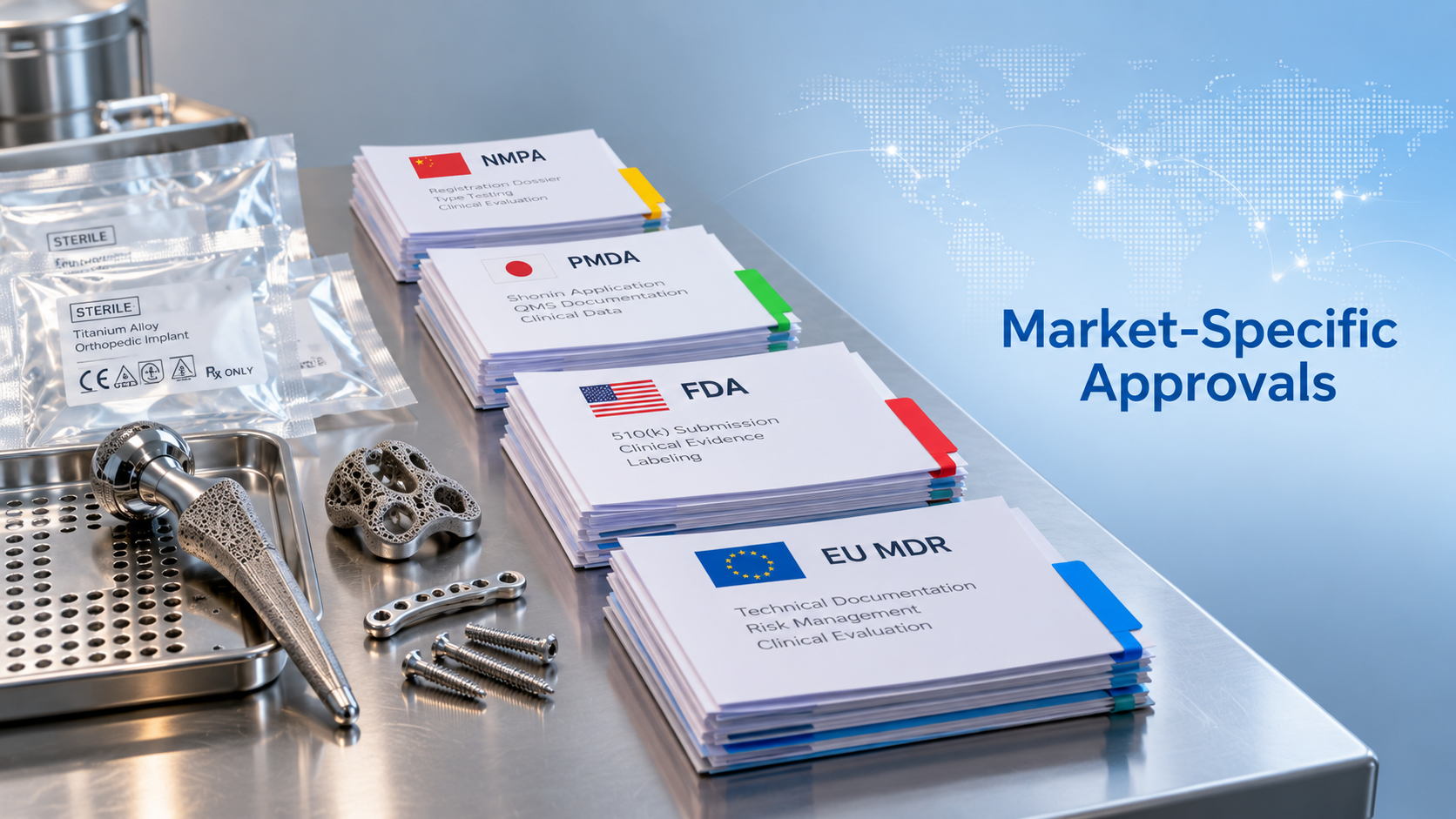
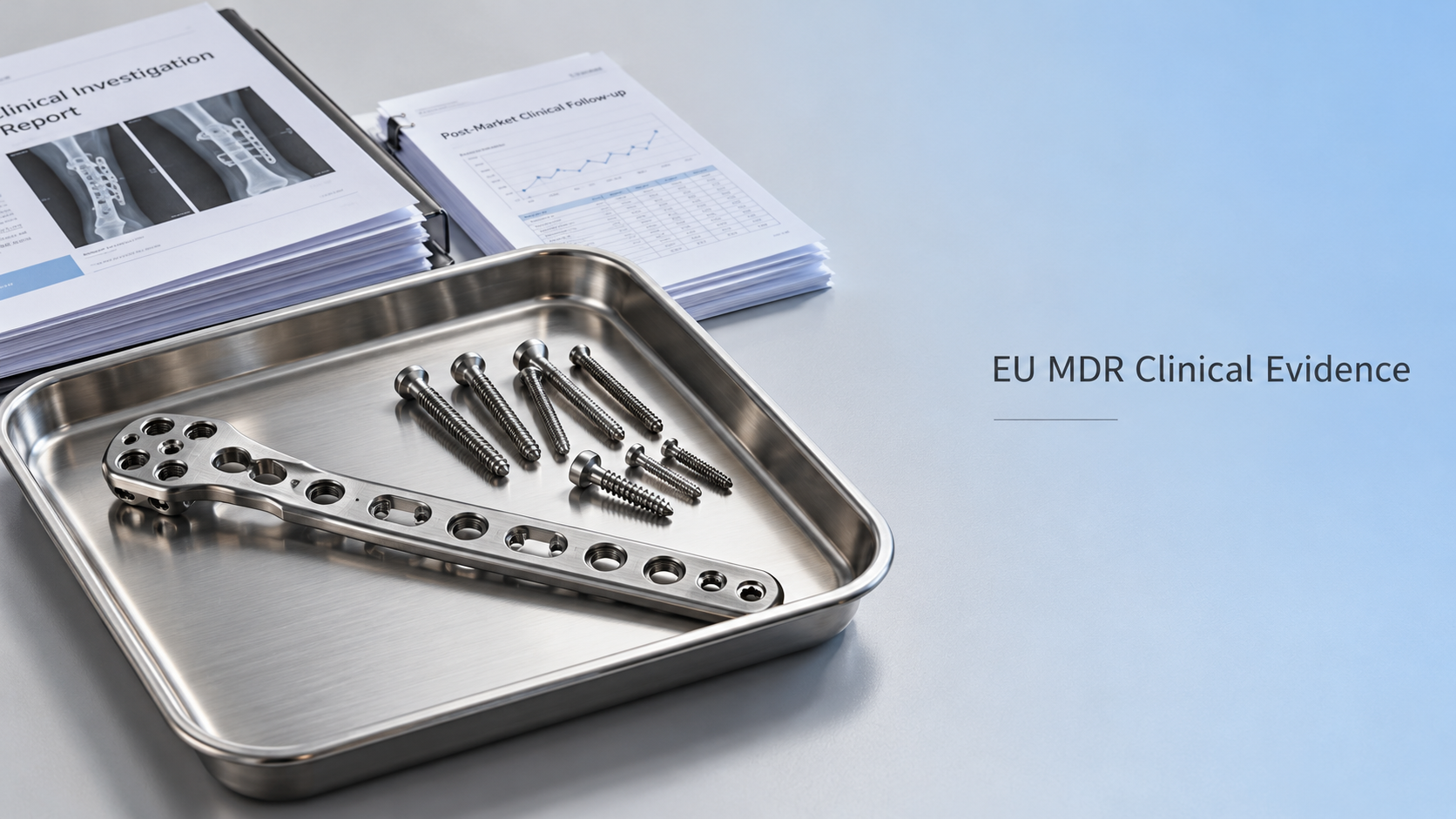
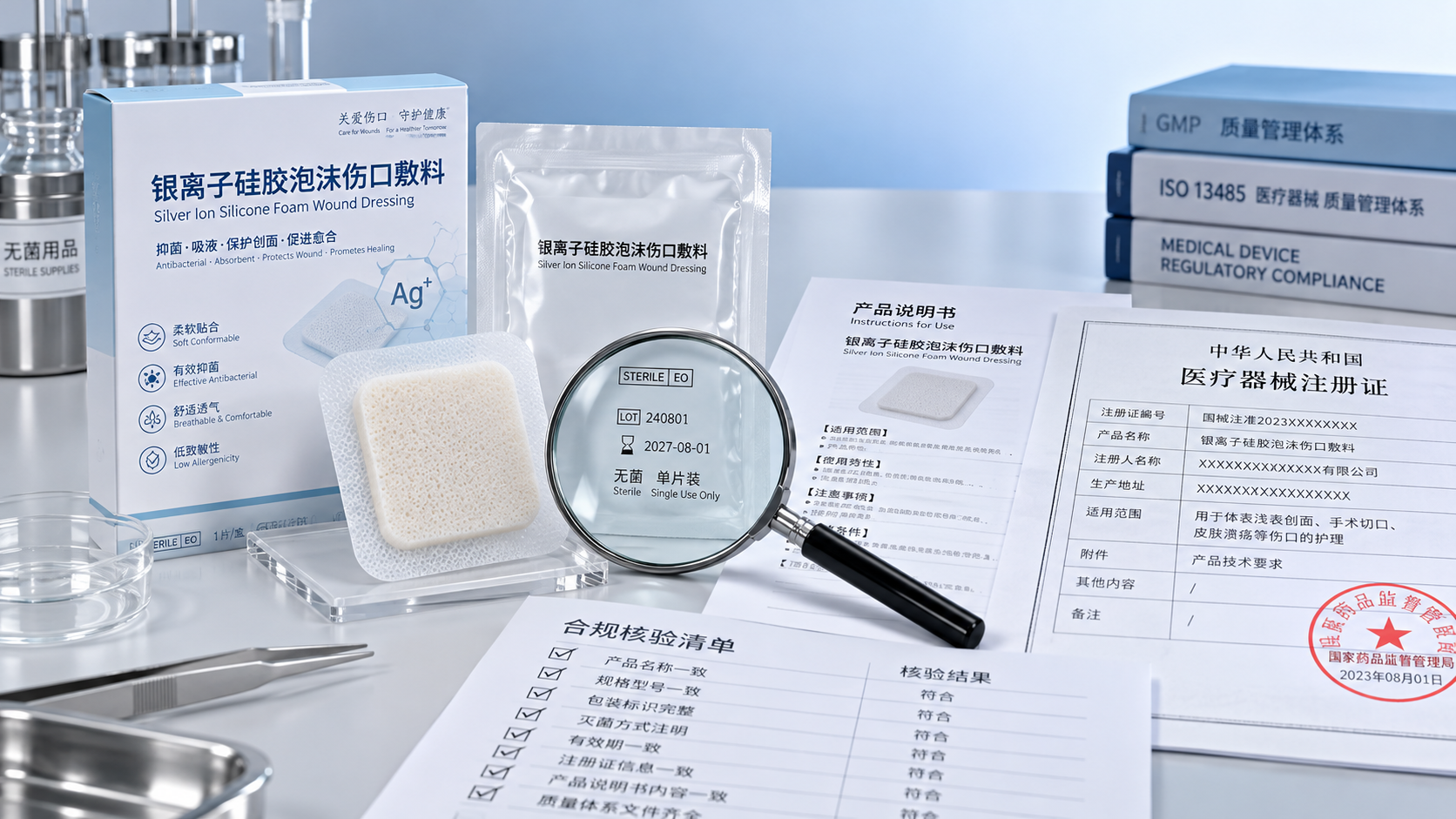
Under CE MDR and other strict regimes, personalized medical devices often trigger intense questions around design controls, equivalence, clinical evaluation, and post-market follow-up.
If each case involves design variation, the technical file must explain which elements are fixed, which are adaptable, and how safety remains predictable across the customized range.
Scenario B: Reimbursement asks who pays for precision
Many systems reimburse procedures, not device-specific personalization. Even when outcomes improve, payment pathways may not reward customized design, planning software, or premium biomaterials.
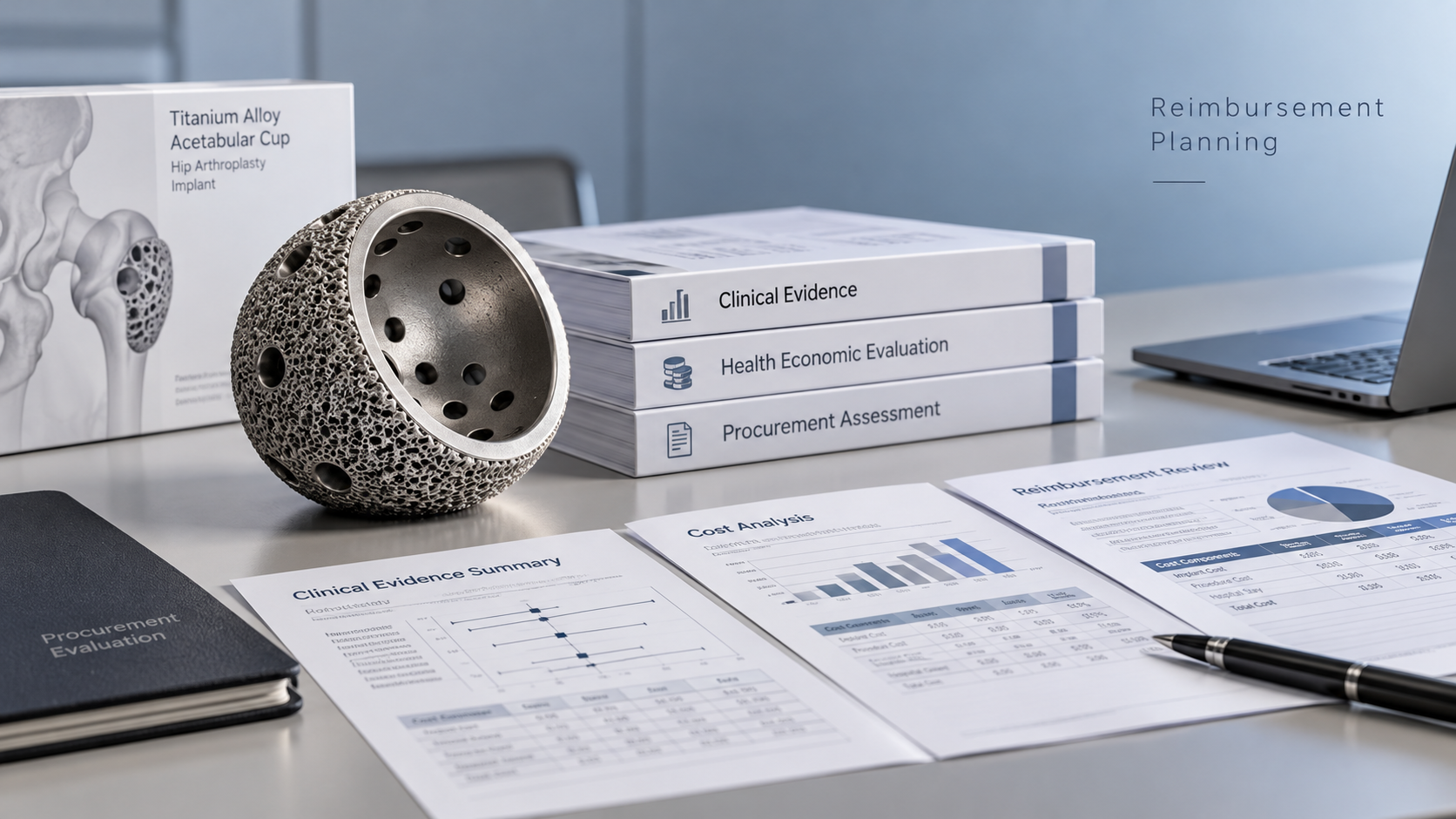
This creates a gap between clinical enthusiasm and budget logic. Personalized medical devices need economic narratives tied to complications avoided, revisions reduced, and total episode cost improved.
Scenario C: Procurement favors standard volume over tailored benefit
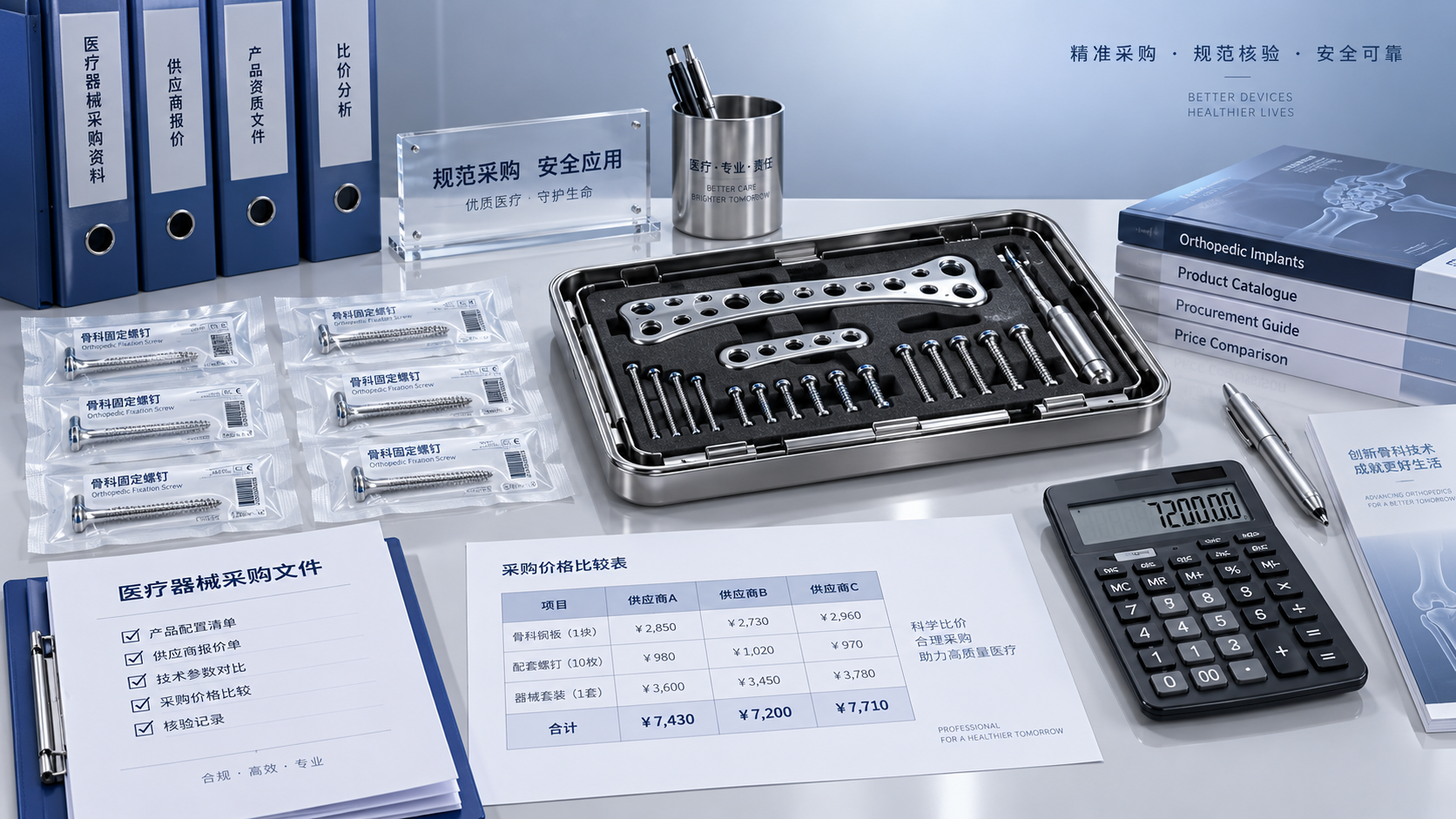
Volume-Based Procurement and similar cost-control systems can compress prices sharply. In that setting, personalized medical devices may appear disadvantaged against high-volume standardized portfolios.
Access becomes possible when customized products are positioned for clearly defined exceptions, difficult revisions, or premium clinical pathways where standard options underperform materially.
How scenario needs differ for personalized medical devices
Practical scenario-fit strategies that improve access odds
Personalized medical devices perform best when clinical, regulatory, and commercial pathways are designed together. Separation between engineering ambition and market access planning often delays adoption.
- Prioritize narrow, high-need indications before broad platform claims.
- Build evidence models around outcome change, not customization novelty.
- Standardize imaging-to-design workflows to reduce regulatory uncertainty.
- Integrate ISO 10993, sterilization, and material data early.
- Prepare health-economic arguments alongside clinical evaluation.
- Define procurement exception logic for difficult or revision cases.
For sectors covered by IMCS, this integrated approach is especially important in porous orthopedic structures, drug-device combinations, tissue-contact polymers, and implant-adjacent planning ecosystems.
Common misjudgments that weaken personalized medical devices access
Mistaking engineering complexity for clinical necessity
Not every variation deserves customization. If standard devices already perform well, personalized medical devices may struggle to justify extra cost, evidence generation, and manufacturing burden.
Assuming surgeon acceptance equals system access
Clinical enthusiasm can open doors, but reimbursement, tender rules, and post-market obligations decide whether adoption scales. Access fails when these layers are addressed too late.
Underestimating data continuity requirements
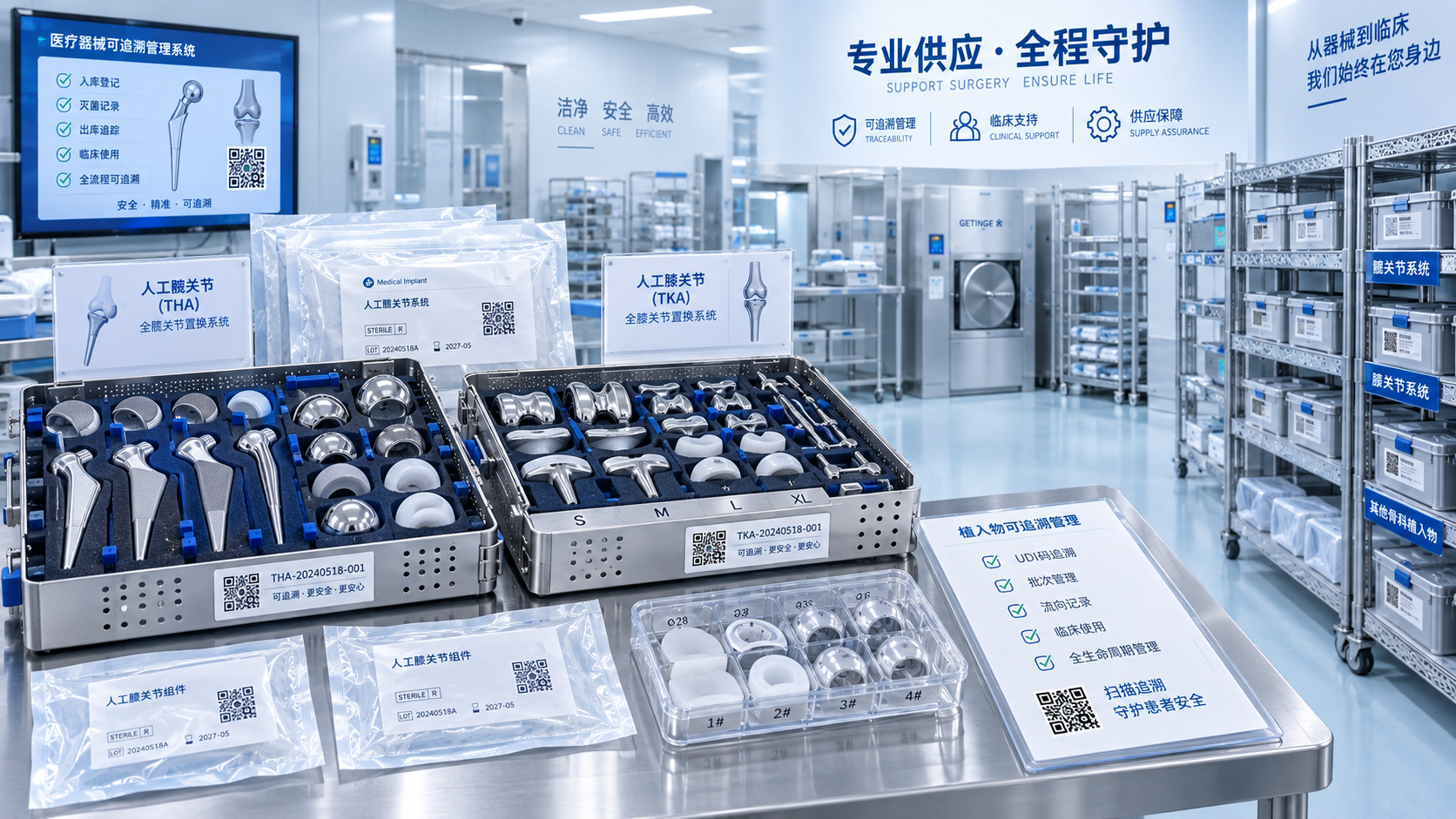
Personalized medical devices require traceability from imaging input to final product output. Breaks in software validation, machining records, or material control can undermine the whole evidence story.
Ignoring procurement-era positioning
In cost-constrained environments, premium access rarely comes from broad claims. It comes from defined use cases where personalized medical devices clearly prevent failures or improve difficult outcomes.
A focused next step for building a viable access path
Start with a scenario map. Identify where personalized medical devices solve a documented fit, healing, or procedural problem that standard products leave unresolved.
Then align four workstreams: indication selection, evidence generation, regulatory architecture, and payment positioning. This sequence helps avoid expensive customization without scalable access.
In today’s high-value consumables market, personalized medical devices win when precision is translated into proof, and proof is translated into a credible pathway through regulation, reimbursement, and procurement.
Organizations that combine biocompatibility intelligence, clinical logic, and policy awareness will be better positioned to turn personalization from a promising concept into durable clinical access.
Get weekly intelligence in your inbox.
No noise. No sponsored content. Pure intelligence.
News Recommendations
 Oct 26, 2026Can a single approval cover life science product sales worldwide?Can a single approval cover life science product sales worldwide?
 Oct 25, 2026When is sensitization testing needed for medical device biocompatibility?When is sensitization testing needed for medical device biocompatibility?
 Oct 24, 2026How is biocompatibility tested for implantable polymer biomaterials?How is biocompatibility tested for implantable polymer biomaterials?
 Oct 23, 2026How to build reimbursement into an implant commercialization strategyHow to build reimbursement into an implant commercialization strategy
 Oct 22, 2026What clinical evidence do implants need for CE marking under EU MDR?What clinical evidence do implants need for CE marking under EU MDR?
 Oct 21, 2026How to choose disposable laparoscopic stapler reloads for thick tissueHow to choose disposable laparoscopic stapler reloads for thick tissue
 Oct 20, 2026How to assess medical polymer biocompatibility under ISO 10993How to assess medical polymer biocompatibility under ISO 10993
 Oct 19, 2026How do interventional device categories differ in clinical use?How do interventional device categories differ in clinical use?
 Oct 18, 2026When to choose alginate dressings for heavily exuding chronic woundsWhen to choose alginate dressings for heavily exuding chronic wounds
 Oct 17, 2026How is biocompatibility tested for custom medical-grade PEEK implants?How is biocompatibility tested for custom medical-grade PEEK implants?
 Oct 16, 2026How to check a wound healing materials supplier’s biocompatibility dataHow to check a wound healing materials supplier’s biocompatibility data
 Oct 15, 2026How to verify the FDA clearance status of silver wound dressingsHow to verify the FDA clearance status of silver wound dressings
 Oct 14, 2026How to register orthopedic implants and instruments in Latin AmericaHow to register orthopedic implants and instruments in Latin America
 Oct 13, 2026How to use a device market intelligence database to benchmark VBP pricesHow to use a device market intelligence database to benchmark VBP prices
 Oct 12, 2026When should stainless steel orthopedic instruments be replaced?When should stainless steel orthopedic instruments be replaced?
 Oct 11, 2026When are alginate dressings rope the right choice for cavity wounds?When are alginate dressings rope the right choice for cavity wounds?
 Oct 10, 2026When smart minimally invasive technology improves catheter accessWhen smart minimally invasive technology improves catheter access
 Oct 08, 2026Clinical evaluation requirements for cardiovascular implant devices in EuropeClinical evaluation requirements for cardiovascular implant devices in Europe
 Oct 07, 2026What to verify before appointing an artificial joint implants distributorWhat to verify before appointing an artificial joint implants distributor
 Oct 06, 2026How ISO 10993 guides biocompatibility testing for medical materialsHow ISO 10993 guides biocompatibility testing for medical materials
 Oct 05, 2026How to verify an orthopedic implants and instruments exporterHow to verify an orthopedic implants and instruments exporter
 Oct 04, 2026What drives surgical stapling devices price differences in hospital tenders?What drives surgical stapling devices price differences in hospital tenders?
 Oct 03, 2026How to assess a central venous catheter manufacturer's infection-control evidenceHow to assess a central venous catheter manufacturer's infection-control evidence
 Oct 02, 2026How to assess an advanced wound care factory’s quality systemHow to assess an advanced wound care factory’s quality system
 Oct 01, 2026What is driving global medical consumables demand in emerging markets?What is driving global medical consumables demand in emerging markets?
 Sep 30, 2026Implant Material Compliance Testing: Evidence Needed for Regulatory SubmissionImplant Material Compliance Testing: Evidence Needed for Regulatory Submission
 Sep 30, 2026From Corrosion to Fatigue: What Implant Materials Testing Should MeasureFrom Corrosion to Fatigue: What Implant Materials Testing Should Measure