Minimally Invasive Surgery Equipment: Selection Mistakes to Avoid
Choosing minimally invasive surgery equipment is not just a procurement task—it directly affects clinical efficiency, compliance risk, and long-term project outcomes. For project managers and engineering leaders, the biggest mistake is selecting on price or headline specifications alone.
The right decision requires a structured view of workflow fit, device consistency, sterilization logic, regulatory alignment, supplier resilience, and total lifecycle cost. This article explains the most common selection mistakes and how to avoid them.
What Project Leaders Usually Get Wrong When Buying Minimally Invasive Surgery Equipment
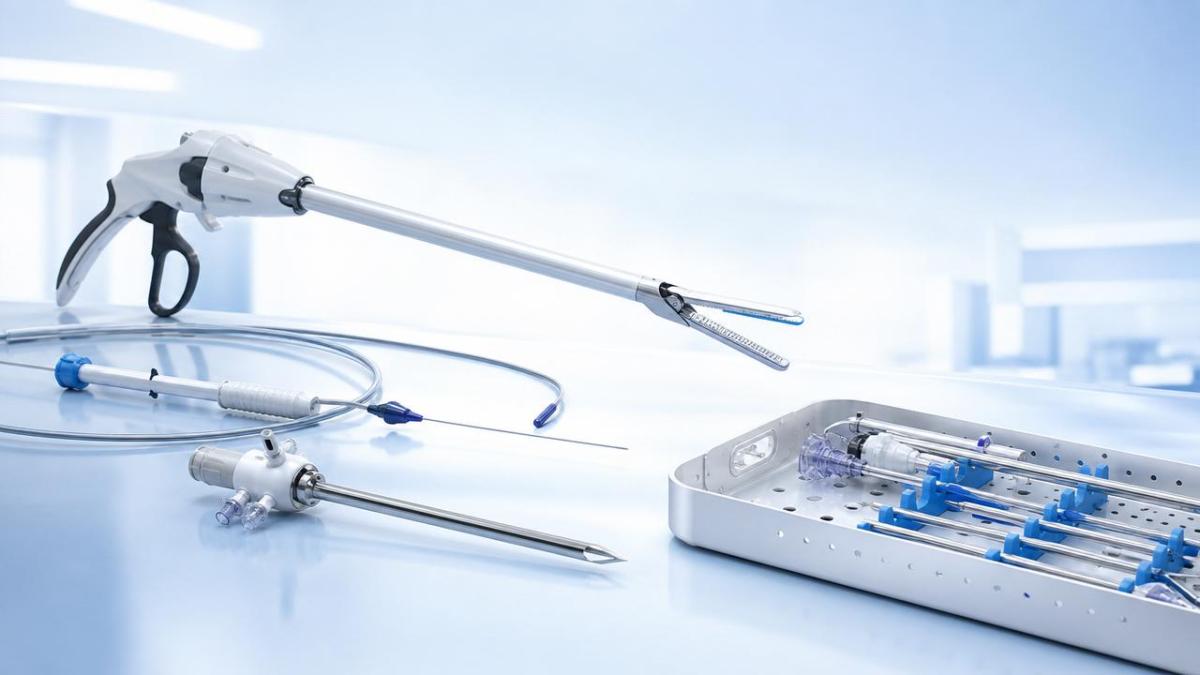
The core search intent behind “minimally invasive surgery equipment” is rarely basic product education. Most decision-makers are trying to reduce selection risk while ensuring the equipment supports clinical goals, compliance, and long-term operational stability.
For project managers and engineering leads, the real concern is not whether a device looks advanced. It is whether the full equipment set will integrate into a real surgical environment without causing delays, training problems, unexpected maintenance costs, or regulatory exposure.
This is why selection mistakes often happen in technically sophisticated organizations. Teams compare features, ask for demos, and review pricing, but still overlook the factors that determine performance after deployment.
In minimally invasive surgery, even small mismatches can create large downstream consequences. A stapler with inconsistent articulation, a catheter with poor kink resistance, or an imaging accessory with workflow friction can undermine speed, safety, and clinical confidence.
The best purchasing decisions are therefore not made by asking, “Which product is cheapest?” They are made by asking, “Which equipment choice creates the lowest clinical and operational risk over time?”
Mistake 1: Selecting Equipment by Unit Price Instead of Total Project Value
One of the most common procurement errors is evaluating minimally invasive surgery equipment mainly through unit cost. This approach looks disciplined on paper, but it often ignores the financial impact of training burden, procedure inefficiency, maintenance frequency, and consumable compatibility.
A lower-cost instrument can become the most expensive option if it increases operating room time, causes repeated handling adjustments, or leads to higher replacement rates. In MIS environments, every minute of inefficiency has labor, scheduling, and patient throughput implications.
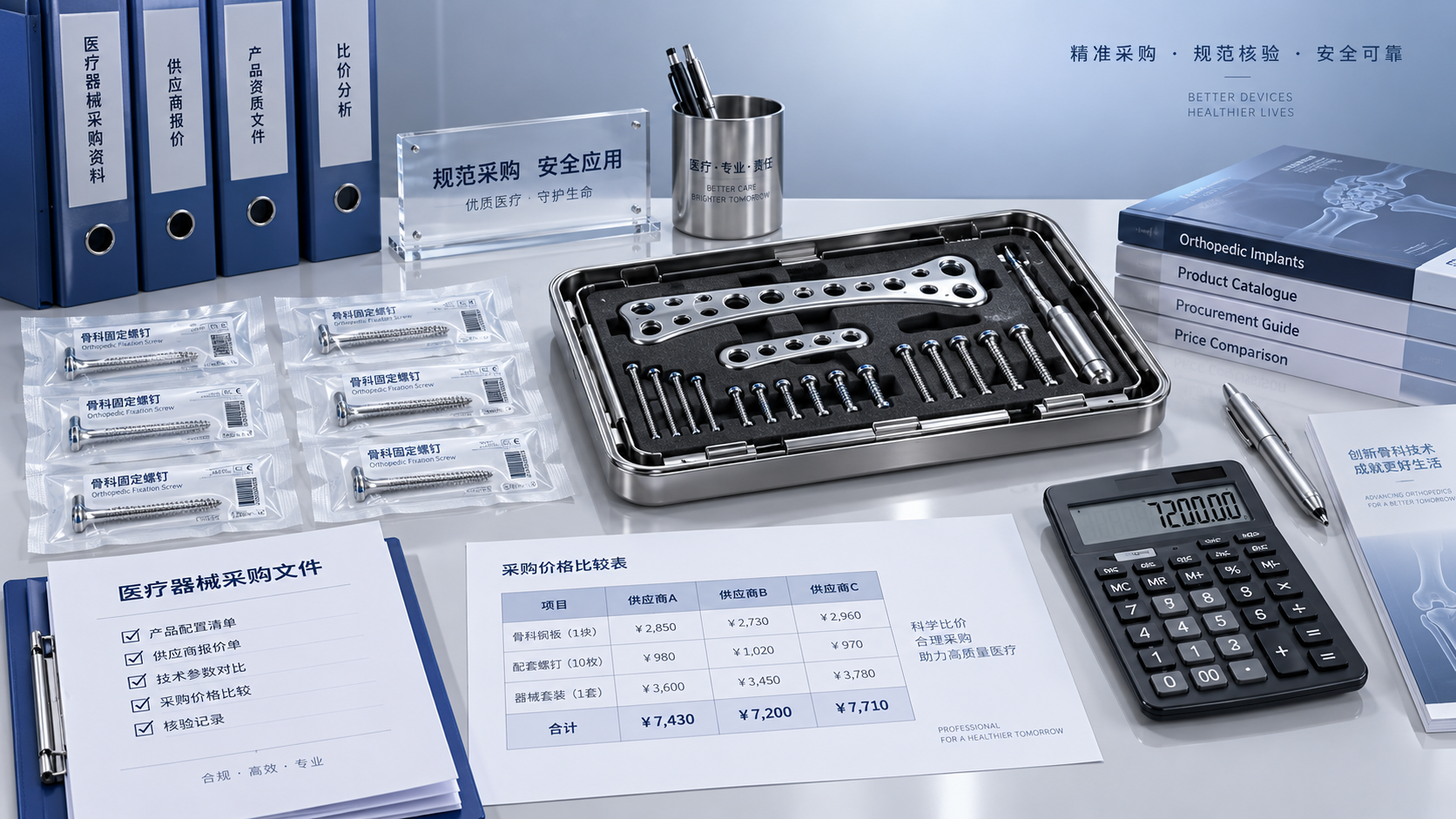
Project leaders should compare total cost of ownership rather than purchase price alone. That includes capital investment, disposable use, sterilization compatibility, repair cycles, shelf life, accessory requirements, and potential downtime during service events.
This matters especially in categories such as minimally invasive surgical staplers, polymer catheters, and precision access tools, where small differences in performance reliability can directly affect procedure continuity and postoperative outcomes.
If your evaluation model does not convert clinical efficiency and failure risk into business terms, it is incomplete. Strong equipment selection frameworks quantify not only acquisition cost but also productivity value and avoided risk.
Mistake 2: Ignoring Real Workflow Compatibility in the Operating Room
Many devices perform well in isolated demonstrations but struggle in real clinical workflows. That happens when selection teams focus on technical brochures instead of observing how minimally invasive surgery equipment behaves across setup, insertion, manipulation, exchange, closure, and postoperative handling.
Workflow compatibility includes more than physical fit. It covers ergonomics, visibility, ease of handoff, instrument balance, connection reliability, and how intuitively the equipment supports the surgeon, scrub nurse, and support staff during actual procedures.
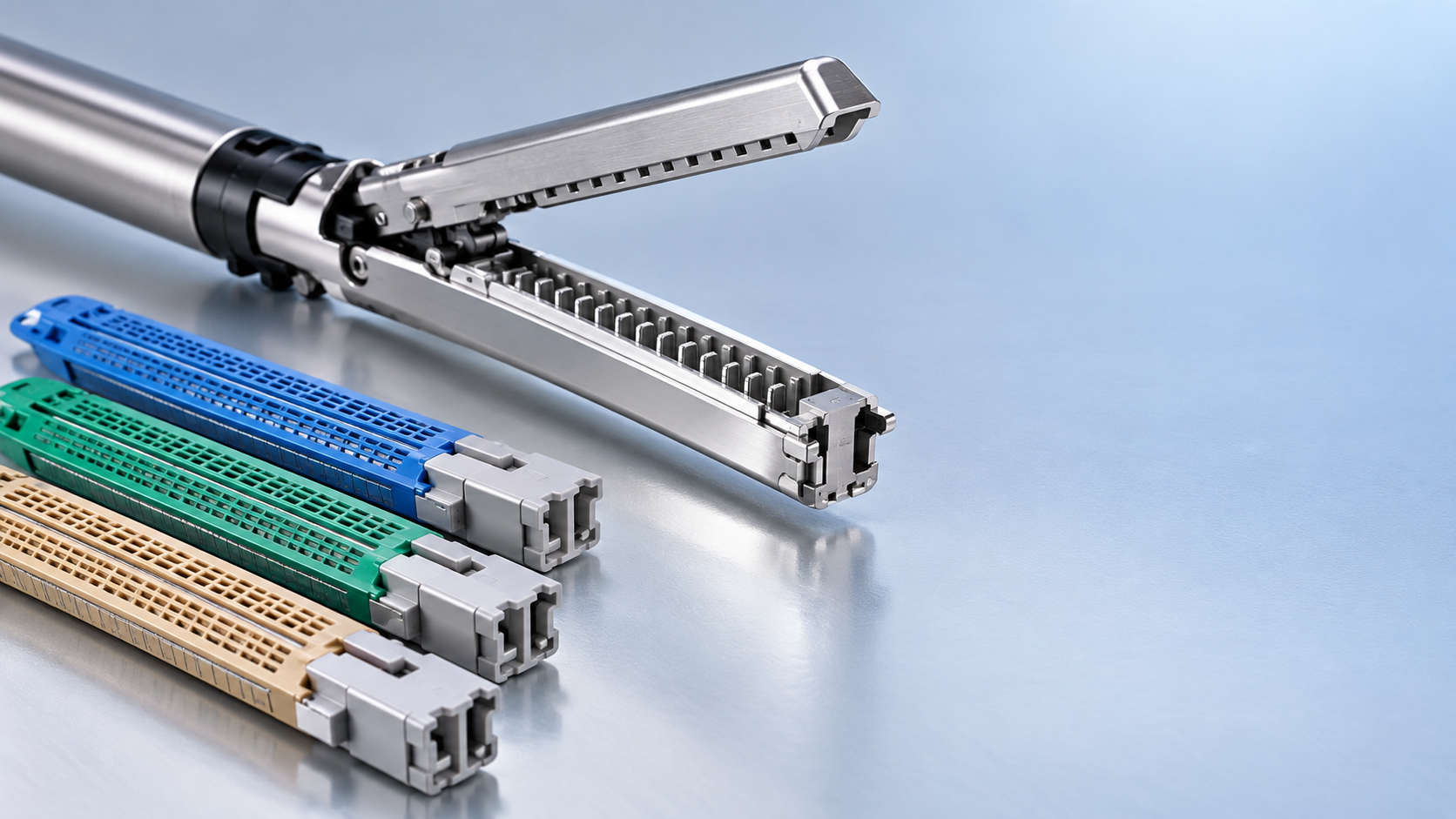
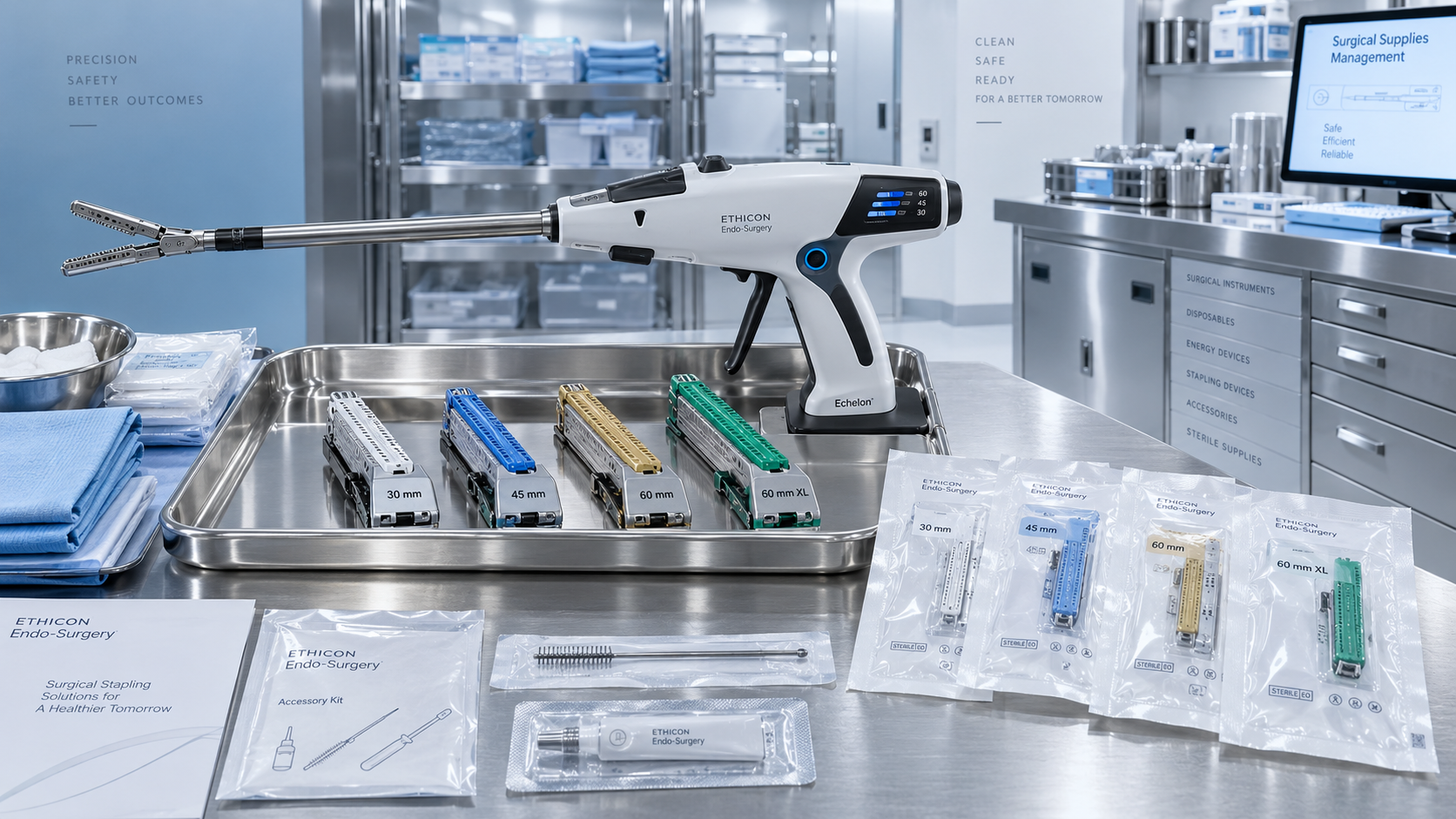
For example, a laparoscopic stapler may appear competitive based on firing force and articulation angle. But if trocar compatibility is poor or reload exchange disrupts procedural rhythm, the practical value quickly drops.
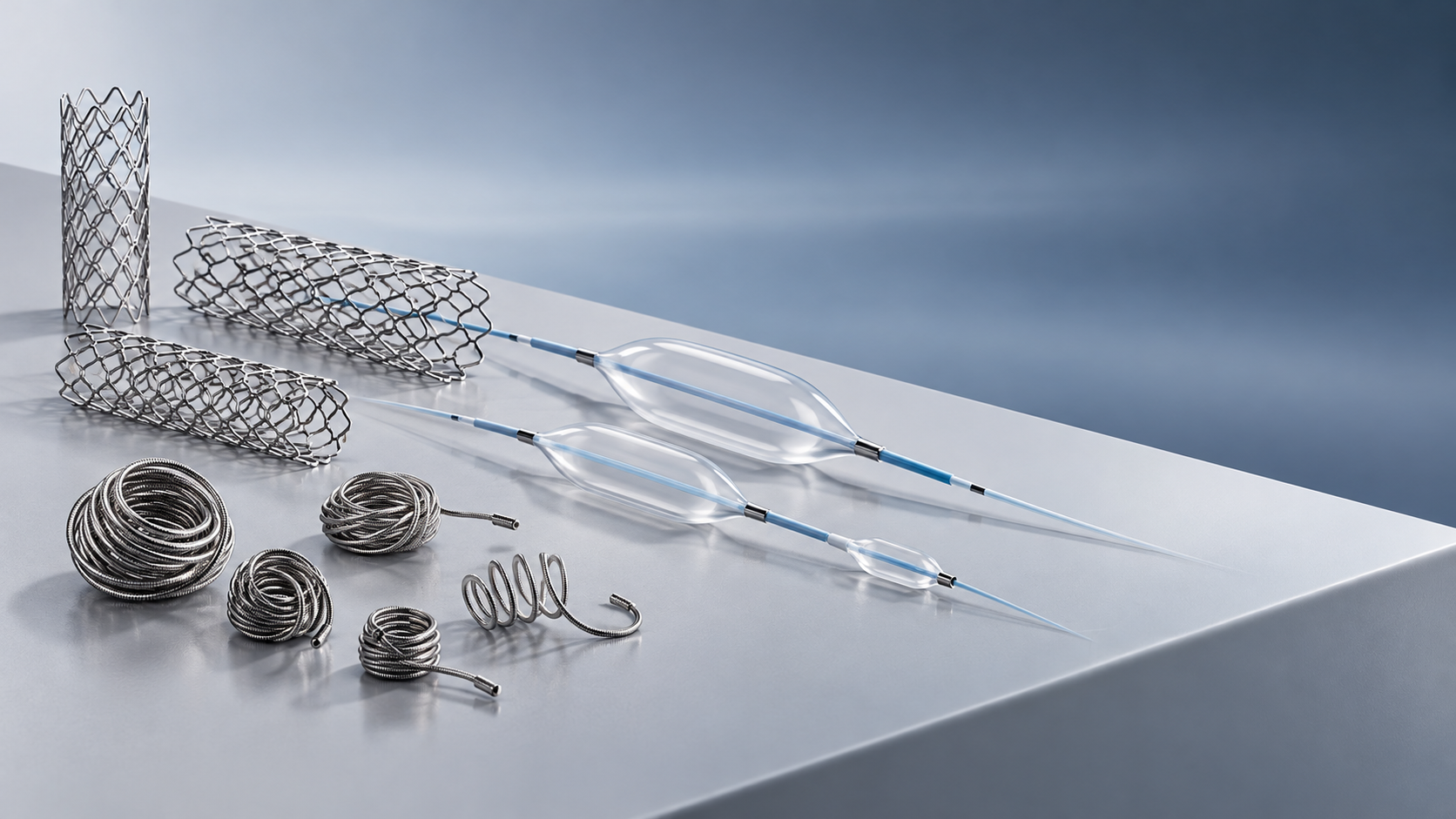
Similarly, interventional catheters must be assessed for trackability, pushability, torque response, and packaging usability. In high-pressure settings, subtle handling deficiencies can create repeated procedural friction that is not visible in a basic product comparison sheet.
Project teams should include simulated workflow assessments, clinician interviews, and scenario-based testing before final selection. The goal is not just device acceptance, but smooth integration into routine surgical practice.
Mistake 3: Underestimating Biocompatibility and Material Performance Risks
In minimally invasive surgery, material decisions are never purely engineering decisions. They are clinical, regulatory, and reputational decisions as well. Yet some buyers still overemphasize mechanical specifications while giving insufficient attention to material safety and biological interaction.
Biocompatibility is especially important in implants, vascular-access devices, polymer catheters, stapling components, coatings, and wound-contact products. Poor material choice can contribute to inflammation, thrombosis risk, tissue irritation, or compromised healing.
For project managers, the practical issue is not whether the supplier claims compliance. It is whether the evidence behind the material system is robust, current, and relevant to the intended use scenario.
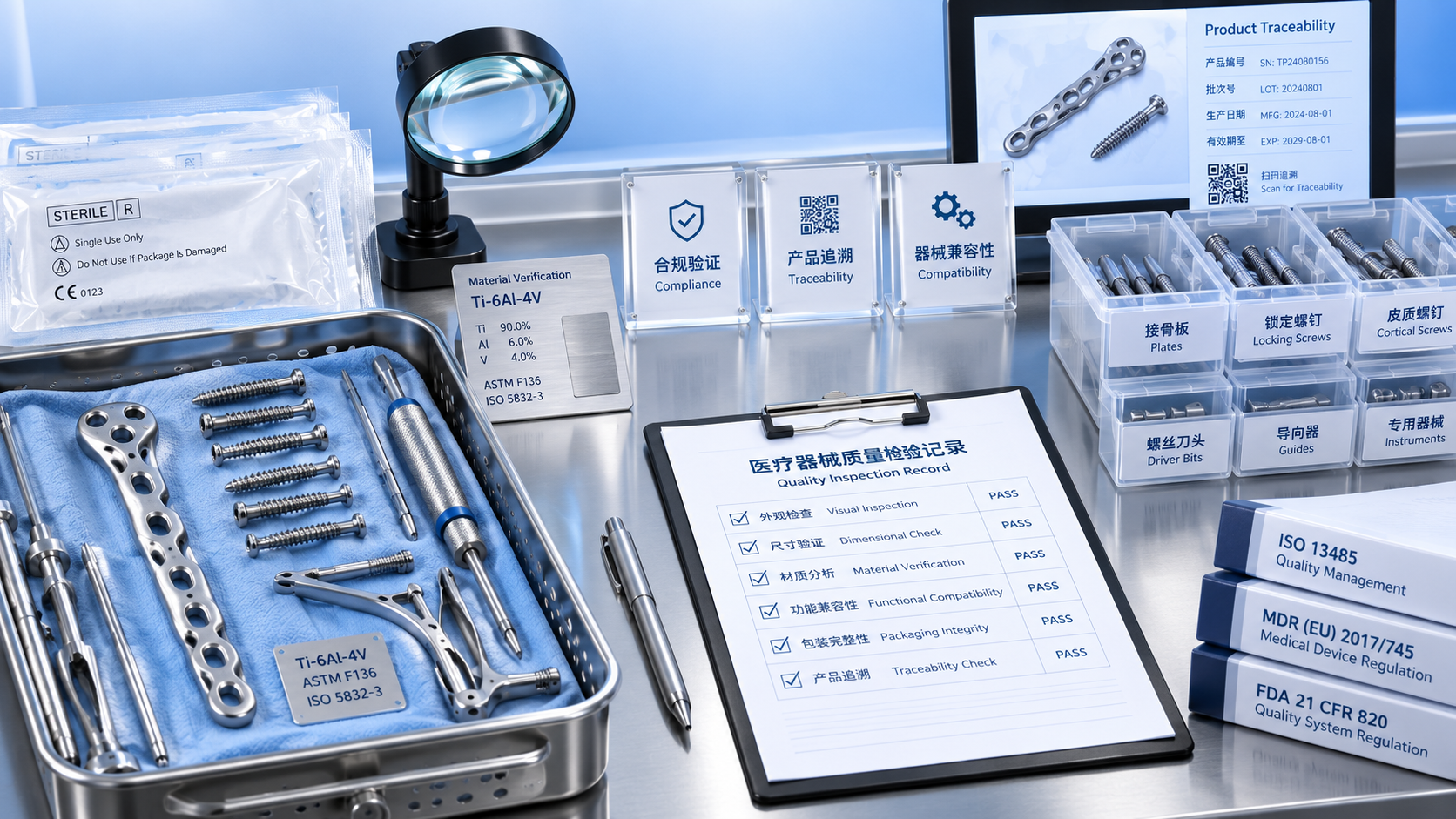
That means reviewing validation logic tied to standards such as ISO 10993, understanding coating durability, checking particulate and extractables risk, and verifying how manufacturing variation may affect final biological performance.
When evaluating minimally invasive surgery equipment, material science must be treated as part of strategic risk management. A product that passes basic procurement checks but fails long-term biological expectations can create far greater cost than any initial savings.
Mistake 4: Treating Regulatory Clearance as a Checkbox Instead of a Strategic Filter
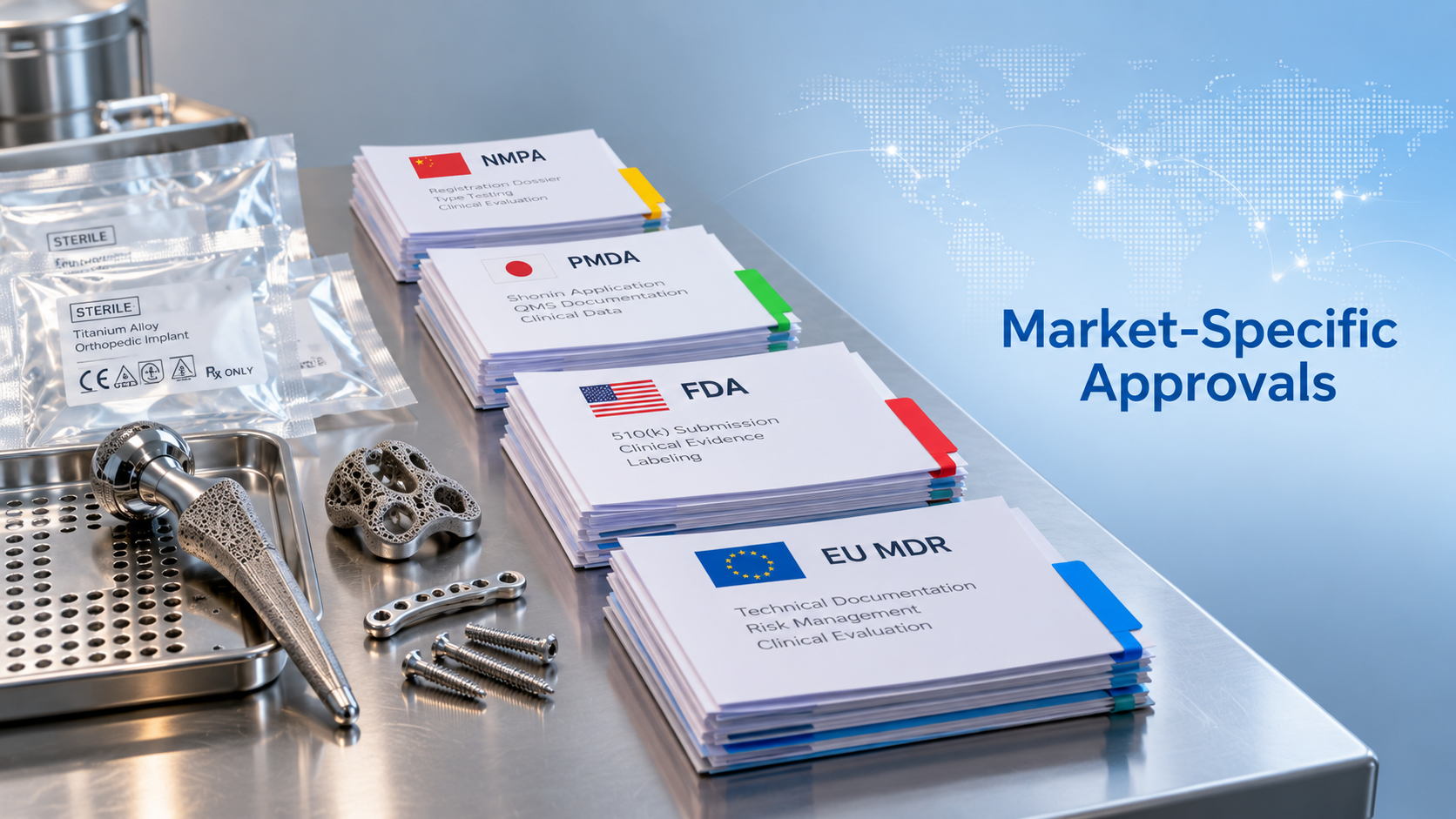
Another major error is assuming that a regulatory certificate alone is enough proof of suitability. Clearance matters, but experienced project leaders know that documentation quality, intended-use alignment, and post-market obligations are equally important.
For high-risk and clinically sensitive categories, a minimally invasive surgery equipment selection process should examine whether the product’s regulatory pathway aligns with the target market, hospital system requirements, and reimbursement realities.
A device may be legally marketable but still create procurement difficulties if labeling is narrow, clinical evidence is weak, change control is unstable, or documentation does not support internal quality review. These gaps often emerge late and delay deployment.
Engineering and project teams should therefore review technical files, sterilization validation, risk management summaries, clinical evaluation depth, and traceability controls early in the selection process. This is particularly critical for Class III-adjacent and high-dependency devices.
Regulatory assessment should not sit at the end of vendor comparison. It should act as a front-end filter that removes options likely to create quality events, import barriers, or future audit complications.
Mistake 5: Choosing Suppliers Without Checking Manufacturing Consistency
Product samples can be excellent while commercial batch consistency is weak. This is one of the most dangerous hidden risks in minimally invasive surgery equipment sourcing, especially when precision dimensions, coatings, staple formation, or catheter tolerances are involved.
For project leaders, supplier qualification must go beyond sales claims and prototype performance. The critical question is whether the manufacturer can repeatedly deliver the same quality at scale under validated production conditions.
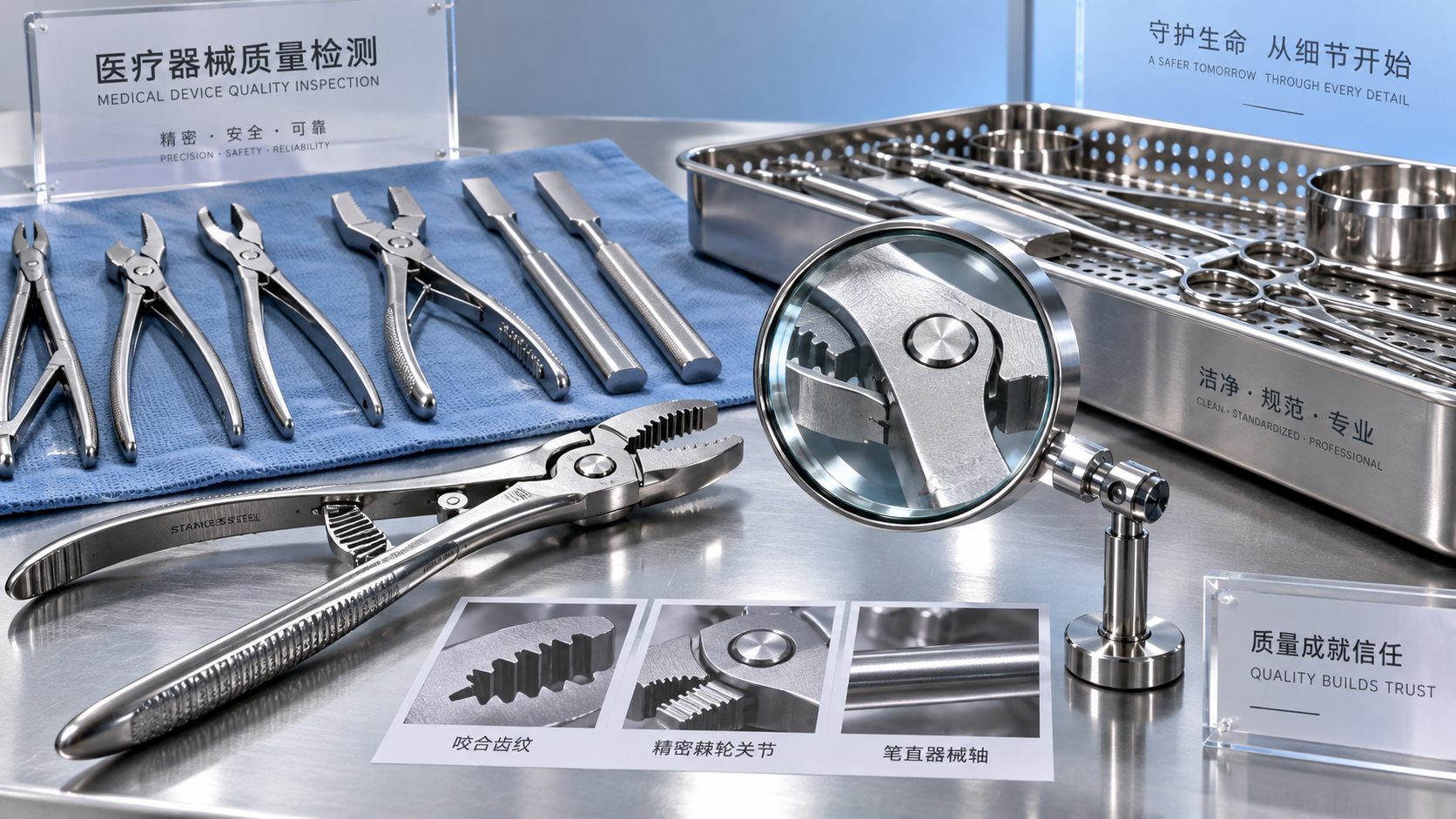
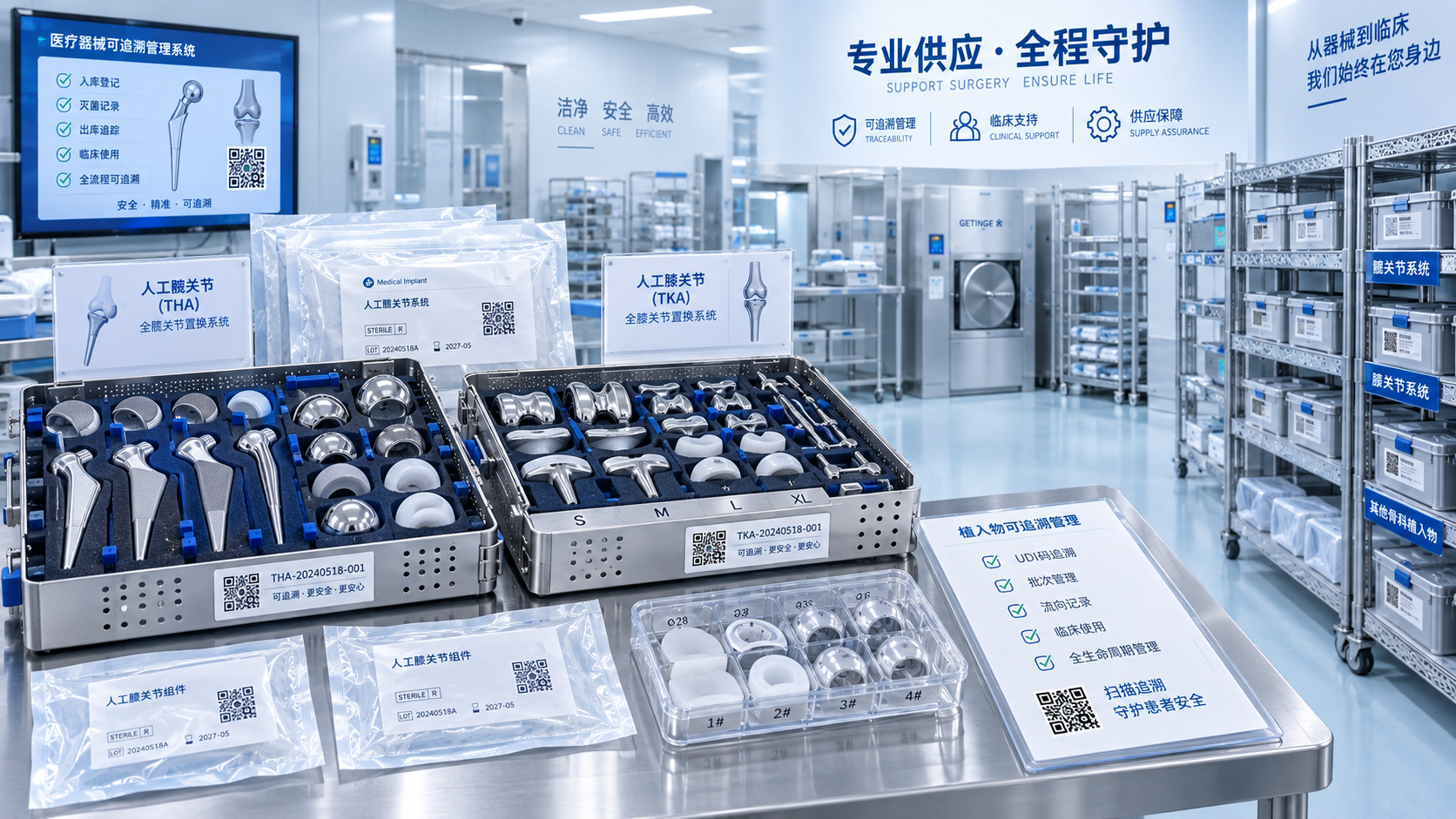
That requires looking at process capability, incoming material control, cleanroom discipline, critical dimension monitoring, lot traceability, packaging integrity, and nonconformance handling. Consistency is what protects both surgical outcomes and project timelines.
In sectors influenced by price pressure and volume-based procurement dynamics, some suppliers may optimize aggressively for cost. If that optimization reduces process stability, the buyer absorbs the downstream risk through complaints, delays, and corrective actions.
A strong sourcing decision includes site audits, quality history review, and realistic production-capacity checks. Reliability of execution is often more valuable than a marginal reduction in quote price.
Mistake 6: Overlooking Training Burden and Adoption Friction
Even technically strong equipment can fail commercially or operationally if user adoption is difficult. This is especially true in minimally invasive environments where tactile familiarity, instrument response, and team coordination heavily influence procedure performance.
Some project teams assume clinicians will adapt quickly because the device is similar to existing tools. In reality, differences in handle force, deployment sequence, visualization, or accessory setup can create a steep learning curve.
That learning curve has measurable consequences. It can lengthen procedures, increase dependence on vendor representatives, raise setup errors, and slow standardization across departments or sites.
When assessing minimally invasive surgery equipment, ask how much structured training is needed, how easy it is to create competency pathways, and whether the supplier provides practical onboarding support beyond initial demonstrations.
Equipment with lower adoption friction often creates higher long-term value, even if its upfront cost is slightly higher. Standardization succeeds when users trust the device and can apply it consistently under pressure.
Mistake 7: Failing to Plan for Service, Consumables, and Lifecycle Continuity
Selection decisions often focus too heavily on launch and too little on sustained operation. However, minimally invasive surgery equipment creates value only when service support, replacement parts, and consumable supply remain dependable over time.
A strong product today can become a weak program tomorrow if maintenance turnaround is slow, proprietary accessories are hard to source, or disposables face recurring backorders. These issues disrupt case scheduling and damage internal stakeholder confidence.
Project managers should evaluate the supplier’s lifecycle roadmap, after-sales responsiveness, field support structure, software or firmware update process where relevant, and regional inventory resilience.
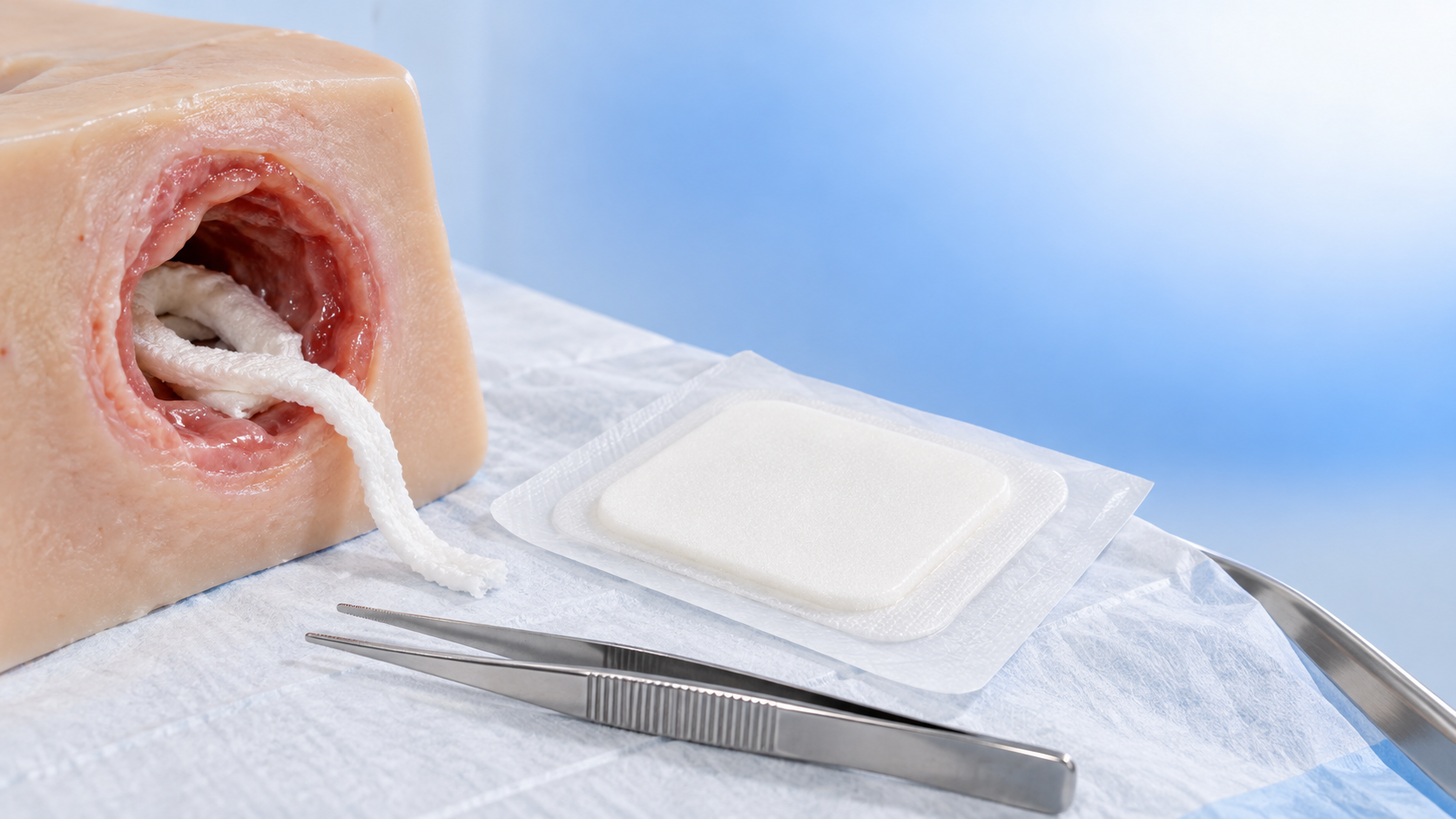
Consumables are especially important because they determine recurring spend and day-to-day continuity. If a system depends on reloads, catheters, dressings, or single-use components, supply assurance must be reviewed as rigorously as core device performance.
The best equipment strategy is not just to buy a device, but to secure an operational ecosystem that can survive demand changes, tender pressure, and quality events.
How to Build a Better Evaluation Framework for Minimally Invasive Surgery Equipment
To avoid these mistakes, project leaders should use a cross-functional evaluation framework. Procurement alone should not own the decision. Clinical users, biomedical engineers, quality specialists, regulatory teams, and operations managers all need defined input.
A practical scoring model should cover five dimensions: clinical performance, workflow fit, compliance strength, supplier capability, and economic value. This structure helps prevent overreliance on price or isolated product features.
Within each dimension, use measurable criteria. For example, clinical performance may include deployment reliability, tissue interaction, and handling consistency. Supplier capability may include manufacturing control, audit readiness, and continuity planning.
It is also useful to test equipment in representative scenarios rather than ideal ones. Include difficult anatomies, time-pressure conditions, staff rotation realities, and sterilization or storage constraints. These reveal risks that polished presentations usually hide.
Most importantly, document why an option was chosen and what assumptions support the decision. This improves accountability and helps future teams reassess equipment strategy as technologies, regulations, and procurement conditions evolve.
What Smart Decision-Makers Prioritize in 2025 and Beyond
The future of minimally invasive surgery equipment will be shaped by precision engineering, smarter materials, stronger clinical evidence expectations, and tighter cost controls. That means selection decisions will become more strategic, not less.
Project leaders who perform well in this environment will prioritize resilient suppliers, evidence-backed biocompatibility, workflow-centered design, and lifecycle economics. They will also recognize that compliance quality is a value driver, not just an obligation.
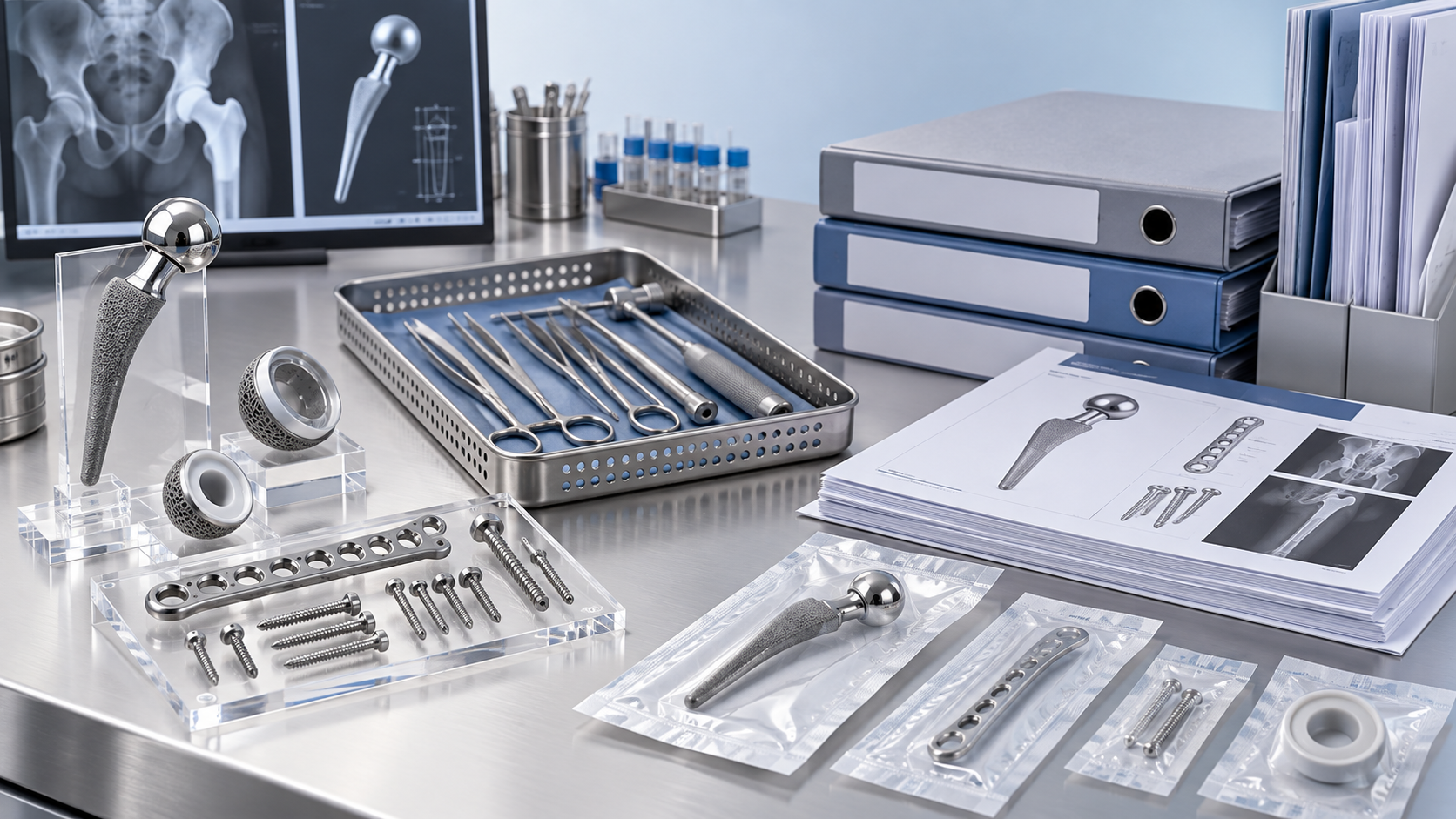
In segments such as orthopedic support tools, cardiovascular interventional systems, minimally invasive stapling platforms, and advanced wound-related consumables, the margin for selection error is narrowing. Buyers need sharper filters and better internal alignment.
The most successful organizations will treat equipment selection as part of long-term clinical infrastructure planning. That approach improves patient outcomes, supports operational predictability, and protects investment under increasingly complex market conditions.
Conclusion: Avoiding Selection Mistakes Means Managing Risk Before It Reaches the Operating Room
Choosing minimally invasive surgery equipment well is fundamentally about risk prevention. The biggest mistakes usually come from narrow comparisons, incomplete workflow review, weak supplier scrutiny, and underestimating regulatory and material complexity.
For project managers and engineering leaders, better decisions come from asking broader and more practical questions: Will this equipment perform reliably in real procedures? Is the supplier stable? Is the evidence strong? What will this choice cost over its full lifecycle?
When those questions are answered early, procurement becomes more than a purchasing action. It becomes a disciplined strategy for protecting clinical quality, operational continuity, and long-term business value.
In a market where precision, compliance, and cost pressure increasingly intersect, avoiding the wrong minimally invasive surgery equipment may be just as important as selecting the right one.
Get weekly intelligence in your inbox.
No noise. No sponsored content. Pure intelligence.
News Recommendations
 Oct 26, 2026Can a single approval cover life science product sales worldwide?Can a single approval cover life science product sales worldwide?
 Oct 25, 2026When is sensitization testing needed for medical device biocompatibility?When is sensitization testing needed for medical device biocompatibility?
 Oct 24, 2026How is biocompatibility tested for implantable polymer biomaterials?How is biocompatibility tested for implantable polymer biomaterials?
 Oct 23, 2026How to build reimbursement into an implant commercialization strategyHow to build reimbursement into an implant commercialization strategy
 Oct 22, 2026What clinical evidence do implants need for CE marking under EU MDR?What clinical evidence do implants need for CE marking under EU MDR?
 Oct 21, 2026How to choose disposable laparoscopic stapler reloads for thick tissueHow to choose disposable laparoscopic stapler reloads for thick tissue
 Oct 20, 2026How to assess medical polymer biocompatibility under ISO 10993How to assess medical polymer biocompatibility under ISO 10993
 Oct 19, 2026How do interventional device categories differ in clinical use?How do interventional device categories differ in clinical use?
 Oct 18, 2026When to choose alginate dressings for heavily exuding chronic woundsWhen to choose alginate dressings for heavily exuding chronic wounds
 Oct 17, 2026How is biocompatibility tested for custom medical-grade PEEK implants?How is biocompatibility tested for custom medical-grade PEEK implants?
 Oct 16, 2026How to check a wound healing materials supplier’s biocompatibility dataHow to check a wound healing materials supplier’s biocompatibility data
 Oct 15, 2026How to verify the FDA clearance status of silver wound dressingsHow to verify the FDA clearance status of silver wound dressings
 Oct 14, 2026How to register orthopedic implants and instruments in Latin AmericaHow to register orthopedic implants and instruments in Latin America
 Oct 13, 2026How to use a device market intelligence database to benchmark VBP pricesHow to use a device market intelligence database to benchmark VBP prices
 Oct 12, 2026When should stainless steel orthopedic instruments be replaced?When should stainless steel orthopedic instruments be replaced?
 Oct 11, 2026When are alginate dressings rope the right choice for cavity wounds?When are alginate dressings rope the right choice for cavity wounds?
 Oct 10, 2026When smart minimally invasive technology improves catheter accessWhen smart minimally invasive technology improves catheter access
 Oct 08, 2026Clinical evaluation requirements for cardiovascular implant devices in EuropeClinical evaluation requirements for cardiovascular implant devices in Europe
 Oct 07, 2026What to verify before appointing an artificial joint implants distributorWhat to verify before appointing an artificial joint implants distributor
 Oct 06, 2026How ISO 10993 guides biocompatibility testing for medical materialsHow ISO 10993 guides biocompatibility testing for medical materials
 Oct 05, 2026How to verify an orthopedic implants and instruments exporterHow to verify an orthopedic implants and instruments exporter
 Oct 04, 2026What drives surgical stapling devices price differences in hospital tenders?What drives surgical stapling devices price differences in hospital tenders?
 Oct 03, 2026How to assess a central venous catheter manufacturer's infection-control evidenceHow to assess a central venous catheter manufacturer's infection-control evidence
 Oct 02, 2026How to assess an advanced wound care factory’s quality systemHow to assess an advanced wound care factory’s quality system
 Oct 01, 2026What is driving global medical consumables demand in emerging markets?What is driving global medical consumables demand in emerging markets?
 Sep 30, 2026Implant Material Compliance Testing: Evidence Needed for Regulatory SubmissionImplant Material Compliance Testing: Evidence Needed for Regulatory Submission
 Sep 30, 2026From Corrosion to Fatigue: What Implant Materials Testing Should MeasureFrom Corrosion to Fatigue: What Implant Materials Testing Should Measure