2026 Medical Device Regulations Shaping Clinical Access
In 2026, medical device regulations are no longer a compliance checkpoint—they are a decisive force shaping clinical access, pricing power, and global market entry.
For high-value implants and consumables, regulation now determines how fast evidence converts into reimbursement, approvals, tenders, and sustained clinical adoption.
This shift matters across orthopedic implants, cardiovascular intervention, MIS consumables, polymer catheters, and advanced wound care.
The most important 2026 reality is clear: clinical access depends on aligning biocompatibility, clinical proof, manufacturing control, and procurement strategy from the beginning.
2026 medical device regulations are moving from approval logic to access logic

Earlier regulatory models focused on market authorization as the finish line. In 2026, medical device regulations extend deeper into post-market evidence and real-world performance.
Regulators increasingly ask whether a device is not only safe and effective, but also traceable, clinically justified, supply-stable, and economically defensible.
For Class III devices, this is especially visible in orthopedic replacement systems, DES platforms, TAVR valves, staplers, and implantable regenerative materials.
The consequence is direct. Companies that treat regulation, clinical design, and commercialization as separate functions face slower access and weaker negotiating leverage.
Several trend signals show why medical device regulations now shape market outcomes
Across major markets, four signals stand out. Each one pushes medical device regulations closer to commercial decision-making.
- Clinical evidence standards are rising for high-risk devices and long-term implants.
- Post-market surveillance expectations are expanding into active lifecycle management.
- Unique device identification and traceability are becoming access enablers, not paperwork tasks.
- Procurement systems increasingly reward validated outcomes, reliability, and total treatment value.
These signals are interconnected. Strong evidence supports approval, but also influences hospital confidence, payer discussions, and resilience during price pressure.
The forces behind 2026 medical device regulations are structural, not temporary
The tightening environment is driven by patient safety, cost containment, technology complexity, and public demand for transparency.
This means 2026 medical device regulations are not a temporary wave. They reflect a permanent shift in how markets judge therapeutic value.
Clinical evidence is becoming the central currency of medical device regulations
Clinical evidence now carries three jobs at once: obtaining approval, supporting access, and protecting product position during procurement cycles.
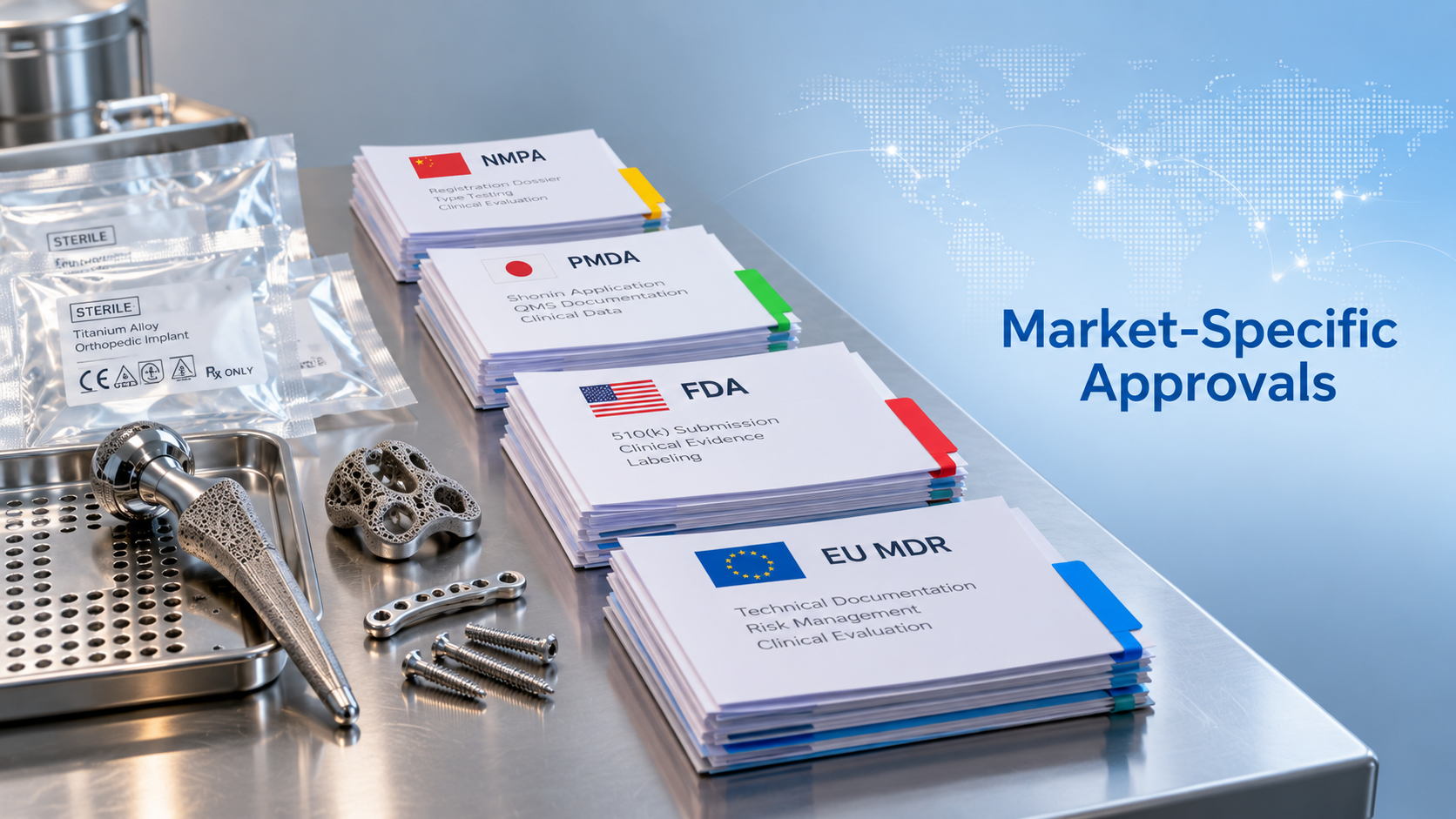
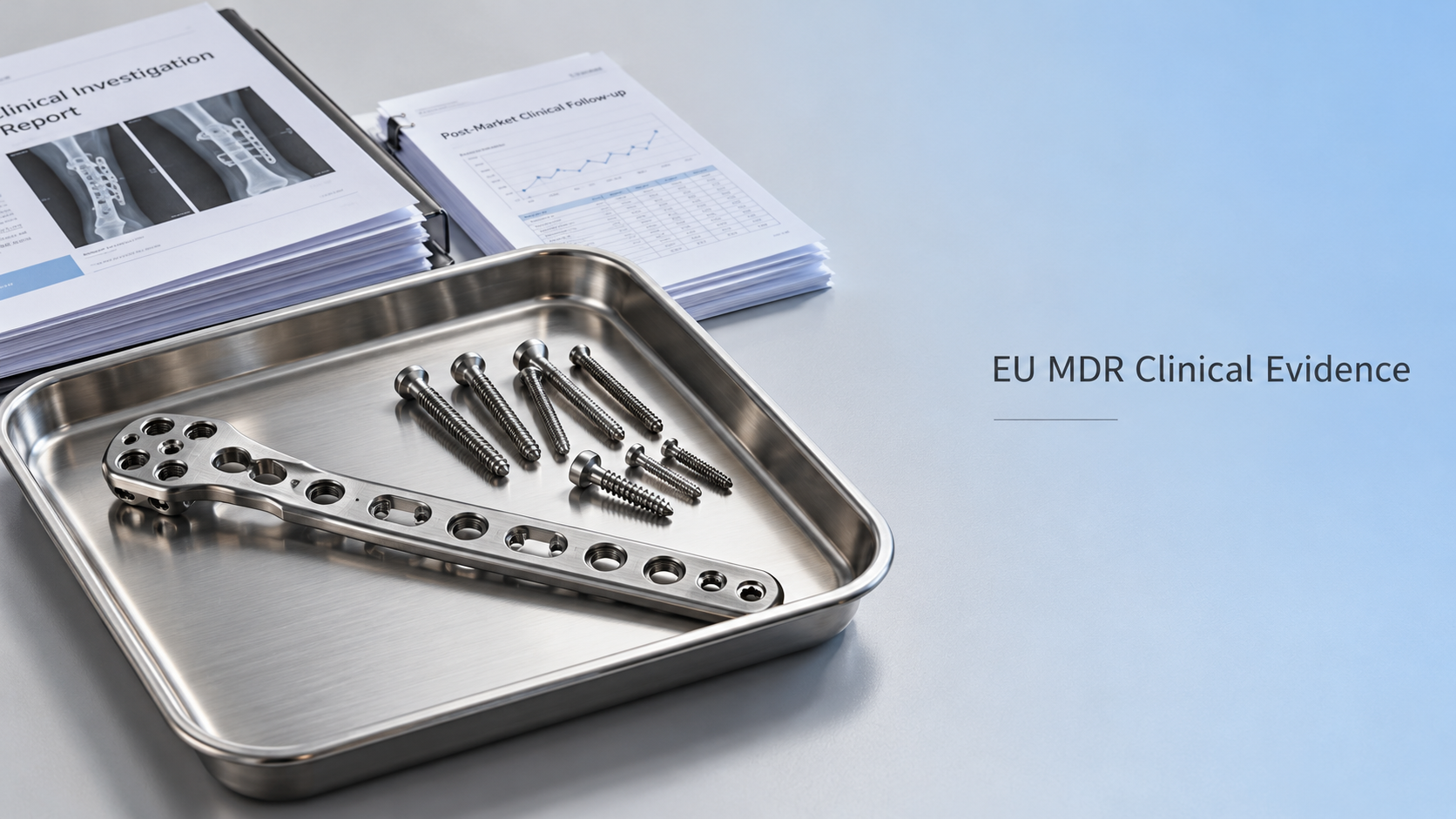
For CE MDR pathways and similar high-risk frameworks, Clinical Evaluation Reports face harder questions on equivalence, literature quality, follow-up duration, and residual risk.
That challenge is acute for implants and intervention devices where long-term function matters more than short procedural success.
Where the evidence bar rises fastest
- 3D-printed orthopedic implants with novel porous structures
- Drug-device combinations such as DES and coated catheters
- TAVR and structural heart systems with broadening indications
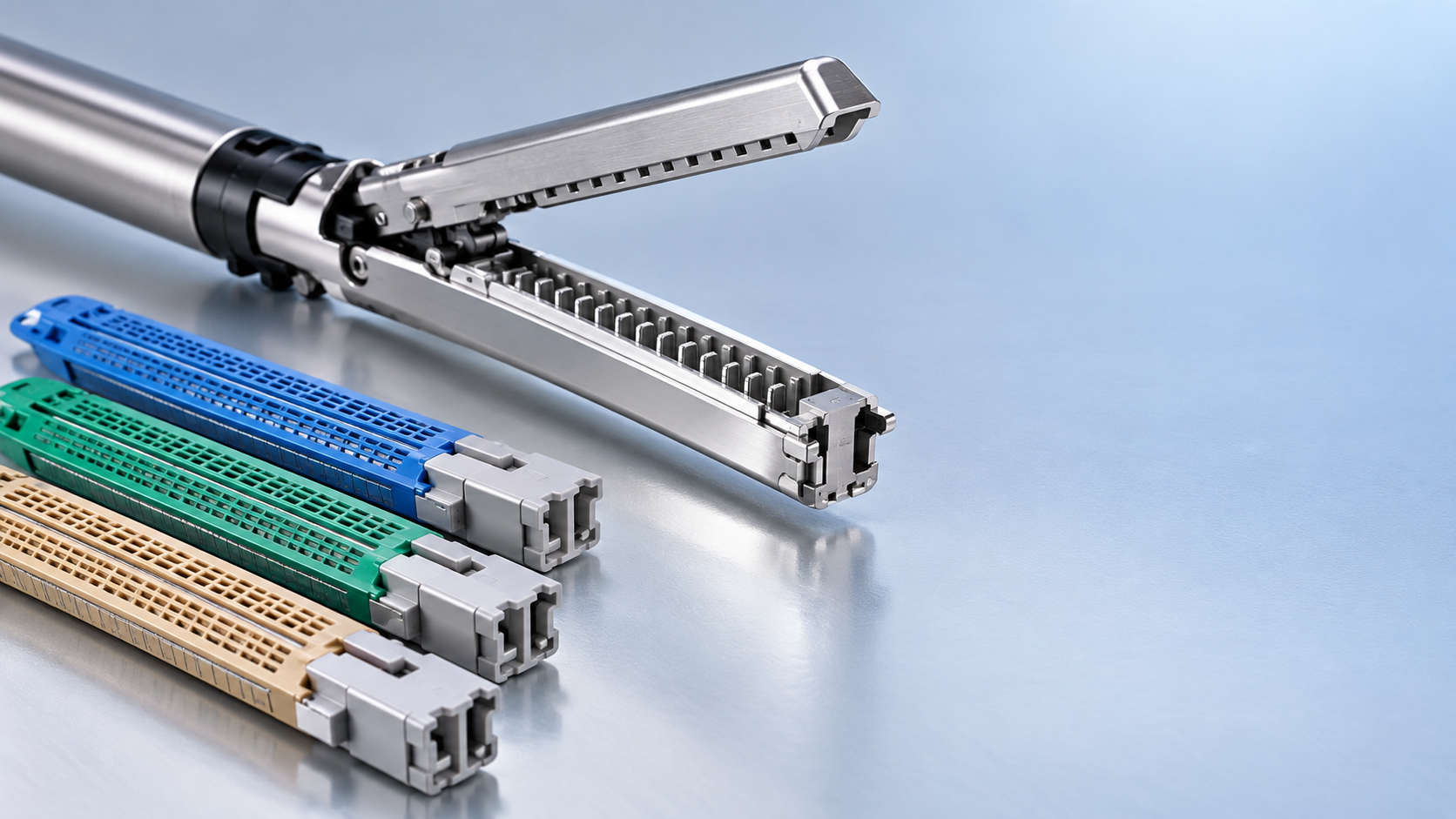
- Stapling and MIS consumables linked to leakage or healing outcomes
- Advanced dressings claiming accelerated tissue reconstruction
In all these categories, medical device regulations increasingly favor evidence packages designed around actual clinical use scenarios.
The impact spreads across R&D, quality, supply, pricing, and portfolio strategy
The regulatory shift does not stay inside the regulatory department. It changes how products are designed, documented, manufactured, and defended in competitive markets.
R&D and materials selection
Material choice now affects evidence burden. Titanium alloys, PEEK, coatings, hydrophilic surfaces, and regenerative matrices must show performance and biological safety together.
Manufacturing and process control
Micron-level precision machining, sterilization validation, packaging integrity, and process consistency increasingly influence market trust and audit readiness.
Market access and pricing
Under procurement pressure, devices with stronger evidence and dependable supply can better defend premium positioning, even in aggressive bidding environments.
Portfolio management
Products with weak documentation, narrow differentiation, or unstable manufacturing may remain approved yet lose real clinical access.
The most resilient response to medical device regulations starts before submission
The best response is not reactive remediation. It is front-loaded integration across evidence, quality, regulatory intelligence, and commercial planning.
Key points that deserve immediate attention
- Map regulatory claims to clinical endpoints, not only technical features.
- Validate biocompatibility strategy early, especially for long-term contact materials.
- Build CER and PMS plans alongside product development milestones.
- Use traceability systems to support recall readiness and real-world evidence capture.
- Stress-test pricing assumptions against procurement and compliance costs.
- Review whether each SKU can still justify its evidence and quality maintenance burden.
These steps improve readiness for 2026 medical device regulations while also sharpening product narratives for hospitals, payers, and partners.
A practical framework helps convert regulatory pressure into strategic advantage
This framework matters in broad industry settings because regulatory strength increasingly shapes brand credibility and not just technical legality.
The next step is building an evidence-led access model around medical device regulations
A strong 2026 plan should begin with a cross-functional review of high-risk products, evidence gaps, materials risk, and procurement exposure.
For complex implants and consumables, the most durable advantage comes from connecting clinical logic, toxicology validation, manufacturing precision, and market intelligence.
That is where IMCS creates value: translating evolving medical device regulations into actionable insight for orthopedic, cardiovascular, MIS, catheter, and wound care portfolios.
When regulation is treated as a strategic operating system, clinical access becomes more predictable, innovation becomes more defendable, and global expansion becomes more realistic.
Now is the right time to reassess evidence architecture, portfolio priorities, and commercialization assumptions before 2026 requirements harden further.
Get weekly intelligence in your inbox.
No noise. No sponsored content. Pure intelligence.
News Recommendations
 Oct 26, 2026Can a single approval cover life science product sales worldwide?Can a single approval cover life science product sales worldwide?
 Oct 25, 2026When is sensitization testing needed for medical device biocompatibility?When is sensitization testing needed for medical device biocompatibility?
 Oct 24, 2026How is biocompatibility tested for implantable polymer biomaterials?How is biocompatibility tested for implantable polymer biomaterials?
 Oct 23, 2026How to build reimbursement into an implant commercialization strategyHow to build reimbursement into an implant commercialization strategy
 Oct 22, 2026What clinical evidence do implants need for CE marking under EU MDR?What clinical evidence do implants need for CE marking under EU MDR?
 Oct 21, 2026How to choose disposable laparoscopic stapler reloads for thick tissueHow to choose disposable laparoscopic stapler reloads for thick tissue
 Oct 20, 2026How to assess medical polymer biocompatibility under ISO 10993How to assess medical polymer biocompatibility under ISO 10993
 Oct 19, 2026How do interventional device categories differ in clinical use?How do interventional device categories differ in clinical use?
 Oct 18, 2026When to choose alginate dressings for heavily exuding chronic woundsWhen to choose alginate dressings for heavily exuding chronic wounds
 Oct 17, 2026How is biocompatibility tested for custom medical-grade PEEK implants?How is biocompatibility tested for custom medical-grade PEEK implants?
 Oct 16, 2026How to check a wound healing materials supplier’s biocompatibility dataHow to check a wound healing materials supplier’s biocompatibility data
 Oct 15, 2026How to verify the FDA clearance status of silver wound dressingsHow to verify the FDA clearance status of silver wound dressings
 Oct 14, 2026How to register orthopedic implants and instruments in Latin AmericaHow to register orthopedic implants and instruments in Latin America
 Oct 13, 2026How to use a device market intelligence database to benchmark VBP pricesHow to use a device market intelligence database to benchmark VBP prices
 Oct 12, 2026When should stainless steel orthopedic instruments be replaced?When should stainless steel orthopedic instruments be replaced?
 Oct 11, 2026When are alginate dressings rope the right choice for cavity wounds?When are alginate dressings rope the right choice for cavity wounds?
 Oct 10, 2026When smart minimally invasive technology improves catheter accessWhen smart minimally invasive technology improves catheter access
 Oct 08, 2026Clinical evaluation requirements for cardiovascular implant devices in EuropeClinical evaluation requirements for cardiovascular implant devices in Europe
 Oct 07, 2026What to verify before appointing an artificial joint implants distributorWhat to verify before appointing an artificial joint implants distributor
 Oct 06, 2026How ISO 10993 guides biocompatibility testing for medical materialsHow ISO 10993 guides biocompatibility testing for medical materials
 Oct 05, 2026How to verify an orthopedic implants and instruments exporterHow to verify an orthopedic implants and instruments exporter
 Oct 04, 2026What drives surgical stapling devices price differences in hospital tenders?What drives surgical stapling devices price differences in hospital tenders?
 Oct 03, 2026How to assess a central venous catheter manufacturer's infection-control evidenceHow to assess a central venous catheter manufacturer's infection-control evidence
 Oct 02, 2026How to assess an advanced wound care factory’s quality systemHow to assess an advanced wound care factory’s quality system
 Oct 01, 2026What is driving global medical consumables demand in emerging markets?What is driving global medical consumables demand in emerging markets?
 Sep 30, 2026Implant Material Compliance Testing: Evidence Needed for Regulatory SubmissionImplant Material Compliance Testing: Evidence Needed for Regulatory Submission
 Sep 30, 2026From Corrosion to Fatigue: What Implant Materials Testing Should MeasureFrom Corrosion to Fatigue: What Implant Materials Testing Should Measure