Choosing Minimally Invasive Surgical Consumables
For procurement teams, choosing minimally invasive surgical consumables is no longer just a price comparison—it is a risk, compliance, and performance decision.
From laparoscopic staplers and trocars to catheters, energy devices, and wound access systems, each product must balance clinical reliability, approval status, biocompatibility, and supply stability.
This guide explains the purchasing factors that help hospitals, distributors, and device buyers identify safer, cost-effective consumables in a stricter regulatory and value-based market.
What procurement teams are really trying to avoid
When buyers search for minimally invasive surgical consumables, they usually need more than a product list or a generic supplier catalog.
The real concern is whether a consumable will perform consistently in surgery, pass compliance review, and remain available under budget pressure.
A low unit price can become expensive if stapler misfires, trocar leakage, catheter kinking, or packaging failures increase clinical risk.
Procurement should therefore evaluate total purchasing risk, including clinical interruption, regulatory exposure, inventory shortages, surgeon dissatisfaction, and hidden after-sales costs.
The best decision is rarely the cheapest product. It is the product with proven usability, stable quality, clear documentation, and predictable supply.
Define the clinical use case before comparing suppliers
Procurement accuracy begins with understanding where the consumable will be used, because minimally invasive procedures place different demands on materials and mechanics.
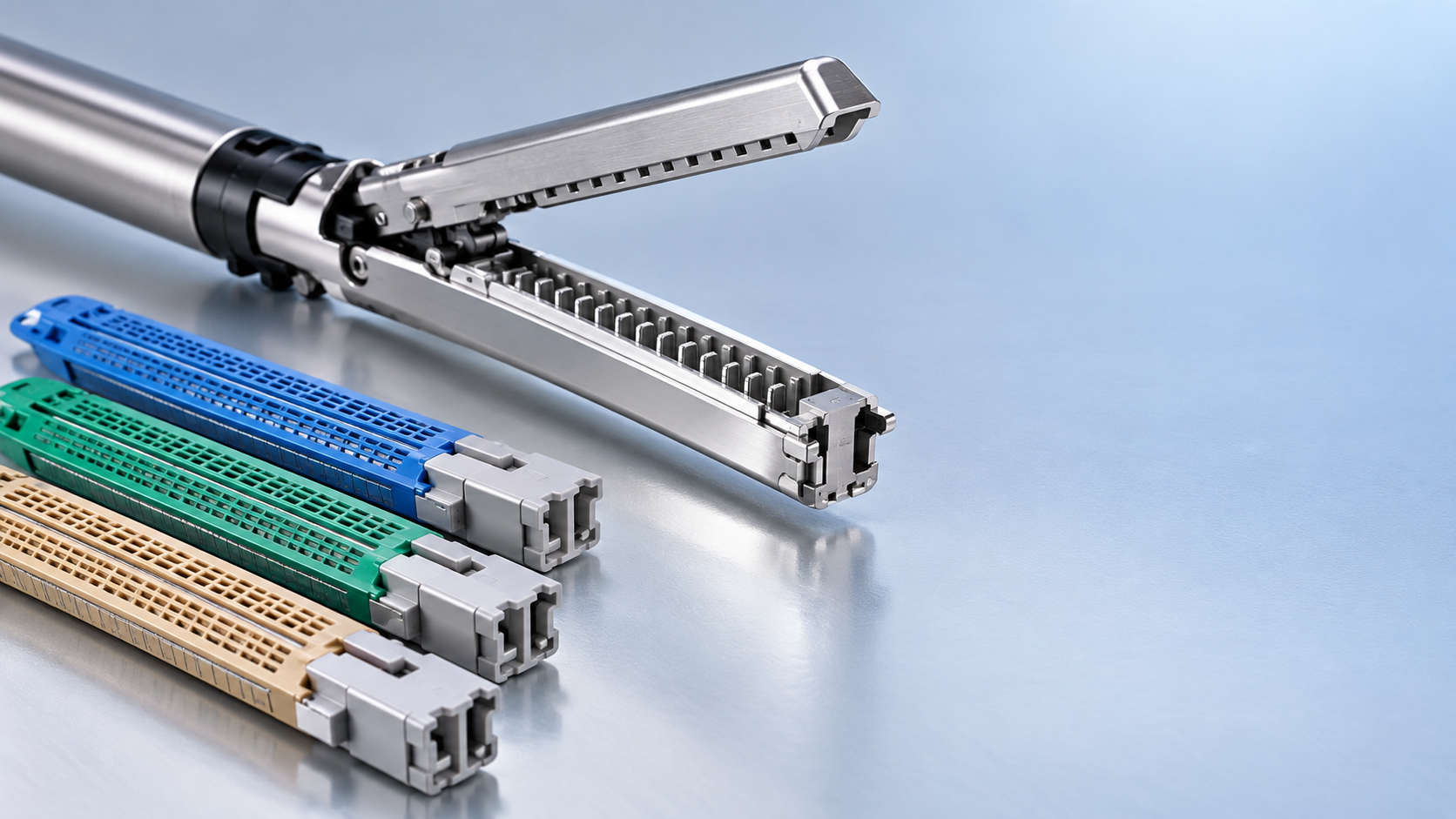
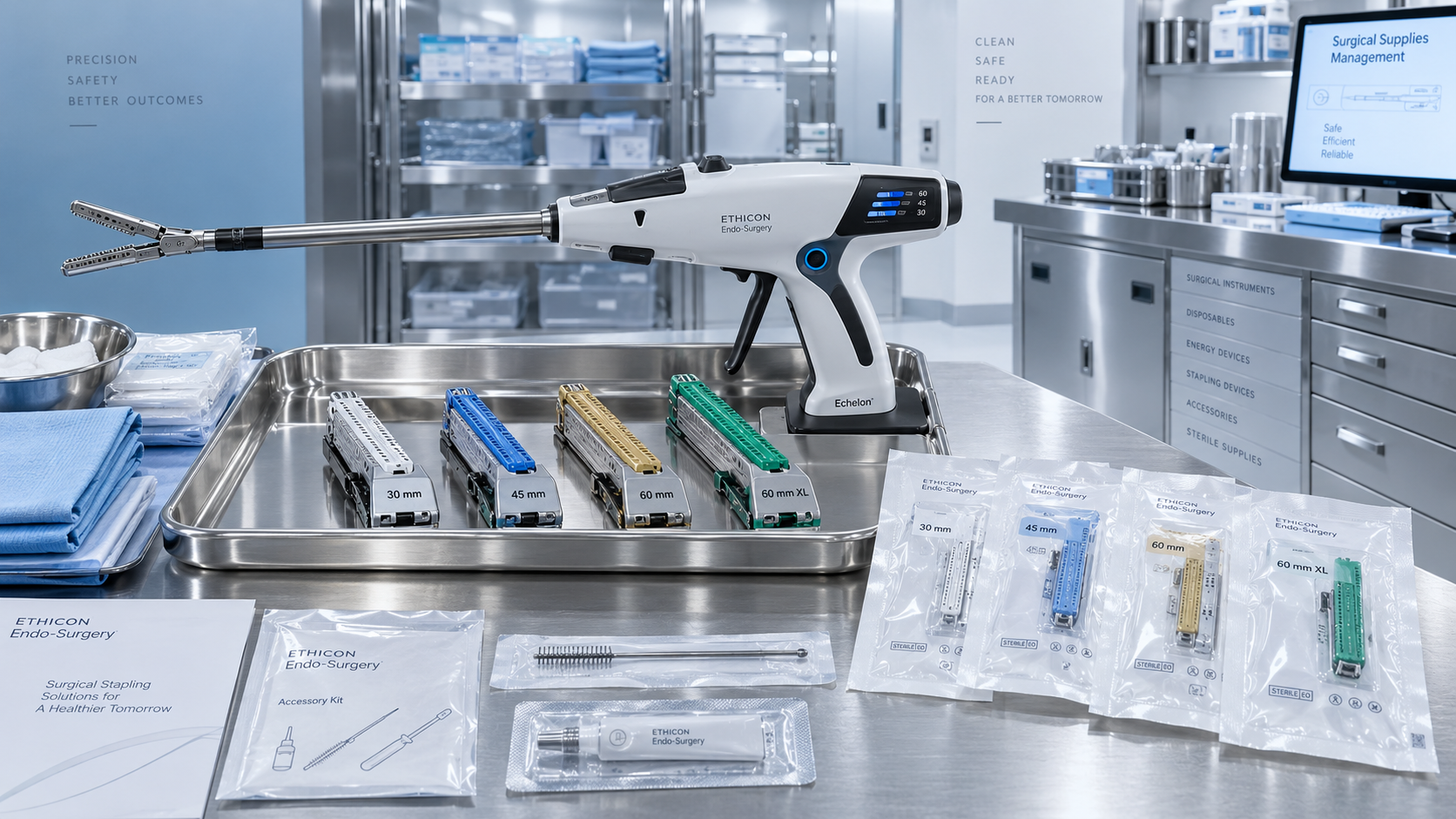
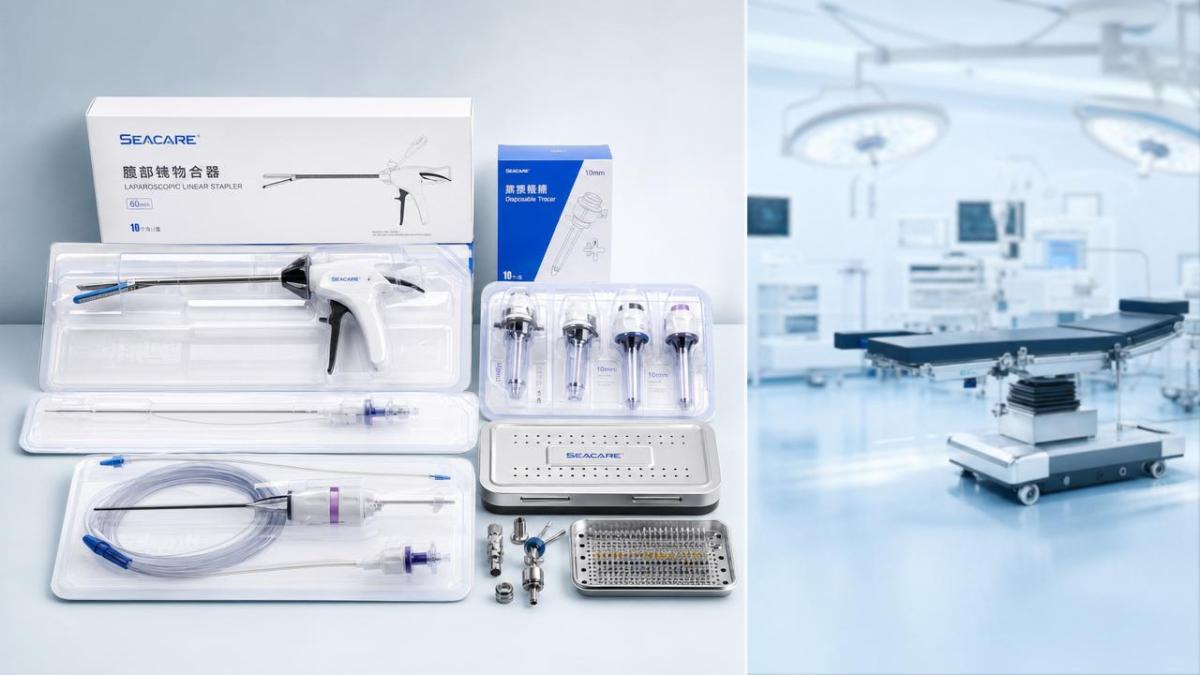
A laparoscopic colorectal stapler, for example, faces different tissue thickness, firing force, articulation, and hemostasis requirements than a thoracic stapler.
Trocars must match abdominal wall thickness, sealing requirements, instrument compatibility, and anti-slip needs across routine and complex laparoscopic cases.
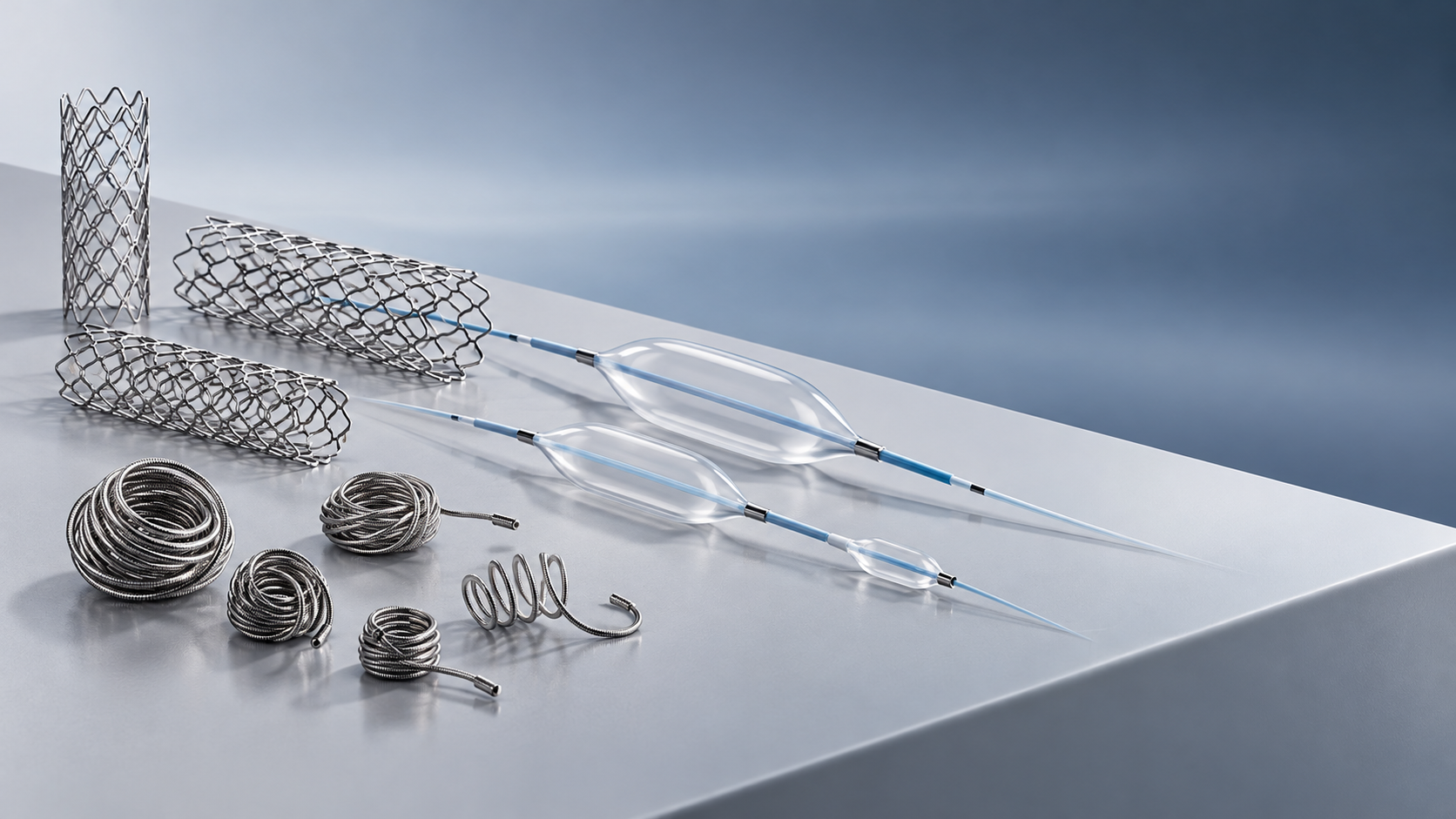
Catheters require careful review of flexibility, kink resistance, coating performance, radiopacity, torque response, and compatibility with guidewires or delivery systems.
Energy-related accessories should be checked for insulation integrity, thermal control, activation reliability, and compatibility with the hospital’s installed generator platform.
Before requesting quotations, buyers should map procedure type, surgical department, expected monthly usage, preferred sizes, and unacceptable failure modes.
This prevents suppliers from offering technically compliant products that do not fit the hospital’s actual procedural workflow or surgeon habits.
Prioritize quality evidence, not just product claims
Reliable minimally invasive surgical consumables should be supported by verifiable evidence, not only marketing descriptions such as “premium,” “stable,” or “ergonomic.”
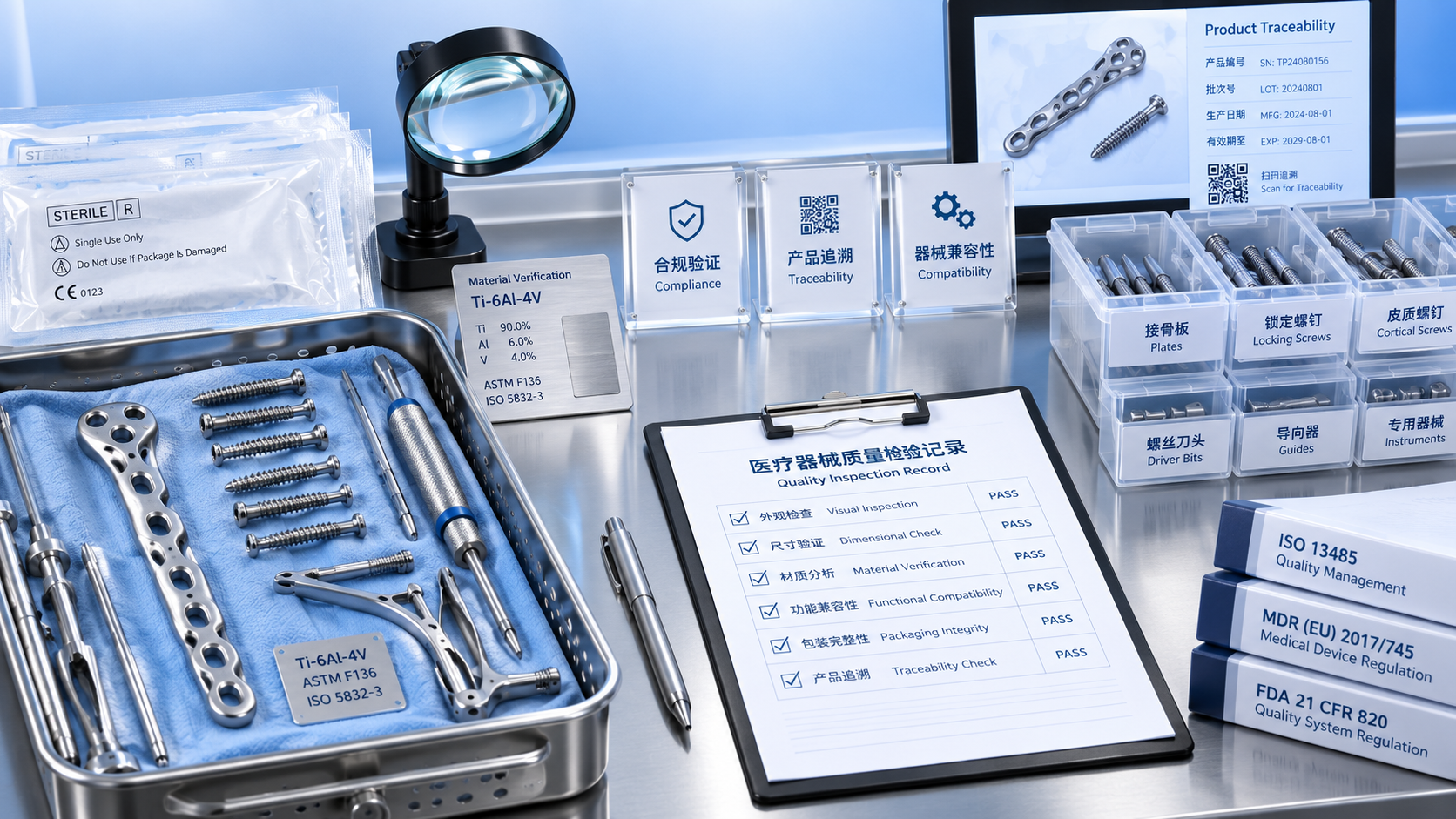
Procurement files should include certificates, test summaries, quality system information, sterilization validation, shelf-life data, and packaging integrity evidence.
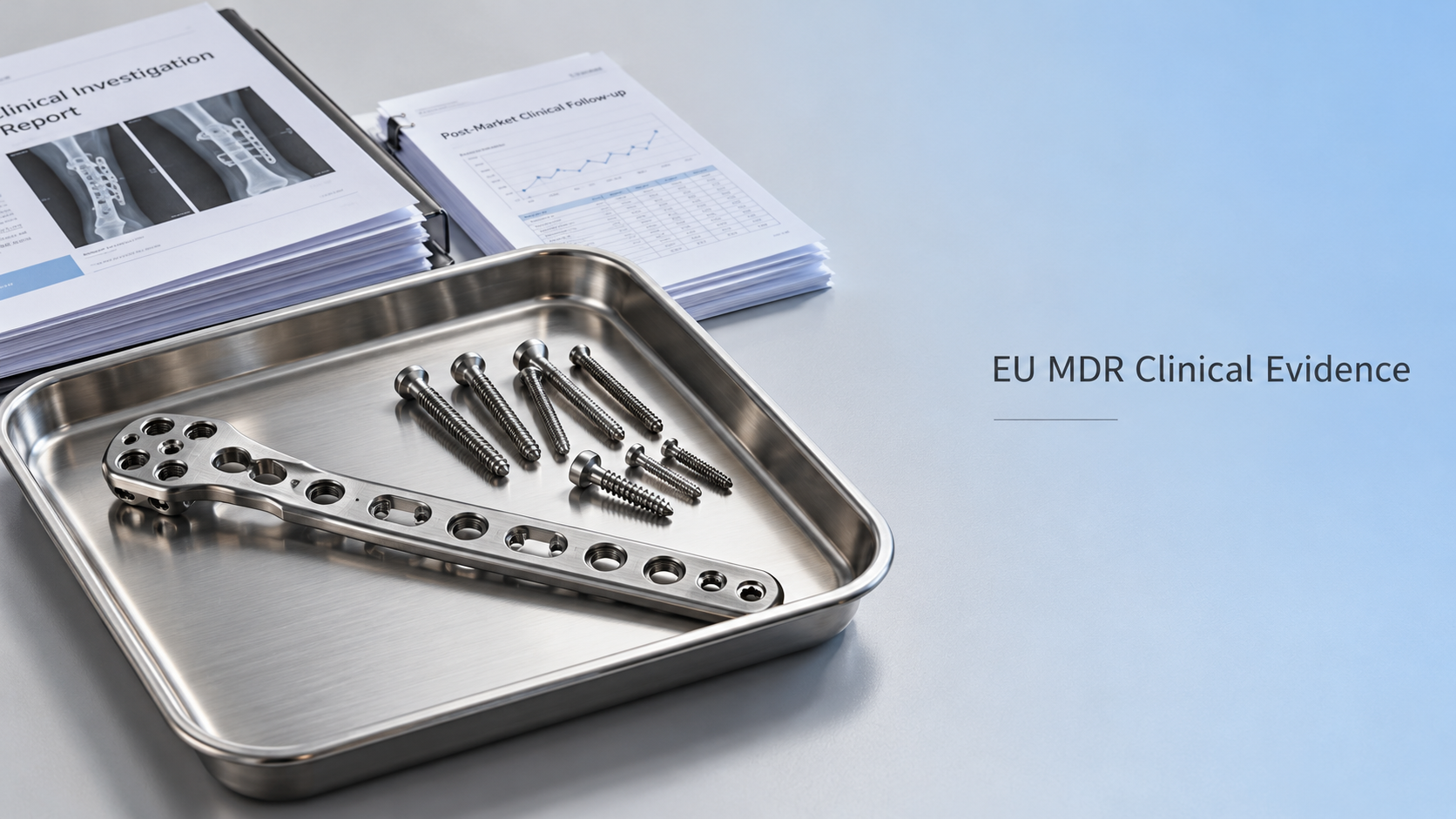
For Class III or high-risk consumables, clinical evaluation, post-market surveillance, and adverse event monitoring become especially important.
Buyers should ask how the supplier controls raw materials, critical dimensions, assembly tolerances, lubrication, coating uniformity, and final inspection standards.
For staplers, essential evidence includes staple formation consistency, cutting performance, firing force, reload compatibility, and performance across tissue thickness ranges.
For trocars, review puncture force, seal durability, valve leakage, cannula stability, optical clarity, and resistance to fragmentation during insertion.
For catheters, request data on tensile strength, burst pressure, kink recovery, particulate control, coating durability, and biological safety testing.
Evidence does not eliminate every risk, but it helps procurement separate mature manufacturing capability from products that only look competitive.
Check regulatory status early in the sourcing process
Regulatory approval should be confirmed before price negotiation, because missing documentation can delay hospital listing, tender participation, and distributor registration.
Buyers should verify the device classification, intended use, registration holder, certificate validity, manufacturing site, and applicable standard conformity.
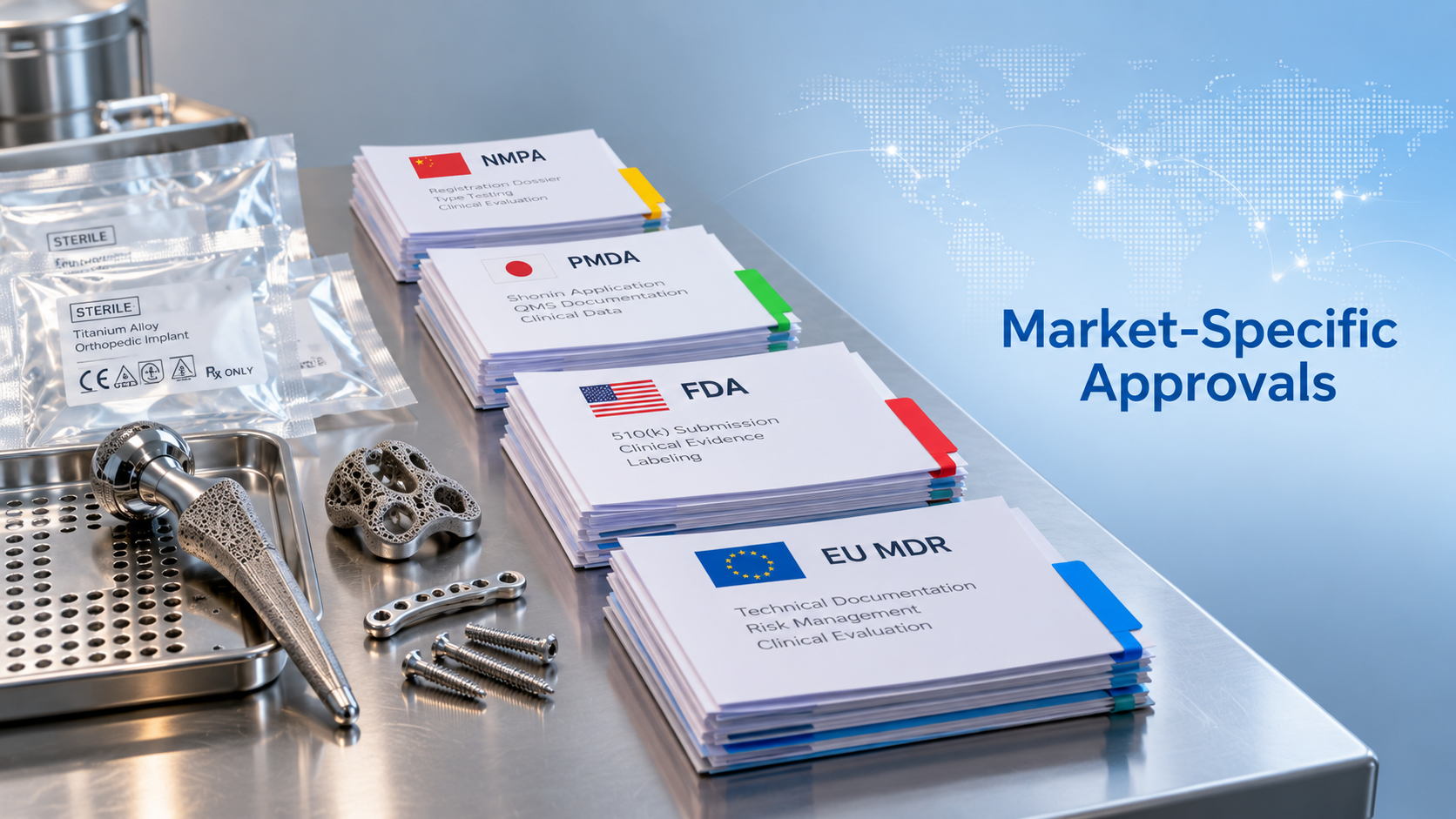
In markets influenced by CE MDR, FDA requirements, NMPA rules, or local registration systems, document completeness directly affects commercial feasibility.
Procurement teams should be cautious when a supplier provides only partial certificates, unclear model coverage, or documents mismatched with the offered product.
For sterile consumables, sterilization method, residual limits, packaging validation, transport simulation, and shelf-life claims must align with regulatory expectations.
For patient-contact materials, ISO 10993 biological evaluation is a critical reference for cytotoxicity, sensitization, irritation, systemic toxicity, and hemocompatibility.
Regulatory strength is not only about entering the market. It also protects hospitals and distributors during audits, complaints, recalls, and tender reviews.
Evaluate biocompatibility and material reliability
Minimally invasive surgery depends on small access channels, precise movement, and prolonged contact between devices and sensitive tissues or fluids.
That makes material selection central to purchasing decisions, especially for catheters, wound protectors, polymer seals, coatings, and implant-adjacent accessories.
Medical-grade polymers should demonstrate stable performance after sterilization, storage, bending, temperature changes, and exposure to bodily fluids.
Metal components, including titanium staples or stainless elements, should show corrosion resistance, dimensional precision, and appropriate mechanical strength.
Hydrophilic coatings must reduce friction without excessive particulate shedding, while anti-thrombogenic surfaces should be supported by meaningful hemocompatibility evidence.
Procurement teams should also ask whether suppliers control extractables, leachables, plasticizers, colorants, lubricants, and other additives that may affect safety.
Material reliability is particularly important when purchasing lower-cost alternatives, because invisible formulation changes can affect usability and biological performance.
Include surgeon usability in the purchasing scorecard
Consumables that pass documentation review can still fail commercially if surgeons find them awkward, inconsistent, or incompatible with established techniques.
Procurement should involve surgeons, operating room nurses, and sterile processing stakeholders before final supplier selection or large-volume conversion.
Usability testing should examine grip comfort, tactile feedback, articulation control, visualization, loading simplicity, deployment confidence, and removal after use.
For staplers, surgeons often focus on firing smoothness, staple line confidence, anvil positioning, reload recognition, and tissue compression control.
For trocars, they usually notice entry control, seal resistance, camera smearing, instrument drag, and stability during repeated instrument exchanges.
For catheters, clinical users assess trackability, tip softness, torque transmission, flushing convenience, and the likelihood of kinking during difficult anatomy.
Procurement teams should convert this feedback into measurable scoring, rather than relying on informal comments after a short product demonstration.
Compare total cost instead of unit price alone
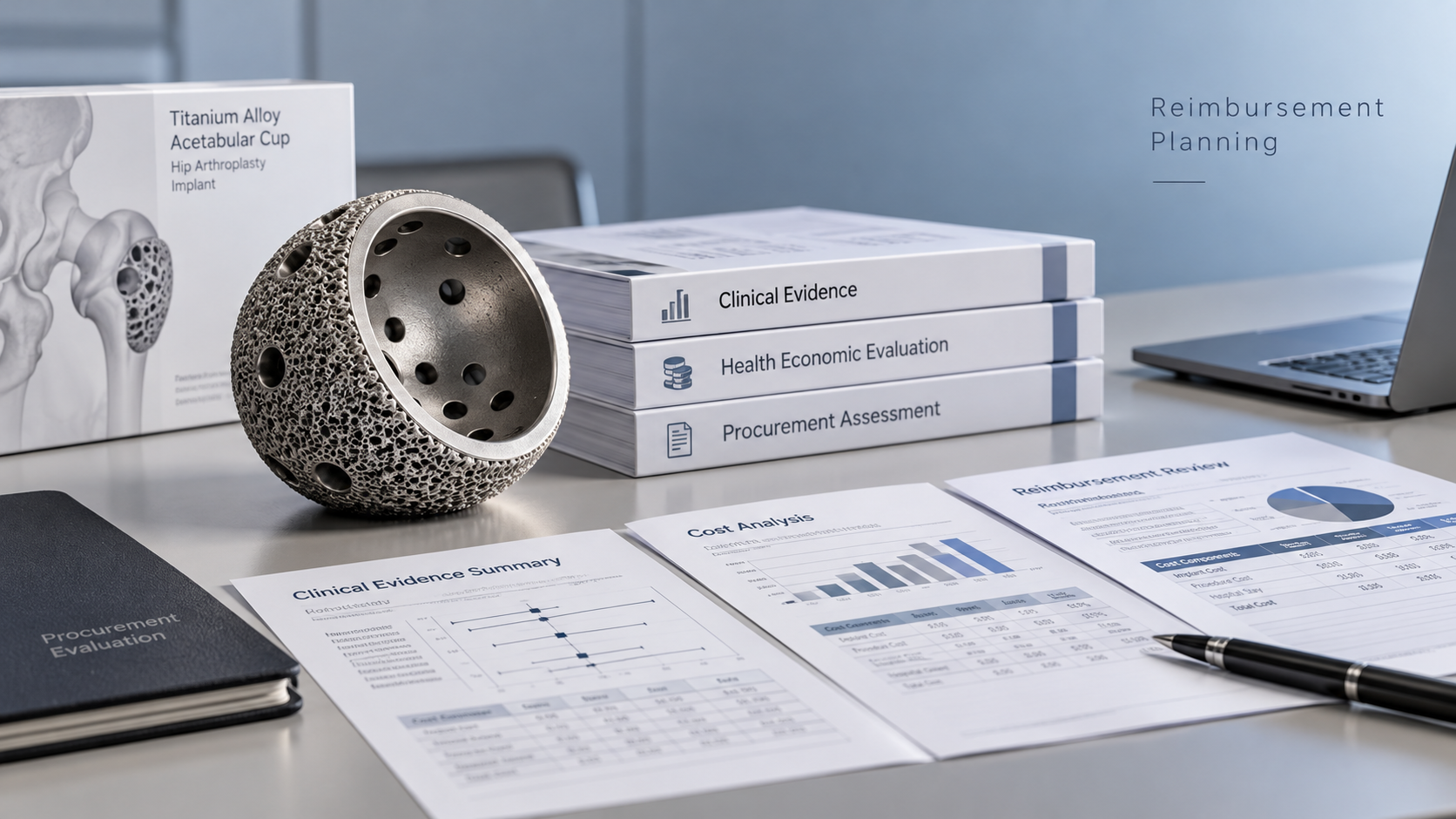
Value-based procurement and hospital cost-control policies make price important, but unit price should not be the only financial metric.
A consumable with a slightly higher price may reduce operating time, waste, conversion risk, repeat firing, or emergency substitute usage.
Total cost should include training burden, product failure rate, unused inventory, minimum order quantity, consignment terms, expiry loss, and complaint handling.
For distributors, landed cost also includes registration investment, customs clearance, warehousing, local labeling, tender service, credit terms, and after-sales support.
Buyers should calculate cost per successful procedure, not only cost per item, especially for staplers, advanced catheters, and complex access systems.
This approach supports fair comparison between premium imported brands, qualified domestic alternatives, and specialized manufacturers with stronger technical niches.
Assess supplier stability and production capacity
Supply continuity is a clinical risk issue, not merely a logistics concern, because shortages can disrupt scheduled operations and emergency readiness.
Procurement teams should evaluate production capacity, raw material sourcing, redundancy planning, lead time accuracy, and responsiveness during demand spikes.
Suppliers should explain how they manage critical components, sterilization outsourcing, packaging materials, production bottlenecks, and batch release timelines.
Hospitals participating in centralized procurement or VBP programs should be especially careful, because winning prices may pressure supplier margins.
If a supplier cannot sustain quality under lower pricing, the hospital may face substitutions, delayed deliveries, or increased complaint rates.
For long-term contracts, include service-level expectations, shortage escalation procedures, batch traceability requirements, and penalties for repeated delivery failures.
Use a practical procurement checklist
A structured checklist helps procurement teams compare minimally invasive surgical consumables consistently across suppliers, departments, and tender cycles.
First, confirm clinical fit: intended procedure, size range, compatibility, usability feedback, and any surgeon-specific technical requirements.
Second, verify compliance: registration status, quality system certificates, sterilization validation, biological safety evidence, labeling, and model coverage.
Third, review performance data: mechanical testing, sealing results, firing reliability, coating durability, packaging integrity, and shelf-life claims.
Fourth, calculate financial impact: unit price, procedure cost, failure cost, inventory terms, training requirements, and expected conversion expenses.
Fifth, assess supplier capability: production capacity, complaint response, technical support, traceability, documentation speed, and long-term market commitment.
This framework allows buyers to defend their decisions internally and reduce subjective debates during supplier selection or product replacement.
When to choose premium products and when alternatives are acceptable
Premium consumables are often justified for high-risk anatomy, technically demanding procedures, limited surgeon tolerance, or cases involving fragile tissue.
They may also be preferable when the hospital lacks time for extensive conversion training or when clinical reputation is highly sensitive.
Cost-effective alternatives can be acceptable for standardized procedures if they show reliable evidence, regulatory strength, and positive user evaluation.
The decision should be based on procedural risk segmentation, not a blanket preference for imported brands or lowest-cost domestic products.
Many hospitals use a mixed strategy, reserving premium devices for complex cases while adopting validated alternatives for routine volume procedures.
This segmentation helps procurement protect clinical outcomes while responding to budget pressure and value-based purchasing requirements.
Red flags that should delay purchasing approval
Procurement teams should pause when suppliers cannot provide clear regulatory documents, batch traceability, sterilization evidence, or biological safety information.
Other warning signs include frequent model changes, inconsistent labeling, unclear manufacturing sites, unrealistic delivery promises, and unusually aggressive pricing.
Clinical red flags include poor tactile feedback, high user hesitation, repeated packaging complaints, seal failure, difficult deployment, or inconsistent device response.
Commercial red flags include no local service team, weak complaint handling, limited training support, and unwillingness to support trial evaluation.
One red flag may be manageable, but multiple weak signals suggest the supplier may not be ready for high-volume hospital use.
Conclusion: choose for safety, continuity, and measurable value
Choosing minimally invasive surgical consumables is a strategic procurement decision shaped by patient safety, surgeon confidence, compliance, and cost discipline.
The strongest purchasing process begins with clinical use cases, then tests documentation, material safety, performance evidence, usability, and supply reliability.
Price remains important, especially under VBP and tender pressure, but it should be interpreted through total procedure value and operational risk.
For hospitals and distributors, the right supplier is not simply the lowest bidder, but the partner that can sustain quality at scale.
When procurement teams apply structured evaluation, they protect surgical outcomes, reduce avoidable costs, and build a more resilient consumables supply chain.