Smart Minimally Invasive Technology: Workflow Gains
Smart minimally invasive technology is reshaping daily clinical workflows by helping operators move faster, work more precisely, and reduce procedural friction without compromising patient safety. From laparoscopic stapling and catheter navigation to image-guided implant delivery, the right tools can shorten setup time, improve intraoperative control, and support more consistent outcomes. For surgeons, nurses, and device operators, understanding where workflow gains truly occur is essential to selecting systems that enhance efficiency while meeting strict regulatory and biocompatibility demands.
Where Smart Minimally Invasive Technology Creates Real Workflow Gains
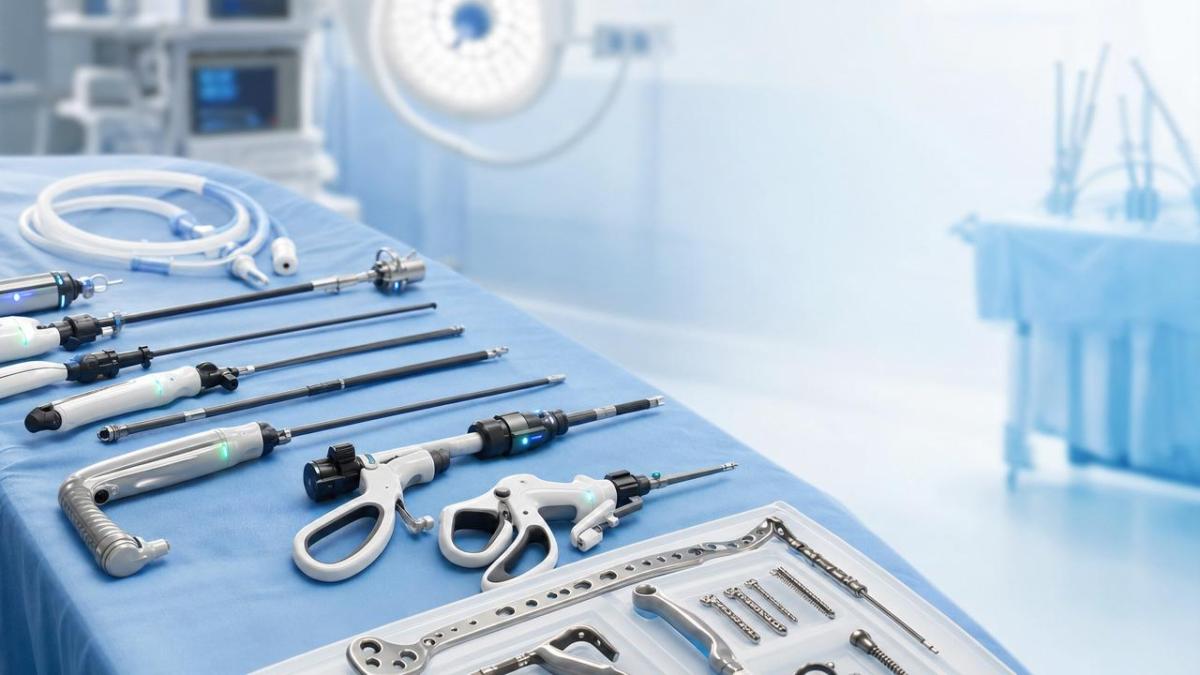
Workflow improvement does not come from adding screens, sensors, or software alone. It comes from reducing friction at each clinical touchpoint.
For operators, the most valuable smart minimally invasive technology connects device readiness, navigation feedback, tissue interaction, and documentation into one practical operating rhythm.
The operator’s pain points are usually procedural, not theoretical
In busy surgical and interventional environments, delays often appear before the first incision or access puncture. Setup complexity directly affects case turnover.
During procedures, unstable visualization, awkward device handling, unclear tactile response, and inconsistent consumable performance can interrupt clinical concentration.
- Long device preparation time caused by multiple accessory checks, sterilization coordination, packaging verification, and system pairing requirements.
- Reduced confidence when navigation feedback, catheter response, or stapling closure quality is difficult to confirm in real time.
- Higher training burden when each device family uses different interfaces, indicators, alarms, or loading steps.
- Procurement uncertainty when clinical benefits, total cost, biocompatibility files, and regulatory pathways are evaluated separately.
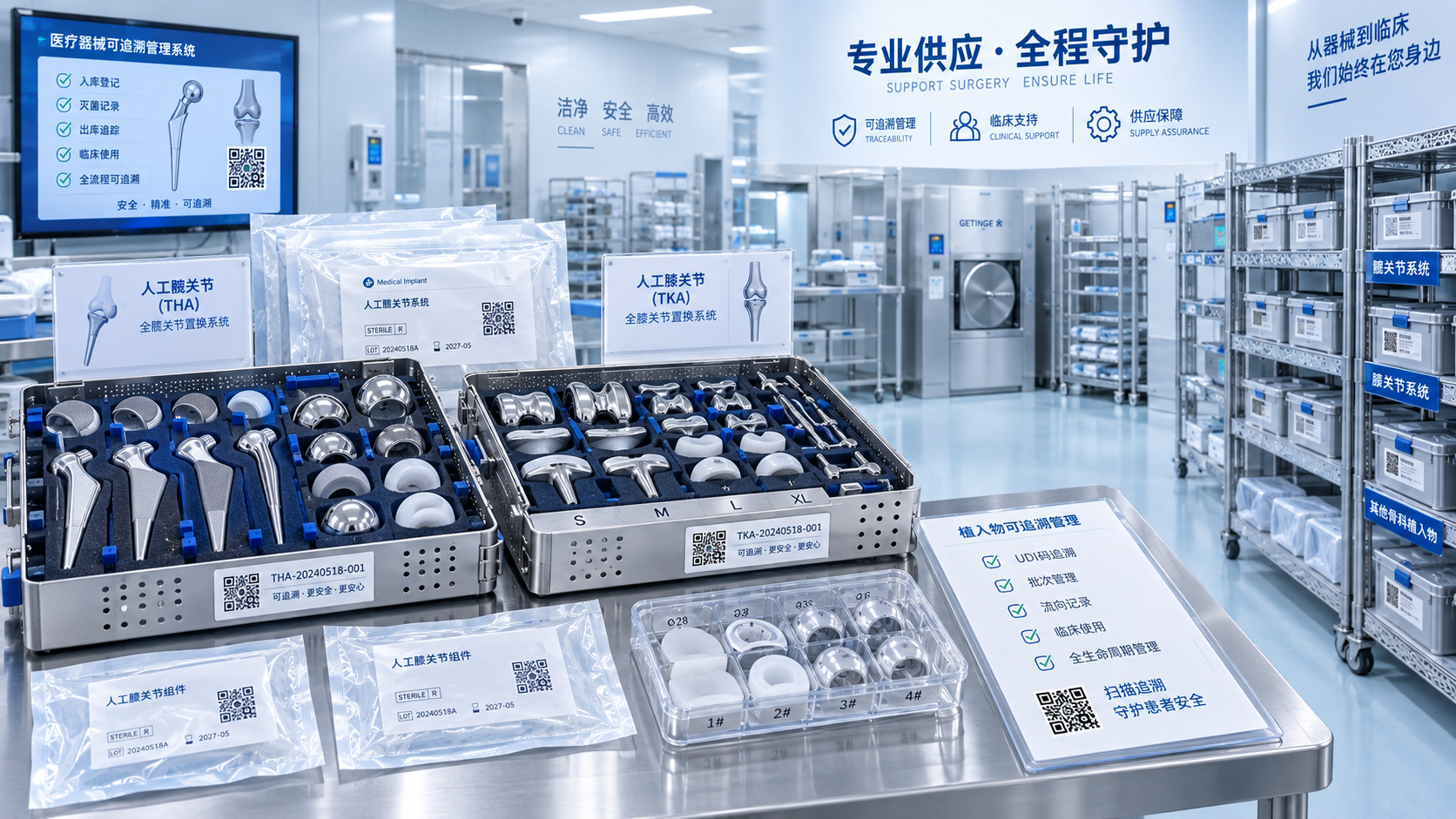
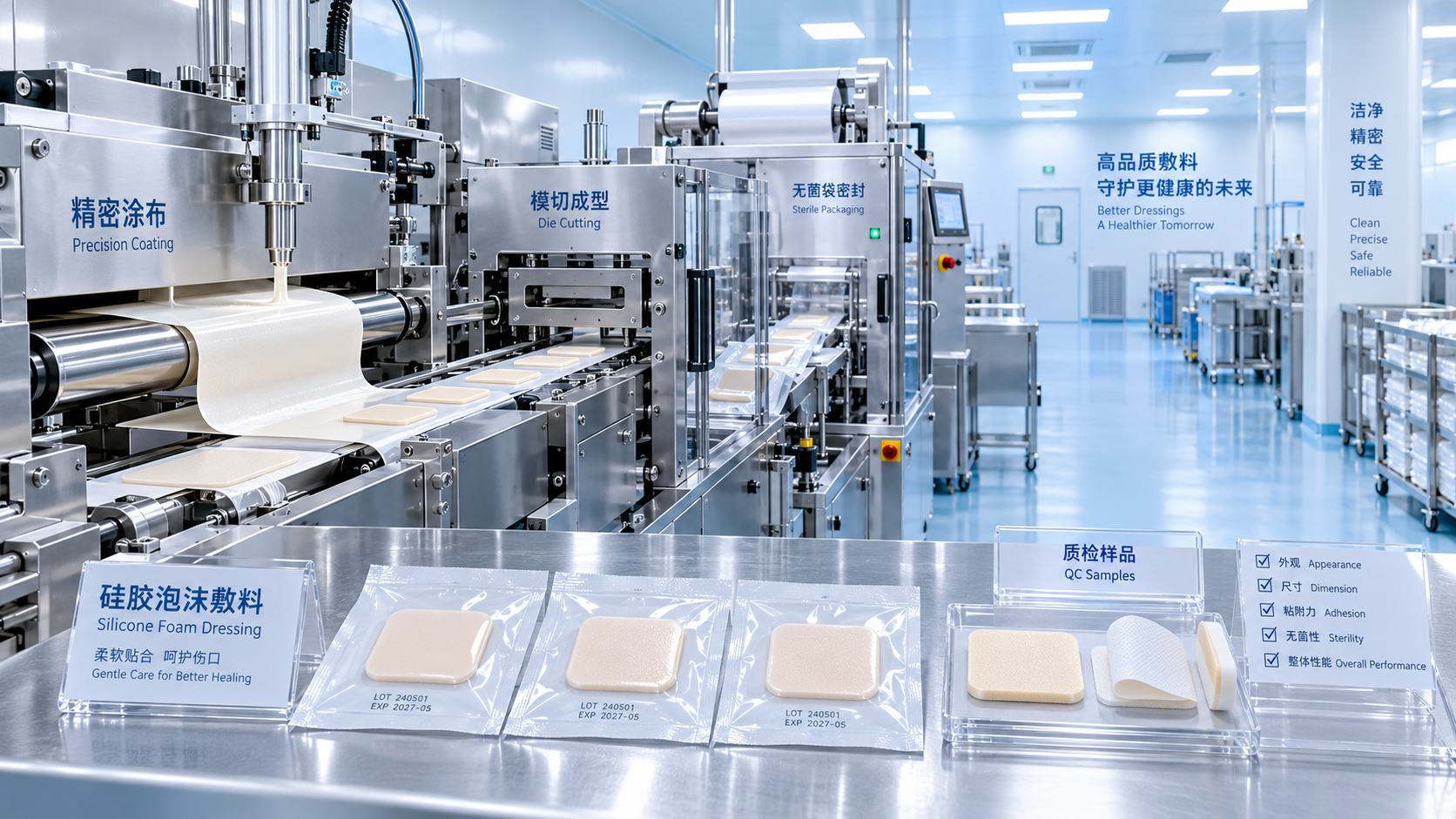
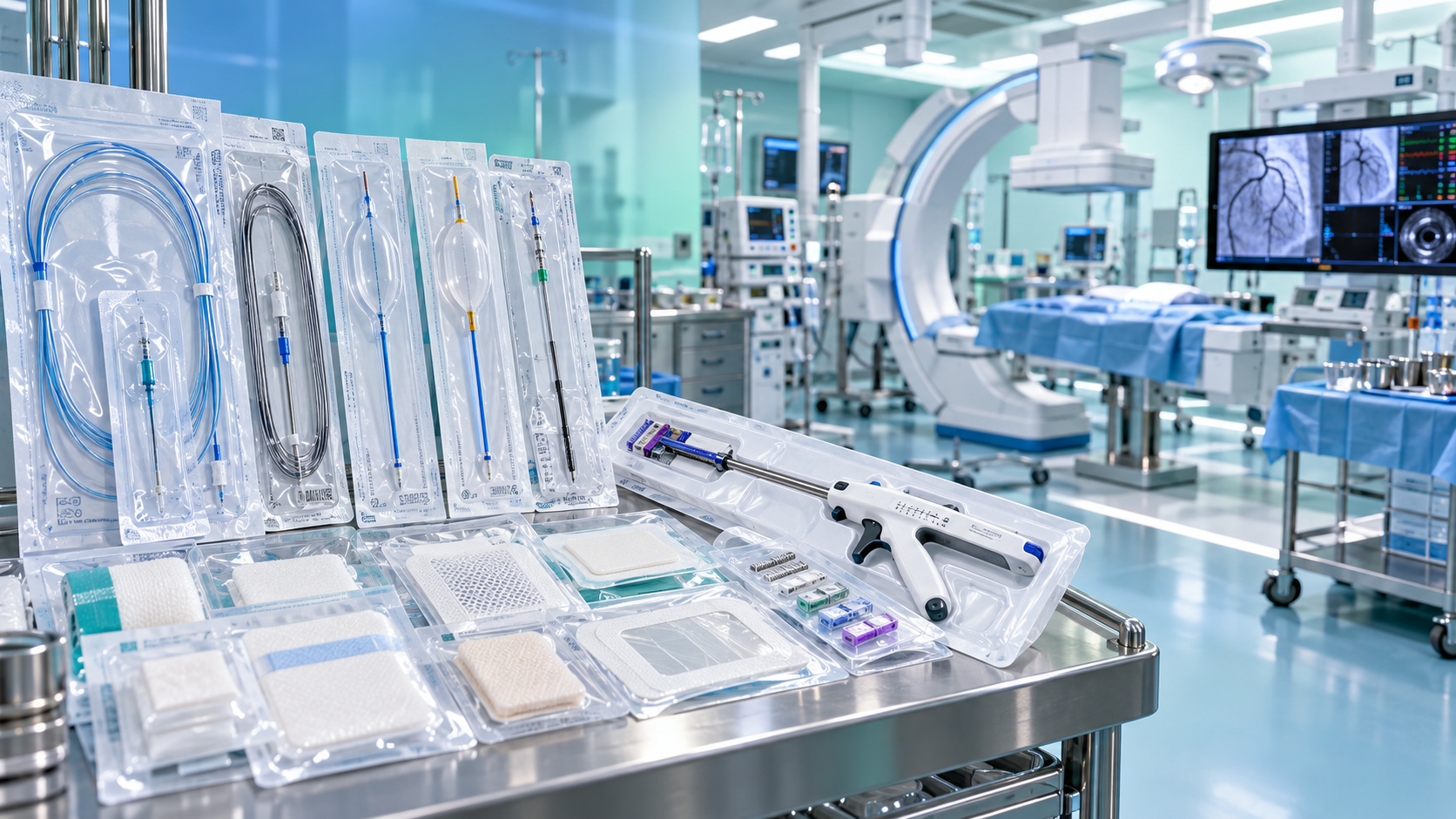
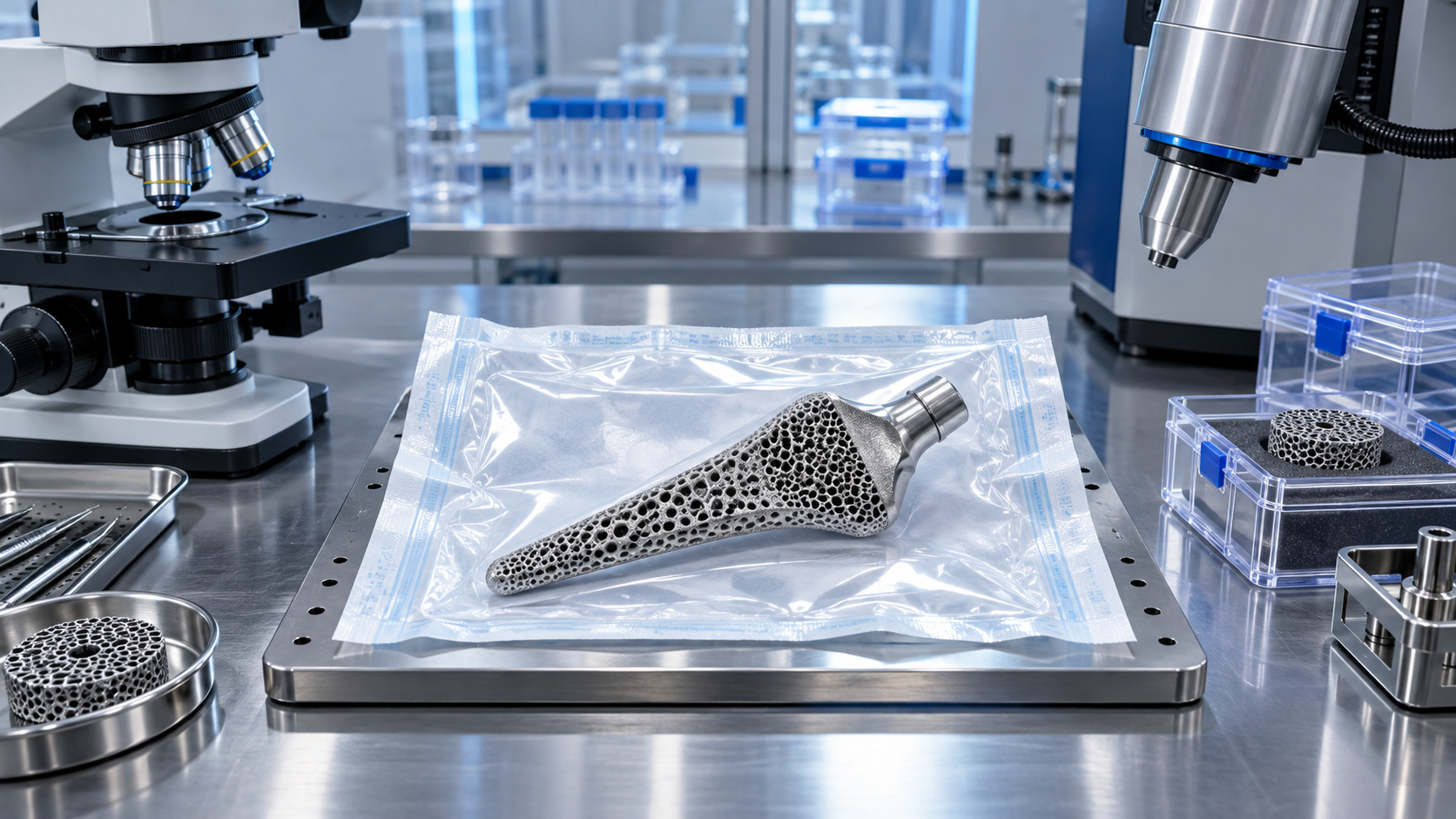
IMCS approaches these problems across orthopedic implants, cardiovascular intervention, minimally invasive staplers, polymer catheters, and wound-care materials, where workflow and material safety intersect.
Which Clinical Scenarios Benefit Most From Smart Minimally Invasive Technology?
The strongest gains appear in procedures where access is limited, tissue tolerance is narrow, and operator decisions must be made quickly.
The following comparison helps teams identify where smart minimally invasive technology can produce visible improvements in daily use.
This table shows why operators should evaluate use-case fit before purchasing. A smart stapler, catheter, implant instrument, or wound system solves different workflow bottlenecks.
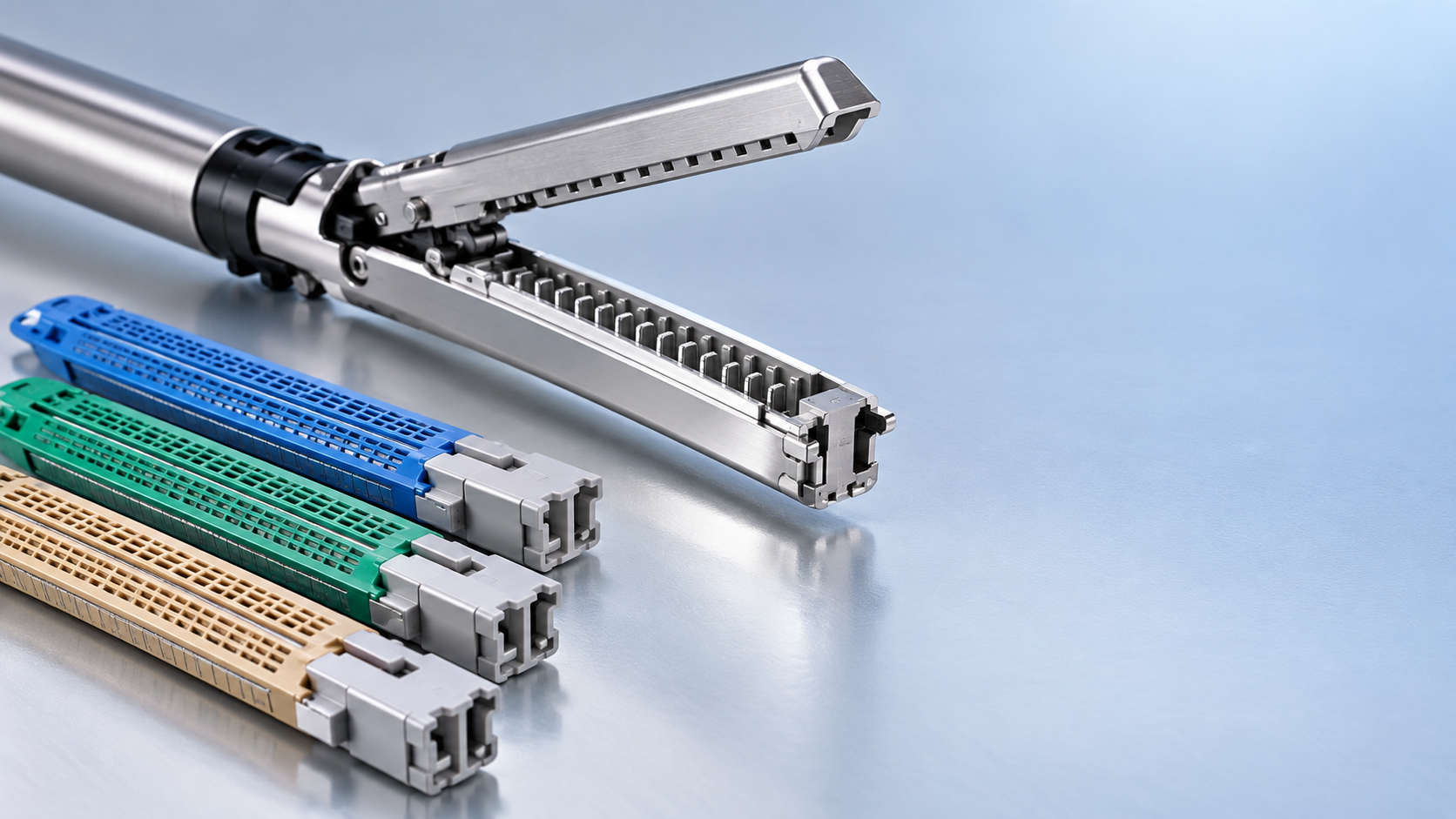
Staplers and catheters are especially sensitive to handling design
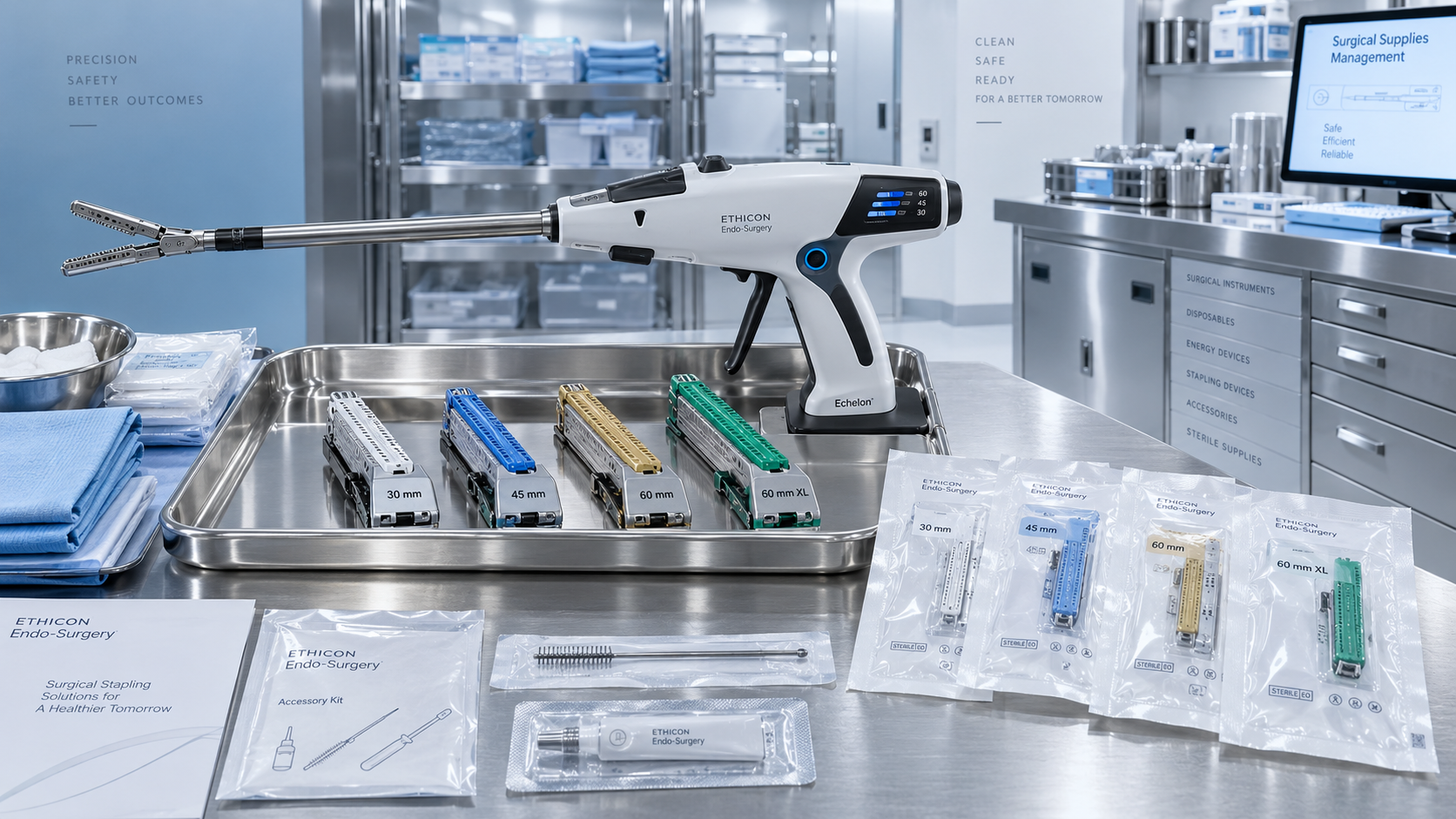
In minimally invasive surgical stapling, a few seconds of hesitation can affect tissue positioning. Feedback design must be intuitive, not distracting.
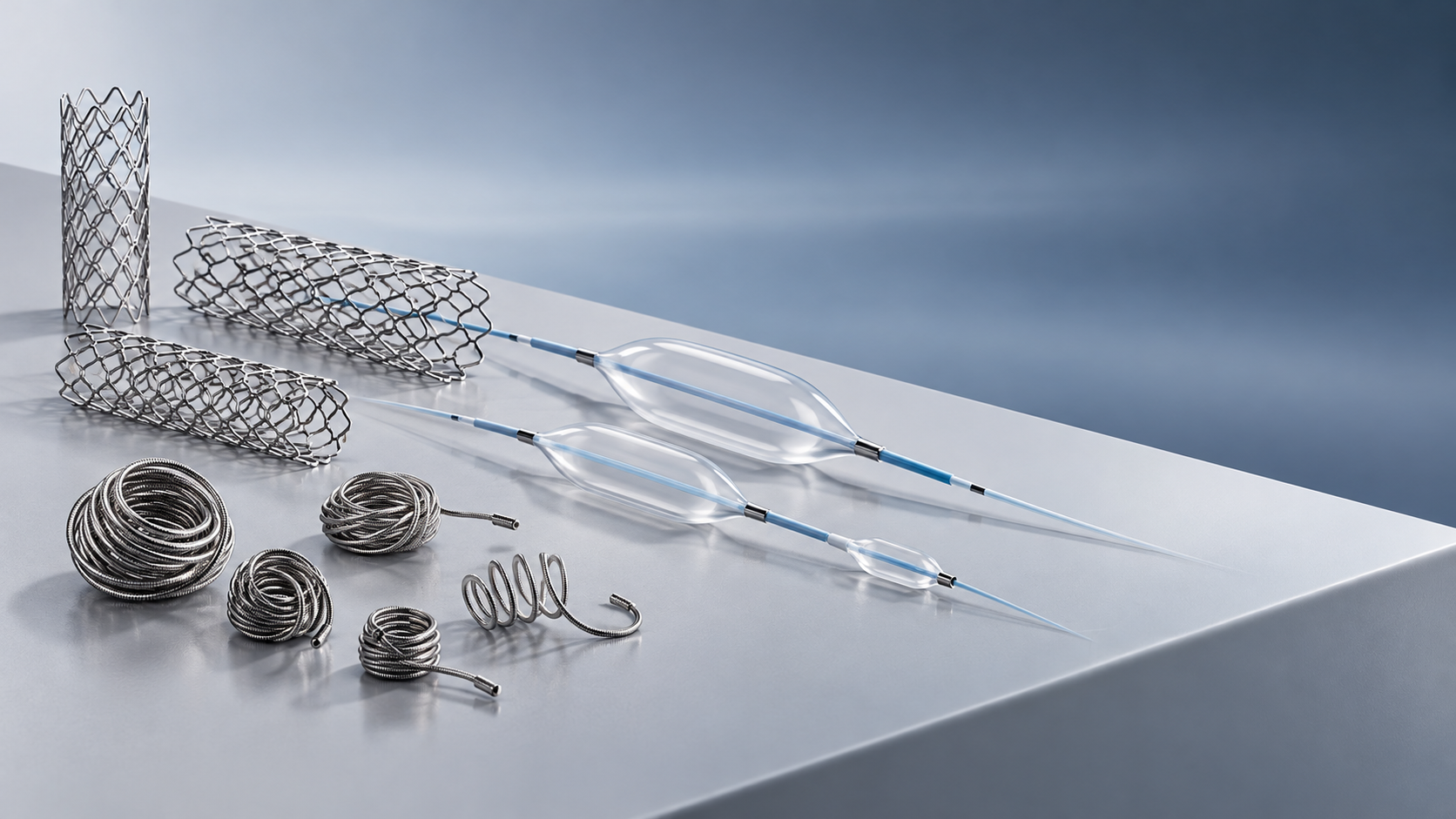
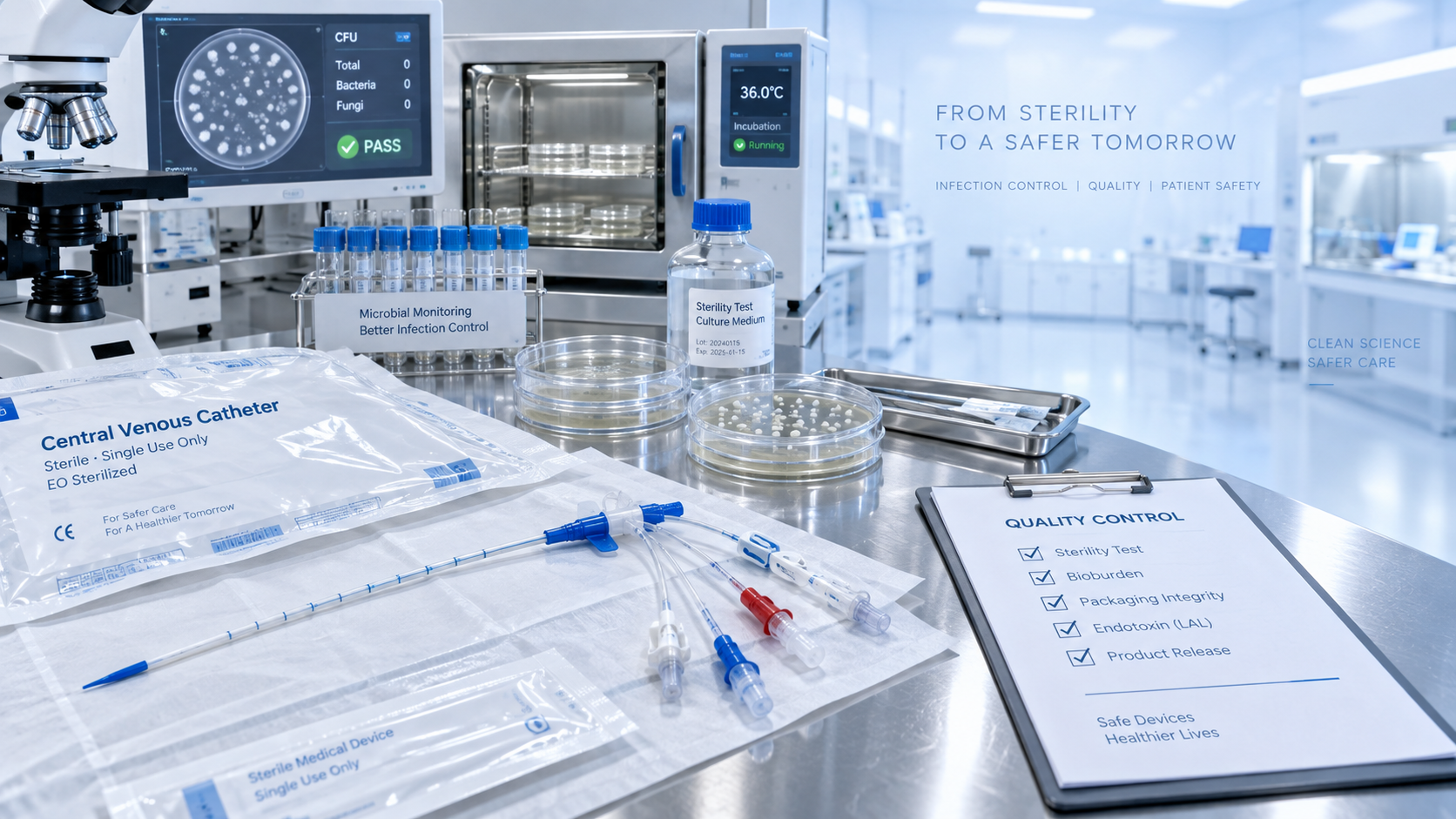
For polymer catheters, smart minimally invasive technology must support flexibility, kink resistance, coating stability, and compatibility with guidewires or introducer systems.
How Should Operators Evaluate Technical Performance Before Adoption?
Operators need practical parameters, not only brochure-level claims. Device performance should be connected to the exact moment where workflow fails.
Before selecting smart minimally invasive technology, clinical teams should request structured information that links material behavior, instrument control, and procedural efficiency.
Performance evaluation should include hands-on simulation. A device that looks advanced may still slow operators if controls are confusing.
Regulatory and biocompatibility checks cannot be separated from usability
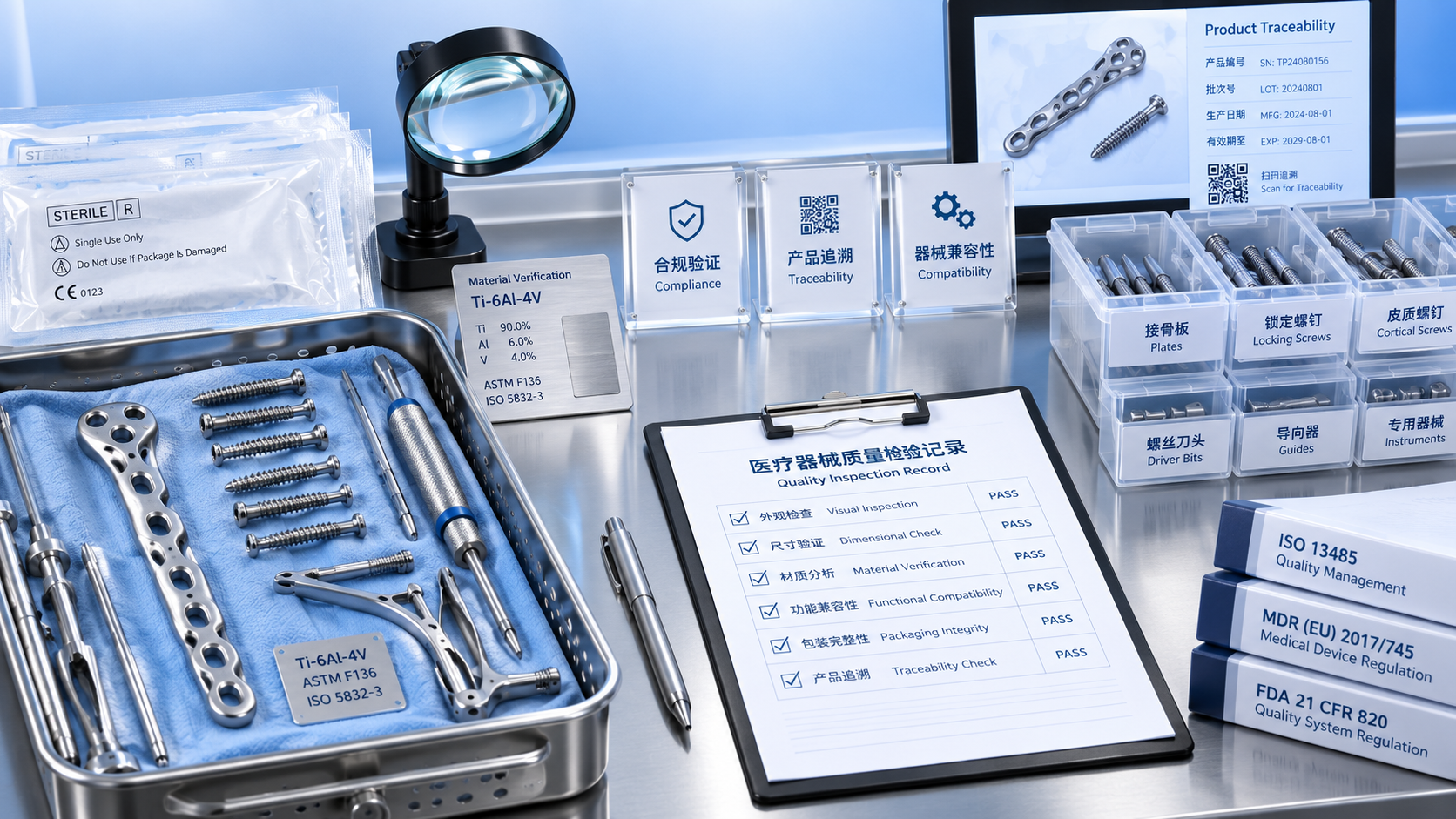
Smart systems still interact with blood, bone, soft tissue, or wound surfaces. ISO 10993 biological evaluation remains relevant to consumable selection.
For high-risk Class III devices, CE MDR clinical evaluation expectations and local registration requirements influence launch timing, procurement confidence, and operator training plans.
Procurement Decision Guide: What Should Users and Operators Ask First?
Procurement decisions often fail when technical, clinical, financial, and regulatory teams use different selection language. Operators need a shared checklist.
For smart minimally invasive technology, the best purchase discussion starts with procedural bottlenecks, not only unit price or device novelty.
A practical selection checklist
- Define the target procedure and identify whether setup, navigation, firing, deployment, closure, or documentation causes the largest delay.
- Confirm whether the device fits current imaging systems, access instruments, sterile workflow, and operator training capacity.
- Review biocompatibility summaries, sterilization method, shelf-life logic, and intended tissue-contact duration before shortlisting.
- Compare total operating cost, including consumables, maintenance, training time, accessory waste, and potential case-turnover impact.
- Ask suppliers for realistic onboarding support, sample evaluation pathways, traceability documents, and regulatory dossier availability.
This checklist helps hospitals and distributors avoid overbuying features that operators rarely use while missing features that affect daily reliability.
Cost should be evaluated beyond purchase price
A lower unit price may not reduce costs if device preparation takes longer or if accessories create frequent compatibility problems.
In VBP-driven markets, smart minimally invasive technology must justify value through measurable workflow, safety support, and supply stability rather than premium positioning alone.
For operators, value is felt during the case. For procurement teams, value must also survive price controls, audits, and supplier performance reviews.
Implementation: How to Introduce Smart Systems Without Slowing the Team
Even effective technology can fail if introduced abruptly. Implementation should protect clinical rhythm while giving operators enough time to build confidence.
The safest adoption path for smart minimally invasive technology starts with workflow mapping, then moves into simulation, limited clinical introduction, and feedback review.
Recommended onboarding sequence
- Map the current procedure, including preparation time, instrument exchange points, imaging dependencies, and documentation responsibilities.
- Run bench or simulation sessions using actual accessories, expected packaging, and the same role allocation used in clinical practice.
- Introduce the device in selected cases where anatomy, operator experience, and team availability support controlled learning.
- Collect operator feedback on grip, visibility, response timing, alarm clarity, documentation effort, and post-case cleanup.
- Convert feedback into purchasing specifications, training notes, and supplier questions before broader deployment.
This sequence prevents a common mistake: judging a smart device only by one difficult case or by one enthusiastic early adopter.
Documentation should support operators, not burden them
Traceability data, lot numbers, implant identifiers, and consumable usage logs are important. However, documentation design must match actual operating-room pace.
When smart minimally invasive technology captures useful records automatically, teams can improve compliance while reducing manual transcription errors.
Common Misconceptions and FAQ for Operators
Many teams approach smart minimally invasive technology with either excessive optimism or unnecessary concern. The right view is procedural and evidence-focused.
Is smart minimally invasive technology always faster?
Not immediately. Early cases may take longer because teams are learning setup, indicators, and troubleshooting. Speed usually improves after structured onboarding.
A realistic evaluation should compare preparation time, device exchanges, intraoperative pauses, and documentation effort across several representative cases.
What matters more, automation or tactile control?
Both matter, but the balance depends on the device. Staplers need reliable mechanical feel, while catheter systems depend heavily on navigation response.
Automation should assist judgment, not replace operator awareness. Clear feedback is more valuable than complex functions that create extra interpretation steps.
What should be checked before switching suppliers?
Check compatibility with current instruments, sterilization workflow, imaging setup, training resources, and regulatory documentation. Also confirm supply continuity.
For implants, stents, catheters, and wound-care materials, switching decisions should include biocompatibility evidence and clinical evaluation expectations.
How can operators influence procurement decisions?
Operators should provide structured feedback rather than general preferences. Useful feedback includes setup steps, grip comfort, response clarity, and failure points.
This converts clinical experience into selection criteria that procurement, regulatory, and finance teams can evaluate more consistently.
Why Work With IMCS on Smart Minimally Invasive Technology Decisions?
IMCS connects device workflow intelligence with material science, clinical logic, regulation, and cost-control realities across high-value medical consumables.
Our perspective covers orthopedic implants, cardiovascular interventional devices, minimally invasive staplers, medical polymer catheters, and advanced wound-care systems.
What you can consult with IMCS
- Parameter confirmation for staplers, catheters, implant instruments, coating systems, and tissue-contact consumables.
- Product selection support based on target procedure, operator workflow, compatibility requirements, and training complexity.
- Regulatory interpretation involving ISO 10993 biological safety, CE MDR clinical evaluation, and high-risk device documentation expectations.
- Cost and VBP scenario analysis for manufacturers, distributors, and procurement teams facing price pressure.
- Sample evaluation planning, supplier comparison, delivery-cycle discussion, and customized intelligence support for market entry.
Smart minimally invasive technology should make procedures smoother, not merely look advanced. IMCS helps teams separate practical workflow gains from unnecessary complexity.
Contact IMCS to discuss device parameters, product selection, regulatory requirements, sample support, delivery expectations, or quotation preparation for your clinical scenario.
Get weekly intelligence in your inbox.
No noise. No sponsored content. Pure intelligence.
News Recommendations
 Oct 26, 2026Can a single approval cover life science product sales worldwide?Can a single approval cover life science product sales worldwide?
 Oct 25, 2026When is sensitization testing needed for medical device biocompatibility?When is sensitization testing needed for medical device biocompatibility?
 Oct 24, 2026How is biocompatibility tested for implantable polymer biomaterials?How is biocompatibility tested for implantable polymer biomaterials?
 Oct 23, 2026How to build reimbursement into an implant commercialization strategyHow to build reimbursement into an implant commercialization strategy
 Oct 22, 2026What clinical evidence do implants need for CE marking under EU MDR?What clinical evidence do implants need for CE marking under EU MDR?
 Oct 21, 2026How to choose disposable laparoscopic stapler reloads for thick tissueHow to choose disposable laparoscopic stapler reloads for thick tissue
 Oct 20, 2026How to assess medical polymer biocompatibility under ISO 10993How to assess medical polymer biocompatibility under ISO 10993
 Oct 19, 2026How do interventional device categories differ in clinical use?How do interventional device categories differ in clinical use?
 Oct 18, 2026When to choose alginate dressings for heavily exuding chronic woundsWhen to choose alginate dressings for heavily exuding chronic wounds
 Oct 17, 2026How is biocompatibility tested for custom medical-grade PEEK implants?How is biocompatibility tested for custom medical-grade PEEK implants?
 Oct 16, 2026How to check a wound healing materials supplier’s biocompatibility dataHow to check a wound healing materials supplier’s biocompatibility data
 Oct 15, 2026How to verify the FDA clearance status of silver wound dressingsHow to verify the FDA clearance status of silver wound dressings
 Oct 14, 2026How to register orthopedic implants and instruments in Latin AmericaHow to register orthopedic implants and instruments in Latin America
 Oct 13, 2026How to use a device market intelligence database to benchmark VBP pricesHow to use a device market intelligence database to benchmark VBP prices
 Oct 12, 2026When should stainless steel orthopedic instruments be replaced?When should stainless steel orthopedic instruments be replaced?
 Oct 11, 2026When are alginate dressings rope the right choice for cavity wounds?When are alginate dressings rope the right choice for cavity wounds?
 Oct 10, 2026When smart minimally invasive technology improves catheter accessWhen smart minimally invasive technology improves catheter access
 Oct 08, 2026Clinical evaluation requirements for cardiovascular implant devices in EuropeClinical evaluation requirements for cardiovascular implant devices in Europe
 Oct 07, 2026What to verify before appointing an artificial joint implants distributorWhat to verify before appointing an artificial joint implants distributor
 Oct 06, 2026How ISO 10993 guides biocompatibility testing for medical materialsHow ISO 10993 guides biocompatibility testing for medical materials
 Oct 05, 2026How to verify an orthopedic implants and instruments exporterHow to verify an orthopedic implants and instruments exporter
 Oct 04, 2026What drives surgical stapling devices price differences in hospital tenders?What drives surgical stapling devices price differences in hospital tenders?
 Oct 03, 2026How to assess a central venous catheter manufacturer's infection-control evidenceHow to assess a central venous catheter manufacturer's infection-control evidence
 Oct 02, 2026How to assess an advanced wound care factory’s quality systemHow to assess an advanced wound care factory’s quality system
 Oct 01, 2026What is driving global medical consumables demand in emerging markets?What is driving global medical consumables demand in emerging markets?
 Sep 30, 2026Implant Material Compliance Testing: Evidence Needed for Regulatory SubmissionImplant Material Compliance Testing: Evidence Needed for Regulatory Submission
 Sep 30, 2026From Corrosion to Fatigue: What Implant Materials Testing Should MeasureFrom Corrosion to Fatigue: What Implant Materials Testing Should Measure