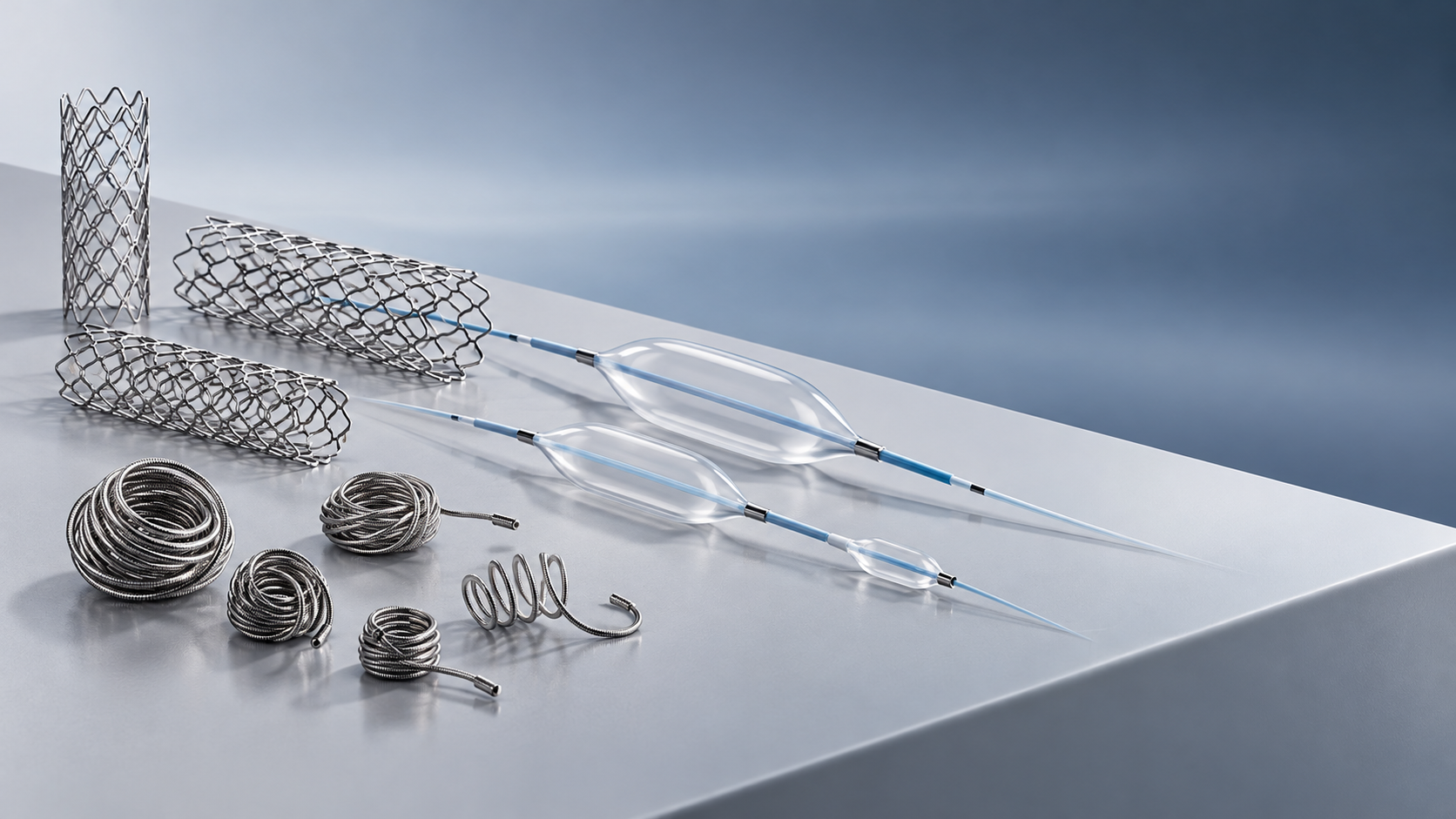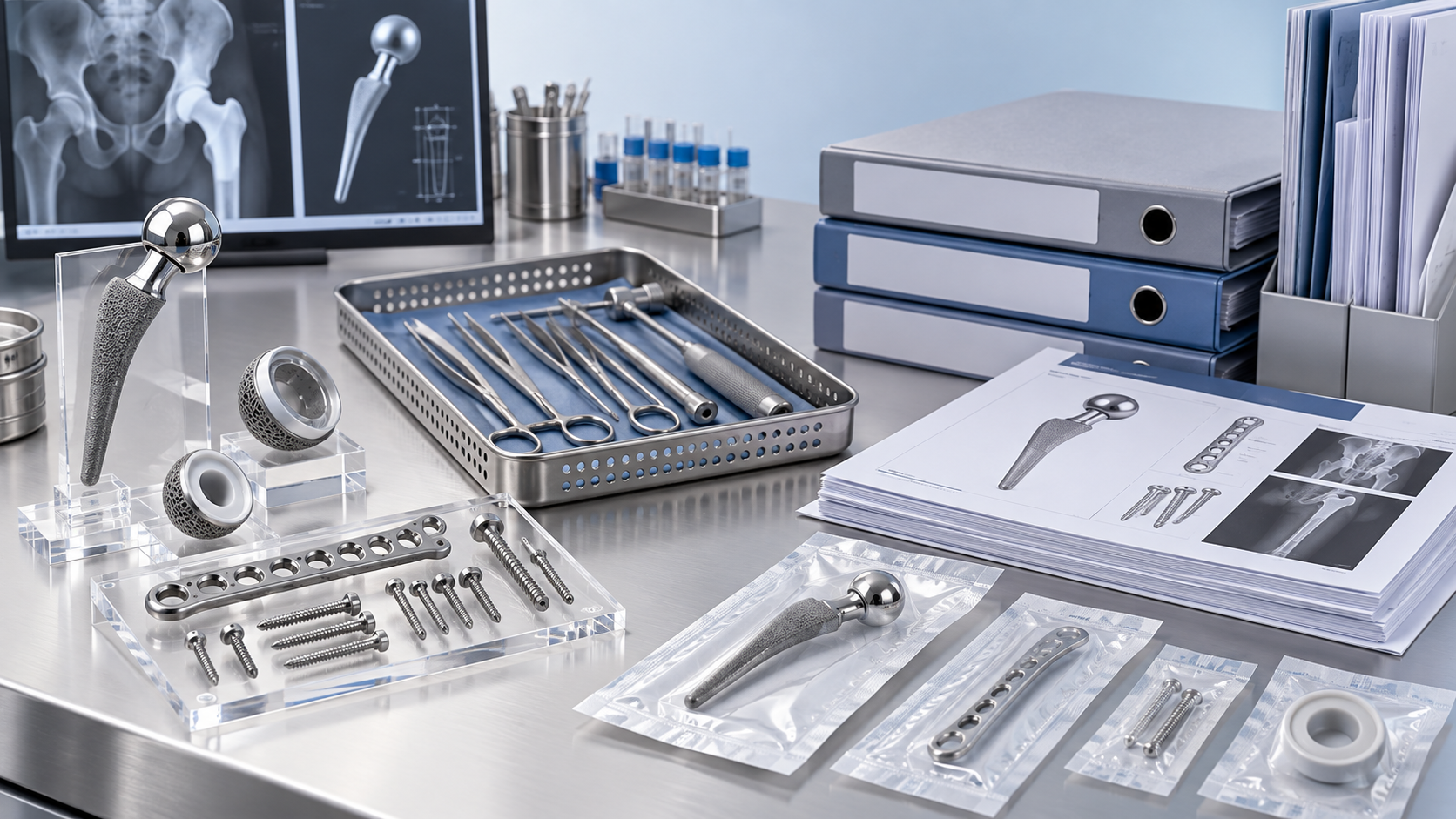
Selecting minimally invasive surgery equipment is no longer just a clinical preference—it is a procurement decision that affects procedural efficiency, regulatory compliance, total cost of ownership, and patient outcomes.
For purchasing teams evaluating staplers, trocars, energy devices, visualization systems, and related consumables, a structured checklist helps compare suppliers beyond price alone.
This guide highlights the critical factors procurement professionals should assess, from biocompatibility and device precision to MDR/FDA documentation, supply stability, and value-based purchasing pressures.
What Procurement Teams Are Really Trying to Decide
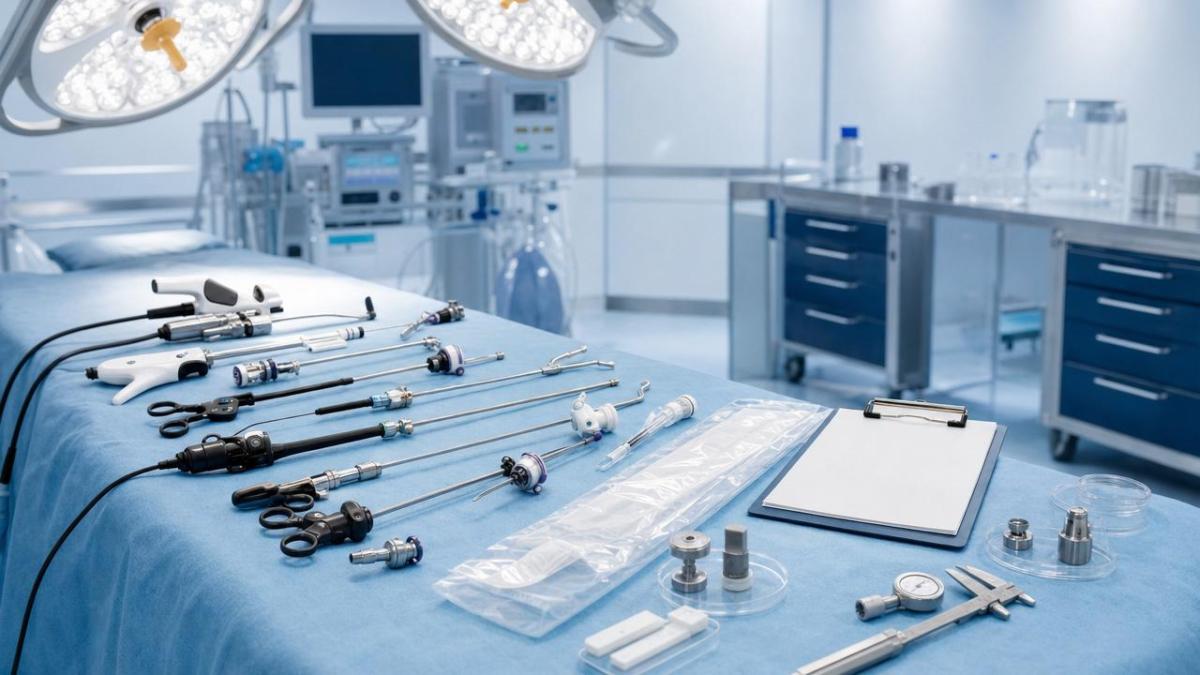
The central question is not simply which device is cheapest, but which system can support safe, consistent, and economically sustainable minimally invasive procedures.
Purchasing teams must balance surgeon preference, hospital standardization, infection control, regulatory exposure, inventory pressure, and long-term supplier reliability.
A strong minimally invasive surgery equipment decision should reduce procedural variation, lower conversion risk, and avoid hidden costs from failures or incompatibility.
For procurement, the best supplier is rarely the one offering the lowest unit price without evidence, training, service, and stable availability.
Start With Procedure Mix and Clinical Use Cases
Before comparing quotations, procurement teams should map which procedures the equipment will actually support across departments and surgical specialties.
General surgery, bariatric surgery, colorectal procedures, gynecology, urology, thoracic surgery, and endoscopic interventions can require different device characteristics.
A laparoscopic stapler used for colorectal anastomosis faces different performance expectations from a trocar used in routine cholecystectomy.
Build a list of procedure volumes, surgeon users, case complexity, patient risk profiles, and reusable versus disposable equipment expectations.
This prevents overbuying premium features for low-risk cases while avoiding under-specified devices in high-consequence procedures.
Assess Device Precision, Ergonomics, and Procedural Reliability
Minimally invasive surgery depends on small access points, limited tactile feedback, and visual control through imaging systems.
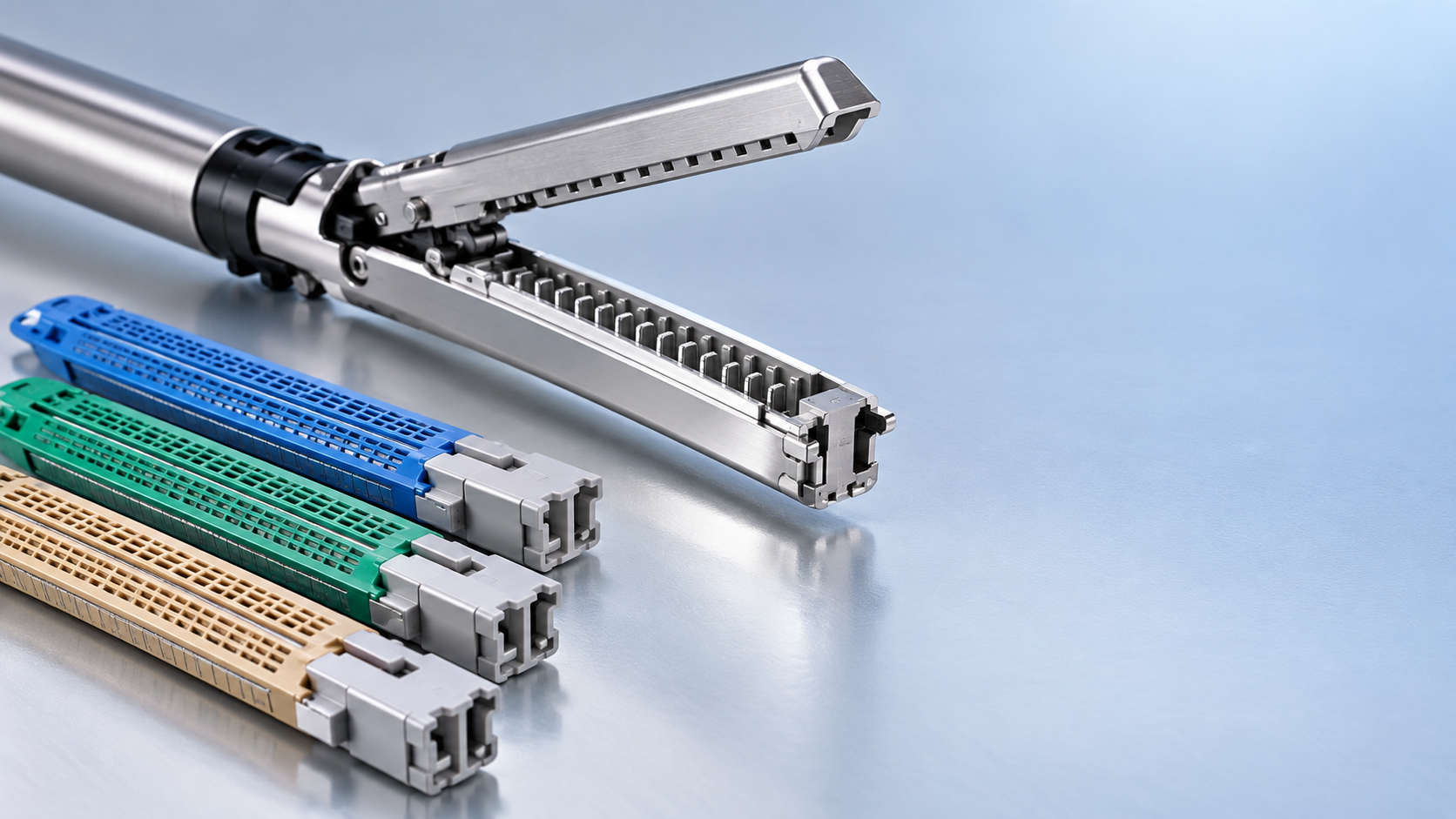
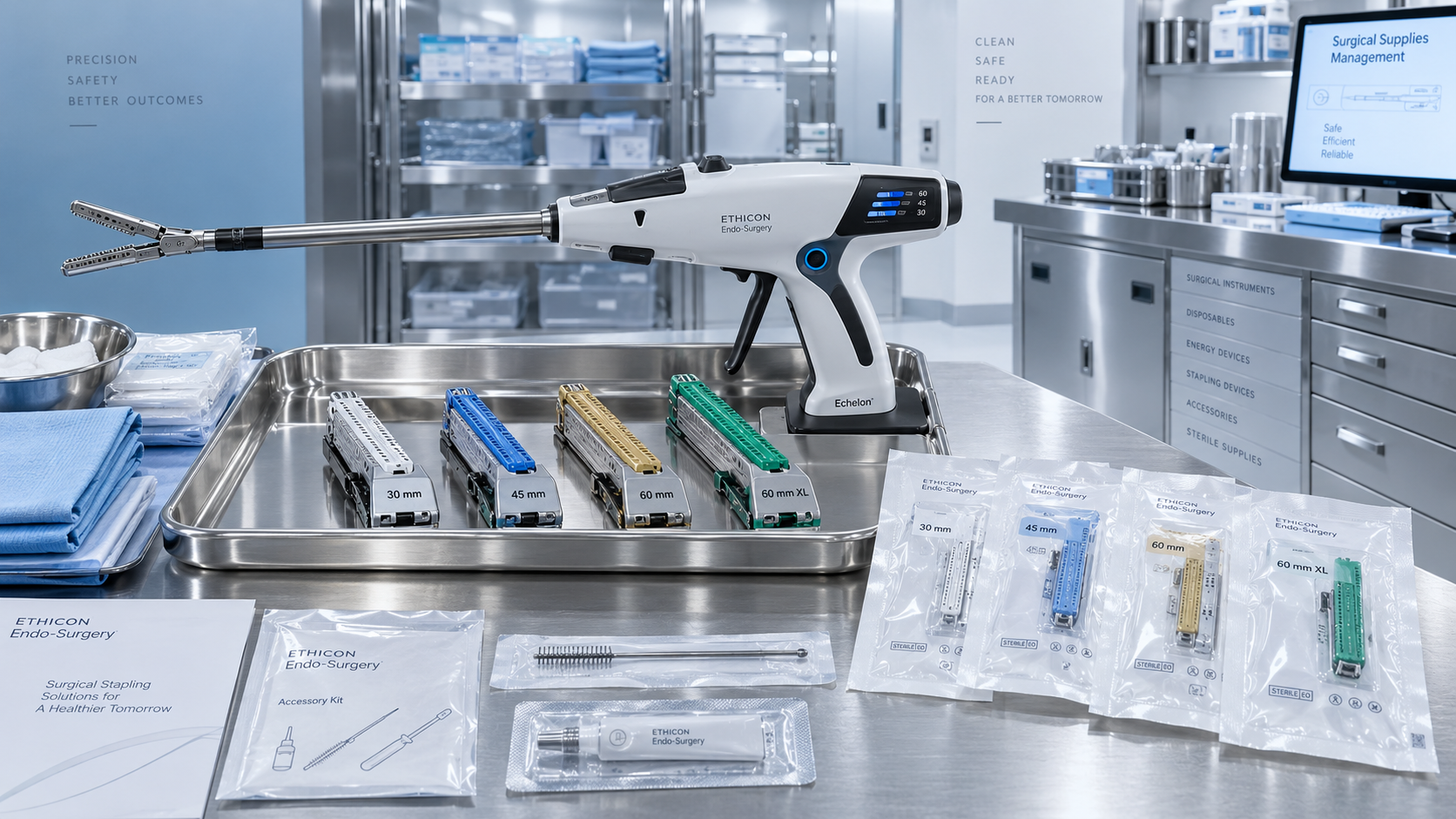
For staplers, check firing consistency, staple formation, articulation range, reload security, tissue compression, and misfire protection.
For trocars, evaluate tip design, insertion force, seal integrity, specimen extraction compatibility, and stability during instrument exchange.
For energy devices, compare thermal spread, vessel sealing range, activation control, smoke generation, and feedback mechanisms.
For visualization systems, review image resolution, color fidelity, latency, light source durability, sterilization pathway, and integration with existing towers.
Procurement should request surgeon feedback through controlled trials, not informal preference alone, because usability issues often appear during repeated cases.
Check Biocompatibility and Material Safety Evidence
Every device contacting tissue, blood, or body cavities must demonstrate suitable biological safety for its intended contact duration and use.
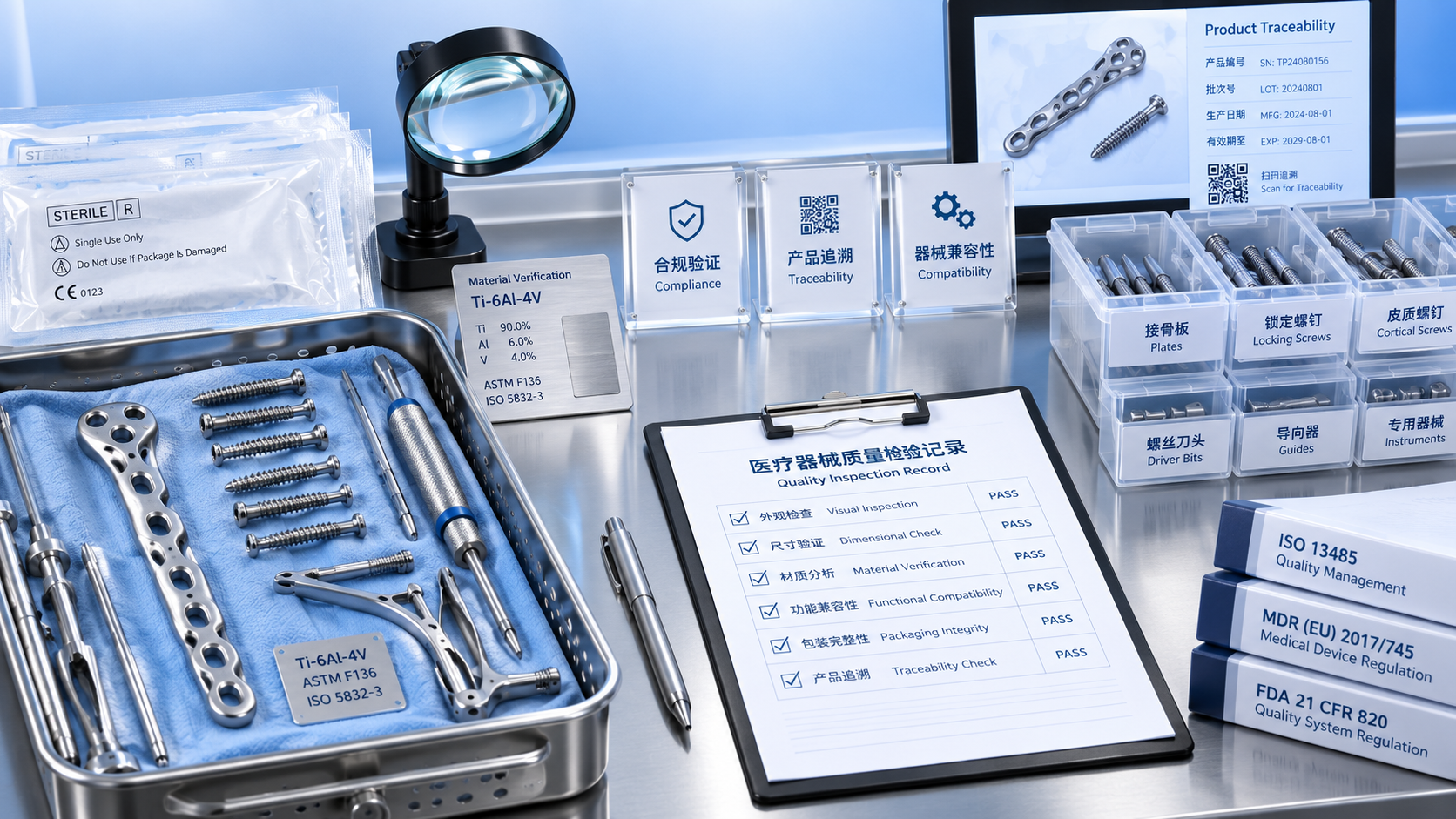
Ask suppliers for ISO 10993 documentation, including cytotoxicity, sensitization, irritation, systemic toxicity, and chemical characterization where relevant.
For polymer catheters, seals, coatings, adhesives, and packaging materials, extractables and leachables data may be important for risk assessment.
For titanium staples, clips, and implantable components, review material grade, surface treatment, corrosion resistance, and particulate control.
Biocompatibility is not a marketing claim; it should be traceable to the exact material, manufacturing process, sterilization method, and finished device.
Regulatory Documentation Should Be Procurement’s Gatekeeper
Purchasing teams should treat regulatory completeness as a mandatory qualification step before any price negotiation becomes meaningful.
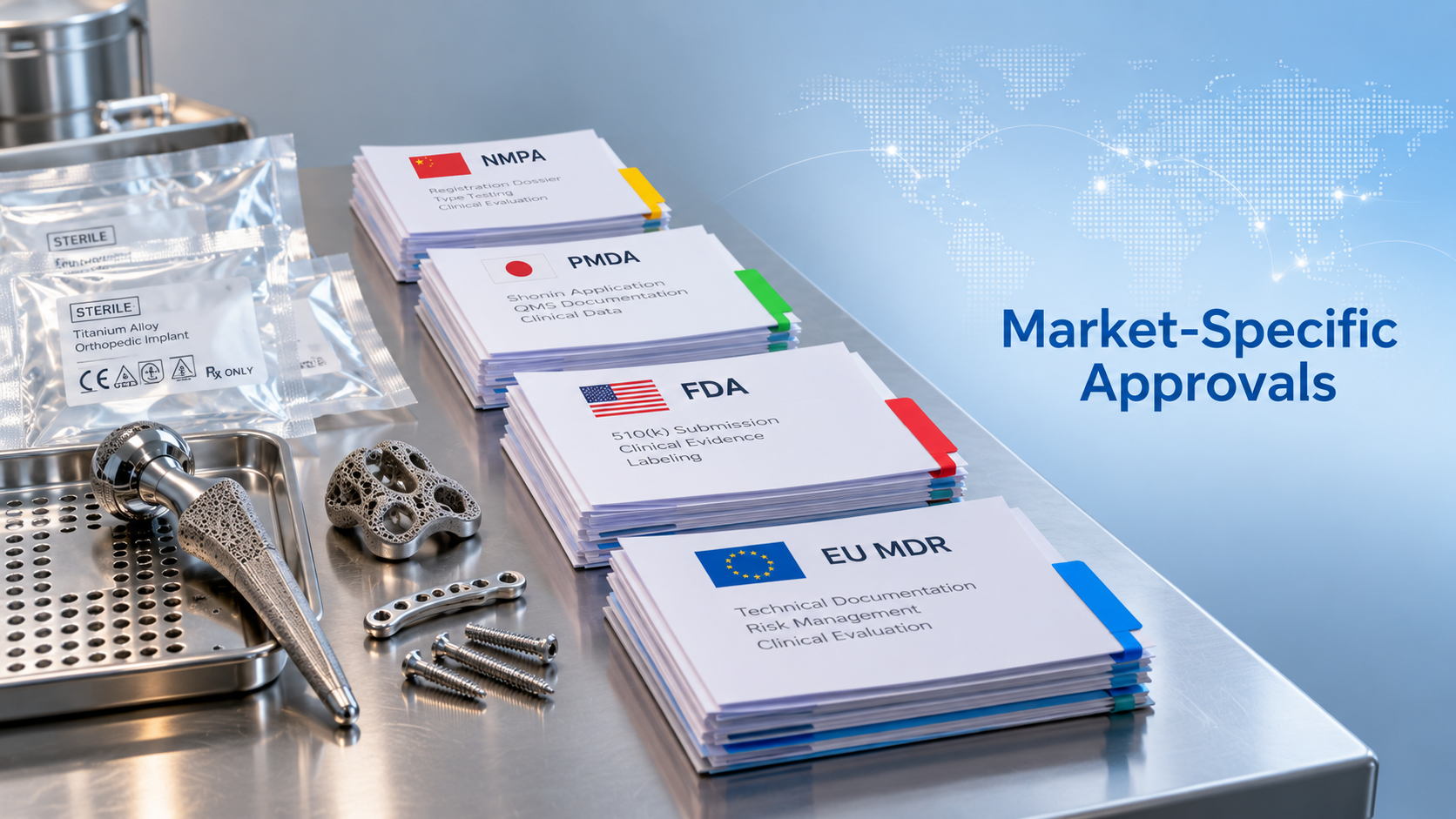
For the United States, request FDA clearance or approval documentation, device classification, indications for use, and relevant 510(k) summaries.
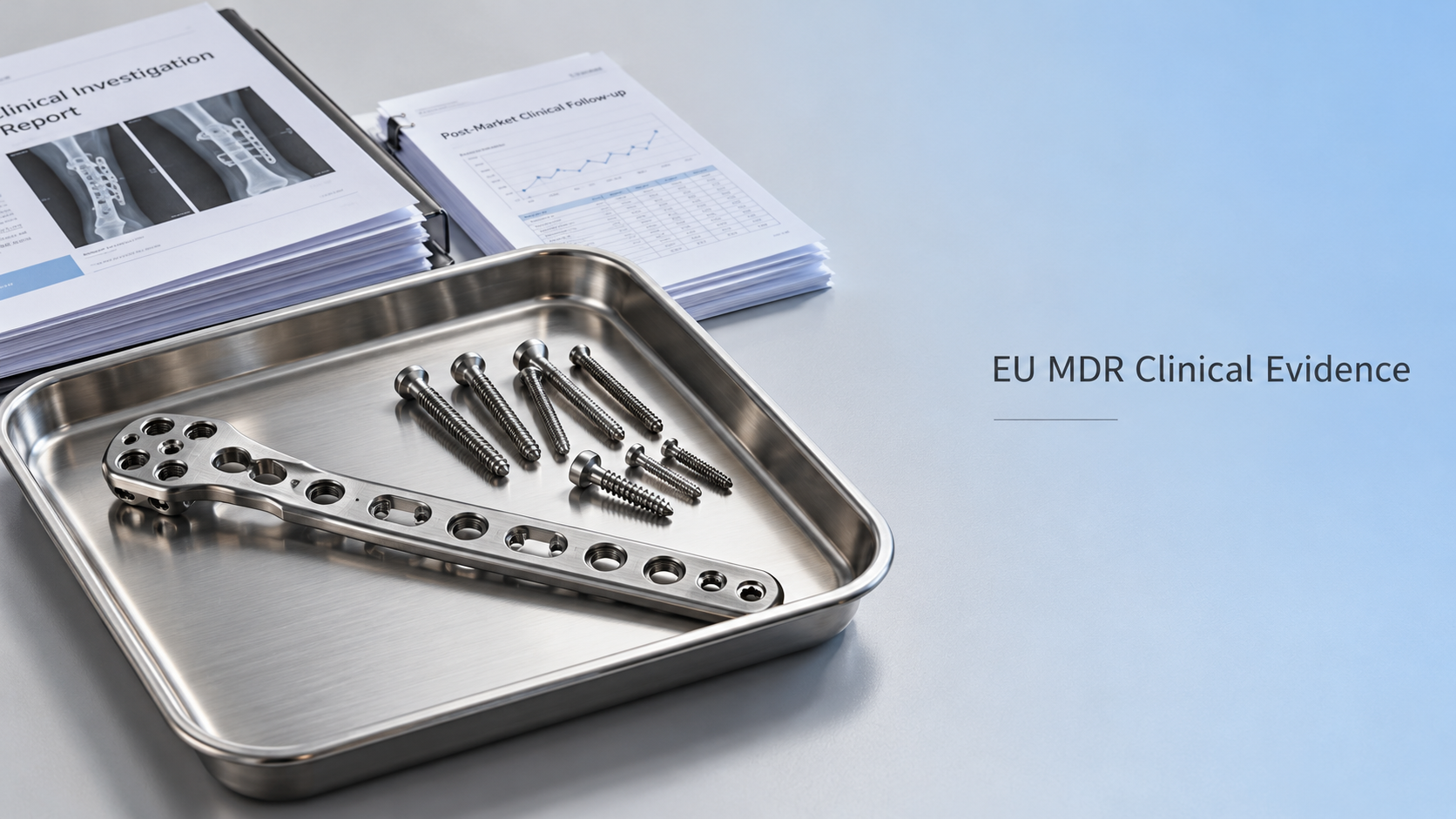
For Europe, verify CE marking under MDR, notified body information, technical documentation status, and post-market surveillance obligations.
For high-risk or implantable consumables, clinical evaluation reports, risk management files, and vigilance history deserve close review.
In emerging markets, confirm local registration status, authorized representative details, import licenses, labeling language, and distributor accountability.
A supplier unable to provide clear regulatory evidence may create reimbursement delays, audit findings, or sudden supply interruptions.
Evaluate Sterilization, Packaging, and Shelf-Life Controls
Sterility assurance is critical for minimally invasive surgery equipment, especially disposable access devices, stapler reloads, catheters, and wound-contact consumables.
Review sterilization method, validation standards, residual limits, packaging integrity testing, transportation simulation, and shelf-life evidence.
Ethylene oxide sterilization requires special attention to residual compliance, aeration control, and regulatory scrutiny in several markets.
Gamma or electron beam sterilization may affect polymers, coatings, adhesives, and mechanical performance if validation is incomplete.
Packaging should be easy to open aseptically, resistant to puncture, readable in storage, and traceable through barcode or UDI systems.
Compare Total Cost of Ownership, Not Unit Price
The purchase price of minimally invasive surgery equipment is only one part of the financial decision.
Total cost includes procedure time, device waste, conversion risk, training burden, maintenance, service contracts, inventory holding, and expired stock.
A cheaper stapler that causes frequent reload waste or surgeon hesitation may cost more than a higher-priced but predictable alternative.
A reusable instrument system may appear economical, but reprocessing labor, repair frequency, sterilization capacity, and tracking failures must be included.
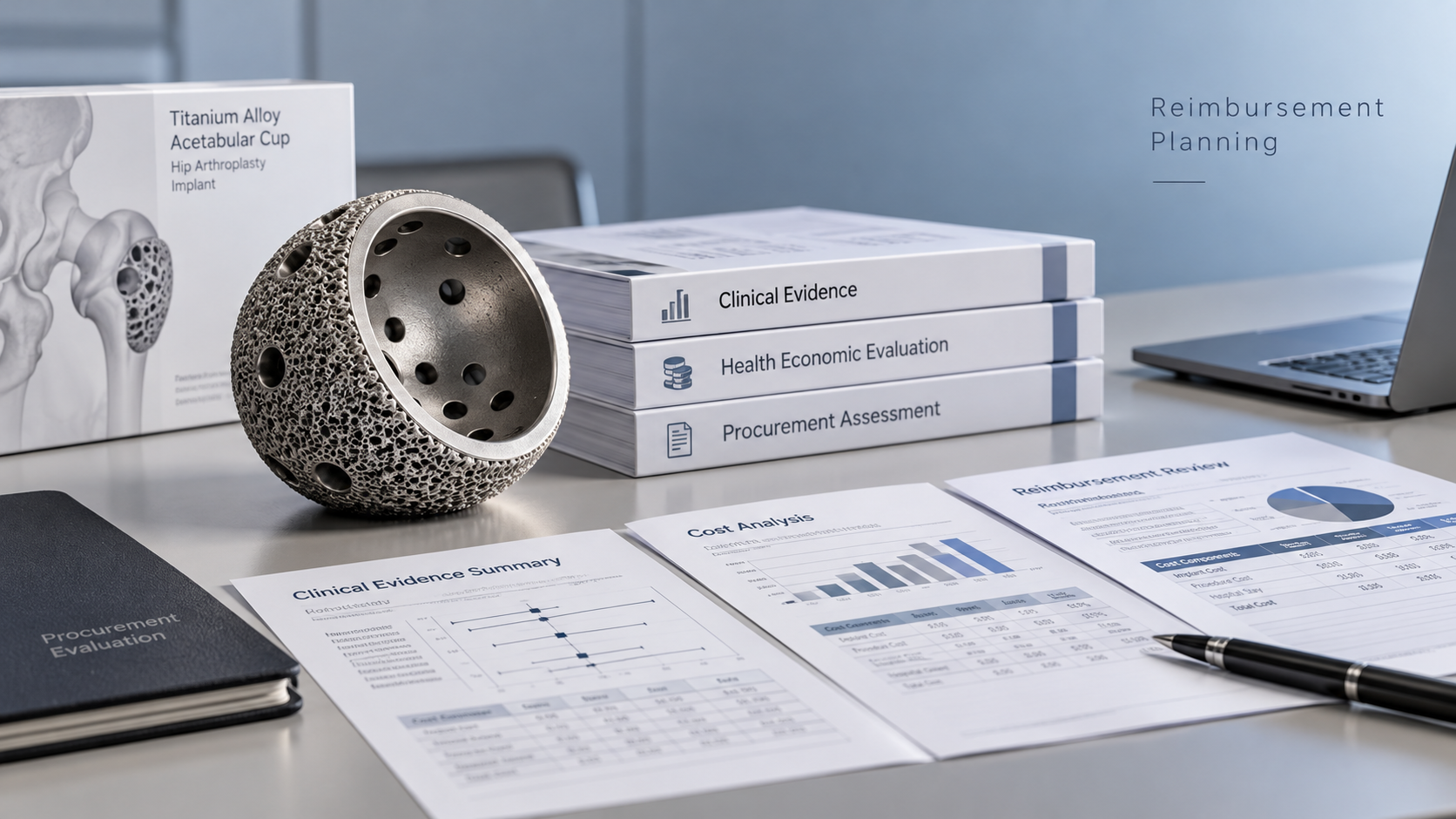
Procurement should model cost per successful procedure, not cost per individual item, especially under value-based purchasing constraints.
Supplier Stability Matters as Much as Product Performance
Reliable minimally invasive surgery programs depend on uninterrupted access to consumables, accessories, and compatible replacement parts.
Assess supplier manufacturing capacity, lead times, backorder history, geographic redundancy, critical raw material exposure, and inventory buffer policies.
For high-volume consumables, ask whether the supplier can maintain delivery during tender cycles, pandemics, logistics disruptions, or sudden demand spikes.
Procurement should also evaluate whether the supplier can support multi-site hospital groups with consistent pricing, training, and documentation.
A low-cost supplier with fragile capacity can create operating room cancellations, emergency substitutions, and surgeon dissatisfaction.
Standardization Should Reduce Complexity Without Limiting Care
Hospitals often seek to standardize minimally invasive surgery equipment to reduce inventory complexity and improve purchasing leverage.
However, standardization should not force one product into every clinical scenario if patient safety or surgical outcomes may suffer.
A practical approach is to define core standardized items, approved specialty exceptions, and clear criteria for premium device use.
This helps procurement control cost while giving clinicians confidence that complex cases still receive appropriate tools.
Standardization also improves training consistency, reduces picking errors, and simplifies stock management across operating rooms.
Training, In-Service Support, and User Adoption
Even well-designed devices can create risk if operating room teams are not trained on setup, handling, troubleshooting, and disposal.
Ask suppliers for structured in-service programs, competency materials, quick-reference guides, simulation support, and new-user onboarding plans.
For powered staplers, advanced energy systems, or visualization platforms, technical support should be available during early implementation.
Procurement should also confirm whether training is included in pricing or treated as a separate paid service.
Strong user adoption reduces device misuse, lowers complaint rates, and accelerates the transition from legacy equipment.
Data, Traceability, and Post-Market Surveillance
Modern procurement decisions increasingly require evidence generated after market launch, not only pre-market claims.
Review complaint rates, adverse event trends, recall history, field safety notices, and corrective action responsiveness.
UDI compatibility, barcode scanning, lot traceability, and electronic inventory integration are increasingly important for hospital governance.
For implantable or tissue-contact devices, traceability supports patient notification, recall execution, and quality investigations.
Suppliers that share transparent post-market data usually demonstrate stronger quality culture and long-term accountability.
Interoperability With Existing Operating Room Infrastructure
New minimally invasive surgery equipment must work with the hospital’s current imaging towers, insufflators, monitors, carts, and sterilization workflows.
Compatibility problems can create hidden costs through adapters, additional accessories, workflow delays, or duplicate capital purchases.
Before approval, confirm connection standards, software requirements, service access, instrument dimensions, and storage needs.
For visualization platforms, cybersecurity, data transfer, video recording, and integration with hospital systems should be reviewed.
Interoperability testing should occur before contract commitment, especially when multiple vendors are involved in one surgical workflow.
Value-Based Purchasing and Tender Strategy
Value-based purchasing pushes hospitals to justify device selection through outcomes, efficiency, and long-term economic value.
Procurement teams should prepare scoring models that combine clinical performance, regulatory confidence, service, supply risk, and lifecycle cost.
Price remains important, but it should not outweigh safety evidence, procedural reliability, or supply continuity for high-risk devices.
In tender environments, define minimum technical specifications clearly enough to prevent unsuitable low-cost bids from winning by default.
Use weighted evaluation criteria, surgeon trial feedback, quality documentation, and cost-per-case modeling to support defensible decisions.
A Practical Checklist for Supplier Evaluation
Begin with clinical fit: intended procedures, specialty requirements, surgeon acceptance, case complexity, and compatibility with existing workflows.
Then review product performance: precision, mechanical reliability, ergonomic control, sealing or firing consistency, visualization quality, and failure safeguards.
Next, verify quality and regulatory evidence: ISO 13485 certification, FDA or CE documentation, ISO 10993 data, sterilization validation, and risk management.
Assess commercial resilience: price structure, volume commitments, consignment options, lead times, backorder risk, training, service, and warranty terms.
Finally, compare strategic value: standardization potential, post-market transparency, sustainability, data integration, and support for value-based procurement goals.
Common Red Flags Procurement Should Not Ignore
Be cautious when suppliers cannot provide complete technical files, updated certificates, clinical references, or sterilization validation summaries.
Frequent product substitutions, vague country-of-origin information, inconsistent labeling, or unclear distributor responsibilities should trigger further investigation.
Unusually aggressive pricing may indicate weak post-sale support, unstable manufacturing economics, or limited regulatory readiness.
Procurement should also question devices that require extensive technique changes without adequate training or clinical justification.
Red flags do not automatically disqualify a supplier, but they should delay approval until risk is understood and documented.
How to Run a Balanced Product Trial
A trial should be structured, time-limited, and supported by objective evaluation forms for surgeons and operating room staff.
Include representative procedures, different patient profiles, multiple users, and enough cases to reveal repeatability issues.
Track setup time, device handling, failures, waste, compatibility, packaging usability, and staff confidence after use.
Procurement should collect both qualitative feedback and measurable data, then compare results against current devices.
A successful trial should produce evidence strong enough to support contract negotiation, standardization, or justified rejection.
Final Takeaway for Purchasing Teams
The best minimally invasive surgery equipment selection process combines clinical insight, technical evidence, regulatory discipline, and economic modeling.
Procurement teams should avoid decisions based only on price, brand familiarity, or isolated surgeon preference.
A structured checklist helps identify devices that perform reliably, comply with regulations, support hospital workflows, and remain available under pressure.
When purchasing teams evaluate precision, biocompatibility, documentation, service, and total cost together, they protect both budgets and patient outcomes.
In a market shaped by stricter regulation and value-based purchasing, disciplined equipment selection is now a strategic advantage.