CE MDR Compliance Checklist for 2026
For project managers and engineering leads, 2026 will make CE MDR compliance less of a documentation task and more of a cross-functional execution challenge.
From clinical evidence and ISO 10993 validation to supplier controls, PMS, and risk management, every workstream must align before a device can withstand notified body scrutiny.
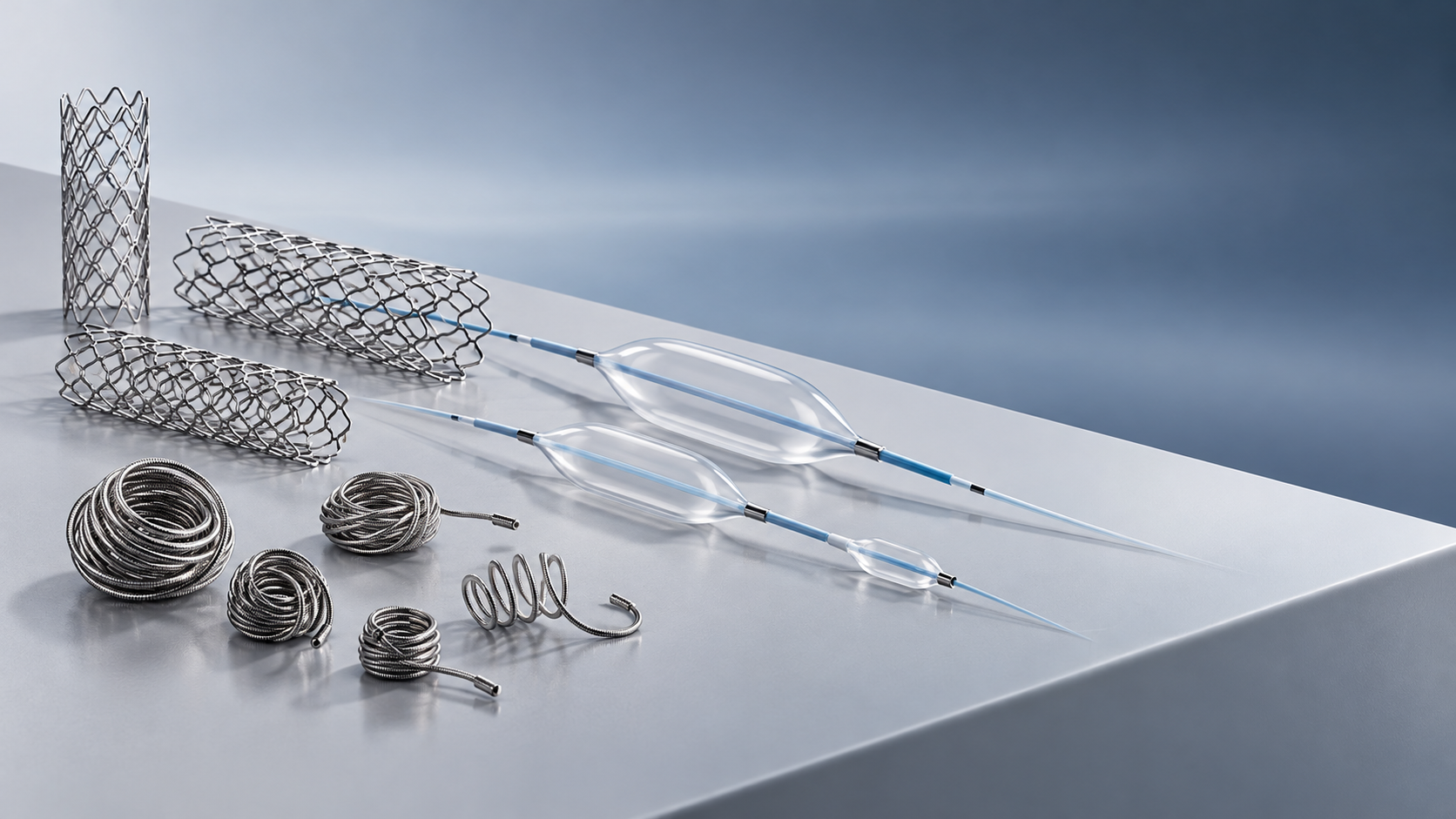
This checklist-focused guide helps medical device teams translate MDR expectations into practical project milestones, reducing rework while protecting market access for implants, interventional devices, surgical consumables, catheters, and advanced wound care products.
What Project Teams Really Need from a 2026 MDR Checklist

Most teams searching for a CE MDR compliance checklist are not looking for another summary of regulation articles or legal definitions.
They need to know what must be ready, who owns each workstream, and where notified bodies are most likely to challenge evidence.
For engineering leads, the practical question is whether design, clinical, biological safety, manufacturing, and post-market files tell one consistent story.
For project managers, the harder question is whether these workstreams are sequenced early enough to avoid certification delays and expensive redesign.
In 2026, CE MDR compliance should be treated as a gated product development program, not a final technical documentation upload.
This is especially true for high-value consumables and implants, where clinical performance, biocompatibility, and manufacturing controls directly affect patient outcomes.
The 2026 Compliance Reality: What Has Changed for Planning
The MDR itself is not new, but the operational environment around it has become more demanding for manufacturers and project teams.
Notified bodies now expect mature evidence packages, stronger linkage between risks and clinical claims, and clearer justification for equivalence arguments.
Devices such as orthopedic implants, cardiovascular stents, TAVR systems, and neurovascular catheters face particularly close scrutiny because failure consequences are severe.
Advanced dressings, staplers, polymer catheters, and minimally invasive consumables may appear lower risk, yet their documentation still requires disciplined traceability.
Project plans should assume longer review cycles, more detailed questions, and fewer opportunities to repair incomplete documentation after submission.
The most successful teams build MDR readiness into design reviews, verification planning, supplier qualification, clinical evaluation, and post-market surveillance from the start.
Checklist 1: Confirm Device Classification and Intended Purpose
The first checkpoint is deceptively simple: confirm the intended purpose, patient population, clinical setting, and operating principle of the device.
Classification errors can distort the entire project plan, especially for implantable, active, drug-coated, absorbable, or body-contacting devices.
A drug-eluting stent, coated catheter, porous titanium cage, or regenerative wound matrix may trigger requirements beyond a basic consumable pathway.
Project managers should require a documented classification rationale approved by regulatory, clinical, engineering, and quality representatives before major planning decisions.
The intended purpose must remain consistent across labeling, risk management, clinical evaluation, usability documentation, IFU, promotional language, and PMS activities.
If marketing claims expand during development, the team must reassess whether the clinical evidence and risk controls still support those claims.
Checklist 2: Build Technical Documentation as a Living System
Under MDR, technical documentation is not a static binder created at the end of development or copied from legacy MDD files.
It should demonstrate how design inputs, materials, manufacturing processes, risk controls, verification, validation, clinical evidence, and PMS are connected.
A useful project checklist maps every required document to an owner, maturity target, review date, and dependency on other workstreams.
For implants and interventional devices, the documentation should clearly explain material selection, dimensional tolerances, surface treatments, coatings, and sterilization impact.
For surgical staplers and catheters, it should capture performance reliability, mechanical integrity, usability risks, packaging validation, and shelf-life evidence.
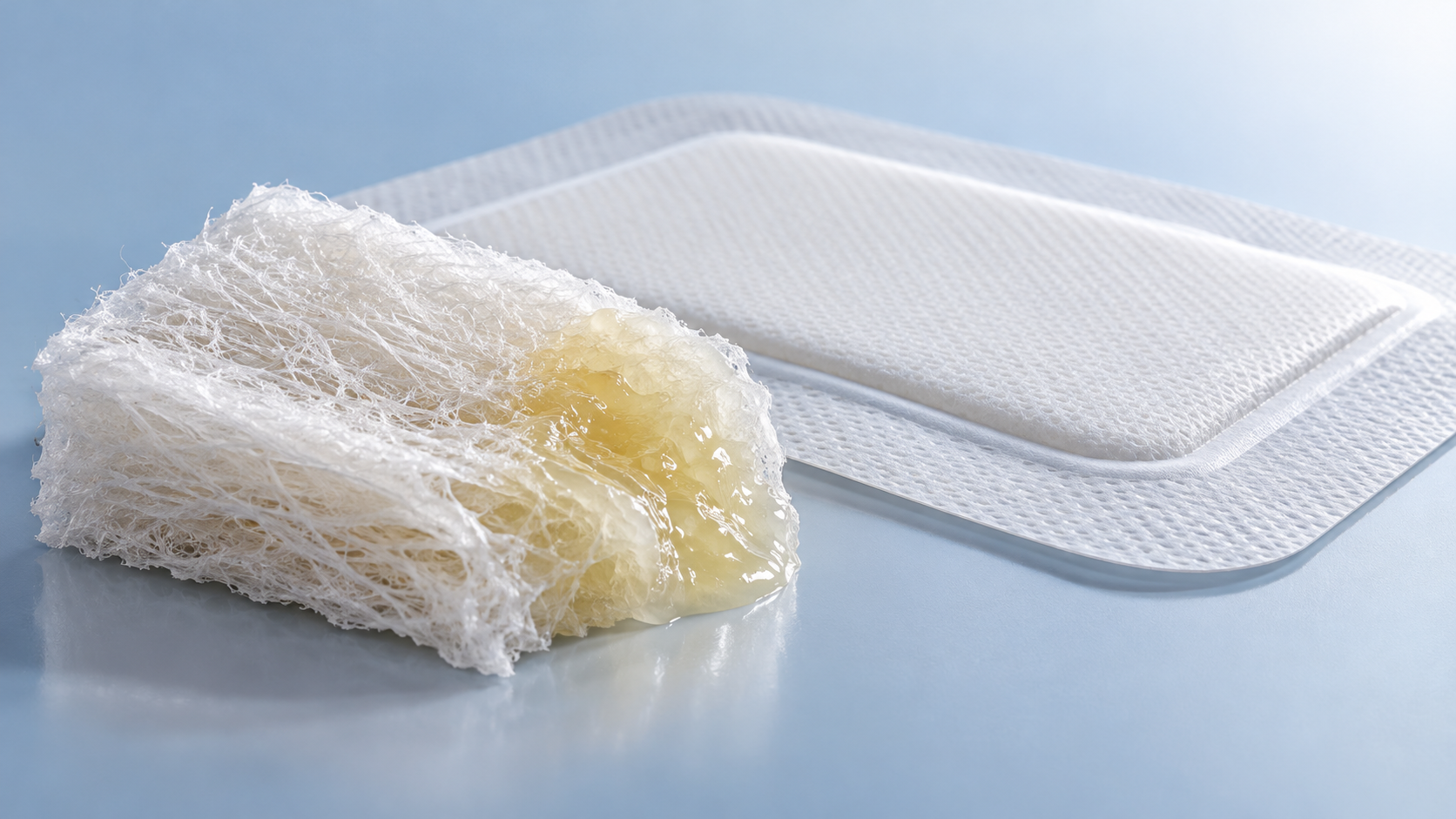
For wound care products, teams should connect material composition, moisture management, antimicrobial function, cytotoxicity data, and clinical performance expectations.
Checklist 3: Make Risk Management the Backbone of the Project
Risk management under ISO 14971 should not sit separately from engineering files, clinical evaluation, biological safety, or post-market activities.
Every hazard should connect to foreseeable misuse, sequence of events, risk control measures, verification evidence, residual risk, and benefit-risk justification.
For Class III implants, risks may include wear debris, loosening, corrosion, migration, fatigue fracture, hypersensitivity, infection, and revision surgery.
For cardiovascular devices, teams must address thrombosis, restenosis, embolization, vessel trauma, delivery failure, valve dysfunction, and coating degradation.
For catheters and minimally invasive consumables, kink resistance, breakage, leakage, misfiring, tissue damage, and user handling errors deserve detailed treatment.
A strong CE MDR compliance plan uses risk management as the index for all evidence, not as a late-stage quality exercise.
Checklist 4: Plan Clinical Evaluation Early, Not After Testing
Clinical evaluation is one of the most common sources of MDR delays because teams often underestimate the evidence standard.
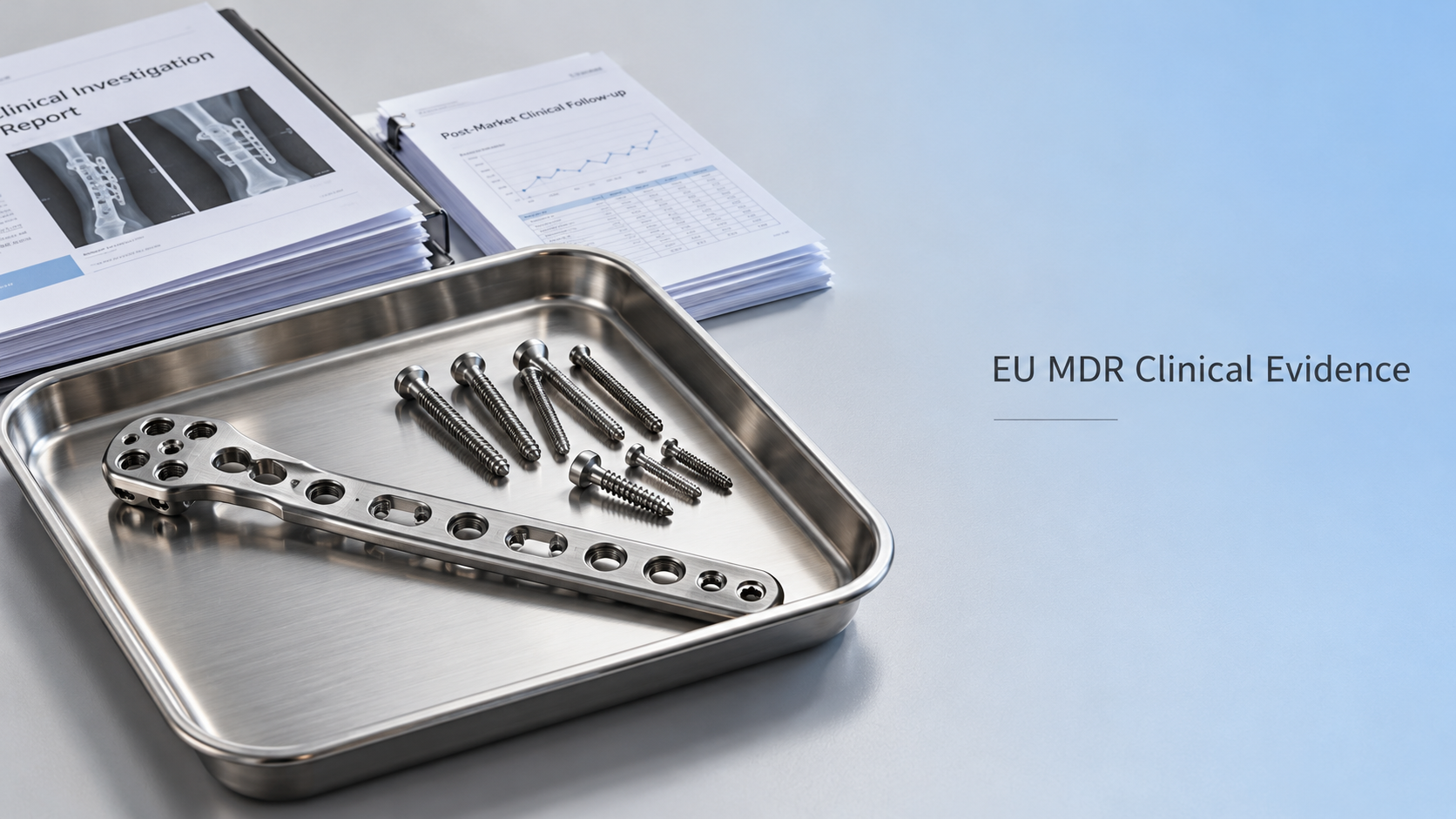
The CER must support safety, performance, clinical benefits, residual risks, and claims using a defensible evaluation of relevant clinical data.
For high-risk implants and cardiovascular devices, equivalence is difficult to defend without access to sufficient technical, biological, and clinical data.
Project leaders should clarify early whether clinical investigation, PMCF, registry data, literature evidence, or a combined strategy will be required.
The clinical plan should influence design inputs, endpoints, acceptance criteria, post-market questions, and claims before product launch decisions are locked.
If a claim cannot be supported clinically, it should be removed, narrowed, or backed by additional evidence before notified body submission.
Checklist 5: Align ISO 10993 Biological Evaluation with Real Contact Conditions
Biological safety remains a decisive workstream for implants, catheters, wound care, staples, coatings, and absorbable or regenerative materials.
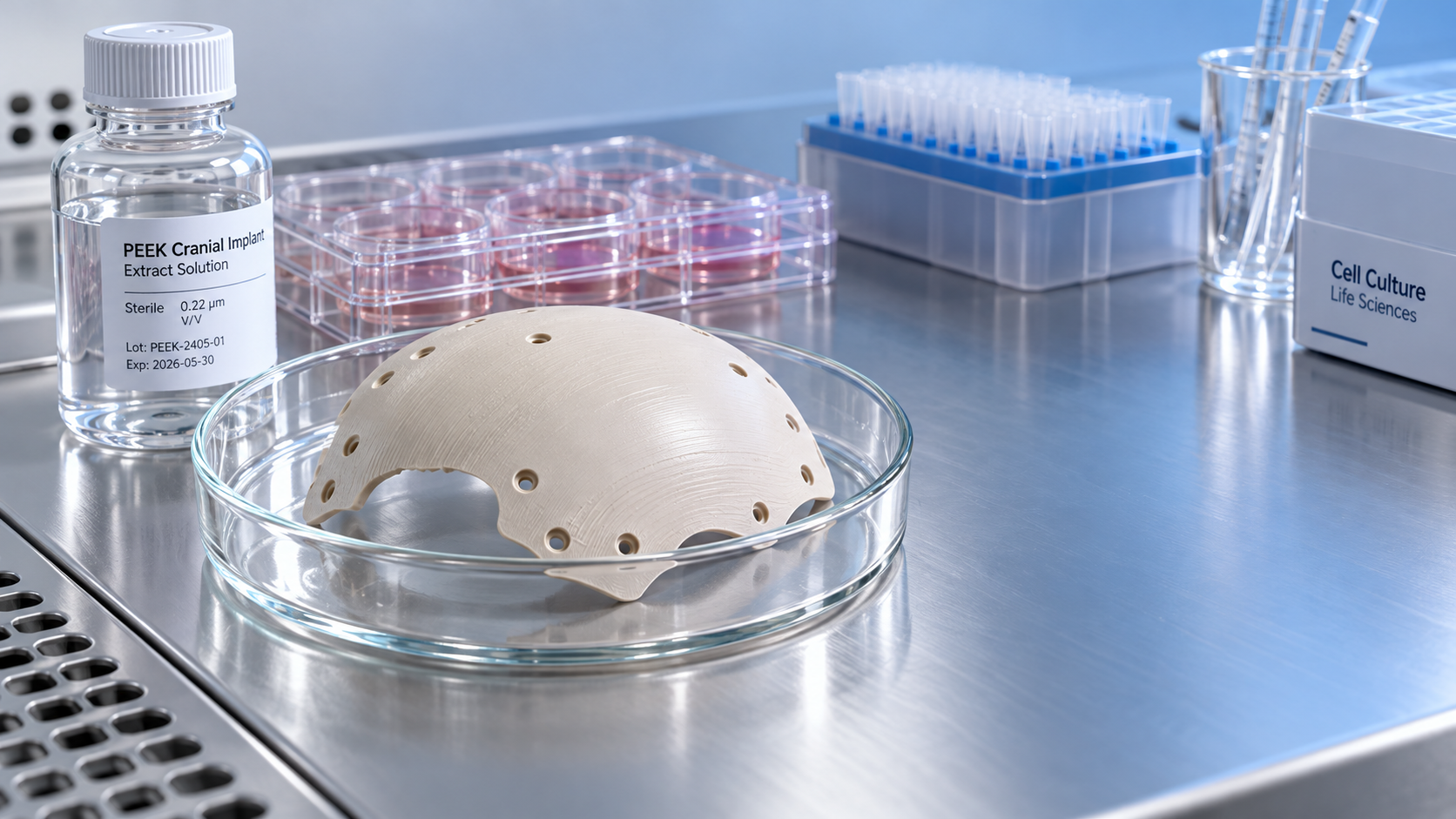
ISO 10993 planning should begin with exact body contact type, duration, material composition, processing aids, extractables, and manufacturing residues.
A toxicological risk assessment can sometimes reduce unnecessary testing, but only when material characterization and exposure assumptions are scientifically credible.
For long-term implants, teams may need cytotoxicity, sensitization, irritation, systemic toxicity, genotoxicity, implantation, hemocompatibility, and chemical characterization evidence.
For blood-contacting devices, hemolysis, thrombogenicity, complement activation, coagulation, and coating stability can become critical compliance questions.
Engineering changes to suppliers, sterilization, surface finishing, additives, or packaging can invalidate previous assumptions and trigger biological safety reassessment.
Checklist 6: Prove Design Verification and Validation Are Claim-Driven
Verification and validation should demonstrate that the device meets design inputs and performs safely under realistic clinical and user conditions.
Acceptance criteria must be derived from intended purpose, risk controls, applicable standards, clinical expectations, and competitor or predicate performance where appropriate.
For orthopedic implants, fatigue testing, wear testing, fixation strength, dimensional verification, and surface characterization are often central evidence elements.
For stents and valves, radial strength, recoil, fatigue, deployment accuracy, drug release, hydrodynamics, and delivery system performance may be decisive.
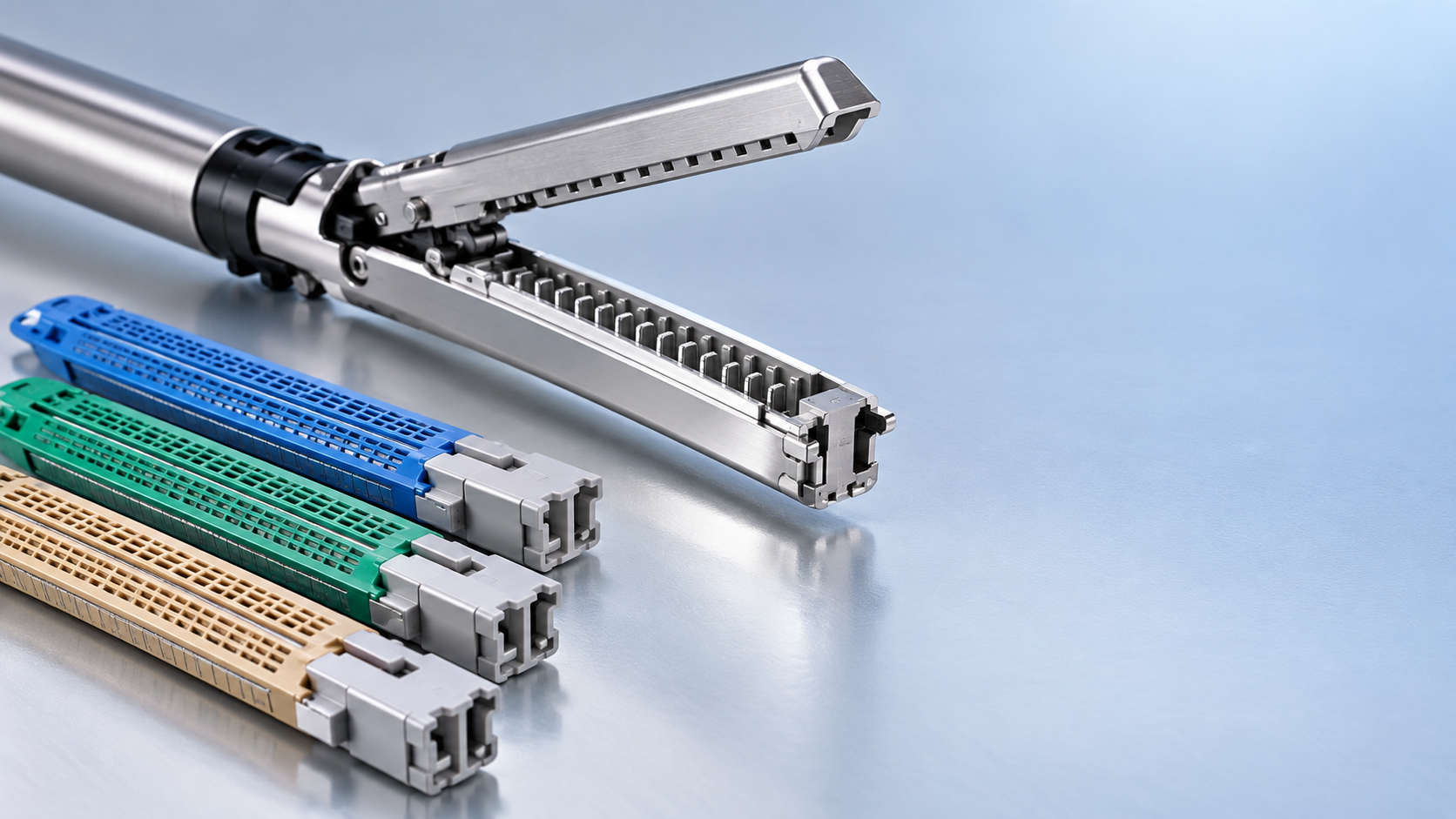
For staplers, staple formation, firing force, leak resistance, tissue thickness compatibility, and reload reliability should be planned around use scenarios.
Validation gaps usually appear when project teams test isolated functions but fail to demonstrate complete system performance in representative conditions.
Checklist 7: Strengthen Supplier and Manufacturing Controls
Notified bodies increasingly examine whether critical suppliers and manufacturing processes are controlled with enough depth for the device risk profile.
This is crucial for titanium powders, PEEK materials, cobalt-chromium alloys, polymer tubing, coating ingredients, sterilization providers, and packaging suppliers.
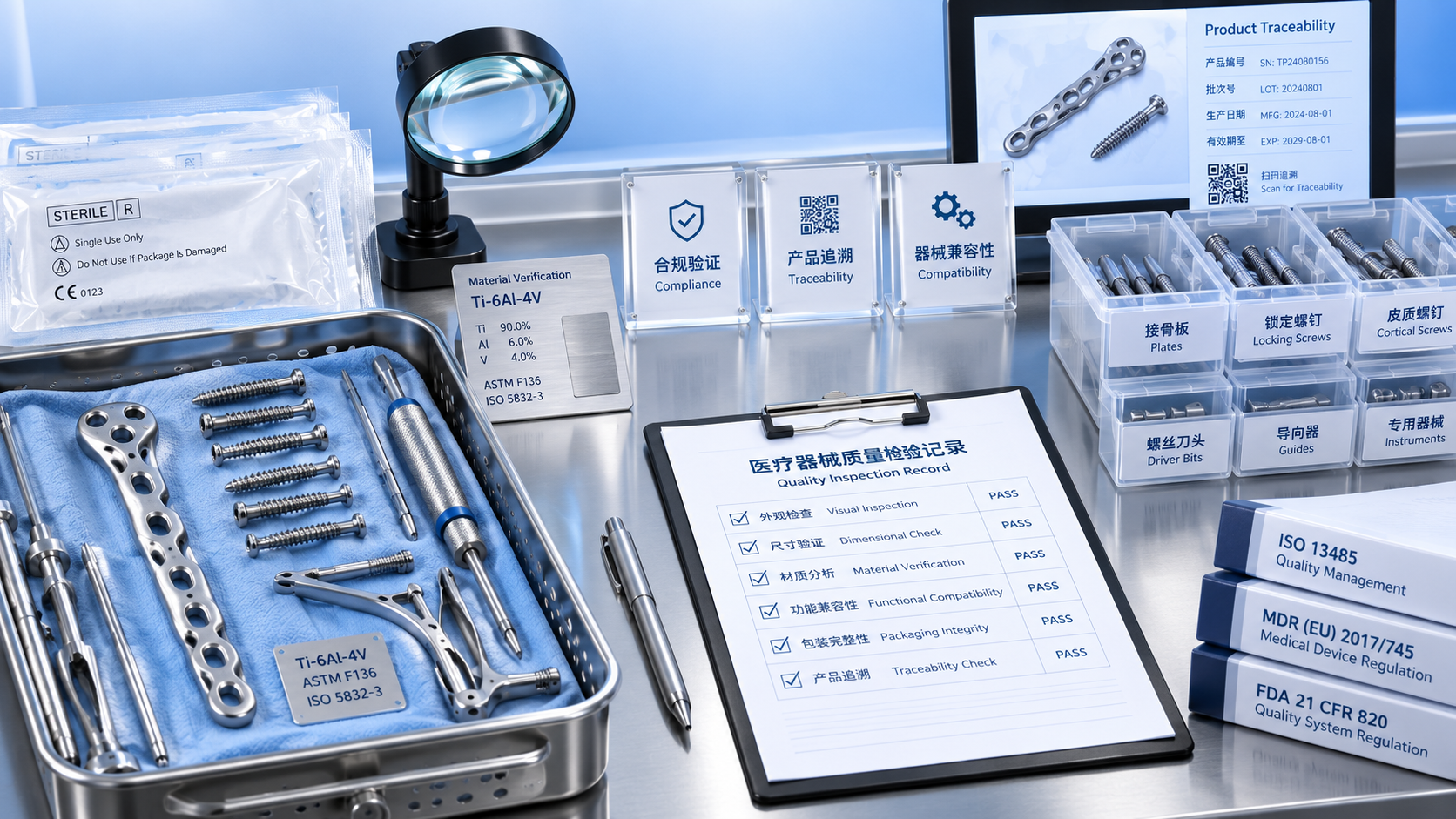
Supplier qualification should include technical specifications, change notification agreements, audit strategy, incoming inspection, material traceability, and process validation expectations.
Special processes such as additive manufacturing, laser cutting, passivation, coating, cleanroom assembly, and sterilization require validated controls and monitoring.
Project managers should track supplier evidence as project deliverables, not as purchasing paperwork handled after design freeze.
A minor supplier change can affect biocompatibility, mechanical performance, sterilization compatibility, shelf life, and clinical equivalence assumptions simultaneously.
Checklist 8: Prepare PMS and PMCF Before Market Entry
MDR expects manufacturers to learn continuously from real-world performance, complaints, vigilance data, literature, registries, and user feedback.
Post-market surveillance is not an administrative report; it is the mechanism that verifies whether risk controls remain valid in practice.
PMCF should be proportionate to device risk, innovation level, clinical uncertainty, and the strength of pre-market evidence.
For high-risk implants, structured follow-up, registry participation, targeted clinical surveys, or real-world performance studies may be necessary.
For consumables and wound care products, PMS can identify usability issues, material reactions, packaging failures, infection trends, or performance variability.
The PMS plan, PMCF plan, risk management file, CER, and SSCP should be consistent before notified body review begins.
Checklist 9: Manage Labeling, UDI, SSCP, and EUDAMED Dependencies
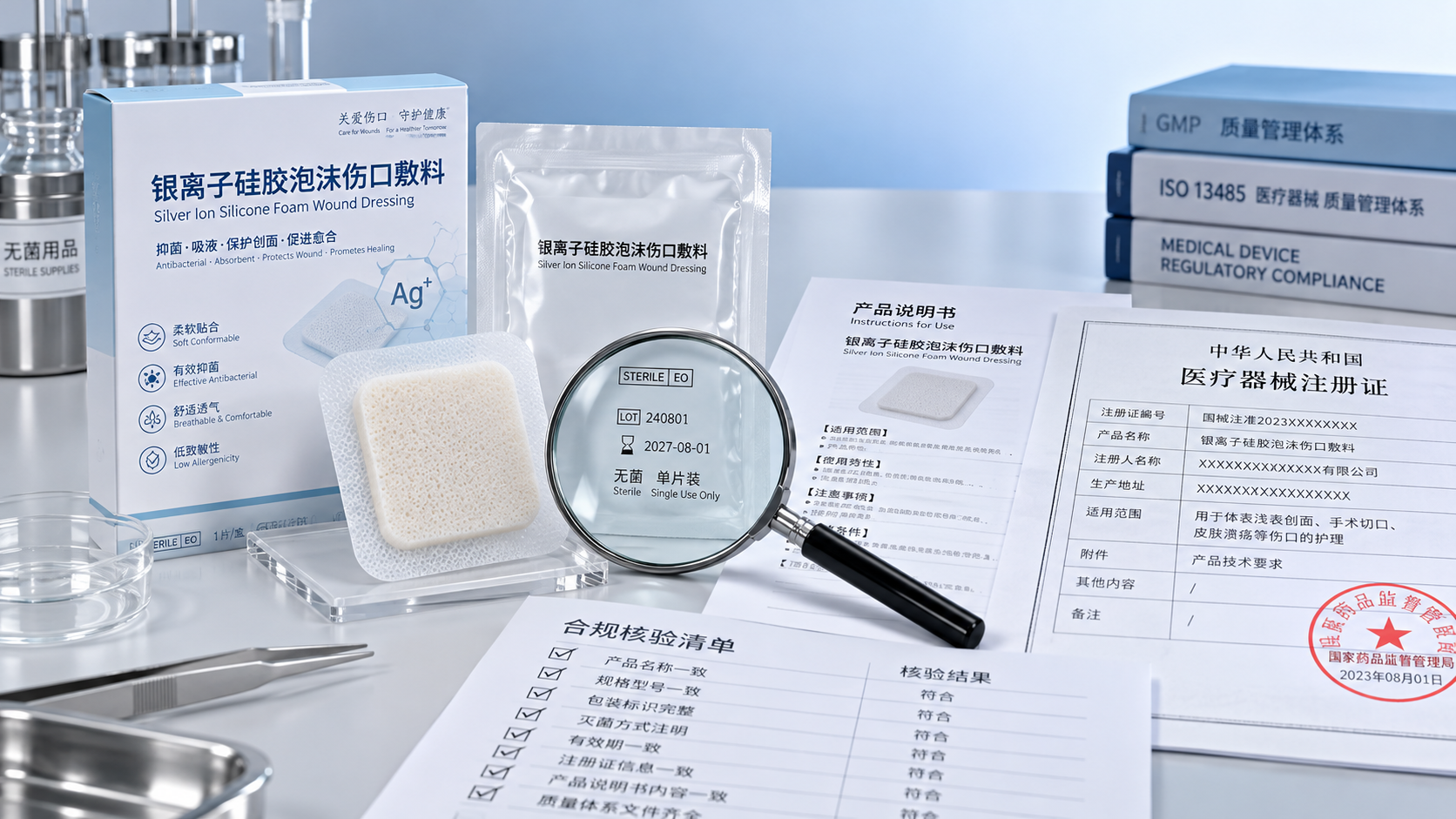
Labeling is a compliance-critical output because it defines safe use, contraindications, warnings, residual risks, storage, and device limitations.
For engineering teams, labeling must be checked against validated performance, usability findings, sterilization conditions, shelf life, and clinical evidence.
UDI implementation and EUDAMED-related data require coordination between regulatory, operations, packaging, ERP, quality, and distribution teams.
For applicable implantable and Class III devices, the Summary of Safety and Clinical Performance requires careful alignment with the CER.
Project managers should not leave UDI, translations, IFU approvals, symbols, implant cards, or SSCP preparation until final submission weeks.
These deliverables often create late delays because they depend on finalized claims, risk language, clinical conclusions, and manufacturing master data.
Checklist 10: Control Change Management and Legacy Device Transitions
Many 2026 projects involve legacy devices, line extensions, supplier transfers, manufacturing changes, or upgrades from previous regulatory frameworks.
Each change should be assessed for impact on safety, performance, clinical evidence, biological safety, sterilization, usability, and labeling.
Legacy devices often carry historical test reports that are incomplete, outdated, or not aligned with MDR expectations for traceability.
A practical transition plan separates documents that can be justified from those needing remediation, retesting, clinical update, or supplier evidence.
Project teams should prioritize high-impact gaps first, especially those affecting risk acceptability, clinical benefit, biological evaluation, and manufacturing validation.
Without disciplined change control, teams may unintentionally create a device configuration that no longer matches submitted evidence or approved labeling.
How to Turn the Checklist into Project Milestones
A checklist only becomes valuable when converted into dates, gates, owners, dependencies, and escalation rules within the development plan.
Start with a regulatory readiness map that links classification, conformity route, notified body expectations, and key evidence requirements.
Then build an integrated evidence plan covering design verification, validation, clinical evaluation, biocompatibility, sterilization, packaging, software, and usability where applicable.
Each workstream should have maturity levels, such as draft rationale, approved protocol, completed testing, reviewed report, and submission-ready evidence.
Weekly project reviews should focus on evidence risks, not only task completion percentages, because incomplete rationale can be worse than delayed testing.
The strongest teams maintain a single traceability matrix connecting requirements, risks, tests, clinical claims, labeling, PMS questions, and notified body responses.
Common Failure Points That Create MDR Rework
One frequent failure is treating the CER as a literature review instead of a structured argument for benefit-risk acceptability.
Another is running ISO 10993 tests without a biological evaluation plan, leading to irrelevant assays or missing endpoints.
Teams also underestimate supplier evidence, especially when material certificates do not address process residues, additives, or change control obligations.
Risk files often fail because residual risks are not connected to labeling, clinical data, PMS, or benefit-risk conclusions.
Testing programs may be technically impressive but still weak if acceptance criteria are not justified by intended use and clinical performance.
Project managers can reduce rework by conducting early mock reviews using notified body-style questions before final submission packaging.
What Good CE MDR Compliance Looks Like in 2026
Good CE MDR compliance is visible before the final audit because the project team can explain every major decision coherently.
The device claims are realistic, the risks are traceable, the clinical evidence is proportionate, and the manufacturing controls match device criticality.
The biological safety strategy reflects real patient contact, while verification and validation demonstrate performance under clinically meaningful conditions.
Suppliers understand their obligations, PMS is ready before launch, and labeling does not promise more than the evidence supports.
Most importantly, regulatory, engineering, clinical, quality, operations, and commercial teams work from the same evidence narrative.
That alignment is what separates a defensible MDR submission from a document collection vulnerable to repeated notified body questions.
Conclusion: MDR Readiness Is an Execution Discipline
For project managers and engineering leads, the 2026 CE MDR compliance challenge is not simply knowing what the regulation says.
The real challenge is coordinating evidence, decisions, suppliers, testing, clinical strategy, and post-market planning early enough to prevent rework.
Implants, interventional devices, surgical consumables, catheters, and advanced wound care products all require evidence that reflects their actual patient risks.
A strong checklist should therefore function as a project control tool, linking every technical deliverable to safety, performance, and market access.
Teams that build this discipline into development will face notified body scrutiny with fewer surprises and stronger confidence in their submissions.
In 2026, MDR success belongs to organizations that manage compliance as integrated product intelligence, not as paperwork after engineering is complete.
Get weekly intelligence in your inbox.
No noise. No sponsored content. Pure intelligence.
News Recommendations
 Oct 26, 2026Can a single approval cover life science product sales worldwide?Can a single approval cover life science product sales worldwide?
 Oct 25, 2026When is sensitization testing needed for medical device biocompatibility?When is sensitization testing needed for medical device biocompatibility?
 Oct 24, 2026How is biocompatibility tested for implantable polymer biomaterials?How is biocompatibility tested for implantable polymer biomaterials?
 Oct 23, 2026How to build reimbursement into an implant commercialization strategyHow to build reimbursement into an implant commercialization strategy
 Oct 22, 2026What clinical evidence do implants need for CE marking under EU MDR?What clinical evidence do implants need for CE marking under EU MDR?
 Oct 21, 2026How to choose disposable laparoscopic stapler reloads for thick tissueHow to choose disposable laparoscopic stapler reloads for thick tissue
 Oct 20, 2026How to assess medical polymer biocompatibility under ISO 10993How to assess medical polymer biocompatibility under ISO 10993
 Oct 19, 2026How do interventional device categories differ in clinical use?How do interventional device categories differ in clinical use?
 Oct 18, 2026When to choose alginate dressings for heavily exuding chronic woundsWhen to choose alginate dressings for heavily exuding chronic wounds
 Oct 17, 2026How is biocompatibility tested for custom medical-grade PEEK implants?How is biocompatibility tested for custom medical-grade PEEK implants?
 Oct 16, 2026How to check a wound healing materials supplier’s biocompatibility dataHow to check a wound healing materials supplier’s biocompatibility data
 Oct 15, 2026How to verify the FDA clearance status of silver wound dressingsHow to verify the FDA clearance status of silver wound dressings
 Oct 14, 2026How to register orthopedic implants and instruments in Latin AmericaHow to register orthopedic implants and instruments in Latin America
 Oct 13, 2026How to use a device market intelligence database to benchmark VBP pricesHow to use a device market intelligence database to benchmark VBP prices
 Oct 12, 2026When should stainless steel orthopedic instruments be replaced?When should stainless steel orthopedic instruments be replaced?
 Oct 11, 2026When are alginate dressings rope the right choice for cavity wounds?When are alginate dressings rope the right choice for cavity wounds?
 Oct 10, 2026When smart minimally invasive technology improves catheter accessWhen smart minimally invasive technology improves catheter access
 Oct 08, 2026Clinical evaluation requirements for cardiovascular implant devices in EuropeClinical evaluation requirements for cardiovascular implant devices in Europe
 Oct 07, 2026What to verify before appointing an artificial joint implants distributorWhat to verify before appointing an artificial joint implants distributor
 Oct 06, 2026How ISO 10993 guides biocompatibility testing for medical materialsHow ISO 10993 guides biocompatibility testing for medical materials
 Oct 05, 2026How to verify an orthopedic implants and instruments exporterHow to verify an orthopedic implants and instruments exporter
 Oct 04, 2026What drives surgical stapling devices price differences in hospital tenders?What drives surgical stapling devices price differences in hospital tenders?
 Oct 03, 2026How to assess a central venous catheter manufacturer's infection-control evidenceHow to assess a central venous catheter manufacturer's infection-control evidence
 Oct 02, 2026How to assess an advanced wound care factory’s quality systemHow to assess an advanced wound care factory’s quality system
 Oct 01, 2026What is driving global medical consumables demand in emerging markets?What is driving global medical consumables demand in emerging markets?
 Sep 30, 2026Implant Material Compliance Testing: Evidence Needed for Regulatory SubmissionImplant Material Compliance Testing: Evidence Needed for Regulatory Submission
 Sep 30, 2026From Corrosion to Fatigue: What Implant Materials Testing Should MeasureFrom Corrosion to Fatigue: What Implant Materials Testing Should Measure