ISO 10993 Testing: Key Biocompatibility Risks to Check Early
For quality and safety teams, ISO 10993 testing is not just a regulatory checkbox—it is an early warning system for biological risks that can delay approvals, trigger redesigns, or compromise patient safety.
From cytotoxicity and sensitization to extractables, irritation, and long-term implantation concerns, identifying the right biocompatibility endpoints early helps medical device manufacturers control material risks before validation costs escalate.
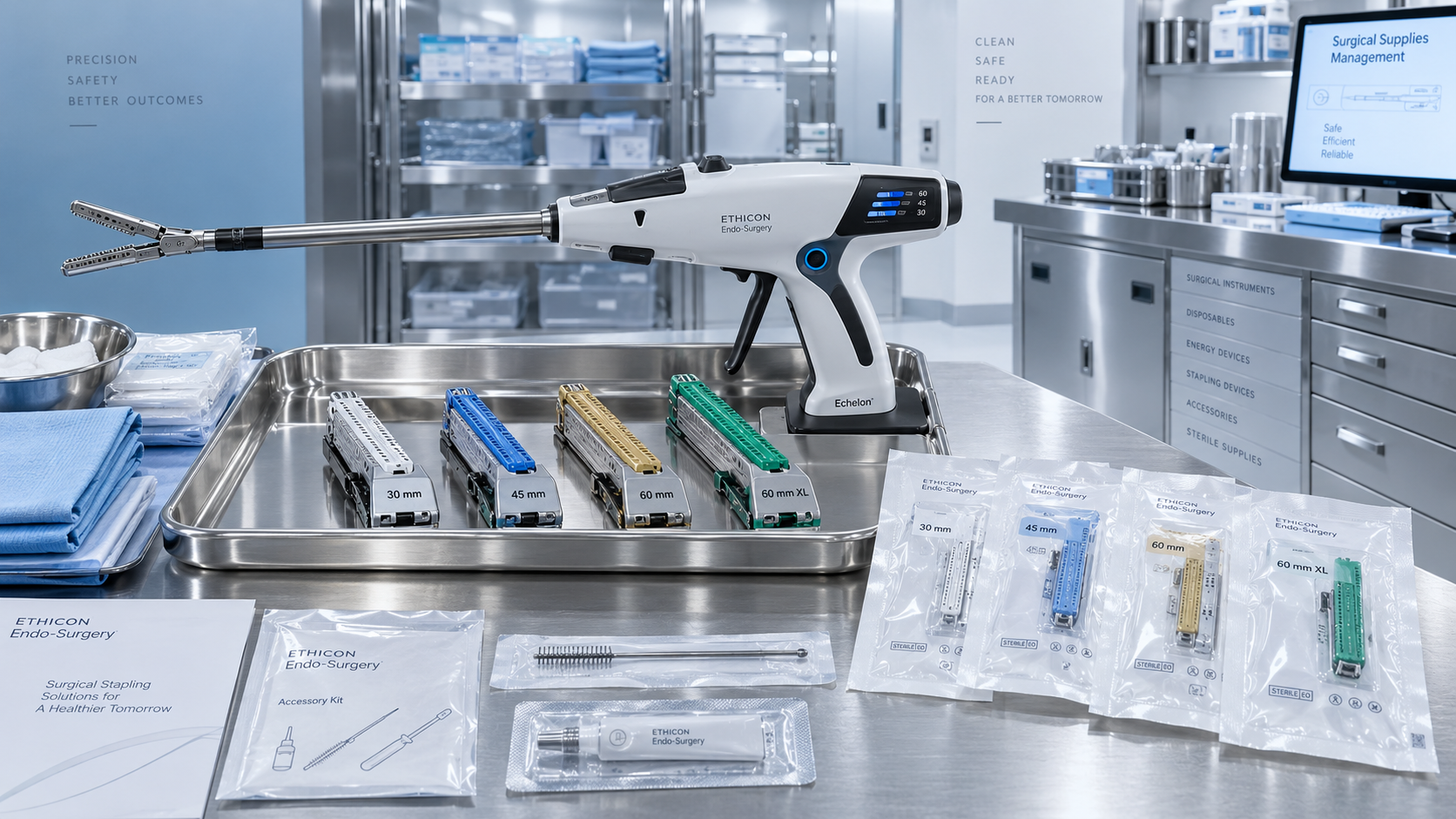
This article highlights the key ISO 10993 testing risks to check at the start of development, especially for teams managing implants, catheters, surgical consumables, dressings, and other patient-contacting devices.
Start with the real question: what biological risk could fail late?
The most useful way to approach ISO 10993 testing is not to ask which tests are common, but which risks could appear too late.
Quality and safety managers need early visibility because late biocompatibility failures are expensive, disruptive, and difficult to justify during regulatory review.
A cytotoxicity concern may point to residual processing chemicals, while irritation or sensitization may expose material additives, surface treatments, or cleaning residues.
For long-term implants, a narrow test plan can miss degradation products, wear debris, leachables, or chronic tissue responses that matter clinically.
The core intent behind ISO 10993 testing is biological risk management, not simply producing a laboratory report for submission files.
That distinction matters because regulators increasingly expect a documented rationale linking device contact, materials, manufacturing, and clinical exposure duration.
Early planning allows teams to prevent avoidable redesigns, select safer suppliers, control validation costs, and defend endpoint decisions with stronger evidence.
Classify body contact before selecting any test
The first practical checkpoint is device categorization by nature of body contact and duration of contact, following the ISO 10993 framework.
A surface-contacting dressing, a blood-path catheter, and a permanent orthopedic implant do not present the same toxicological questions.
Quality teams should confirm whether contact is with intact skin, breached surfaces, mucosal membranes, circulating blood, tissue, bone, or implant sites.
Duration also drives the biological evaluation, usually grouped as limited, prolonged, or long-term exposure, depending on the device use profile.
Errors at this stage can create two problems: under-testing a real risk or over-testing endpoints that add cost without meaningful value.
For example, a temporary minimally invasive surgical consumable may need different evaluation priorities than a porous titanium spinal implant.
Document the intended use, worst-case exposure, patient population, repeated use possibility, and whether components contact the patient directly or indirectly.
This classification becomes the foundation for the biological evaluation plan, gap analysis, test selection, and final risk-benefit justification.
Cytotoxicity: the early screen that often exposes hidden process problems
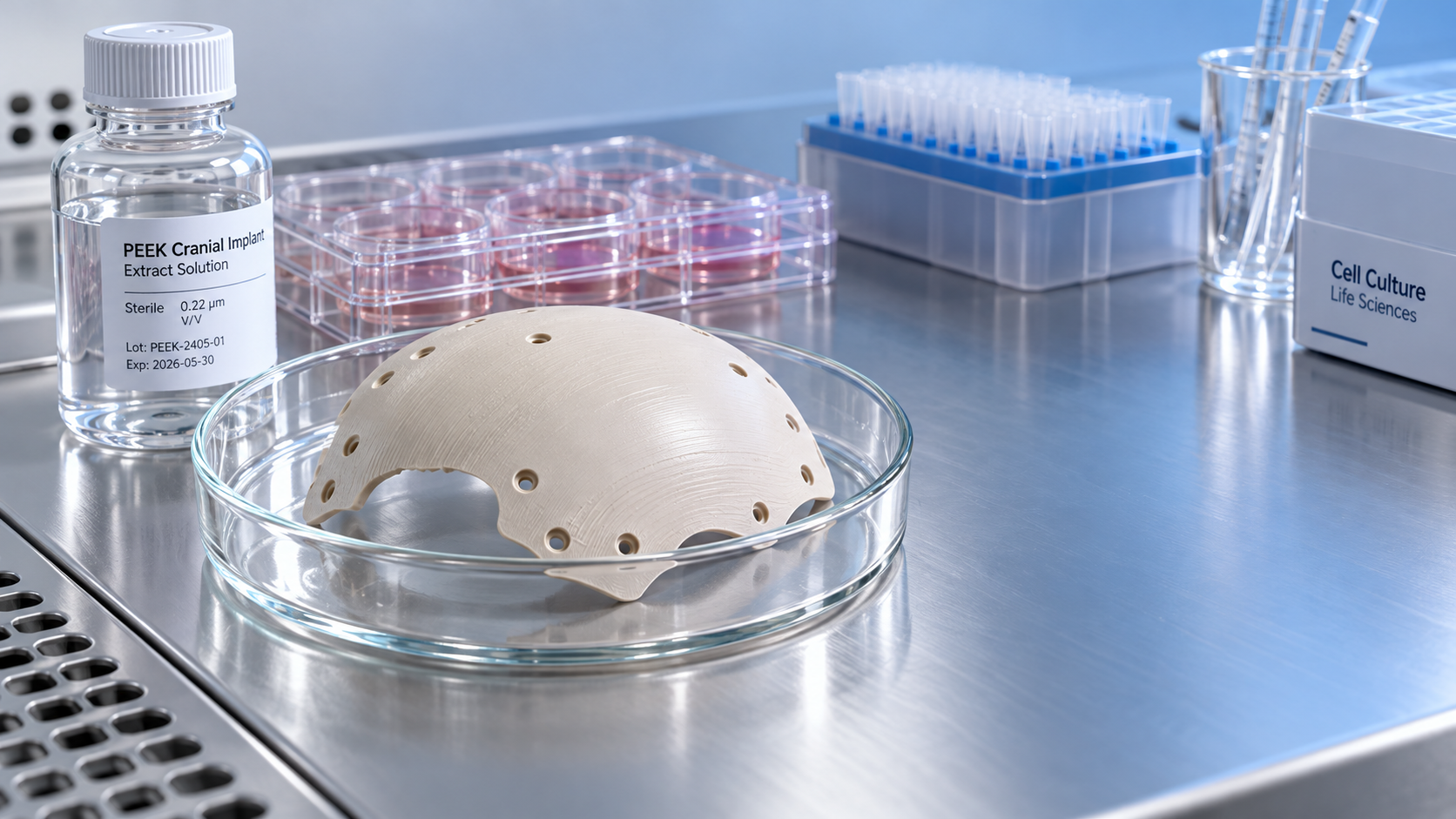
Cytotoxicity testing is usually one of the earliest ISO 10993 testing endpoints because it can reveal broad cellular harm from device extracts.
For quality teams, its value is not only the pass or fail result, but the investigation path it opens.
Failures may relate to adhesive residues, sterilant byproducts, machining lubricants, mold release agents, colorants, plasticizers, or incomplete cleaning validation.
Polymer catheters, coated devices, wound dressings, and assembled consumables are especially vulnerable because multiple materials and processes interact.
When cytotoxicity fails late, teams often struggle to isolate whether the cause is material formulation, supplier variation, or manufacturing contamination.
That is why early screening on candidate materials, representative manufacturing samples, and worst-case configurations can prevent expensive design freezes.
Do not treat a passing cytotoxicity result as proof of full biological safety, because it is a broad screening endpoint.
Instead, use it as an early signal that supports or challenges your material and process control strategy.
Sensitization and irritation: small residues, serious patient consequences
Sensitization and irritation risks are highly relevant for products contacting skin, tissue, mucosa, blood pathways, or healing wounds.
Unlike cytotoxicity, these endpoints relate closely to inflammatory and immune responses that can create noticeable clinical complaints.
Residual monomers, accelerators, fragrances, leachable additives, surface coating residues, and sterilization-related chemicals may contribute to these responses.
For safety managers, the key question is whether patient exposure can trigger redness, swelling, itching, tissue damage, or allergic reactions.
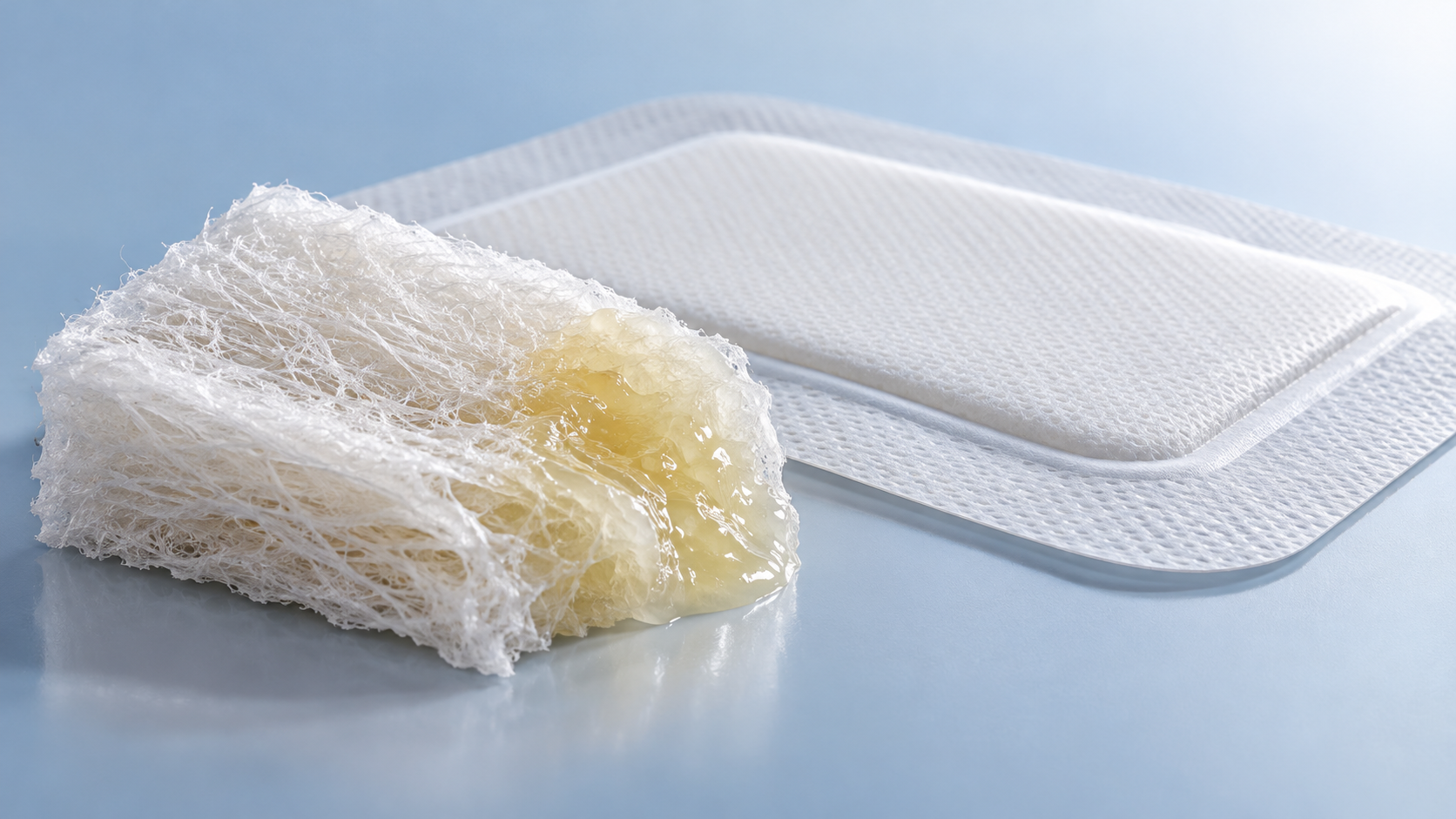
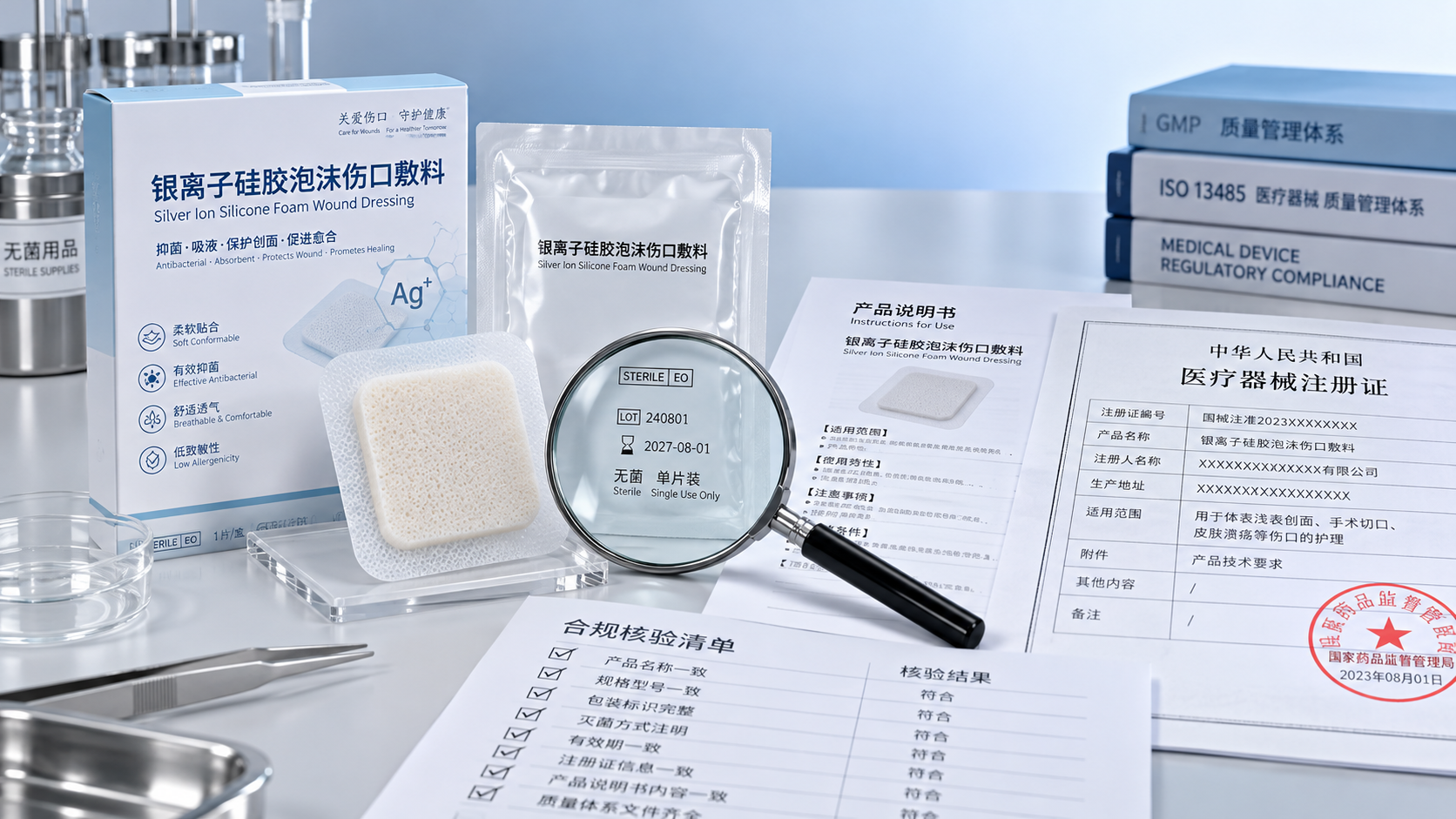
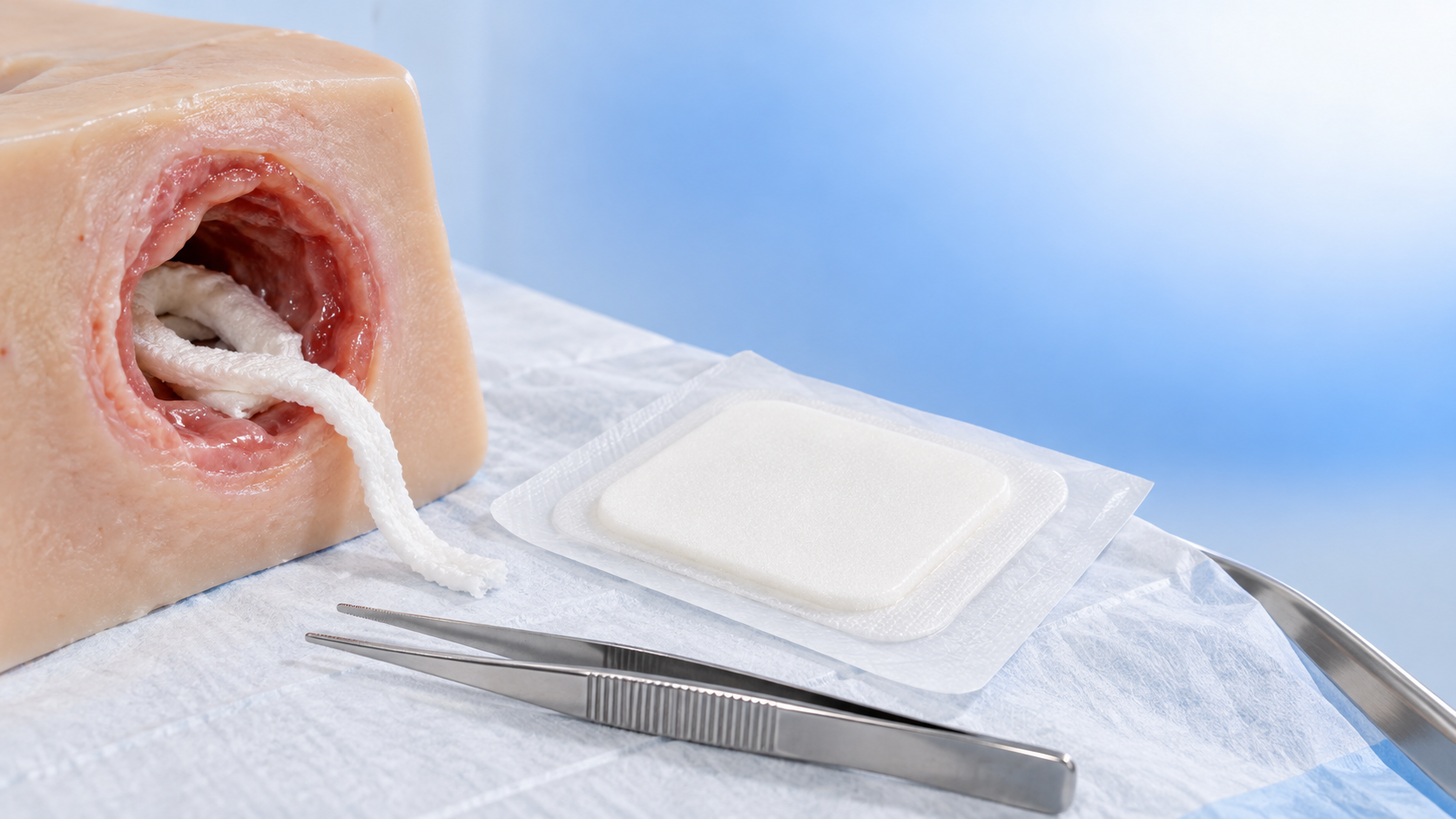
Advanced dressings, silicone foams, hydrophilic-coated catheters, and adhesive-bearing devices deserve careful review because prolonged contact can amplify small risks.
Teams should examine formulation transparency, supplier change controls, extraction conditions, and whether test articles represent the final finished device.
When possible, combine testing decisions with chemical characterization, material history, and clinical use information to avoid blind endpoint selection.
This approach helps explain why the chosen ISO 10993 testing plan is proportionate, science-based, and aligned with patient exposure.
Chemical characterization and extractables: where many late questions begin
Chemical characterization is increasingly central to biological evaluation because it identifies what can migrate from the device into the patient.
For many devices, regulators want more than traditional biological tests; they expect a toxicological understanding of extractables and leachables.
This is especially important for implants, blood-contacting devices, coated catheters, drug-device combinations, and complex polymer assemblies.
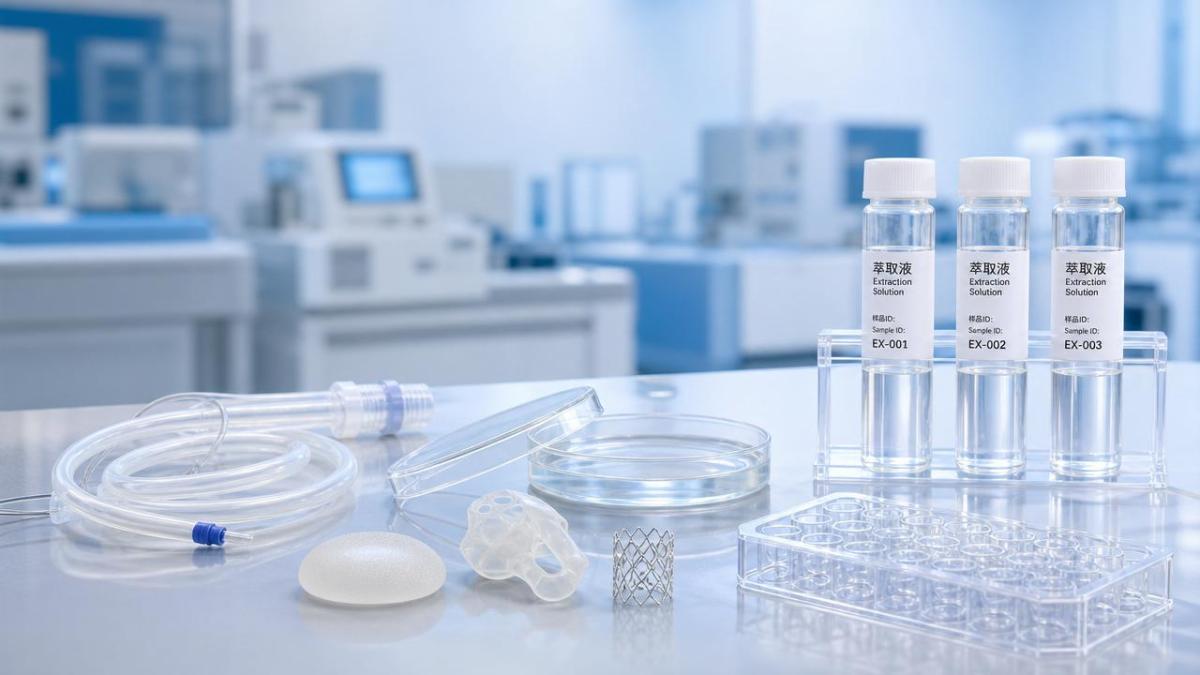
Extractables studies can reveal antioxidants, stabilizers, oligomers, residual solvents, processing aids, metals, degradation products, and unknown compounds.
The challenge for quality teams is not only detecting chemicals, but interpreting whether exposure levels create toxicological concern.
A well-designed chemical characterization plan considers extraction solvent, temperature, duration, surface area, device configuration, and clinical exposure assumptions.
If these parameters are weak, the report may generate more regulatory questions instead of reducing uncertainty.
Early extractables work also supports supplier qualification, material equivalency arguments, cleaning validation, and assessment of manufacturing changes.
Blood-contacting devices need extra attention to hemocompatibility
For cardiovascular interventional devices and vascular catheters, biological safety must address the interaction between materials and blood.
Hemocompatibility risks include hemolysis, thrombosis, complement activation, coagulation changes, platelet activation, and inflammatory blood responses.
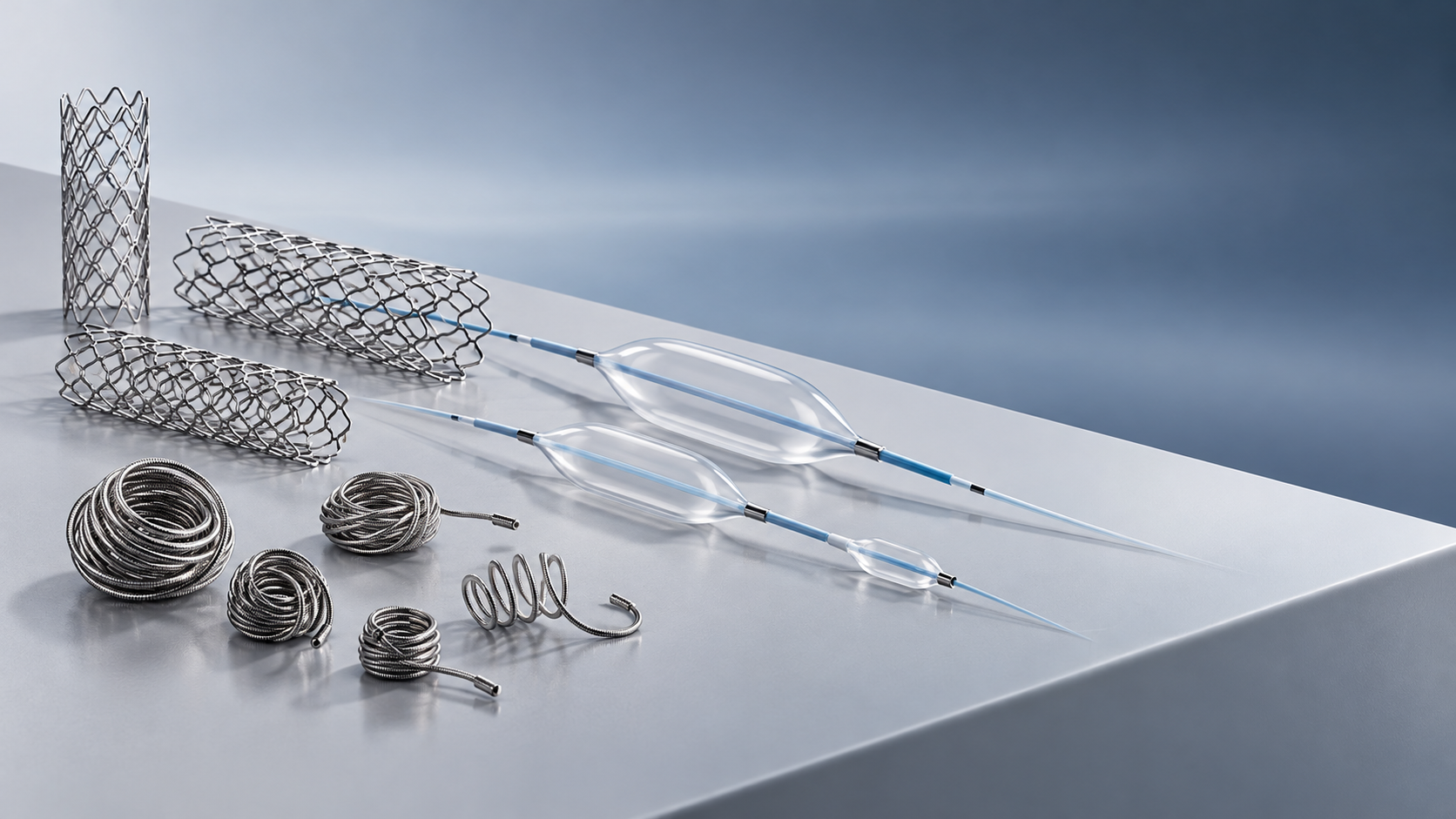
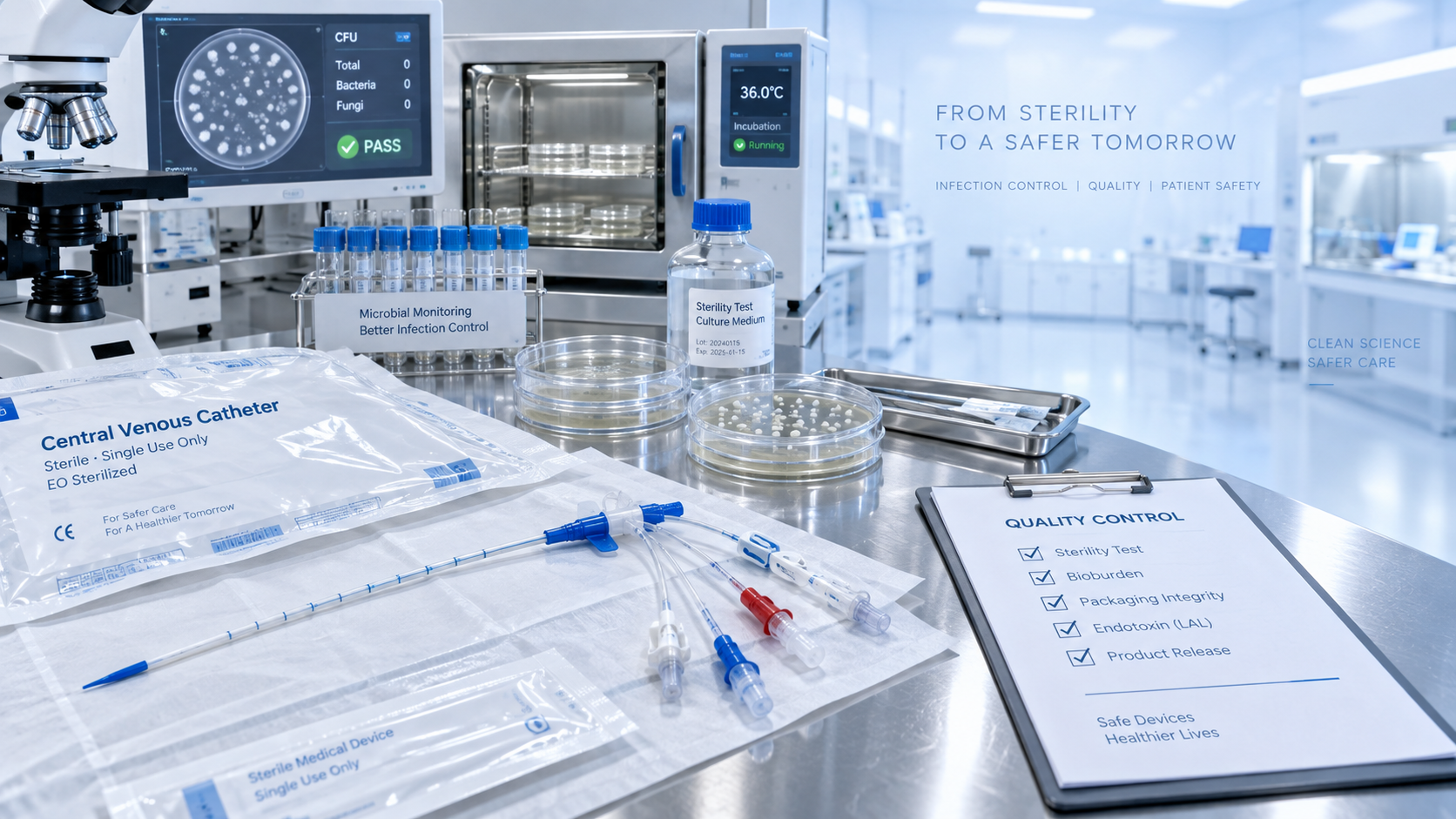
Drug-eluting stents, TAVR delivery systems, neurovascular microcatheters, guidewires, and central venous catheters may each require different test logic.
Quality teams should not assume that a material with general biocompatibility history is automatically safe for dynamic blood contact.
Surface roughness, coatings, drug reservoirs, metallic ions, polymer degradation, and sterilization effects can all influence blood compatibility.
Early hemocompatibility review is particularly important when changing coatings, suppliers, lubricants, surface treatments, or sterilization modalities.
Even small changes can alter thrombogenic behavior, especially when the device remains in circulation or contacts high-shear environments.
A strong test strategy connects laboratory endpoints with device geometry, contact duration, flow conditions, and intended clinical use.
Implantation, degradation, and chronic toxicity cannot be postponed
Long-term implants create a different level of biological responsibility because patient exposure may continue for years or decades.
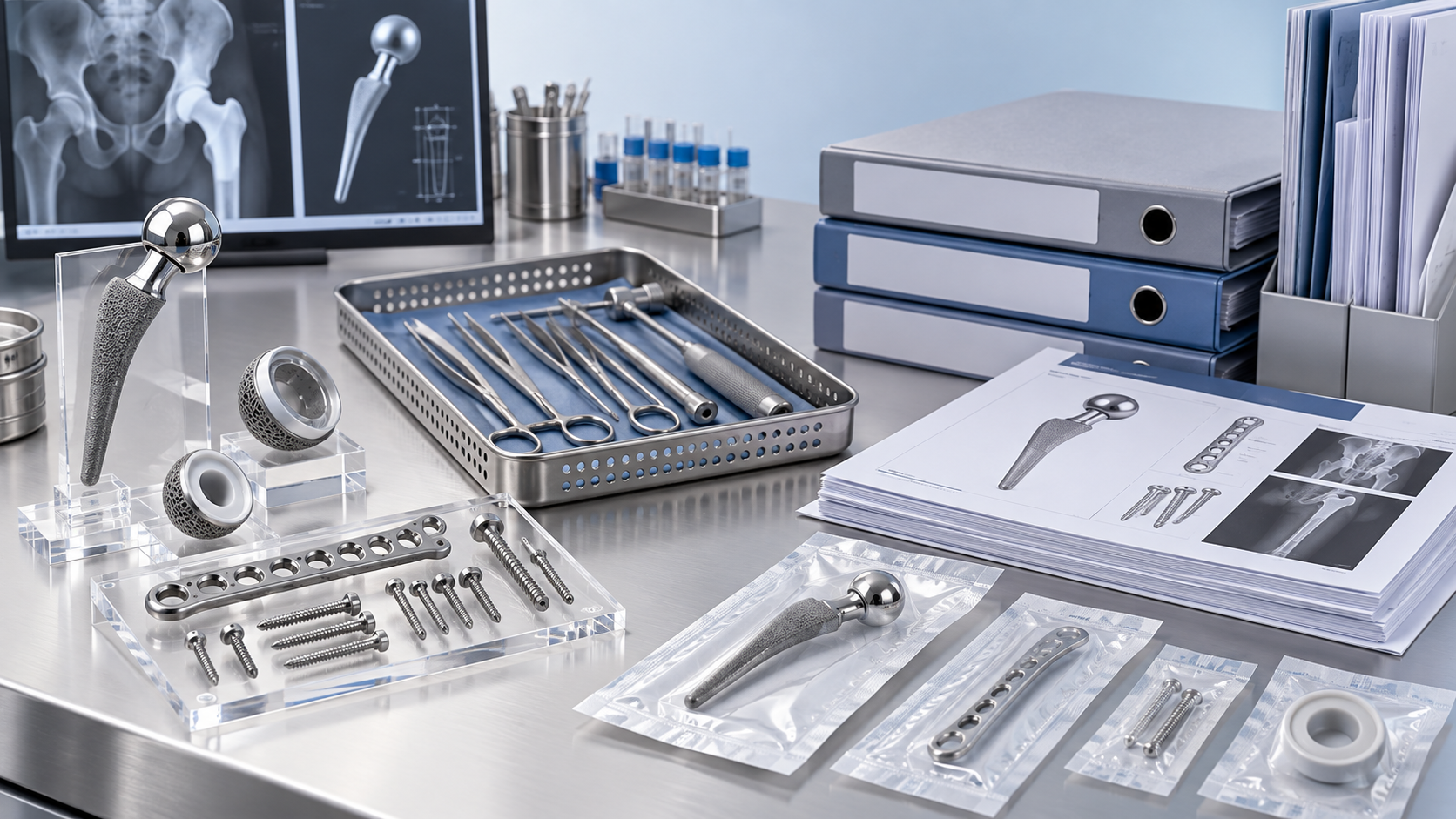
Orthopedic implants, spinal devices, tissue regeneration scaffolds, and permanent cardiovascular implants require deeper evaluation of chronic biological effects.
Key concerns include local tissue response, systemic toxicity, genotoxicity, carcinogenicity, reproductive toxicity, degradation products, and particle-related inflammation.
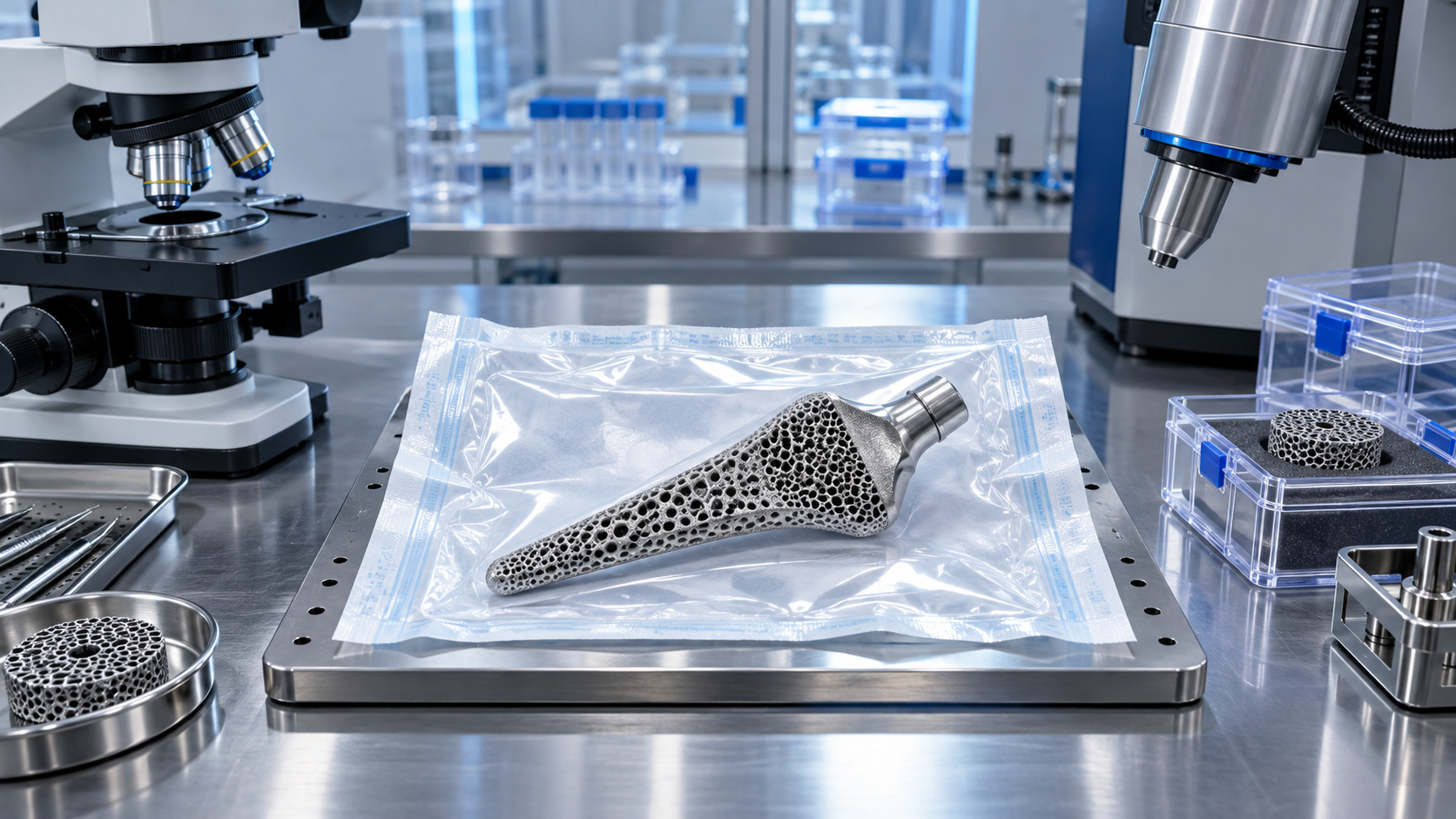
Porous titanium structures, PEEK components, biodegradable materials, and absorbable scaffolds each raise specific biological questions.
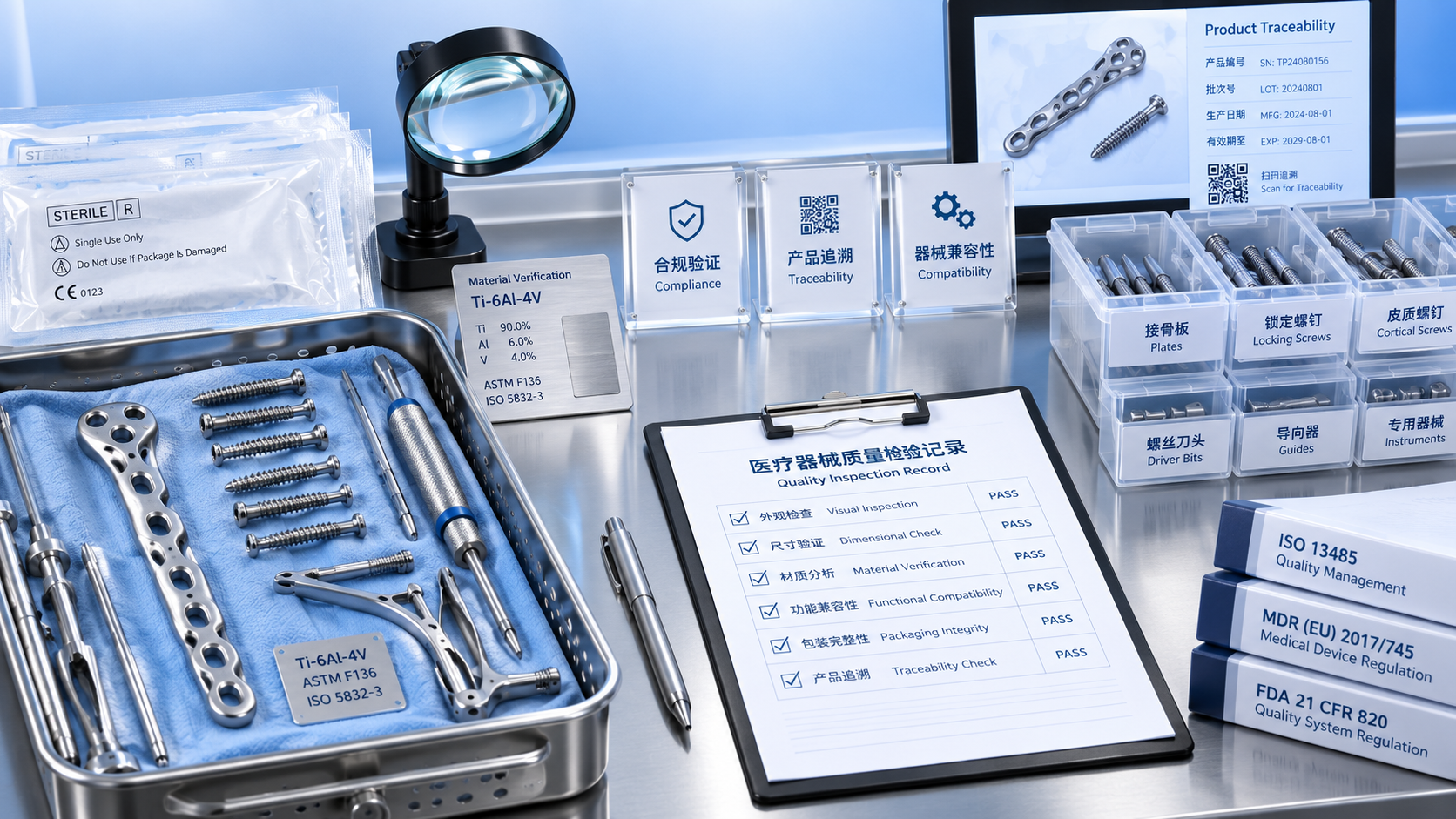
For metallic implants, wear debris, corrosion products, and ion release may become more important than initial material composition.
For degradable polymers, teams must understand degradation kinetics, acidic byproducts, local concentration, and whether tissue can tolerate them.
These risks should be assessed before design validation, because mitigation may require material substitution, surface modification, or design changes.
Waiting until final testing can leave teams with limited options and significant regulatory delays.
Do not forget sterilization, packaging, and manufacturing residues
Many biocompatibility problems do not originate from the base material; they arise from real manufacturing and final processing conditions.
Sterilization can introduce residual ethylene oxide, change polymer chemistry, increase extractables, or alter coating performance.
Gamma irradiation, electron beam, steam, and ethylene oxide each create different biological and chemical risk profiles.
Packaging materials, inks, adhesives, and transit conditions can also contribute unexpected leachables if compatibility is not assessed.
Cleaning agents, passivation chemicals, machining fluids, polishing compounds, and particulate residues are common concerns for implants and instruments.
For quality personnel, the best practice is to test final finished, sterilized devices whenever feasible and scientifically justified.
If early testing uses prototypes, teams should document differences from the final device and define bridging or repeat testing triggers.
This prevents the biological evaluation from becoming disconnected from the product patients will actually receive.
Build a biological evaluation plan before ordering tests
A strong biological evaluation plan should come before laboratory purchasing, because test ordering without strategy often creates gaps.
The plan should summarize device description, materials, body contact, duration, manufacturing processes, sterilization, packaging, and available historical data.
It should identify known hazards, knowledge gaps, proposed endpoints, rationale for omitted tests, acceptance criteria, and toxicological review needs.
This is where ISO 10993 testing becomes integrated with risk management rather than handled as a separate compliance task.
For execution teams, the plan also clarifies sample requirements, worst-case selection, extraction ratios, timelines, and investigation responsibilities.
For management, it supports budget control by distinguishing essential evidence from low-value testing.
For regulatory reviewers, it demonstrates that the manufacturer understands patient exposure and has selected endpoints deliberately.
A defensible plan is often more valuable than a large set of poorly connected test reports.
Use early testing to control supplier and change risks
Material and supplier changes are frequent sources of hidden biological risk, especially in cost-sensitive medical consumables markets.
A resin grade change, alternate coating vendor, new colorant, or revised cleaning process can alter the device’s biological profile.
Quality teams should define when change control requires toxicological review, chemical characterization, repeat biological testing, or equivalency justification.
Supplier certificates alone are rarely enough, because they may not reflect final device processing or patient exposure conditions.
Early ISO 10993 testing data can create a baseline against which future changes are evaluated more efficiently.
This is particularly useful for high-volume consumables, where procurement pressure may encourage substitutions that appear minor technically.
For Class III or high-risk devices, weak change assessment can become a serious regulatory and patient safety vulnerability.
A disciplined biological risk baseline protects both compliance continuity and manufacturing flexibility.
Common mistakes quality teams should avoid
One common mistake is copying a previous test matrix without reassessing body contact, duration, materials, and current regulatory expectations.
Another mistake is testing raw materials only, then assuming results represent the final finished, sterilized device.
Teams also underestimate packaging, cleaning, and process residues because they appear outside the traditional design bill of materials.
Some organizations delay chemical characterization until regulators request it, which can create schedule pressure and weak toxicological narratives.
Another risk is failing to justify why certain endpoints are omitted, even when omission is scientifically reasonable.
Good documentation matters because biological safety decisions must be traceable, reviewable, and connected to risk management files.
Quality and safety managers should also avoid treating laboratory reports as final answers without toxicological interpretation.
The goal is not simply to pass tests, but to understand whether residual biological risk is acceptable for patients.
A practical early-check framework for quality and safety teams
Begin by confirming the device category, patient-contacting components, contact duration, and whether exposure is direct, indirect, repeated, or prolonged.
Next, map every material, additive, coating, adhesive, processing aid, sterilization method, and packaging element that may influence exposure.
Review available supplier data, previous biological evaluations, clinical history, literature, regulatory feedback, and known material toxicology.
Then identify endpoints likely to matter, including cytotoxicity, sensitization, irritation, systemic toxicity, implantation, genotoxicity, hemocompatibility, or degradation evaluation.
Use chemical characterization to clarify unknowns, especially when materials are novel, formulations are complex, or exposure is long term.
Select worst-case test articles that reflect final manufacturing, maximum patient exposure, and highest extractable burden whenever possible.
Finally, document the rationale, define acceptance criteria, and specify when future changes will require reassessment.
This framework helps teams turn ISO 10993 testing into an early design control tool rather than a late-stage obstacle.
Conclusion: early biocompatibility work protects patients and timelines
For quality and safety teams, the best ISO 10993 testing strategy is proactive, risk-based, and connected to real device exposure.
The highest-value early checks focus on contact classification, cytotoxicity, irritation, sensitization, chemical characterization, hemocompatibility, implantation, degradation, and process residues.
These areas reveal the problems most likely to trigger redesigns, regulatory questions, approval delays, or patient safety concerns.
Medical device manufacturers should avoid treating biocompatibility as a final submission activity handled after design decisions are fixed.
When biological evaluation begins early, teams gain better control over materials, suppliers, manufacturing, sterilization, and change management.
Ultimately, effective ISO 10993 testing is not about collecting reports; it is about proving that the device can contact the body safely.
For implants, interventional devices, surgical consumables, catheters, and advanced wound care products, that proof should start before validation costs become irreversible.