Medical Material Science: Key Biocompatibility Tests
In medical material science, biocompatibility testing is the critical checkpoint between promising innovation and safe clinical use.
For implants, catheters, dressings, and interventional consumables, biological endpoints decide whether performance can survive real contact with living tissue.
Cytotoxicity, sensitization, irritation, systemic toxicity, hemocompatibility, and implantation response form the core logic of ISO 10993-driven decisions.
A strong medical material science strategy connects material selection, manufacturing residues, contact duration, and clinical exposure before testing begins.
Medical Material Science Starts With the Use Scenario

Biocompatibility is not a single certificate. It is a scenario-based safety argument built around actual patient exposure.
In medical material science, the same polymer may need different evidence when used as a short catheter or long-term implant coating.
The first judgment is body contact. Devices may touch intact skin, breached surfaces, circulating blood, bone, heart tissue, or neural pathways.
The second judgment is contact duration. Limited, prolonged, and permanent exposure create very different toxicological expectations.
The third judgment is material transformation. Sterilization, aging, machining, 3D printing, and coating may change extractables and surface behavior.
Why Scenario Background Changes the Test Plan
In medical material science, risk does not come only from chemical composition. It also comes from where the material works.
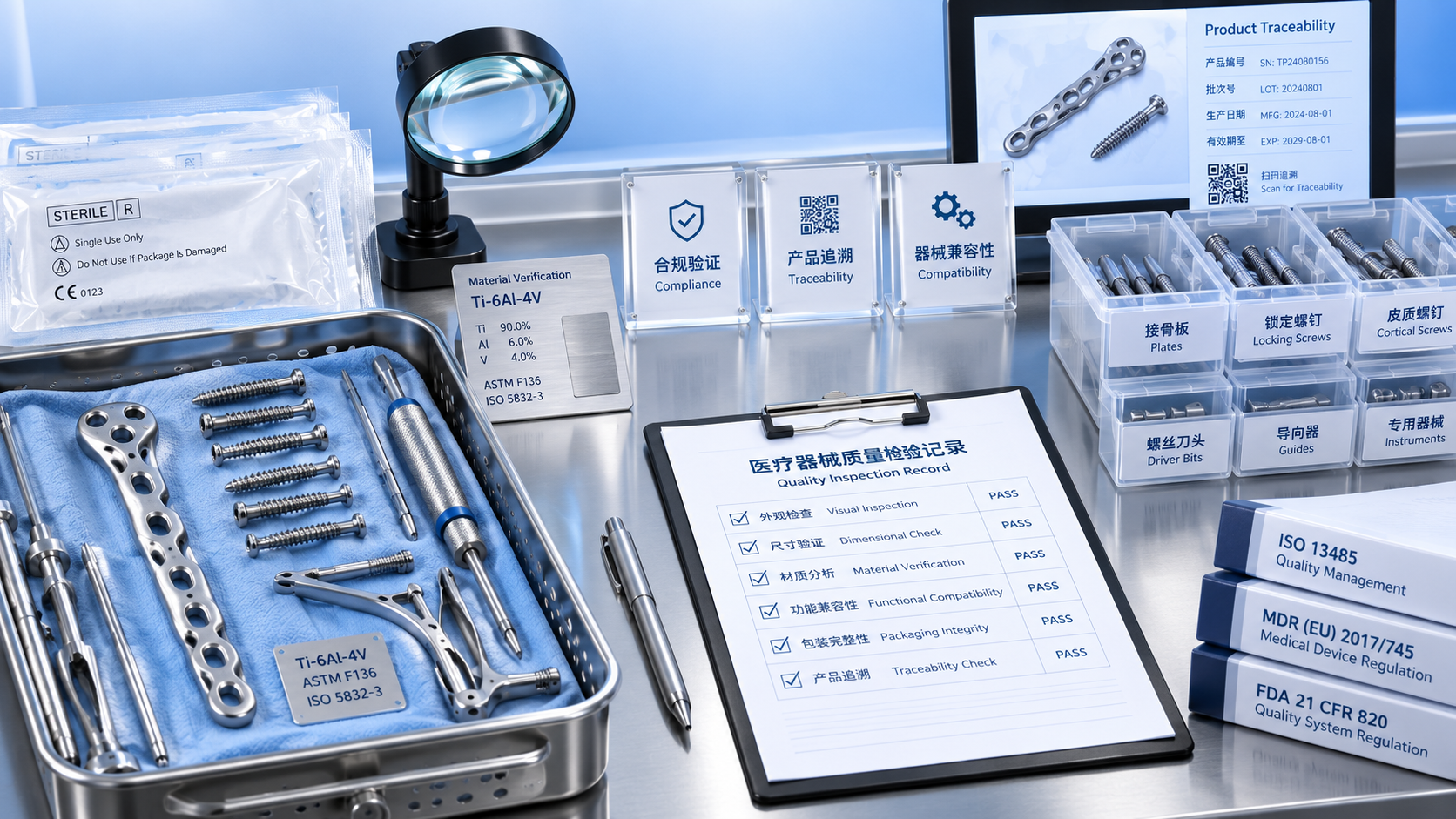
A titanium orthopedic implant must support osseointegration while avoiding chronic inflammation, wear debris concerns, and local tissue irritation.
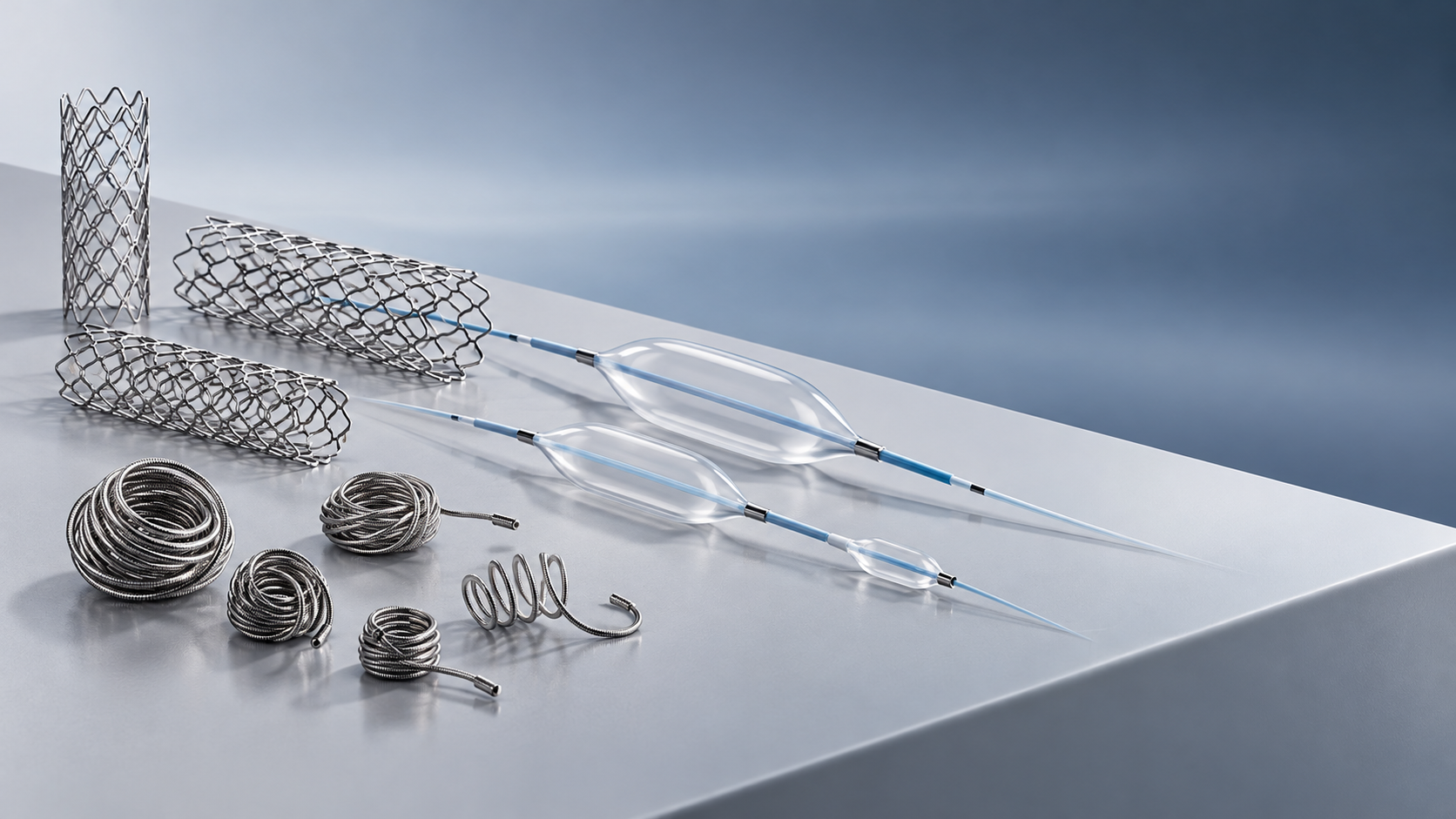
A cardiovascular stent faces blood turbulence, platelet activation, drug coating release, and permanent contact with vascular tissue.
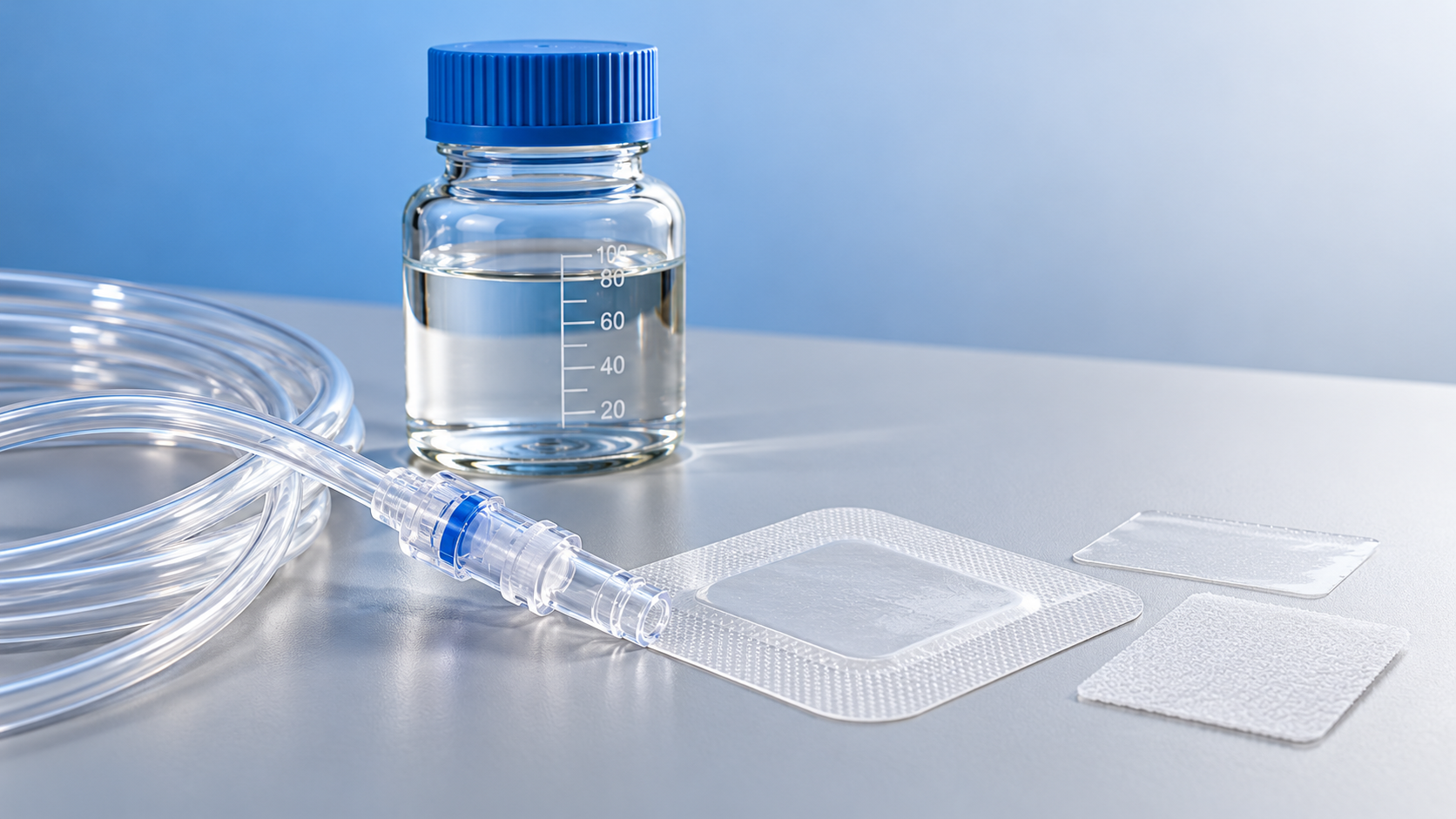
A wound dressing may contact exudate, damaged skin, bacteria, and regenerating cells for days or weeks.
A microcatheter requires flexibility and lubricity, yet hydrophilic coatings must not shed unsafe particles or trigger thrombosis.
This is why medical material science depends on biological evaluation planning, not isolated laboratory reports.
Scenario One: Orthopedic Implants and Long-Term Tissue Integration
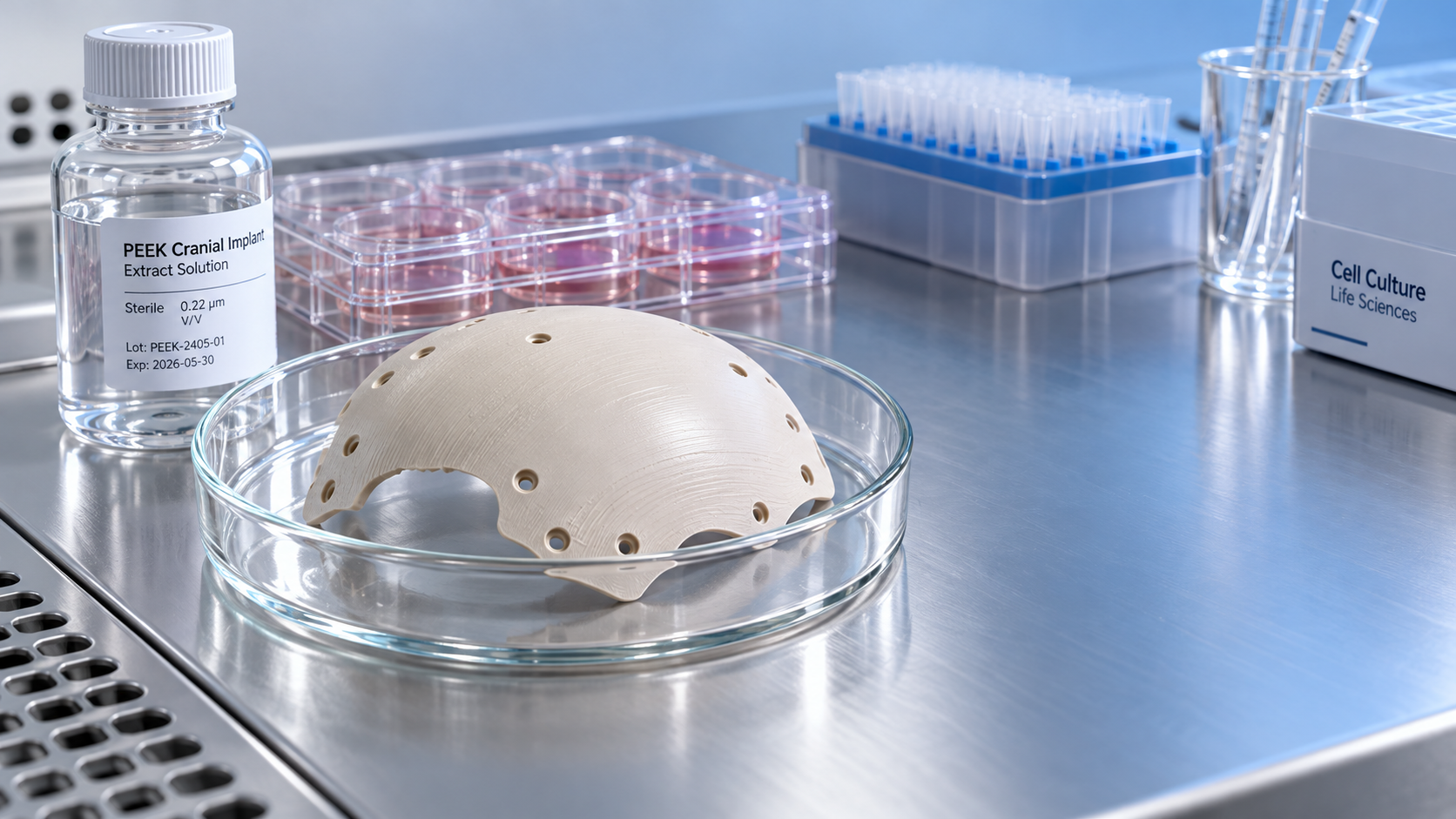
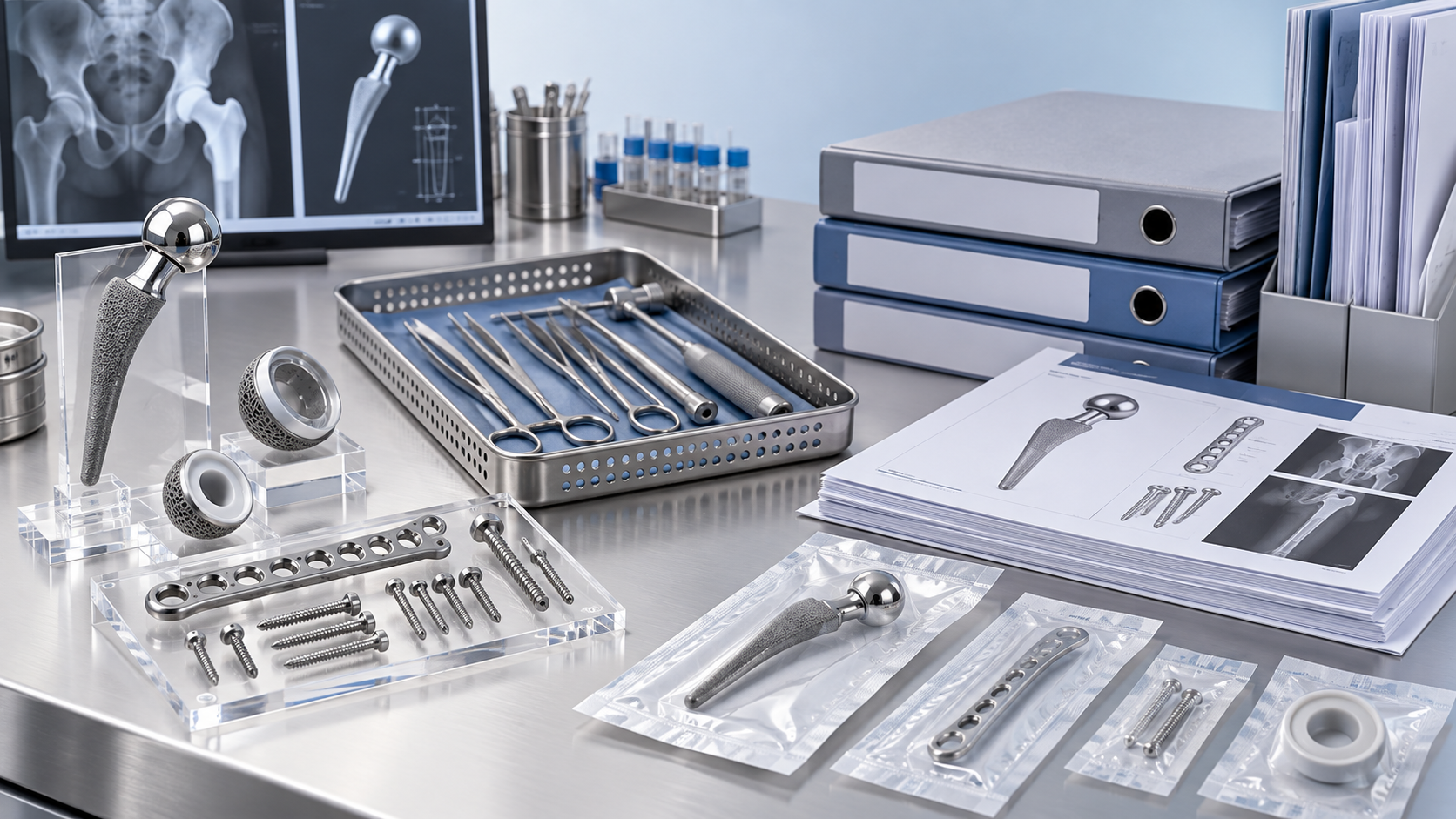
Orthopedic materials often stay inside the body for years. Titanium alloys, cobalt-chromium, ceramics, and PEEK require durable biological acceptance.
For this scenario, medical material science focuses on implantation response, chronic toxicity, genotoxicity, and particle-related local effects.
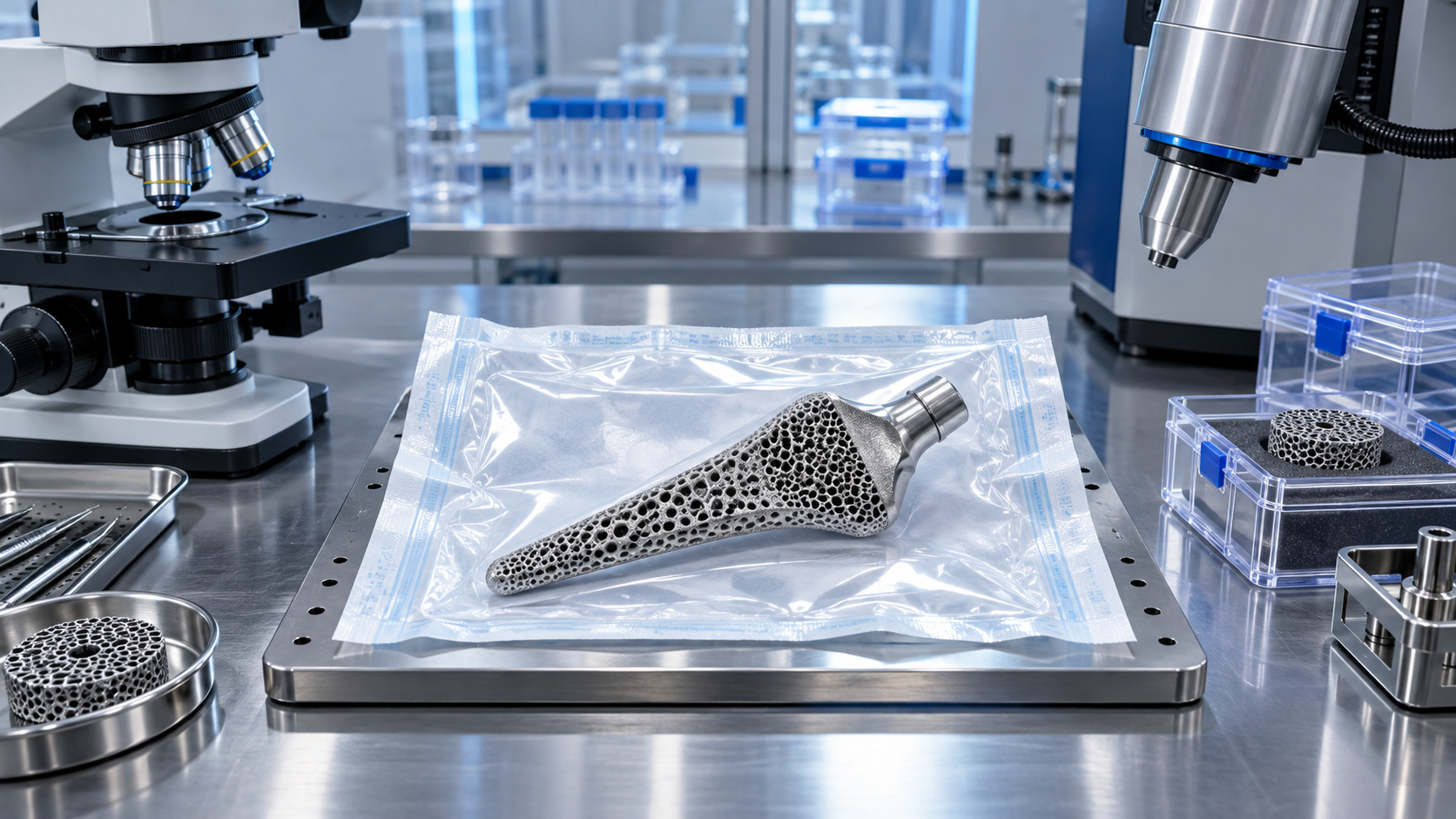
3D-printed porous structures add another layer. Powder residues, surface roughness, and cleaning validation may influence biological outcomes.
The core judgment is simple. Can the material support mechanical reconstruction without provoking unacceptable tissue reaction?
Key tests for orthopedic scenarios
- Cytotoxicity screening to detect harmful leachables from bulk materials or surface treatments.
- Sensitization and irritation tests to address immune and inflammatory concerns.
- Implantation studies to observe local tissue response under relevant duration.
- Chemical characterization to evaluate extractables, metals, additives, and residual processing agents.
Scenario Two: Cardiovascular Devices and Blood Contact Risk
Cardiovascular consumables create the toughest blood-contact questions in medical material science.
Drug-eluting stents, TAVR valves, guidewires, and occluders operate inside dynamic vascular environments.
Hemocompatibility is essential. Testing may examine hemolysis, thrombogenicity, complement activation, coagulation, and platelet behavior.
Coatings deserve special attention. Drug carriers, polymers, and surface primers can influence both healing and clotting risk.
In medical material science, cardiovascular evaluation must align biological testing with flow conditions, implantation duration, and degradation profile.
Core judgment for vascular scenarios
A material may look stable in extraction testing but still behave poorly under shear stress and continuous blood exposure.
Therefore, hemocompatibility should not be treated as a checkbox. It must match the device’s contact pathway.
Scenario Three: Catheters, Staplers, and Minimally Invasive Consumables
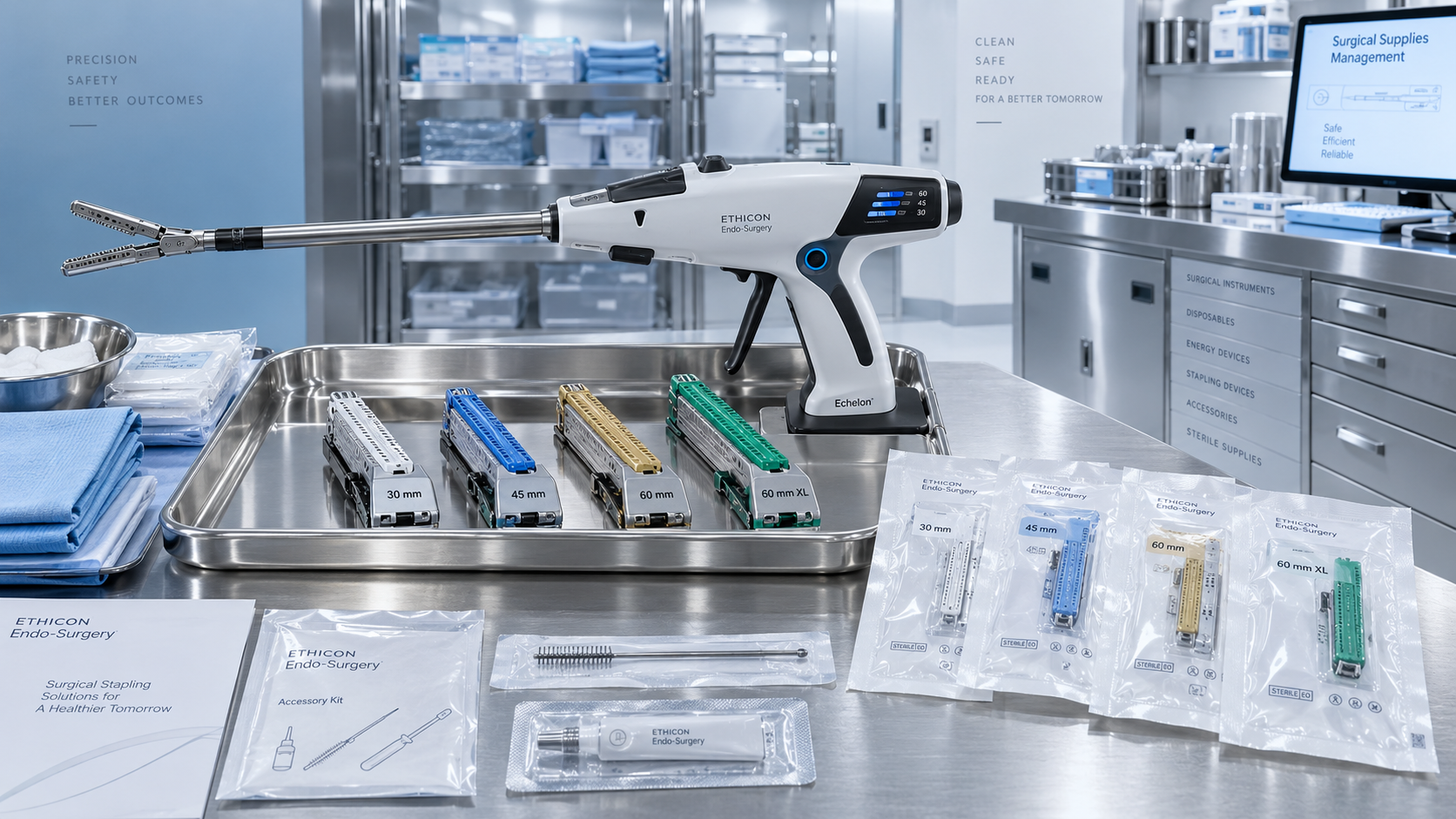
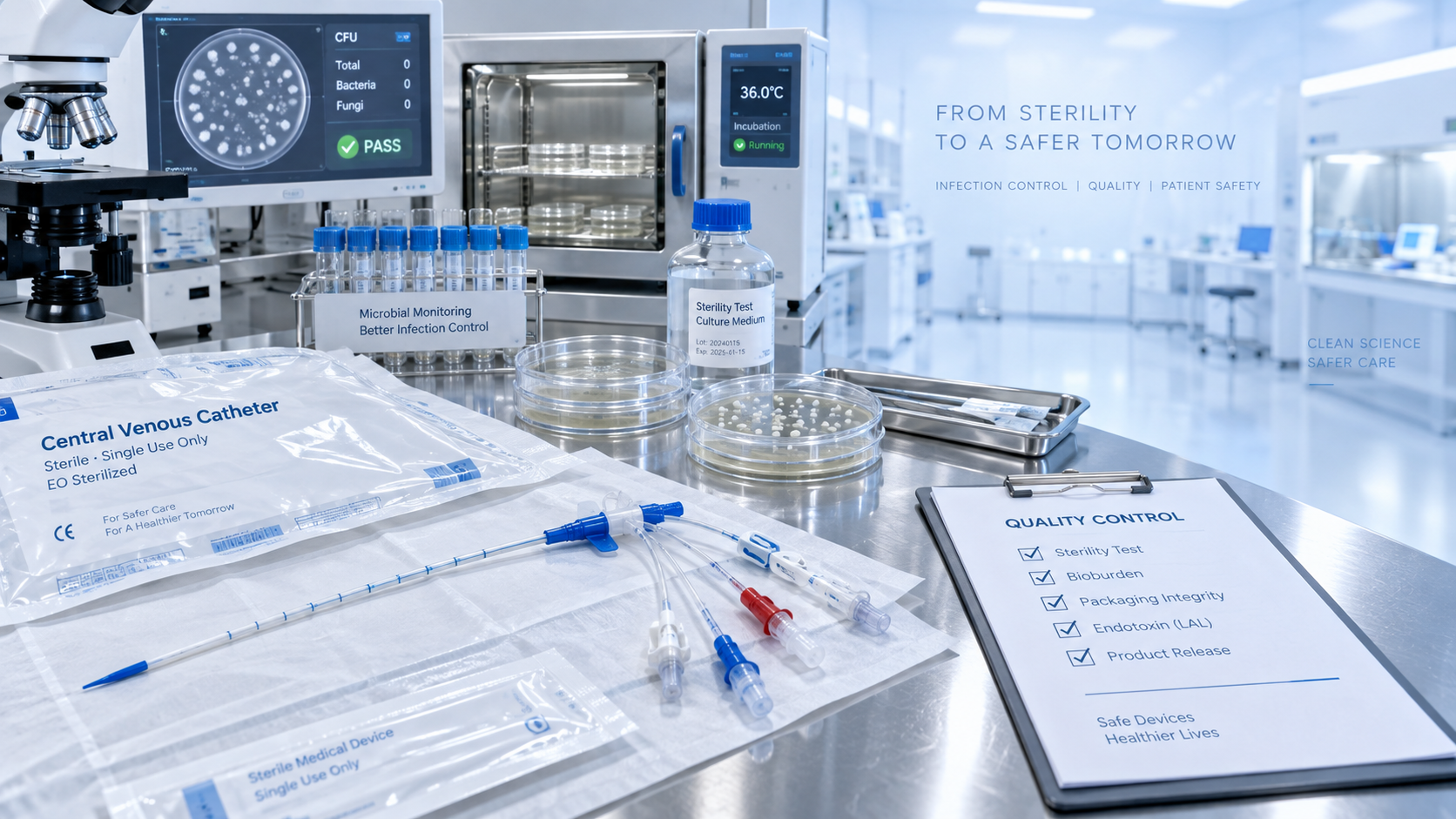
Minimally invasive consumables often combine polymers, metals, adhesives, lubricants, and sterilization-sensitive components.
In medical material science, combination structures create mixed exposure risks because each layer may release different chemical residues.
Medical polymer catheters need kink resistance, hydrophilic surface performance, and low thrombogenicity during short or prolonged use.
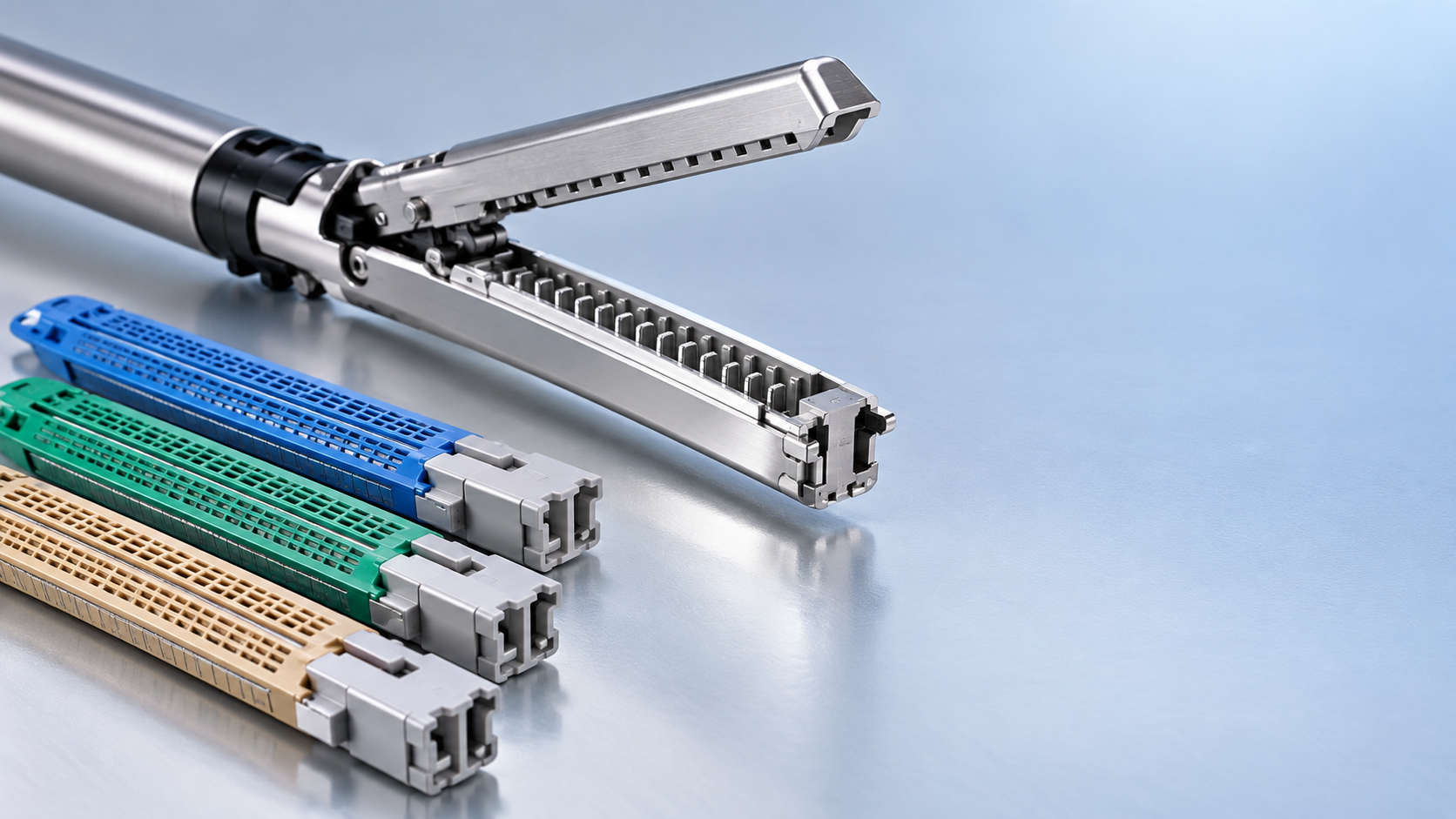
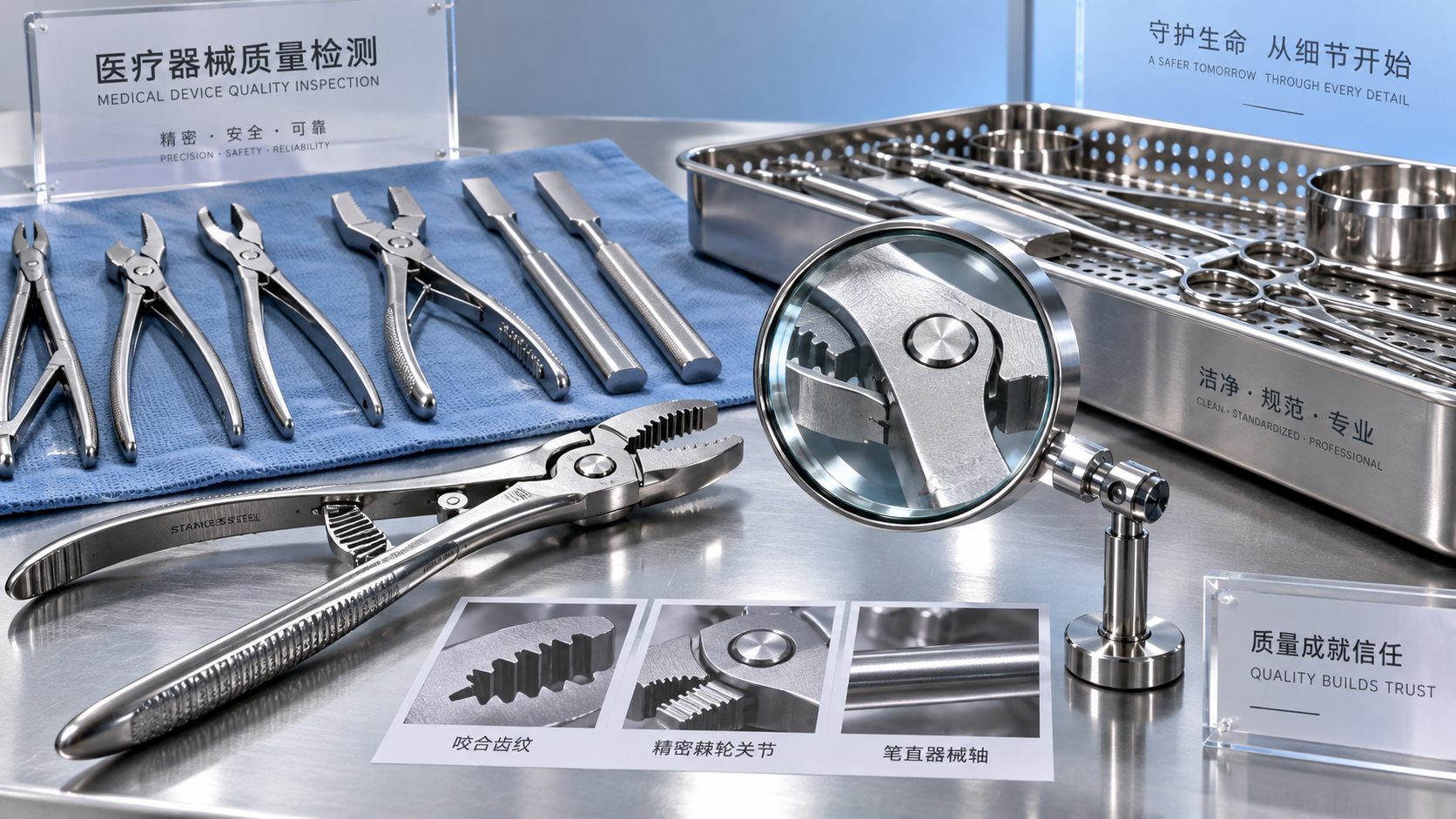
Surgical staplers add another concern. Titanium staples must close tissue reliably while causing minimal local trauma.
The evaluation priority depends on mucosal contact, blood exposure, tissue penetration, and remaining residues after firing.
Practical testing focus
- Use cytotoxicity as an early screen for processing residues and coating instability.
- Apply irritation and sensitization testing for mucosal or breached-surface contact.
- Add hemocompatibility when blood path exposure is direct or repeated.
- Review sterilization changes, especially ethylene oxide residuals and radiation-induced polymer degradation.
Scenario Four: Dressings and Regenerative Wound Interfaces
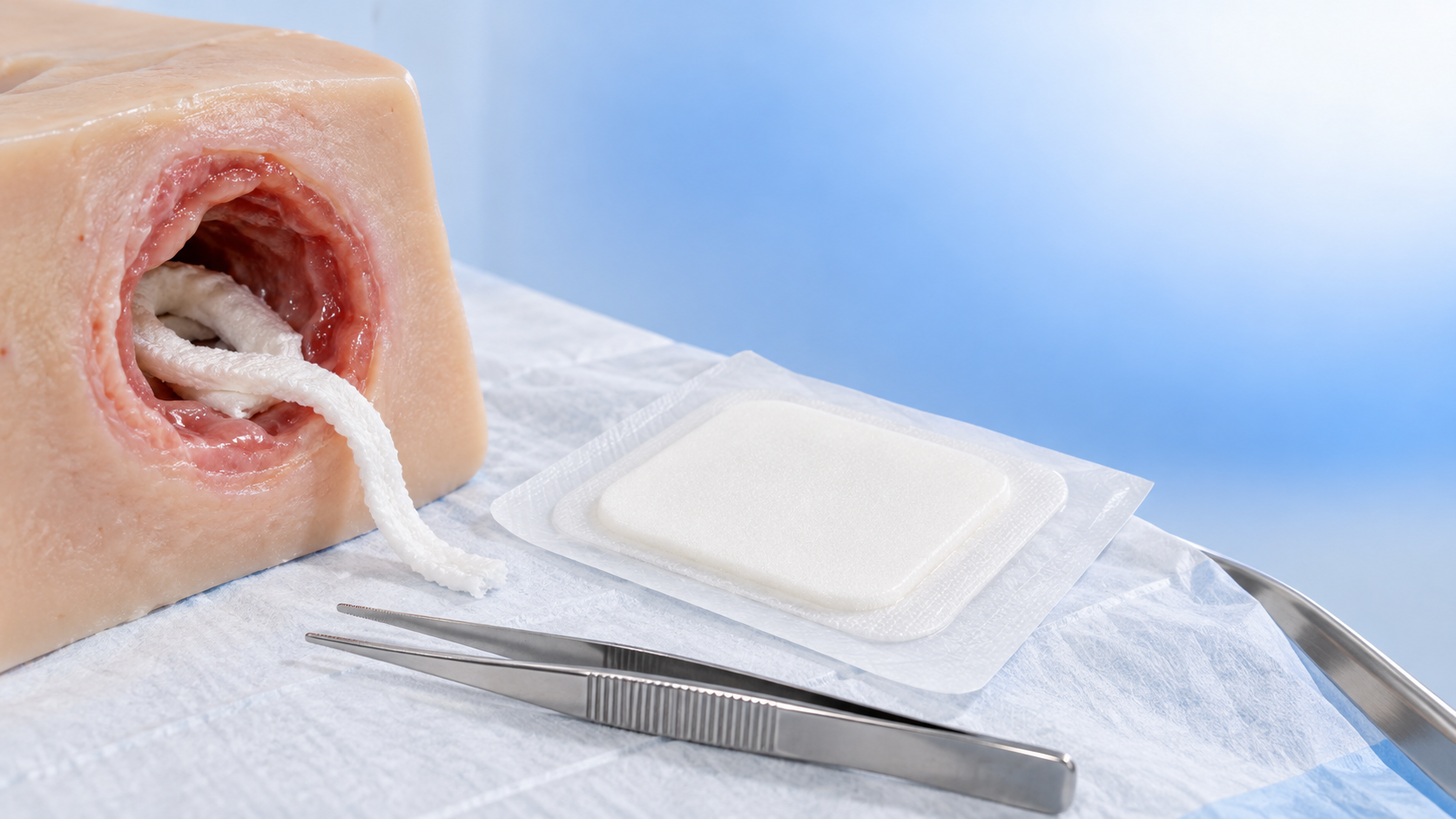
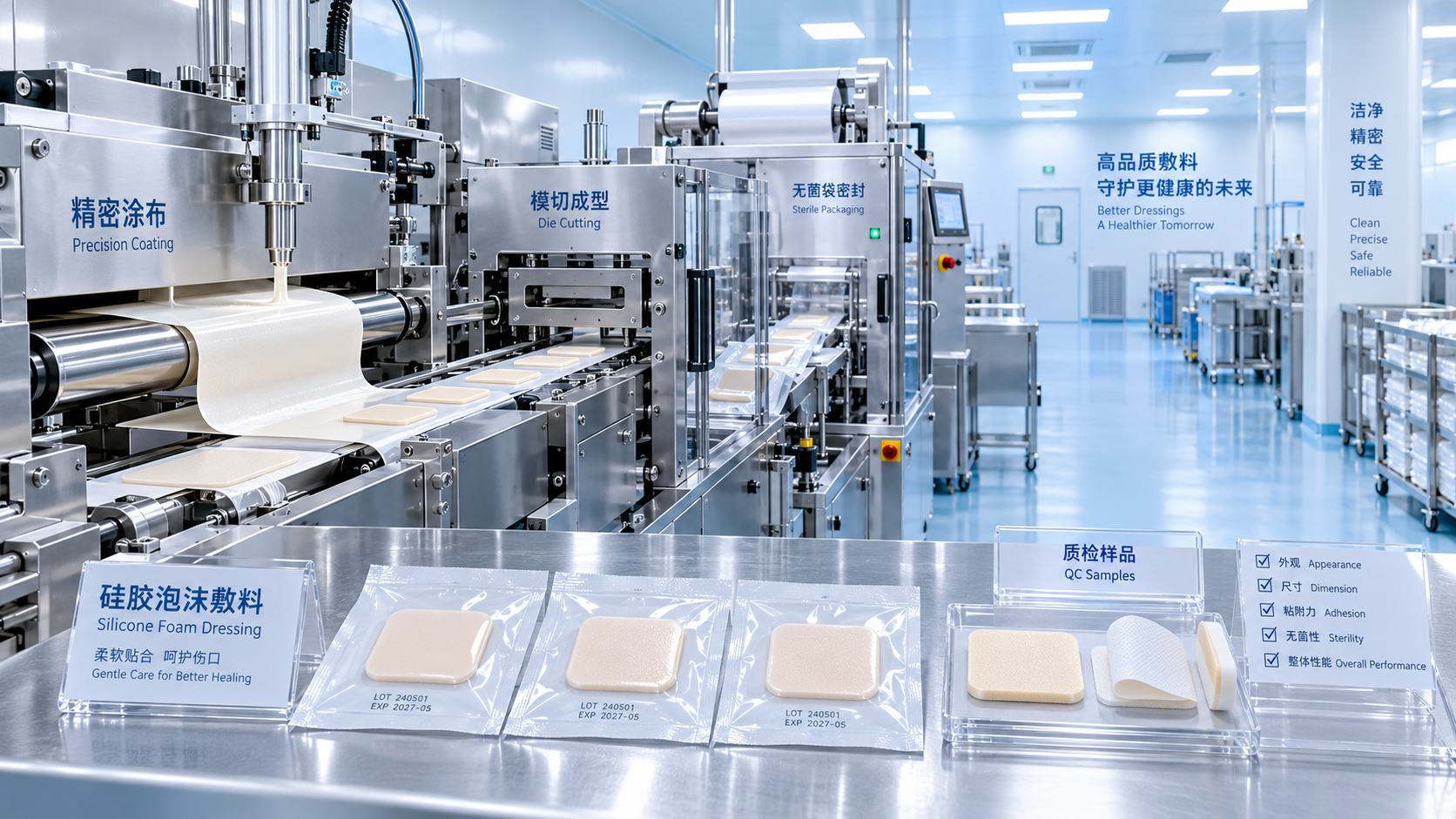
Advanced dressings are no longer passive barriers. They shape wound moisture, infection control, and cell regeneration.
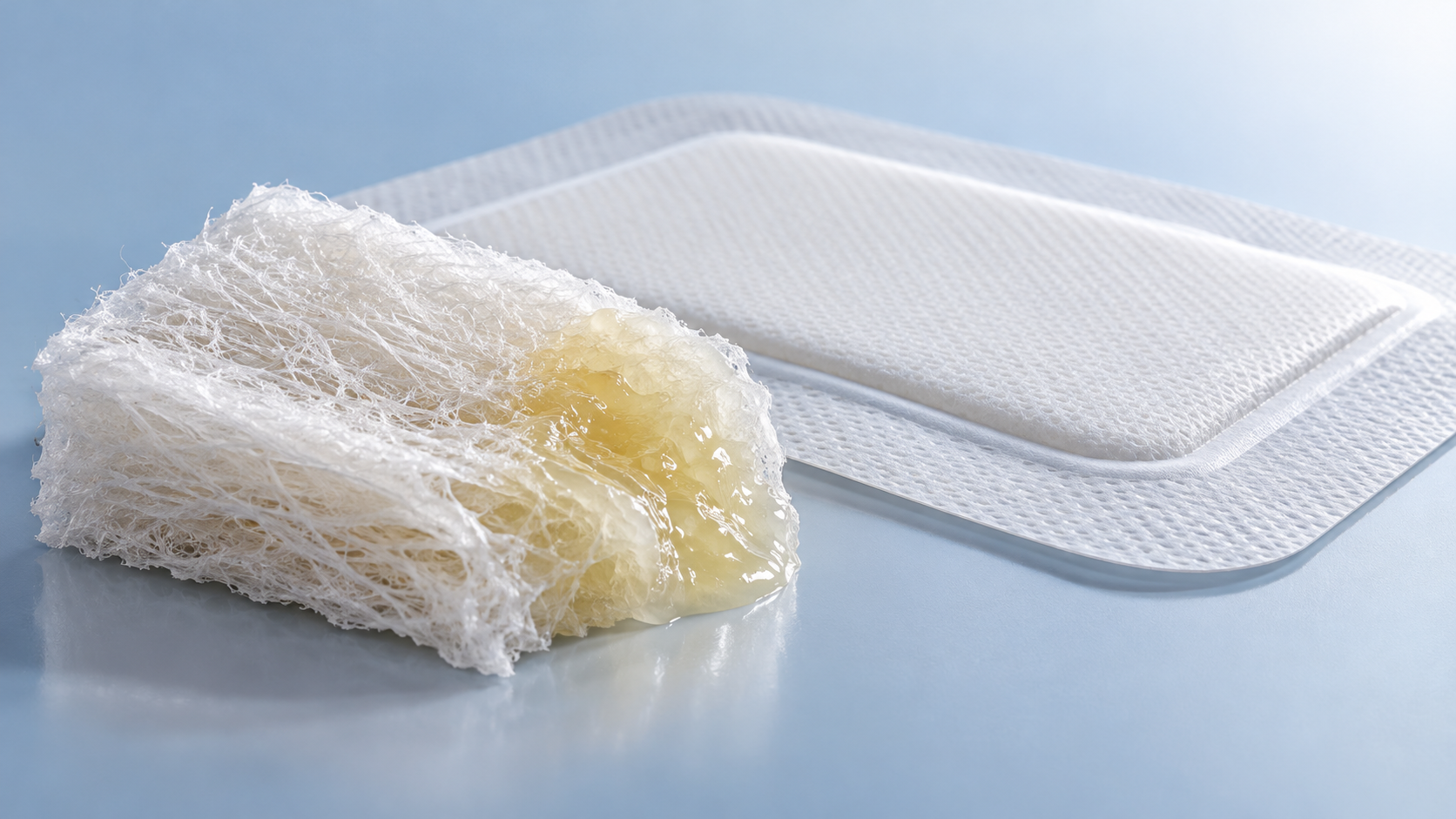
Silver-ion foams, alginates, silicone interfaces, and NPWT components require careful medical material science assessment.
The main exposure involves breached skin, exudate, inflammatory tissue, and sometimes long treatment cycles.
Cytotoxicity matters because antimicrobial activity can conflict with fibroblast survival and epithelialization.
Irritation and sensitization are also central, especially for adhesives, silicone gels, and absorbent polymer systems.
Different Scenarios Demand Different Evidence
This table reflects a central rule of medical material science. Testing follows exposure, not product category alone.
How to Build a Scenario-Fit Biocompatibility Plan
A reliable plan begins with biological evaluation under ISO 10993-1. The plan should justify included and excluded endpoints.
In medical material science, a good justification links material data, manufacturing controls, clinical contact, and toxicological risk.
- Define contact type, contact duration, and anatomical environment before choosing tests.
- Map every material, additive, processing aid, adhesive, coating, and colorant.
- Review manufacturing changes, including cleaning, packaging, sterilization, and shelf-life aging.
- Use chemical characterization to reduce unnecessary animal testing where scientifically acceptable.
- Connect biological results with clinical evaluation, risk management, and post-market surveillance.
This approach supports stronger submissions under demanding Class III device regulations and global conformity expectations.
Common Misjudgments in Medical Material Science Testing
One frequent error is treating supplier certificates as complete biological evidence.
A raw material certificate cannot replace testing on the finished, sterilized, and aged device configuration.
Another misjudgment is ignoring process residues. Machining oils, polishing compounds, solvents, and printing powders may alter biocompatibility.
A third mistake is underestimating coating failure. Particles, delamination, and uneven drug release may create new safety questions.
In medical material science, aging studies also matter. A safe fresh device may change after storage, radiation, or humidity exposure.
Endpoints often overlooked
- Pyrogenicity when fluid paths or implantable components may introduce fever response.
- Subacute and subchronic toxicity for repeated or prolonged exposure scenarios.
- Degradation product assessment for absorbable, biodegradable, or coated systems.
- Toxicological risk assessment for extractables above analytical thresholds.
Decision Logic for High-Value Medical Consumables
High-value consumables operate under strict regulation and intense cost pressure. Safety evidence must therefore be precise and defensible.
IMCS views medical material science as the link between biological safety, micron-level processing, and clinical replacement performance.
For orthopedic systems, the decision logic emphasizes long-term mechanical and biological integration.
For interventional devices, it emphasizes blood contact, coating behavior, and vascular healing.
For wound care, it emphasizes regeneration support without unacceptable cytotoxic or irritation effects.
This scenario-based intelligence helps avoid both over-testing and dangerous evidence gaps.
Action Path: From Material Choice to Regulatory-Ready Evidence
The next step is not simply ordering tests. It is building a complete biological safety argument.
Start with the device’s clinical scenario, then define exposure, materials, process risks, and required ISO 10993 endpoints.
Use chemical characterization early. It can identify hidden risks and guide toxicological evaluation before late-stage failures occur.
Align test design with sterilized, finished, and aged samples. This reflects real patient exposure more accurately.
Finally, connect results to risk management, clinical evaluation, and post-market signals.
In medical material science, strong biocompatibility evidence protects patients, strengthens submissions, and supports durable clinical value.
IMCS continues to track materials, regulations, and high-risk consumable pathways where biocompatibility determines market access and patient trust.
Get weekly intelligence in your inbox.
No noise. No sponsored content. Pure intelligence.
News Recommendations
 Oct 26, 2026Can a single approval cover life science product sales worldwide?Can a single approval cover life science product sales worldwide?
 Oct 25, 2026When is sensitization testing needed for medical device biocompatibility?When is sensitization testing needed for medical device biocompatibility?
 Oct 24, 2026How is biocompatibility tested for implantable polymer biomaterials?How is biocompatibility tested for implantable polymer biomaterials?
 Oct 23, 2026How to build reimbursement into an implant commercialization strategyHow to build reimbursement into an implant commercialization strategy
 Oct 22, 2026What clinical evidence do implants need for CE marking under EU MDR?What clinical evidence do implants need for CE marking under EU MDR?
 Oct 21, 2026How to choose disposable laparoscopic stapler reloads for thick tissueHow to choose disposable laparoscopic stapler reloads for thick tissue
 Oct 20, 2026How to assess medical polymer biocompatibility under ISO 10993How to assess medical polymer biocompatibility under ISO 10993
 Oct 19, 2026How do interventional device categories differ in clinical use?How do interventional device categories differ in clinical use?
 Oct 18, 2026When to choose alginate dressings for heavily exuding chronic woundsWhen to choose alginate dressings for heavily exuding chronic wounds
 Oct 17, 2026How is biocompatibility tested for custom medical-grade PEEK implants?How is biocompatibility tested for custom medical-grade PEEK implants?
 Oct 16, 2026How to check a wound healing materials supplier’s biocompatibility dataHow to check a wound healing materials supplier’s biocompatibility data
 Oct 15, 2026How to verify the FDA clearance status of silver wound dressingsHow to verify the FDA clearance status of silver wound dressings
 Oct 14, 2026How to register orthopedic implants and instruments in Latin AmericaHow to register orthopedic implants and instruments in Latin America
 Oct 13, 2026How to use a device market intelligence database to benchmark VBP pricesHow to use a device market intelligence database to benchmark VBP prices
 Oct 12, 2026When should stainless steel orthopedic instruments be replaced?When should stainless steel orthopedic instruments be replaced?
 Oct 11, 2026When are alginate dressings rope the right choice for cavity wounds?When are alginate dressings rope the right choice for cavity wounds?
 Oct 10, 2026When smart minimally invasive technology improves catheter accessWhen smart minimally invasive technology improves catheter access
 Oct 08, 2026Clinical evaluation requirements for cardiovascular implant devices in EuropeClinical evaluation requirements for cardiovascular implant devices in Europe
 Oct 07, 2026What to verify before appointing an artificial joint implants distributorWhat to verify before appointing an artificial joint implants distributor
 Oct 06, 2026How ISO 10993 guides biocompatibility testing for medical materialsHow ISO 10993 guides biocompatibility testing for medical materials
 Oct 05, 2026How to verify an orthopedic implants and instruments exporterHow to verify an orthopedic implants and instruments exporter
 Oct 04, 2026What drives surgical stapling devices price differences in hospital tenders?What drives surgical stapling devices price differences in hospital tenders?
 Oct 03, 2026How to assess a central venous catheter manufacturer's infection-control evidenceHow to assess a central venous catheter manufacturer's infection-control evidence
 Oct 02, 2026How to assess an advanced wound care factory’s quality systemHow to assess an advanced wound care factory’s quality system
 Oct 01, 2026What is driving global medical consumables demand in emerging markets?What is driving global medical consumables demand in emerging markets?
 Sep 30, 2026Implant Material Compliance Testing: Evidence Needed for Regulatory SubmissionImplant Material Compliance Testing: Evidence Needed for Regulatory Submission
 Sep 30, 2026From Corrosion to Fatigue: What Implant Materials Testing Should MeasureFrom Corrosion to Fatigue: What Implant Materials Testing Should Measure