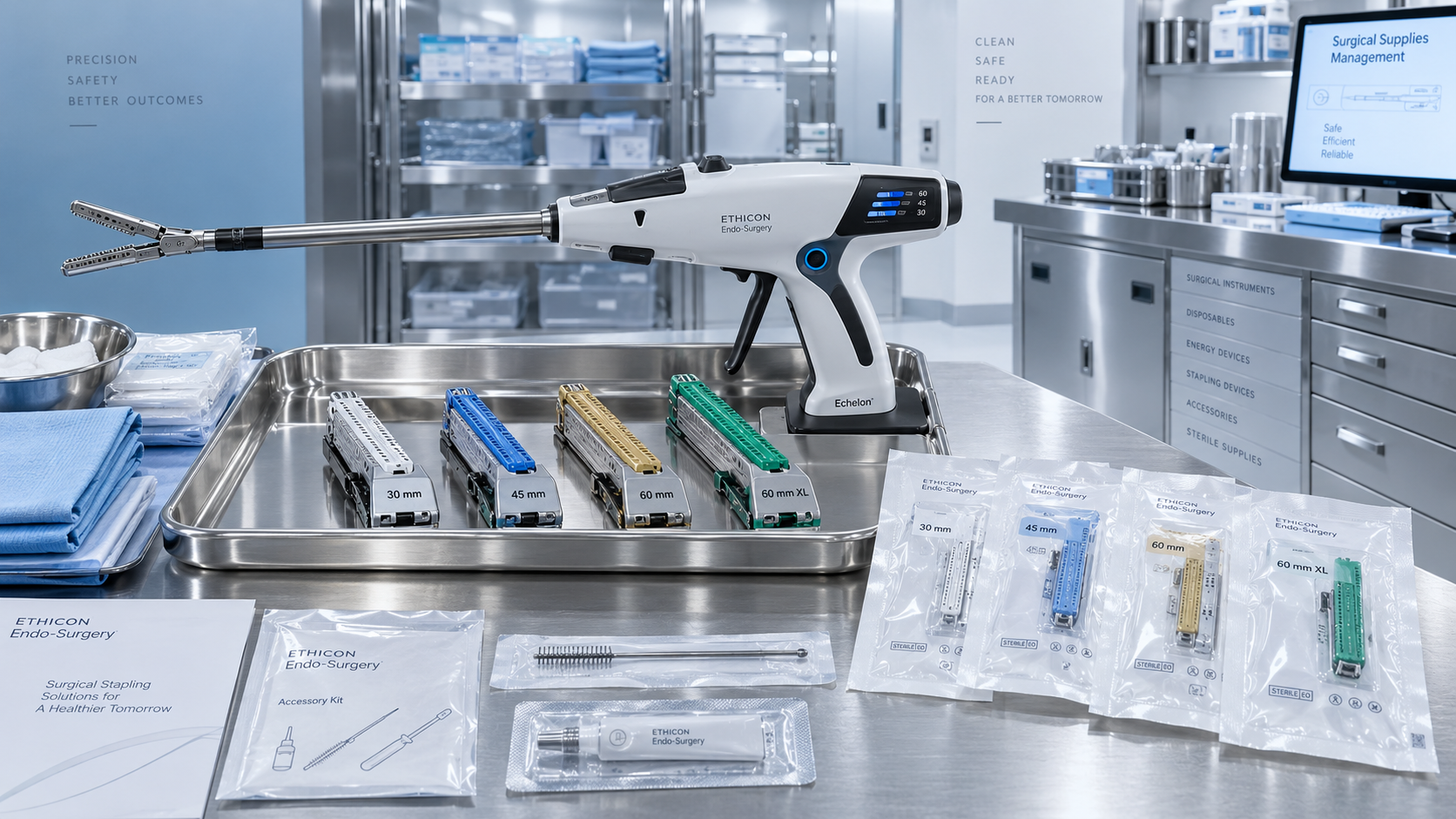
Surgical Staplers: Choosing Manual or Powered Systems
For surgeons and operating room teams, surgical staplers are more than closure tools—they directly influence tissue security, workflow efficiency, and postoperative outcomes. As minimally invasive procedures expand, choosing between manual and powered systems requires a clear understanding of firing control, staple formation, ergonomics, cost, and clinical consistency. This guide examines the practical differences operators should consider when selecting stapling technology for gastrointestinal, thoracic, bariatric, and general surgical applications.
What Operators Really Need from Surgical Staplers
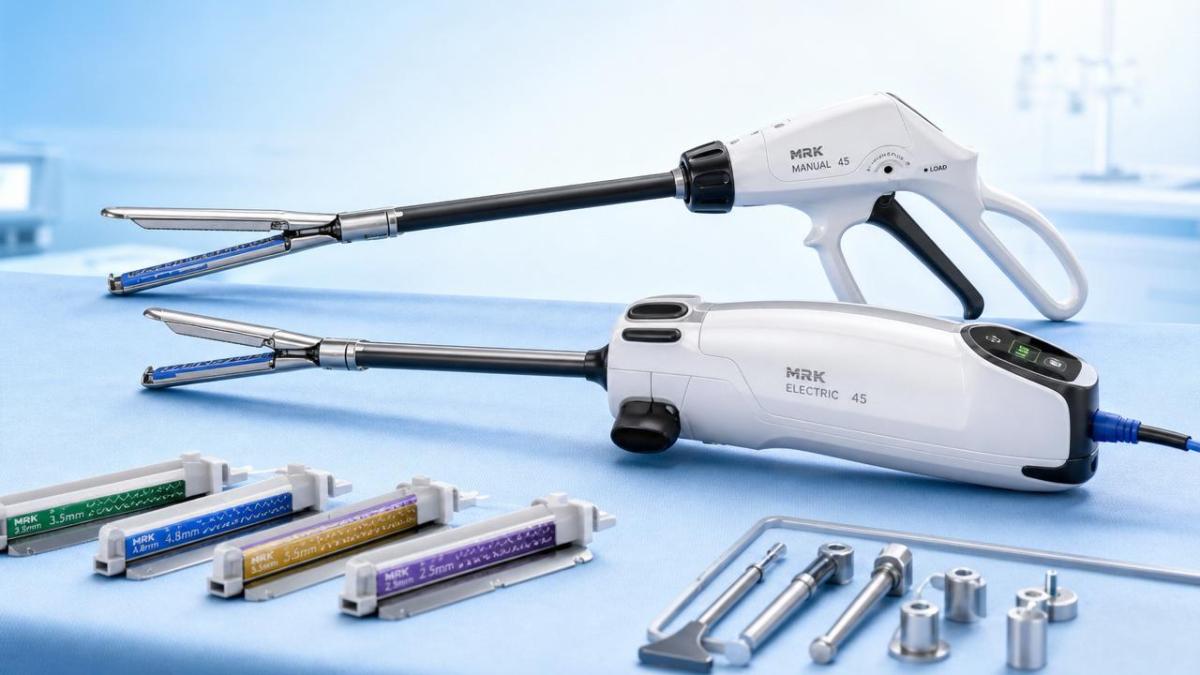
In the operating room, surgical staplers must deliver predictable compression, clean cutting, stable hemostasis, and secure tissue approximation under time pressure. The decision is rarely about one feature alone.
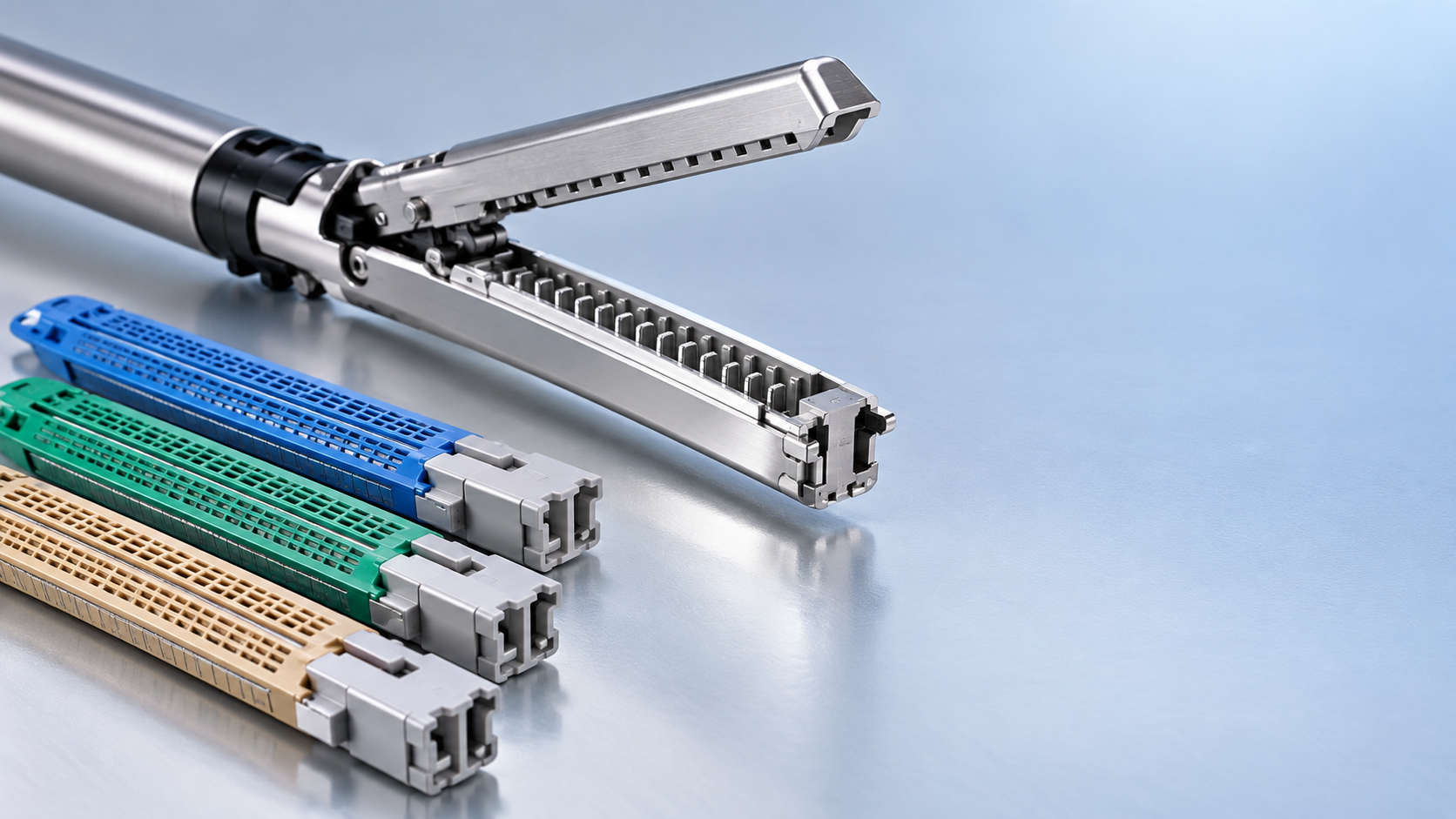
Manual and powered stapling systems both aim to form consistent B-shaped staples. The difference lies in how force is generated, controlled, and repeated during critical steps.
Key operating concerns before selection
- Tissue thickness varies between stomach, bowel, lung, and vascular-adjacent structures, so cartridge choice and compression timing must match the clinical target.
- Laparoscopic access limits wrist movement, making articulation, shaft stability, and trigger effort important during deep pelvic or upper abdominal work.
- Operating room teams must balance device familiarity, surgeon preference, assistant training, inventory complexity, and budget constraints.
- Hospitals under cost-control or Volume-Based Procurement pressure need practical evidence, not only premium positioning or low unit price.
IMCS evaluates surgical staplers within the wider ecosystem of high-value medical consumables, linking material biocompatibility, precision machining, regulatory evidence, and real operating-room usability.
Manual vs Powered Surgical Staplers: Which Fits the Procedure?
The most common comparison begins with firing mechanics. Manual systems depend on hand-generated force, while powered systems use a motorized mechanism to drive firing and cutting.
The following table summarizes practical differences that matter to surgeons, scrub nurses, procurement teams, and clinical engineering staff evaluating surgical staplers.
Manual systems remain relevant for straightforward access, trained hands, and cost-sensitive hospitals. Powered surgical staplers become compelling when angle, repetition, or tissue variability increases.
A practical decision rule
If the procedure involves limited firing, accessible anatomy, and stable tissue thickness, manual staplers can be sufficient. If the case requires multiple firings through variable tissue, powered staplers may improve procedural control.
Application Scenarios: Where the Choice Becomes Critical
Surgical staplers behave differently depending on tissue condition, surgical field, and procedural objective. A device that performs well in colectomy may not be ideal for lung parenchyma.
High-frequency clinical settings
- Gastrointestinal surgery requires secure transection, careful cartridge selection, and attention to anastomotic perfusion and tissue edema.
- Thoracic surgery demands gentle compression on fragile lung tissue, especially during wedge resection or fissure division.
- Bariatric surgery involves long staple lines, thick gastric tissue, repeated firing, and strong need for consistent formation.
- General laparoscopic surgery often values articulation, reload availability, quick setup, and intuitive handoff between team members.
For operators, the right question is not simply “Which stapler is advanced?” It is “Which stapling platform reduces uncertainty in this procedure?”
When powered systems may add value
Powered surgical staplers may be useful in deep laparoscopic fields where manual squeezing transmits unwanted movement to the jaw. Reduced hand motion can support steadier positioning.
They may also support teams managing long procedures, surgeon fatigue, or cases requiring repeated cartridge exchange and multiple sequential firings.
Technical Performance Parameters Operators Should Verify
Device brochures often highlight speed and convenience, but surgical staplers should be assessed through specific technical and clinical-use parameters before adoption.
The table below converts technical specifications into operator-facing questions that can be used during evaluation, trial use, or procurement discussions.
A strong evaluation includes both device specifications and hands-on simulation. Operators should not rely only on catalog language when selecting surgical staplers.
Material and biocompatibility considerations
Titanium staples, polymer components, lubricants, and patient-contact materials should be reviewed through a biological safety lens. IMCS pays particular attention to ISO 10993-related evaluation logic.
For high-risk consumables, performance must align with sterilization validation, packaging integrity, shelf-life evidence, and post-market surveillance expectations.
Procurement Guide: How to Avoid Choosing by Unit Price Alone
Procurement teams often face pressure to reduce spending on surgical staplers. However, the cheapest device may increase training burden, reload mismatch, or intraoperative hesitation.
A structured evaluation checklist
- Map annual procedure mix by specialty, including gastrointestinal, thoracic, bariatric, colorectal, and general laparoscopic cases.
- Identify tissue profiles and reload requirements, rather than assuming one cartridge family can cover all surgical needs.
- Collect operator feedback through wet-lab, simulation, or supervised trial use when allowed by institutional policy.
- Review IFU requirements, sterilization status, packaging, shelf life, and traceability documentation before contract negotiation.
- Assess total cost per procedure, including misfires, opened-but-unused reloads, training time, and platform switching costs.
For users and operators, procurement should include their voice early. A product that looks economical on paper can become expensive if it disrupts surgical flow.
Questions to ask suppliers
- Which reloads are recommended for specific tissue thickness ranges, and how is that recommendation supported?
- What training support is available for surgeons, nurses, and central supply or inventory teams?
- Can the supplier provide regulatory documentation appropriate for the target market, such as CE MDR or FDA-related pathways where applicable?
- How are complaints, adverse event feedback, and lot traceability handled after clinical use?
Cost, Workflow, and Inventory Impact
Cost comparison for surgical staplers should include the full pathway from purchasing to use, documentation, storage, training, and replacement planning.
The following table helps hospitals and distributors frame economic decisions without reducing the choice to a single purchase price.
Under VBP-style cost control, IMCS recommends comparing total procedural value. A balanced decision considers patient safety, operator control, supply continuity, and financial sustainability.
Compliance and Documentation Operators Should Understand
Although surgeons do not manage every regulatory file, they are affected by the quality of compliance. Documentation gaps can delay purchasing, training, and clinical adoption.
Common compliance review areas
- Biological evaluation of patient-contact materials, commonly aligned with ISO 10993 principles for cytotoxicity, sensitization, and irritation assessment.
- Sterilization validation and packaging integrity evidence, including shelf-life and transport-related protection for sterile barrier systems.
- Clinical evaluation logic under applicable regulatory routes, including risk management, intended use, and performance claims.
- Traceability systems that allow lot tracking, complaint investigation, and post-market feedback for surgical staplers and reloads.
IMCS connects technical interpretation with regulatory intelligence. This is especially important when hospitals compare imported, local, and VBP-qualified stapling solutions.
Why documentation affects daily use
Clear instructions for use reduce ambiguity during cartridge selection, firing sequence, and device troubleshooting. Operators need documentation that is readable, specific, and procedure-relevant.
Common Mistakes When Selecting Surgical Staplers
Many selection failures begin with oversimplification. Surgical staplers are sometimes treated as interchangeable consumables, even though small design differences influence intraoperative confidence.
Mistakes to avoid
- Choosing one stapler platform for every department without mapping procedure-specific tissue requirements and surgeon preferences.
- Ignoring articulation stability and only checking whether the jaw can reach a theoretical angle.
- Assuming powered systems automatically solve tissue mismatch, when cartridge selection and compression discipline remain essential.
- Evaluating cost only by purchase price and excluding opened reload waste, training effort, and emergency inventory needs.
- Skipping nursing team feedback, even though nurses manage setup, reload handoff, counting, and intraoperative readiness.
A reliable selection process treats users as decision partners. Surgeons, nurses, procurement specialists, and regulatory teams all see different risks in surgical staplers.
FAQ: Practical Questions from Operating Room Teams
The following questions reflect common concerns when hospitals compare manual and powered surgical staplers for minimally invasive and open procedures.
Are powered surgical staplers always better than manual systems?
No. Powered systems can reduce hand effort and firing variability, but manual systems may be appropriate for routine cases, experienced operators, and strict budget conditions.
What should operators check before firing?
Operators should confirm tissue thickness, cartridge color or specification, jaw alignment, tissue inclusion, compression time, and absence of unintended structures in the firing path.
How should hospitals trial new surgical staplers?
A structured trial should include simulation, procedure-specific feedback, nursing workflow review, documentation checks, and post-use evaluation before wide procurement.
Which procedures most often justify powered systems?
Bariatric, thoracic, deep pelvic, and complex laparoscopic procedures may justify powered systems because repeated firing and difficult angles increase operator fatigue.
Why Choose IMCS for Stapling Intelligence and Procurement Support
IMCS supports decision-makers who need more than product descriptions. We interpret surgical staplers through clinical use, material science, regulatory evidence, and cost-control realities.
What you can consult with us
- Parameter confirmation for staple height, reload compatibility, articulation requirements, and procedure-specific tissue profiles.
- Manual versus powered system selection based on case mix, operator habits, hospital budget, and workflow expectations.
- Regulatory and documentation review, including ISO 10993-related material concerns, sterilization evidence, and CE MDR-style clinical logic.
- Delivery-cycle and supply-risk discussion for hospitals, distributors, and manufacturers operating under tender or VBP pressure.
- Sample evaluation planning, training pathway design, and quotation communication aligned with real operating-room use.
If your team is comparing surgical staplers, preparing a tender, validating a new supplier, or building a minimally invasive consumables portfolio, IMCS can help structure the decision.
Contact IMCS to discuss your procedure mix, technical requirements, certification expectations, sample support needs, and procurement timeline with a focused medical consumables intelligence team.
Get weekly intelligence in your inbox.
No noise. No sponsored content. Pure intelligence.
News Recommendations
 Oct 26, 2026Can a single approval cover life science product sales worldwide?Can a single approval cover life science product sales worldwide?
 Oct 25, 2026When is sensitization testing needed for medical device biocompatibility?When is sensitization testing needed for medical device biocompatibility?
 Oct 24, 2026How is biocompatibility tested for implantable polymer biomaterials?How is biocompatibility tested for implantable polymer biomaterials?
 Oct 23, 2026How to build reimbursement into an implant commercialization strategyHow to build reimbursement into an implant commercialization strategy
 Oct 22, 2026What clinical evidence do implants need for CE marking under EU MDR?What clinical evidence do implants need for CE marking under EU MDR?
 Oct 21, 2026How to choose disposable laparoscopic stapler reloads for thick tissueHow to choose disposable laparoscopic stapler reloads for thick tissue
 Oct 20, 2026How to assess medical polymer biocompatibility under ISO 10993How to assess medical polymer biocompatibility under ISO 10993
 Oct 19, 2026How do interventional device categories differ in clinical use?How do interventional device categories differ in clinical use?
 Oct 18, 2026When to choose alginate dressings for heavily exuding chronic woundsWhen to choose alginate dressings for heavily exuding chronic wounds
 Oct 17, 2026How is biocompatibility tested for custom medical-grade PEEK implants?How is biocompatibility tested for custom medical-grade PEEK implants?
 Oct 16, 2026How to check a wound healing materials supplier’s biocompatibility dataHow to check a wound healing materials supplier’s biocompatibility data
 Oct 15, 2026How to verify the FDA clearance status of silver wound dressingsHow to verify the FDA clearance status of silver wound dressings
 Oct 14, 2026How to register orthopedic implants and instruments in Latin AmericaHow to register orthopedic implants and instruments in Latin America
 Oct 13, 2026How to use a device market intelligence database to benchmark VBP pricesHow to use a device market intelligence database to benchmark VBP prices
 Oct 12, 2026When should stainless steel orthopedic instruments be replaced?When should stainless steel orthopedic instruments be replaced?
 Oct 11, 2026When are alginate dressings rope the right choice for cavity wounds?When are alginate dressings rope the right choice for cavity wounds?
 Oct 10, 2026When smart minimally invasive technology improves catheter accessWhen smart minimally invasive technology improves catheter access
 Oct 08, 2026Clinical evaluation requirements for cardiovascular implant devices in EuropeClinical evaluation requirements for cardiovascular implant devices in Europe
 Oct 07, 2026What to verify before appointing an artificial joint implants distributorWhat to verify before appointing an artificial joint implants distributor
 Oct 06, 2026How ISO 10993 guides biocompatibility testing for medical materialsHow ISO 10993 guides biocompatibility testing for medical materials
 Oct 05, 2026How to verify an orthopedic implants and instruments exporterHow to verify an orthopedic implants and instruments exporter
 Oct 04, 2026What drives surgical stapling devices price differences in hospital tenders?What drives surgical stapling devices price differences in hospital tenders?
 Oct 03, 2026How to assess a central venous catheter manufacturer's infection-control evidenceHow to assess a central venous catheter manufacturer's infection-control evidence
 Oct 02, 2026How to assess an advanced wound care factory’s quality systemHow to assess an advanced wound care factory’s quality system
 Oct 01, 2026What is driving global medical consumables demand in emerging markets?What is driving global medical consumables demand in emerging markets?
 Sep 30, 2026Implant Material Compliance Testing: Evidence Needed for Regulatory SubmissionImplant Material Compliance Testing: Evidence Needed for Regulatory Submission
 Sep 30, 2026From Corrosion to Fatigue: What Implant Materials Testing Should MeasureFrom Corrosion to Fatigue: What Implant Materials Testing Should Measure