Surgical Consumables Innovation Trends Reshaping Tender Strategy
Surgical consumables innovation is no longer only a product story—it is a decisive factor in tender strategy, pricing resilience, and market access. For business evaluators, understanding how advanced materials, precision manufacturing, clinical evidence, and regulatory alignment reshape procurement outcomes is essential. This article explores the trends redefining competitive positioning across high-value medical consumables and what they mean for smarter bidding decisions.
What Business Evaluators Are Really Searching For

When readers search for surgical consumables innovation, they usually do not want a lab-focused overview. They want to know which innovations truly change tender results, margin stability, and buyer preference.
For business evaluation teams, the central question is practical: which product upgrades create procurement advantage, and which are simply expensive features with weak commercial return in competitive bidding environments.
The overall judgment is clear. Innovation matters most when it improves one or more tender-critical variables: clinical outcomes, procedural efficiency, regulatory confidence, supply reliability, or total cost of care.
This means the strongest innovations are not always the most futuristic ones. The winning innovations are those that can be translated into procurement language, evidence packages, and defensible value propositions.
Why Innovation Now Directly Reshapes Tender Strategy
Across global markets, high-value medical consumables are being evaluated under tighter budget controls, stronger compliance scrutiny, and more evidence-based procurement models. Price alone still matters, but price alone no longer explains winning outcomes.
Hospitals, procurement alliances, and national purchasing systems increasingly compare products through broader criteria. These include device performance consistency, complication reduction, surgeon usability, lifecycle economics, and post-market quality records.
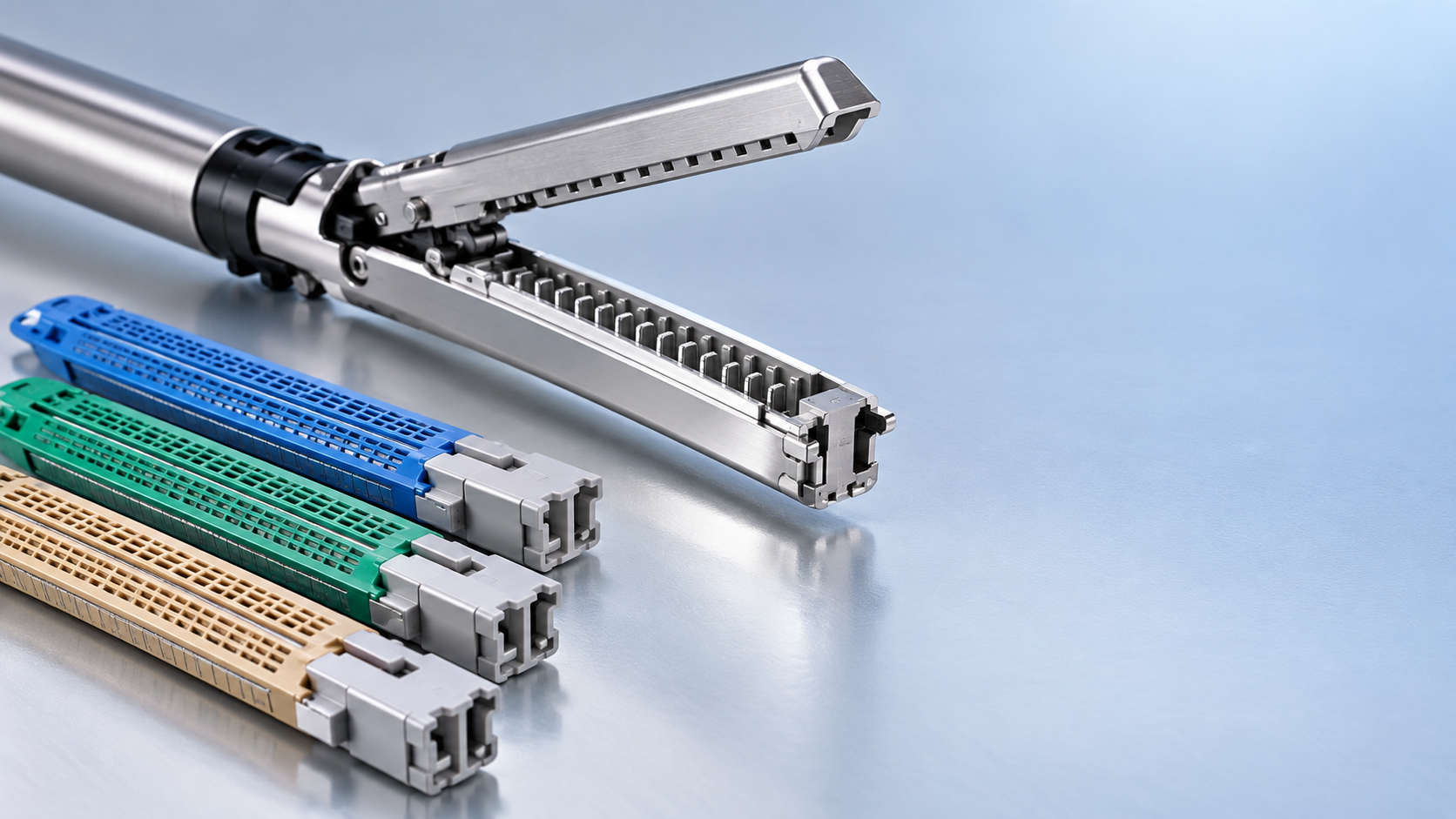
That shift is especially visible in minimally invasive staplers, interventional consumables, implantable devices, polymer catheters, and advanced wound care products. In each segment, technical differentiation must now survive both clinical review and purchasing logic.
For business evaluators, this changes tender strategy in two ways. First, innovation must be linked to measurable procurement benefits. Second, tender planning must begin earlier, often during product development, not after commercialization.
Which Innovation Trends Are Most Likely to Influence Tender Outcomes
The first major trend is advanced material engineering. In surgical consumables, biocompatibility, durability, flexibility, anti-thrombotic properties, and tissue interaction are no longer background specifications. They increasingly shape product preference and access.
Examples include hydrophilic catheter coatings, more consistent titanium staple formation, bioactive or porous implant interfaces, and dressing materials that better support moist wound healing while reducing infection risk.
For evaluators, the key is not merely whether a material is new. The key is whether it reduces adverse events, shortens procedure time, improves healing quality, or lowers downstream treatment costs.
The second trend is precision manufacturing. Procurement bodies are paying closer attention to consistency, not just innovation claims. In tenders, micron-level tolerance control and process reproducibility can become proxies for quality risk management.
Products with tighter manufacturing consistency often generate better confidence in staple line integrity, stent deployment behavior, catheter trackability, and implant fit. That confidence can strengthen both technical scoring and physician support.
The third trend is procedure-enabling design. Surgical consumables innovation increasingly focuses on reducing workflow friction in the operating room or catheter lab. Better ergonomics, easier deployment, and more predictable handling all matter commercially.
If a stapler reduces misfire risk, if a catheter improves navigation in tortuous anatomy, or if a dressing simplifies change frequency, those benefits can be translated into efficiency and complication-control arguments during tender evaluation.
The fourth trend is evidence-backed differentiation. Innovation without comparative evidence is becoming harder to monetize. Buyers increasingly ask whether the innovation produces meaningful clinical or economic improvements versus incumbent alternatives.
This raises the value of real-world evidence, registry data, post-market surveillance, and health economic modeling. For many business evaluators, evidence strength is now as important as the feature itself.
How Procurement Teams Translate Innovation into Award Decisions
Business evaluators should remember that procurement committees rarely reward innovation in abstract terms. They reward innovations that fit structured decision frameworks and can be compared fairly against alternatives.
Most tender decisions can be influenced through five value lenses. These are patient outcome improvement, procedural efficiency, safety and quality assurance, supply continuity, and budget impact over the full care pathway.
If an innovation supports fewer leaks, restenosis events, infections, revisions, or dressing changes, it speaks directly to outcome value. If it saves operating time or shortens hospitalization, it supports efficiency value.
If a product has stronger regulatory files, more robust quality systems, and cleaner post-market records, it supports risk-reduction value. If manufacturing capacity is stable, it supports procurement resilience.
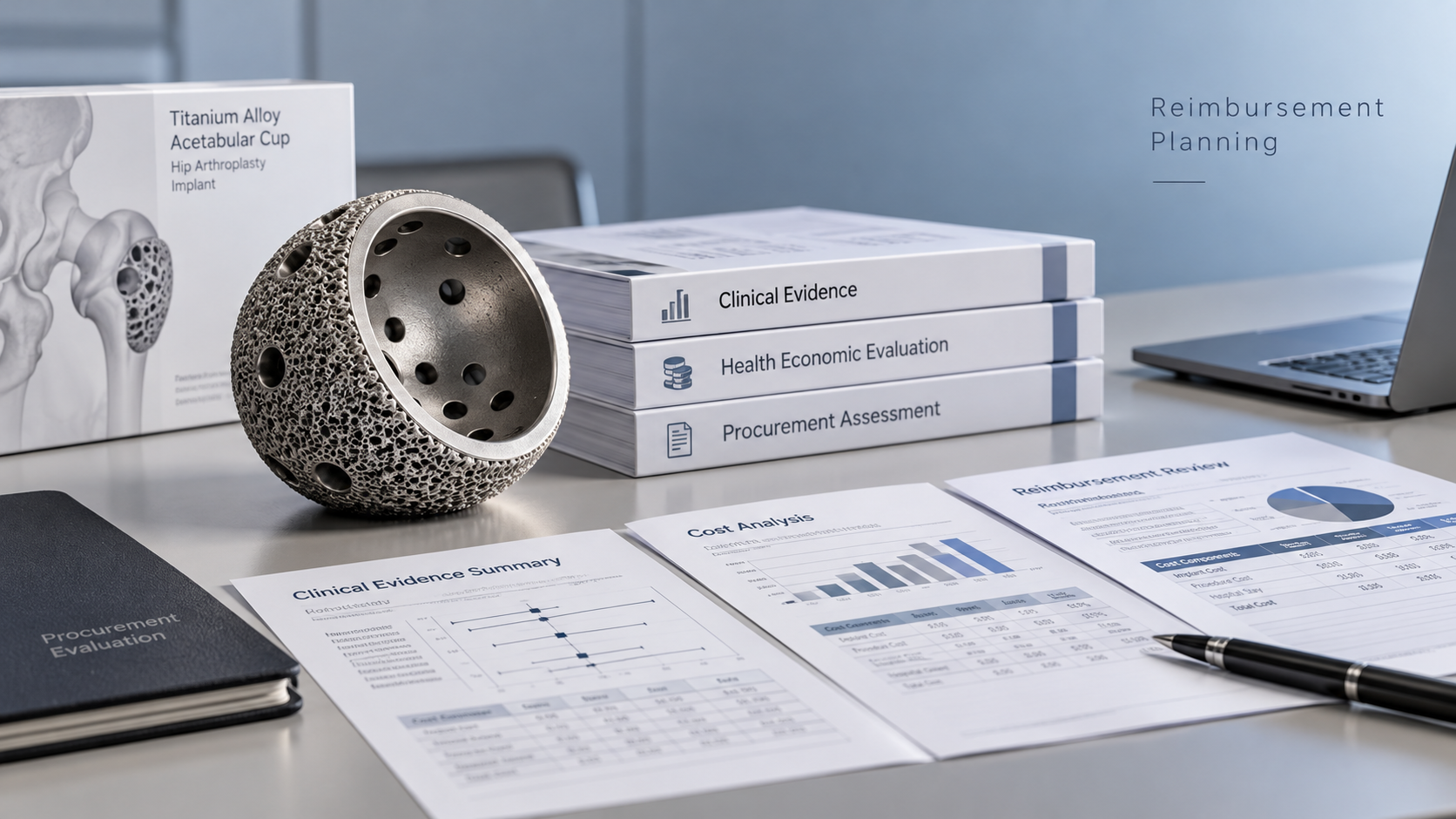
Finally, if innovation reduces complications or readmissions, it can justify a higher unit price by improving total cost of care. This is especially important in price-sensitive or volume-based procurement settings.
Therefore, the right commercial question is not “How innovative is this product?” It is “Which tender scoring dimensions will this innovation improve, and by how much compared with the market baseline?”
What Makes Innovation Commercially Credible Rather Than Marketing-Driven
One of the biggest concerns for target readers is separating real value from feature inflation. Many suppliers describe products as innovative, but tender evaluators need a stricter commercial filter.
The first filter is clinical relevance. Does the innovation solve a persistent pain point for surgeons, interventionists, wound specialists, or patients? If the answer is vague, procurement value will likely remain weak.
The second filter is evidence quality. Are claims supported by peer-reviewed studies, registries, bench testing, usability data, or meaningful post-market outcomes? Unsupported superiority language may create compliance and credibility problems.
The third filter is implementation practicality. Even a technically advanced consumable can underperform commercially if training needs are high, workflow change is disruptive, or hospital adoption barriers are underestimated.
The fourth filter is reimbursement or policy fit. In some markets, innovation gains traction only when it aligns with payer logic, DRG pressures, VBP systems, or local procurement priorities around efficiency and standardization.
Business evaluators should also test whether the innovation is easy to explain in tender language. If a feature cannot be translated into measurable scoring advantage, it may not justify premium positioning.
The Rising Importance of Regulatory and Compliance Alignment
In high-value consumables, innovation and regulation are now deeply connected. Advanced materials, new coatings, implantable interfaces, and smart delivery designs all increase the need for stronger validation and documentation.
For business evaluation, this matters because regulatory readiness affects launch timing, tender eligibility, and long-term market credibility. A commercially attractive product can become strategically weak if the regulatory pathway is fragile.
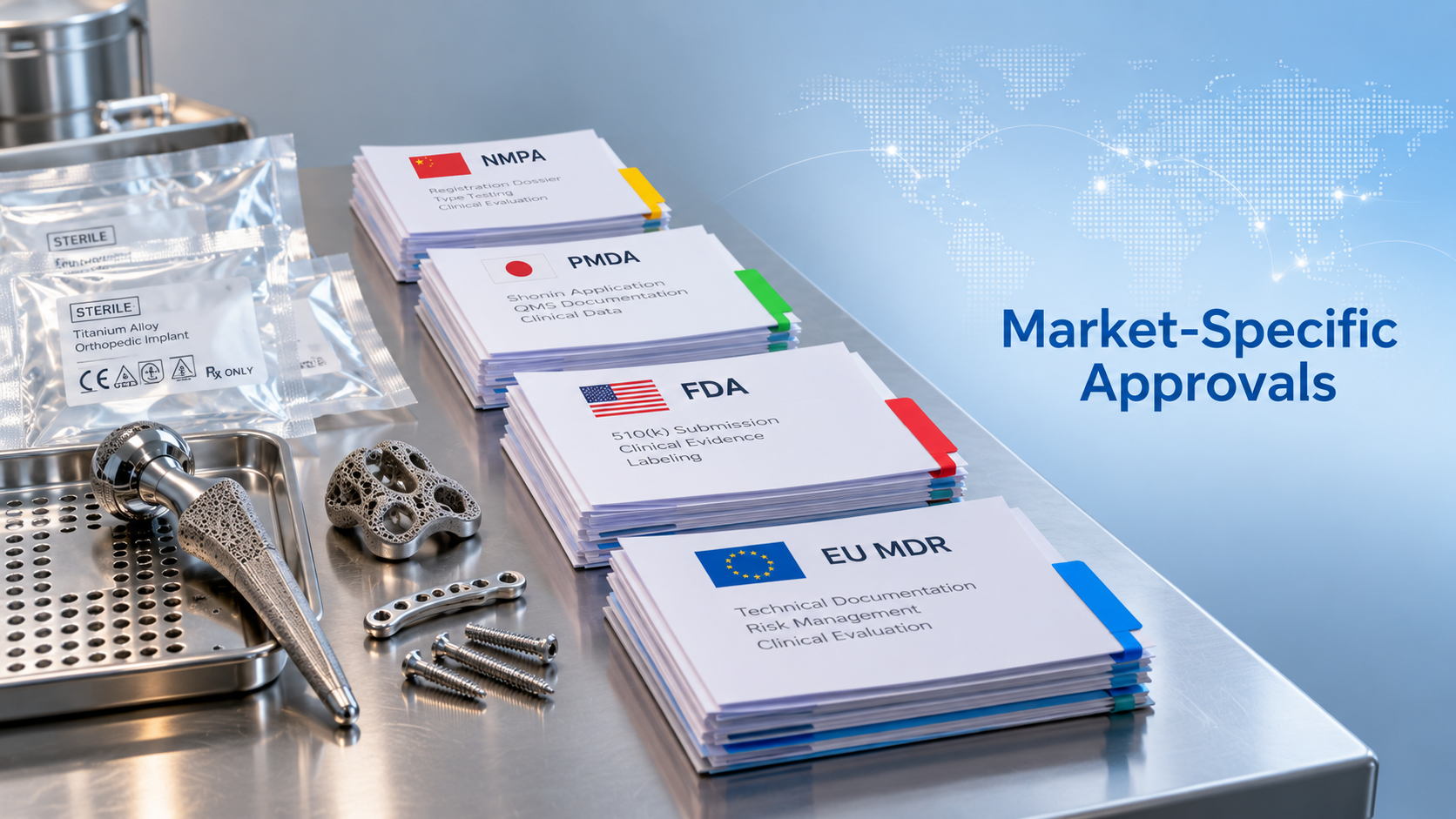
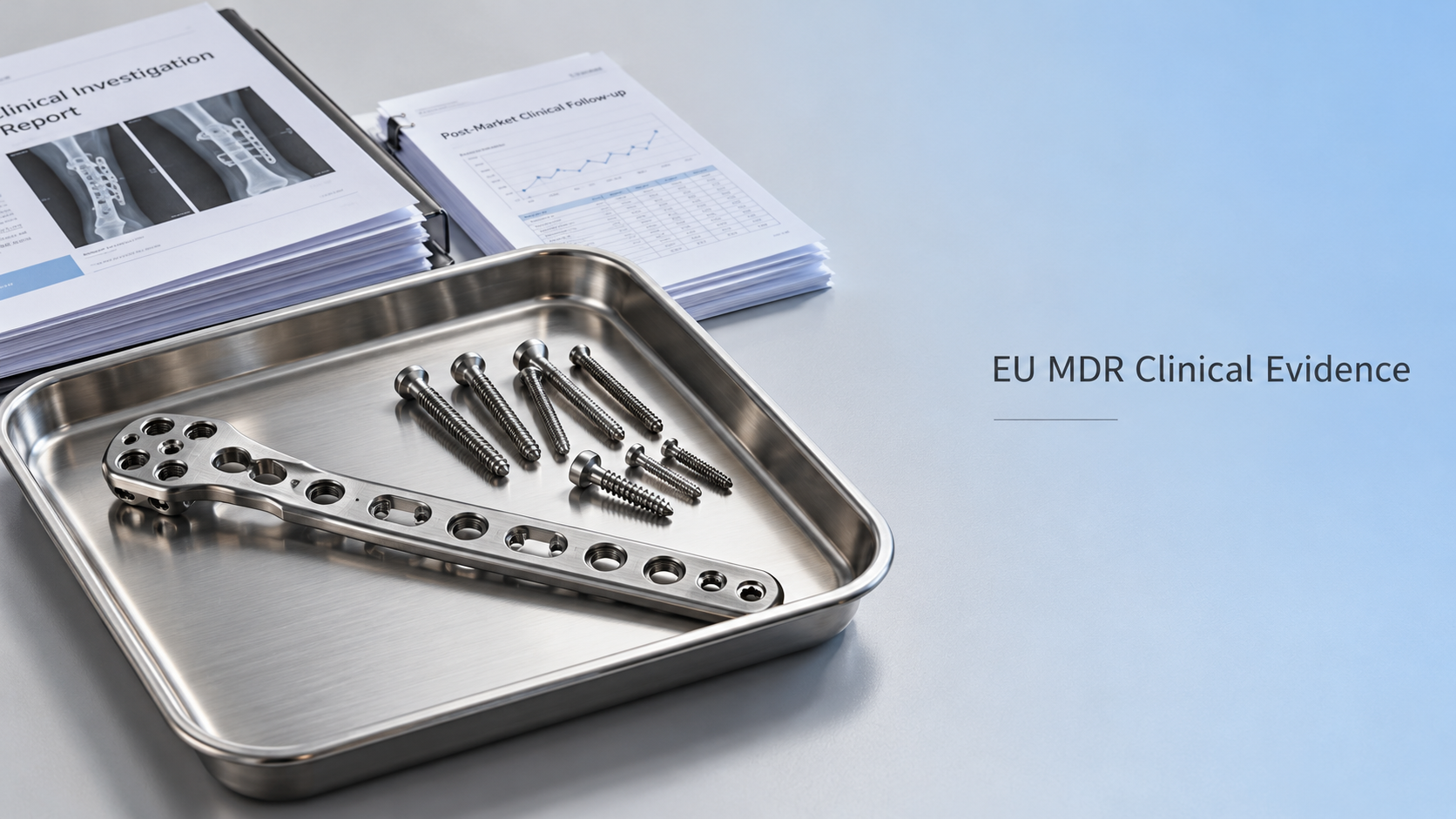
Biocompatibility testing under standards such as ISO 10993, clinical evaluation under CE MDR, and quality system maturity all influence buyer confidence. These are no longer only technical affairs handled behind the scenes.
In many procurement settings, regulatory robustness functions as an invisible risk score. The stronger the file, the lower the perceived risk of recalls, restrictions, supply interruptions, or adverse publicity.
That is particularly relevant for Class III and other high-risk consumables where clinical evidence thresholds are higher. Evaluators should assess whether innovation claims are matched by validation depth and market authorization durability.
How Volume-Based Procurement Changes the Innovation Equation
Volume-based procurement and similar cost-control models create a common misconception: that innovation no longer matters because tenders are dominated by price. In reality, innovation matters differently, not less.
Under strong price pressure, only certain forms of innovation retain commercial power. These are innovations that protect technical scoring, reduce quality risk, preserve physician loyalty, or create category sub-differentiation.
For example, in staplers or cardiovascular consumables, a supplier may not win on premium narrative alone. But it can still gain advantage through superior consistency, lower failure rates, smoother handling, or stronger evidence packages.
In these settings, business evaluators should focus on price-resilient innovation. That means product features or system capabilities that prevent complete commoditization and support margin defense even when list prices decline.
Another implication is capacity strategy. In VBP-like environments, the commercial value of innovation is tied not only to product performance but also to the manufacturer’s ability to deliver large volumes without compromising quality.
So tender strategy must connect R&D, quality systems, regulatory affairs, manufacturing scale, and financial modeling. Innovation cannot be assessed as an isolated product characteristic.
A Practical Framework for Evaluating Surgical Consumables Innovation
For business evaluators, a useful approach is to score innovations across six dimensions. This can improve internal alignment and reduce overreliance on promotional materials or isolated expert opinions.
First, assess unmet clinical need. Does the innovation address a visible problem such as leakage, thrombosis, difficult navigation, tissue trauma, poor healing, or prolonged procedure time?
Second, assess evidence strength. Review comparative studies, real-world outcomes, regulatory documents, and post-market data. Give extra weight to evidence linked to meaningful procurement outcomes rather than technical novelty alone.
Third, assess manufacturability and supply reliability. Products requiring complex processes may offer strong differentiation, but only if the manufacturer can sustain yield, consistency, and delivery at tender scale.
Fourth, assess regulatory durability. Determine whether biocompatibility, clinical evaluation, and quality documentation are strong enough to support both immediate bids and future market continuity.
Fifth, assess economic translation. Can the innovation be converted into lower complication cost, shorter stay, reduced training burden, or higher procedural throughput? If not, premium logic may be weak.
Sixth, assess tender fit. Match the innovation against actual scoring criteria, policy priorities, physician preference, and local market structure. A strong product can still lose if it is mismatched to the procurement model.
Where IMCS-Style Intelligence Creates Strategic Advantage
In a market shaped by biocompatibility science, precision engineering, strict regulation, and cost-control policy, isolated product analysis is no longer enough. Decision-makers need stitched intelligence across multiple disciplines.
This is where a platform such as IMCS becomes strategically useful. Orthopedic implants, cardiovascular devices, minimally invasive staplers, polymer catheters, and advanced wound care each face different evidence and pricing pressures.
Yet the same strategic question appears across categories: how do technical advances interact with regulatory thresholds, procurement scoring, physician acceptance, and capital market expectations?
Cross-functional intelligence helps business evaluators identify which innovations are likely to gain premium traction, which are vulnerable to commoditization, and which can survive aggressive tender environments through differentiated value.
It also helps teams avoid a common mistake: treating regulatory, clinical, manufacturing, and tender work as separate tracks. In reality, commercial success in surgical consumables innovation depends on their integration.
Conclusion: Innovation Wins Only When It Is Tender-Ready
The most important takeaway for business evaluators is simple. Surgical consumables innovation creates value only when it can be translated into procurement advantage, risk reduction, and sustainable market access.
Advanced materials, precision manufacturing, better design, and stronger evidence all matter. But they matter most when they improve the variables that tender committees and purchasing systems actually reward.
That is why future winners in high-value consumables will not be the companies with the most claims. They will be the companies that connect innovation to clinical proof, regulatory confidence, supply resilience, and total-cost logic.
For organizations assessing opportunity, the right strategy is to evaluate innovation early, commercially, and cross-functionally. In today’s market, tender strategy is no longer downstream from innovation. It is being reshaped by it.
Get weekly intelligence in your inbox.
No noise. No sponsored content. Pure intelligence.
News Recommendations
 Oct 26, 2026Can a single approval cover life science product sales worldwide?Can a single approval cover life science product sales worldwide?
 Oct 25, 2026When is sensitization testing needed for medical device biocompatibility?When is sensitization testing needed for medical device biocompatibility?
 Oct 24, 2026How is biocompatibility tested for implantable polymer biomaterials?How is biocompatibility tested for implantable polymer biomaterials?
 Oct 23, 2026How to build reimbursement into an implant commercialization strategyHow to build reimbursement into an implant commercialization strategy
 Oct 22, 2026What clinical evidence do implants need for CE marking under EU MDR?What clinical evidence do implants need for CE marking under EU MDR?
 Oct 21, 2026How to choose disposable laparoscopic stapler reloads for thick tissueHow to choose disposable laparoscopic stapler reloads for thick tissue
 Oct 20, 2026How to assess medical polymer biocompatibility under ISO 10993How to assess medical polymer biocompatibility under ISO 10993
 Oct 19, 2026How do interventional device categories differ in clinical use?How do interventional device categories differ in clinical use?
 Oct 18, 2026When to choose alginate dressings for heavily exuding chronic woundsWhen to choose alginate dressings for heavily exuding chronic wounds
 Oct 17, 2026How is biocompatibility tested for custom medical-grade PEEK implants?How is biocompatibility tested for custom medical-grade PEEK implants?
 Oct 16, 2026How to check a wound healing materials supplier’s biocompatibility dataHow to check a wound healing materials supplier’s biocompatibility data
 Oct 15, 2026How to verify the FDA clearance status of silver wound dressingsHow to verify the FDA clearance status of silver wound dressings
 Oct 14, 2026How to register orthopedic implants and instruments in Latin AmericaHow to register orthopedic implants and instruments in Latin America
 Oct 13, 2026How to use a device market intelligence database to benchmark VBP pricesHow to use a device market intelligence database to benchmark VBP prices
 Oct 12, 2026When should stainless steel orthopedic instruments be replaced?When should stainless steel orthopedic instruments be replaced?
 Oct 11, 2026When are alginate dressings rope the right choice for cavity wounds?When are alginate dressings rope the right choice for cavity wounds?
 Oct 10, 2026When smart minimally invasive technology improves catheter accessWhen smart minimally invasive technology improves catheter access
 Oct 08, 2026Clinical evaluation requirements for cardiovascular implant devices in EuropeClinical evaluation requirements for cardiovascular implant devices in Europe
 Oct 07, 2026What to verify before appointing an artificial joint implants distributorWhat to verify before appointing an artificial joint implants distributor
 Oct 06, 2026How ISO 10993 guides biocompatibility testing for medical materialsHow ISO 10993 guides biocompatibility testing for medical materials
 Oct 05, 2026How to verify an orthopedic implants and instruments exporterHow to verify an orthopedic implants and instruments exporter
 Oct 04, 2026What drives surgical stapling devices price differences in hospital tenders?What drives surgical stapling devices price differences in hospital tenders?
 Oct 03, 2026How to assess a central venous catheter manufacturer's infection-control evidenceHow to assess a central venous catheter manufacturer's infection-control evidence
 Oct 02, 2026How to assess an advanced wound care factory’s quality systemHow to assess an advanced wound care factory’s quality system
 Oct 01, 2026What is driving global medical consumables demand in emerging markets?What is driving global medical consumables demand in emerging markets?
 Sep 30, 2026Implant Material Compliance Testing: Evidence Needed for Regulatory SubmissionImplant Material Compliance Testing: Evidence Needed for Regulatory Submission
 Sep 30, 2026From Corrosion to Fatigue: What Implant Materials Testing Should MeasureFrom Corrosion to Fatigue: What Implant Materials Testing Should Measure