Medical Cost-Control Solutions for High-Value Consumables
For procurement teams facing tighter reimbursement, stronger audits, and volatile demand, medical cost-control solutions are now central to sustainable healthcare delivery.
In high-value consumables, cost control is no longer simple price cutting. It requires clinical evidence, regulatory awareness, product segmentation, and timing across purchasing cycles.
This is especially true for orthopedic implants, cardiovascular devices, minimally invasive consumables, polymer catheters, and advanced wound care products.
IMCS supports this process through intelligence that links biocompatibility, precision manufacturing, Class III regulation, and VBP pricing pressure into practical purchasing insight.
Understanding Medical Cost-Control Solutions in High-Value Consumables
Medical cost-control solutions are structured methods used to reduce waste while protecting safety, performance, and continuity of care.
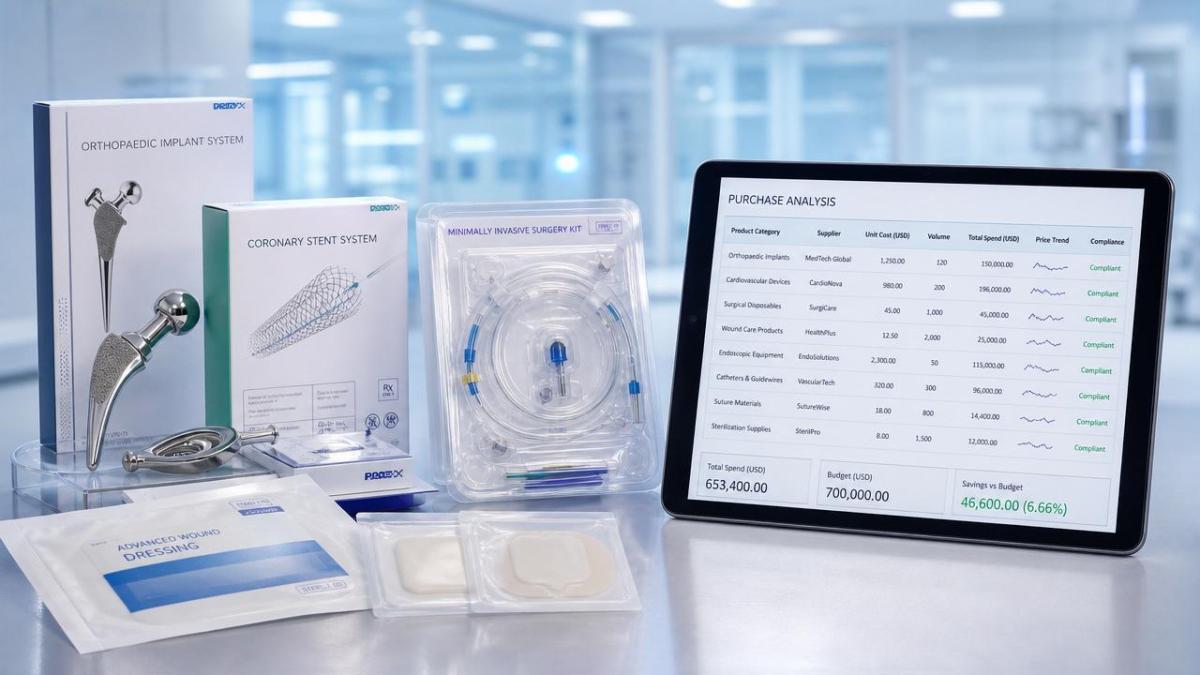
In the consumables sector, these solutions involve product standardization, evidence-based sourcing, supplier evaluation, tender strategy, and inventory discipline.
The goal is not the cheapest item. The goal is the lowest total cost with acceptable clinical outcomes and compliant supply stability.
For high-value devices, hidden costs can exceed unit price. Revision risk, training burden, procedure time, and regulatory failure often reshape real expenditure.
That is why effective medical cost-control solutions must combine commercial analysis with material science, clinical logic, and market access intelligence.
Core elements behind effective control
- Clinical equivalence and outcome comparison
- Regulatory pathway and evidence quality review
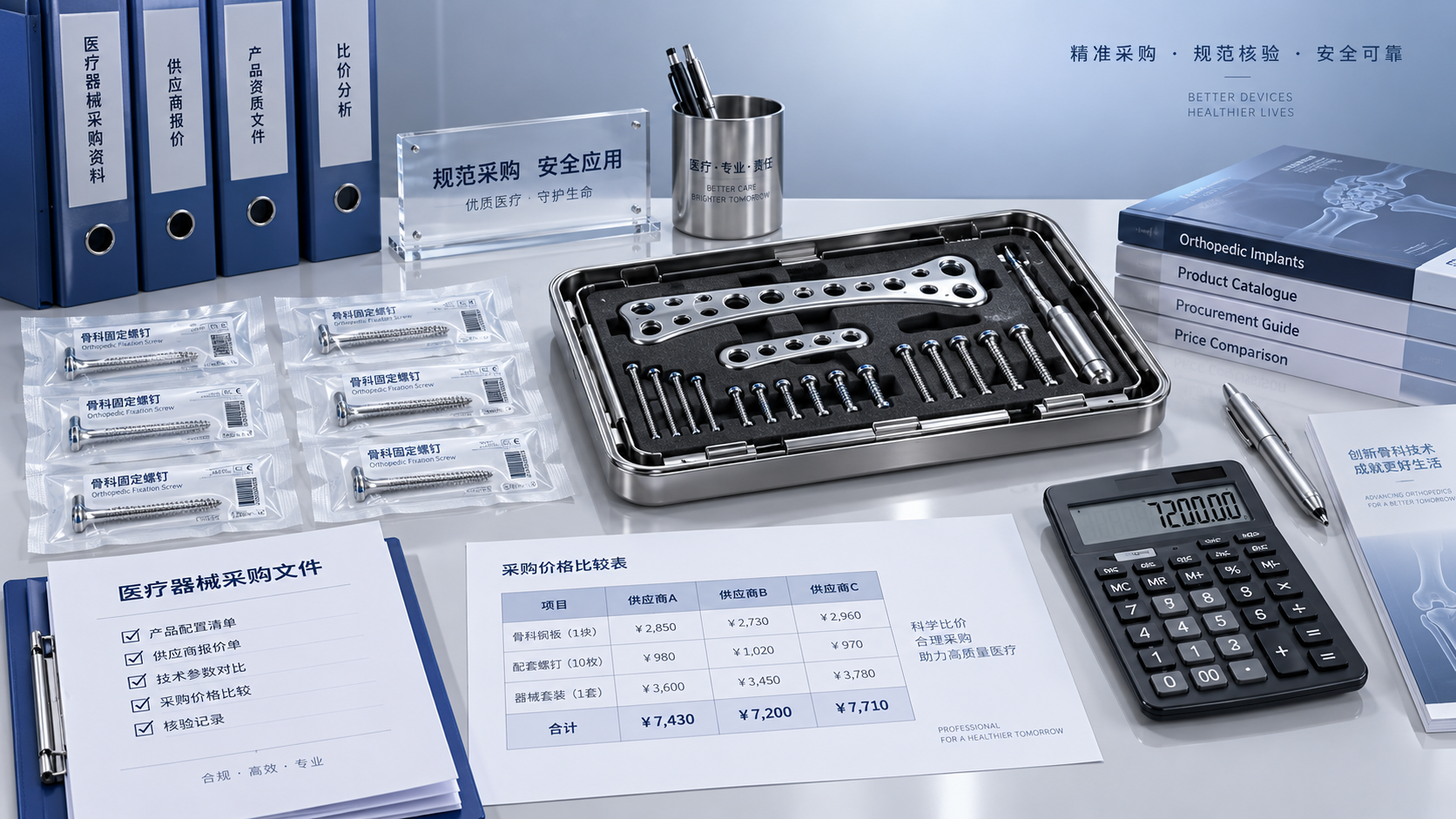
- Pricing analysis under VBP and tender rules
- Supplier resilience and delivery reliability
- Usage control, inventory visibility, and contract governance
Industry Context Shaping Cost-Control Decisions
The global market for high-value consumables is changing quickly. Innovation remains strong, yet reimbursement and centralized purchasing continue to compress margins.
As a result, medical cost-control solutions must respond to both technology complexity and policy-driven pricing pressure.
Several signals now define decision-making across the broader healthcare supply landscape.
These pressures are strongest in categories where device failure can affect long-term recovery, reintervention rates, or patient quality of life.
Why Medical Cost-Control Solutions Matter Across Key Consumable Categories
Different product families require different control models. A generic purchasing rule rarely works across all high-value consumables.
Orthopedic implants and instruments
Joint systems, spinal implants, and related instruments carry high clinical stakes and long use horizons.
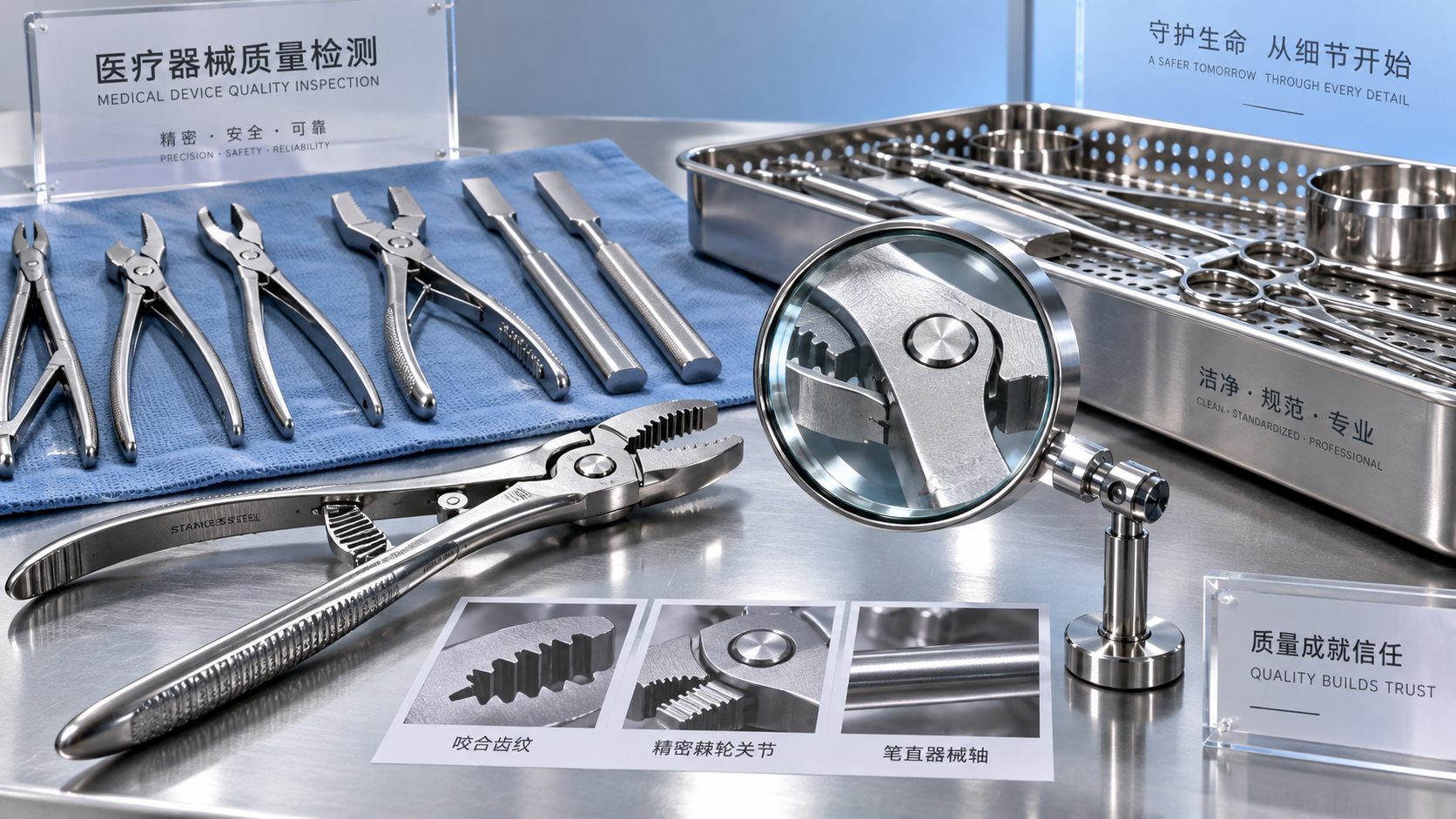
Medical cost-control solutions here should examine osseointegration performance, revision data, instrument compatibility, and surgeon learning curves.
Cardiovascular interventional devices
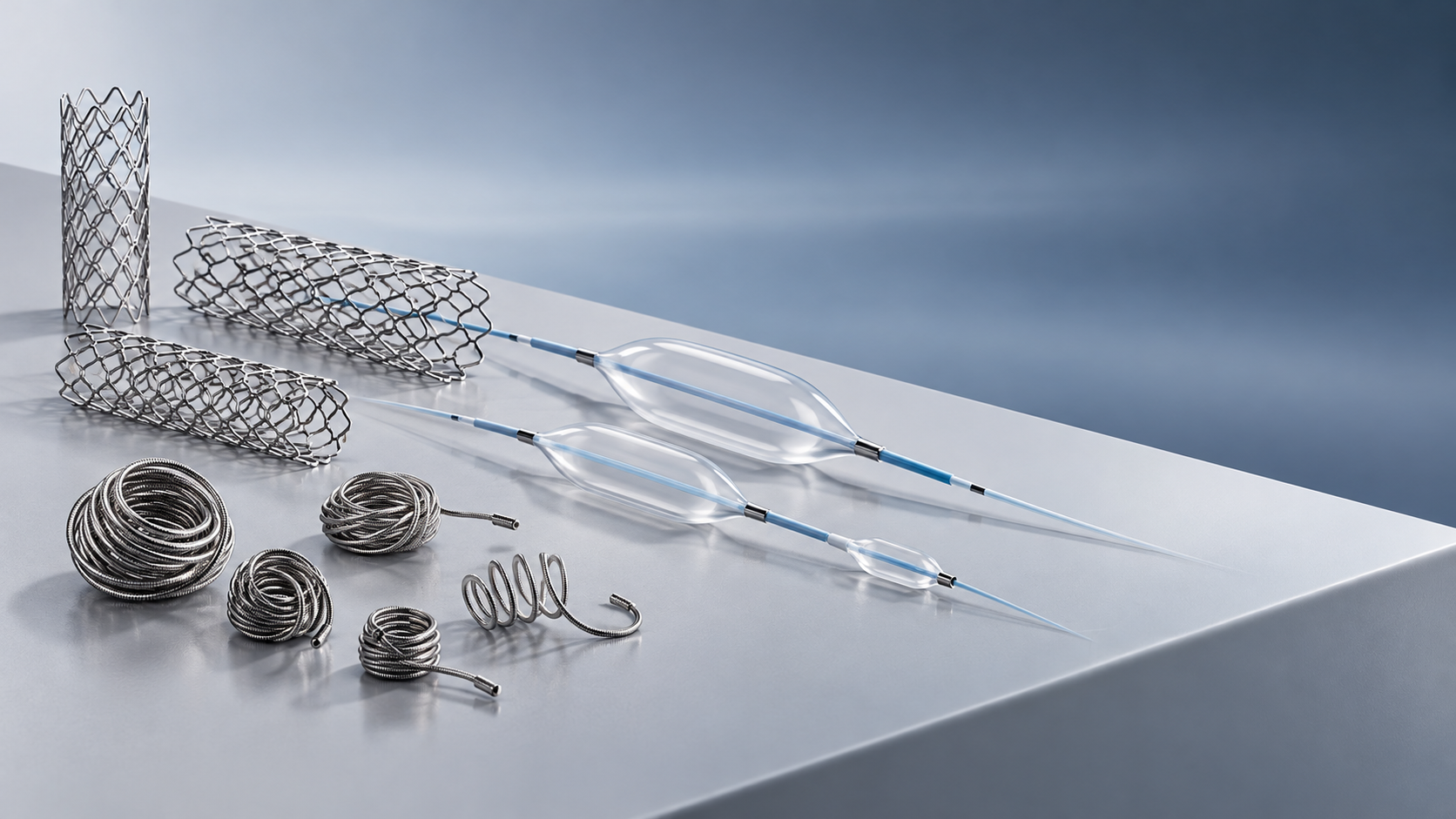
Drug-eluting stents, balloons, and structural heart products face intense pricing pressure alongside strict evidence expectations.
Control strategies should compare lesion suitability, procedural efficiency, restenosis outcomes, and tender-cycle price patterns.
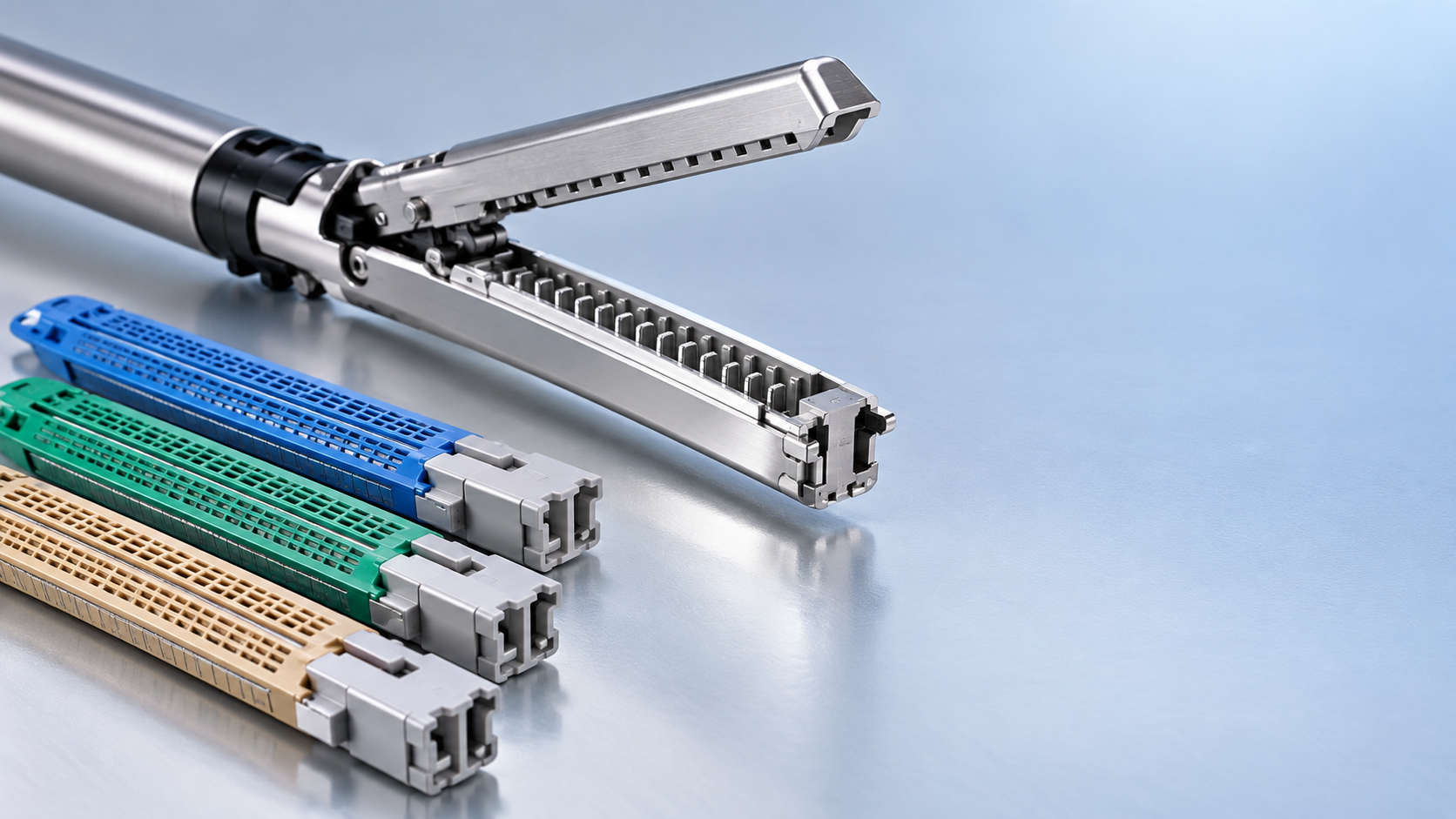
Minimally invasive staplers and surgical consumables
A lower unit price may not lower procedure cost if firing reliability or tissue handling is inconsistent.
Effective medical cost-control solutions assess reload planning, leakage risk, training needs, and utilization controls per case type.
Polymer catheters and access devices
Flexibility, coating performance, thrombosis prevention, and kink resistance affect both safety and total treatment cost.
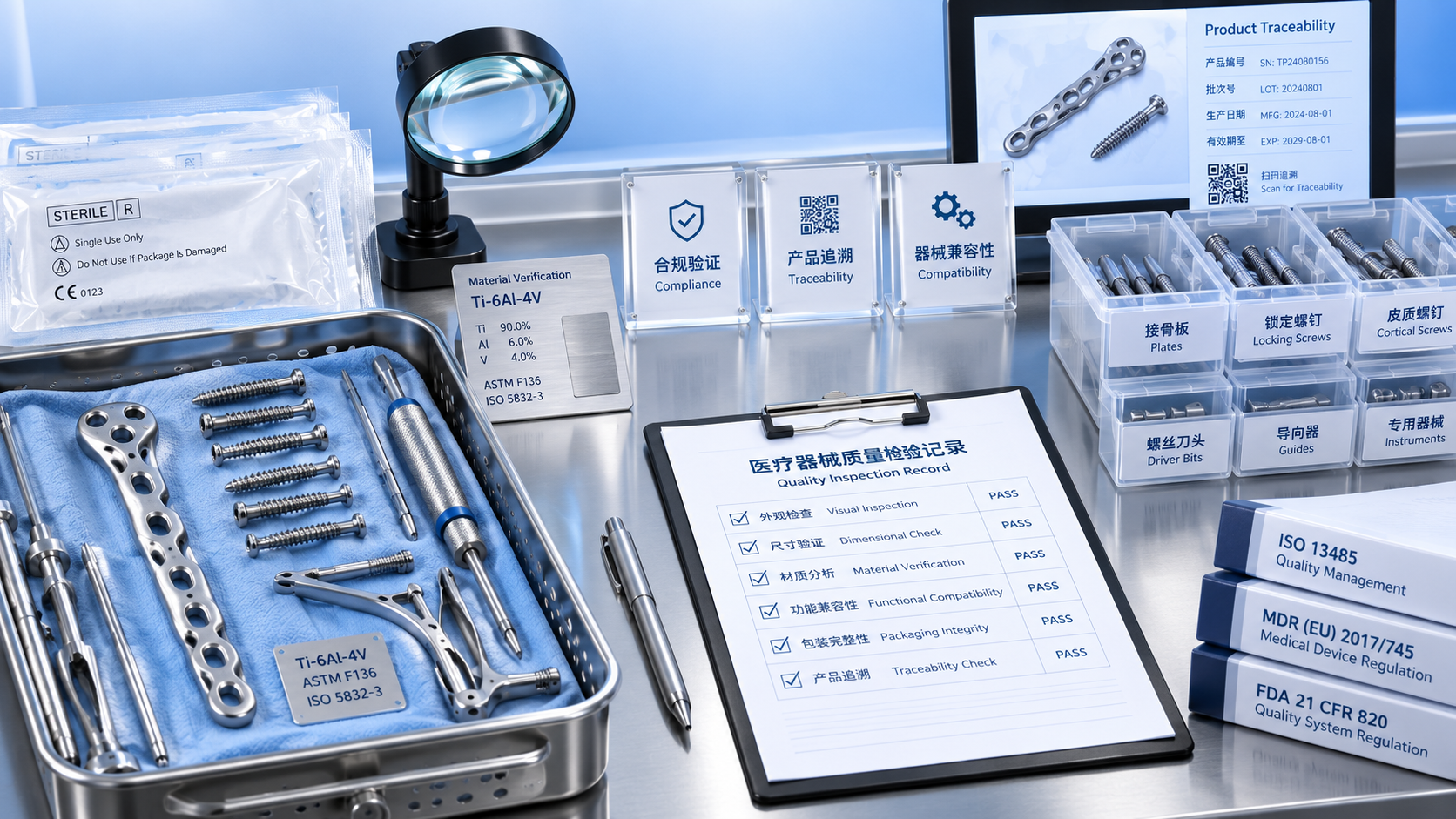
A robust sourcing decision should include material validation and performance consistency across production batches.
Advanced dressings and wound care
Silver foams, alginates, and NPWT products can reduce healing time when used appropriately.
Medical cost-control solutions in this segment should compare wear time, infection control value, and protocol alignment with wound severity.
Practical Business Value of a Structured Cost-Control Framework
Well-designed medical cost-control solutions improve more than budgets. They support consistency, predictability, and stronger internal decision records.
- Reduce unnecessary product variation across similar procedures
- Identify premium products that justify price through measurable outcome value
- Lower risk of compliance gaps during audits or product transitions
- Improve tender preparation with stronger market and evidence positioning
- Protect continuity when supply disruptions affect critical consumables
For broad healthcare systems, the greatest value often comes from combining category intelligence with disciplined execution at the item level.
Typical Scenarios for Applying Medical Cost-Control Solutions
Application methods vary by product risk, treatment urgency, and contract structure. The table below shows common pathways.
Implementation Considerations and Common Pitfalls
Many cost programs fail because they focus only on invoice price. High-value consumables require wider evaluation.
Points that deserve close attention
- Do not assume equivalence without examining CER quality, test data, and post-market performance.
- Avoid over-standardization when patient complexity or anatomical variation needs differentiated products.
- Track the cost of training, instruments, and procedural workflow changes.
- Review supplier resilience, not only current price offers.
- Use policy intelligence early when VBP or reimbursement updates are expected.
IMCS addresses these issues by connecting toxicology validation, clinical evaluation logic, and VBP market simulation into one decision support view.
This helps distinguish true value products from short-term low-price options that may create downstream clinical or operational cost.
Next-Step Direction for Smarter Cost Control
A practical starting point is to map high-spend consumables by risk level, evidence strength, and exposure to policy-driven price change.
From there, build category-specific medical cost-control solutions rather than one uniform rule for all devices.
Priority should go to products with high annual spend, strong substitution potential, or meaningful variation in clinical and technical performance.
IMCS provides the intelligence base to support this work across implants, interventional devices, surgical consumables, catheters, and advanced wound care.
In a market shaped by precision engineering, strict compliance, and VBP pressure, medical cost-control solutions work best when they protect both value and patient outcomes.
Get weekly intelligence in your inbox.
No noise. No sponsored content. Pure intelligence.
News Recommendations
 Oct 26, 2026Can a single approval cover life science product sales worldwide?Can a single approval cover life science product sales worldwide?
 Oct 25, 2026When is sensitization testing needed for medical device biocompatibility?When is sensitization testing needed for medical device biocompatibility?
 Oct 24, 2026How is biocompatibility tested for implantable polymer biomaterials?How is biocompatibility tested for implantable polymer biomaterials?
 Oct 23, 2026How to build reimbursement into an implant commercialization strategyHow to build reimbursement into an implant commercialization strategy
 Oct 22, 2026What clinical evidence do implants need for CE marking under EU MDR?What clinical evidence do implants need for CE marking under EU MDR?
 Oct 21, 2026How to choose disposable laparoscopic stapler reloads for thick tissueHow to choose disposable laparoscopic stapler reloads for thick tissue
 Oct 20, 2026How to assess medical polymer biocompatibility under ISO 10993How to assess medical polymer biocompatibility under ISO 10993
 Oct 19, 2026How do interventional device categories differ in clinical use?How do interventional device categories differ in clinical use?
 Oct 18, 2026When to choose alginate dressings for heavily exuding chronic woundsWhen to choose alginate dressings for heavily exuding chronic wounds
 Oct 17, 2026How is biocompatibility tested for custom medical-grade PEEK implants?How is biocompatibility tested for custom medical-grade PEEK implants?
 Oct 16, 2026How to check a wound healing materials supplier’s biocompatibility dataHow to check a wound healing materials supplier’s biocompatibility data
 Oct 15, 2026How to verify the FDA clearance status of silver wound dressingsHow to verify the FDA clearance status of silver wound dressings
 Oct 14, 2026How to register orthopedic implants and instruments in Latin AmericaHow to register orthopedic implants and instruments in Latin America
 Oct 13, 2026How to use a device market intelligence database to benchmark VBP pricesHow to use a device market intelligence database to benchmark VBP prices
 Oct 12, 2026When should stainless steel orthopedic instruments be replaced?When should stainless steel orthopedic instruments be replaced?
 Oct 11, 2026When are alginate dressings rope the right choice for cavity wounds?When are alginate dressings rope the right choice for cavity wounds?
 Oct 10, 2026When smart minimally invasive technology improves catheter accessWhen smart minimally invasive technology improves catheter access
 Oct 08, 2026Clinical evaluation requirements for cardiovascular implant devices in EuropeClinical evaluation requirements for cardiovascular implant devices in Europe
 Oct 07, 2026What to verify before appointing an artificial joint implants distributorWhat to verify before appointing an artificial joint implants distributor
 Oct 06, 2026How ISO 10993 guides biocompatibility testing for medical materialsHow ISO 10993 guides biocompatibility testing for medical materials
 Oct 05, 2026How to verify an orthopedic implants and instruments exporterHow to verify an orthopedic implants and instruments exporter
 Oct 04, 2026What drives surgical stapling devices price differences in hospital tenders?What drives surgical stapling devices price differences in hospital tenders?
 Oct 03, 2026How to assess a central venous catheter manufacturer's infection-control evidenceHow to assess a central venous catheter manufacturer's infection-control evidence
 Oct 02, 2026How to assess an advanced wound care factory’s quality systemHow to assess an advanced wound care factory’s quality system
 Oct 01, 2026What is driving global medical consumables demand in emerging markets?What is driving global medical consumables demand in emerging markets?
 Sep 30, 2026Implant Material Compliance Testing: Evidence Needed for Regulatory SubmissionImplant Material Compliance Testing: Evidence Needed for Regulatory Submission
 Sep 30, 2026From Corrosion to Fatigue: What Implant Materials Testing Should MeasureFrom Corrosion to Fatigue: What Implant Materials Testing Should Measure