Global Medical Consumables Trends Shaping VBP in 2026
Global medical consumables trends are reshaping Volume-Based Procurement in 2026 with unusual speed. Pricing discipline remains strong, yet clinical value, regulatory readiness, and supply resilience are becoming equally decisive.
Across implants, catheters, staplers, interventional devices, and advanced dressings, market direction now depends on more than bid price. Evidence quality, manufacturing precision, and localized execution increasingly determine long-term access.
For IMCS, this transition confirms a central market reality. High-value consumables must connect biomaterials science, Class III compliance, and VBP strategy through intelligence that is practical, technical, and commercially grounded.
Why global medical consumables trends are resetting VBP assumptions

The earlier VBP logic centered on rapid price compression. In 2026, that logic broadens. Buyers and regulators now ask whether lower pricing can coexist with traceability, outcomes, and stable delivery.
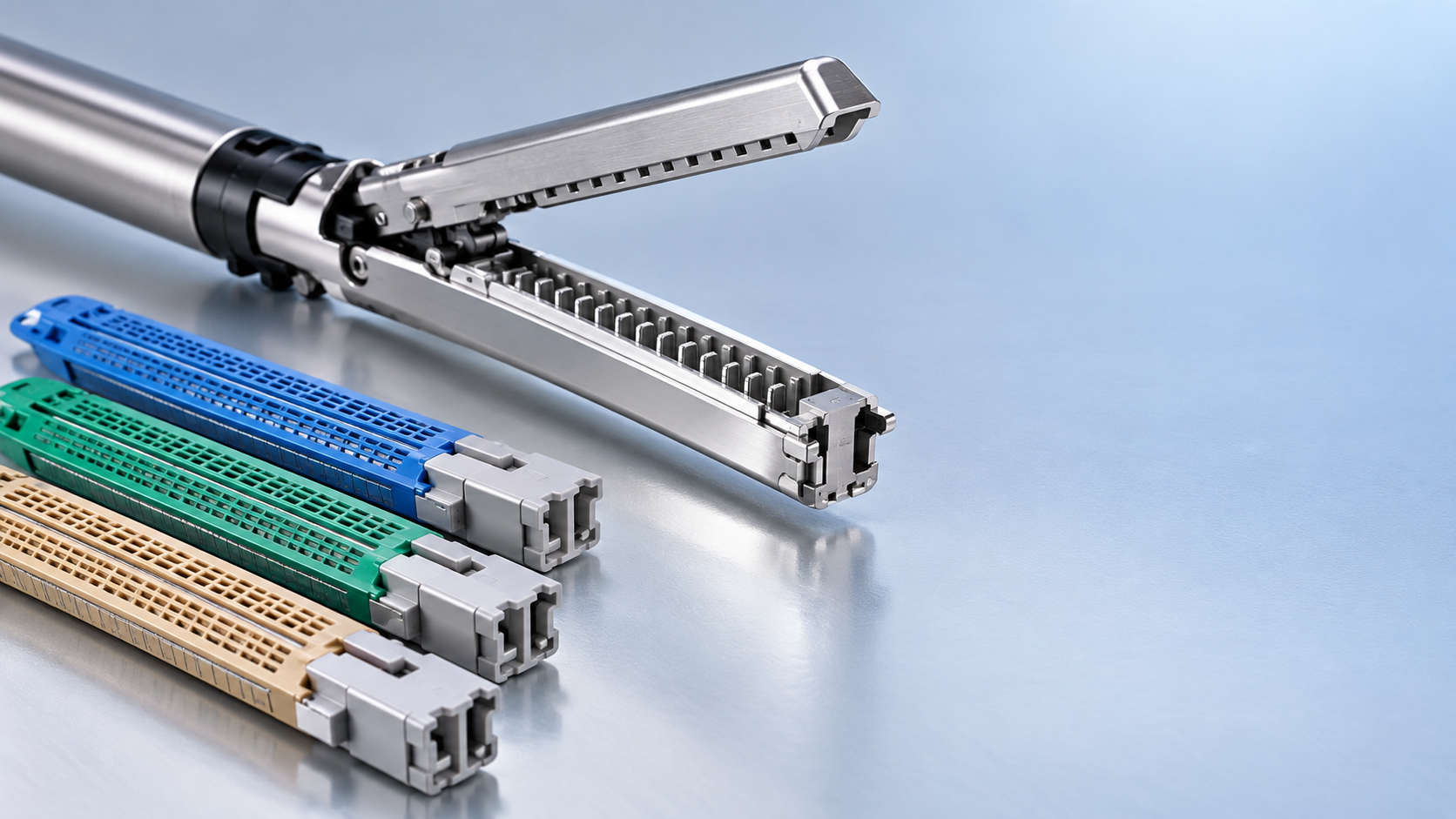
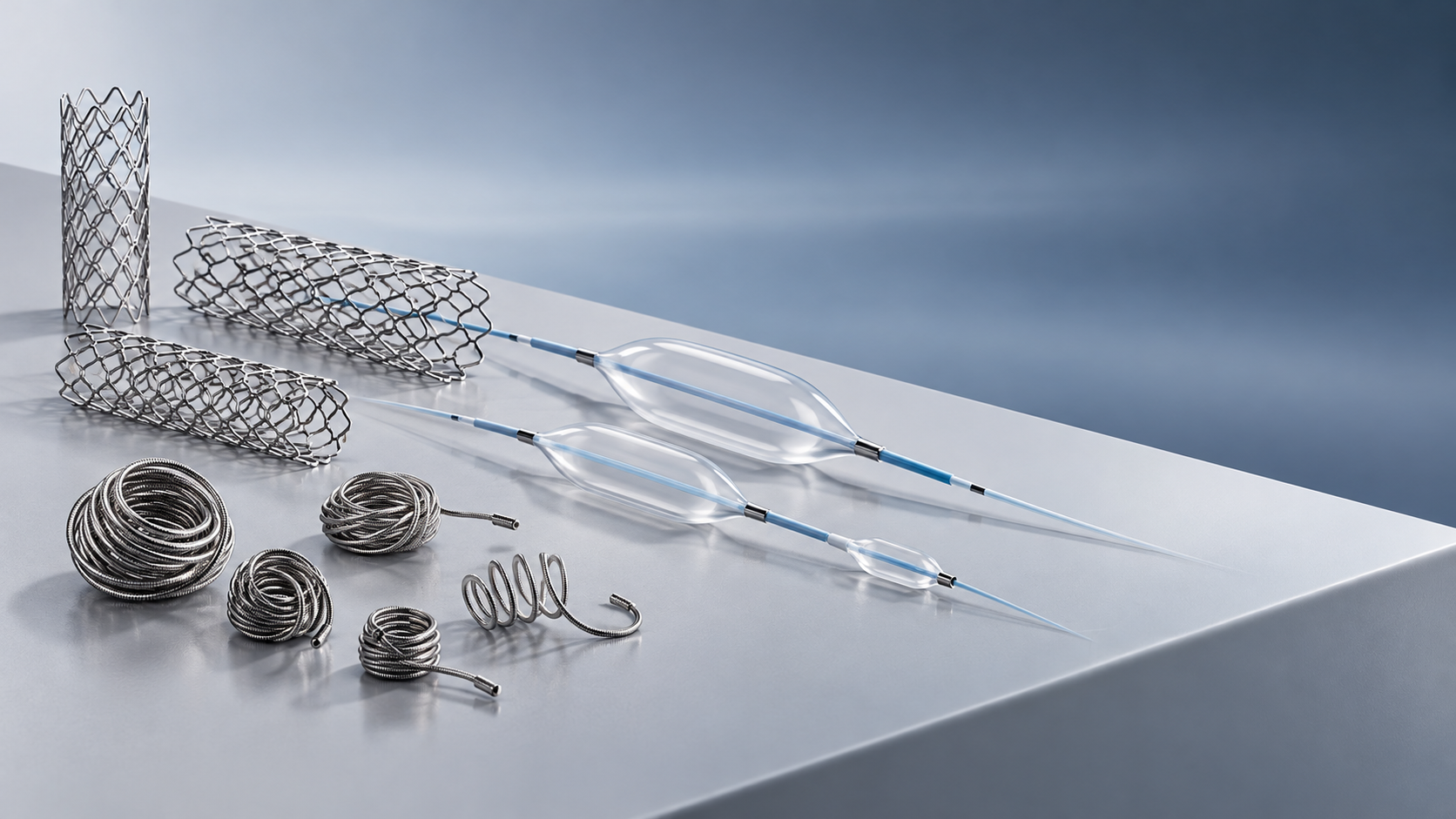
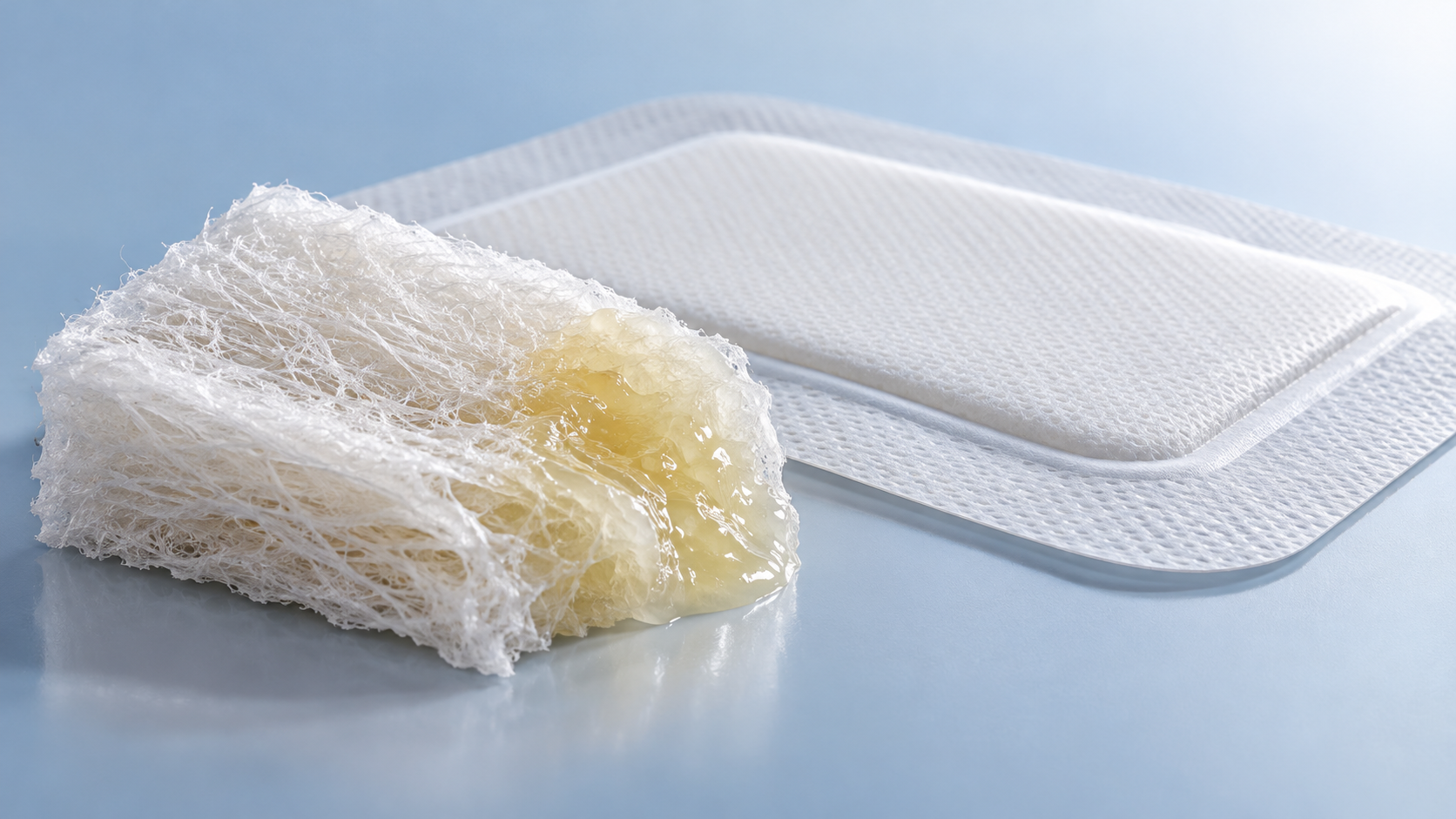
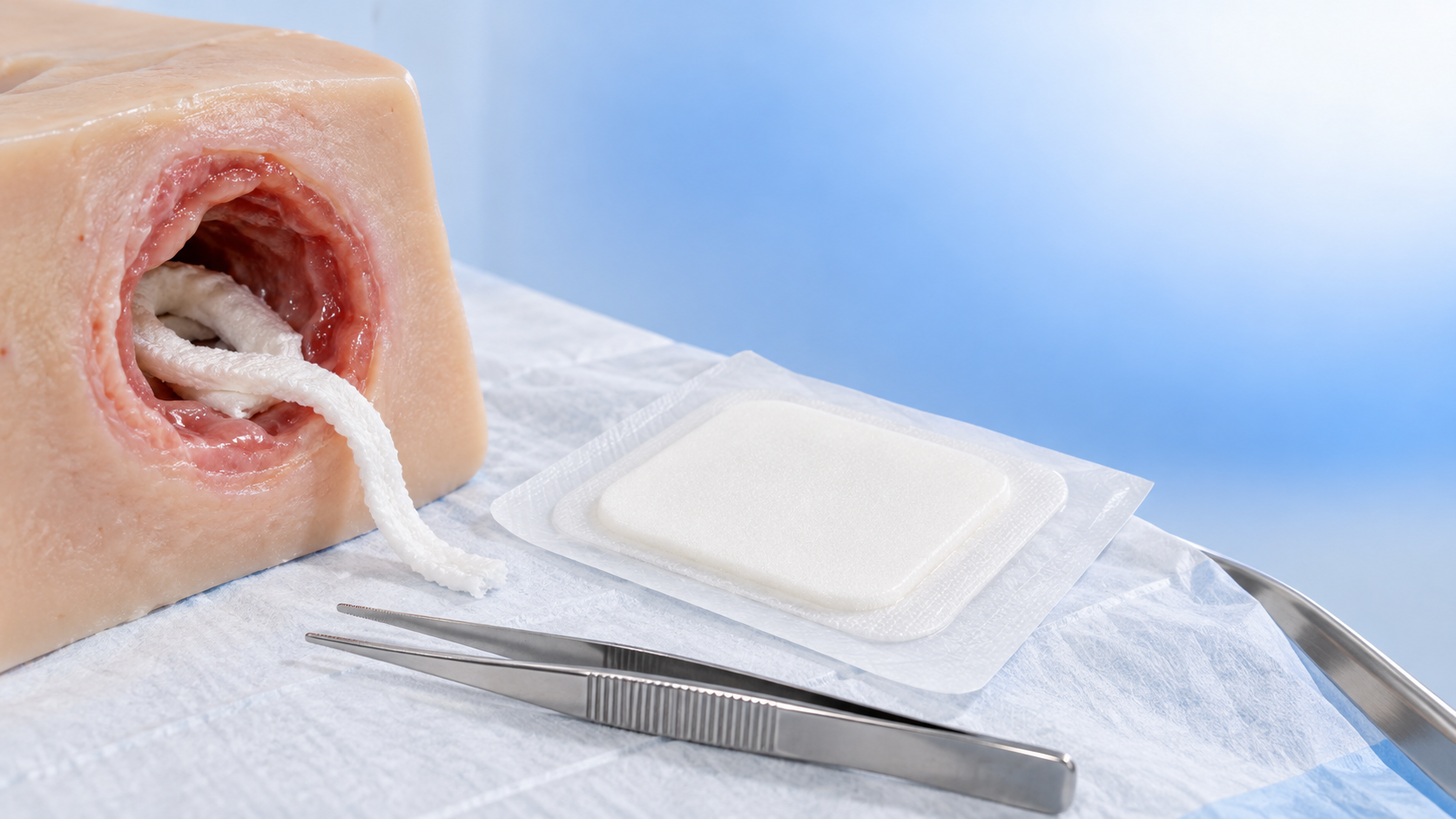
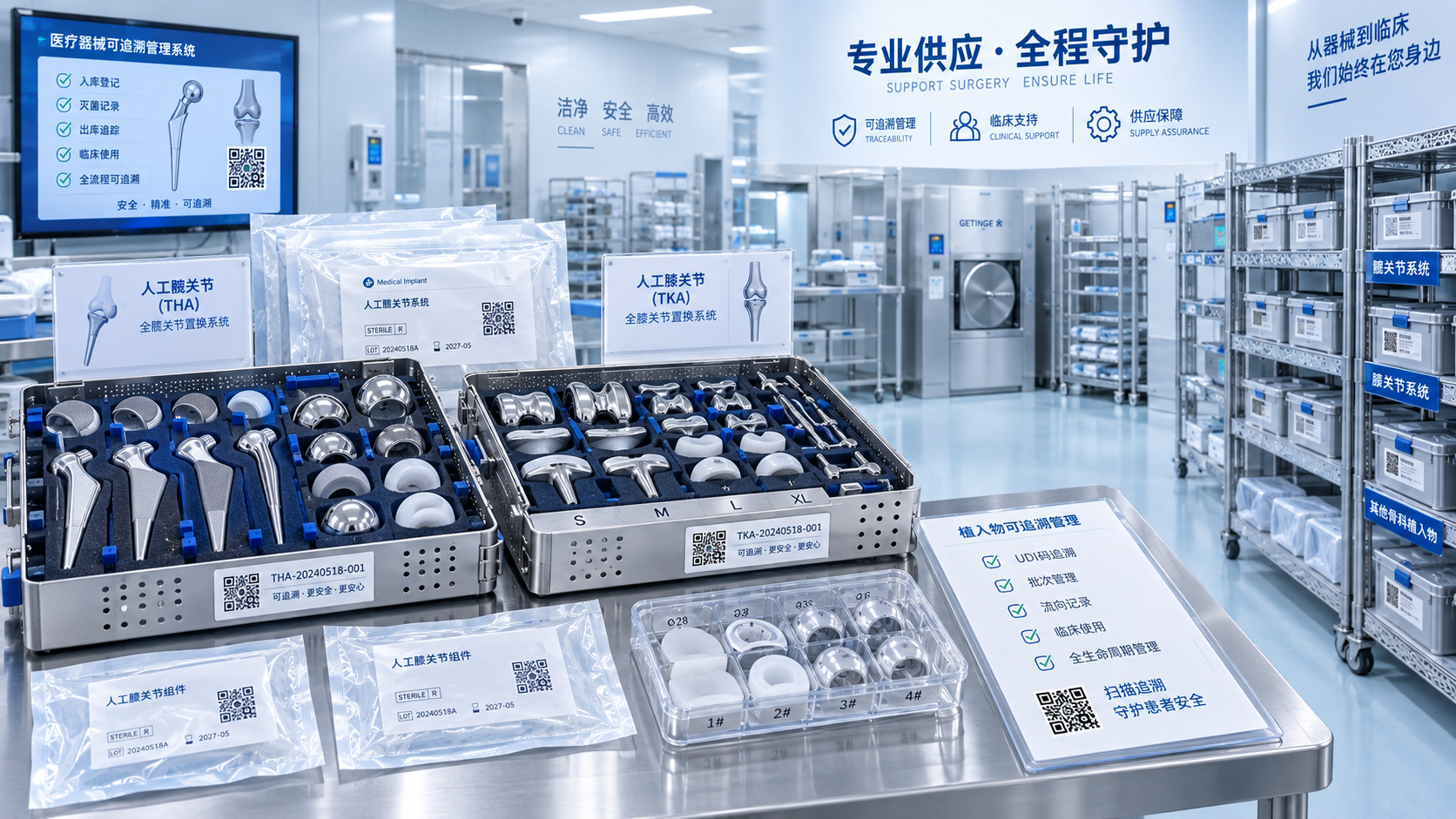
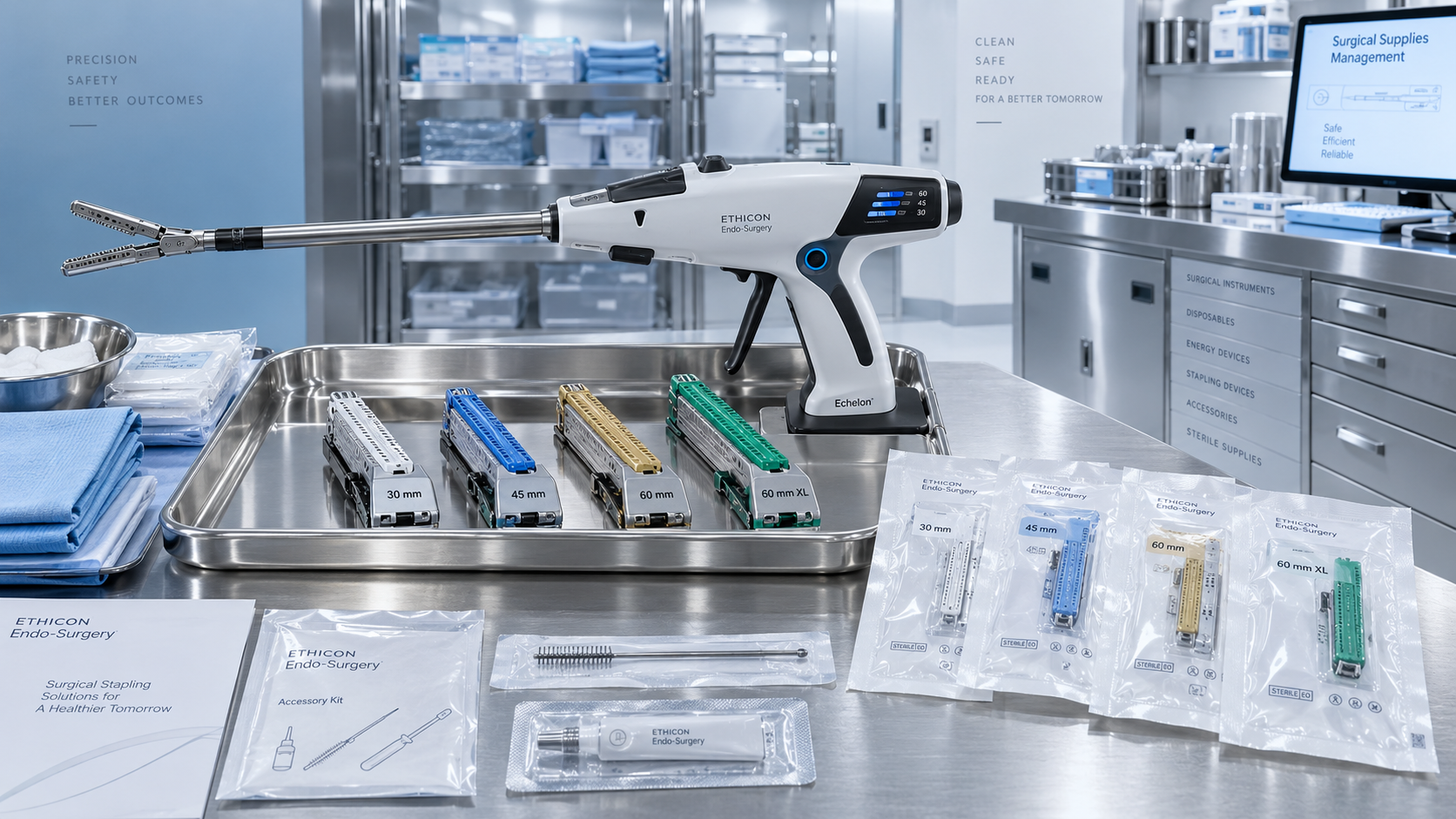
This is especially visible in orthopedic implants, cardiovascular intervention, minimally invasive stapling, polymer catheters, and regenerative wound care. These categories directly affect healing, revision risk, and total treatment economics.
Global medical consumables trends also reflect a more interconnected market. A design change in Europe, a sterilization issue in Asia, or reimbursement reform elsewhere can quickly reshape tender expectations.
As a result, VBP in 2026 is no longer just a procurement event. It is becoming a system test for product maturity, data quality, production capability, and post-market discipline.
The strongest trend signals now visible across medical consumables
Several signals explain why global medical consumables trends are gaining strategic importance. Each one changes how enterprises evaluate product portfolios and market-entry timing.
Clinical value is moving to the center
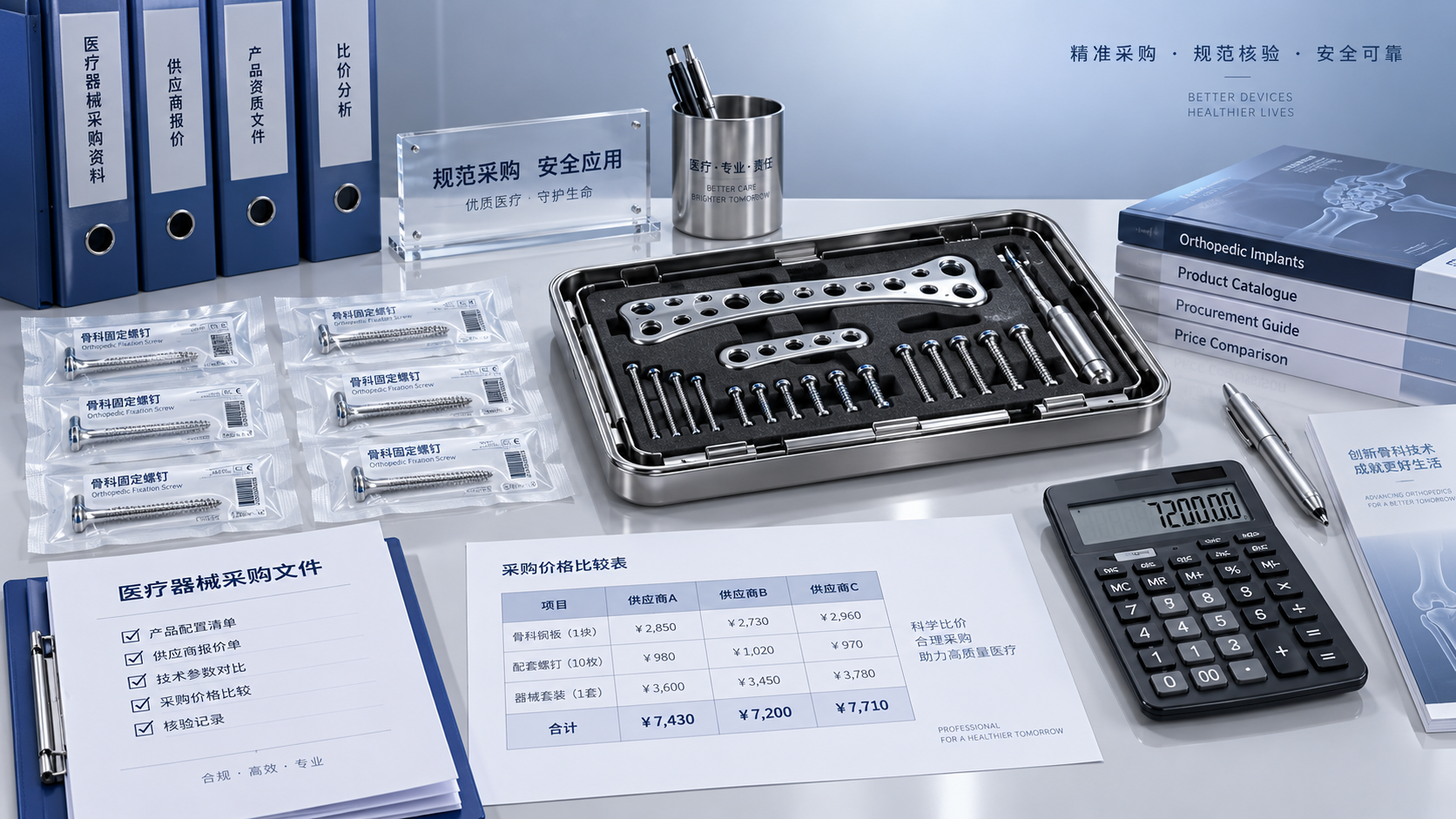
Hospitals and payers increasingly compare not only unit prices, but also revision rates, complication profiles, procedure time, and recovery quality. Consumables with measurable outcome advantages gain stronger negotiating power.
Regulatory evidence is becoming a market filter
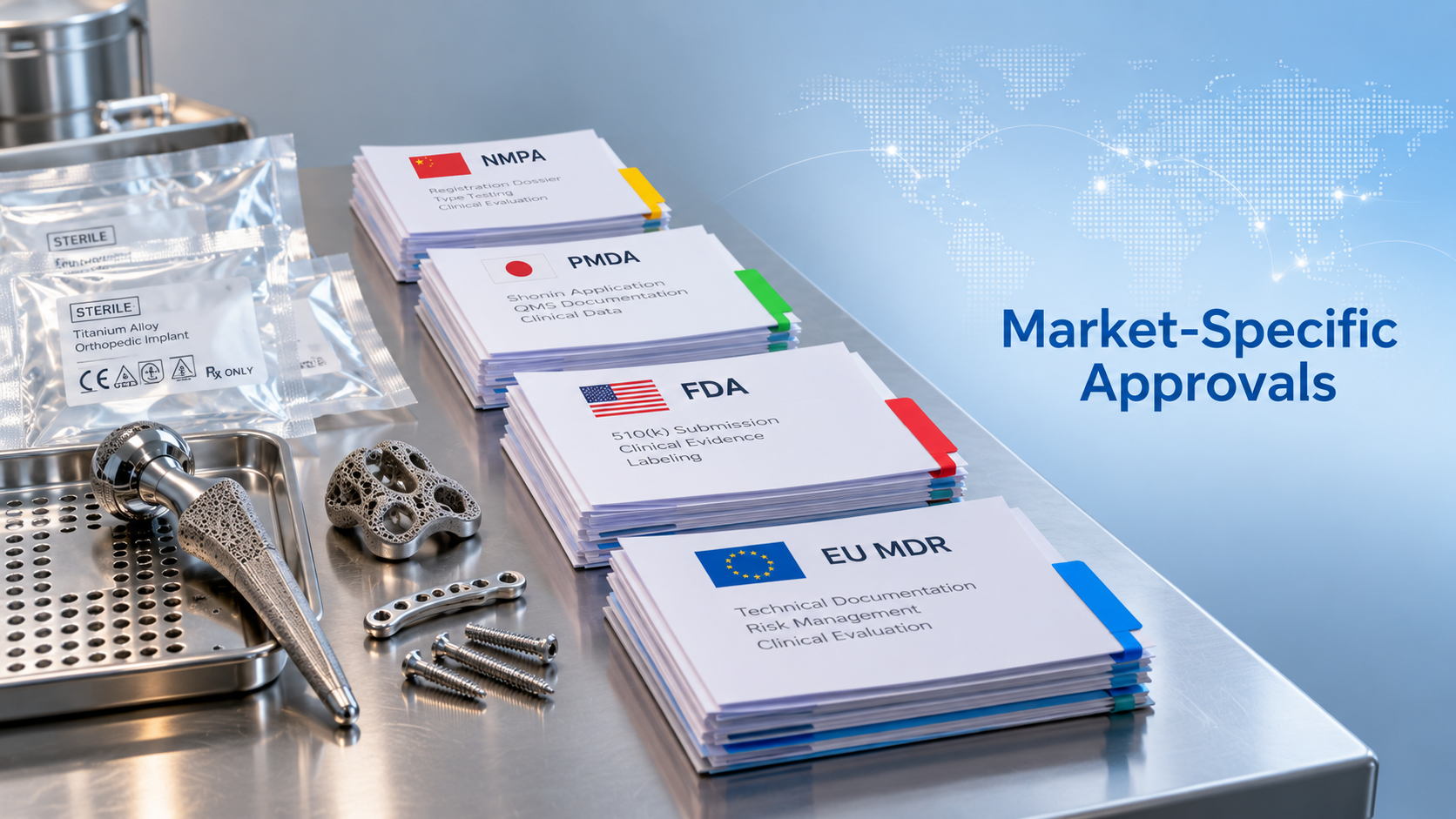
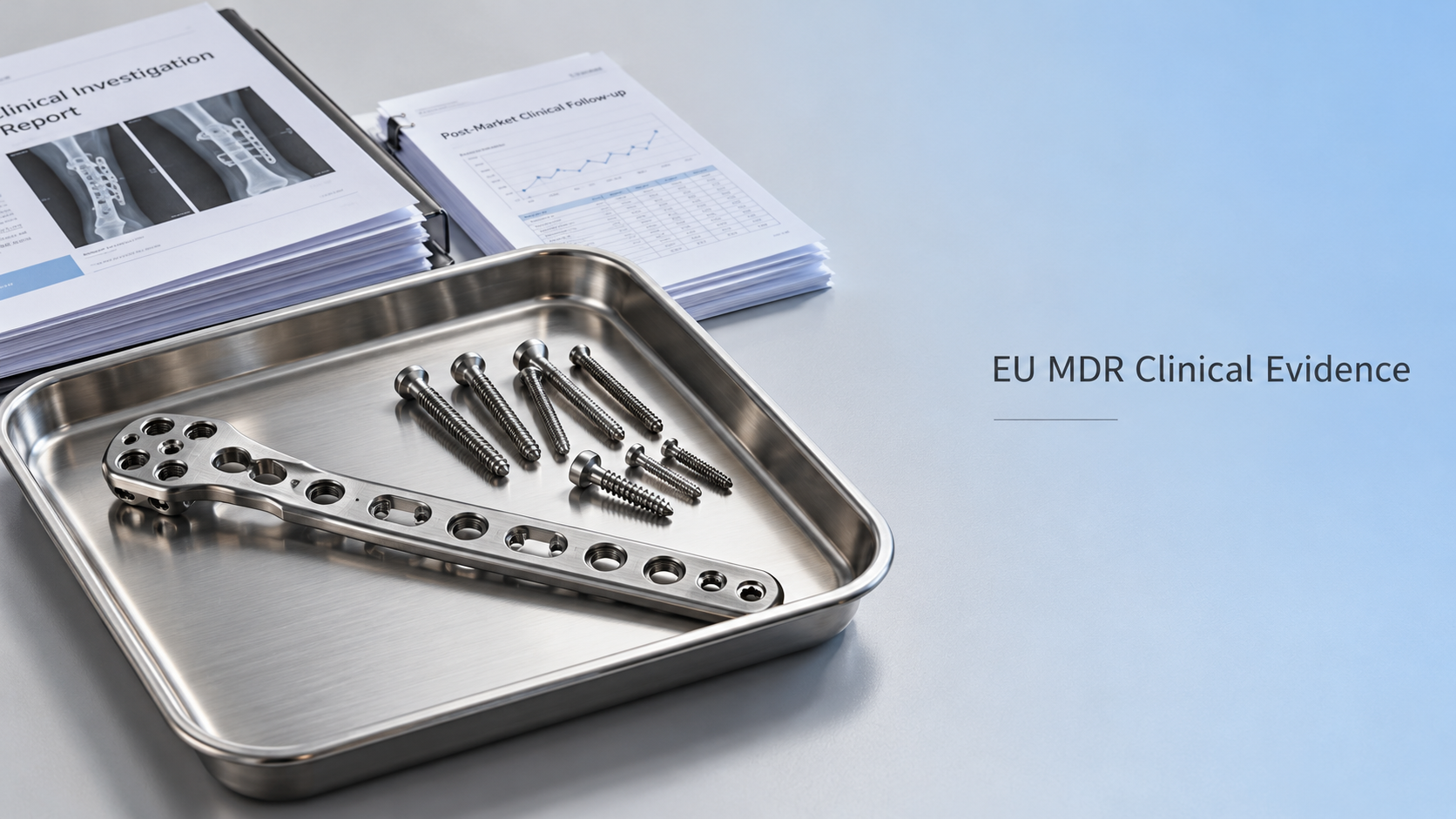
For Class III devices, CE MDR expectations, ISO 10993 validation, and post-market surveillance depth are shaping commercial viability. Weak evidence packages can block participation even before pricing discussions begin.
Localization and supply security matter more
Tender systems increasingly reward reliable production planning, regional fulfillment, and dual-source readiness. Global medical consumables trends now favor organizations that reduce disruption risk without sacrificing consistency.
Material science is becoming a differentiation engine
Porous trabecular structures, PEEK components, hydrophilic coatings, anti-thrombotic surfaces, and smart wound substrates are raising performance benchmarks. VBP pressure does not eliminate innovation; it forces innovation to prove value faster.
What is driving these global medical consumables trends in 2026
The strongest drivers combine policy, clinical demand, technology, and capital discipline. Together, they explain why VBP frameworks are becoming more complex rather than simply more aggressive.
These forces are reinforcing one another. That is why global medical consumables trends should be interpreted as structural shifts, not short-term procurement noise.
How different business links will feel the impact
The influence of global medical consumables trends is uneven. Some functions face direct pricing pressure, while others gain strategic importance because they protect margin, eligibility, or adoption.
- R&D teams must generate products with clearer clinical endpoints and stronger human-factor usability.
- Regulatory functions need earlier evidence planning, especially for biocompatibility, CER updates, and post-market follow-up.
- Manufacturing operations must improve yield, sterilization control, and traceable scale-up under cost constraints.
- Commercial planning requires segmented pricing logic instead of uniform discounting across all markets.
- Supply chain strategy now needs redundancy, regional responsiveness, and stronger critical-material visibility.
Category effects also differ. Orthopedic systems may compete through longevity and osseointegration. Cardiovascular products often compete through precision delivery and evidence. Wound care competes through healing speed and complication reduction.
In every case, global medical consumables trends are rewarding proof. Claims that cannot be defended with technical data, clinical logic, or real-world outcomes are losing influence in VBP discussions.
The priority watchpoints for 2026 decision-making
Enterprises navigating VBP should track a focused set of indicators. These signals often reveal whether a category is entering a new competitive phase.
- Tender rules that add quality scoring, clinical evidence thresholds, or supply continuity requirements.
- Shifts in reference pricing caused by domestic substitution or regional capacity expansion.
- Regulatory updates affecting implant claims, equivalence pathways, or biological safety expectations.
- Hospital preference for integrated solutions rather than single-device bids.
- Raw material volatility in titanium, medical polymers, coatings, and sterile packaging inputs.
- Real-world evidence showing lower revisions, fewer adverse events, or faster healing.
Monitoring these watchpoints helps convert global medical consumables trends into action. It also supports better sequencing across innovation investment, pricing strategy, and regional commercialization.
Practical response paths for stronger positioning under VBP
A useful response starts with portfolio clarity. Not every product should compete on the same terms. Some should lead with value evidence, while others should optimize operational efficiency.
For organizations active in implants and advanced consumables, IMCS-style intelligence can be especially valuable. Technical validation, clinical logic, and VBP simulation are increasingly interdependent rather than separate workstreams.
A grounded outlook on global medical consumables trends beyond 2026
The next phase will likely reward companies that make innovation measurable. Smart materials, personalized implant geometry, improved coatings, and advanced wound environments can all succeed when evidence links them to better outcomes.
At the same time, global medical consumables trends suggest that pure premium positioning will face limits. Winning models will combine acceptable pricing with strong clinical narratives and disciplined operational delivery.
This is why 2026 should be viewed as a sorting year. Products with regulatory depth, reliable production, and clear therapeutic value will separate from those built only for short-term bid participation.
The next practical step is to review each category against three questions: can it prove value, can it scale compliantly, and can it remain competitive under VBP pressure?
Those answers create a stronger roadmap for pricing, evidence, and market sequencing. They also turn global medical consumables trends from external uncertainty into a usable strategic advantage.
Get weekly intelligence in your inbox.
No noise. No sponsored content. Pure intelligence.
News Recommendations
 Oct 26, 2026Can a single approval cover life science product sales worldwide?Can a single approval cover life science product sales worldwide?
 Oct 25, 2026When is sensitization testing needed for medical device biocompatibility?When is sensitization testing needed for medical device biocompatibility?
 Oct 24, 2026How is biocompatibility tested for implantable polymer biomaterials?How is biocompatibility tested for implantable polymer biomaterials?
 Oct 23, 2026How to build reimbursement into an implant commercialization strategyHow to build reimbursement into an implant commercialization strategy
 Oct 22, 2026What clinical evidence do implants need for CE marking under EU MDR?What clinical evidence do implants need for CE marking under EU MDR?
 Oct 21, 2026How to choose disposable laparoscopic stapler reloads for thick tissueHow to choose disposable laparoscopic stapler reloads for thick tissue
 Oct 20, 2026How to assess medical polymer biocompatibility under ISO 10993How to assess medical polymer biocompatibility under ISO 10993
 Oct 19, 2026How do interventional device categories differ in clinical use?How do interventional device categories differ in clinical use?
 Oct 18, 2026When to choose alginate dressings for heavily exuding chronic woundsWhen to choose alginate dressings for heavily exuding chronic wounds
 Oct 17, 2026How is biocompatibility tested for custom medical-grade PEEK implants?How is biocompatibility tested for custom medical-grade PEEK implants?
 Oct 16, 2026How to check a wound healing materials supplier’s biocompatibility dataHow to check a wound healing materials supplier’s biocompatibility data
 Oct 15, 2026How to verify the FDA clearance status of silver wound dressingsHow to verify the FDA clearance status of silver wound dressings
 Oct 14, 2026How to register orthopedic implants and instruments in Latin AmericaHow to register orthopedic implants and instruments in Latin America
 Oct 13, 2026How to use a device market intelligence database to benchmark VBP pricesHow to use a device market intelligence database to benchmark VBP prices
 Oct 12, 2026When should stainless steel orthopedic instruments be replaced?When should stainless steel orthopedic instruments be replaced?
 Oct 11, 2026When are alginate dressings rope the right choice for cavity wounds?When are alginate dressings rope the right choice for cavity wounds?
 Oct 10, 2026When smart minimally invasive technology improves catheter accessWhen smart minimally invasive technology improves catheter access
 Oct 08, 2026Clinical evaluation requirements for cardiovascular implant devices in EuropeClinical evaluation requirements for cardiovascular implant devices in Europe
 Oct 07, 2026What to verify before appointing an artificial joint implants distributorWhat to verify before appointing an artificial joint implants distributor
 Oct 06, 2026How ISO 10993 guides biocompatibility testing for medical materialsHow ISO 10993 guides biocompatibility testing for medical materials
 Oct 05, 2026How to verify an orthopedic implants and instruments exporterHow to verify an orthopedic implants and instruments exporter
 Oct 04, 2026What drives surgical stapling devices price differences in hospital tenders?What drives surgical stapling devices price differences in hospital tenders?
 Oct 03, 2026How to assess a central venous catheter manufacturer's infection-control evidenceHow to assess a central venous catheter manufacturer's infection-control evidence
 Oct 02, 2026How to assess an advanced wound care factory’s quality systemHow to assess an advanced wound care factory’s quality system
 Oct 01, 2026What is driving global medical consumables demand in emerging markets?What is driving global medical consumables demand in emerging markets?
 Sep 30, 2026Implant Material Compliance Testing: Evidence Needed for Regulatory SubmissionImplant Material Compliance Testing: Evidence Needed for Regulatory Submission
 Sep 30, 2026From Corrosion to Fatigue: What Implant Materials Testing Should MeasureFrom Corrosion to Fatigue: What Implant Materials Testing Should Measure