Smart Minimally Invasive Technology: Investment Value Beyond the Hype
Beyond market excitement, smart minimally invasive technology deserves analysis through cash flow durability, regulatory strength, and clinical dependence.
In advanced medical consumables, value rarely comes from headlines alone. It comes from platforms solving real procedural pain with measurable precision and scalable economics.
For sectors tracked by IMCS, the strongest signals appear where smart minimally invasive technology aligns with biocompatible materials, micron-level manufacturing, and reimbursement-supported demand.
This article answers the practical questions behind the theme and identifies where investment value may outlast the hype cycle.
What does smart minimally invasive technology really include?
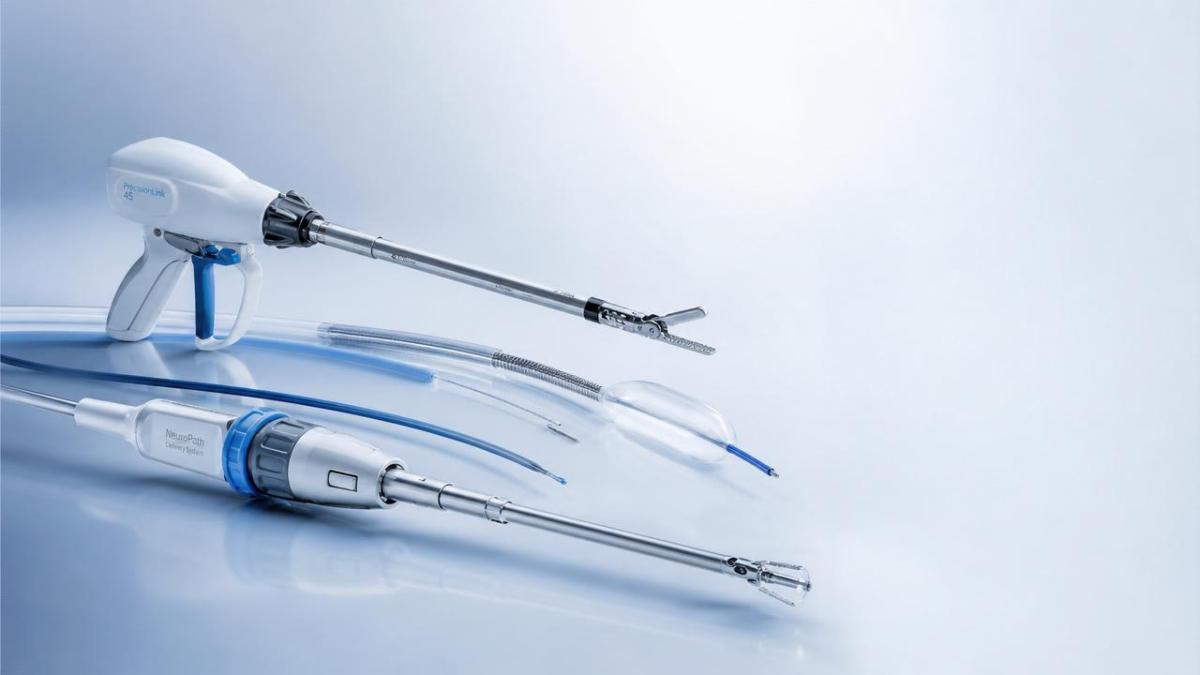
Smart minimally invasive technology is not one device category. It is a system of tools, materials, software logic, and procedural workflows.
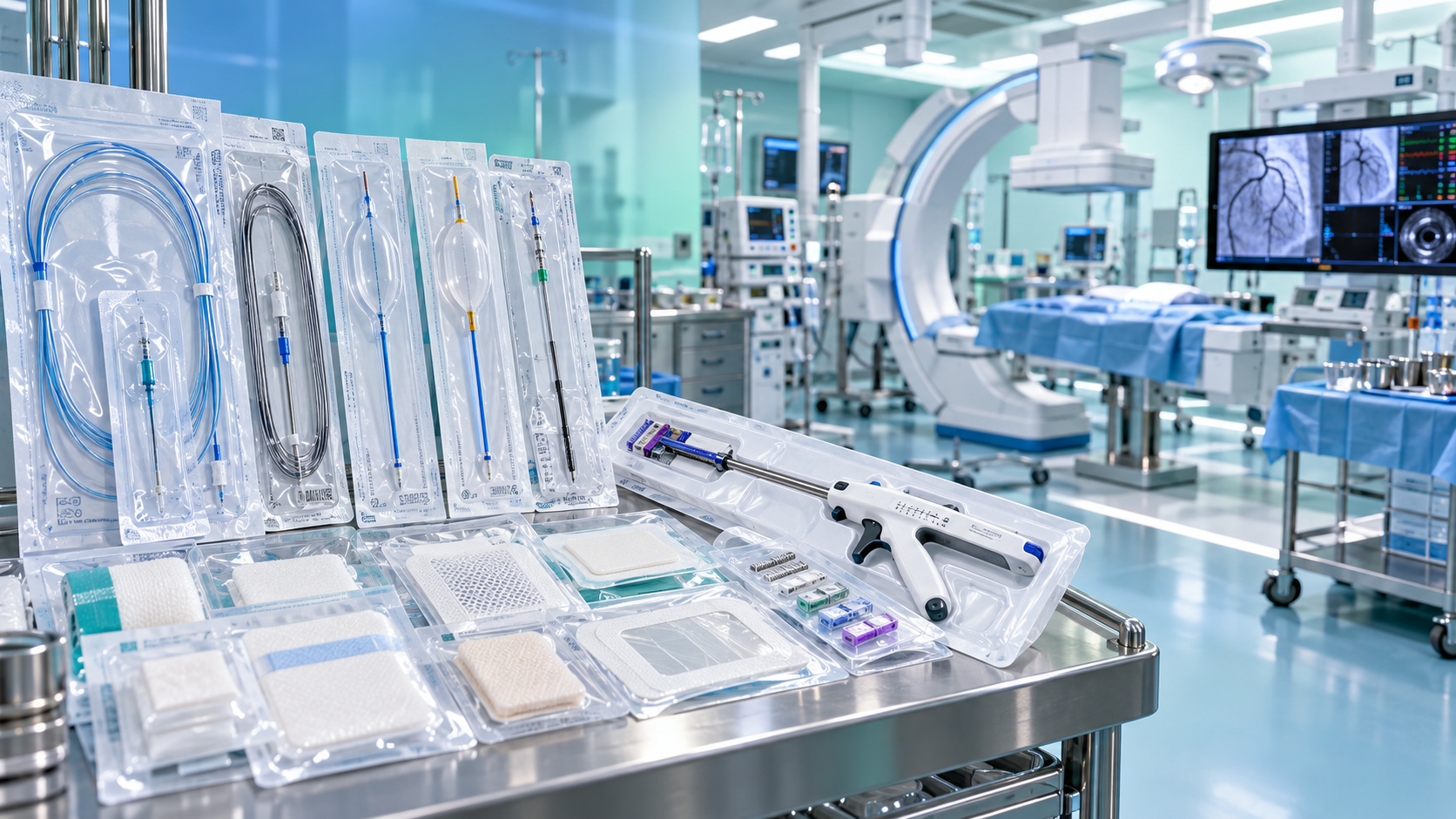
In practice, it spans staplers, catheters, guide systems, implant delivery tools, tissue repair materials, and imaging-assisted intervention platforms.
The word smart matters. It suggests improved sensing, precision control, navigation, data capture, and procedural consistency.
The minimally invasive part matters even more. It reduces trauma, shortens recovery, and often lowers total care burden.
That combination is why smart minimally invasive technology attracts sustained capital attention across orthopedics, cardiovascular intervention, and surgical consumables.
The investment case improves when intelligence is embedded in disposable-heavy workflows rather than limited to expensive capital equipment alone.
Where is the strongest commercial concentration?
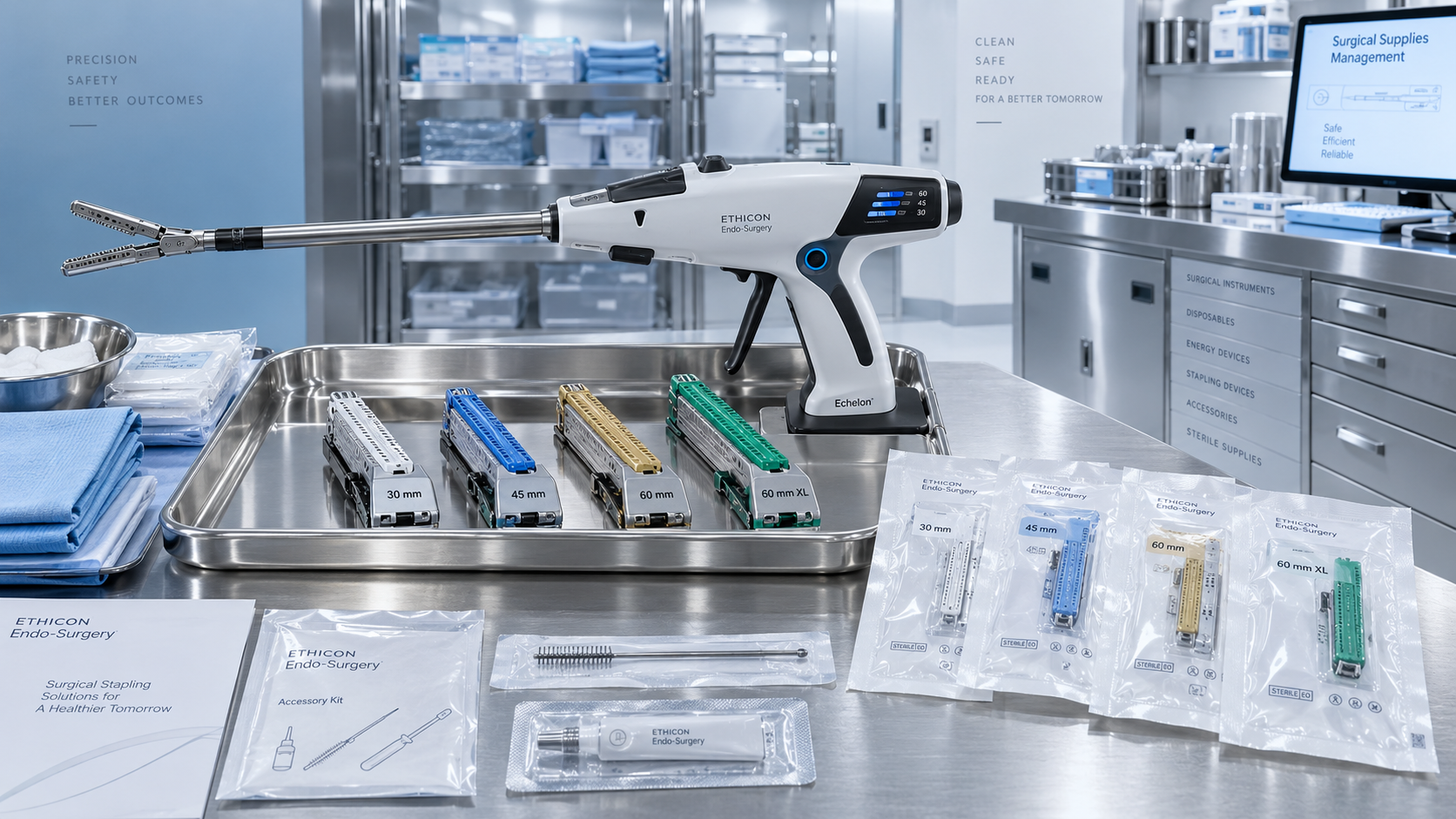
- Endoscopic and laparoscopic stapling systems
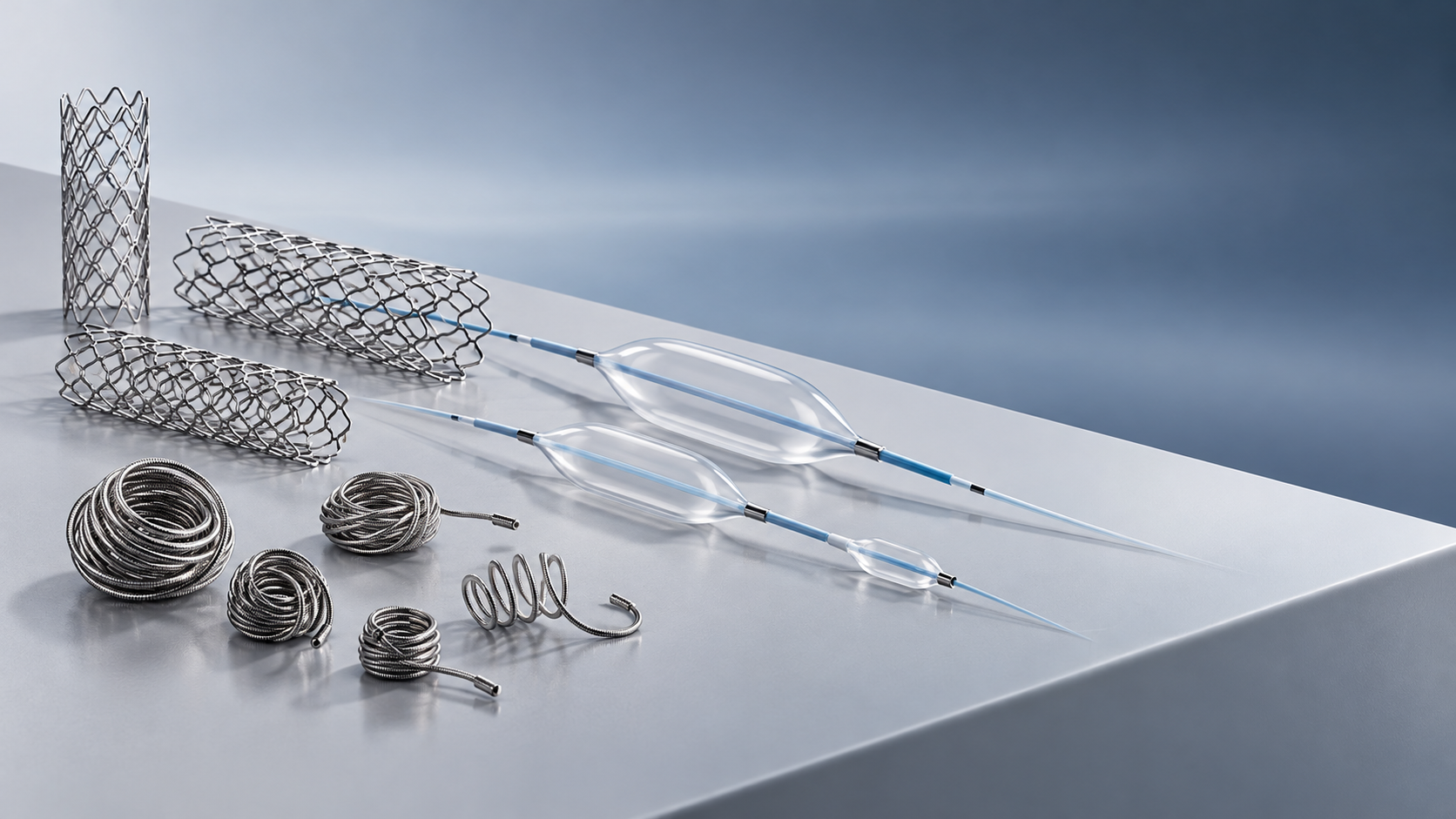
- Cardiovascular interventional delivery and support devices
- Hydrophilic and anti-thrombotic catheter platforms
- Advanced wound management linked to postoperative recovery
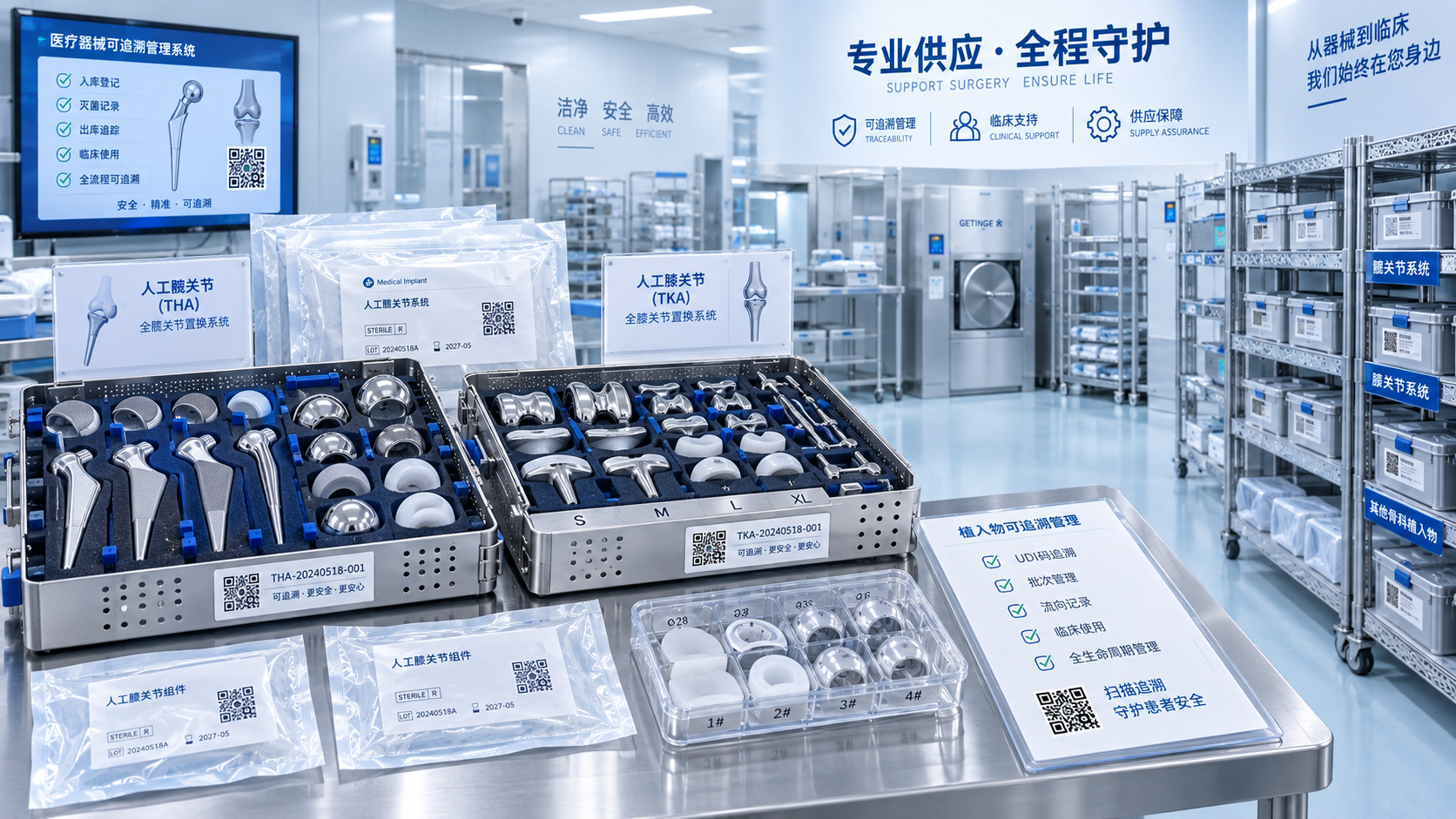
- Navigation-assisted implant placement tools
Why can smart minimally invasive technology create value beyond hype?
Hype usually focuses on futuristic claims. Durable value comes from repeat procedures, standard-of-care adoption, and switching costs tied to outcomes.
Smart minimally invasive technology often improves operating efficiency. That matters because procedural minutes, complication rates, and revision risks directly affect economics.
When a device cuts leakage risk, improves staple line consistency, or navigates tortuous anatomy better, clinical adoption becomes less speculative.
The best platforms also benefit from recurring consumable demand. This creates stronger visibility than one-time equipment sales.
Another reason is demographic pressure. Aging populations increase demand for interventions that restore function while reducing hospital stay and recovery burden.
In this context, smart minimally invasive technology fits both clinical necessity and cost containment, a rare but powerful combination.
What makes returns more durable?
Four elements usually reinforce durability: evidence, regulation, manufacturing difficulty, and installed procedural habit.
Evidence supports reimbursement and hospital acceptance. Regulation filters weaker entrants. Precision manufacturing limits easy replication. Procedural habit sustains market share.
Which segments show the clearest investment logic today?
Not every segment offers equal quality. Some categories have stronger margins, better defensibility, or clearer replacement cycles.
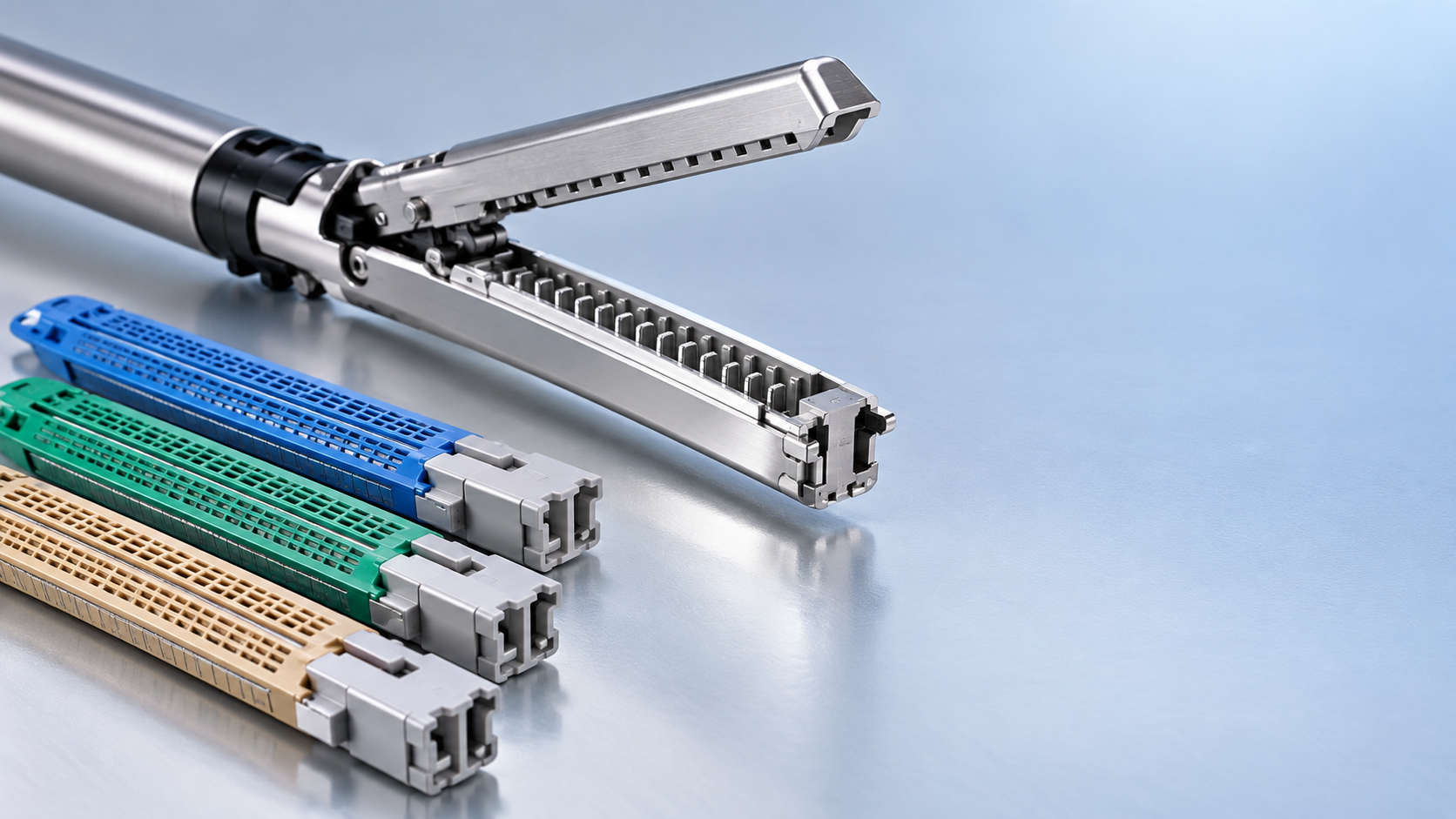
Minimally invasive staplers remain attractive because they are essential, procedure-linked, and technically sensitive to precision, reload quality, and ergonomic performance.
Cardiovascular intervention remains critical because catheters, DES support tools, and structural heart delivery systems depend on exact tolerances and trusted clinical outcomes.
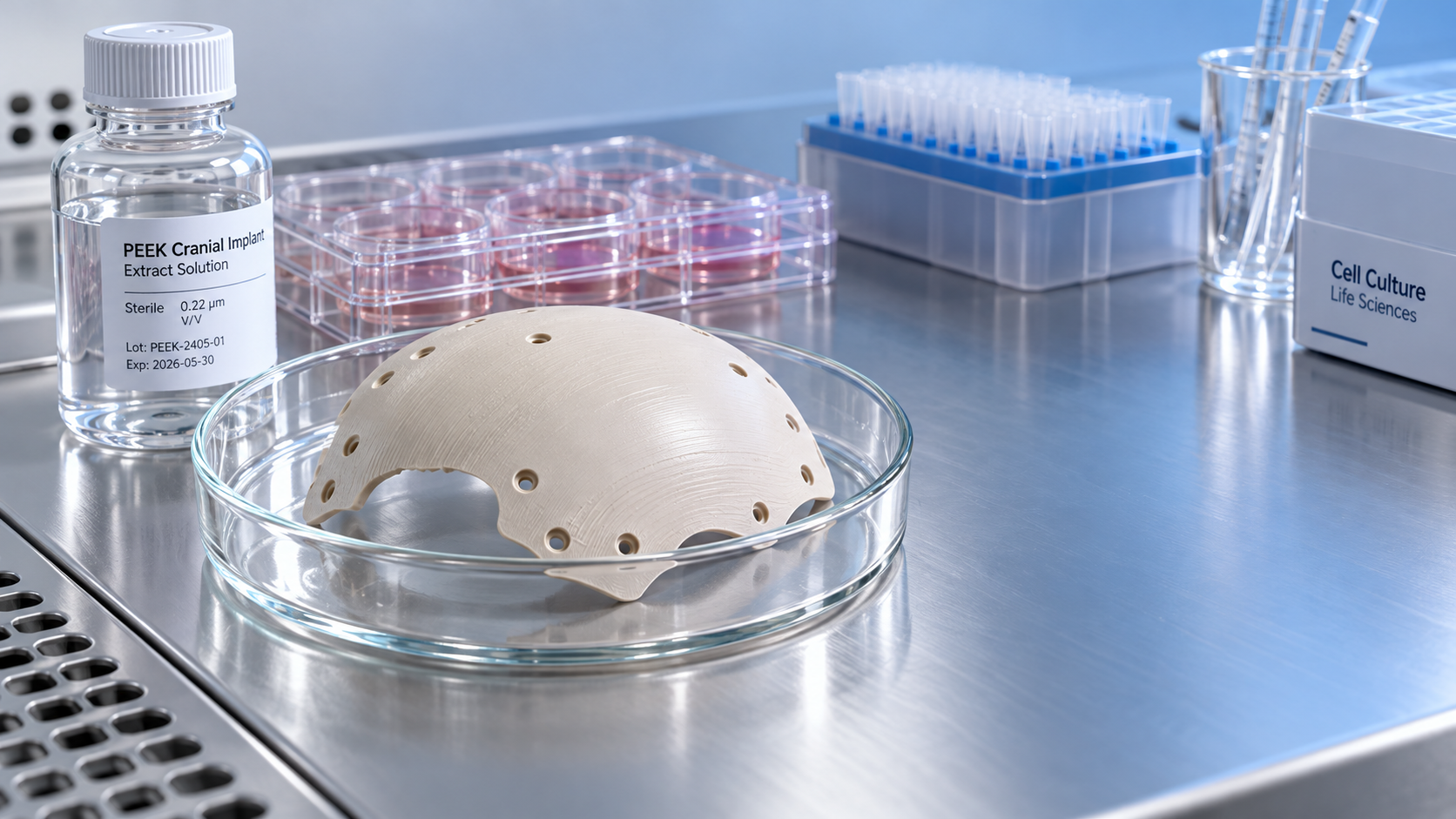
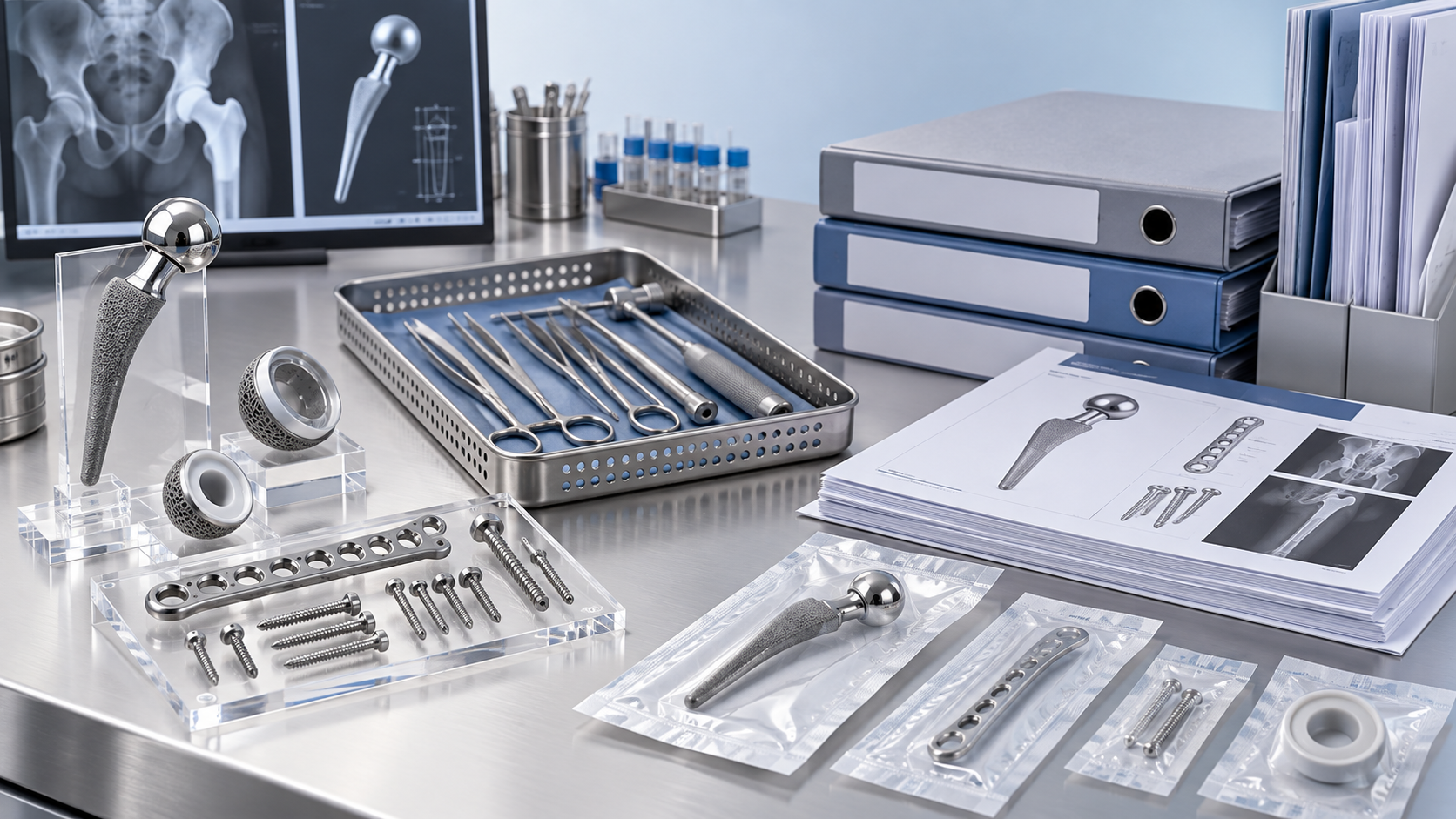
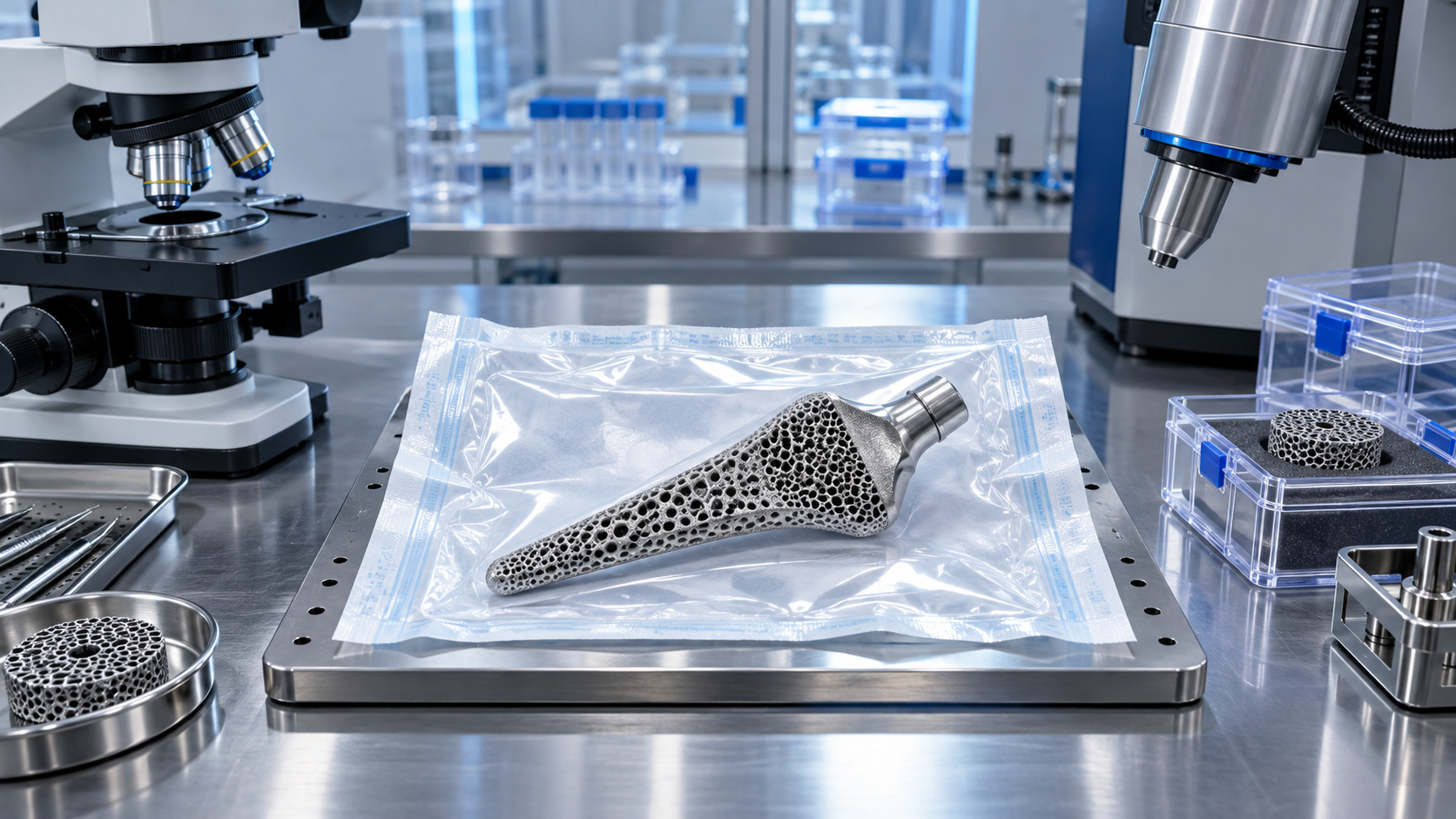
Orthopedic smart tools also matter, especially where navigation, porous implant compatibility, and personalized placement improve function and reduce revision probability.
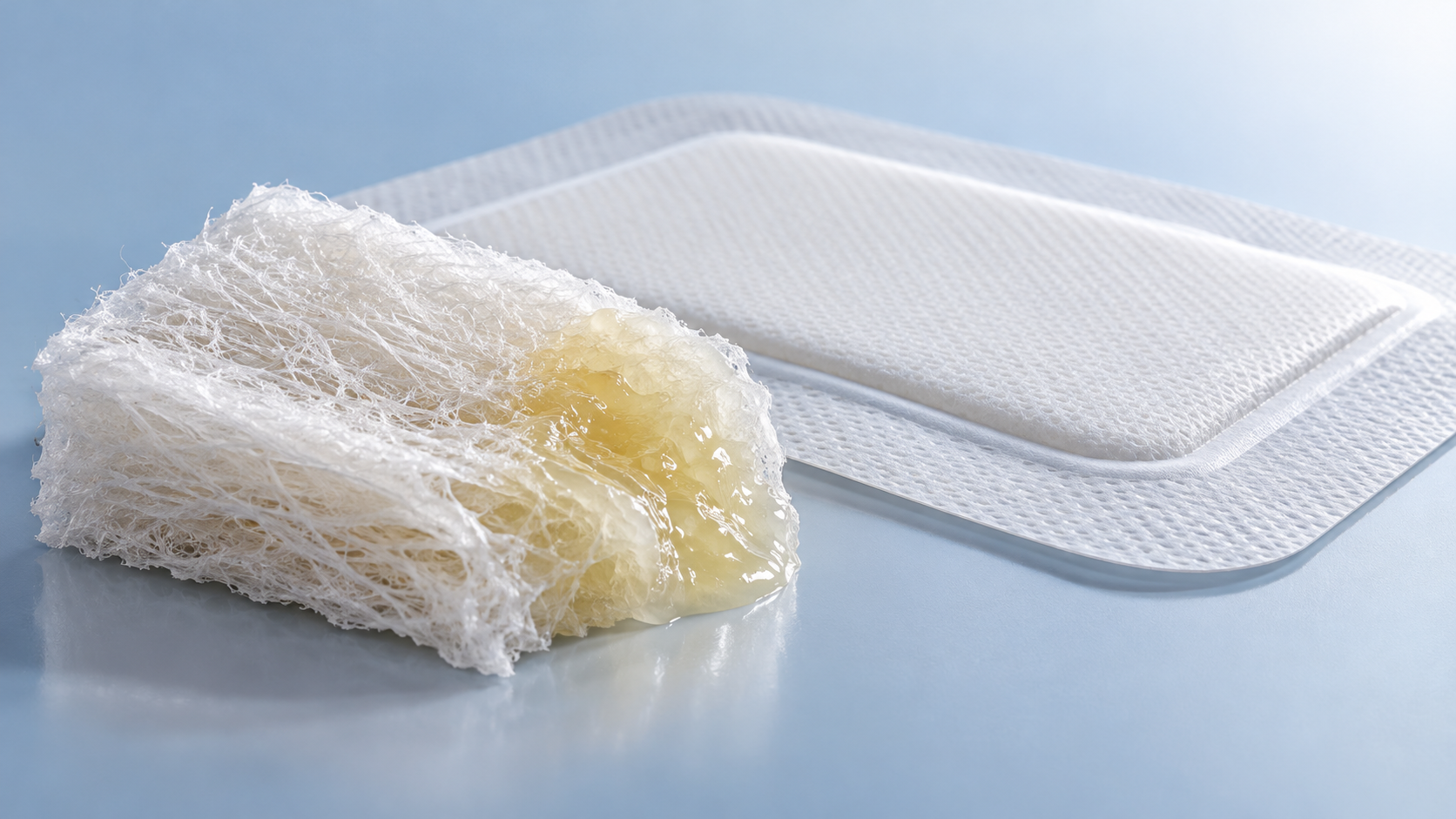
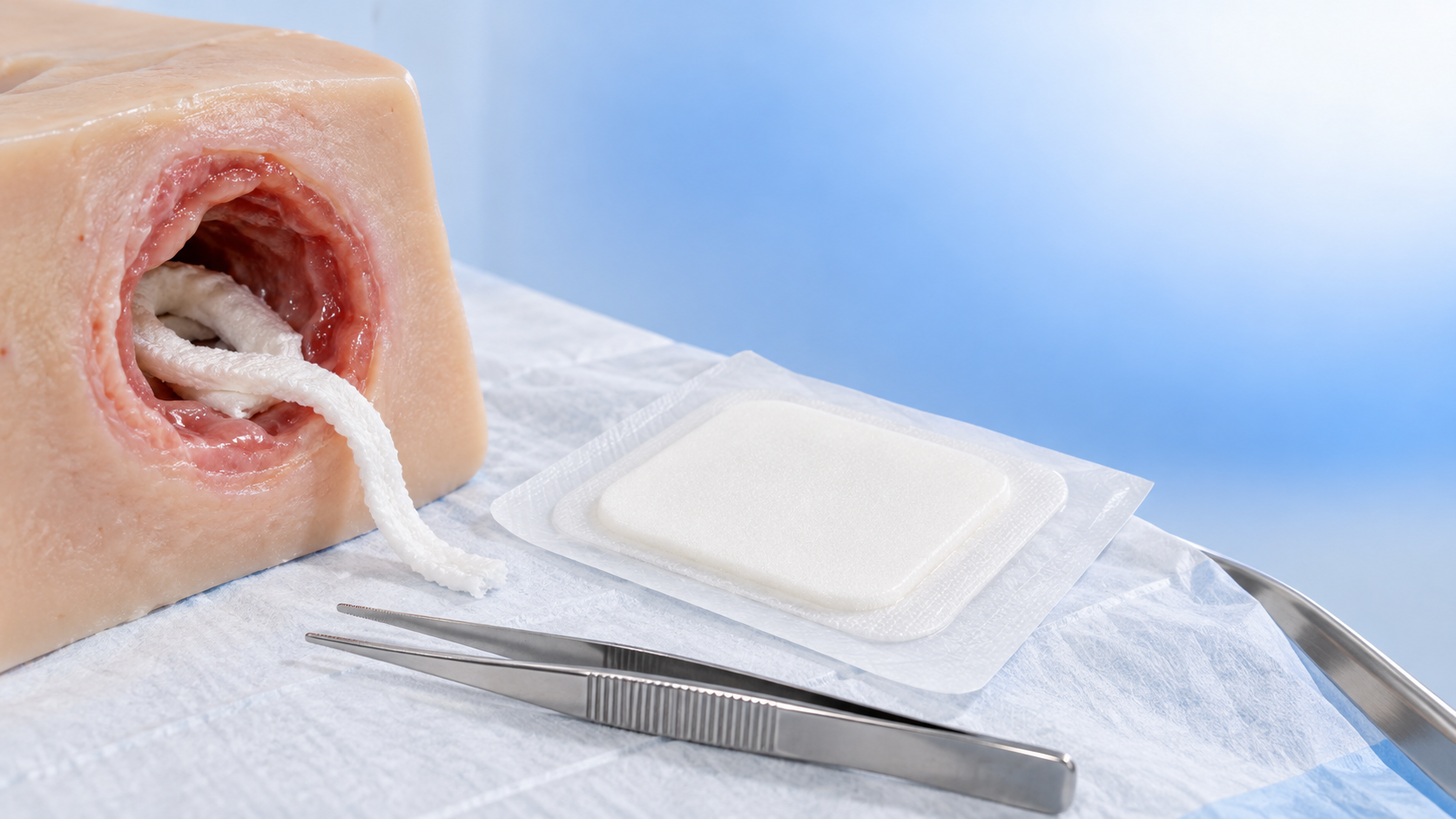
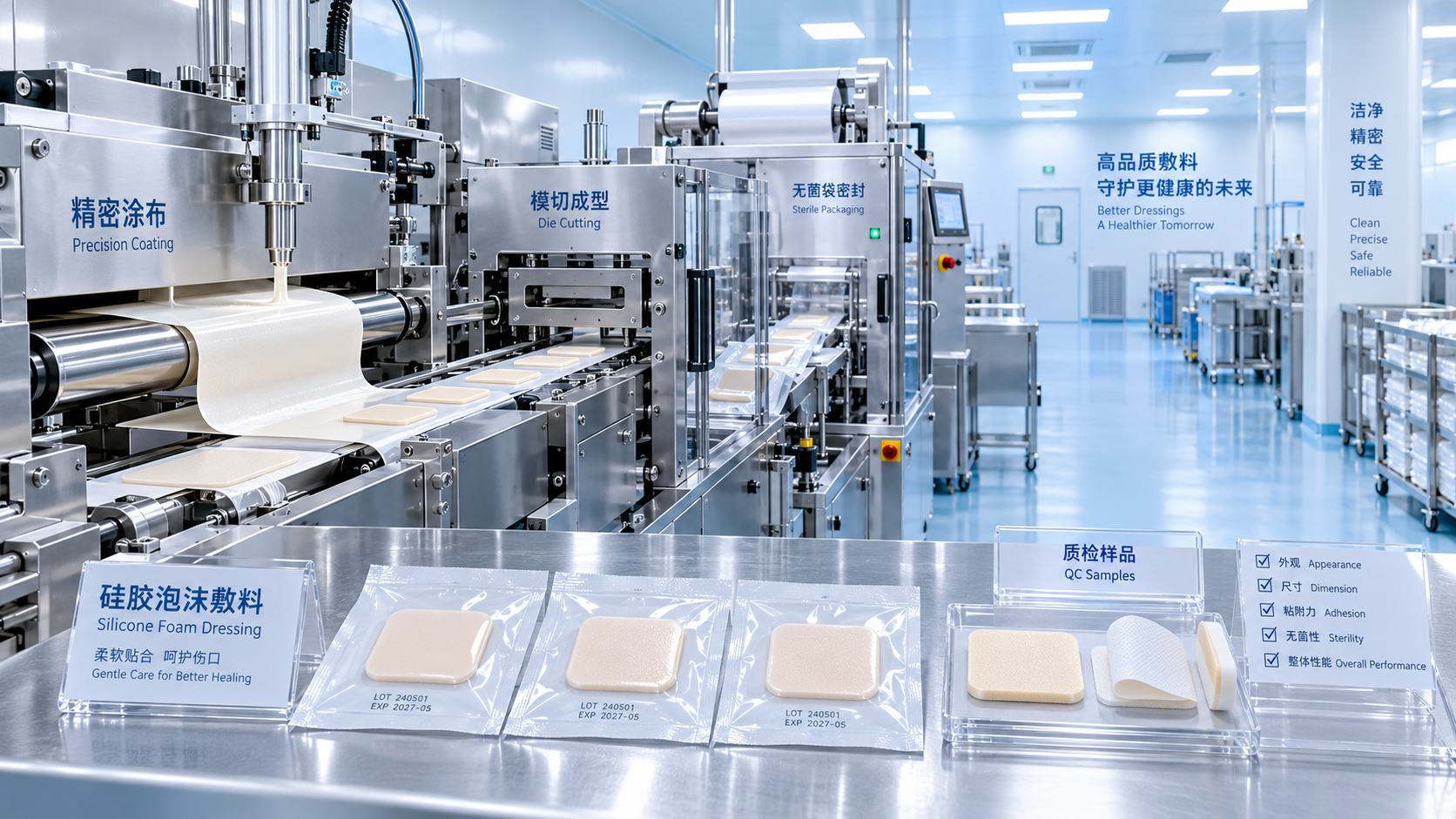
Advanced dressings and NPWT-linked recovery products can offer attractive value when they shorten healing time and support outpatient pathways.
Across these areas, smart minimally invasive technology wins when the product sits inside a clinically unavoidable workflow.
A quick comparison of segment quality
How should investors judge quality in smart minimally invasive technology?
Quality assessment should move beyond revenue growth. Smart minimally invasive technology requires deeper screening across science, execution, and policy exposure.
Start with clinical necessity. If a product is optional, demand can weaken quickly. If it is procedure-critical, adoption is harder to displace.
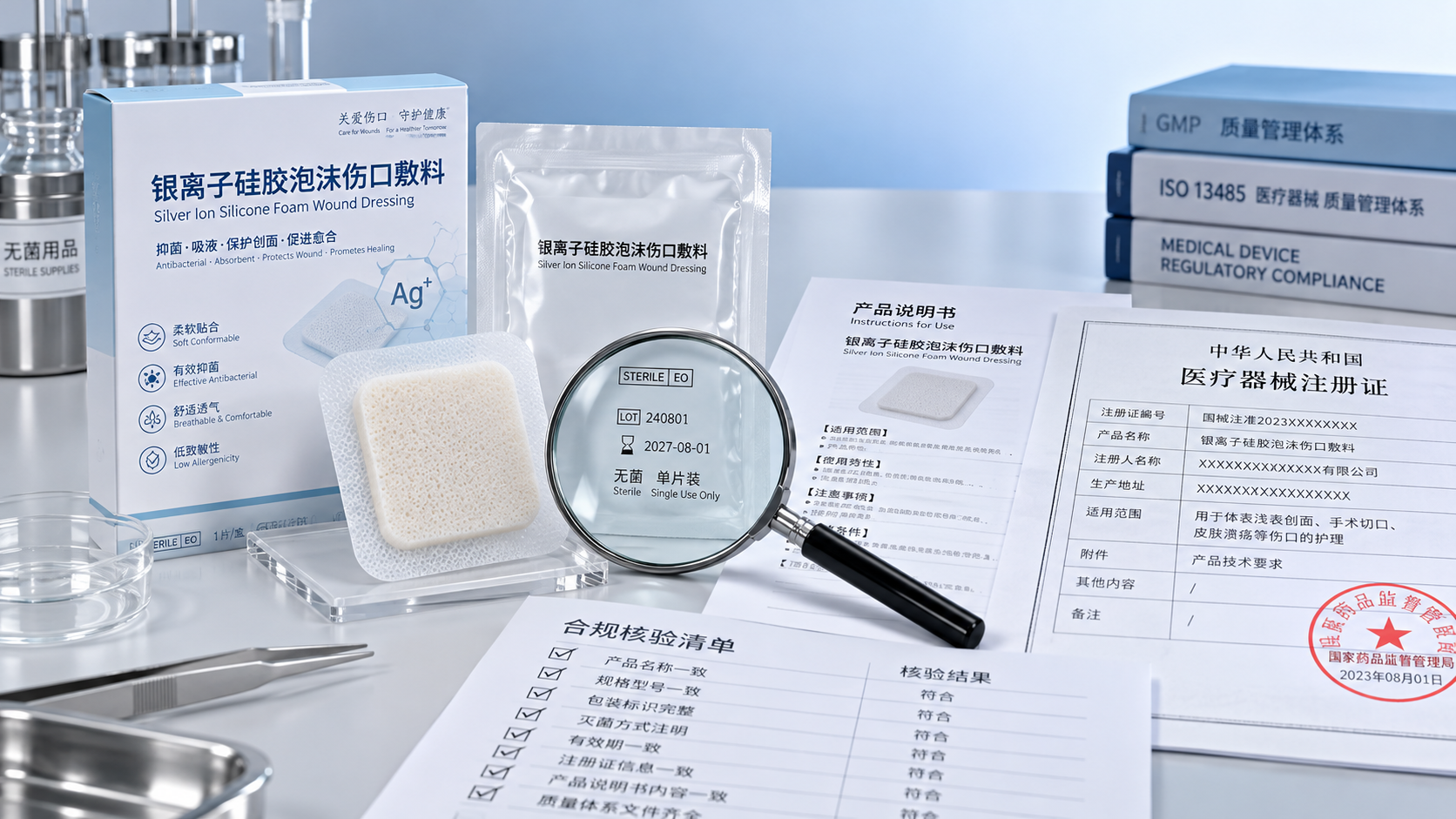
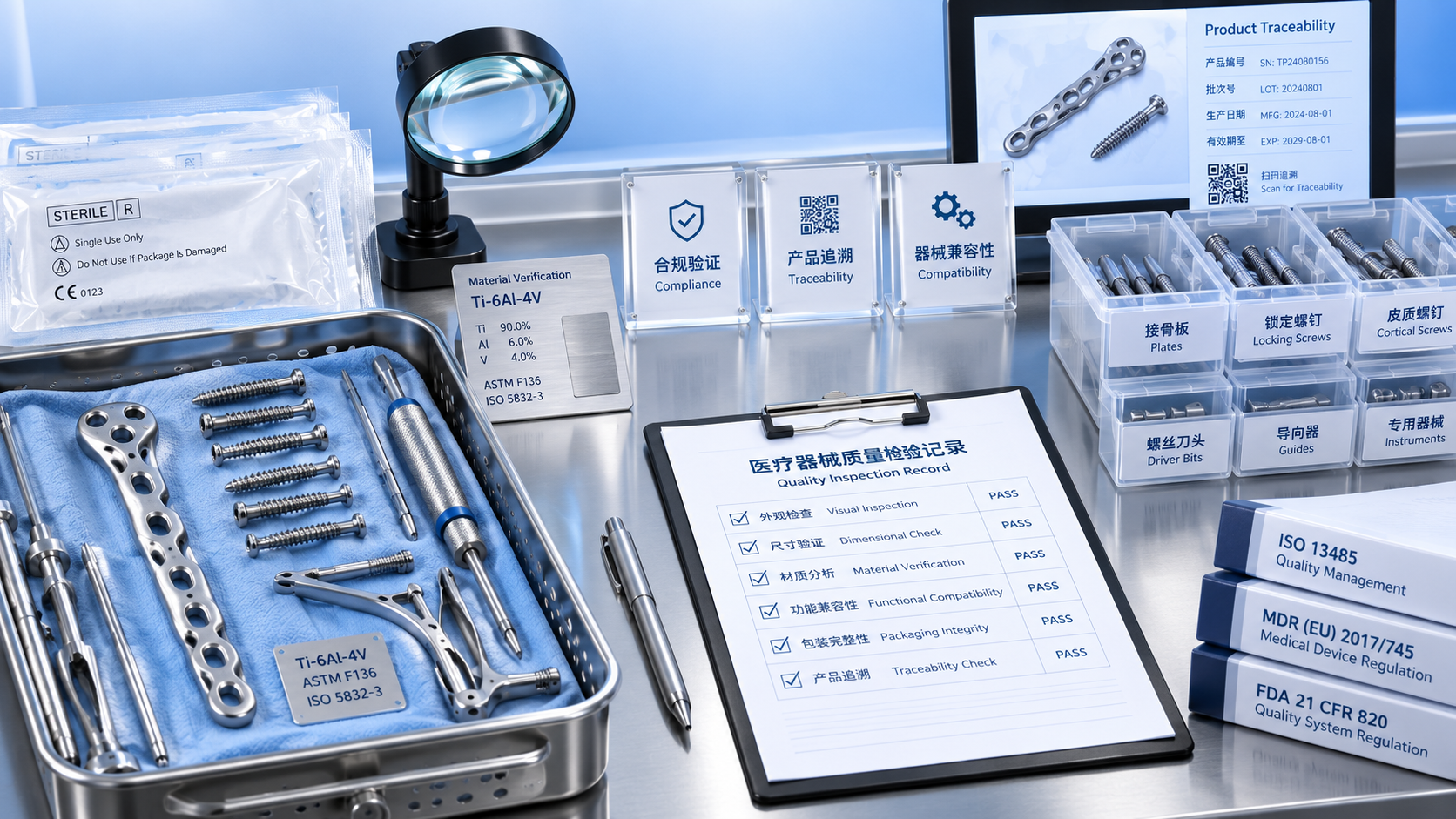
Next, examine regulatory resilience. ISO 10993 testing, CER strength under CE MDR, and Class III approval depth are serious indicators of platform credibility.
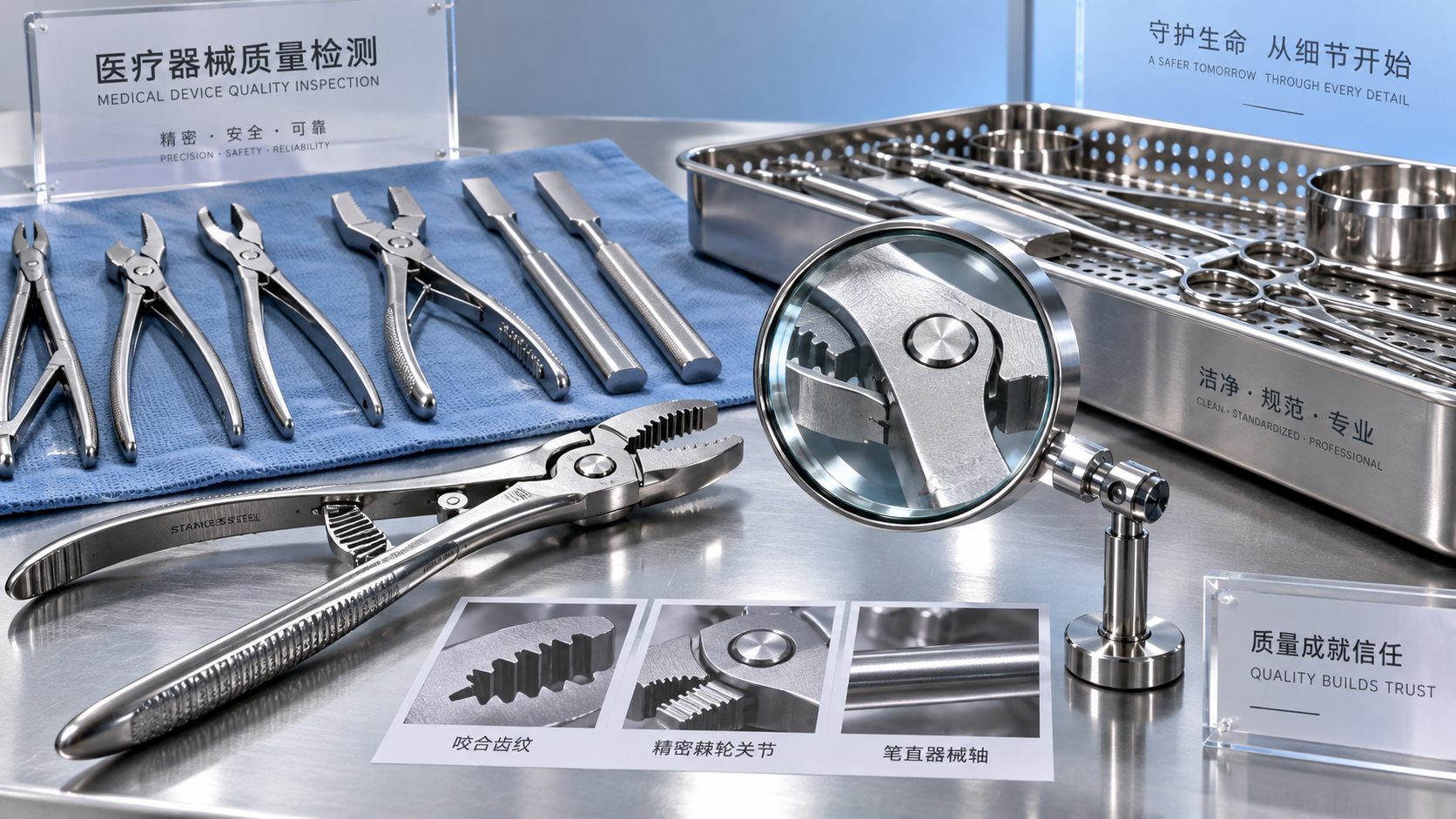
Then review manufacturing control. Surface treatment, polymer behavior, staple integrity, coating stability, and dimensional consistency are not marketing details.
They are the foundation of reproducible outcomes and gross margin protection.
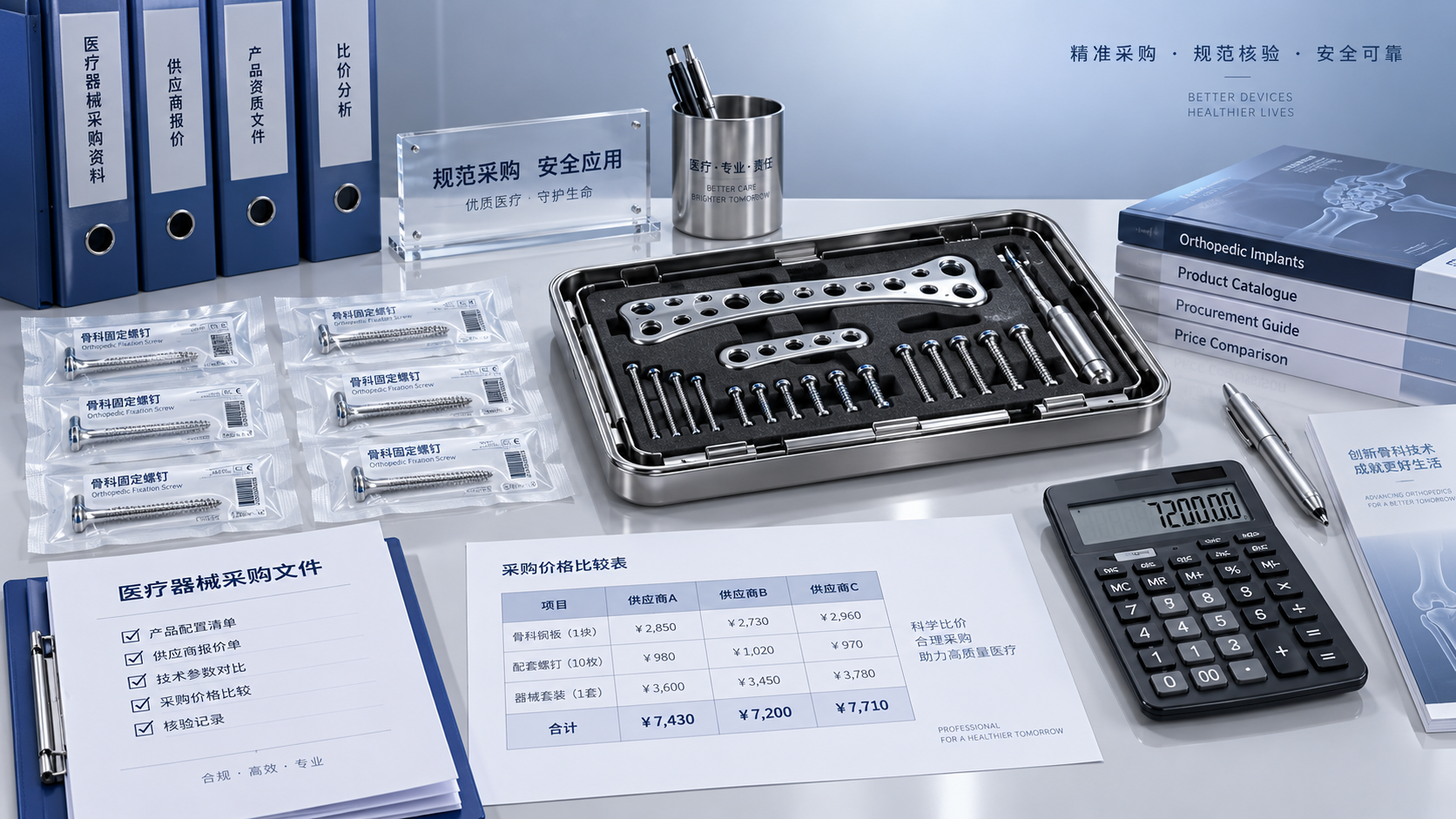
Finally, model pricing stress. VBP-like pressure can compress returns unless the product keeps premium status through technology, evidence, or unique workflow fit.
Useful due diligence questions
- Does smart minimally invasive technology solve a verified procedural bottleneck?
- Is the evidence strong enough for long-term reimbursement support?
- How difficult is the device to replicate at scale?
- How exposed is the category to centralized procurement pressure?
- Can the platform expand across adjacent procedures?
What are the biggest risks and common misunderstandings?
A common mistake is assuming all smart minimally invasive technology has software-like scalability. Medical consumables scale differently.
Clinical validation is slower. Regulatory evidence is expensive. Manufacturing defects can destroy trust quickly.
Another misunderstanding is confusing technical complexity with pricing power. Some highly engineered products still face aggressive procurement compression.
There is also integration risk. A smart feature adds little value if it does not fit surgeon workflow or hospital infrastructure.
Cybersecurity, interoperability, sterilization compatibility, and training burden can all reduce adoption velocity.
In short, smart minimally invasive technology is promising, but only when its intelligence layer improves outcomes without creating new friction.
Risk reminder table
What does the next phase of smart minimally invasive technology look like?
The next phase will likely favor integrated ecosystems, not isolated devices.
Expect stronger links between implants, catheters, closure systems, imaging guidance, and postoperative healing materials.
Biodegradable materials, personalized geometries, and sensor-enabled feedback may widen the definition of smart minimally invasive technology.
However, future winners will still be judged by familiar standards: safety, evidence, manufacturability, reimbursement, and policy resilience.
That is why IMCS tracks not only innovation headlines but also toxicology validation, clinical evaluation logic, and procurement-driven price scenarios.
The market may celebrate novelty first. Long-term value usually belongs to disciplined platforms built for real-world medicine.
Smart minimally invasive technology is investable when it combines procedural necessity, precision manufacturing, and regulatory endurance.
The strongest opportunities often sit in recurring consumables, intervention-support platforms, and clinically sticky ecosystems.
A practical next step is to compare target segments through evidence quality, VBP exposure, material complexity, and workflow dependence.
Viewed through that lens, the future of smart minimally invasive technology looks less like hype and more like selective, durable value creation.
Get weekly intelligence in your inbox.
No noise. No sponsored content. Pure intelligence.
News Recommendations
 Oct 26, 2026Can a single approval cover life science product sales worldwide?Can a single approval cover life science product sales worldwide?
 Oct 25, 2026When is sensitization testing needed for medical device biocompatibility?When is sensitization testing needed for medical device biocompatibility?
 Oct 24, 2026How is biocompatibility tested for implantable polymer biomaterials?How is biocompatibility tested for implantable polymer biomaterials?
 Oct 23, 2026How to build reimbursement into an implant commercialization strategyHow to build reimbursement into an implant commercialization strategy
 Oct 22, 2026What clinical evidence do implants need for CE marking under EU MDR?What clinical evidence do implants need for CE marking under EU MDR?
 Oct 21, 2026How to choose disposable laparoscopic stapler reloads for thick tissueHow to choose disposable laparoscopic stapler reloads for thick tissue
 Oct 20, 2026How to assess medical polymer biocompatibility under ISO 10993How to assess medical polymer biocompatibility under ISO 10993
 Oct 19, 2026How do interventional device categories differ in clinical use?How do interventional device categories differ in clinical use?
 Oct 18, 2026When to choose alginate dressings for heavily exuding chronic woundsWhen to choose alginate dressings for heavily exuding chronic wounds
 Oct 17, 2026How is biocompatibility tested for custom medical-grade PEEK implants?How is biocompatibility tested for custom medical-grade PEEK implants?
 Oct 16, 2026How to check a wound healing materials supplier’s biocompatibility dataHow to check a wound healing materials supplier’s biocompatibility data
 Oct 15, 2026How to verify the FDA clearance status of silver wound dressingsHow to verify the FDA clearance status of silver wound dressings
 Oct 14, 2026How to register orthopedic implants and instruments in Latin AmericaHow to register orthopedic implants and instruments in Latin America
 Oct 13, 2026How to use a device market intelligence database to benchmark VBP pricesHow to use a device market intelligence database to benchmark VBP prices
 Oct 12, 2026When should stainless steel orthopedic instruments be replaced?When should stainless steel orthopedic instruments be replaced?
 Oct 11, 2026When are alginate dressings rope the right choice for cavity wounds?When are alginate dressings rope the right choice for cavity wounds?
 Oct 10, 2026When smart minimally invasive technology improves catheter accessWhen smart minimally invasive technology improves catheter access
 Oct 08, 2026Clinical evaluation requirements for cardiovascular implant devices in EuropeClinical evaluation requirements for cardiovascular implant devices in Europe
 Oct 07, 2026What to verify before appointing an artificial joint implants distributorWhat to verify before appointing an artificial joint implants distributor
 Oct 06, 2026How ISO 10993 guides biocompatibility testing for medical materialsHow ISO 10993 guides biocompatibility testing for medical materials
 Oct 05, 2026How to verify an orthopedic implants and instruments exporterHow to verify an orthopedic implants and instruments exporter
 Oct 04, 2026What drives surgical stapling devices price differences in hospital tenders?What drives surgical stapling devices price differences in hospital tenders?
 Oct 03, 2026How to assess a central venous catheter manufacturer's infection-control evidenceHow to assess a central venous catheter manufacturer's infection-control evidence
 Oct 02, 2026How to assess an advanced wound care factory’s quality systemHow to assess an advanced wound care factory’s quality system
 Oct 01, 2026What is driving global medical consumables demand in emerging markets?What is driving global medical consumables demand in emerging markets?
 Sep 30, 2026Implant Material Compliance Testing: Evidence Needed for Regulatory SubmissionImplant Material Compliance Testing: Evidence Needed for Regulatory Submission
 Sep 30, 2026From Corrosion to Fatigue: What Implant Materials Testing Should MeasureFrom Corrosion to Fatigue: What Implant Materials Testing Should Measure