Global Medical Consumables Trends Are Shifting to Value
Global medical consumables trends are shifting from volume-driven competition to value-led growth, reshaping how manufacturers, investors, and healthcare leaders make strategic decisions. From orthopedic implants and cardiovascular devices to minimally invasive consumables and advanced wound care, success now depends on regulatory readiness, clinical evidence, biocompatibility, and pricing resilience. For enterprise decision-makers, understanding this transition is essential to securing sustainable margins and long-term market positioning.
Why global medical consumables trends now favor value over volume
For years, many suppliers pursued scale, distribution reach, and tender wins as their main growth engine. That model is under pressure. Healthcare systems are tightening budgets, regulators are demanding stronger clinical justification, and hospitals are evaluating lifetime treatment value instead of only unit price.
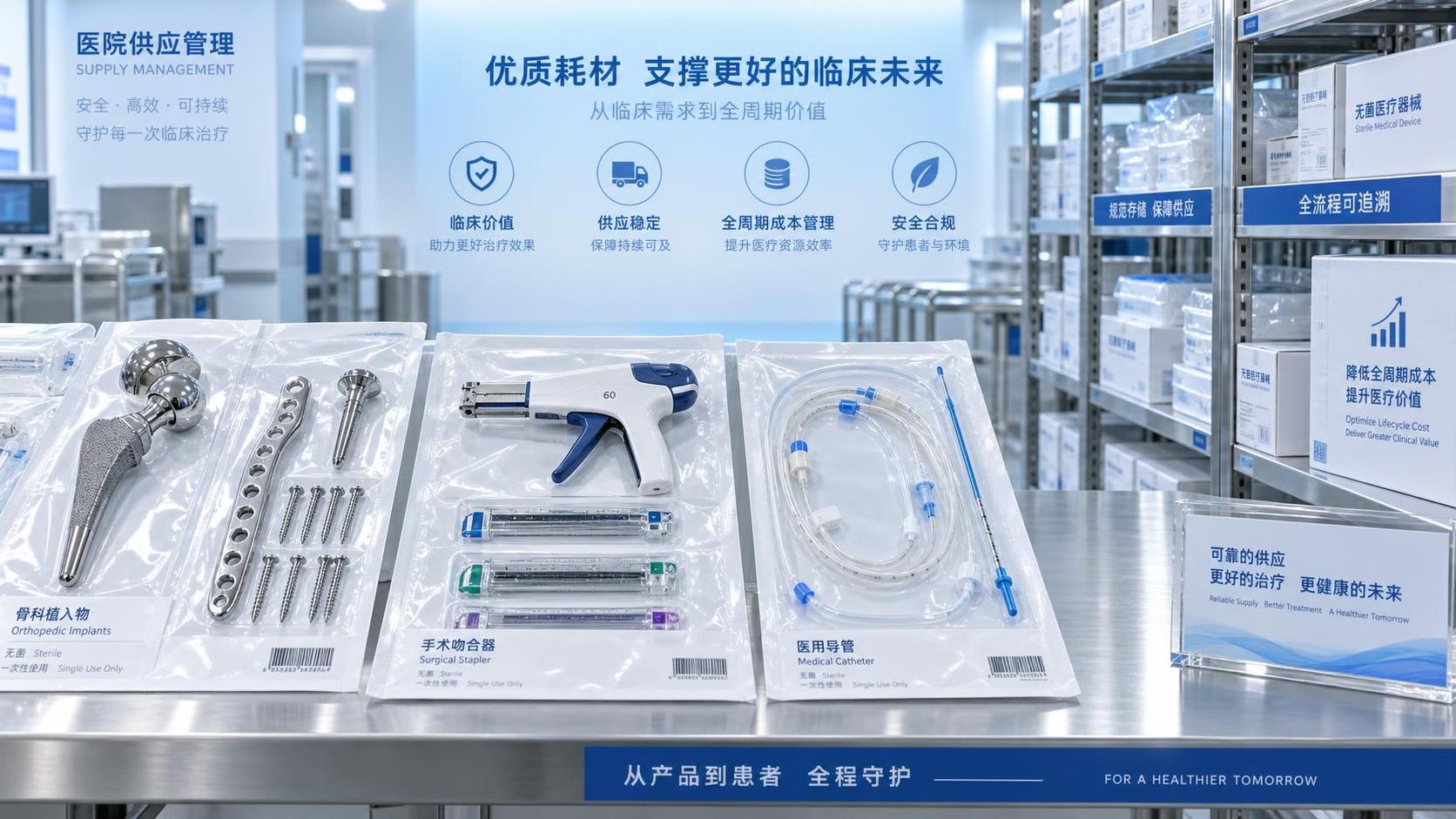
This shift is especially visible in high-value consumables such as joint implants, stents, staplers, catheters, and advanced dressings. In these categories, purchasing teams increasingly ask whether a product reduces complications, shortens procedure time, supports recovery, and maintains compliance across multiple markets.
For enterprise leaders, global medical consumables trends are no longer just a market observation. They directly affect portfolio planning, capital allocation, pricing strategy, and channel selection. A low-cost product without robust evidence may enter a market quickly, but it often struggles to protect margin or maintain long-term access.
- Price competition is intensifying under cost-control programs and centralized procurement models.
- Clinical and regulatory documentation now plays a larger role in tenders and hospital adoption.
- Material science, precision manufacturing, and post-market evidence increasingly define premium positioning.
Which product segments are driving the next phase of growth?
Not all categories respond to the market in the same way. Some segments face aggressive price erosion, while others preserve value through differentiated design, complex regulation, or demanding clinical use. This is where strategic intelligence becomes essential.
IMCS focuses on five pillars that matter most to postoperative outcomes and tissue healing. These pillars also reflect where global medical consumables trends are creating both pressure and opportunity for manufacturers.
The table shows a consistent pattern: value is created where product performance, regulatory complexity, and clinical relevance intersect. That is why enterprise strategy must move beyond shipment volume and toward evidence-backed differentiation.
Why these segments resist pure price competition
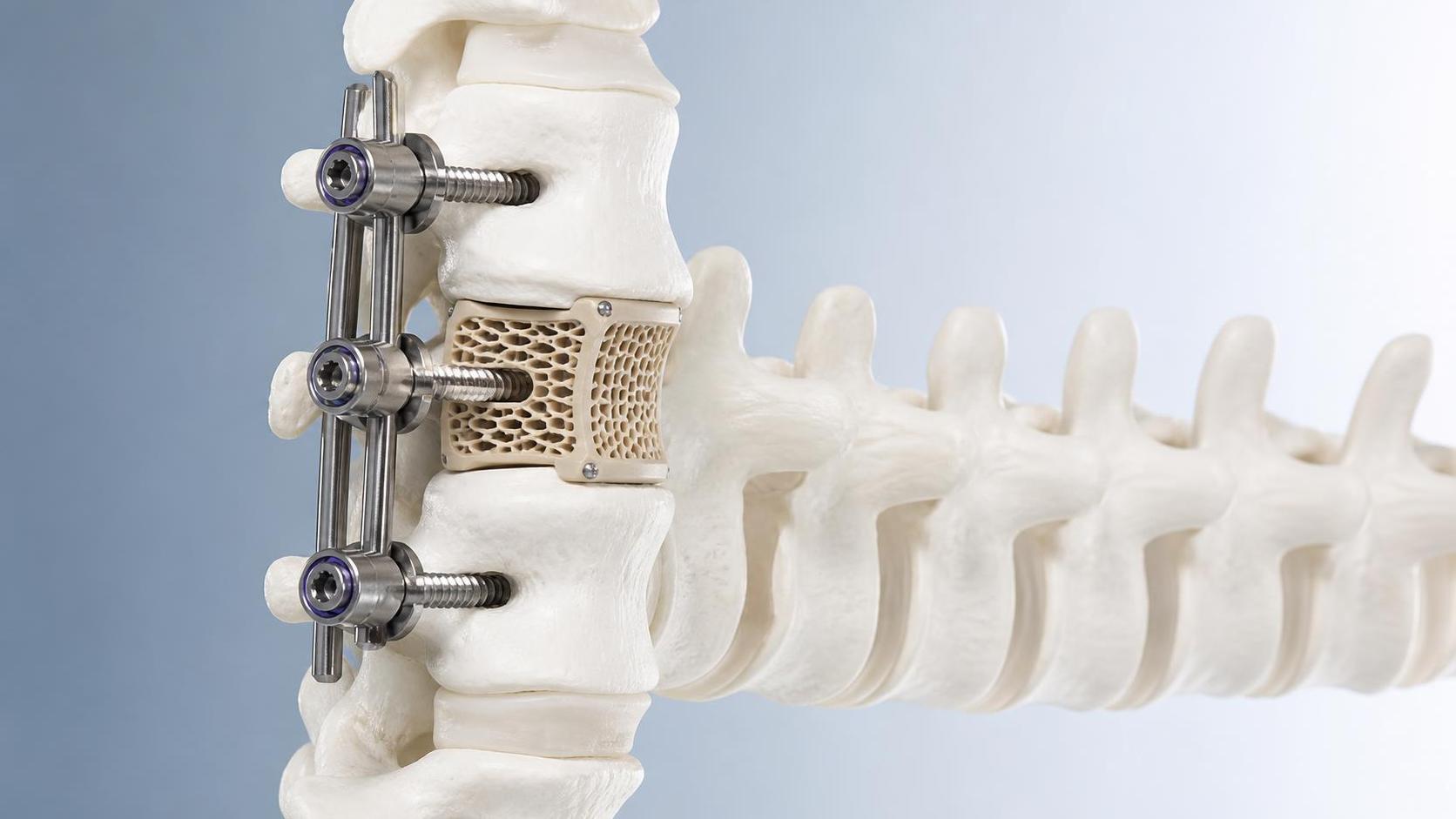
A titanium implant is not judged only by machining cost. A catheter is not judged only by polymer price. In higher-risk applications, every material choice affects biocompatibility, physician confidence, and complication exposure. That creates room for premium logic even in cost-controlled systems.
What should enterprise decision-makers evaluate before procurement or market entry?
One of the biggest pain points in global medical consumables trends is decision overload. Procurement teams compare quotes. Regulatory teams compare submissions. Investors compare category growth. Yet the real decision must connect technical, clinical, commercial, and policy variables into one framework.
The following matrix helps decision-makers assess whether a product can defend value under real market conditions.
This framework is useful across the IMCS focus areas because it reflects how purchasing decisions are actually made. A product may perform well technically, but if it cannot withstand regulatory review or VBP pressure, its commercial value declines quickly.
A practical procurement checklist
- Define whether the target market rewards innovation, localization, or lowest compliant cost.
- Map the device to applicable evidence expectations before budgeting for expansion.
- Test pricing strategy against tender scenarios rather than relying on factory economics alone.
- Review material and process risks early, especially for coated, implantable, or long-dwell products.
How regulation and VBP are redefining margin protection
Among global medical consumables trends, two forces are reshaping competition most sharply: stricter regulatory pathways and more aggressive cost-control mechanisms. These forces often move together. The more mature a category becomes, the more buyers seek both compliance certainty and lower procurement cost.
For Class III and other high-risk products, regulatory readiness cannot be treated as a final-stage task. It influences material selection, test design, documentation structure, and launch timing. CE MDR clinical evaluation demands, for example, can alter commercialization plans well before a product reaches tender review.
VBP and similar procurement mechanisms add another layer. They can rapidly compress ASPs, reward scale, and expose weak differentiation. However, they also create openings for products that demonstrate lower complication burden, more stable supply, or stronger fit for specialized indications.
Where IMCS adds strategic clarity
IMCS connects biological safety logic, clinical evaluation thinking, and policy simulation into a usable decision tool. That matters because medical consumables strategy often fails at the seams: R&D sees performance, regulatory sees submission gaps, finance sees price pressure, and commercial teams see delayed access.
By linking ISO 10993-related toxicology concerns, CER expectations, and VBP pricing dynamics, IMCS helps manufacturers identify where a premium outlet still exists and where a category is likely to face a price cliff.
How do the major categories differ in selection logic?
Different products require different buying logic. A uniform sourcing model often leads to poor fit, avoidable returns, or margin leakage. The comparison below highlights how enterprise teams should think across core segments affected by global medical consumables trends.
The common theme is clear: category-specific value drivers matter more than headline price. Decision-makers who build category logic into sourcing and market planning usually protect margin more effectively.
What implementation model reduces risk for manufacturers and investors?
A sound response to global medical consumables trends requires an implementation model, not just a market opinion. Whether the goal is product launch, portfolio optimization, or tender defense, leaders need a repeatable process.
- Segment the portfolio by regulatory burden, pricing pressure, and technical differentiation.
- Prioritize products with defendable value stories, not only high shipment potential.
- Stress-test each target market for VBP sensitivity, evidence expectations, and local channel demands.
- Align R&D, regulatory, commercial, and finance around one access roadmap.
This is the kind of cross-functional stitching IMCS is built to support. In high-value consumables, value is often lost not because the product is weak, but because the organization approaches market access in disconnected steps.
FAQ on global medical consumables trends for enterprise buyers
How should buyers balance price and clinical value?
Start with total treatment impact, not unit cost alone. If a consumable improves procedural consistency, reduces adverse events, or lowers replacement risk, the procurement decision should reflect that broader value. This is particularly important in implants, cardiovascular devices, and advanced wound care.
Which categories are most exposed to policy-driven price erosion?
Mature and high-volume categories with multiple comparable suppliers are usually the most exposed. However, even within those categories, differentiated materials, stronger evidence packages, and specialized indications can preserve better pricing power.
What is a common mistake in medical consumables expansion?
Many companies underestimate how early regulatory logic should influence product and market planning. They invest in commercialization first, then discover that clinical evaluation, biocompatibility evidence, or tender eligibility is weaker than expected.
Why are intelligence platforms more important now?
Because the market is no longer driven by one variable. Leaders must understand materials, regulation, clinical evidence, and pricing policy together. Intelligence platforms help convert fragmented information into investable and actionable strategy.
Why choose us for strategic guidance in medical consumables?
IMCS is designed for decision-makers who need more than surface-level market commentary. Our focus spans orthopedic replacement implants, cardiovascular interventional devices, minimally invasive surgical consumables, medical polymer catheters, and advanced wound care materials. We analyze how biocompatibility, precision manufacturing, Class III regulation, and VBP policy interact in actual business decisions.
If your team is evaluating market entry, product positioning, tender risk, or portfolio prioritization, we can support discussions around:
- parameter confirmation for materials, coatings, and intended use assumptions;
- product selection logic across implants, stents, staplers, catheters, and dressings;
- delivery cycle and capacity planning considerations for target markets;
- custom strategy design for evidence pathways, premium positioning, and tender response;
- certification and regulatory discussion points, including biological safety and clinical evaluation priorities;
- sample support planning, quotation communication, and commercialization readiness review.
As global medical consumables trends continue shifting to value, the winners will be those who can prove safety, performance, and policy resilience at the same time. If that is your current challenge, IMCS offers a more connected way to assess risk, identify opportunity, and move with confidence.
Get weekly intelligence in your inbox.
No noise. No sponsored content. Pure intelligence.
News Recommendations
 Sep 26, 2026How to verify FDA compliance for medical device materialsHow to verify FDA compliance for medical device materials
 Sep 25, 2026When does a porous 3D-printed cranial implant improve fixation?When does a porous 3D-printed cranial implant improve fixation?
 Sep 24, 2026When are bovine pericardial valves suitable for transcatheter aortic valve replacement?When are bovine pericardial valves suitable for transcatheter aortic valve replacement?
 Sep 23, 2026How to verify the sterility assurance of surgical devicesHow to verify the sterility assurance of surgical devices
 Sep 22, 2026How to assess a spinal implants manufacturer’s quality systemHow to assess a spinal implants manufacturer’s quality system
 Sep 21, 2026How to assess an osseointegration technology manufacturer’s quality systemHow to assess an osseointegration technology manufacturer’s quality system
 Sep 20, 2026Medical material science trends reshaping biocompatibility testingMedical material science trends reshaping biocompatibility testing
 Sep 19, 2026What North American regulators expect in implant clinical evaluationsWhat North American regulators expect in implant clinical evaluations
 Sep 18, 2026When should plate and screw systems be selected for fracture fixation?When should plate and screw systems be selected for fracture fixation?
 Sep 17, 2026How a medical device sourcing strategy can reduce total acquisition costHow a medical device sourcing strategy can reduce total acquisition cost
 Sep 16, 2026When are silver foam burn care dressings appropriate for exuding burns?When are silver foam burn care dressings appropriate for exuding burns?
 Sep 15, 2026What drives medical device category pricing in value-based purchasing?What drives medical device category pricing in value-based purchasing?
 Sep 14, 2026High value consumables insights for evaluating total cost of careHigh value consumables insights for evaluating total cost of care
 Sep 13, 2026What a medical device market insights platform reveals about market accessWhat a medical device market insights platform reveals about market access
 Sep 12, 2026When are collagen-based tissue healing materials suitable for wound care?When are collagen-based tissue healing materials suitable for wound care?
 Sep 11, 2026How catheter material selection affects total cost of ownershipHow catheter material selection affects total cost of ownership
 Sep 10, 2026What FDA clearance means for medical grade PEEK implantsWhat FDA clearance means for medical grade PEEK implants
 Sep 09, 2026When do hydrogel wound healing technologies suit dry wounds?When do hydrogel wound healing technologies suit dry wounds?
 Sep 07, 2026How to assess medical consumables for surgical useHow to assess medical consumables for surgical use
 Sep 07, 2026How to verify CE MDR compliance for single-use medical consumablesHow to verify CE MDR compliance for single-use medical consumables
 Sep 05, 2026How to evaluate an antithrombotic catheter factory for qualityHow to evaluate an antithrombotic catheter factory for quality
 Sep 04, 2026When do minimally invasive surgical staplers improve GI access?When do minimally invasive surgical staplers improve GI access?
 Sep 03, 2026When are foam moist wound healing dressings appropriate for exuding wounds?When are foam moist wound healing dressings appropriate for exuding wounds?
 Sep 02, 2026How implant pricing affects access to advanced medical careHow implant pricing affects access to advanced medical care
 Sep 01, 2026What is driving price pressure in the North American medical consumables market?What is driving price pressure in the North American medical consumables market?
 Aug 31, 2026Comparing medical devices in Southeast Asia when market access differsComparing medical devices in Southeast Asia when market access differs
 Aug 30, 2026When are 3D printed PEEK implants suitable for spinal reconstruction?When are 3D printed PEEK implants suitable for spinal reconstruction?