Tissue Engineering Materials Are Harder to Validate Than Expected
For many advanced healthcare programs, tissue engineering materials look straightforward during concept review but become difficult during validation. Early performance claims often outpace real evidence, especially when biology, processing, and regulation intersect.
That gap matters across the broader medical consumables industry. Validation delays can stall investment decisions, complicate market entry, and weaken confidence in commercialization plans for high-value regenerative technologies.
The challenge is not only proving that tissue engineering materials work. It is proving they work consistently, safely, and predictably under manufacturing, sterilization, storage, and clinical-use conditions.
Why tissue engineering materials are entering a tougher validation era
The validation environment has changed sharply. Regulators, notified bodies, clinical reviewers, and investors now expect stronger links between material science, biological response, and production controls.
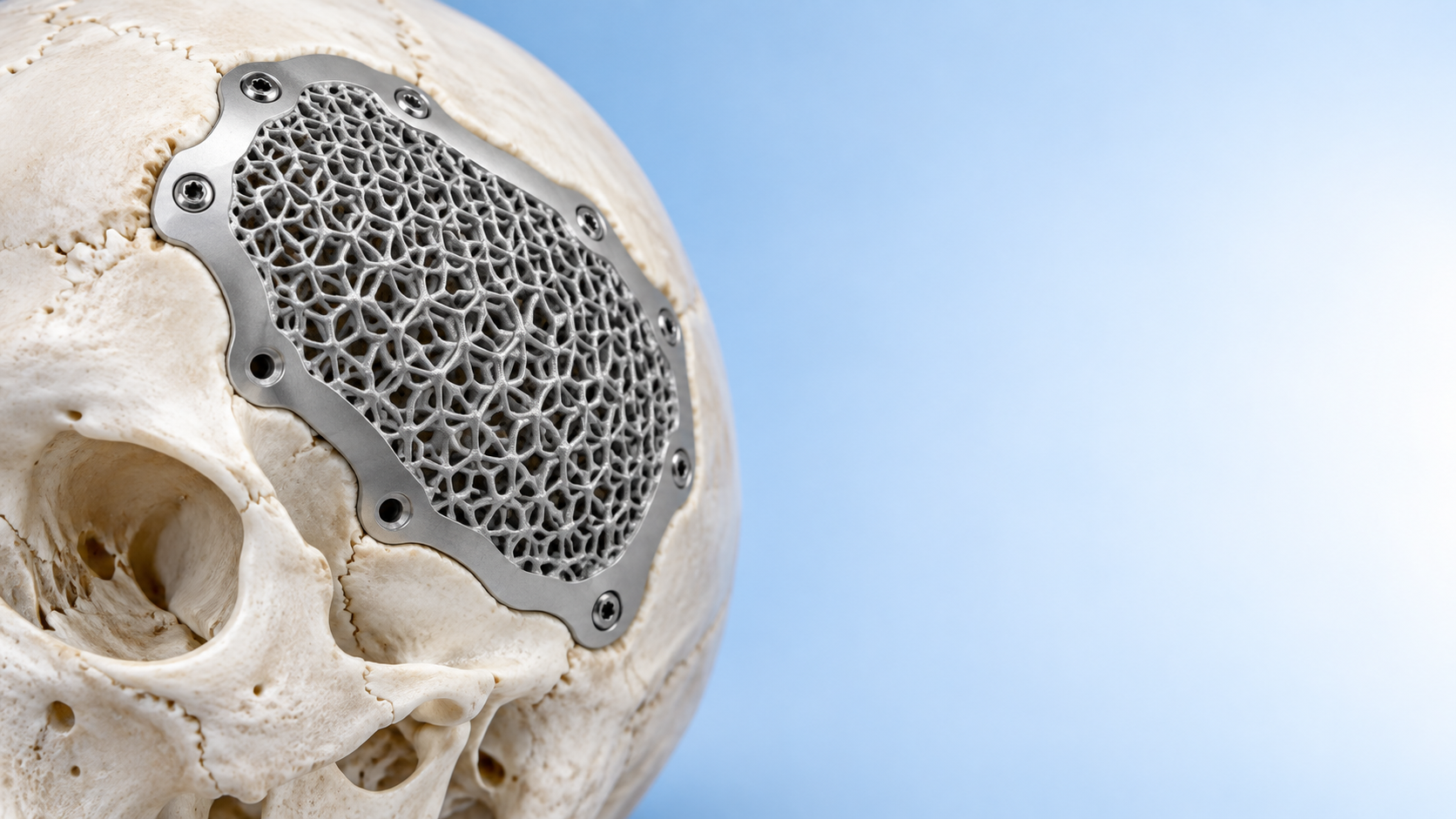
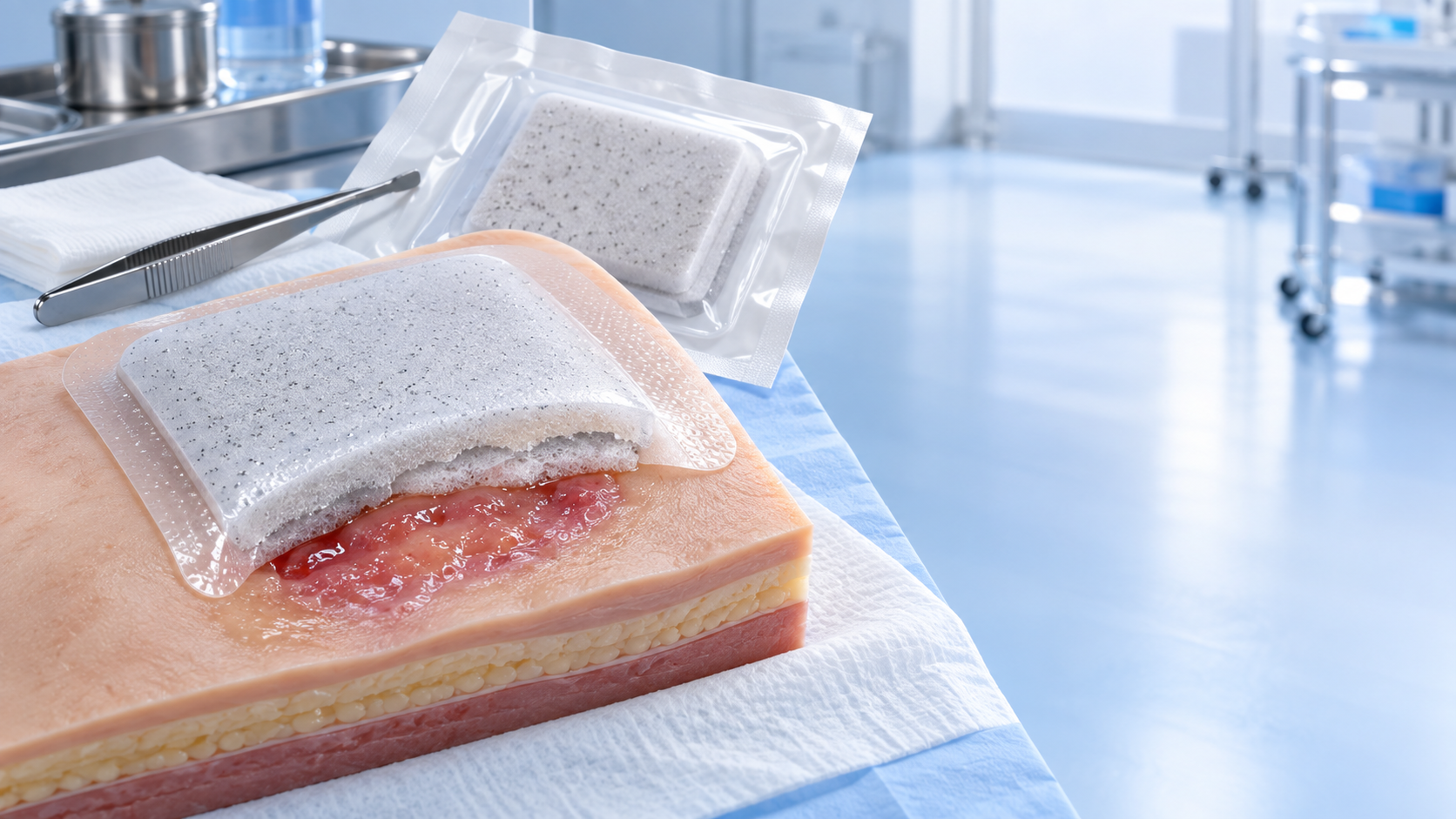
This trend is visible across implants, wound care, polymer devices, and regenerative scaffolds. Tissue engineering materials face even more scrutiny because they often interact directly with healing tissue pathways.
In earlier stages, teams may rely on promising lab indicators. Later, they discover that cell viability, porosity, degradation, and host response do not translate cleanly into acceptable validation packages.
The result is a common industry pattern: attractive prototype data, followed by repeated testing cycles, design freezes, and unexpected questions on comparability, endpoints, or long-term safety.
The strongest trend signals point to evidence depth, not concept novelty
What matters now is not novelty alone. Tissue engineering materials must survive a deeper evidence review that connects bench science to real-world manufacturing and clinical risk.
Several signals explain this shift:
- Biocompatibility expectations are becoming more material-specific and use-case specific.
- Process changes can alter scaffold architecture, extractables, and biological behavior.
- Clinical evidence demands are increasing for high-risk and implantable regenerative products.
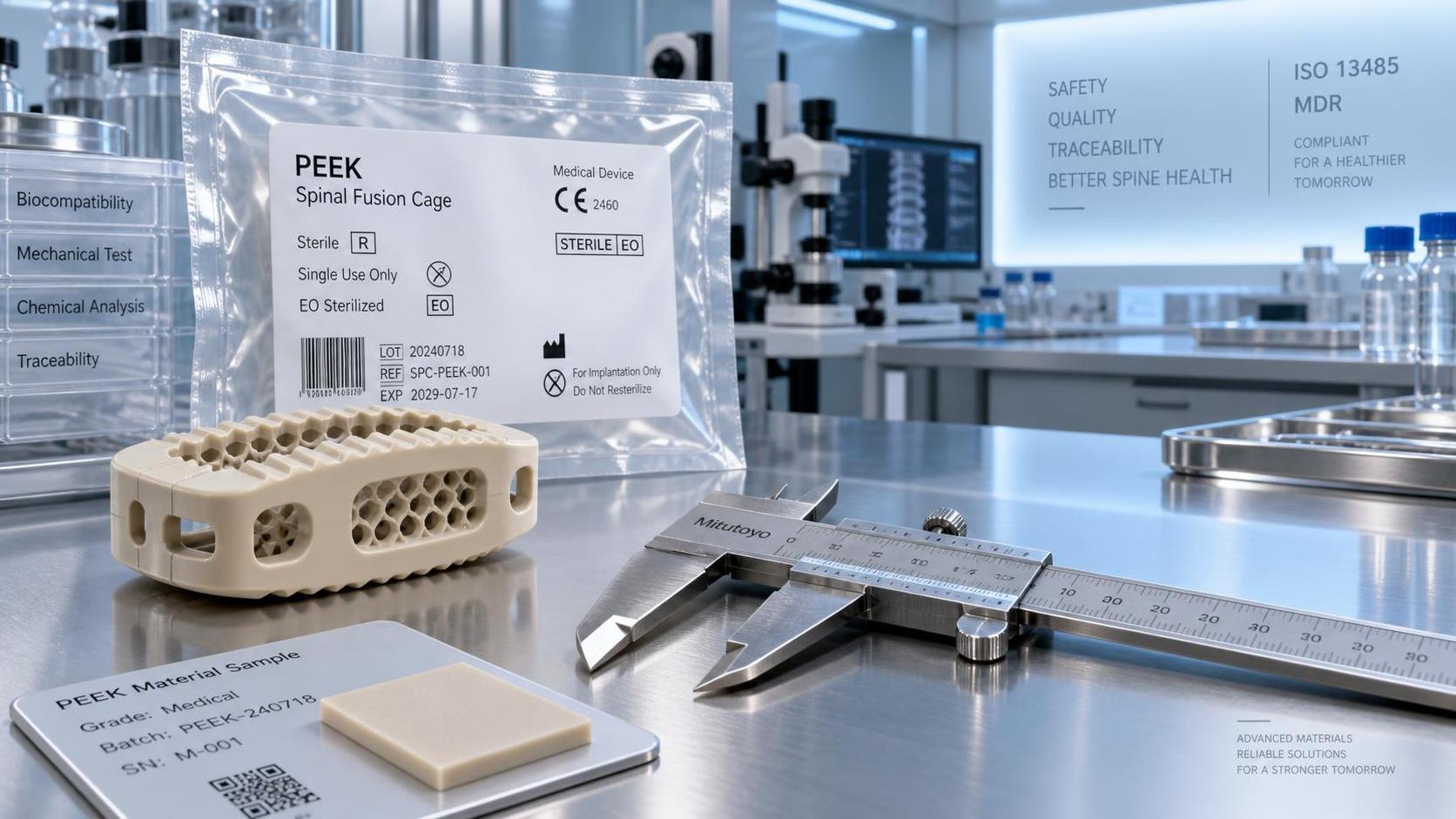
- Sterilization and packaging validation now receive closer attention for delicate material systems.
- Cost-control environments punish repeated validation failures and slow scale-up.
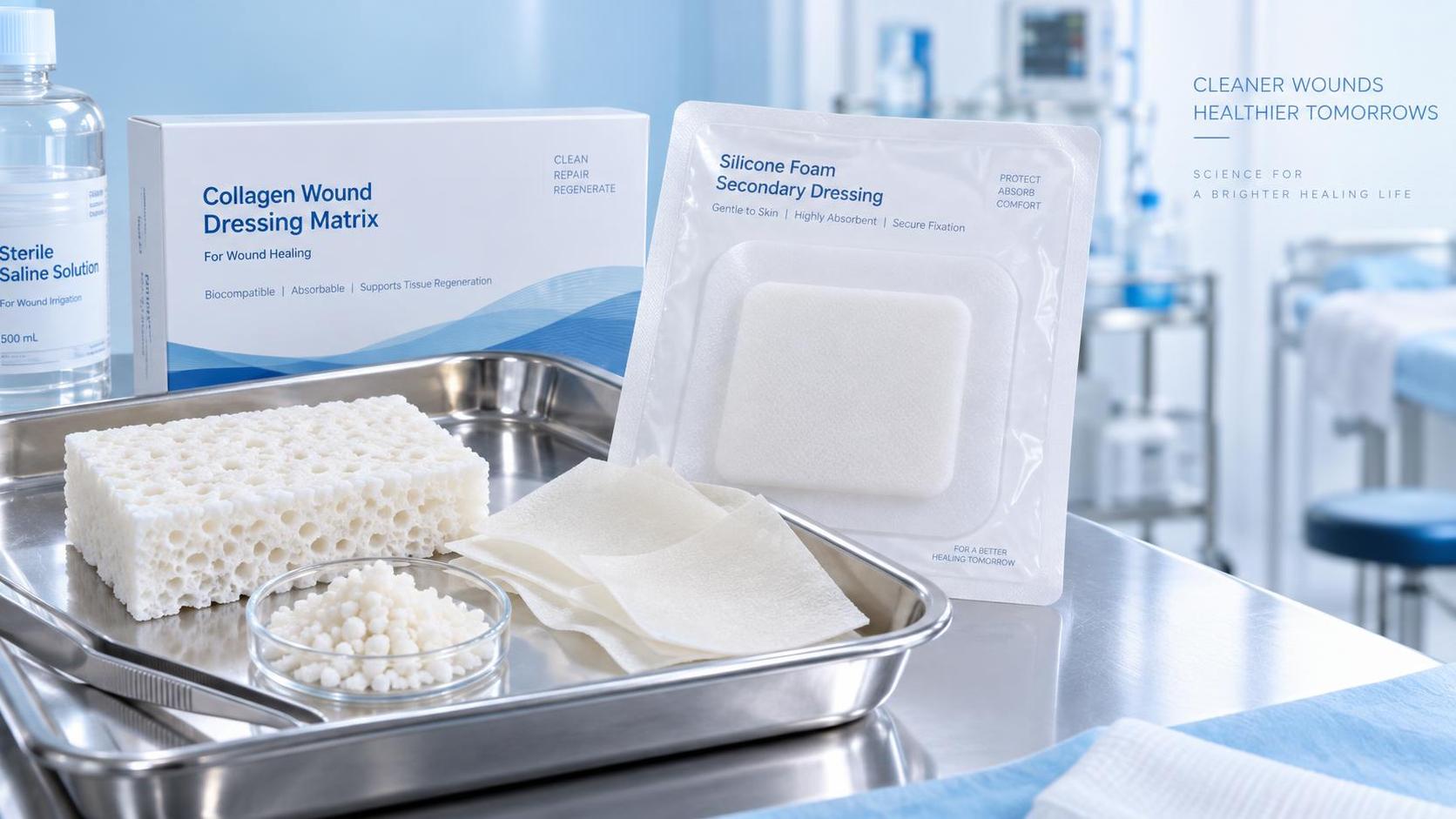
These signals affect natural matrices, synthetic scaffolds, composite biomaterials, hydrogel systems, and bioactive coatings. In each category, tissue engineering materials require tighter proof of consistency.
What is driving the validation burden for tissue engineering materials
Among these drivers, comparability is often underestimated. A minor supplier, crosslinking, or pore-forming change can create a different product in regulatory terms.
That is why tissue engineering materials demand integrated validation planning. Separate material, quality, and clinical workstreams rarely stay aligned without an early evidence map.
The hardest gap is linking laboratory success to controlled clinical relevance
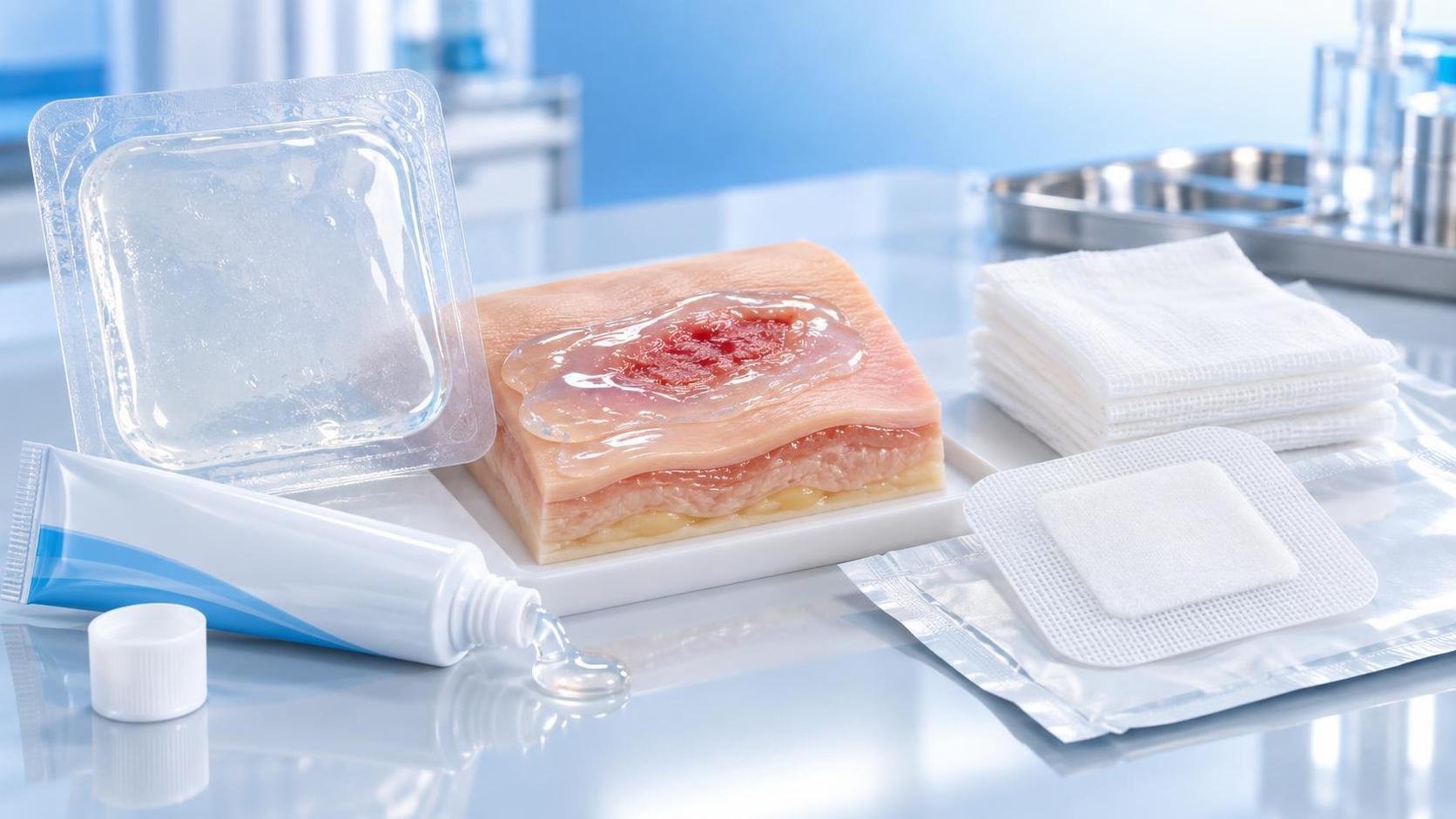
Many tissue engineering materials perform well in vitro. Cells attach, proliferate, and express favorable markers. Yet those results alone rarely answer questions about integration, inflammation, remodeling, or durability.
Validation becomes harder when laboratory endpoints are not clearly tied to clinical outcomes. Strong microscopy images do not replace proof of functional healing or acceptable complication profiles.
This affects several business-critical decisions:
- Whether preclinical models actually represent the target indication.
- Whether release specifications predict in vivo behavior.
- Whether shelf-life data reflect biological performance after aging.
- Whether clinical endpoints are feasible within time and budget limits.
For tissue engineering materials, this translation problem is central. Programs succeed when validation strategy is designed around clinically meaningful claims, not only material characterization depth.
How the validation challenge affects the wider medical consumables value chain
The impact extends beyond regenerative product development. Tissue engineering materials can influence sourcing, quality systems, regulatory sequencing, reimbursement assumptions, and post-market surveillance planning.
In integrated medical consumables portfolios, validation setbacks may redirect resources away from adjacent implant, catheter, wound care, or surgical device programs.
Key operational effects include:
- Longer design control cycles and more protocol revisions.
- Higher dependence on specialized biocompatibility and degradation expertise.
- Greater need for supplier qualification and incoming material controls.
- Increased financial exposure when launch assumptions rely on rapid approval.
- More intensive post-market data planning for high-risk indications.
This is especially relevant where advanced wound care, orthopedic regeneration, and implant-adjacent solutions overlap. Tissue engineering materials often sit at the boundary between device performance and biological therapy expectations.
What deserves the closest attention before validation timelines slip
The most effective response is early prioritization. Tissue engineering materials should be evaluated through a narrow set of risk-critical questions before expensive testing cascades begin.
- Define the claim boundary clearly. Avoid broad regeneration claims that exceed available evidence.
- Lock the process early. Freeze critical parameters before pivotal biocompatibility and animal studies.
- Characterize degradation realistically. Study byproducts, kinetics, and tissue-level impact under use conditions.
- Align sterilization with function. Validate sterility without damaging architecture or bioactivity.
- Build region-specific evidence paths. Regulatory expectations differ across major markets.
- Plan comparability controls. Treat supplier and process changes as strategic risks.
These priorities help tissue engineering materials move from scientific promise toward scalable compliance. They also reduce avoidable rework in technical files and clinical justification documents.
A practical decision framework for reducing uncertainty
This framework keeps tissue engineering materials grounded in cross-functional reality. It also supports better timing for toxicology review, clinical evaluation, and commercialization forecasting.
The next move is to validate strategy before validating the material
The core lesson is simple. Tissue engineering materials are not failing because innovation lacks value. They are failing because evidence strategy, process control, and claim discipline often start too late.
A stronger path begins with an integrated review of biocompatibility logic, manufacturing consistency, degradation risk, and region-specific regulatory expectations. That review should happen before pivotal testing begins.
For organizations tracking advanced implants, wound healing platforms, and regenerative consumables, tissue engineering materials deserve earlier intelligence checkpoints, tighter comparability rules, and sharper clinical relevance filters.
If the goal is faster compliant commercialization, start by challenging the validation plan, not just the material design. That step reduces uncertainty, protects timelines, and improves the odds of durable market entry.
Get weekly intelligence in your inbox.
No noise. No sponsored content. Pure intelligence.
News Recommendations
 Sep 27, 2026What to verify before selecting a microcatheters manufacturerWhat to verify before selecting a microcatheters manufacturer
 Sep 26, 2026How to verify FDA compliance for medical device materialsHow to verify FDA compliance for medical device materials
 Sep 25, 2026When does a porous 3D-printed cranial implant improve fixation?When does a porous 3D-printed cranial implant improve fixation?
 Sep 24, 2026When are bovine pericardial valves suitable for transcatheter aortic valve replacement?When are bovine pericardial valves suitable for transcatheter aortic valve replacement?
 Sep 23, 2026How to verify the sterility assurance of surgical devicesHow to verify the sterility assurance of surgical devices
 Sep 22, 2026How to assess a spinal implants manufacturer’s quality systemHow to assess a spinal implants manufacturer’s quality system
 Sep 21, 2026How to assess an osseointegration technology manufacturer’s quality systemHow to assess an osseointegration technology manufacturer’s quality system
 Sep 20, 2026Medical material science trends reshaping biocompatibility testingMedical material science trends reshaping biocompatibility testing
 Sep 19, 2026What North American regulators expect in implant clinical evaluationsWhat North American regulators expect in implant clinical evaluations
 Sep 18, 2026When should plate and screw systems be selected for fracture fixation?When should plate and screw systems be selected for fracture fixation?
 Sep 17, 2026How a medical device sourcing strategy can reduce total acquisition costHow a medical device sourcing strategy can reduce total acquisition cost
 Sep 16, 2026When are silver foam burn care dressings appropriate for exuding burns?When are silver foam burn care dressings appropriate for exuding burns?
 Sep 15, 2026What drives medical device category pricing in value-based purchasing?What drives medical device category pricing in value-based purchasing?
 Sep 14, 2026High value consumables insights for evaluating total cost of careHigh value consumables insights for evaluating total cost of care
 Sep 13, 2026What a medical device market insights platform reveals about market accessWhat a medical device market insights platform reveals about market access
 Sep 12, 2026When are collagen-based tissue healing materials suitable for wound care?When are collagen-based tissue healing materials suitable for wound care?
 Sep 11, 2026How catheter material selection affects total cost of ownershipHow catheter material selection affects total cost of ownership
 Sep 10, 2026What FDA clearance means for medical grade PEEK implantsWhat FDA clearance means for medical grade PEEK implants
 Sep 09, 2026When do hydrogel wound healing technologies suit dry wounds?When do hydrogel wound healing technologies suit dry wounds?
 Sep 07, 2026How to assess medical consumables for surgical useHow to assess medical consumables for surgical use
 Sep 07, 2026How to verify CE MDR compliance for single-use medical consumablesHow to verify CE MDR compliance for single-use medical consumables
 Sep 05, 2026How to evaluate an antithrombotic catheter factory for qualityHow to evaluate an antithrombotic catheter factory for quality
 Sep 04, 2026When do minimally invasive surgical staplers improve GI access?When do minimally invasive surgical staplers improve GI access?
 Sep 03, 2026When are foam moist wound healing dressings appropriate for exuding wounds?When are foam moist wound healing dressings appropriate for exuding wounds?
 Sep 02, 2026How implant pricing affects access to advanced medical careHow implant pricing affects access to advanced medical care
 Sep 01, 2026What is driving price pressure in the North American medical consumables market?What is driving price pressure in the North American medical consumables market?
 Aug 31, 2026Comparing medical devices in Southeast Asia when market access differsComparing medical devices in Southeast Asia when market access differs