Medical Regulatory Intelligence Helps Catch Policy Risk Earlier
Medical Regulatory Intelligence and Early Policy Risk Detection
In a market shaped by Class III compliance, VBP pricing pressure, and fast-changing global standards, medical regulatory intelligence gives decision-makers an earlier view of policy risk before it disrupts product strategy, market access, or margins.
For implants and high-value consumables, this insight is not a later-stage review. It is the first signal that shapes evidence planning, portfolio timing, and commercial resilience.
What Medical Regulatory Intelligence Means
Medical regulatory intelligence is the structured tracking, interpretation, and application of policy changes that affect medical device development, registration, pricing, reimbursement, and post-market obligations.
It combines regulatory surveillance, competitor benchmarking, standards monitoring, and policy scenario analysis. The goal is simple: detect risk earlier, while there is still time to adjust the evidence package or market entry plan.
For IMCS focus areas such as orthopedic implants, cardiovascular devices, MIS staples, polymer catheters, and wound care materials, the stakes are especially high. Small policy shifts can change technical requirements, clinical expectations, or price ceilings overnight.
Key Policy Signals That Matter
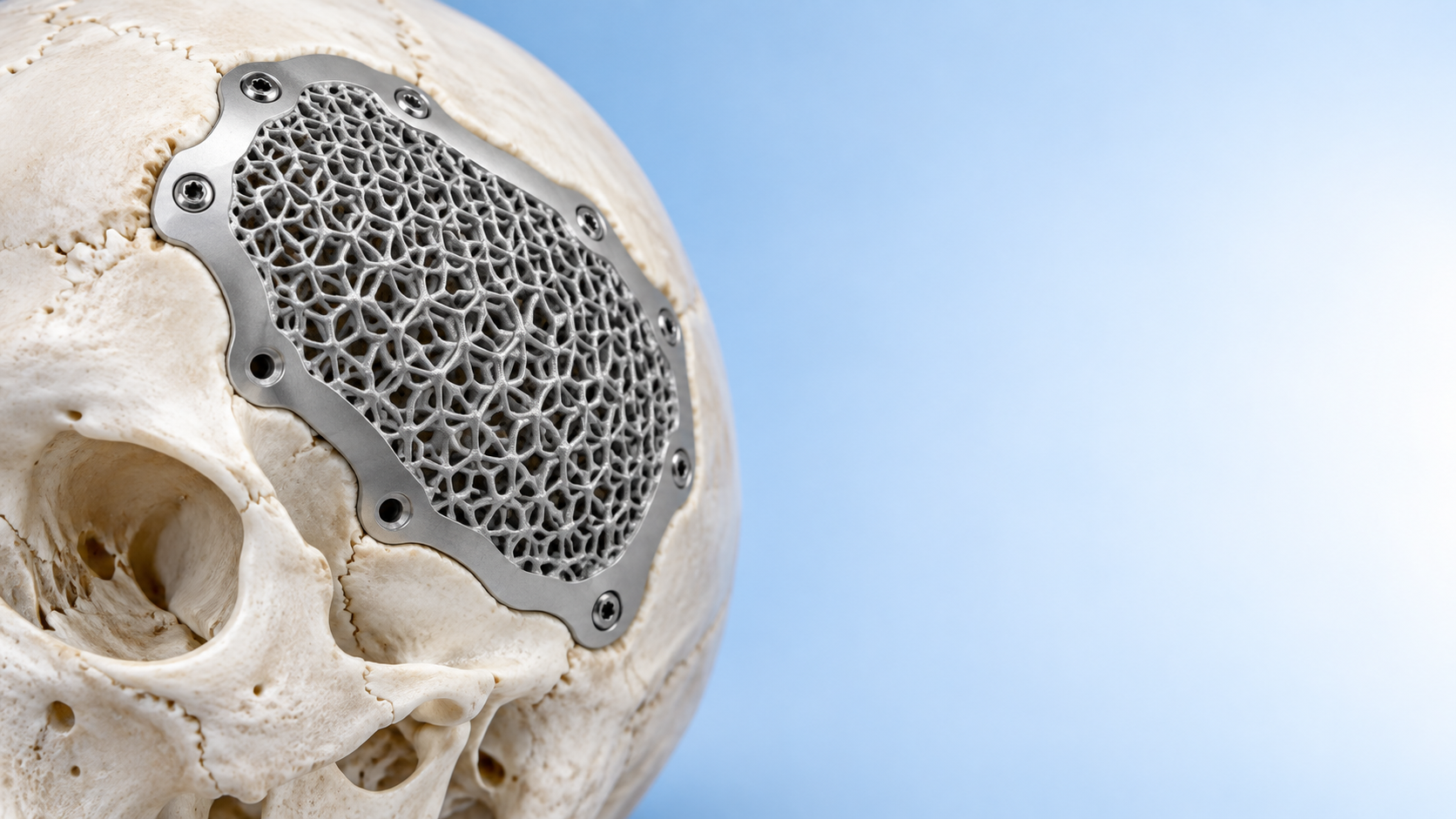
[[IMG:img_01]]
Medical regulatory intelligence works best when it tracks the signals that usually appear before formal disruption.
- New or revised Class III technical review rules
- ISO 10993 biological safety expectations
- CE MDR clinical evaluation and CER depth changes
- VBP policy trends, bid rules, and volume commitments
- Post-market surveillance and adverse event reporting shifts
- Local registration dossier format or language updates
These signals matter because they affect timing, cost, and approval probability. A late response often means redesign, resubmission, or forced pricing pressure.
Why Early Risk Detection Improves Business Resilience
The main value of medical regulatory intelligence is not information volume. It is decision quality. Early insight allows teams to prioritize the right markets, the right claims, and the right evidence set.
It also reduces avoidable losses. When policy risk is identified early, it becomes easier to protect margin, preserve launch timing, and avoid investing in pathways that are closing.
For high-end consumables, this can mean choosing a more defensible material, redesigning a sterilization strategy, or planning a CER update before regulators request it.
Typical Application Areas
Different product categories face different regulatory pressure points, so medical regulatory intelligence should be mapped by use case.
Practical Methods for Monitoring Risk Earlier
A strong medical regulatory intelligence system usually has three layers.
- Daily surveillance of official notices, consultation drafts, and tender updates.
- Comparative analysis of approval pathways, competitor filings, and evidence standards.
- Scenario planning for price cuts, delayed approvals, or stricter clinical requirements.
This approach turns raw policy news into actionable signals. It also helps align R&D, regulatory, clinical, and commercial plans around one evidence-based view.
Common Mistakes to Avoid
One frequent mistake is treating regulation as a final-stage checklist. By then, the cost of change is already high.
Another mistake is focusing only on one market. Global medical device standards move unevenly, and policy spillover is common.
A third mistake is ignoring the commercial impact of policy. In VBP environments, compliance and pricing are linked, so regulatory timing directly affects revenue outcomes.
A More Resilient Next Step
To use medical regulatory intelligence effectively, start by mapping the highest-risk products, the most sensitive markets, and the most likely policy triggers.
Then connect those signals to evidence planning, launch sequencing, and procurement strategy. The result is earlier warning, faster response, and stronger positioning in a regulated market.
For organizations seeking durable growth, medical regulatory intelligence is not just a monitoring tool. It is a practical system for catching policy risk earlier and turning uncertainty into informed action.
Get weekly intelligence in your inbox.
No noise. No sponsored content. Pure intelligence.
News Recommendations
 Sep 26, 2026How to verify FDA compliance for medical device materialsHow to verify FDA compliance for medical device materials
 Sep 25, 2026When does a porous 3D-printed cranial implant improve fixation?When does a porous 3D-printed cranial implant improve fixation?
 Sep 24, 2026When are bovine pericardial valves suitable for transcatheter aortic valve replacement?When are bovine pericardial valves suitable for transcatheter aortic valve replacement?
 Sep 23, 2026How to verify the sterility assurance of surgical devicesHow to verify the sterility assurance of surgical devices
 Sep 22, 2026How to assess a spinal implants manufacturer’s quality systemHow to assess a spinal implants manufacturer’s quality system
 Sep 21, 2026How to assess an osseointegration technology manufacturer’s quality systemHow to assess an osseointegration technology manufacturer’s quality system
 Sep 20, 2026Medical material science trends reshaping biocompatibility testingMedical material science trends reshaping biocompatibility testing
 Sep 19, 2026What North American regulators expect in implant clinical evaluationsWhat North American regulators expect in implant clinical evaluations
 Sep 18, 2026When should plate and screw systems be selected for fracture fixation?When should plate and screw systems be selected for fracture fixation?
 Sep 17, 2026How a medical device sourcing strategy can reduce total acquisition costHow a medical device sourcing strategy can reduce total acquisition cost
 Sep 16, 2026When are silver foam burn care dressings appropriate for exuding burns?When are silver foam burn care dressings appropriate for exuding burns?
 Sep 15, 2026What drives medical device category pricing in value-based purchasing?What drives medical device category pricing in value-based purchasing?
 Sep 14, 2026High value consumables insights for evaluating total cost of careHigh value consumables insights for evaluating total cost of care
 Sep 13, 2026What a medical device market insights platform reveals about market accessWhat a medical device market insights platform reveals about market access
 Sep 12, 2026When are collagen-based tissue healing materials suitable for wound care?When are collagen-based tissue healing materials suitable for wound care?
 Sep 11, 2026How catheter material selection affects total cost of ownershipHow catheter material selection affects total cost of ownership
 Sep 10, 2026What FDA clearance means for medical grade PEEK implantsWhat FDA clearance means for medical grade PEEK implants
 Sep 09, 2026When do hydrogel wound healing technologies suit dry wounds?When do hydrogel wound healing technologies suit dry wounds?
 Sep 07, 2026How to assess medical consumables for surgical useHow to assess medical consumables for surgical use
 Sep 07, 2026How to verify CE MDR compliance for single-use medical consumablesHow to verify CE MDR compliance for single-use medical consumables
 Sep 05, 2026How to evaluate an antithrombotic catheter factory for qualityHow to evaluate an antithrombotic catheter factory for quality
 Sep 04, 2026When do minimally invasive surgical staplers improve GI access?When do minimally invasive surgical staplers improve GI access?
 Sep 03, 2026When are foam moist wound healing dressings appropriate for exuding wounds?When are foam moist wound healing dressings appropriate for exuding wounds?
 Sep 02, 2026How implant pricing affects access to advanced medical careHow implant pricing affects access to advanced medical care
 Sep 01, 2026What is driving price pressure in the North American medical consumables market?What is driving price pressure in the North American medical consumables market?
 Aug 31, 2026Comparing medical devices in Southeast Asia when market access differsComparing medical devices in Southeast Asia when market access differs
 Aug 30, 2026When are 3D printed PEEK implants suitable for spinal reconstruction?When are 3D printed PEEK implants suitable for spinal reconstruction?