How Volume Based Procurement Reshapes Device Pricing Power
For distributors, agents, and channel partners in high-value medical devices, volume based procurement is no longer just a pricing policy—it is a force redefining margins, bargaining leverage, and market access. As hospitals and regulators push for lower costs, understanding how volume based procurement reshapes device pricing power is essential to protecting profitable portfolios and identifying where technical value can still command premium positioning.
Understanding Volume Based Procurement and Device Pricing Power
Volume based procurement links large purchase commitments with lower unit prices. It centralizes demand, standardizes bidding, and compresses traditional room for price negotiation.
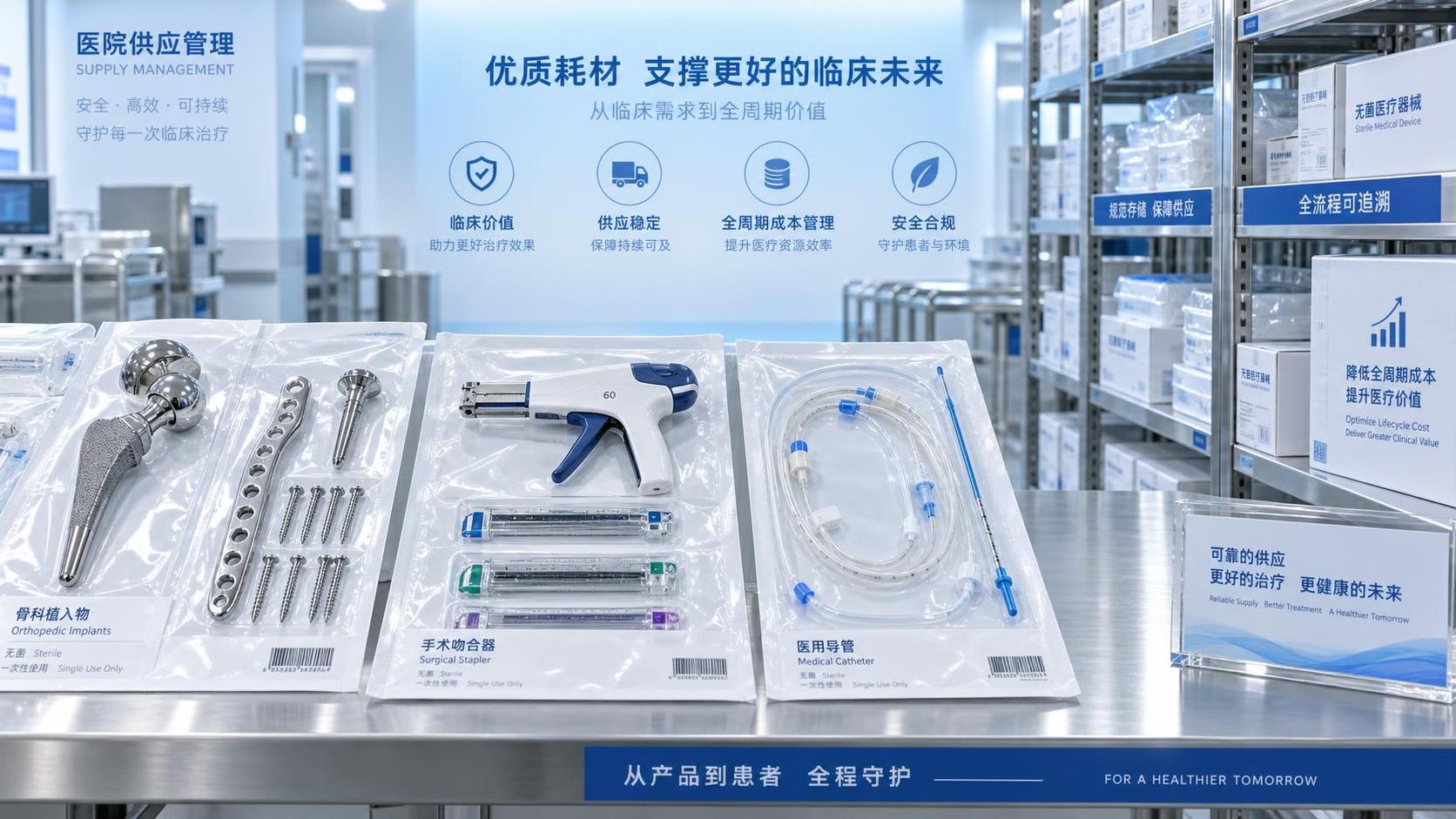
In healthcare, this model is especially influential for implants and consumables. Stents, orthopedic implants, staplers, catheters, and advanced dressings are frequent targets.
Device pricing power refers to the ability to maintain price levels without losing access. Under volume based procurement, that power shifts from brand reputation alone toward measurable clinical and supply value.
The old pricing logic often rewarded sales coverage, physician preference, and distribution depth. The new logic emphasizes bid competitiveness, compliance readiness, and evidence-backed differentiation.
For the medical consumables sector, this change is structural rather than temporary. It affects portfolio design, contract strategy, channel incentives, and investment in premium segments.
Why Volume Based Procurement Is Reshaping the Industry
Several forces explain why volume based procurement now carries such weight across the broader healthcare and device landscape.
- Public and private payers demand tighter cost control.
- Hospitals seek predictable supply and standardized purchasing.
- Regulators encourage transparency in pricing and utilization.
- High-volume categories offer immediate savings potential.
- Clinical pathways increasingly support product standardization.
These forces are strongest in high-value consumables. Such products combine recurrent demand, significant spending, and growing scrutiny over real-world therapeutic outcomes.
IMCS tracks this shift closely across orthopedic replacement, cardiovascular intervention, minimally invasive surgery, medical polymers, and advanced wound care.
In these categories, volume based procurement does not merely lower prices. It redesigns market entry rules and changes how premium value must be defended.
Key Signals to Watch
How Volume Based Procurement Changes Pricing Leverage
The most visible impact of volume based procurement is direct price compression. Yet the deeper effect is a shift in who controls terms and what evidence supports premium claims.
From Relationship Pricing to Structured Bidding
Relationship-driven pricing becomes less decisive under formal tenders. Commercial success increasingly depends on bid architecture, product mapping, and regulatory completeness.
From Broad Catalogs to Focused Winning SKUs
Large portfolios may not protect margins if most items are undifferentiated. Volume based procurement rewards precise SKU positioning and clear product tiering.
From Premium Branding to Evidence-Based Premiums
A premium price remains possible when supported by outcome data, procedural efficiency, lower complication risk, or lower total treatment cost.
In orthopedic implants, porous structures, material durability, and revision-rate evidence matter. In cardiovascular devices, deliverability, patency, and long-term safety can defend higher positioning.
In staplers and catheters, ergonomic reliability, consistency, and reduced intraoperative failure become practical pricing arguments under volume based procurement conditions.
Business Implications Across High-Value Device Categories
The effects of volume based procurement vary by product type. Some categories face rapid commoditization, while others retain room for technically justified premiums.
This is where strategic intelligence matters. IMCS connects biocompatibility, precision manufacturing, clinical evidence, and procurement policy into one market view.
That integrated view helps identify which products are vulnerable to pure price competition and which can still preserve pricing power through meaningful differentiation.
Typical Pricing Scenarios Under Volume Based Procurement
Not every product faces the same negotiation logic. Several common scenarios explain how volume based procurement changes commercial outcomes.
Scenario 1: Standardized Mature Products
When clinical performance is broadly comparable, volume based procurement sharply reduces pricing power. Scale efficiency and dependable fulfillment become the main advantages.
Scenario 2: Technically Differentiated Products
Products with clear procedural or outcome benefits can still sustain premium positioning. However, claims must be specific, validated, and aligned with tender evaluation logic.
Scenario 3: Premium Products in Mixed Portfolios
A portfolio may use competitive entry products to secure access, while reserving premium products for complex cases, specialized departments, or clinically demanding subsegments.
Scenario 4: Supply-Constrained Categories
If manufacturing capacity, sterilization throughput, or validation complexity limits supply, pricing power may partially recover despite volume based procurement pressure.
Practical Strategies to Protect Margin and Market Access
A disciplined response to volume based procurement should balance pricing realism with selective premium defense.
- Segment the portfolio by tender sensitivity, clinical differentiation, and supply economics.
- Build product narratives around outcomes, not broad brand claims.
- Prepare evidence packages that connect technical features with procurement criteria.
- Strengthen post-award execution, including delivery accuracy and regulatory documentation.
- Identify premium niches where complication reduction or workflow efficiency is measurable.
- Model price cliffs before bidding, especially in stents and orthopedic consumables.
This is especially relevant for Class III devices. Procurement success without quality consistency can quickly become operational risk.
Biocompatibility validation, ISO 10993 readiness, CER strength, and production control all influence whether lower prices remain commercially sustainable.
What to Monitor Next
The next phase of volume based procurement will likely expand beyond headline price cuts. Evaluation models may increasingly include outcomes, compliance, and lifecycle economics.
That creates both pressure and opportunity. Weakly differentiated products will feel sharper compression, while clinically superior products may justify protected premium tiers.
For organizations active in implants and medical consumables, the most resilient strategy is not resisting volume based procurement. It is learning how to compete intelligently within it.
IMCS supports that next step by tracking procurement policy, technical validation, and category-specific pricing dynamics across global high-value consumables markets.
A clearer view of volume based procurement helps preserve pricing power where it still exists, while redirecting effort away from unsustainable price battles.
Get weekly intelligence in your inbox.
No noise. No sponsored content. Pure intelligence.
News Recommendations
 Sep 27, 2026What to verify before selecting a microcatheters manufacturerWhat to verify before selecting a microcatheters manufacturer
 Sep 26, 2026How to verify FDA compliance for medical device materialsHow to verify FDA compliance for medical device materials
 Sep 25, 2026When does a porous 3D-printed cranial implant improve fixation?When does a porous 3D-printed cranial implant improve fixation?
 Sep 24, 2026When are bovine pericardial valves suitable for transcatheter aortic valve replacement?When are bovine pericardial valves suitable for transcatheter aortic valve replacement?
 Sep 23, 2026How to verify the sterility assurance of surgical devicesHow to verify the sterility assurance of surgical devices
 Sep 22, 2026How to assess a spinal implants manufacturer’s quality systemHow to assess a spinal implants manufacturer’s quality system
 Sep 21, 2026How to assess an osseointegration technology manufacturer’s quality systemHow to assess an osseointegration technology manufacturer’s quality system
 Sep 20, 2026Medical material science trends reshaping biocompatibility testingMedical material science trends reshaping biocompatibility testing
 Sep 19, 2026What North American regulators expect in implant clinical evaluationsWhat North American regulators expect in implant clinical evaluations
 Sep 18, 2026When should plate and screw systems be selected for fracture fixation?When should plate and screw systems be selected for fracture fixation?
 Sep 17, 2026How a medical device sourcing strategy can reduce total acquisition costHow a medical device sourcing strategy can reduce total acquisition cost
 Sep 16, 2026When are silver foam burn care dressings appropriate for exuding burns?When are silver foam burn care dressings appropriate for exuding burns?
 Sep 15, 2026What drives medical device category pricing in value-based purchasing?What drives medical device category pricing in value-based purchasing?
 Sep 14, 2026High value consumables insights for evaluating total cost of careHigh value consumables insights for evaluating total cost of care
 Sep 13, 2026What a medical device market insights platform reveals about market accessWhat a medical device market insights platform reveals about market access
 Sep 12, 2026When are collagen-based tissue healing materials suitable for wound care?When are collagen-based tissue healing materials suitable for wound care?
 Sep 11, 2026How catheter material selection affects total cost of ownershipHow catheter material selection affects total cost of ownership
 Sep 10, 2026What FDA clearance means for medical grade PEEK implantsWhat FDA clearance means for medical grade PEEK implants
 Sep 09, 2026When do hydrogel wound healing technologies suit dry wounds?When do hydrogel wound healing technologies suit dry wounds?
 Sep 07, 2026How to assess medical consumables for surgical useHow to assess medical consumables for surgical use
 Sep 07, 2026How to verify CE MDR compliance for single-use medical consumablesHow to verify CE MDR compliance for single-use medical consumables
 Sep 05, 2026How to evaluate an antithrombotic catheter factory for qualityHow to evaluate an antithrombotic catheter factory for quality
 Sep 04, 2026When do minimally invasive surgical staplers improve GI access?When do minimally invasive surgical staplers improve GI access?
 Sep 03, 2026When are foam moist wound healing dressings appropriate for exuding wounds?When are foam moist wound healing dressings appropriate for exuding wounds?
 Sep 02, 2026How implant pricing affects access to advanced medical careHow implant pricing affects access to advanced medical care
 Sep 01, 2026What is driving price pressure in the North American medical consumables market?What is driving price pressure in the North American medical consumables market?
 Aug 31, 2026Comparing medical devices in Southeast Asia when market access differsComparing medical devices in Southeast Asia when market access differs