ISO 10993 Testing Delays Often Start With Sample Prep
ISO 10993 testing delays are increasingly traced to earlier preparation steps
Many ISO 10993 testing delays do not begin in the lab. They begin during sample preparation, before any extraction, incubation, or biological endpoint is measured.
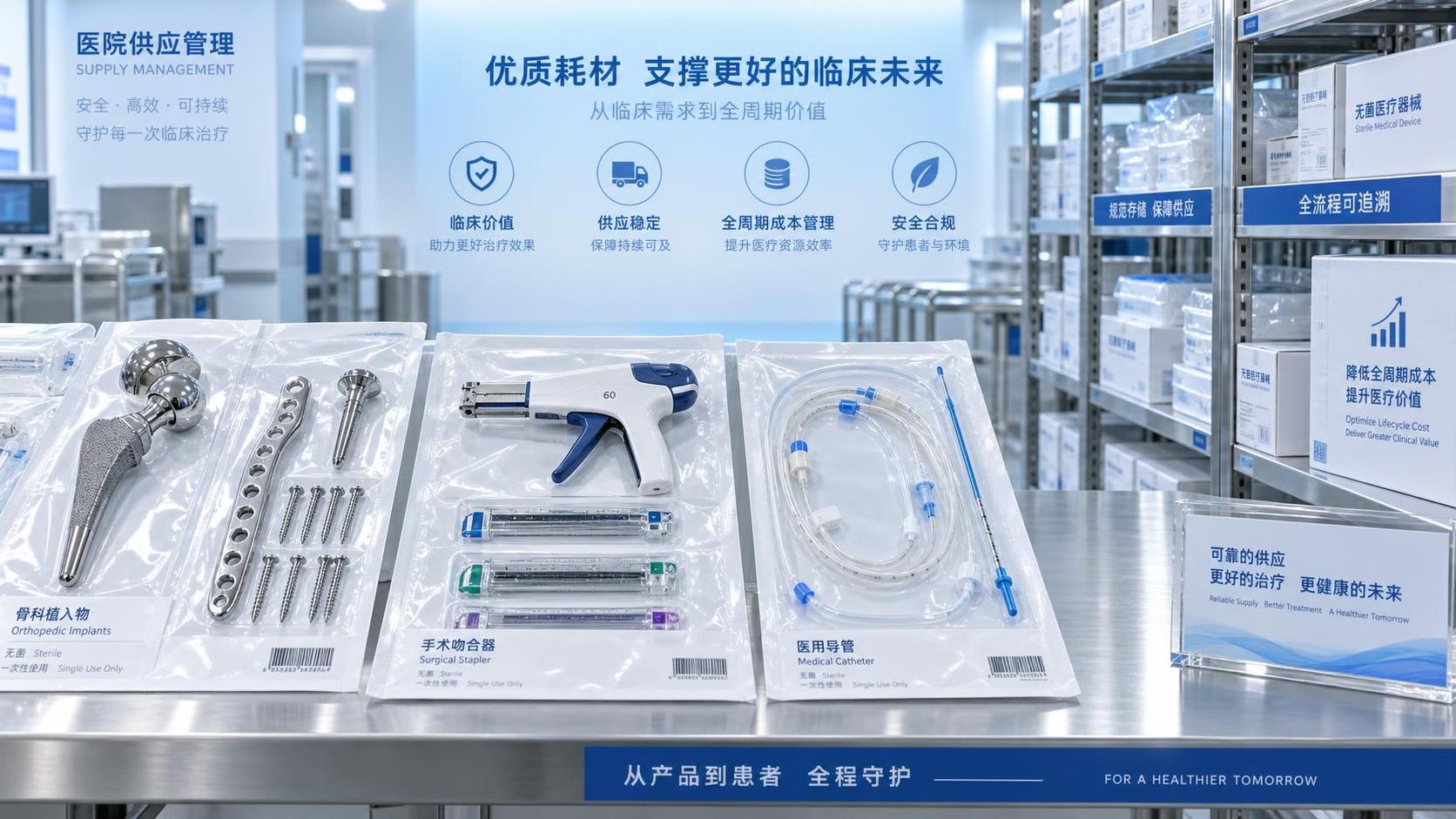
Across implants, catheters, staplers, and wound materials, weak prep control often causes failed timelines, retests, and incomplete biological risk evaluations.
That shift matters because ISO 10993 testing is now reviewed more closely under global Class III device expectations, design changes, and stricter technical documentation practices.
For IMCS, this pattern reflects a broader industry reality. Biocompatibility success depends not only on chemistry and toxicology, but also on disciplined material handling.
A clear trend signal: preparation quality now shapes biological safety timelines
In the past, teams often treated sample preparation as a routine handoff. Today, it has become a leading predictor of ISO 10993 testing efficiency and data acceptability.
Regulators and test laboratories increasingly expect traceable preparation logic. They want to see why a sample format, extraction ratio, packaging state, and sterilization condition were selected.
This is especially important for multi-material devices. Orthopedic implants, DES systems, polymer catheters, staplers, and advanced dressings rarely behave like simple single-substance articles.
As devices become smaller, coated, porous, drug-bearing, and combination-oriented, ISO 10993 testing becomes more sensitive to early preparation errors.
Why this signal is becoming stronger
- More complex materials increase uncertainty in extraction behavior.
- Global submissions demand stronger rationale for test article representativeness.
- Change control pressures require updated ISO 10993 testing after process or supplier shifts.
- Laboratories reject poorly documented samples more quickly than before.
- Time-to-market targets leave little buffer for repeat preparation cycles.
The most common causes behind sample prep failure in ISO 10993 testing
The drivers of delay are rarely dramatic. They are usually small, procedural mistakes that accumulate and later compromise the validity of ISO 10993 testing.
Subtle errors that often go unnoticed
A wiped implant may no longer reflect commercial cleanliness. A trimmed catheter may expose fresh polymer edges never seen in clinical use.
A dressing folded differently from final packaging may alter extractables. These small changes can distort ISO 10993 testing without obvious warning signs.
Different device categories feel the impact in different ways
The consequences of bad preparation are not identical across the medical consumables landscape. Each device family carries its own sensitivity points.
Orthopedic implants and porous structures
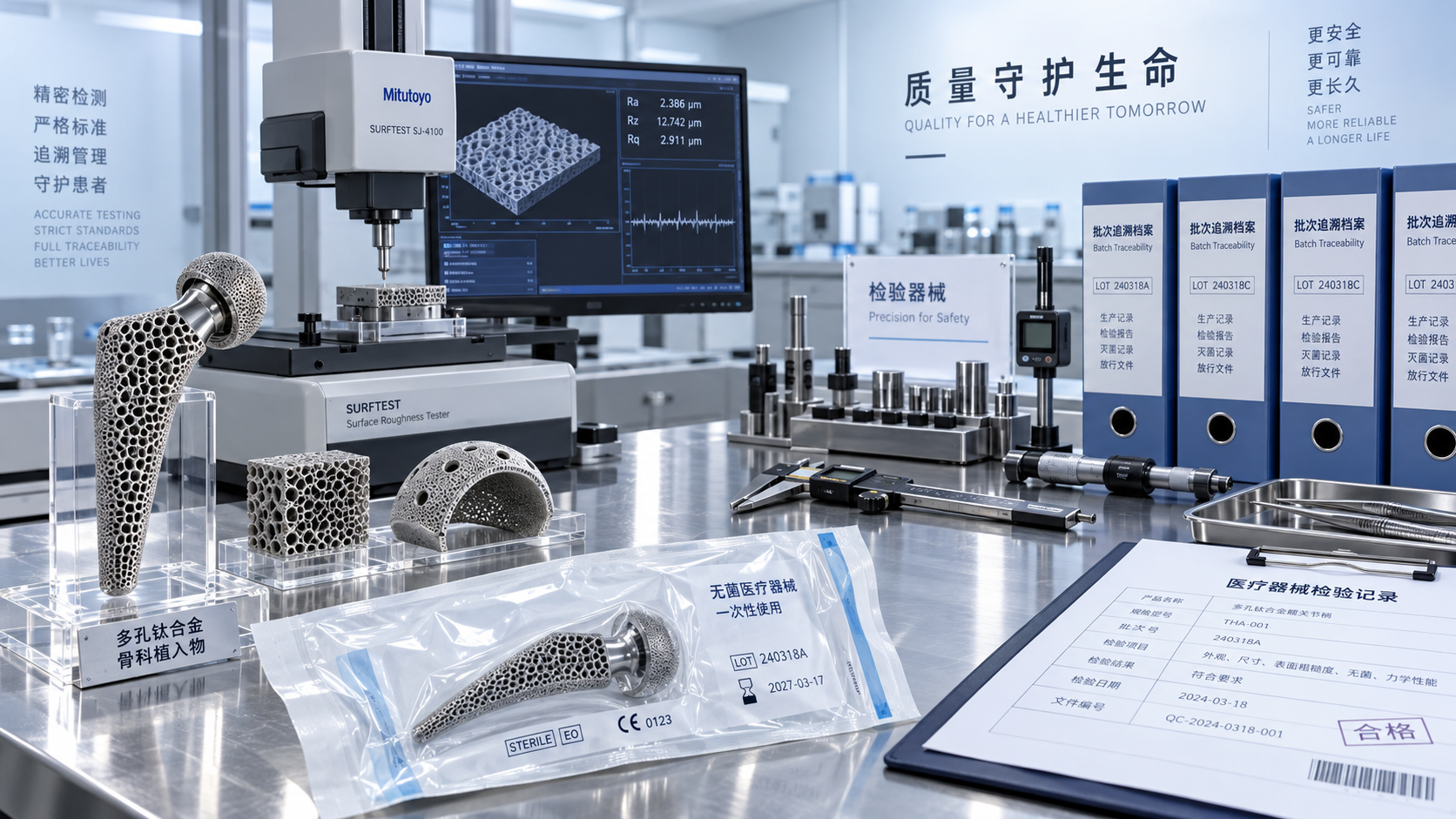
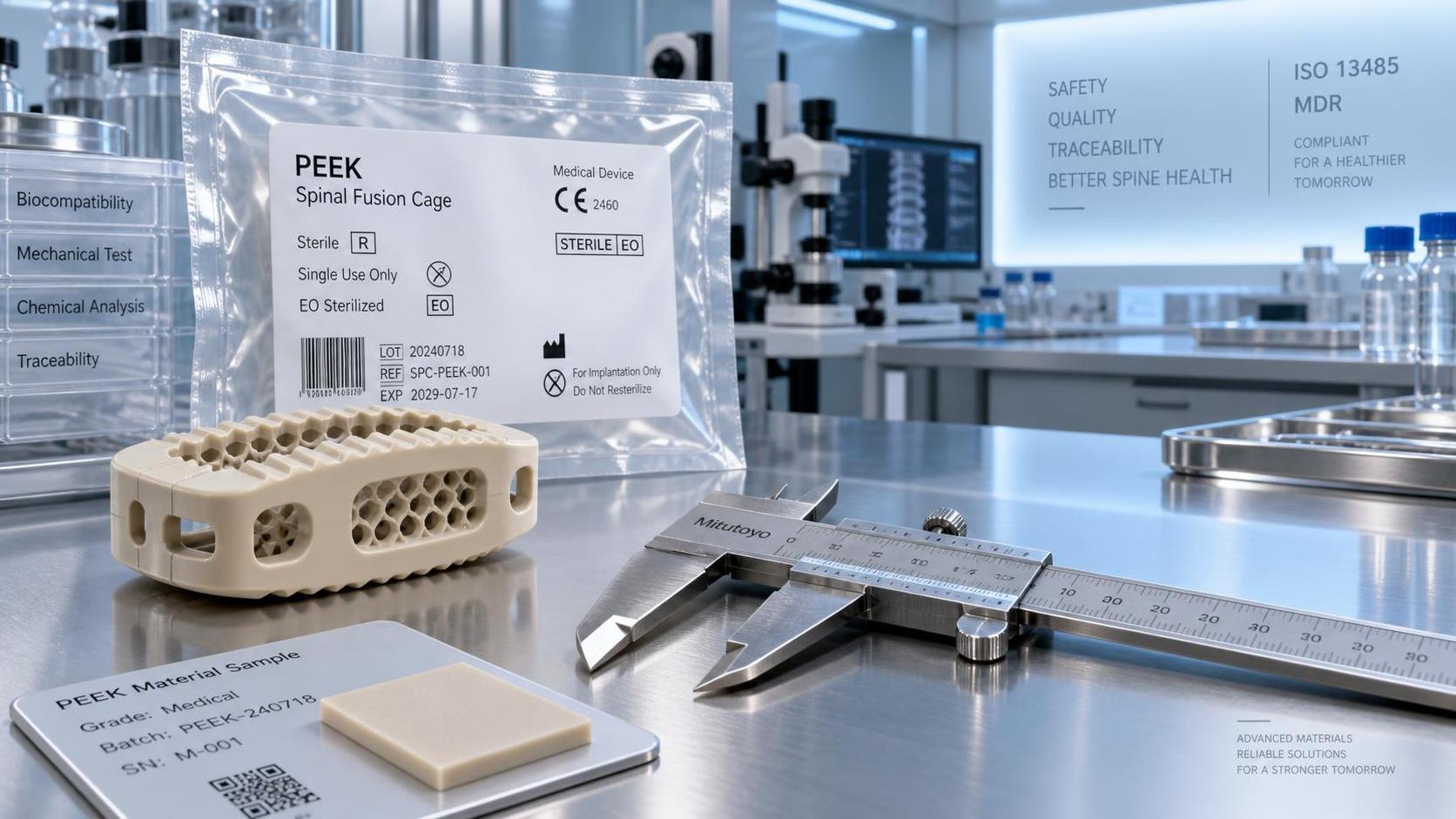
Porous titanium, coated fixation layers, and PEEK combinations complicate extraction logic. Surface-rich geometries may trap residues or behave differently after sterilization.
Cardiovascular interventional devices
DES systems, balloons, and valve delivery components depend heavily on coating integrity. Mishandling during sample prep may remove, crack, or contaminate critical layers.
Minimally invasive staplers and metal-polymer assemblies
These products often include lubricants, adhesives, and dissimilar materials. ISO 10993 testing may be delayed when the chosen sample fails to represent assembled-use conditions.
Polymer catheters and coated lumens
Hydrophilic and antithrombotic coatings are vulnerable during cutting and handling. Even storage conditions before dispatch can influence ISO 10993 testing outcomes.
Advanced wound care materials
Foams, alginates, silicones, and silver-based systems absorb liquids differently. Extraction preparation must consider swelling, release profiles, and contact-state realism.
The business impact goes beyond the laboratory schedule
Poor preparation affects more than one test report. It can disrupt regulatory sequencing, launch plans, internal validation windows, and technical file credibility.
When ISO 10993 testing must be repeated, associated chemistry work, toxicological assessment, and biological evaluation updates may also be delayed.
That is especially costly when design verification, packaging validation, sterilization release, and submission milestones are already tightly linked.
- Retests consume reserve samples and extend lead times.
- Documentation revisions create cross-functional rework.
- Regulatory questions may expand beyond the original endpoint.
- Supplier or process changes become harder to justify retrospectively.
What deserves closer attention before ISO 10993 testing begins
Strong programs reduce delay risk by making sample preparation a controlled technical activity, not a shipping task.
Core checkpoints worth formalizing
- Define the exact market-state sample to be tested.
- Document whether samples are cleaned, uncleaned, or process residual-bearing.
- Control cutting methods to avoid unrealistic new surfaces.
- Confirm packaging and sterilization status before dispatch.
- Align extraction rationale with contact type, duration, and material profile.
- Keep traceable labels tied to lot, revision, and manufacturing route.
- Review changes in suppliers, coatings, additives, or post-processing steps.
A practical response path can reduce ISO 10993 testing setbacks
The best response is not simply faster testing. It is earlier alignment between development, quality, toxicology, and laboratory execution.
The next competitive advantage may be preparation discipline, not just test capacity
In high-value medical consumables, biocompatibility timelines are increasingly won or lost before the lab starts. That is the deeper market signal behind rising ISO 10993 testing delays.
Preparation discipline supports stronger evidence, fewer surprises, and smoother biological evaluation across implants, interventional devices, staplers, catheters, and wound care systems.
A focused review of sample state, extraction rationale, and traceability can often prevent weeks of avoidable delay in ISO 10993 testing.
For organizations navigating complex regulations and aggressive launch windows, the next practical step is simple: audit sample preparation before scheduling the next test series.
That small shift can protect data quality, regulatory confidence, and the broader business case behind every biocompatibility program.
Get weekly intelligence in your inbox.
No noise. No sponsored content. Pure intelligence.
News Recommendations
 Sep 27, 2026What to verify before selecting a microcatheters manufacturerWhat to verify before selecting a microcatheters manufacturer
 Sep 26, 2026How to verify FDA compliance for medical device materialsHow to verify FDA compliance for medical device materials
 Sep 25, 2026When does a porous 3D-printed cranial implant improve fixation?When does a porous 3D-printed cranial implant improve fixation?
 Sep 24, 2026When are bovine pericardial valves suitable for transcatheter aortic valve replacement?When are bovine pericardial valves suitable for transcatheter aortic valve replacement?
 Sep 23, 2026How to verify the sterility assurance of surgical devicesHow to verify the sterility assurance of surgical devices
 Sep 22, 2026How to assess a spinal implants manufacturer’s quality systemHow to assess a spinal implants manufacturer’s quality system
 Sep 21, 2026How to assess an osseointegration technology manufacturer’s quality systemHow to assess an osseointegration technology manufacturer’s quality system
 Sep 20, 2026Medical material science trends reshaping biocompatibility testingMedical material science trends reshaping biocompatibility testing
 Sep 19, 2026What North American regulators expect in implant clinical evaluationsWhat North American regulators expect in implant clinical evaluations
 Sep 18, 2026When should plate and screw systems be selected for fracture fixation?When should plate and screw systems be selected for fracture fixation?
 Sep 17, 2026How a medical device sourcing strategy can reduce total acquisition costHow a medical device sourcing strategy can reduce total acquisition cost
 Sep 16, 2026When are silver foam burn care dressings appropriate for exuding burns?When are silver foam burn care dressings appropriate for exuding burns?
 Sep 15, 2026What drives medical device category pricing in value-based purchasing?What drives medical device category pricing in value-based purchasing?
 Sep 14, 2026High value consumables insights for evaluating total cost of careHigh value consumables insights for evaluating total cost of care
 Sep 13, 2026What a medical device market insights platform reveals about market accessWhat a medical device market insights platform reveals about market access
 Sep 12, 2026When are collagen-based tissue healing materials suitable for wound care?When are collagen-based tissue healing materials suitable for wound care?
 Sep 11, 2026How catheter material selection affects total cost of ownershipHow catheter material selection affects total cost of ownership
 Sep 10, 2026What FDA clearance means for medical grade PEEK implantsWhat FDA clearance means for medical grade PEEK implants
 Sep 09, 2026When do hydrogel wound healing technologies suit dry wounds?When do hydrogel wound healing technologies suit dry wounds?
 Sep 07, 2026How to assess medical consumables for surgical useHow to assess medical consumables for surgical use
 Sep 07, 2026How to verify CE MDR compliance for single-use medical consumablesHow to verify CE MDR compliance for single-use medical consumables
 Sep 05, 2026How to evaluate an antithrombotic catheter factory for qualityHow to evaluate an antithrombotic catheter factory for quality
 Sep 04, 2026When do minimally invasive surgical staplers improve GI access?When do minimally invasive surgical staplers improve GI access?
 Sep 03, 2026When are foam moist wound healing dressings appropriate for exuding wounds?When are foam moist wound healing dressings appropriate for exuding wounds?
 Sep 02, 2026How implant pricing affects access to advanced medical careHow implant pricing affects access to advanced medical care
 Sep 01, 2026What is driving price pressure in the North American medical consumables market?What is driving price pressure in the North American medical consumables market?
 Aug 31, 2026Comparing medical devices in Southeast Asia when market access differsComparing medical devices in Southeast Asia when market access differs