Implantable Biomaterials Choices That Raise Long-Term Risk
Not all implantable biomaterials behave the same after implantation.
A poor material choice can trigger inflammation, loosening, corrosion, delayed healing, or revision surgery years later.
That is why understanding implantable biomaterials matters before choosing an orthopedic, cardiovascular, spinal, dental, or soft tissue implant.
This guide explains which implantable biomaterials may raise long-term risk, how to compare them, and what questions help support safer decisions.
What are implantable biomaterials, and why do they affect long-term outcomes?
Implantable biomaterials are engineered substances placed inside the body to restore structure, function, or healing support.
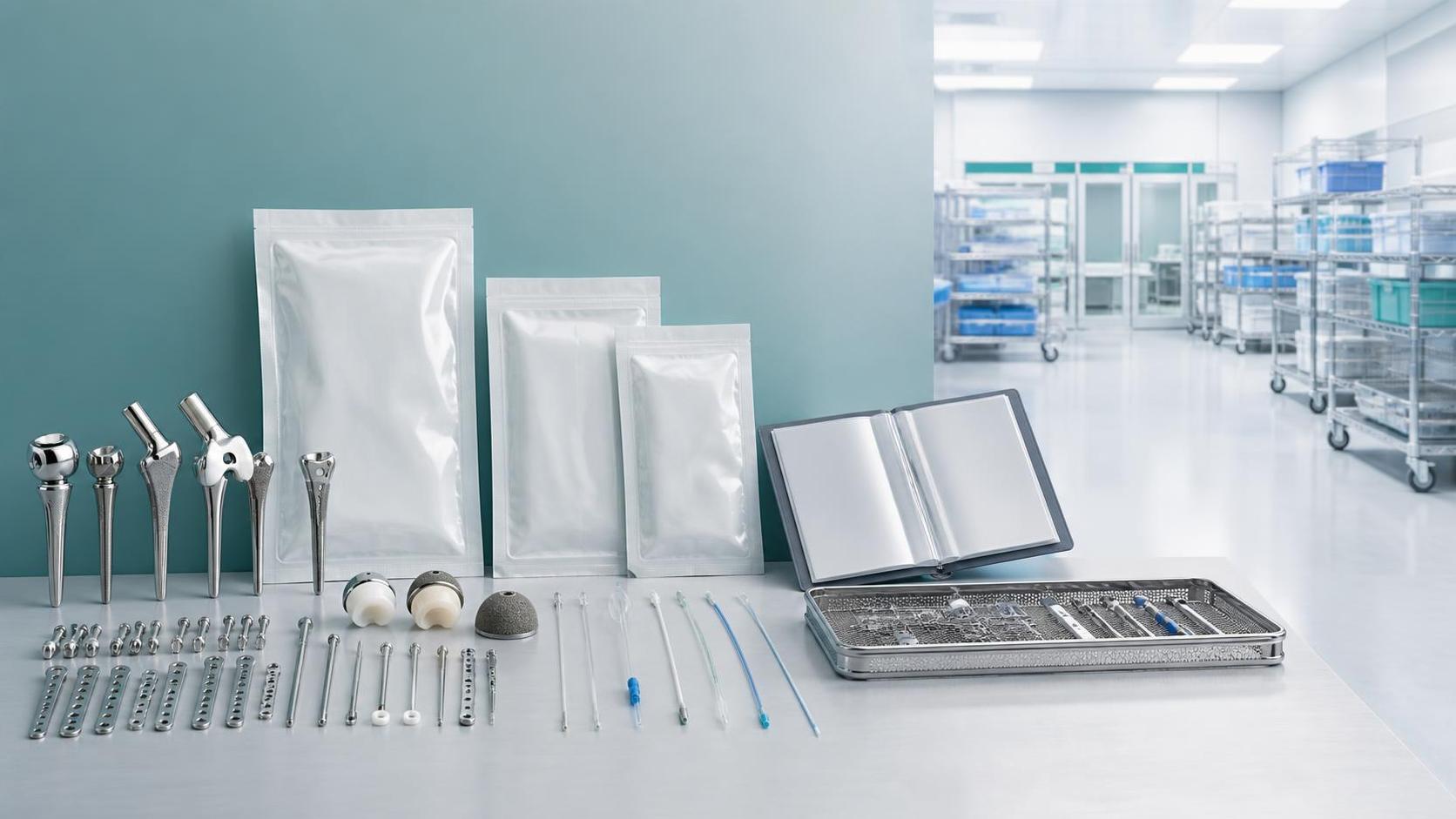
Common examples include titanium alloys, cobalt-chromium, stainless steel, PEEK, ceramics, hydrogels, and biodegradable polymers.
Their job is not only mechanical.
They must also remain stable in blood, bone, soft tissue, and immune environments over long periods.
When implantable biomaterials mismatch the clinical need, problems can appear slowly rather than immediately.
Examples include wear debris, ion release, fibrotic encapsulation, weak osseointegration, thrombosis, or biofilm-related infection.
Long-term safety depends on several linked factors:
- Biocompatibility with local tissue
- Mechanical strength under real body loads
- Corrosion and wear resistance
- Surface design and tissue integration
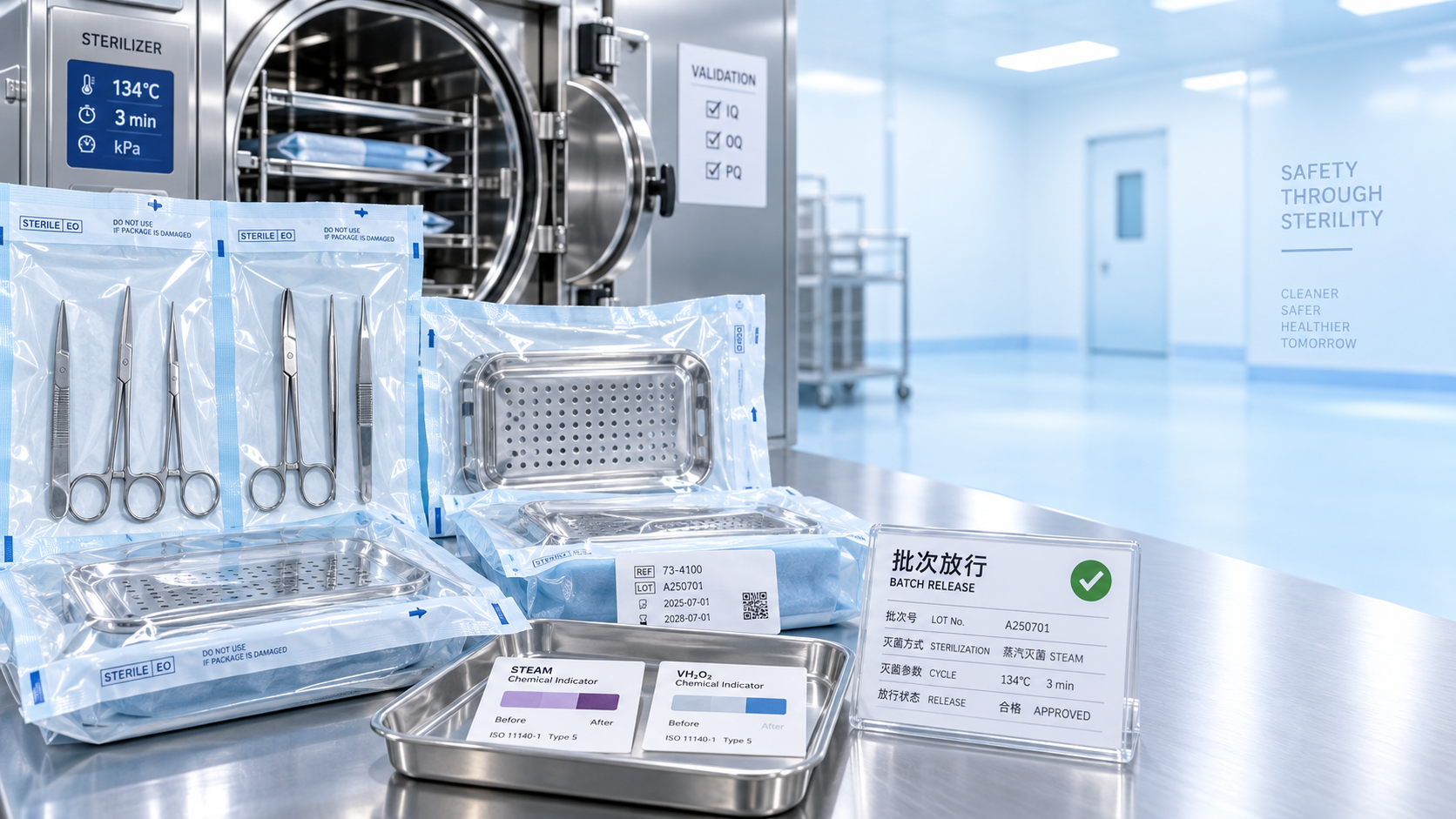
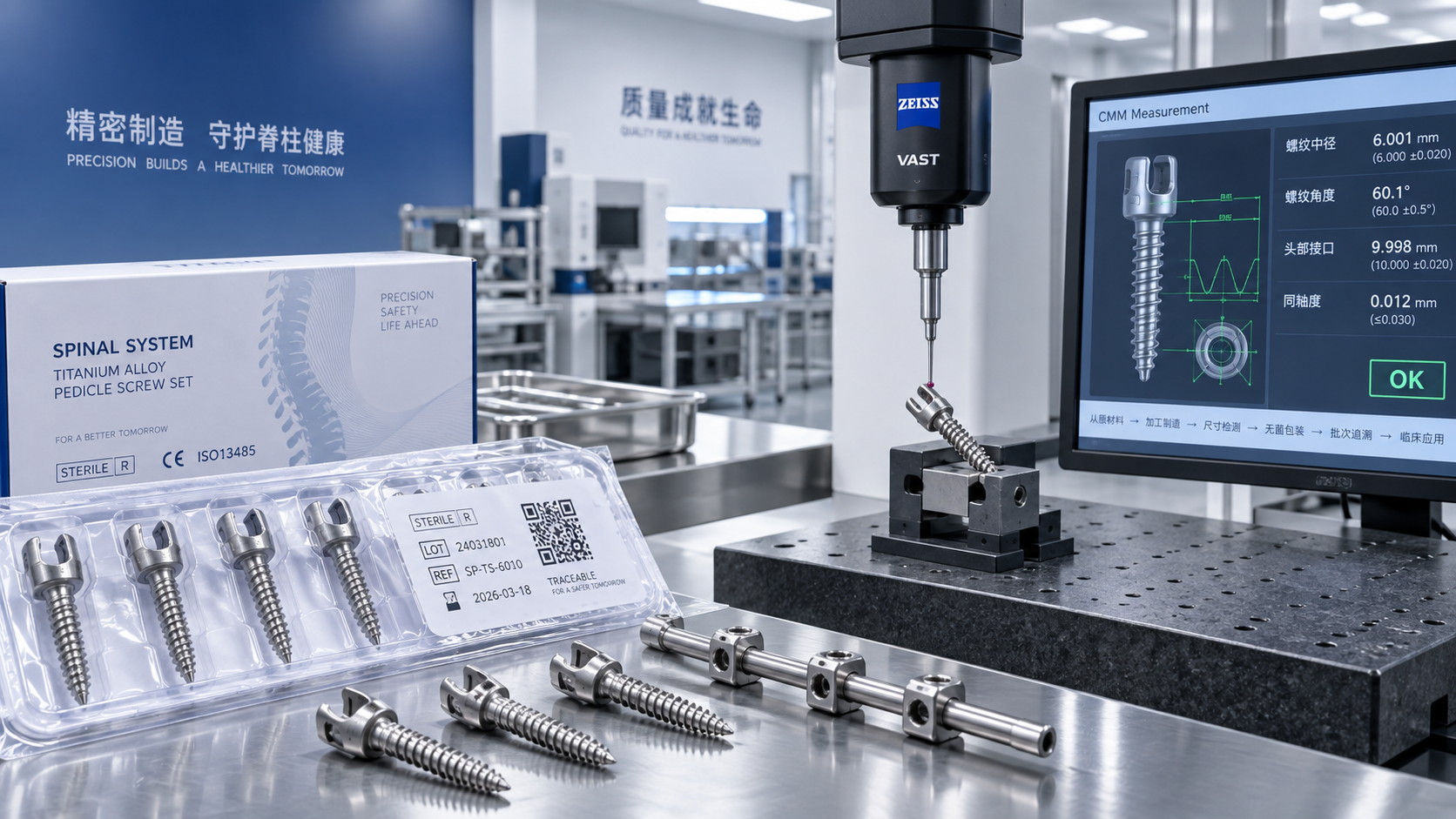
- Sterility, cleanliness, and manufacturing precision
In short, implantable biomaterials influence both the first weeks of healing and the next ten or twenty years of performance.
Which implantable biomaterials choices most often raise long-term risk?
Risk does not come from one material alone.
It usually comes from choosing the wrong material for a specific anatomy, load pattern, or tissue environment.
1. Metals with corrosion or ion release concerns
Some metal implants perform well for decades, but certain combinations may release metal ions under friction or corrosion stress.
Cobalt-chromium systems can be durable, yet wear particles may increase inflammatory reactions in selected cases.
Nickel-containing materials may also be problematic for patients with metal sensitivity.
2. Polymers that wear, crack, or age poorly
Medical polymers are valuable because they are light, flexible, and imaging-friendly.
However, lower-grade polymer design may lead to fatigue cracks, deformation, or particle generation over time.
This matters in spinal cages, catheters, and some tissue-contact devices.
3. Ceramics that are stable but brittle
Ceramics can offer excellent wear resistance and good biological response.
Yet brittleness remains a concern where impact, edge loading, or unexpected stress concentration is possible.
4. Biodegradable materials with uncertain degradation behavior
Bioabsorbable implantable biomaterials can reduce permanent foreign-body burden.
Still, if degradation is too fast, too slow, or uneven, local acidity and weak structural support may follow.
5. Smooth or poorly engineered surfaces
Sometimes the core material is acceptable, but the surface fails to support integration.
A poor surface can increase micromotion, fibrous tissue formation, bacterial attachment, or delayed endothelial healing.
How do risks differ by application, such as joints, stents, catheters, or spinal implants?
Different implants face different biological and mechanical challenges.
That means implantable biomaterials must be judged in context, not by reputation alone.
Orthopedic and joint replacement
These devices face high repetitive loads and long service life demands.
Long-term risk often comes from wear debris, loosening, poor bone ingrowth, or mismatch between stiffness and surrounding bone.
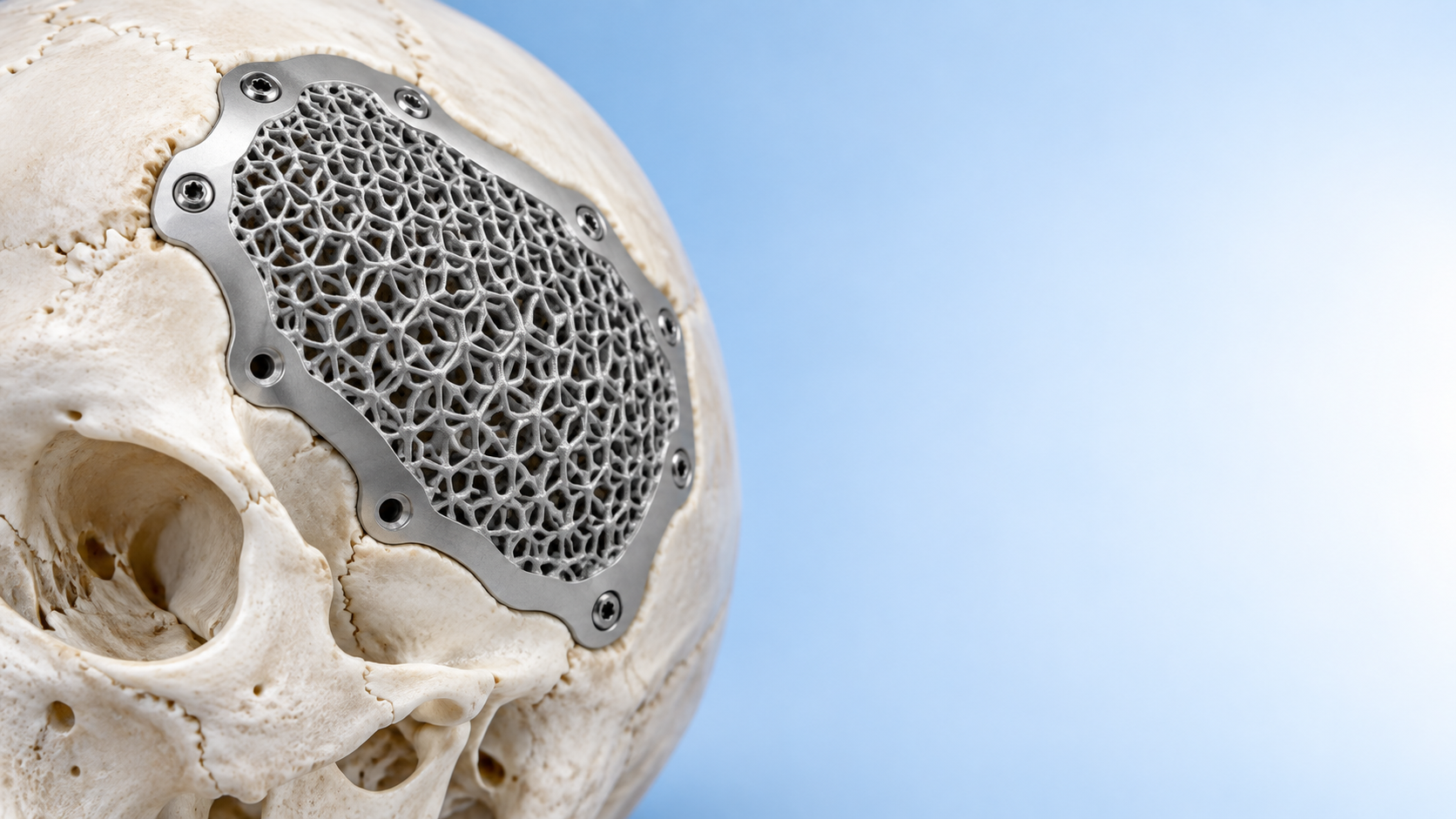
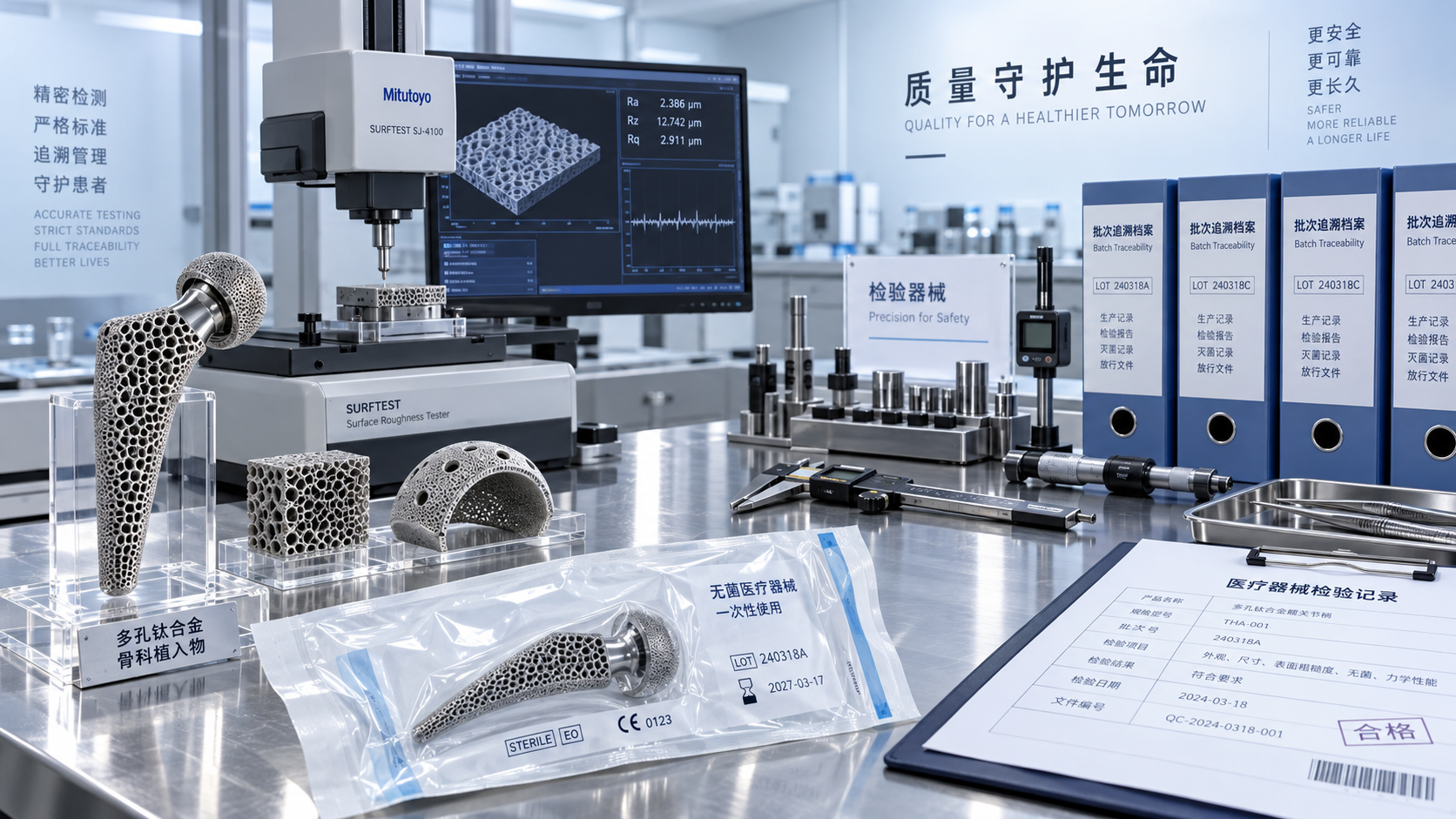
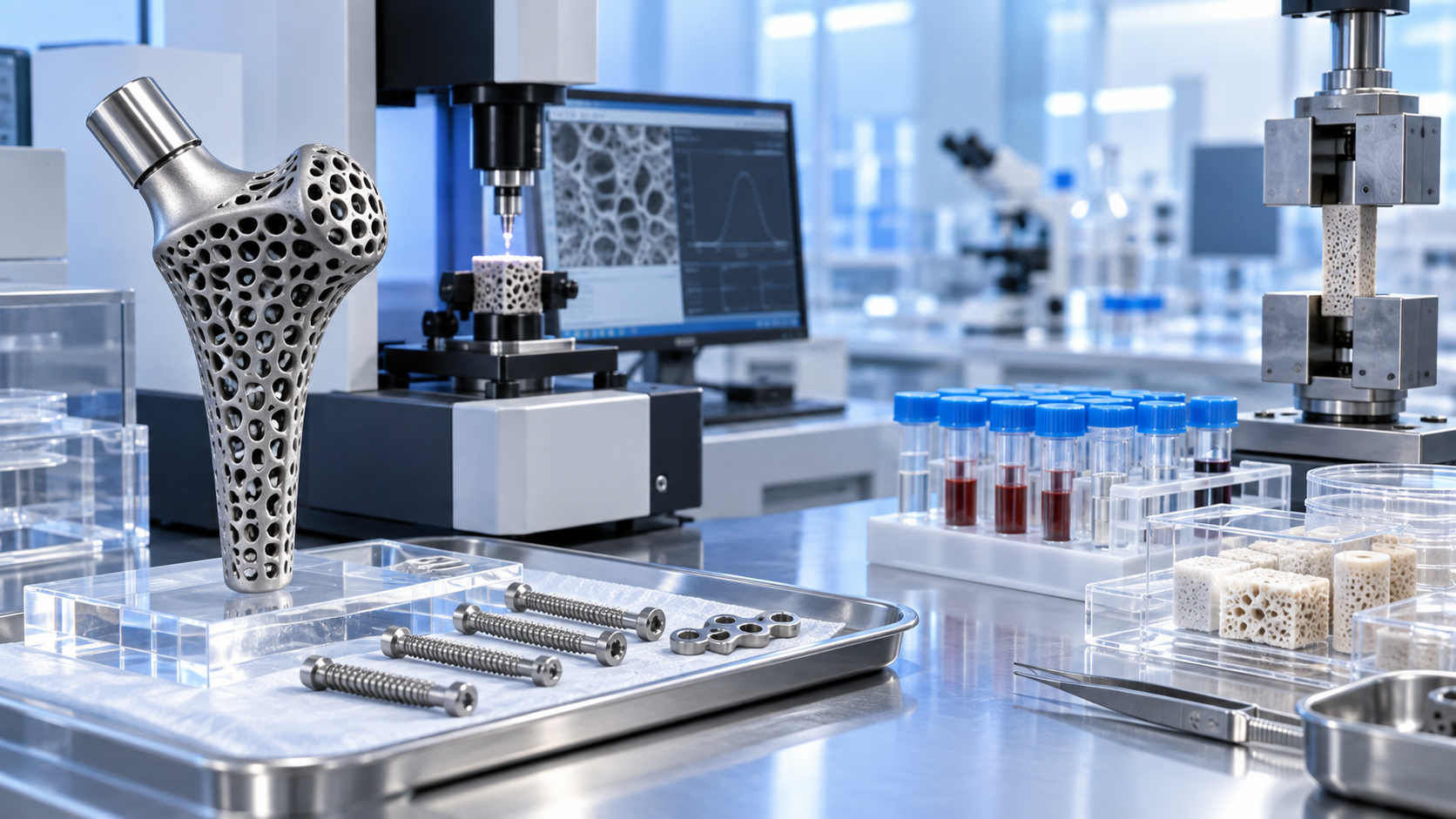
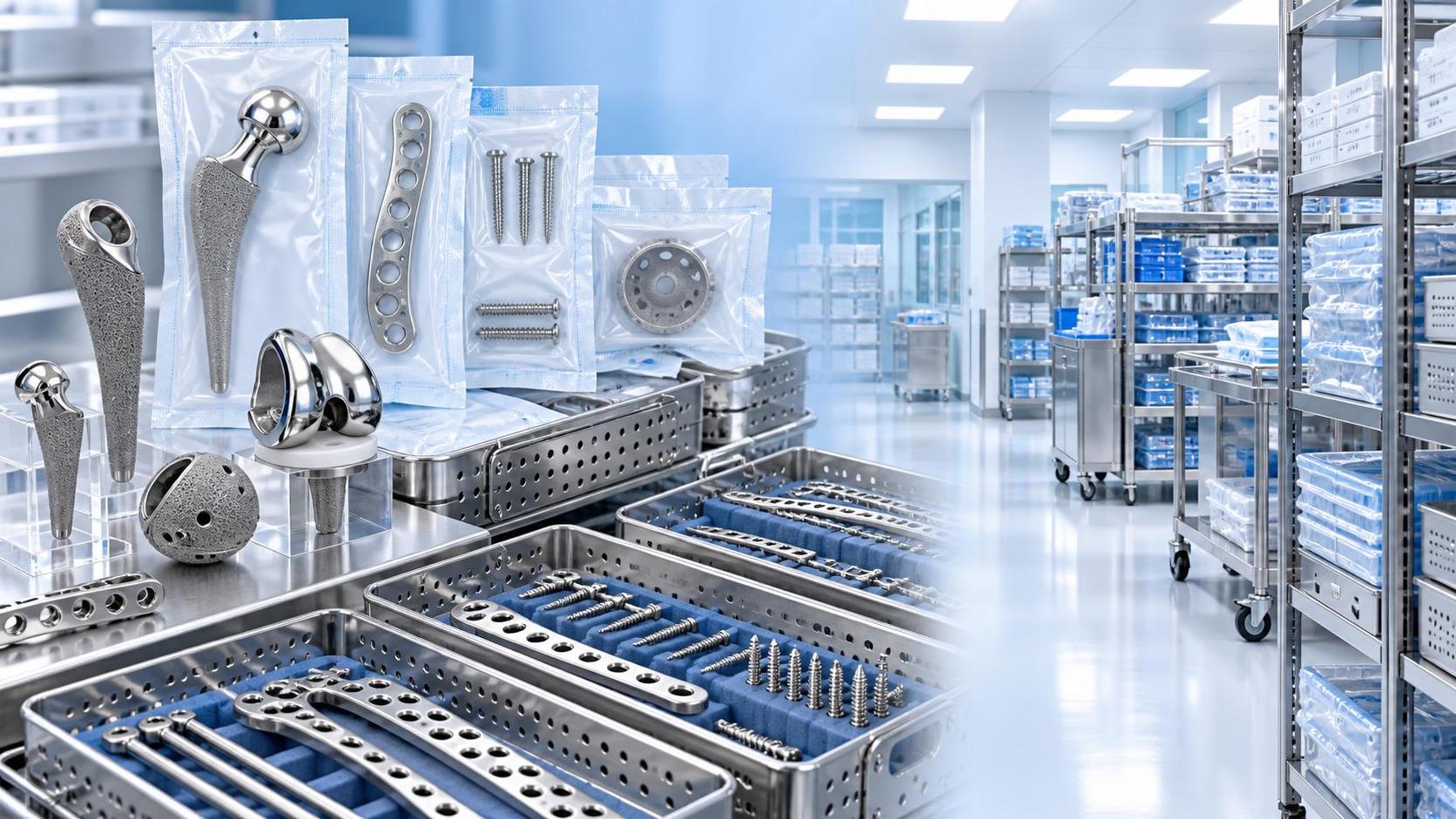
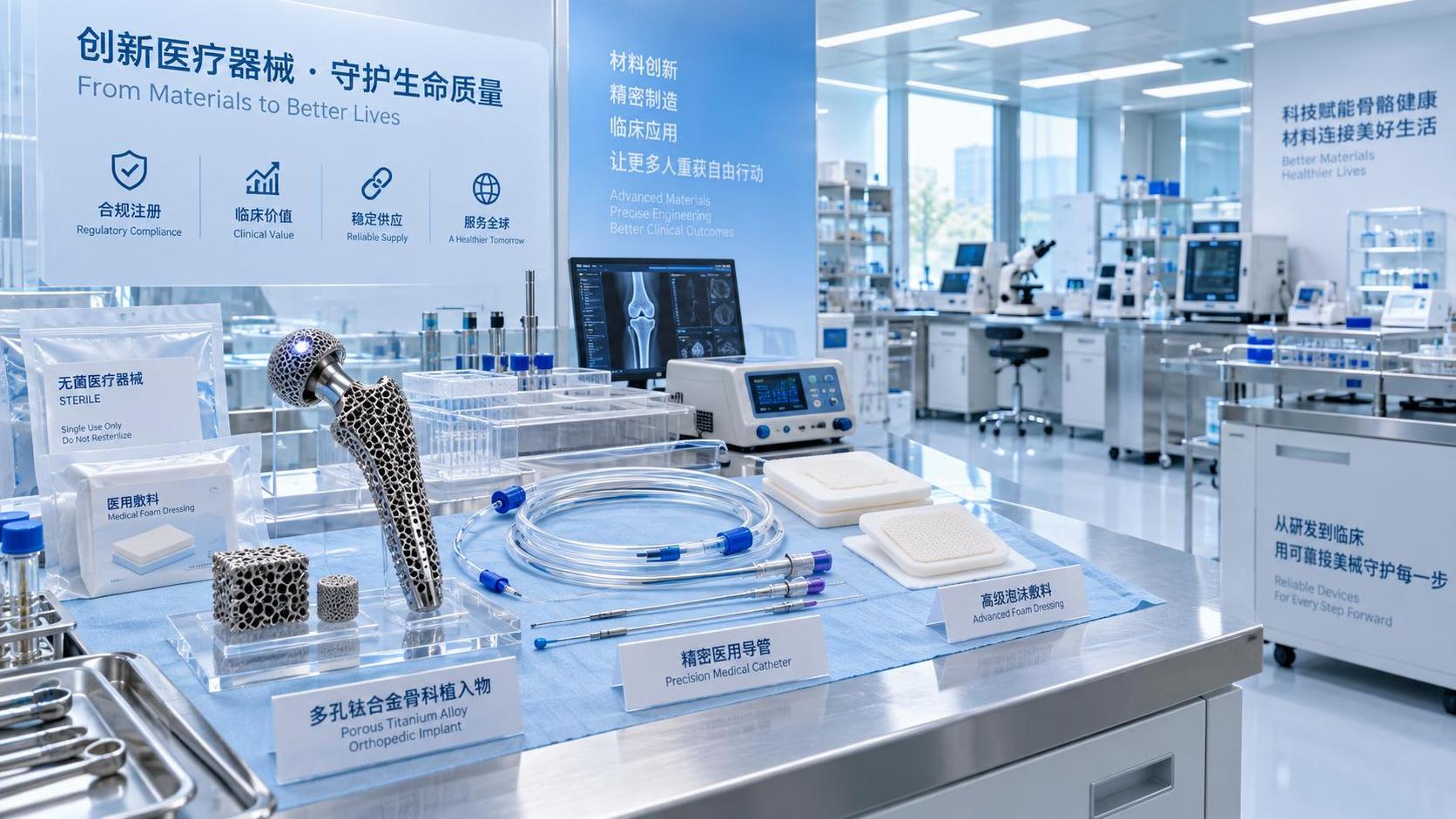
Porous titanium and optimized bearing materials often improve fixation and reduce revision pressure.
Cardiovascular implants and stents
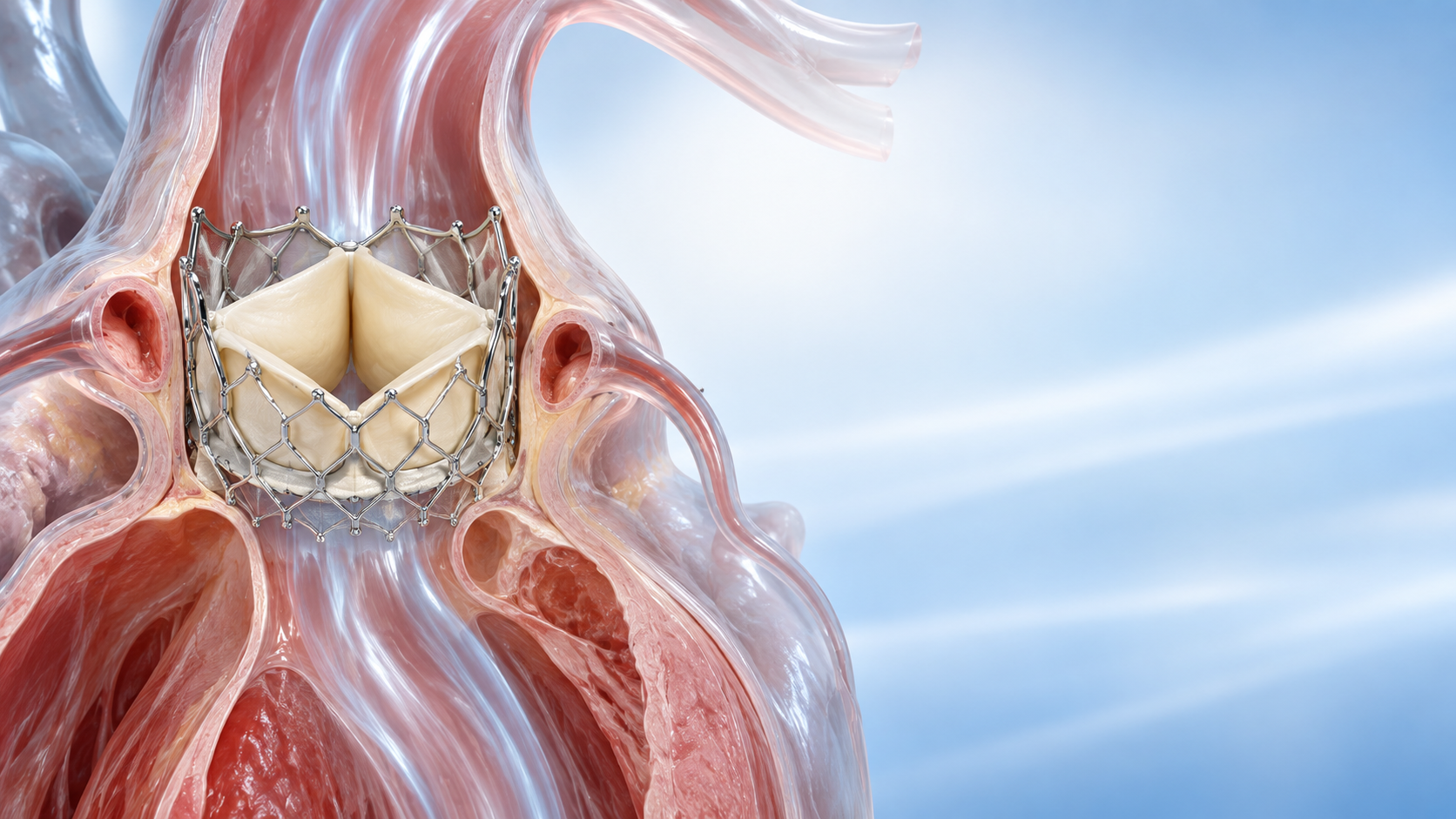
Blood-contact devices must resist thrombosis, corrosion, and inflammatory reactions.
In this setting, surface chemistry, coating stability, and endothelial compatibility are as important as radial strength.
Poor implantable biomaterials selection may contribute to restenosis, clot risk, or late device failure.
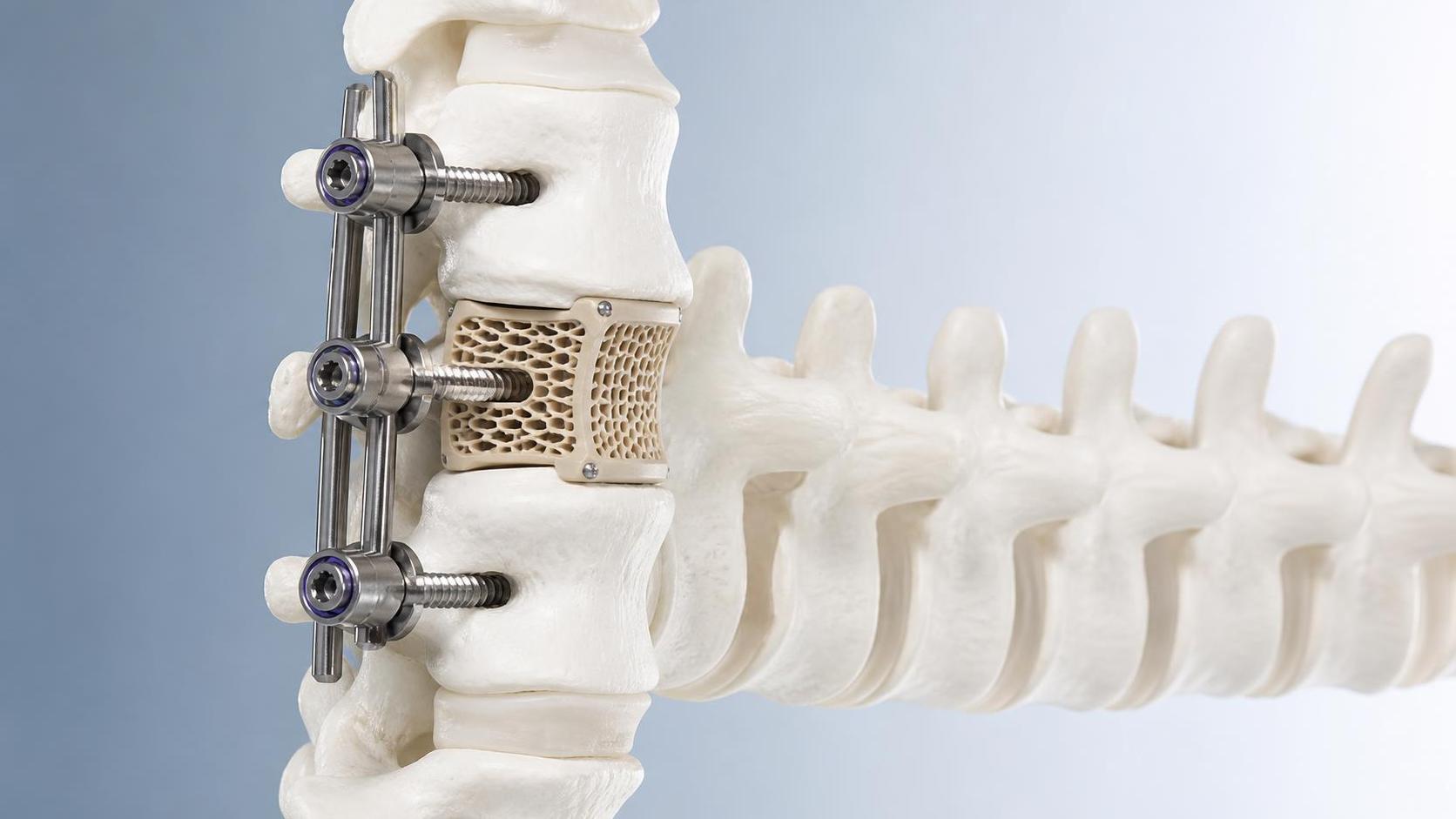
Spinal cages and fixation systems
Here, imaging visibility, stiffness balance, and fusion support are major concerns.
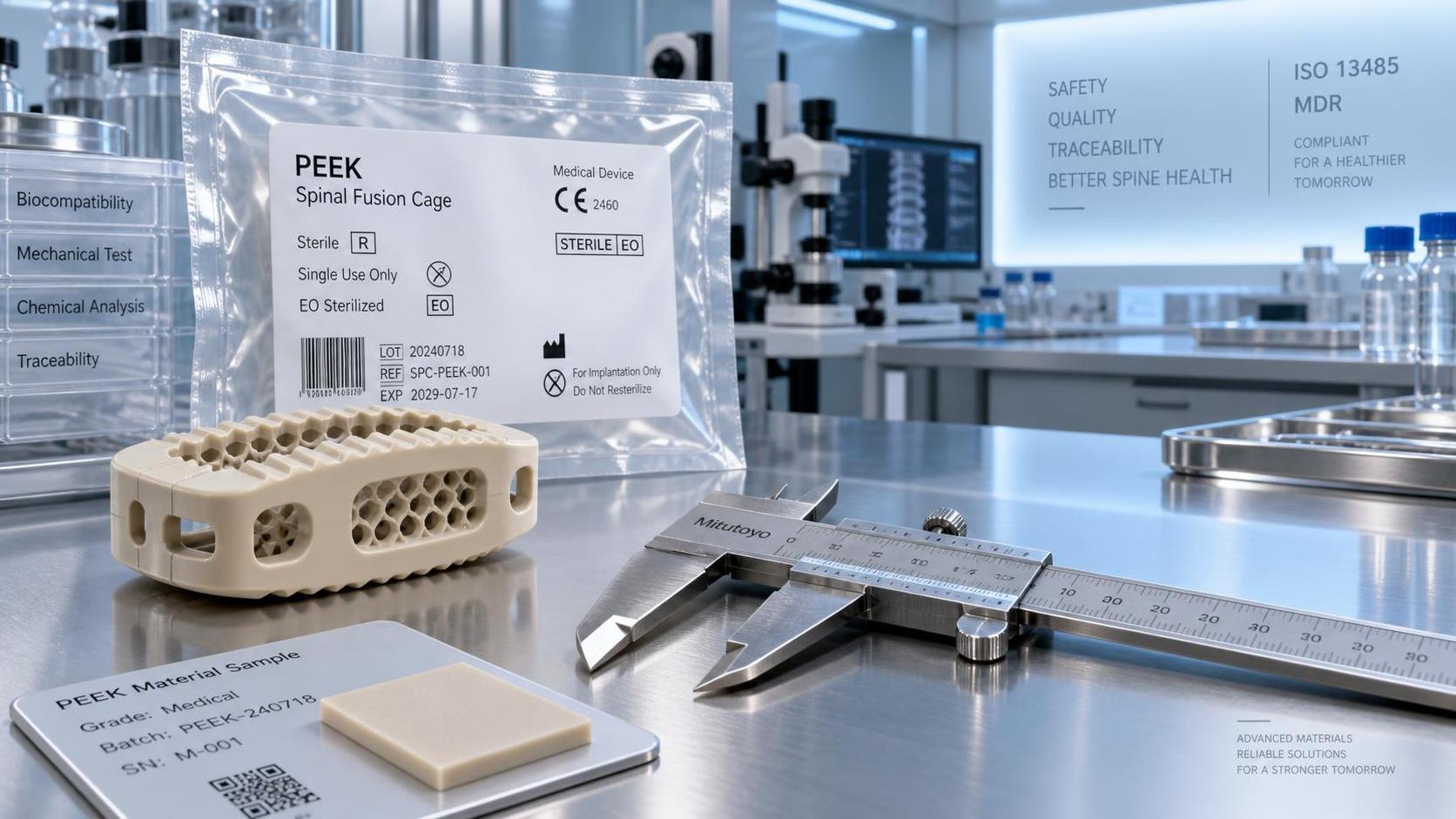
PEEK offers radiolucency, while titanium often supports stronger osseointegration.
The wrong tradeoff may increase subsidence, nonunion, or later instability.
Catheters and minimally invasive consumables
Polymer flexibility is useful, but long-term contact with blood or tissue raises coating durability and thrombogenicity questions.
If the material sheds particles or loses surface function, complications may follow.
How can you compare safer implantable biomaterials before a procedure?
A safer choice usually comes from structured comparison rather than brand familiarity.
Focus on evidence, not marketing language.
Useful questions include the following:
- How long has this material been studied in this exact implant type?
- What are the known failure modes after five years or more?
- Does the surface support bone, blood vessel, or soft tissue healing?
- Is there a known allergy, corrosion, or wear concern?
- What revision challenges appear if the implant fails later?
What common myths lead to poor implantable biomaterials decisions?
Several assumptions can hide real long-term risk.
Myth 1: The strongest material is always the safest
Very stiff materials may shift stress away from natural bone or tissue.
That can weaken surrounding structures over time.
Myth 2: If a material is approved, all versions perform equally
Approval does not erase differences in design, surface finishing, cleanliness, or manufacturing consistency.
Two implants using similar implantable biomaterials may still perform differently.
Myth 3: Newer automatically means better
Innovation is valuable, but long-term evidence takes time.
A promising biodegradable or coated material may still have limited real-world follow-up.
Myth 4: The implant material matters more than the whole system
Procedure technique, implant geometry, patient biology, and postoperative care all interact with implantable biomaterials.
The best material can still underperform in the wrong system.
What practical steps reduce long-term risk when evaluating implantable biomaterials?
A practical review process helps convert technical information into better decisions.
- Match the material to the body site and mechanical demand.
- Check whether long-term data exist for that exact indication.
- Look for biological safety testing and surface validation.
- Consider allergy history, bone quality, healing status, and blood-contact conditions.
- Compare revision complexity, not only first-procedure convenience.
- Review whether cost savings today could increase failure costs later.
This is especially important in high-value consumables where short-term price pressure may hide long-term clinical tradeoffs.
Across orthopedic implants, cardiovascular devices, and advanced polymer systems, durable compatibility remains the core priority.
FAQ summary: how should implantable biomaterials be judged?
Implantable biomaterials shape healing quality, device durability, and revision risk long after surgery ends.
The safest option is rarely the cheapest, newest, or strongest by description alone.
It is the one supported by biological compatibility, sound engineering, and real long-term evidence in the intended application.
Before any implant procedure, compare implantable biomaterials carefully, ask targeted questions, and review outcome data beyond the operating room.
That extra diligence can reduce avoidable complications and support safer recovery for years ahead.
Get weekly intelligence in your inbox.
No noise. No sponsored content. Pure intelligence.
News Recommendations
 Sep 26, 2026How to verify FDA compliance for medical device materialsHow to verify FDA compliance for medical device materials
 Sep 25, 2026When does a porous 3D-printed cranial implant improve fixation?When does a porous 3D-printed cranial implant improve fixation?
 Sep 24, 2026When are bovine pericardial valves suitable for transcatheter aortic valve replacement?When are bovine pericardial valves suitable for transcatheter aortic valve replacement?
 Sep 23, 2026How to verify the sterility assurance of surgical devicesHow to verify the sterility assurance of surgical devices
 Sep 22, 2026How to assess a spinal implants manufacturer’s quality systemHow to assess a spinal implants manufacturer’s quality system
 Sep 21, 2026How to assess an osseointegration technology manufacturer’s quality systemHow to assess an osseointegration technology manufacturer’s quality system
 Sep 20, 2026Medical material science trends reshaping biocompatibility testingMedical material science trends reshaping biocompatibility testing
 Sep 19, 2026What North American regulators expect in implant clinical evaluationsWhat North American regulators expect in implant clinical evaluations
 Sep 18, 2026When should plate and screw systems be selected for fracture fixation?When should plate and screw systems be selected for fracture fixation?
 Sep 17, 2026How a medical device sourcing strategy can reduce total acquisition costHow a medical device sourcing strategy can reduce total acquisition cost
 Sep 16, 2026When are silver foam burn care dressings appropriate for exuding burns?When are silver foam burn care dressings appropriate for exuding burns?
 Sep 15, 2026What drives medical device category pricing in value-based purchasing?What drives medical device category pricing in value-based purchasing?
 Sep 14, 2026High value consumables insights for evaluating total cost of careHigh value consumables insights for evaluating total cost of care
 Sep 13, 2026What a medical device market insights platform reveals about market accessWhat a medical device market insights platform reveals about market access
 Sep 12, 2026When are collagen-based tissue healing materials suitable for wound care?When are collagen-based tissue healing materials suitable for wound care?
 Sep 11, 2026How catheter material selection affects total cost of ownershipHow catheter material selection affects total cost of ownership
 Sep 10, 2026What FDA clearance means for medical grade PEEK implantsWhat FDA clearance means for medical grade PEEK implants
 Sep 09, 2026When do hydrogel wound healing technologies suit dry wounds?When do hydrogel wound healing technologies suit dry wounds?
 Sep 07, 2026How to assess medical consumables for surgical useHow to assess medical consumables for surgical use
 Sep 07, 2026How to verify CE MDR compliance for single-use medical consumablesHow to verify CE MDR compliance for single-use medical consumables
 Sep 05, 2026How to evaluate an antithrombotic catheter factory for qualityHow to evaluate an antithrombotic catheter factory for quality
 Sep 04, 2026When do minimally invasive surgical staplers improve GI access?When do minimally invasive surgical staplers improve GI access?
 Sep 03, 2026When are foam moist wound healing dressings appropriate for exuding wounds?When are foam moist wound healing dressings appropriate for exuding wounds?
 Sep 02, 2026How implant pricing affects access to advanced medical careHow implant pricing affects access to advanced medical care
 Sep 01, 2026What is driving price pressure in the North American medical consumables market?What is driving price pressure in the North American medical consumables market?
 Aug 31, 2026Comparing medical devices in Southeast Asia when market access differsComparing medical devices in Southeast Asia when market access differs
 Aug 30, 2026When are 3D printed PEEK implants suitable for spinal reconstruction?When are 3D printed PEEK implants suitable for spinal reconstruction?