Biocompatible Materials Selection Errors That Surface Late
Biocompatible materials decisions often appear validated during concept selection, yet the real risks may emerge much later. Failures surface during verification, sterilization validation, clinical review, shelf-life testing, or post-award supply shifts.
In implants and medical consumables, a late error rarely stays technical. It quickly becomes a regulatory, manufacturing, procurement, and reputation problem with measurable commercial impact.
For markets shaped by ISO 10993, CE MDR, FDA expectations, and price pressure, selecting biocompatible materials requires more than a passing test report. It requires system-level judgment across the full product lifecycle.
What Late-Surfacing Selection Errors Mean in Biocompatible Materials
Biocompatible materials are not simply materials that pass one biological assessment. They are materials that remain safe, functional, processable, and compliant in their final medical use context.
A selection error happens when a material seems suitable early, but hidden interactions appear later. These interactions may involve tissue response, extractables, mechanical drift, packaging, sterilization, or supplier variability.
Late-surfacing problems are especially dangerous because development assumptions become embedded. Tooling is approved, test plans are fixed, and regulatory narratives already rely on the original material choice.
Common forms of late discovery
- Cytotoxicity or sensitization concerns after final processing changes
- Unexpected degradation after gamma, EtO, or steam sterilization
- Mechanical failure caused by moisture uptake, creep, or fatigue
- Adhesion, coating, or bonding incompatibility in assembled devices
- Supplier reformulation without equivalent biological evidence
- Clinical evaluation gaps under evolving regulatory scrutiny
Why Biocompatible Materials Errors Surface Late in Medical Systems
The main reason is that material selection is often treated as an isolated engineering event. In reality, biocompatible materials must survive a chain of interconnected decisions and environmental exposures.
A resin, alloy, coating, or adhesive may look excellent in raw form. However, machining oils, cleaning agents, surface roughness, and packaging contact can alter the biological profile of the finished device.
Another issue is evidence mismatch. Teams may rely on generic supplier data, while regulators assess the final article, final process, and intended duration of contact.
Current Industry Signals Increasing Scrutiny on Biocompatible Materials
The environment for biocompatible materials has tightened. Evidence expectations are higher, while commercial timelines are shorter and pricing pressure is more intense.
- ISO 10993 interpretation increasingly focuses on risk-based justification and finished-device relevance
- CE MDR clinical and technical files demand stronger material rationale for Class III products
- Volume-Based Procurement pressure raises the cost of redesign and weak supplier continuity
- More complex devices combine metals, polymers, coatings, and drug-contact interfaces
- Sustainability and supply resilience now influence long-term material strategy
This means biocompatible materials are no longer a narrow R&D topic. They now influence reimbursement competitiveness, qualification speed, and the durability of market access.
Business Impact of Poor Biocompatible Materials Selection
When a material issue appears late, the direct test expense is only the visible layer. The larger cost usually comes from repeated validation cycles and delayed cross-functional decisions.
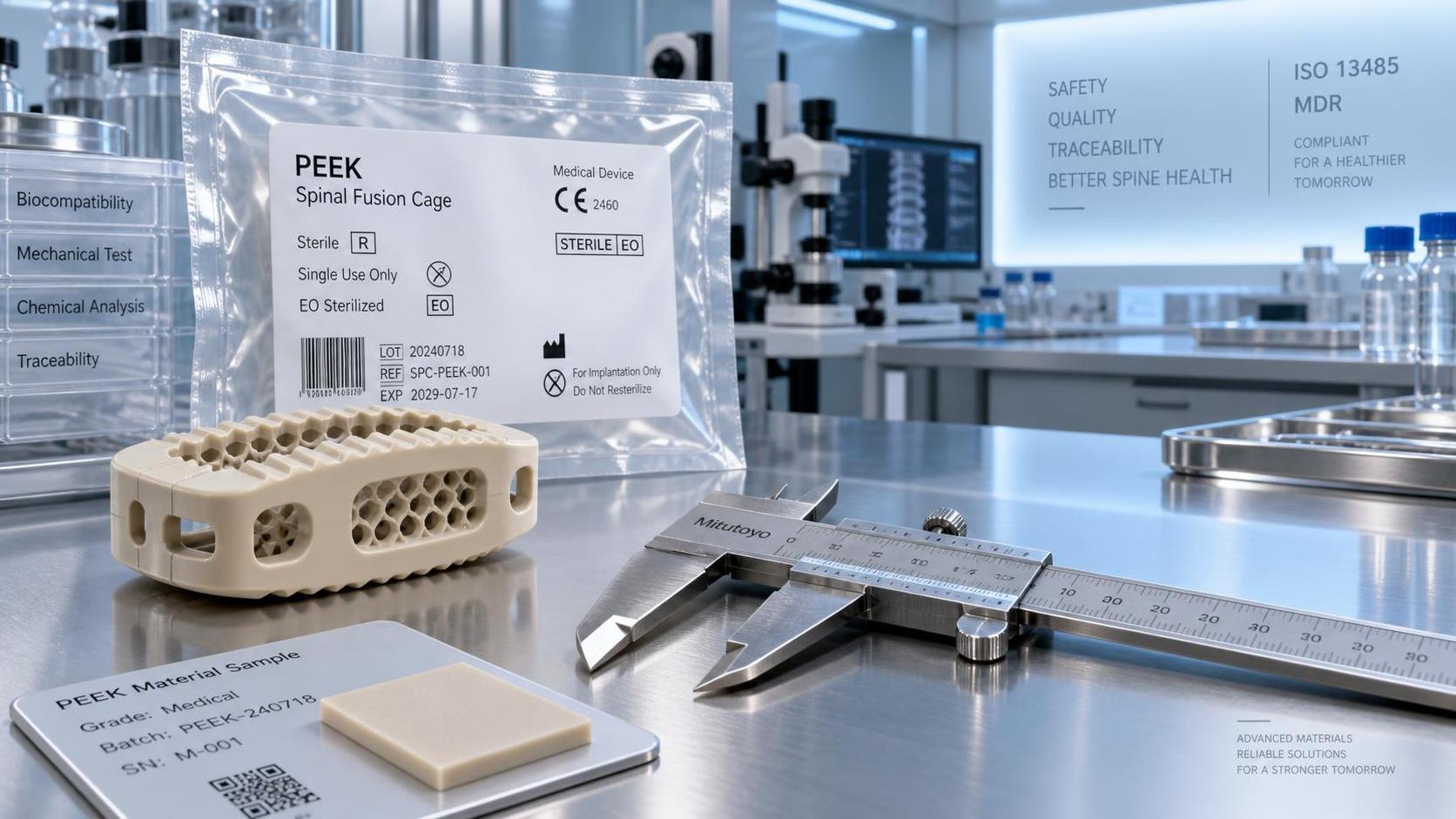
For implants, late changes may affect osseointegration, wear debris profile, corrosion behavior, or long-term tissue response. For consumables, they may alter flexibility, sealing, burst strength, or thrombogenic risk.
Commercially, late errors weaken forecast reliability. Production plans, regulatory submissions, and tender commitments can all become unstable when biocompatible materials are poorly locked down.
Typical business consequences
- Redesign loops that consume engineering and clinical resources
- Regulatory questions that extend approval timelines
- Unplanned supplier qualification or dual-source failure
- Inventory write-offs caused by nonconforming stock
- Tender exposure when cost assumptions no longer hold
Where Biocompatible Materials Errors Commonly Appear Across Product Types
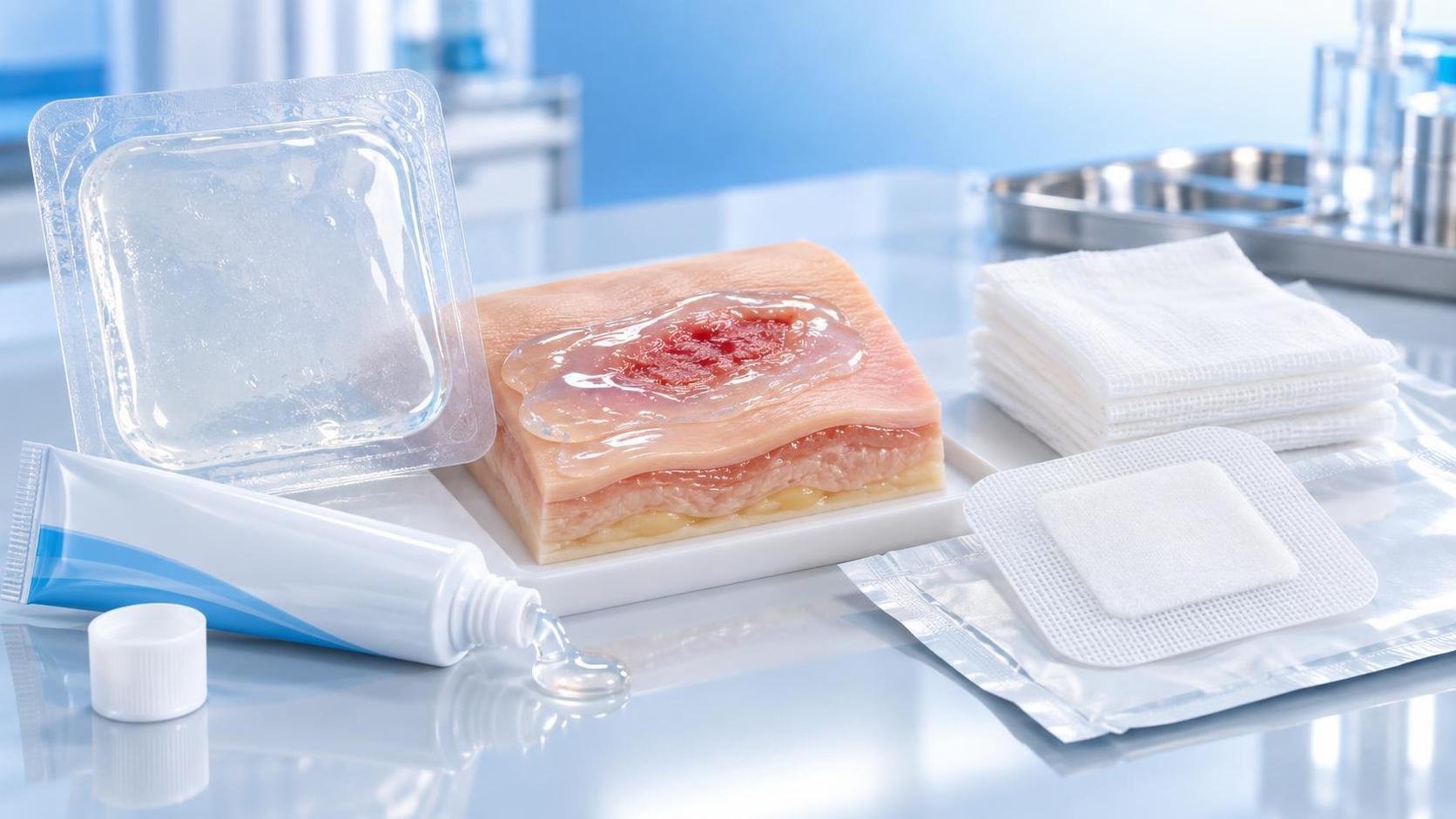
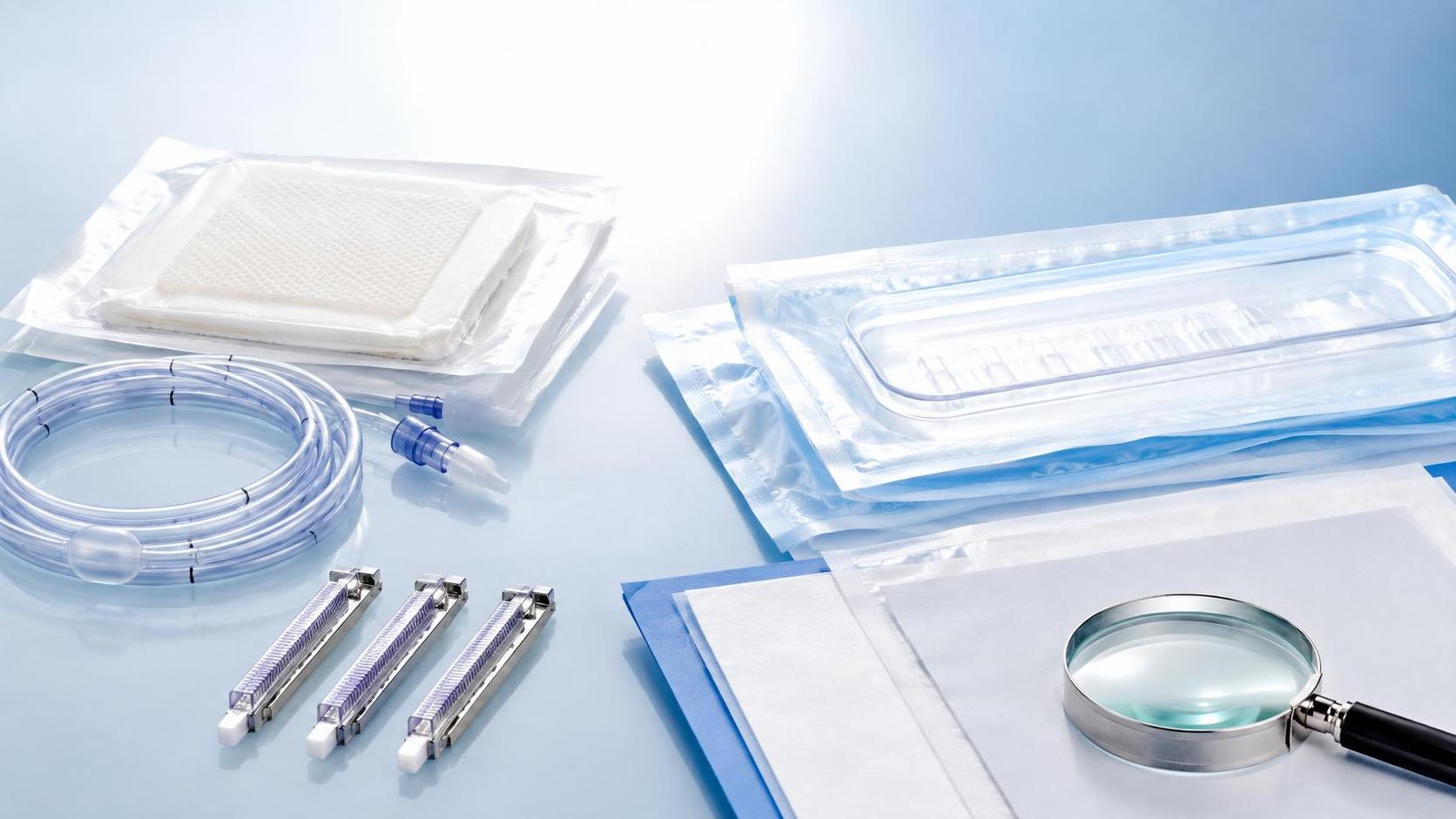
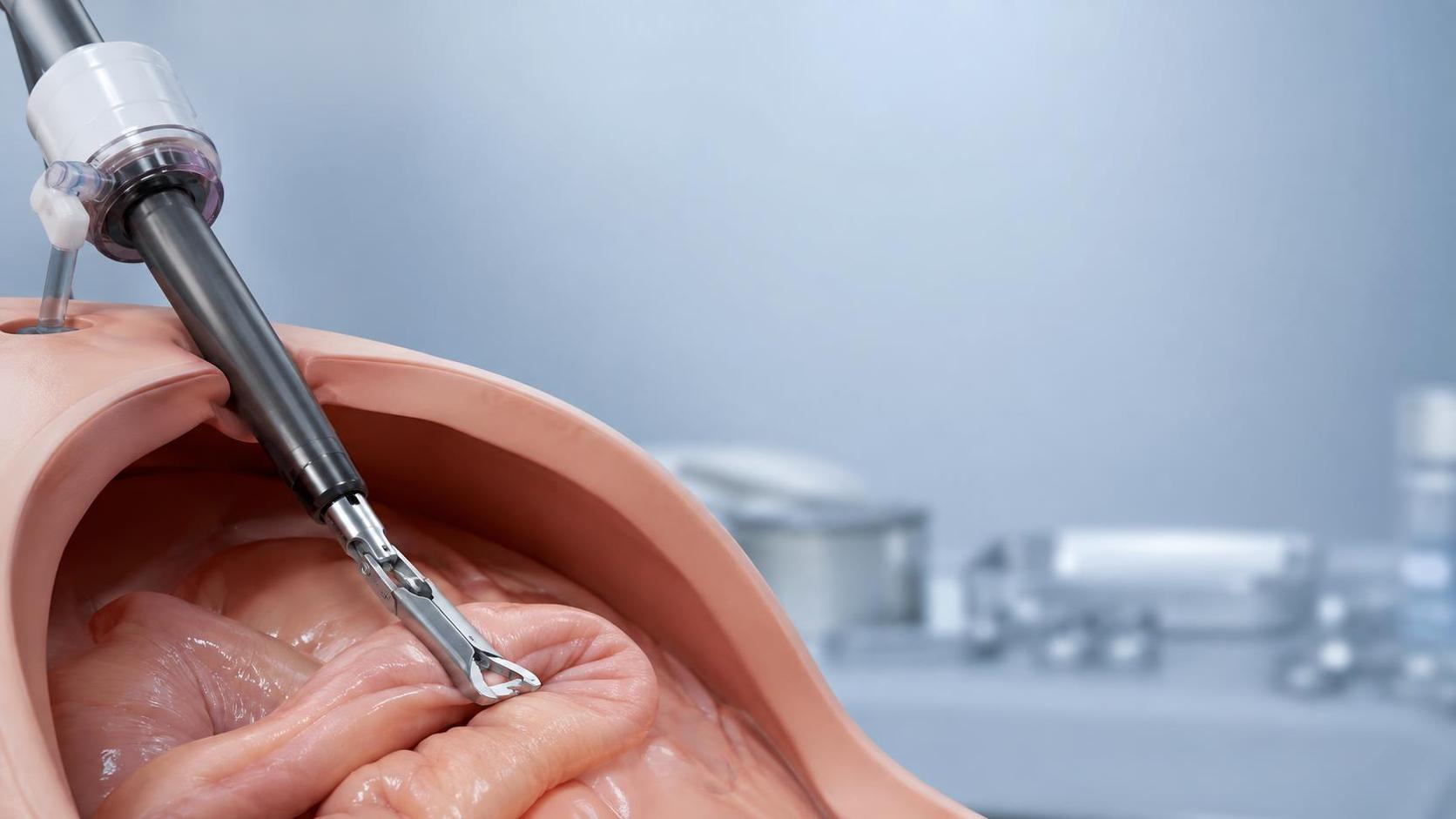
Different categories fail in different ways. The same biocompatible materials logic must be translated into actual use conditions, contact duration, load profile, and processing route.
Practical Checks to Apply Earlier in Biocompatible Materials Selection
The most effective prevention method is earlier cross-functional review. Biocompatible materials should be screened against biological, mechanical, processing, regulatory, and commercial criteria at the same time.
Priority checkpoints
- Define contact type, duration, and anatomical environment before shortlisting materials
- Assess the finished-device state, not only base resin or alloy certificates
- Map sterilization compatibility at concept stage
- Review extractables and leachables risk when additives, inks, coatings, or adhesives are involved
- Verify supplier change-control discipline and formulation stability
- Connect material claims with clinical evidence expectations early
- Compare lifecycle cost, not just piece price
A useful discipline is to document why each of the chosen biocompatible materials remains acceptable after machining, cleaning, packaging, sterilization, aging, and foreseeable supply changes.
Implementation Path for More Reliable Biocompatible Materials Decisions
A stronger process does not always require more testing first. It often requires better sequence, clearer assumptions, and tighter links between development evidence and market realities.
- Create a material risk matrix covering biology, performance, sterilization, and sourcing.
- Rank biocompatible materials by intended use, not by generic familiarity.
- Confirm whether existing data supports the exact finished configuration.
- Trigger formal review before locking drawings, validation plans, and supplier commitments.
- Update the file whenever process chemistry, packaging, or source changes occur.
In high-value medical products, biocompatible materials are strategic assets. Better selection discipline supports safer clinical outcomes, smoother compliance, and stronger resilience under cost-control pressure.
The next practical step is to review one active device program and trace every assumption behind its material choice. That exercise often reveals hidden late-stage risks before they become expensive facts.
Get weekly intelligence in your inbox.
No noise. No sponsored content. Pure intelligence.
News Recommendations
 Sep 27, 2026What to verify before selecting a microcatheters manufacturerWhat to verify before selecting a microcatheters manufacturer
 Sep 26, 2026How to verify FDA compliance for medical device materialsHow to verify FDA compliance for medical device materials
 Sep 25, 2026When does a porous 3D-printed cranial implant improve fixation?When does a porous 3D-printed cranial implant improve fixation?
 Sep 24, 2026When are bovine pericardial valves suitable for transcatheter aortic valve replacement?When are bovine pericardial valves suitable for transcatheter aortic valve replacement?
 Sep 23, 2026How to verify the sterility assurance of surgical devicesHow to verify the sterility assurance of surgical devices
 Sep 22, 2026How to assess a spinal implants manufacturer’s quality systemHow to assess a spinal implants manufacturer’s quality system
 Sep 21, 2026How to assess an osseointegration technology manufacturer’s quality systemHow to assess an osseointegration technology manufacturer’s quality system
 Sep 20, 2026Medical material science trends reshaping biocompatibility testingMedical material science trends reshaping biocompatibility testing
 Sep 19, 2026What North American regulators expect in implant clinical evaluationsWhat North American regulators expect in implant clinical evaluations
 Sep 18, 2026When should plate and screw systems be selected for fracture fixation?When should plate and screw systems be selected for fracture fixation?
 Sep 17, 2026How a medical device sourcing strategy can reduce total acquisition costHow a medical device sourcing strategy can reduce total acquisition cost
 Sep 16, 2026When are silver foam burn care dressings appropriate for exuding burns?When are silver foam burn care dressings appropriate for exuding burns?
 Sep 15, 2026What drives medical device category pricing in value-based purchasing?What drives medical device category pricing in value-based purchasing?
 Sep 14, 2026High value consumables insights for evaluating total cost of careHigh value consumables insights for evaluating total cost of care
 Sep 13, 2026What a medical device market insights platform reveals about market accessWhat a medical device market insights platform reveals about market access
 Sep 12, 2026When are collagen-based tissue healing materials suitable for wound care?When are collagen-based tissue healing materials suitable for wound care?
 Sep 11, 2026How catheter material selection affects total cost of ownershipHow catheter material selection affects total cost of ownership
 Sep 10, 2026What FDA clearance means for medical grade PEEK implantsWhat FDA clearance means for medical grade PEEK implants
 Sep 09, 2026When do hydrogel wound healing technologies suit dry wounds?When do hydrogel wound healing technologies suit dry wounds?
 Sep 07, 2026How to assess medical consumables for surgical useHow to assess medical consumables for surgical use
 Sep 07, 2026How to verify CE MDR compliance for single-use medical consumablesHow to verify CE MDR compliance for single-use medical consumables
 Sep 05, 2026How to evaluate an antithrombotic catheter factory for qualityHow to evaluate an antithrombotic catheter factory for quality
 Sep 04, 2026When do minimally invasive surgical staplers improve GI access?When do minimally invasive surgical staplers improve GI access?
 Sep 03, 2026When are foam moist wound healing dressings appropriate for exuding wounds?When are foam moist wound healing dressings appropriate for exuding wounds?
 Sep 02, 2026How implant pricing affects access to advanced medical careHow implant pricing affects access to advanced medical care
 Sep 01, 2026What is driving price pressure in the North American medical consumables market?What is driving price pressure in the North American medical consumables market?
 Aug 31, 2026Comparing medical devices in Southeast Asia when market access differsComparing medical devices in Southeast Asia when market access differs