Wound Healing Technologies That Change Dressing Strategy
Wound Healing Technologies That Change Dressing Strategy
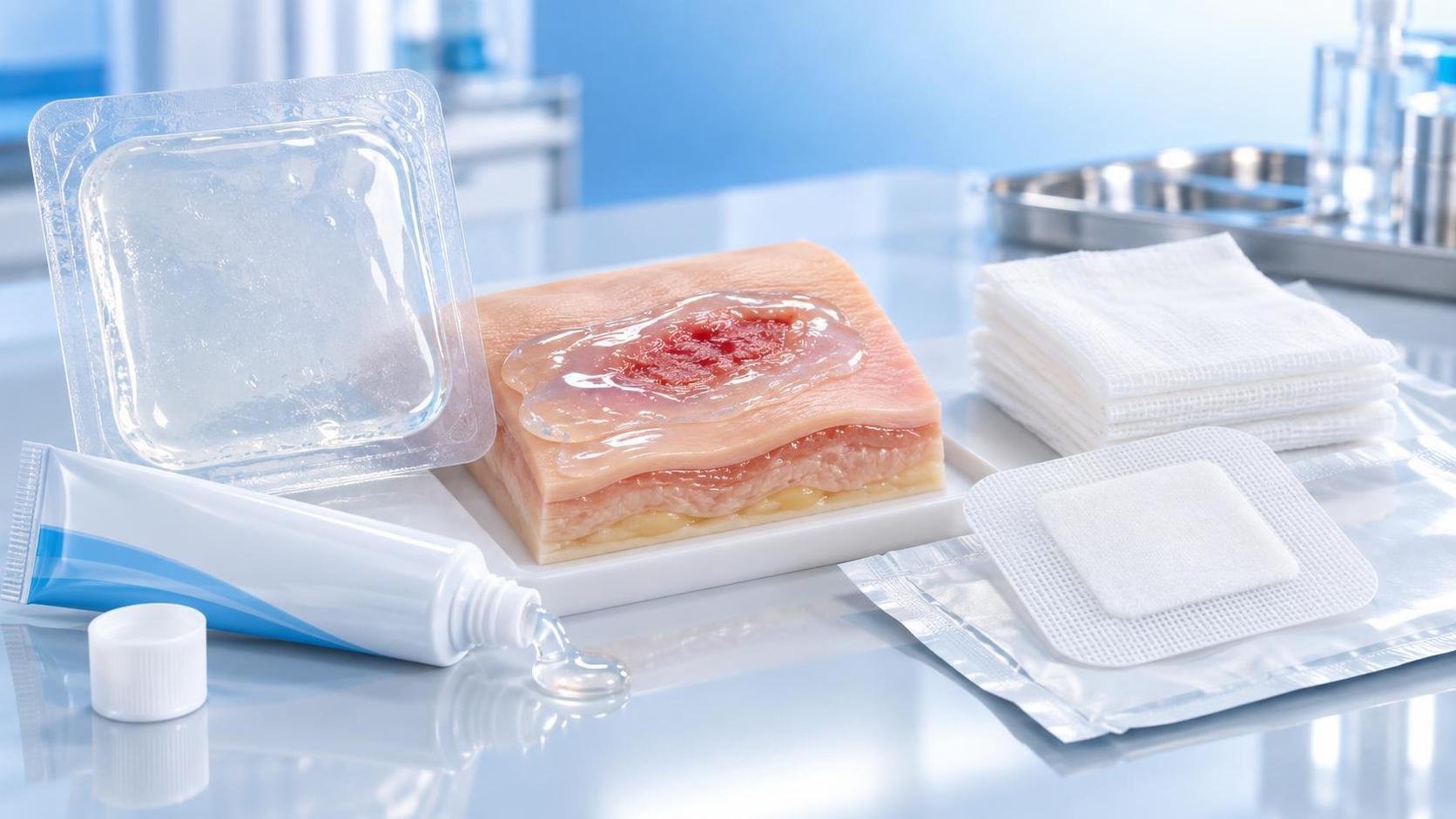
Wound healing technologies are changing dressing strategy from passive covering to active tissue support. Modern wound care now prioritizes moisture balance, bioburden control, atraumatic removal, and measurable healing progress.
This matters across the broader medical consumables industry, where dressing performance affects recovery time, complication rates, workflow efficiency, and total treatment burden. Smarter wound healing technologies help align clinical outcomes with practical care demands.
Instead of defaulting to gauze, teams increasingly compare foam dressings, alginates, hydrofibers, silicone contact layers, antimicrobial options, and NPWT systems. The right choice depends on exudate, infection risk, wound depth, surrounding skin, and healing goals.
Why a Structured Review Is Necessary
A dressing strategy can fail even when the product itself is advanced. Problems often come from mismatching the technology to the wound condition, change frequency, or patient tolerance.
A structured review reduces guesswork. It also helps compare wound healing technologies by function, not marketing language. That improves consistency in selection, monitoring, and timely escalation.
In high-value medical consumables, performance is closely tied to material science, biocompatibility, sterility assurance, and real-world usability. Dressing strategy should reflect those same standards.
Core Points to Check Before Changing Dressing Strategy
Use the following points to evaluate whether current wound healing technologies fit the wound, support healing, and reduce avoidable dressing changes.
- Confirm wound type, depth, and tissue status before product choice. Surface abrasions, cavity wounds, burns, ulcers, and surgical sites need different wound healing technologies.
- Measure exudate level carefully. Low, moderate, and heavy drainage each require different absorbency profiles to maintain moisture without causing maceration.
- Assess infection or high bioburden risk. Silver dressings, antimicrobial contact layers, and NPWT with appropriate protocols may support better local control.
- Protect the periwound skin. Fragile surrounding tissue often benefits from silicone adhesives or non-adherent interfaces that reduce stripping during removal.
- Check whether debridement has occurred or is still needed. Even advanced wound healing technologies cannot compensate for unresolved necrotic tissue.
- Review moisture management goals. The best dressing keeps the wound bed moist while preventing leakage, odor, and edge breakdown.
- Evaluate wear time and change frequency. Longer wear can reduce disturbance to granulation tissue, lower pain, and ease care workload.
- Match conformability to anatomy. Dressings for heel, sacrum, joints, or irregular cavities must seal well without pressure points or lifting edges.
- Consider pain during application and removal. Atraumatic technologies improve tolerance and support adherence to the care plan.
- Verify compatibility with adjunct therapies. Some wound healing technologies work better alongside compression, offloading, oxygen support, or surgical closure methods.
- Track healing with objective markers. Size reduction, exudate change, tissue quality, and odor trends matter more than a single visual impression.
- Confirm regulatory and quality expectations. Material safety, sterility, packaging integrity, and evidence quality are essential in advanced medical dressing selection.
How Key Wound Healing Technologies Influence Dressing Strategy
Foam Dressings
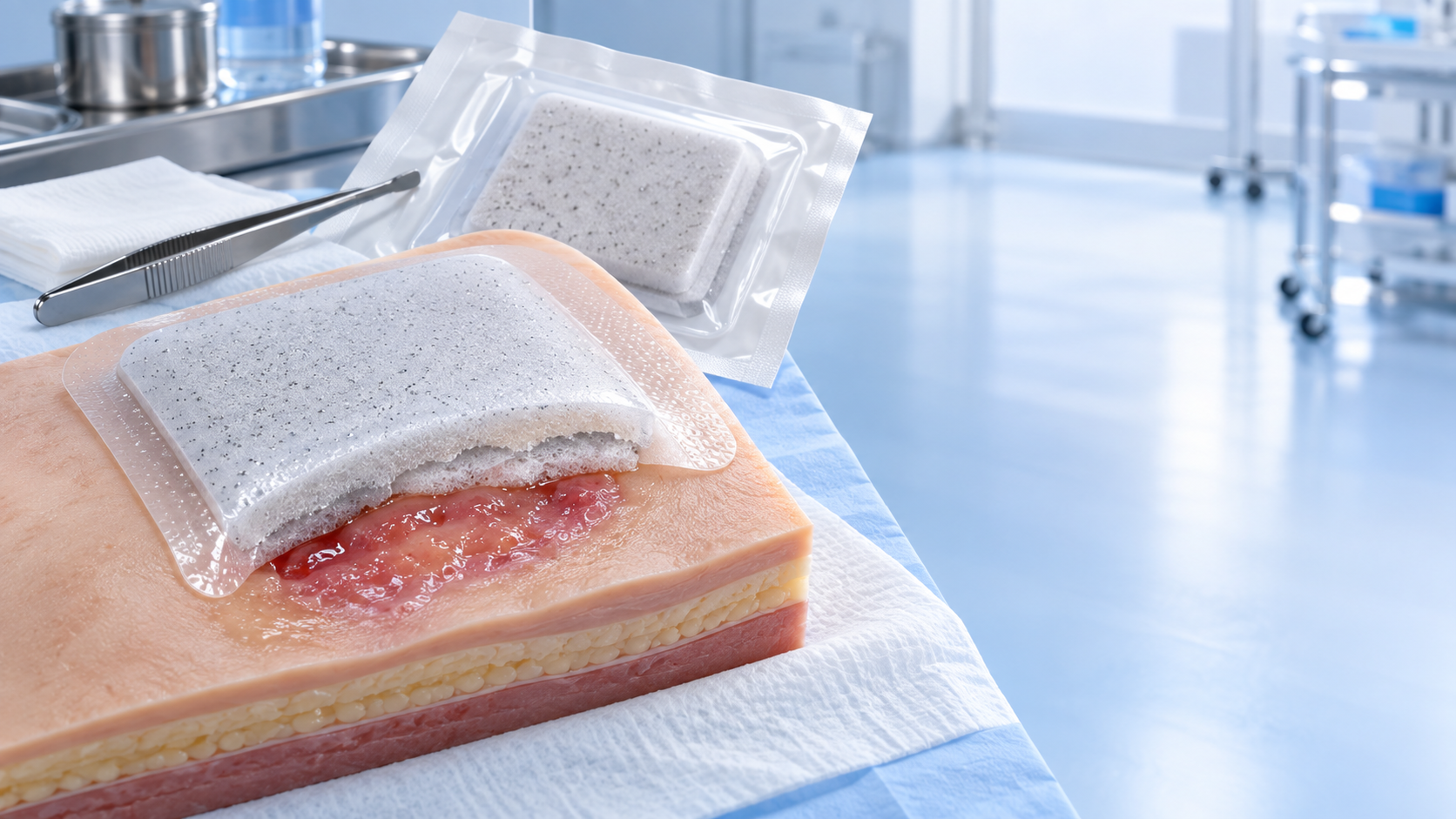
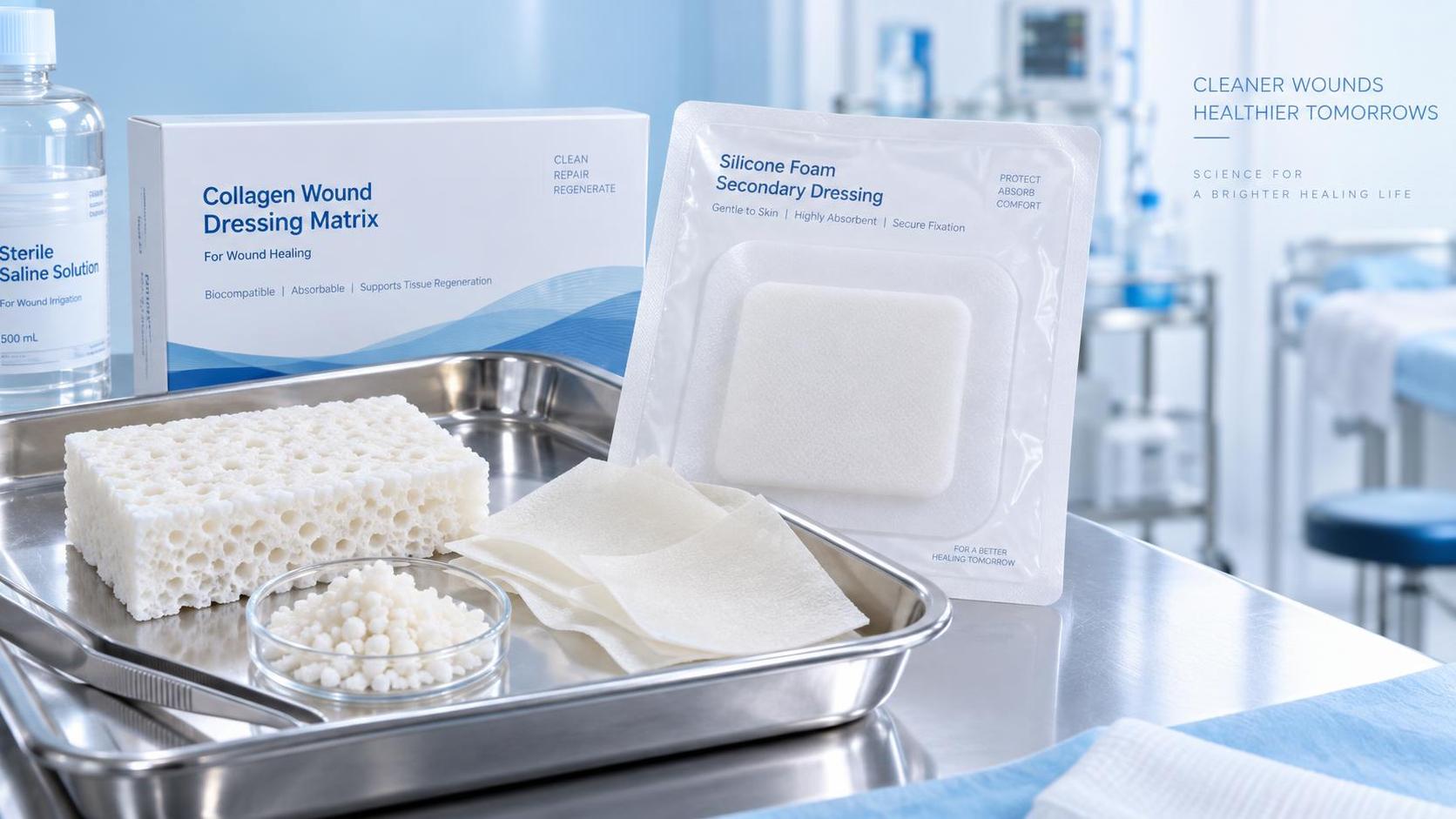
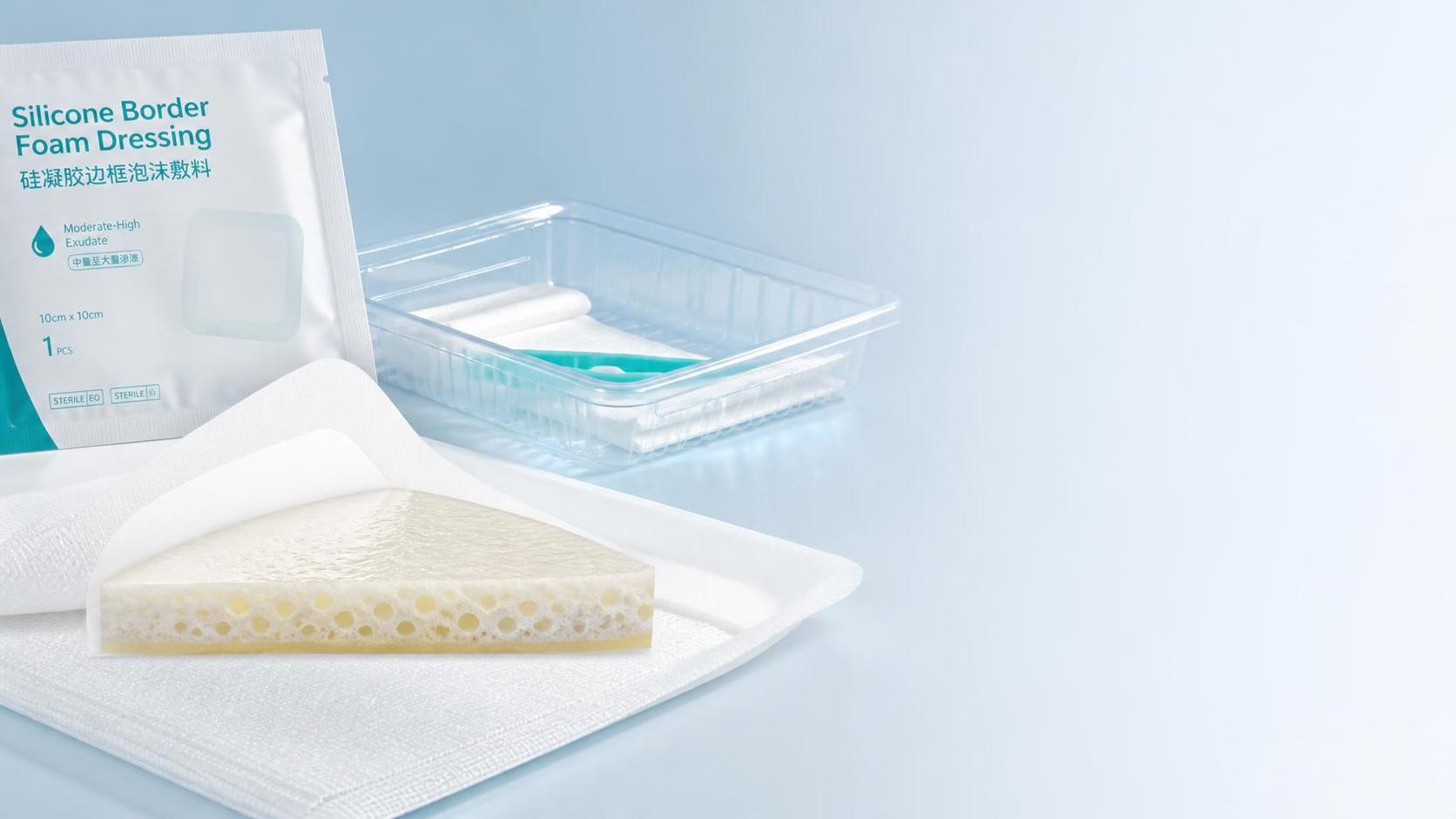
Foams are widely used for moderate exudate. They absorb fluid, cushion the wound, and help maintain a moist environment. Silicone border versions also simplify atraumatic removal.
They are useful when leakage control and wear time are priorities. However, they may be less suitable for dry wounds or narrow deep cavities without fillers.
Alginates and Hydrofibers
These wound healing technologies are valuable for heavier exudate. They gel on contact with fluid, support autolytic debridement, and help manage dead space.
They often need a secondary cover dressing. If drainage drops significantly, reassessment is necessary to avoid over-drying the wound bed.
Silicone Contact Layers
Silicone layers protect fragile tissue and surrounding skin. They are especially helpful where pain, skin stripping, or repeated dressing changes create additional trauma.
They do not usually manage fluid alone. Dressing strategy should pair them with an absorbent secondary layer when exudate is present.
Antimicrobial Dressings
Silver and other antimicrobial wound healing technologies can help when infection risk is elevated or local bioburden slows progress. Their role should be targeted, not indefinite.
If signs of infection settle, continued use should be reviewed. Overuse can increase cost without adding healing value.
Negative Pressure Wound Therapy
NPWT is among the most influential wound healing technologies for complex wounds. It helps remove exudate, promote granulation, and support wound edge contraction.
It is often chosen for deep wounds, postoperative complications, and difficult healing environments. Seal quality, filler selection, and monitoring are critical to success.
Application Notes for Different Care Situations
Postoperative Incisions
Incisional care focuses on protection, drainage control, and minimal disruption. Low-adherence dressings and, in selected cases, incisional NPWT may support cleaner recovery.
Watch for edema, edge tension, and early leakage. A dressing strategy should support inspection without causing repeated trauma.
Diabetic Foot Ulcers
These wounds demand more than absorbency. Offloading, infection vigilance, moisture control, and tissue preservation must work together with wound healing technologies.
Alginates, antimicrobial options, and foam combinations are common choices. If pressure relief is poor, even excellent dressings may underperform.
Burns and Fragile Skin Wounds
Pain control and atraumatic removal are major priorities. Silicone interfaces and carefully selected antimicrobial dressings are often preferred in these cases.
Frequent inspection may still be necessary. The goal is to balance gentle contact with effective moisture and bioburden management.
Heavily Exuding Cavity Wounds
Dead space, tunneling, and fluid load require fill materials that conform well and do not leave untreated pockets. Hydrofibers, alginates, or NPWT are frequent options.
Packing should not create pressure or prevent drainage. Reassessment is essential when exudate volume changes.
Often Missed Risks That Weaken Results
One common mistake is keeping the same dressing after the wound has changed. Wound healing technologies should evolve with exudate, tissue quality, and closure progress.
Another risk is focusing only on the wound center. Periwound damage, adhesive trauma, and maceration often predict failure before the wound bed itself worsens.
Product complexity can also create problems. Advanced systems deliver value only when application technique, seal integrity, and replacement timing are handled correctly.
Cost decisions based only on unit price may be misleading. Better wound healing technologies can reduce change frequency, complications, and total resource use.
Practical Steps for Better Execution
- Document wound size, depth, exudate, odor, pain, and surrounding skin at every review.
- Choose wound healing technologies according to current wound behavior, not historical habit.
- Set a clear reassessment point, especially after debridement, infection control measures, or exudate shifts.
- Use atraumatic fixation where possible to protect vulnerable skin and improve dressing tolerance.
- Escalate to NPWT or advanced antimicrobial options when standard absorbent dressings stop delivering progress.
- Review total care burden, including wear time, leakage events, pain, and handling complexity.
FAQ About Wound Healing Technologies
When should gauze be replaced by advanced dressings?
When moisture balance, atraumatic removal, exudate control, or infection management become difficult, advanced wound healing technologies usually offer better support than basic gauze.
Is NPWT always the best option for complex wounds?
Not always. NPWT is powerful, but wound type, tissue condition, bleeding risk, and seal feasibility determine whether it is appropriate.
How often should dressing strategy be reviewed?
Review whenever exudate, pain, odor, tissue appearance, or wound dimensions change. Static plans can undermine dynamic healing needs.
Next Steps for Smarter Dressing Decisions
The biggest shift in wound care is simple: dressings are no longer passive covers. Wound healing technologies now shape the healing environment, influence complication risk, and affect the total care pathway.
A strong dressing strategy starts with structured assessment, then matches material function to wound behavior. That approach supports better healing while reducing unnecessary changes and avoidable setbacks.
Use this framework to review current practice, compare wound healing technologies more precisely, and update dressing choices as healing progresses. Better results often begin with better selection logic.
Get weekly intelligence in your inbox.
No noise. No sponsored content. Pure intelligence.
News Recommendations
 Sep 27, 2026What to verify before selecting a microcatheters manufacturerWhat to verify before selecting a microcatheters manufacturer
 Sep 26, 2026How to verify FDA compliance for medical device materialsHow to verify FDA compliance for medical device materials
 Sep 25, 2026When does a porous 3D-printed cranial implant improve fixation?When does a porous 3D-printed cranial implant improve fixation?
 Sep 24, 2026When are bovine pericardial valves suitable for transcatheter aortic valve replacement?When are bovine pericardial valves suitable for transcatheter aortic valve replacement?
 Sep 23, 2026How to verify the sterility assurance of surgical devicesHow to verify the sterility assurance of surgical devices
 Sep 22, 2026How to assess a spinal implants manufacturer’s quality systemHow to assess a spinal implants manufacturer’s quality system
 Sep 21, 2026How to assess an osseointegration technology manufacturer’s quality systemHow to assess an osseointegration technology manufacturer’s quality system
 Sep 20, 2026Medical material science trends reshaping biocompatibility testingMedical material science trends reshaping biocompatibility testing
 Sep 19, 2026What North American regulators expect in implant clinical evaluationsWhat North American regulators expect in implant clinical evaluations
 Sep 18, 2026When should plate and screw systems be selected for fracture fixation?When should plate and screw systems be selected for fracture fixation?
 Sep 17, 2026How a medical device sourcing strategy can reduce total acquisition costHow a medical device sourcing strategy can reduce total acquisition cost
 Sep 16, 2026When are silver foam burn care dressings appropriate for exuding burns?When are silver foam burn care dressings appropriate for exuding burns?
 Sep 15, 2026What drives medical device category pricing in value-based purchasing?What drives medical device category pricing in value-based purchasing?
 Sep 14, 2026High value consumables insights for evaluating total cost of careHigh value consumables insights for evaluating total cost of care
 Sep 13, 2026What a medical device market insights platform reveals about market accessWhat a medical device market insights platform reveals about market access
 Sep 12, 2026When are collagen-based tissue healing materials suitable for wound care?When are collagen-based tissue healing materials suitable for wound care?
 Sep 11, 2026How catheter material selection affects total cost of ownershipHow catheter material selection affects total cost of ownership
 Sep 10, 2026What FDA clearance means for medical grade PEEK implantsWhat FDA clearance means for medical grade PEEK implants
 Sep 09, 2026When do hydrogel wound healing technologies suit dry wounds?When do hydrogel wound healing technologies suit dry wounds?
 Sep 07, 2026How to assess medical consumables for surgical useHow to assess medical consumables for surgical use
 Sep 07, 2026How to verify CE MDR compliance for single-use medical consumablesHow to verify CE MDR compliance for single-use medical consumables
 Sep 05, 2026How to evaluate an antithrombotic catheter factory for qualityHow to evaluate an antithrombotic catheter factory for quality
 Sep 04, 2026When do minimally invasive surgical staplers improve GI access?When do minimally invasive surgical staplers improve GI access?
 Sep 03, 2026When are foam moist wound healing dressings appropriate for exuding wounds?When are foam moist wound healing dressings appropriate for exuding wounds?
 Sep 02, 2026How implant pricing affects access to advanced medical careHow implant pricing affects access to advanced medical care
 Sep 01, 2026What is driving price pressure in the North American medical consumables market?What is driving price pressure in the North American medical consumables market?
 Aug 31, 2026Comparing medical devices in Southeast Asia when market access differsComparing medical devices in Southeast Asia when market access differs