Smart Minimally Invasive Technology: Where Clinical Value Is Growing Fast
Smart minimally invasive technology is rapidly reshaping clinical pathways, procurement priorities, and long-term value creation across global healthcare.
Its rise is not driven by one device alone.
It comes from the convergence of precision engineering, biocompatible materials, digital guidance, and tighter evidence expectations.
Across implants and medical consumables, smart minimally invasive technology now influences recovery speed, complication control, hospital efficiency, and market access.
For IMCS, this shift matters because clinical value is no longer measured only by innovation claims.
It is increasingly judged by outcomes, procedural consistency, regulatory readiness, and resilience under cost-control policies such as VBP.
What does smart minimally invasive technology really mean?
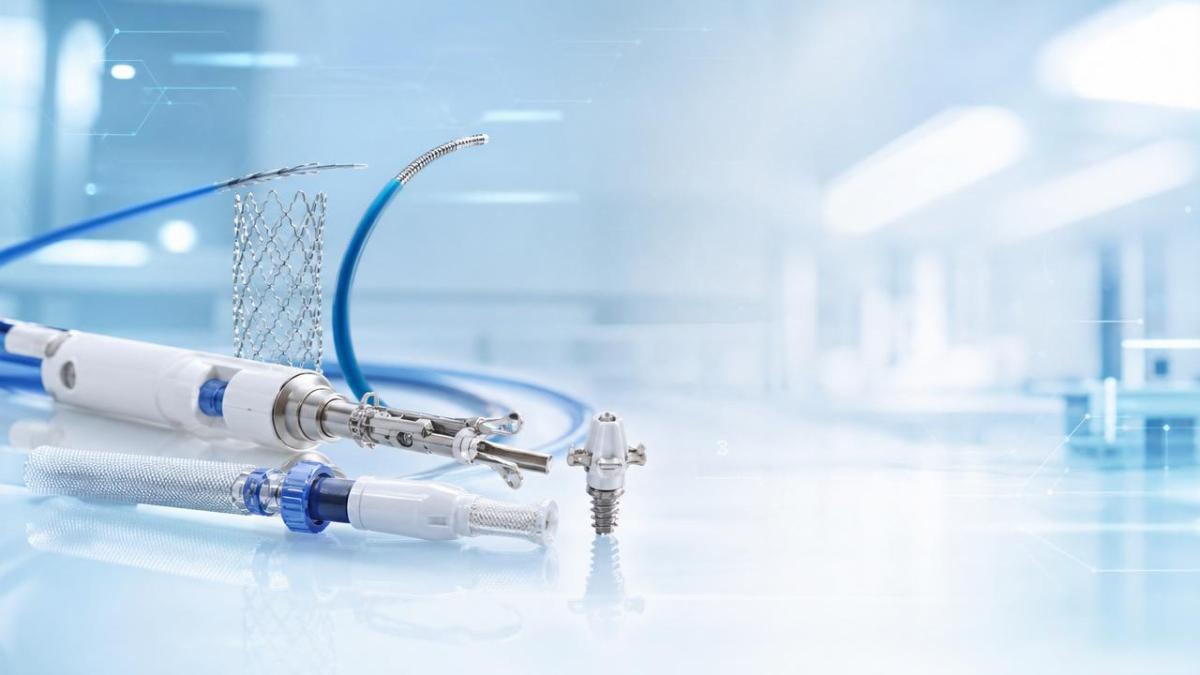
Smart minimally invasive technology combines low-trauma procedures with sensing, navigation, data feedback, or enhanced device intelligence.
It goes beyond smaller incisions.
The core goal is more predictable intervention inside complex anatomy, with less disruption to surrounding tissue.
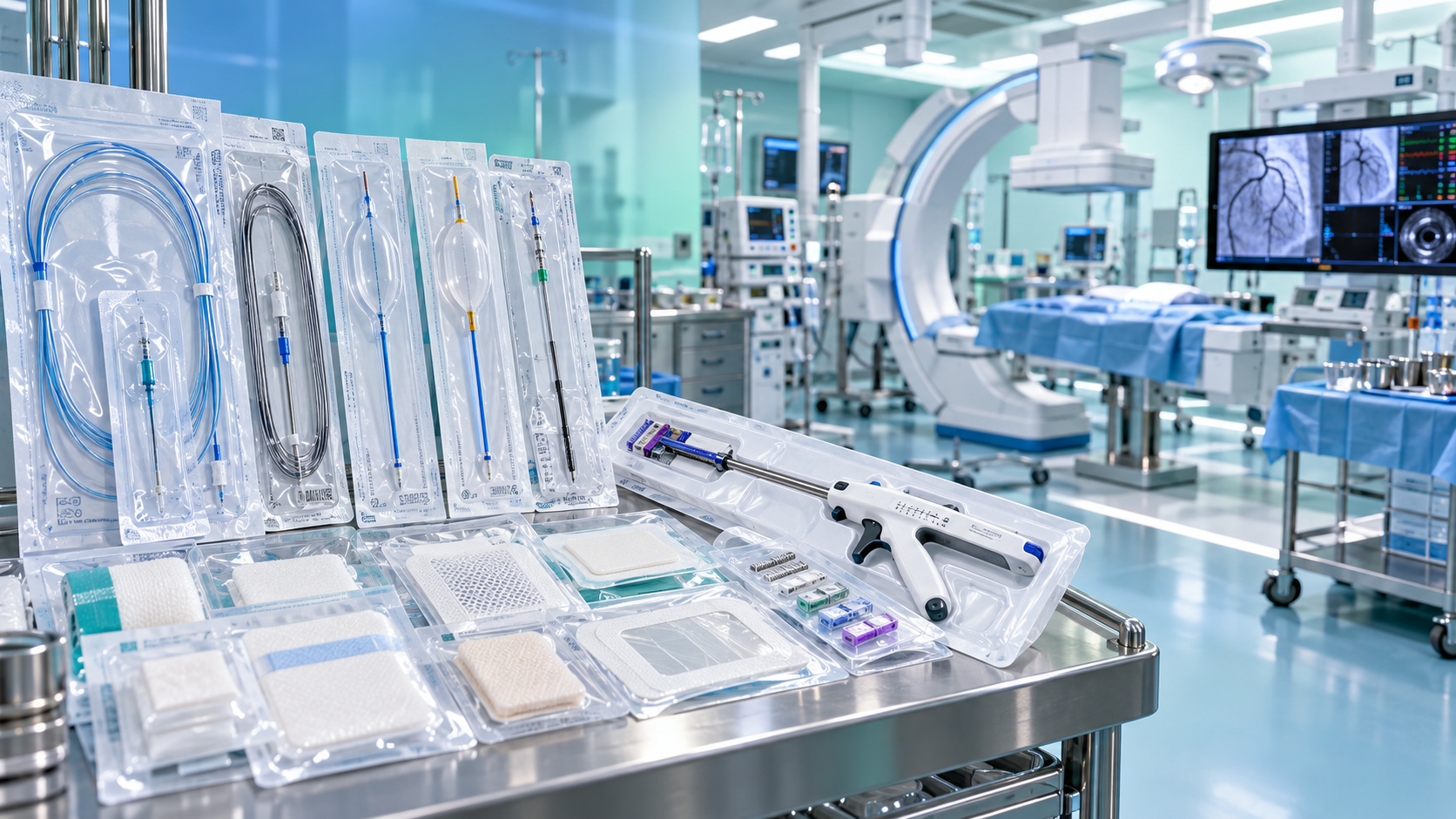
In practice, this may include drug-eluting stents, steerable catheters, laparoscopic staplers, TAVR delivery systems, image-guided implants, and smart wound care platforms.
The “smart” element often appears in four layers:
- better visualization and navigation
- finer control and deployment accuracy
- material performance matched to tissue response
- data support for standardization and follow-up
That is why smart minimally invasive technology has become relevant across orthopedic, cardiovascular, catheter, stapling, and advanced dressing segments.
Why is clinical value growing so fast now?
The first reason is outcome visibility.
Hospitals and regulators now track length of stay, readmission, blood loss, revision risk, and healing quality more closely.
Smart minimally invasive technology often performs well against these indicators when supported by strong technique and validated consumables.
The second reason is demographic pressure.
Aging populations, chronic disease burden, and demand for earlier mobility favor solutions that reduce trauma and accelerate functional recovery.
The third reason is technology maturity.
Hydrophilic coatings, porous implant surfaces, precise staple formation, and improved valve delivery systems have reduced many earlier limitations.
The fourth reason is economic logic.
A device with higher unit pricing may still create better value if it lowers complications, avoids conversion, and shortens total care cycles.
This is where smart minimally invasive technology gains traction under cost-control frameworks.
The discussion shifts from price alone to measurable efficiency and downstream savings.
Which medical consumable areas show the strongest impact?
Several categories stand out because they directly affect procedural precision and postoperative quality of life.
Cardiovascular intervention
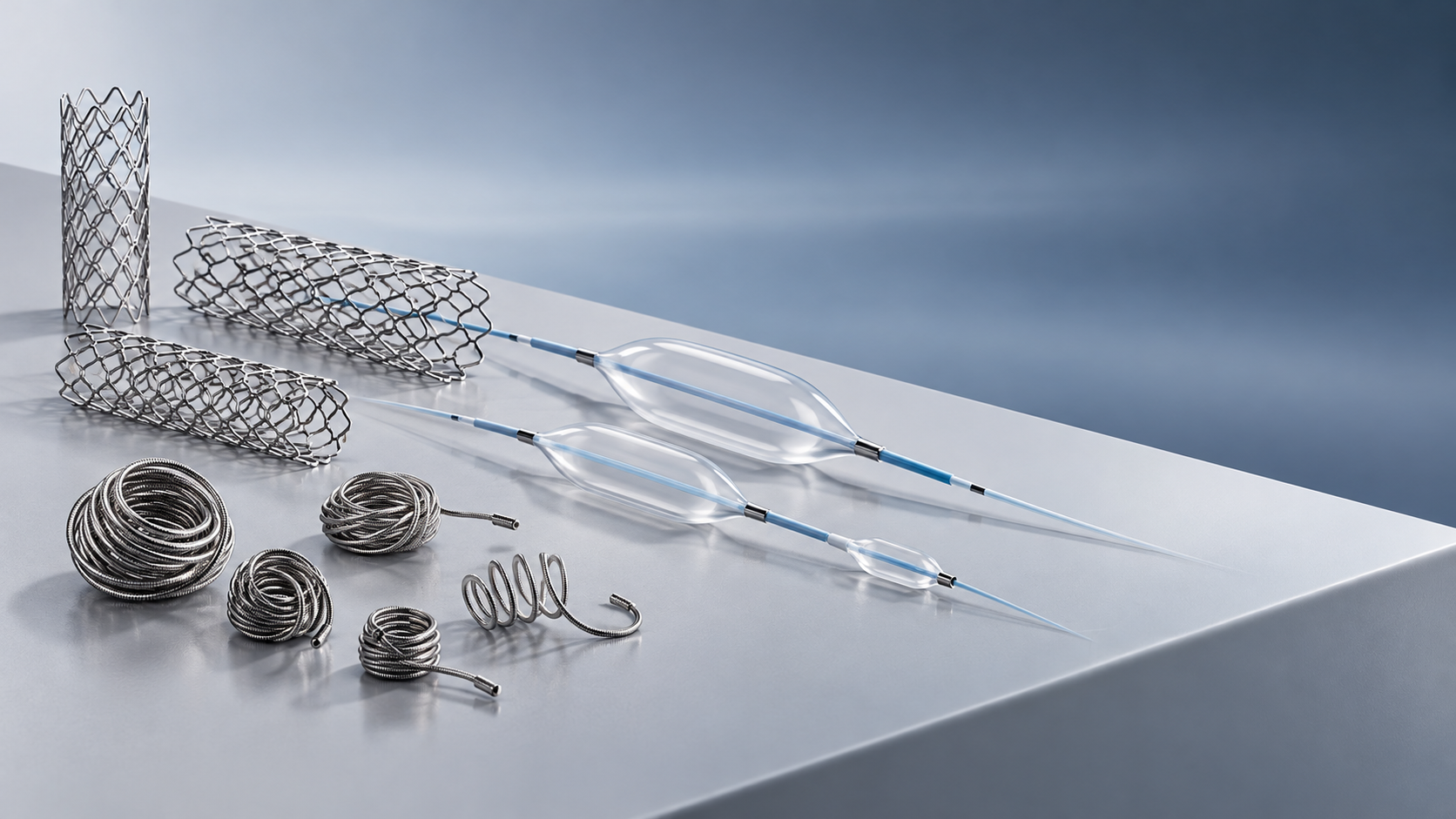
Smart minimally invasive technology is highly visible in DES, guidewires, microcatheters, and TAVR systems.
Clinical value grows when deliverability, radial support, and deployment accuracy reduce ischemic risk and procedural complexity.
Orthopedic and spinal reconstruction
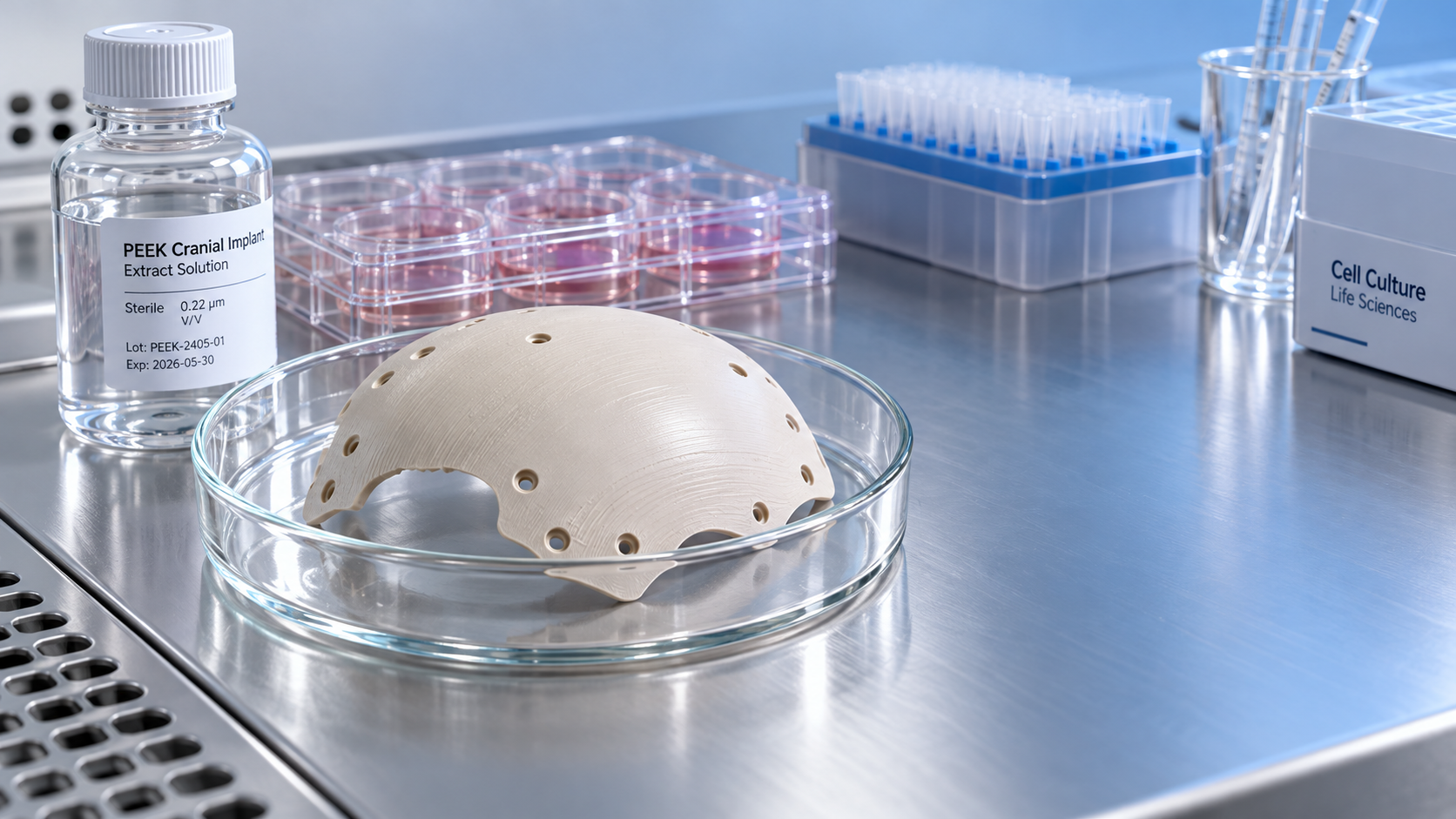
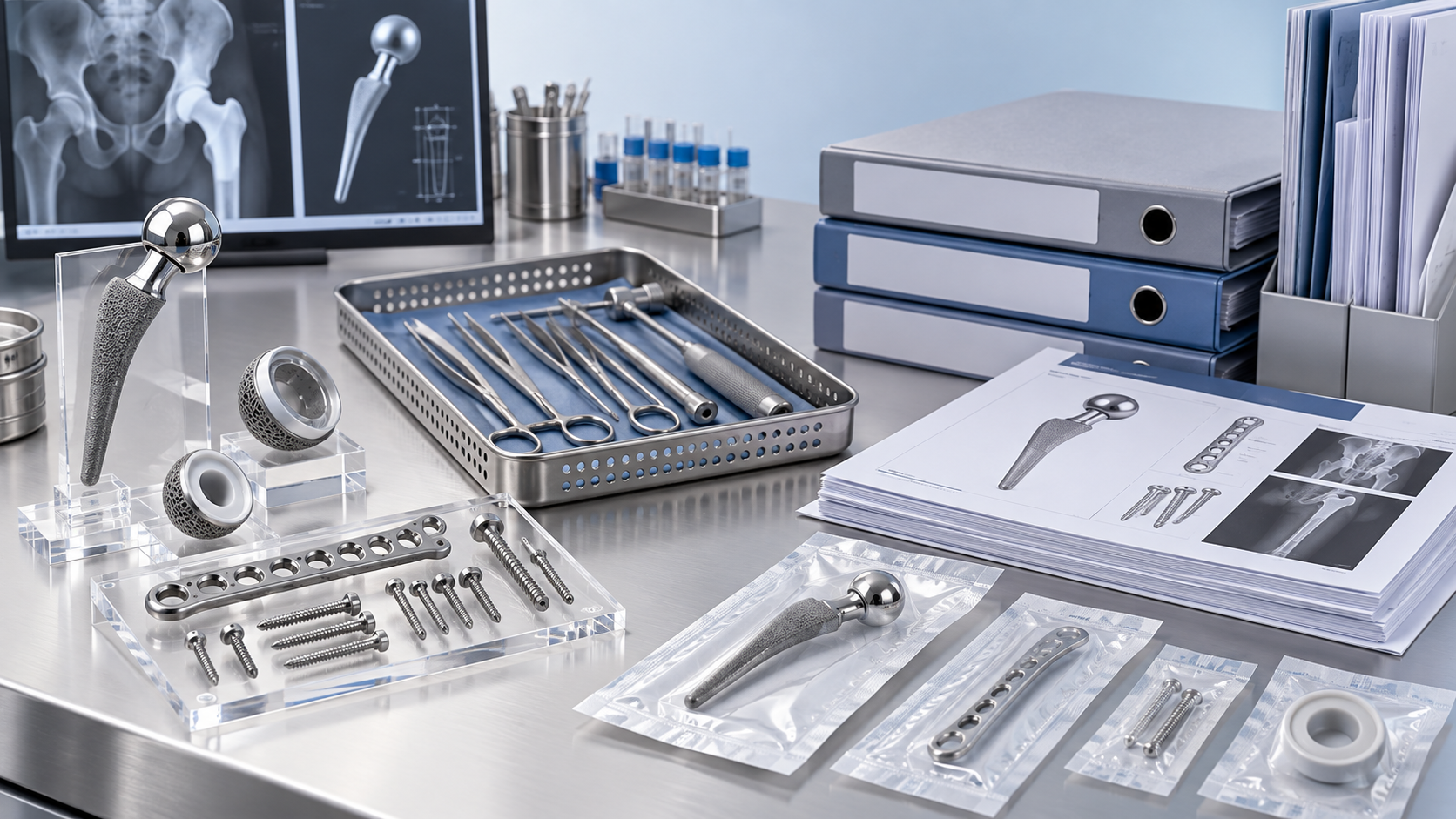
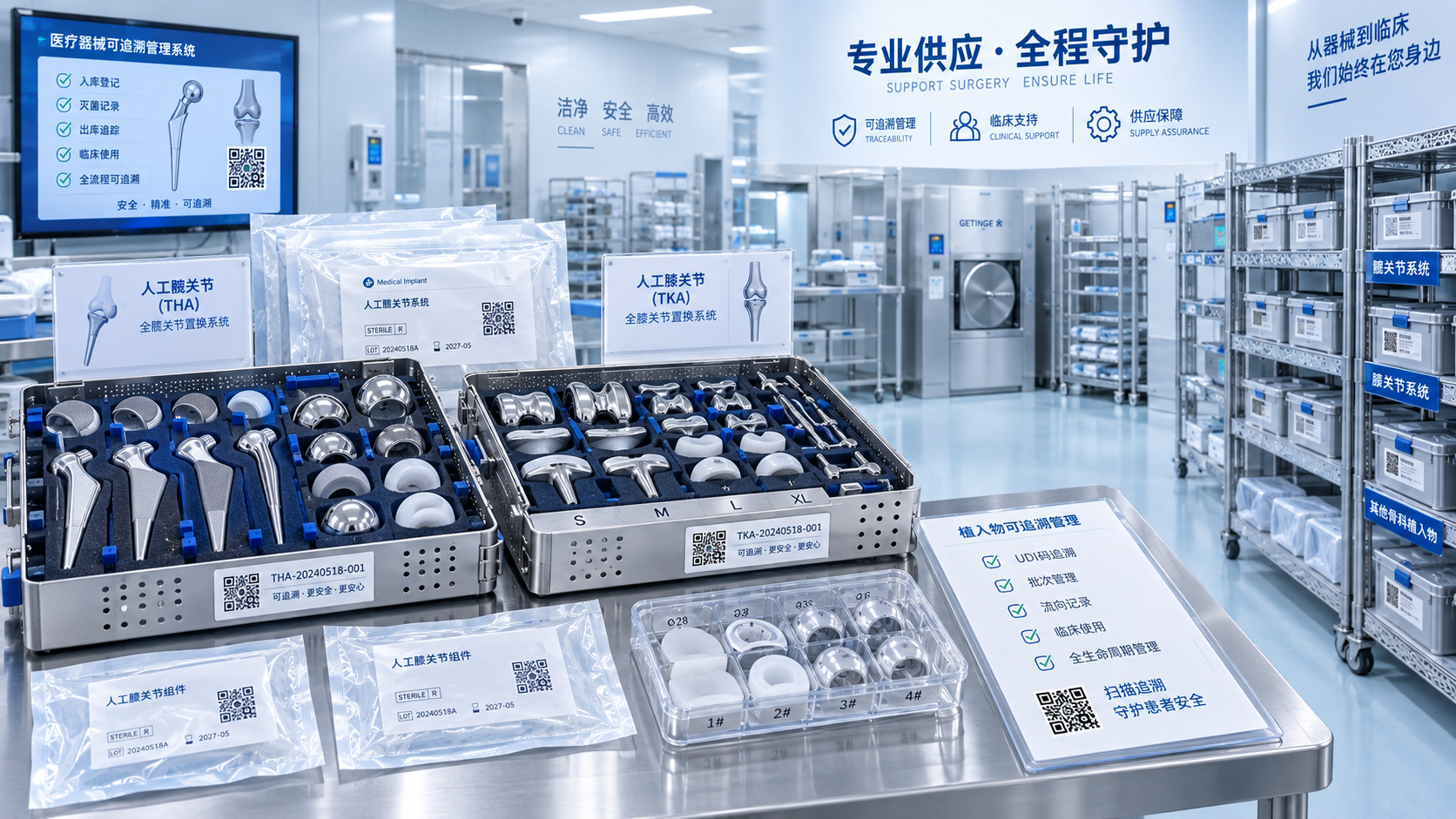
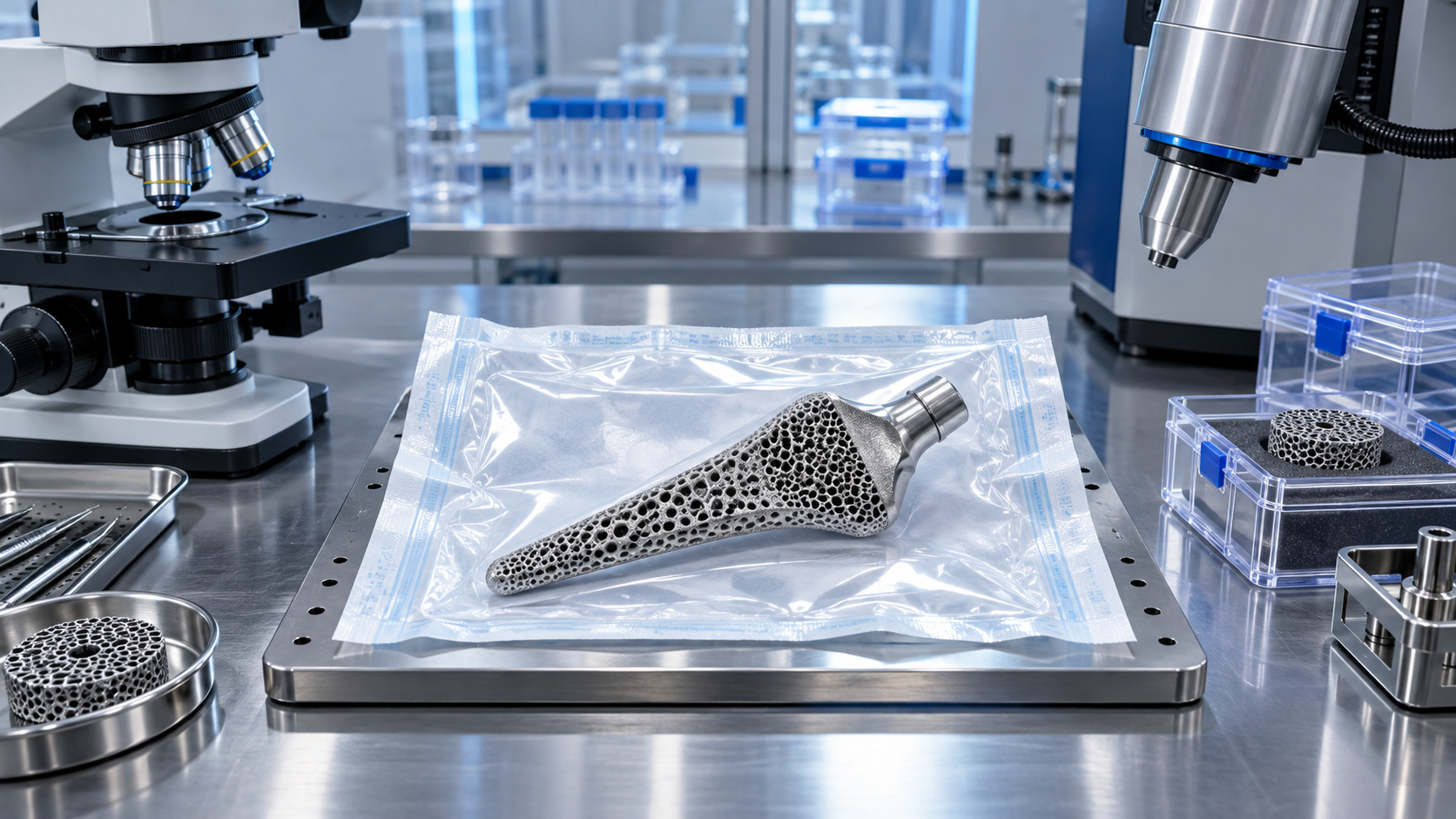
Image-supported placement and advanced implant surfaces improve alignment, fixation, and osseointegration with less tissue disruption.
This matters especially where faster mobilization influences long-term function.
Minimally invasive stapling systems
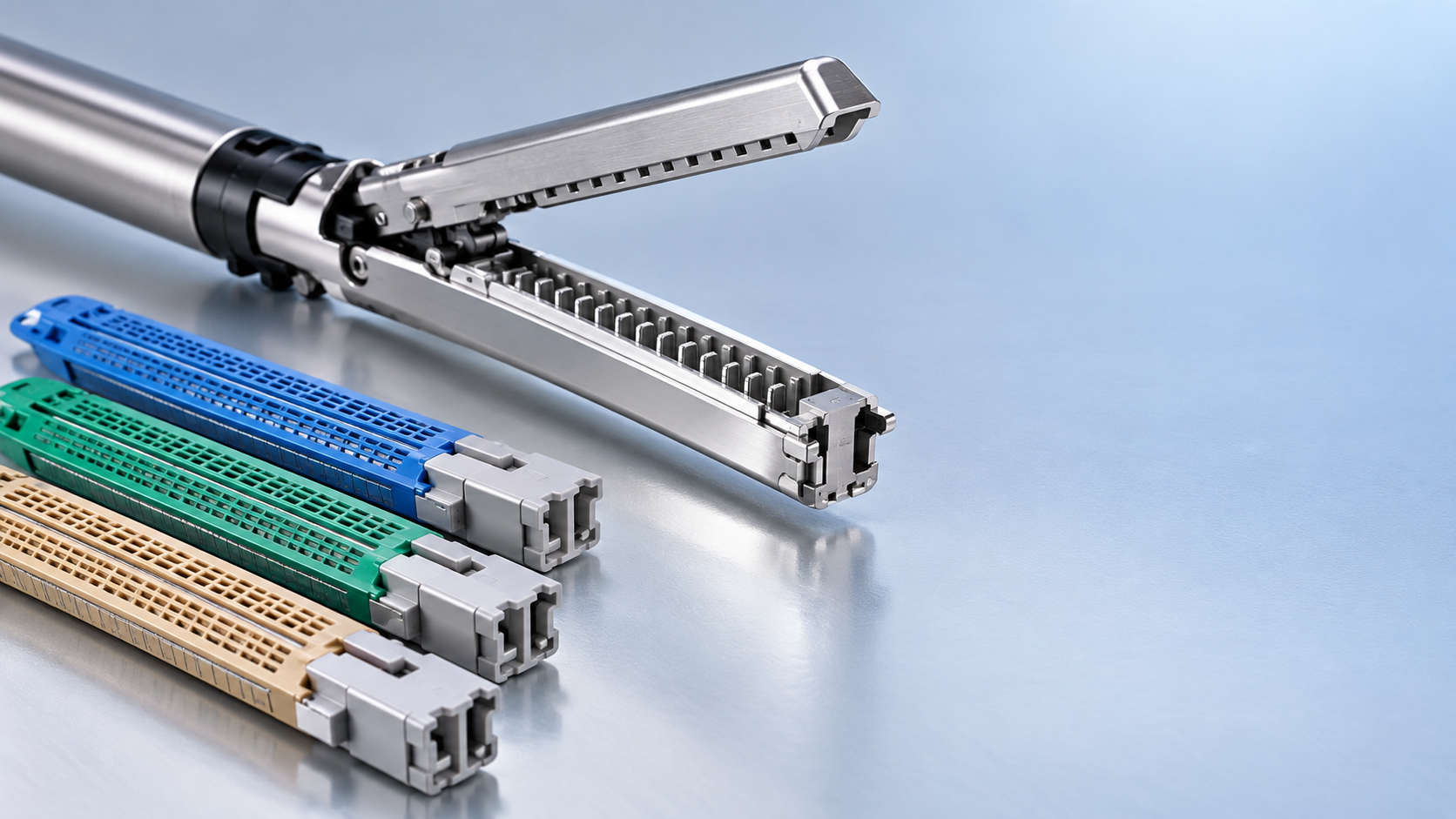
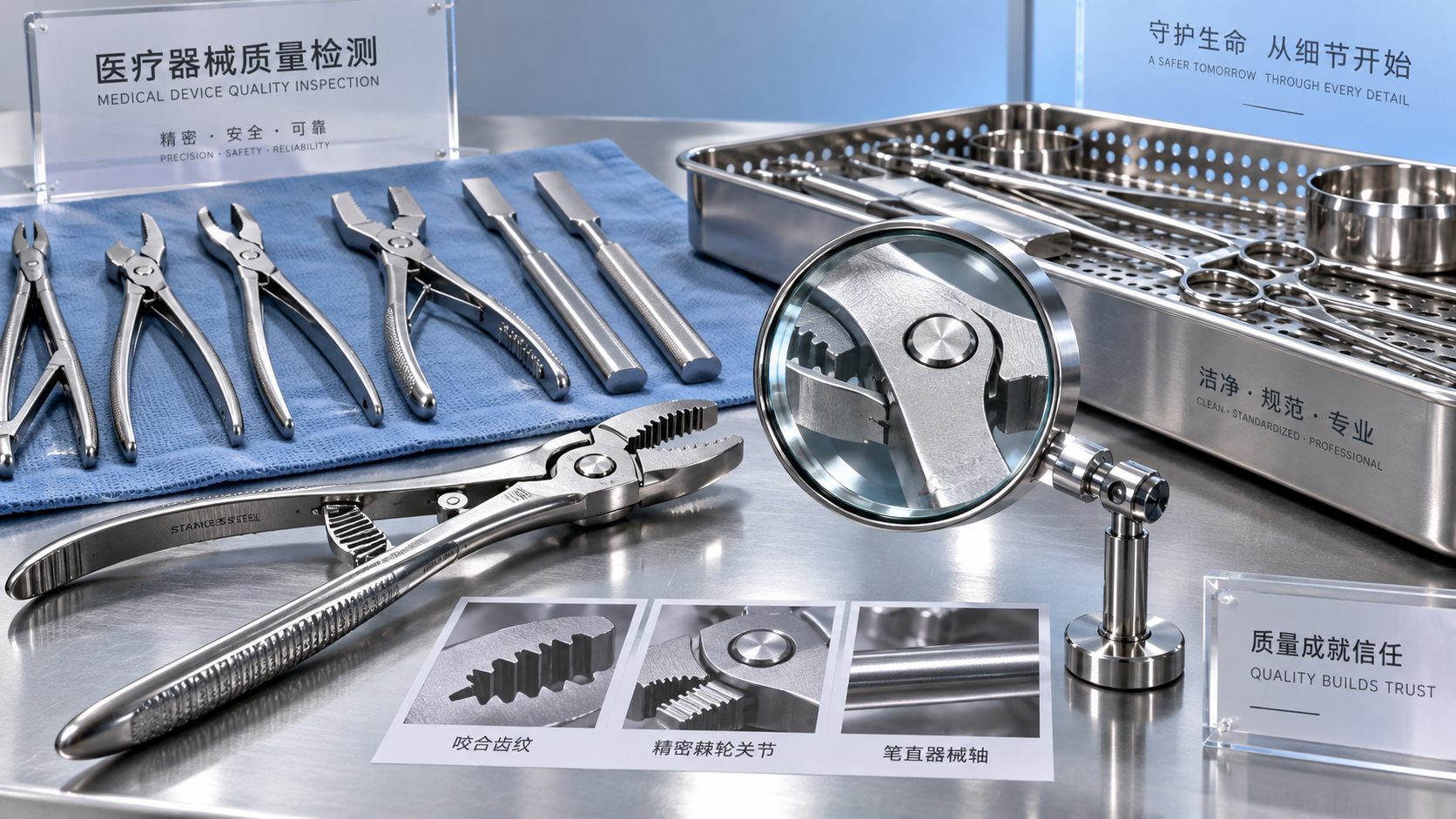
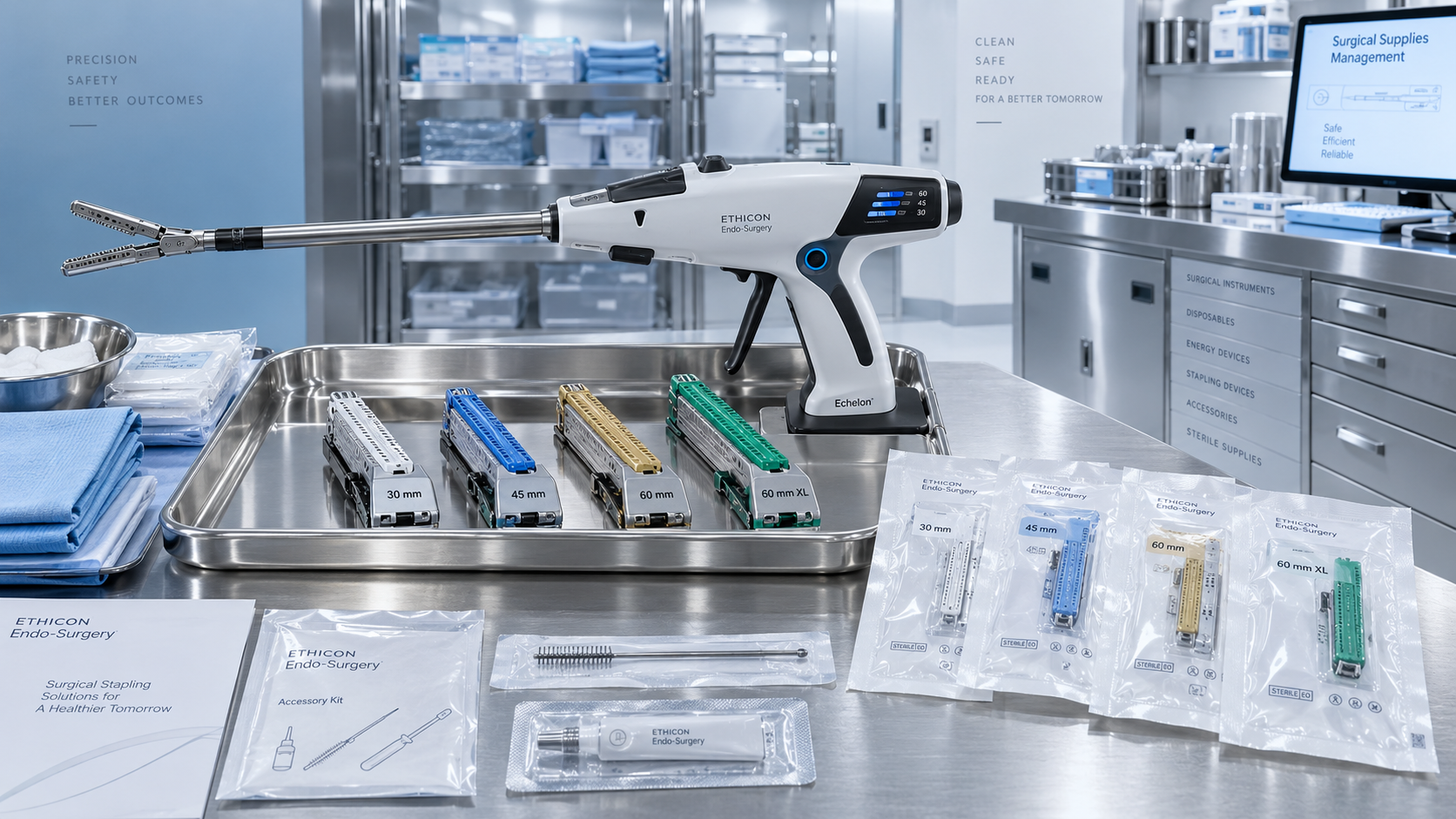
Staplers are central to MIS because tissue cutting and closure must happen quickly, safely, and reproducibly.
The value rises with stable staple formation, better articulation, and reduced leak-related concerns.
Polymer catheter systems
Flexible, kink-resistant, anti-thrombotic, and hydrophilic designs support navigation through difficult anatomy.
Here, smart minimally invasive technology improves both access and control.
Advanced wound care
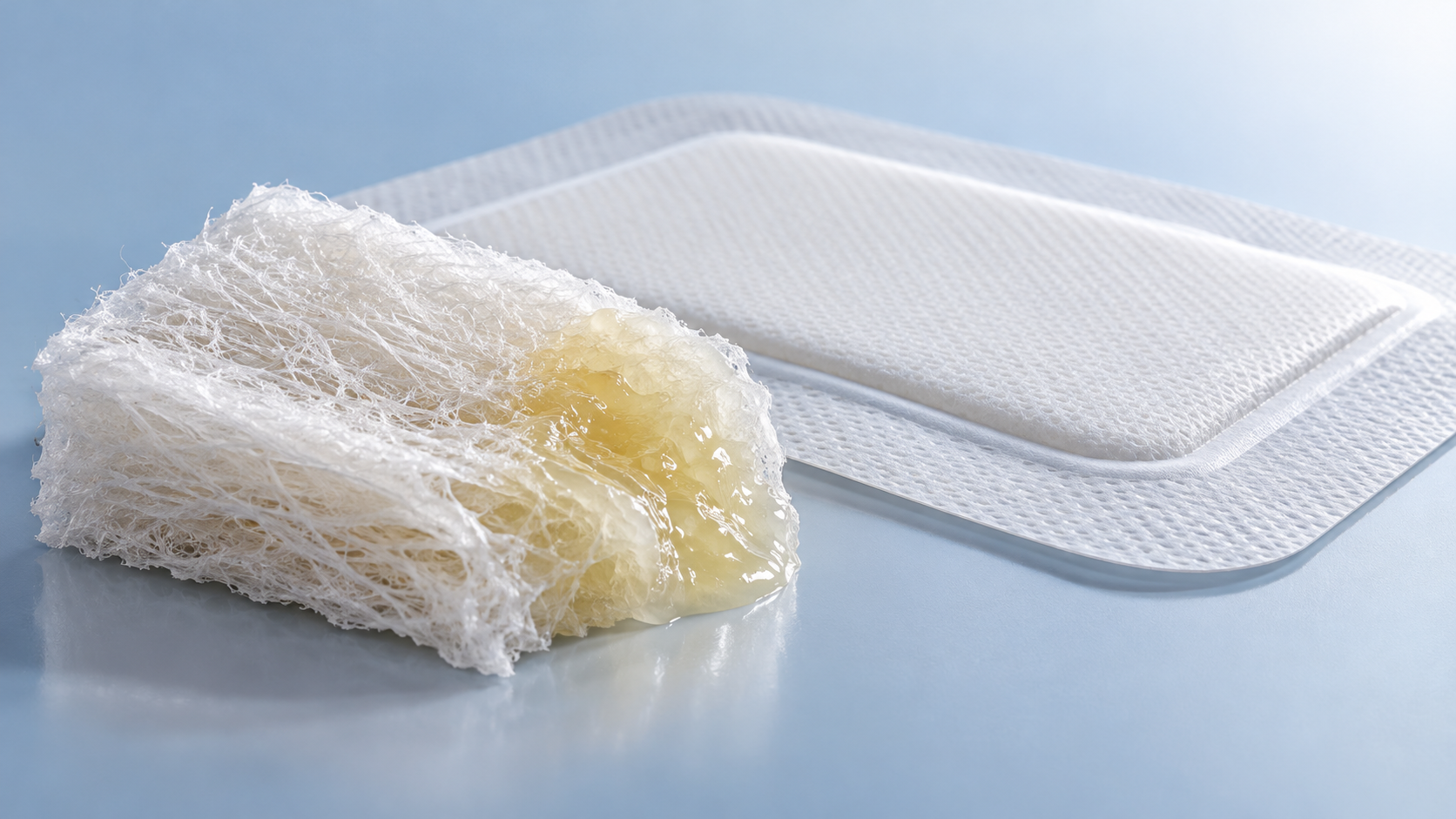
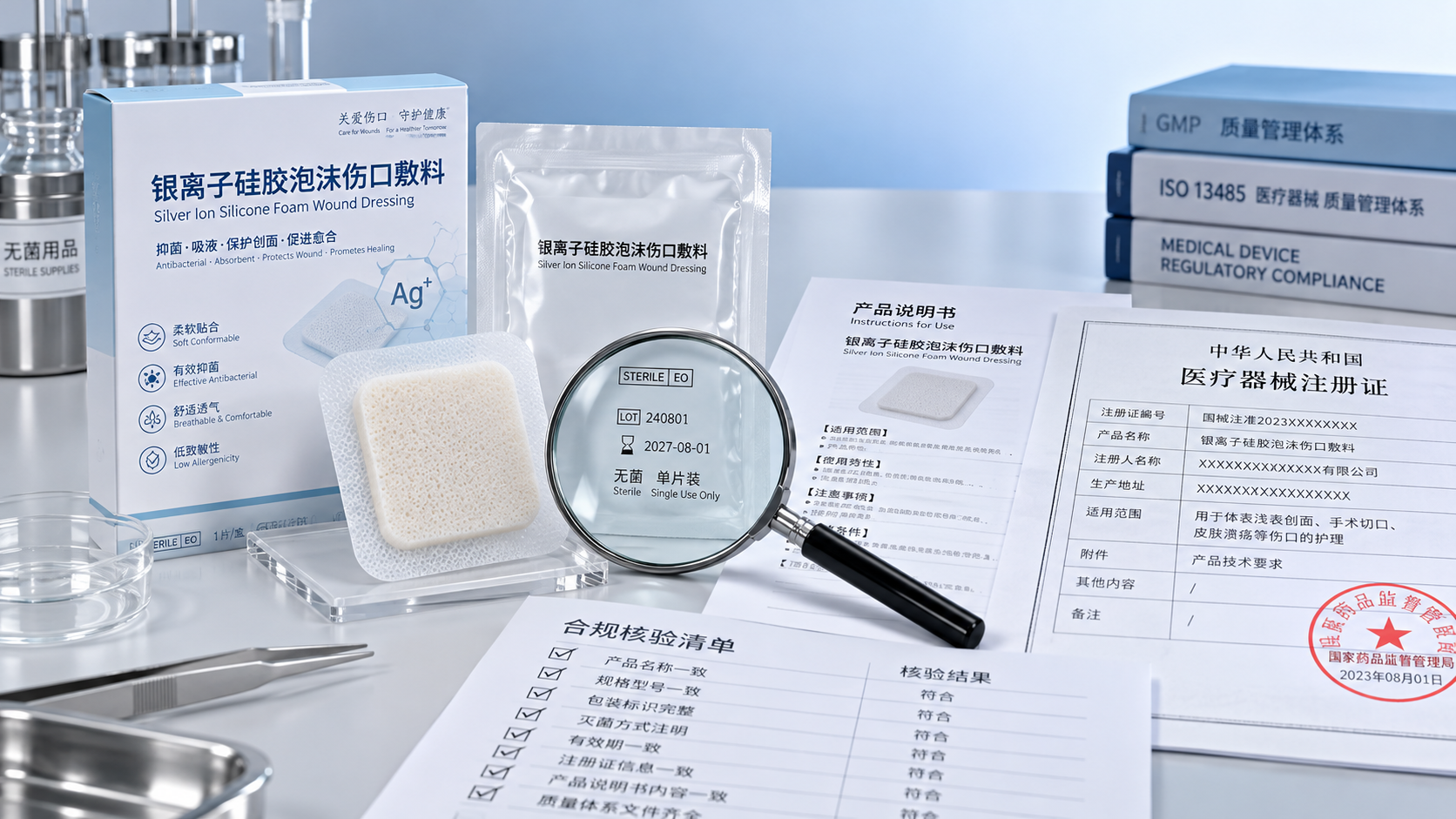
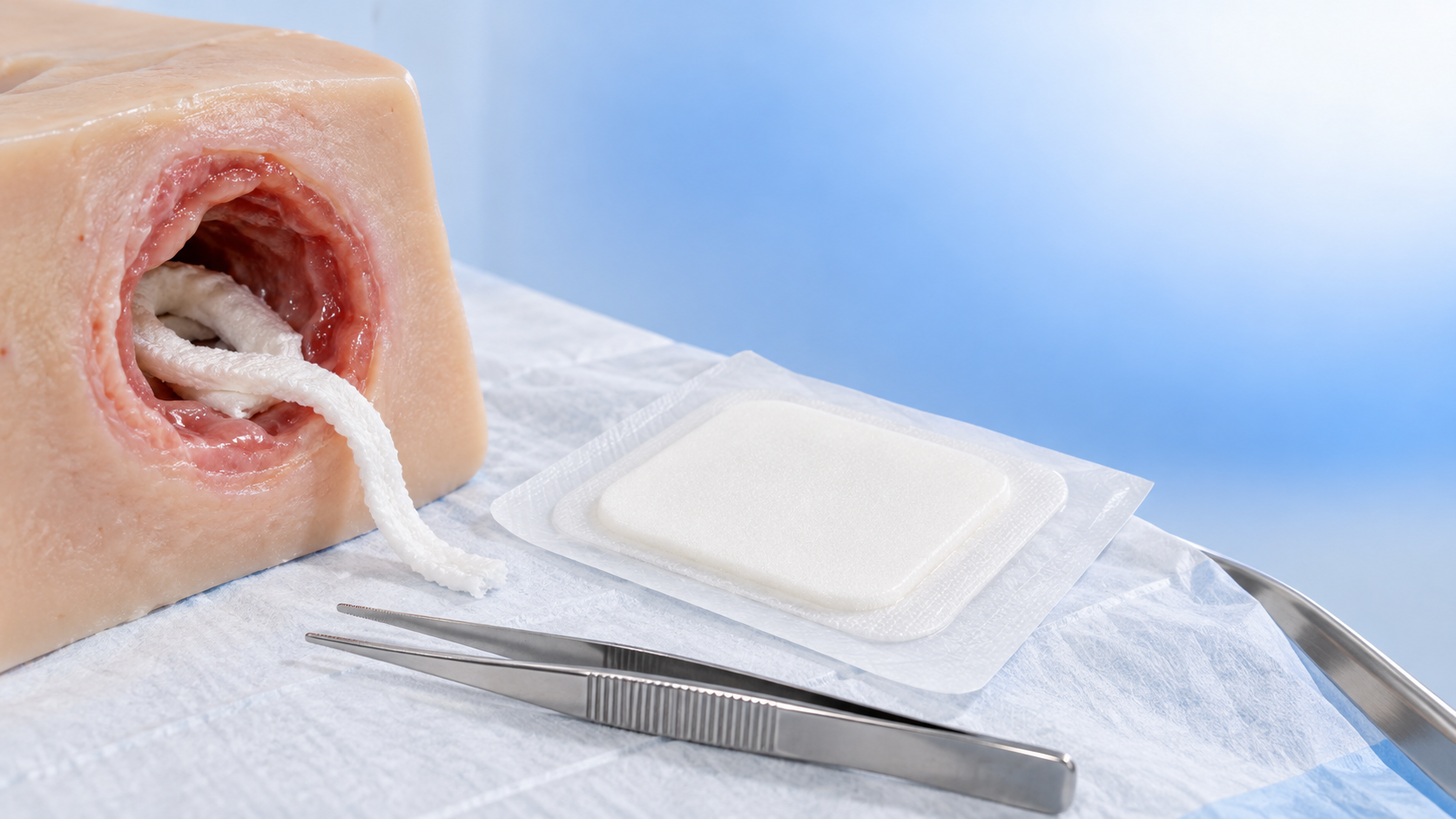
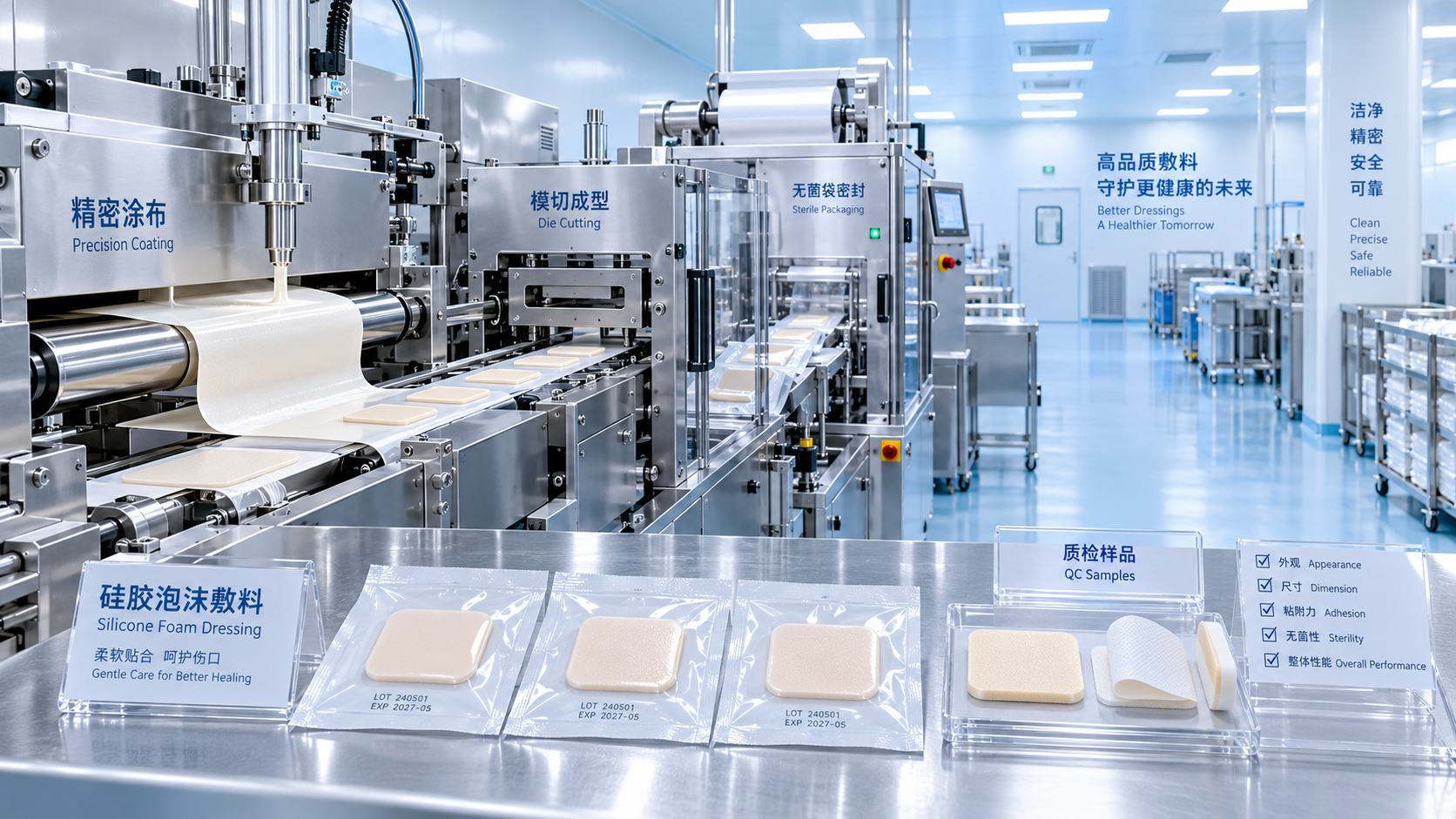
NPWT, silicone foams, and bioactive dressings extend minimally invasive value beyond the operating room.
They support cleaner healing environments and reduce the burden of delayed tissue recovery.
How should clinical and business value be evaluated?
A useful evaluation model should connect device performance with evidence, workflow, and policy exposure.
This framework helps explain why smart minimally invasive technology is not just a technical trend.
It is a decision system shaped by regulation, evidence, materials science, and payment reform.
What common mistakes weaken adoption or value capture?
One mistake is assuming smaller devices automatically create better outcomes.
If navigability improves but sealing, fixation, or tissue compatibility is poor, total value falls.
Another mistake is underestimating evidence demands.
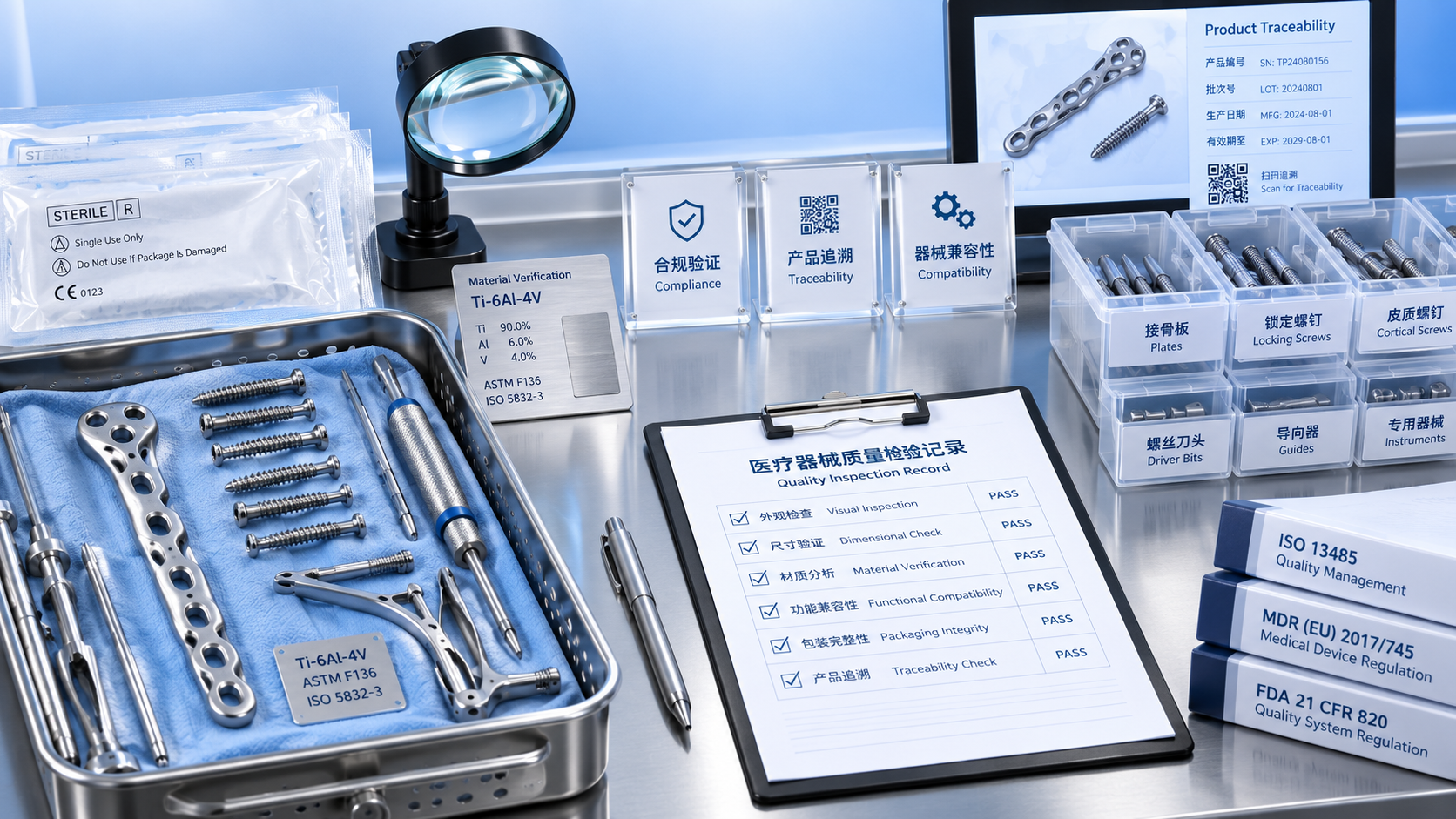
Smart minimally invasive technology often enters high-risk environments where regulators expect strong biological, mechanical, and clinical validation.
A third mistake is ignoring workflow fit.
Even strong devices may struggle if setup is complex, learning curves are steep, or accessory compatibility is weak.
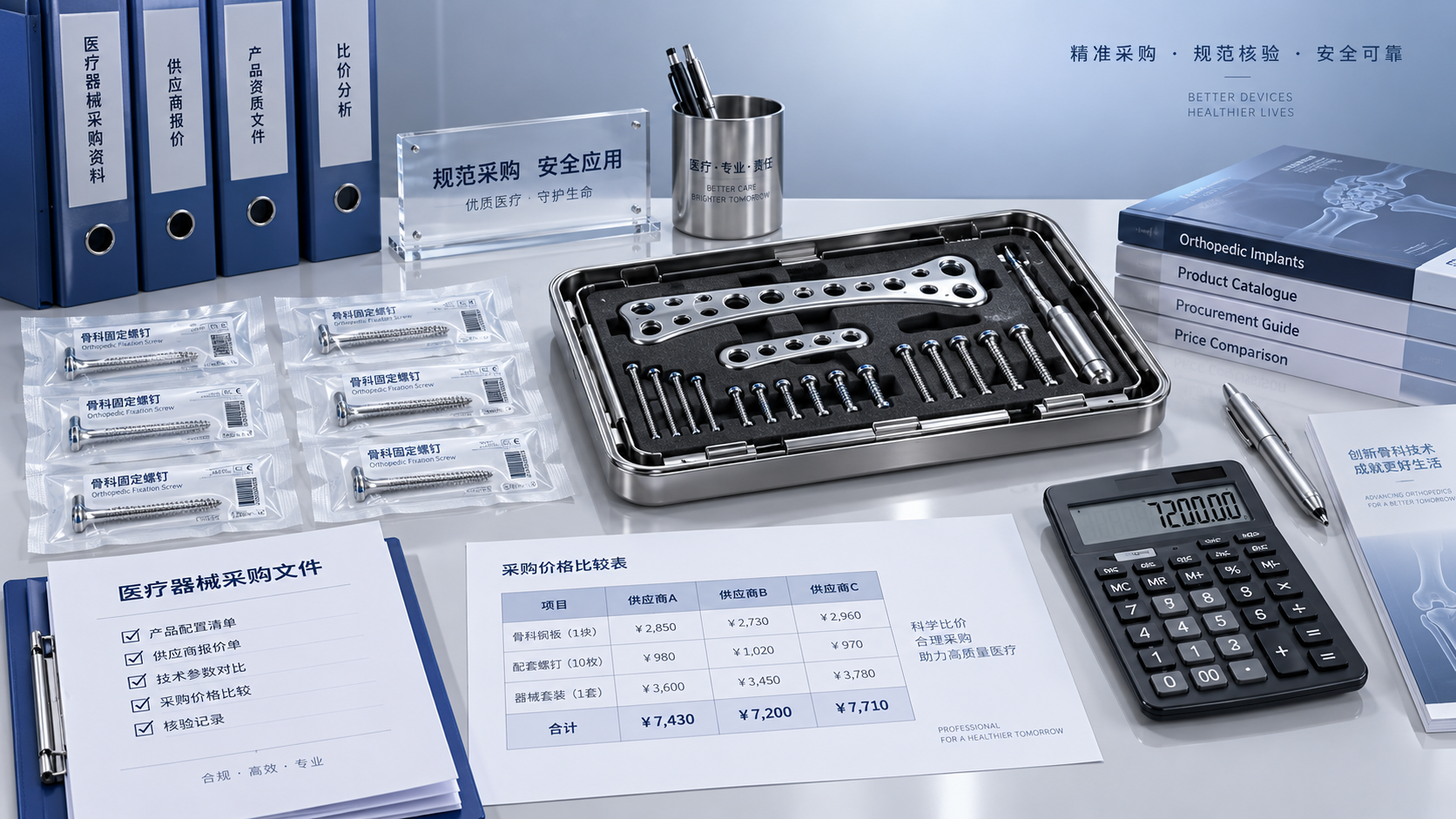
A fourth mistake is focusing only on bidding price.
In VBP-sensitive markets, sustainable success often depends on proving lower complication costs and stronger long-term utility.
- Do not separate innovation from evidence.
- Do not separate material design from clinical context.
- Do not separate price pressure from total care economics.
How can organizations judge readiness for the next stage?
The next stage of smart minimally invasive technology will reward integrated capability, not isolated product features.
A practical readiness check can start with five questions.
- Is the device linked to a clearly measurable clinical endpoint?
- Are biocompatibility and mechanical risks mapped early?
- Can regulatory files support global Class III expectations?
- Does the value narrative remain strong under VBP pressure?
- Can production quality support precision at scale?
For IMCS-covered sectors, the answer increasingly depends on intelligence stitching across engineering, toxicology, clinical evidence, and market policy.
That is especially true for implants, interventional devices, staplers, catheters, and tissue-healing materials.
Quick FAQ: what should be compared first?
Smart minimally invasive technology is growing fast because it aligns with the future direction of healthcare.
That direction favors precision, lower trauma, better healing, stronger evidence, and more disciplined cost structures.
The strongest opportunities will emerge where clinical logic, advanced materials, and regulatory preparedness work together.
For the next step, compare technologies through outcome data, procedural fit, material safety, and policy resilience before judging price alone.
That is where durable value in smart minimally invasive technology is most likely to be found.
Get weekly intelligence in your inbox.
No noise. No sponsored content. Pure intelligence.
News Recommendations
 Oct 26, 2026Can a single approval cover life science product sales worldwide?Can a single approval cover life science product sales worldwide?
 Oct 25, 2026When is sensitization testing needed for medical device biocompatibility?When is sensitization testing needed for medical device biocompatibility?
 Oct 24, 2026How is biocompatibility tested for implantable polymer biomaterials?How is biocompatibility tested for implantable polymer biomaterials?
 Oct 23, 2026How to build reimbursement into an implant commercialization strategyHow to build reimbursement into an implant commercialization strategy
 Oct 22, 2026What clinical evidence do implants need for CE marking under EU MDR?What clinical evidence do implants need for CE marking under EU MDR?
 Oct 21, 2026How to choose disposable laparoscopic stapler reloads for thick tissueHow to choose disposable laparoscopic stapler reloads for thick tissue
 Oct 20, 2026How to assess medical polymer biocompatibility under ISO 10993How to assess medical polymer biocompatibility under ISO 10993
 Oct 19, 2026How do interventional device categories differ in clinical use?How do interventional device categories differ in clinical use?
 Oct 18, 2026When to choose alginate dressings for heavily exuding chronic woundsWhen to choose alginate dressings for heavily exuding chronic wounds
 Oct 17, 2026How is biocompatibility tested for custom medical-grade PEEK implants?How is biocompatibility tested for custom medical-grade PEEK implants?
 Oct 16, 2026How to check a wound healing materials supplier’s biocompatibility dataHow to check a wound healing materials supplier’s biocompatibility data
 Oct 15, 2026How to verify the FDA clearance status of silver wound dressingsHow to verify the FDA clearance status of silver wound dressings
 Oct 14, 2026How to register orthopedic implants and instruments in Latin AmericaHow to register orthopedic implants and instruments in Latin America
 Oct 13, 2026How to use a device market intelligence database to benchmark VBP pricesHow to use a device market intelligence database to benchmark VBP prices
 Oct 12, 2026When should stainless steel orthopedic instruments be replaced?When should stainless steel orthopedic instruments be replaced?
 Oct 11, 2026When are alginate dressings rope the right choice for cavity wounds?When are alginate dressings rope the right choice for cavity wounds?
 Oct 10, 2026When smart minimally invasive technology improves catheter accessWhen smart minimally invasive technology improves catheter access
 Oct 08, 2026Clinical evaluation requirements for cardiovascular implant devices in EuropeClinical evaluation requirements for cardiovascular implant devices in Europe
 Oct 07, 2026What to verify before appointing an artificial joint implants distributorWhat to verify before appointing an artificial joint implants distributor
 Oct 06, 2026How ISO 10993 guides biocompatibility testing for medical materialsHow ISO 10993 guides biocompatibility testing for medical materials
 Oct 05, 2026How to verify an orthopedic implants and instruments exporterHow to verify an orthopedic implants and instruments exporter
 Oct 04, 2026What drives surgical stapling devices price differences in hospital tenders?What drives surgical stapling devices price differences in hospital tenders?
 Oct 03, 2026How to assess a central venous catheter manufacturer's infection-control evidenceHow to assess a central venous catheter manufacturer's infection-control evidence
 Oct 02, 2026How to assess an advanced wound care factory’s quality systemHow to assess an advanced wound care factory’s quality system
 Oct 01, 2026What is driving global medical consumables demand in emerging markets?What is driving global medical consumables demand in emerging markets?
 Sep 30, 2026Implant Material Compliance Testing: Evidence Needed for Regulatory SubmissionImplant Material Compliance Testing: Evidence Needed for Regulatory Submission
 Sep 30, 2026From Corrosion to Fatigue: What Implant Materials Testing Should MeasureFrom Corrosion to Fatigue: What Implant Materials Testing Should Measure