Minimally Invasive Surgery Equipment: 5 Factors That Change ROI
For finance approvers, evaluating minimally invasive surgery equipment goes far beyond purchase price. The real ROI depends on procedure efficiency, consumable utilization, reimbursement alignment, maintenance burden, and long-term clinical value.
In a market shaped by regulation, VBP pressure, and margin scrutiny, these five factors help determine whether minimally invasive surgery equipment supports durable profitability and better patient outcomes.
Why ROI Changes Across Care Settings
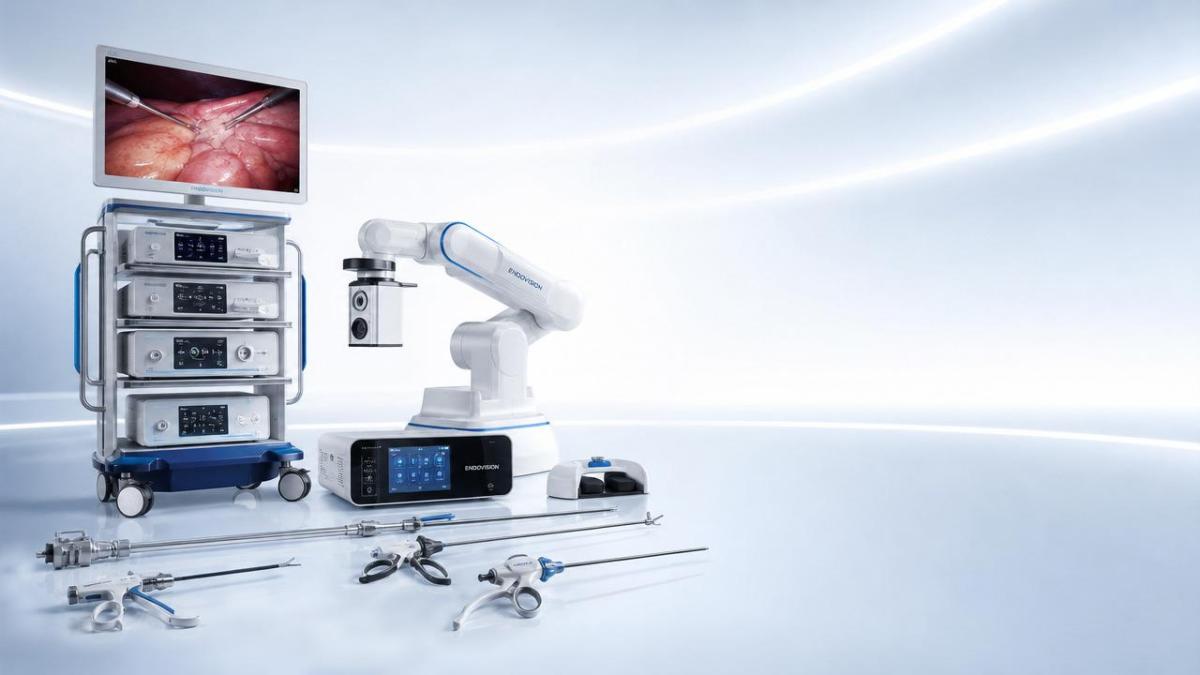
The same minimally invasive surgery equipment can produce very different returns in different environments. Case mix, surgeon preference, reimbursement pathways, and service intensity all change the value equation.
A laparoscopic tower used for high-volume general surgery behaves differently from robotic-assisted equipment used for complex oncology cases. ROI must be judged within the real procedural context.
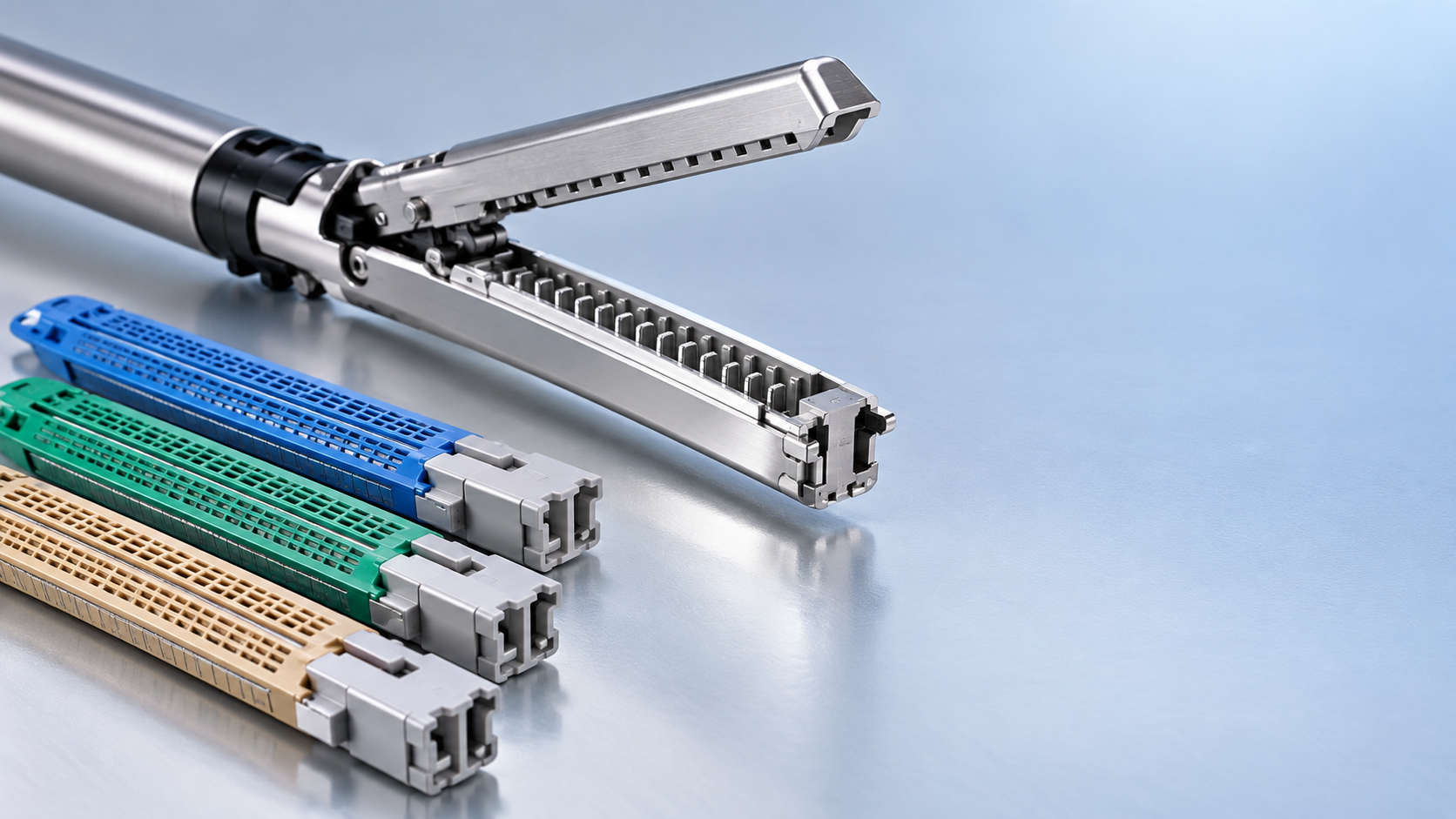
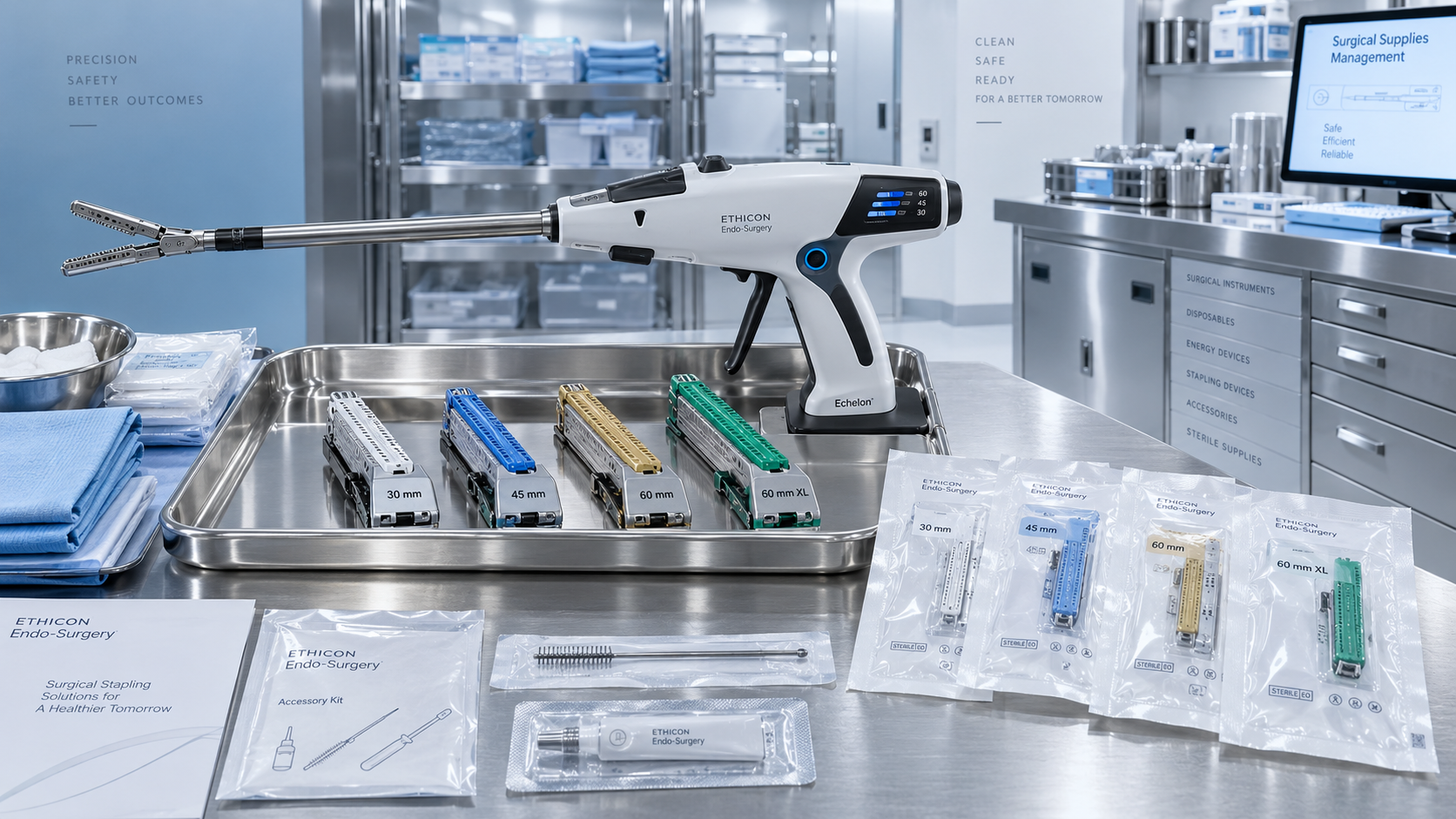
This is especially important for systems linked to staplers, energy devices, visualization platforms, and advanced access tools. Utilization patterns often matter more than the capital quote.
Scenario 1: High-Volume Routine Procedures Reward Efficiency First
In routine procedures, ROI improves when minimally invasive surgery equipment reduces setup time, turnover delays, and intraoperative friction. Even small time savings multiply across large annual case volumes.
Core judgment points include docking simplicity, imaging clarity, ergonomic access, and compatibility with standard consumables. Systems that disrupt established workflows often erode expected gains.
What matters most in this setting
- Procedure time reduction per case
- Lower conversion risk to open surgery
- Stable stapler and energy consumable usage
- Fast room turnover and staff familiarity
When annual procedural volume is high, finance models should translate minutes saved into additional capacity. More completed cases can outweigh modest price differences in equipment platforms.
Scenario 2: Complex Specialty Cases Depend on Clinical Value Density
Complex surgeries create a different ROI profile. Here, minimally invasive surgery equipment must justify itself through improved precision, lower complications, and stronger postoperative recovery metrics.
A system may appear expensive, yet deliver value by reducing leakage, bleeding, readmissions, or ICU days. High-acuity cases require looking beyond per-case equipment expense.
Key judgment points for complex cases
- Clinical evidence supporting better outcomes
- Precision in tissue handling and closure
- Reduction in adverse events and revisions
- Alignment with premium reimbursement pathways
In these scenarios, the best minimally invasive surgery equipment often supports long-term value through shorter recovery periods and stronger quality indicators.
Scenario 3: Budget-Constrained Environments Need Consumable Discipline
Under cost pressure, consumable economics can change ROI more than hardware pricing. Staple reloads, sealing instruments, trocars, and catheter-based accessories directly affect margin per procedure.
This makes minimally invasive surgery equipment evaluation inseparable from accessory strategy. A lower-cost console may become more expensive if proprietary consumables are heavily used.
Questions that improve the analysis
- Are consumables open-platform or locked?
- What is the average accessory cost per case?
- How do VBP or tender changes affect future pricing?
- Can standardization reduce waste and overuse?
IMCS intelligence often shows that consumable variance quietly destroys projected returns. ROI planning should therefore model both current use and likely policy-driven pricing shifts.
Scenario 4: Service-Heavy Facilities Must Price Maintenance Realistically
Many ROI models underweight maintenance. Yet downtime, calibration, software updates, sterilization burden, and repair response can materially affect the value of minimally invasive surgery equipment.
Equipment that looks technically advanced can become operationally expensive if service contracts are rigid or spare-part lead times are long. Utilization without reliability is not true ROI.
Maintenance factors that change returns
- Annual preventive service cost
- Expected downtime per quarter
- Training needs for reprocessing and setup
- Upgrade cycles and software licensing
A practical review should compare total cost of ownership across five years, not just the initial invoice. This is where many minimally invasive surgery equipment decisions either hold or collapse.
Scenario 5: Value-Based Care Favors Long-Term Outcome Alignment
As reimbursement becomes more outcome-sensitive, ROI increasingly depends on how equipment supports recovery quality. Better visualization, atraumatic handling, and reliable closure can influence total episode economics.
For this reason, minimally invasive surgery equipment should be assessed against length of stay, pain reduction, readmission trends, and recovery pathway consistency, not just operating room activity.
Long-term value indicators
- Shorter inpatient recovery time
- Fewer postoperative complications
- Better standardization across teams
- Stronger alignment with evidence-based pathways
This perspective is especially relevant in advanced stapling, tissue sealing, and endoscopic access technologies, where outcome consistency can produce meaningful financial protection over time.
How the Five ROI Factors Differ by Scenario
Practical Fit Recommendations Before Approval
A strong review process for minimally invasive surgery equipment should combine operational data, consumable assumptions, reimbursement logic, and service risk into one approval framework.
- Map equipment to actual procedure mix, not estimated future demand.
- Measure average consumable use across representative cases.
- Test reimbursement fit for routine and complex indications.
- Review vendor uptime commitments and repair timelines.
- Include clinical outcome evidence in financial scoring.
This approach creates a more accurate picture of which minimally invasive surgery equipment choices are resilient under pricing pressure and policy change.
Common Misjudgments That Distort ROI
Several recurring mistakes weaken investment decisions. The most common is treating all minimally invasive platforms as interchangeable because they share similar clinical labels.
Another error is ignoring hidden dependence on proprietary accessories. This can make minimally invasive surgery equipment far more expensive after the first procurement cycle.
A third misjudgment is relying on ideal utilization assumptions. Equipment ROI collapses when training delays, scheduling limits, or maintenance interruptions reduce real procedural volume.
Finally, short-term budgeting often overlooks the strategic role of clinical quality. Lower complication rates and smoother recovery can protect margins more effectively than aggressive upfront savings.
Turn ROI Review Into a Better Next Step
The best decisions start with a scenario-based model. Review high-volume, complex, cost-sensitive, service-heavy, and value-based settings separately before comparing vendors.
Then build a five-factor scorecard covering efficiency, consumables, reimbursement, maintenance, and long-term outcomes. That framework reveals the true value of minimally invasive surgery equipment.
For organizations tracking global device trends, IMCS-style intelligence can further strengthen decisions by connecting product economics with regulation, evidence, and pricing dynamics across medical consumables markets.
Get weekly intelligence in your inbox.
No noise. No sponsored content. Pure intelligence.
News Recommendations
 Oct 26, 2026Can a single approval cover life science product sales worldwide?Can a single approval cover life science product sales worldwide?
 Oct 25, 2026When is sensitization testing needed for medical device biocompatibility?When is sensitization testing needed for medical device biocompatibility?
 Oct 24, 2026How is biocompatibility tested for implantable polymer biomaterials?How is biocompatibility tested for implantable polymer biomaterials?
 Oct 23, 2026How to build reimbursement into an implant commercialization strategyHow to build reimbursement into an implant commercialization strategy
 Oct 22, 2026What clinical evidence do implants need for CE marking under EU MDR?What clinical evidence do implants need for CE marking under EU MDR?
 Oct 21, 2026How to choose disposable laparoscopic stapler reloads for thick tissueHow to choose disposable laparoscopic stapler reloads for thick tissue
 Oct 20, 2026How to assess medical polymer biocompatibility under ISO 10993How to assess medical polymer biocompatibility under ISO 10993
 Oct 19, 2026How do interventional device categories differ in clinical use?How do interventional device categories differ in clinical use?
 Oct 18, 2026When to choose alginate dressings for heavily exuding chronic woundsWhen to choose alginate dressings for heavily exuding chronic wounds
 Oct 17, 2026How is biocompatibility tested for custom medical-grade PEEK implants?How is biocompatibility tested for custom medical-grade PEEK implants?
 Oct 16, 2026How to check a wound healing materials supplier’s biocompatibility dataHow to check a wound healing materials supplier’s biocompatibility data
 Oct 15, 2026How to verify the FDA clearance status of silver wound dressingsHow to verify the FDA clearance status of silver wound dressings
 Oct 14, 2026How to register orthopedic implants and instruments in Latin AmericaHow to register orthopedic implants and instruments in Latin America
 Oct 13, 2026How to use a device market intelligence database to benchmark VBP pricesHow to use a device market intelligence database to benchmark VBP prices
 Oct 12, 2026When should stainless steel orthopedic instruments be replaced?When should stainless steel orthopedic instruments be replaced?
 Oct 11, 2026When are alginate dressings rope the right choice for cavity wounds?When are alginate dressings rope the right choice for cavity wounds?
 Oct 10, 2026When smart minimally invasive technology improves catheter accessWhen smart minimally invasive technology improves catheter access
 Oct 08, 2026Clinical evaluation requirements for cardiovascular implant devices in EuropeClinical evaluation requirements for cardiovascular implant devices in Europe
 Oct 07, 2026What to verify before appointing an artificial joint implants distributorWhat to verify before appointing an artificial joint implants distributor
 Oct 06, 2026How ISO 10993 guides biocompatibility testing for medical materialsHow ISO 10993 guides biocompatibility testing for medical materials
 Oct 05, 2026How to verify an orthopedic implants and instruments exporterHow to verify an orthopedic implants and instruments exporter
 Oct 04, 2026What drives surgical stapling devices price differences in hospital tenders?What drives surgical stapling devices price differences in hospital tenders?
 Oct 03, 2026How to assess a central venous catheter manufacturer's infection-control evidenceHow to assess a central venous catheter manufacturer's infection-control evidence
 Oct 02, 2026How to assess an advanced wound care factory’s quality systemHow to assess an advanced wound care factory’s quality system
 Oct 01, 2026What is driving global medical consumables demand in emerging markets?What is driving global medical consumables demand in emerging markets?
 Sep 30, 2026Implant Material Compliance Testing: Evidence Needed for Regulatory SubmissionImplant Material Compliance Testing: Evidence Needed for Regulatory Submission
 Sep 30, 2026From Corrosion to Fatigue: What Implant Materials Testing Should MeasureFrom Corrosion to Fatigue: What Implant Materials Testing Should Measure