Personalized Medical Devices: When Customization Improves Clinical Access
Personalized medical devices are redefining how healthcare systems improve clinical access, balance regulatory demands, and deliver better patient outcomes.
Across implants, catheters, stapling systems, and wound care, customization now supports precision treatment, faster fit, and smarter resource allocation.
For intelligence-driven platforms such as IMCS, the rise of personalized medical devices creates a practical bridge between material science, micron-level manufacturing, and strict Class III compliance.
The strategic question is no longer whether customization matters. The real question is where it improves clinical access most, and how to scale it responsibly.
Why clinical access changes across real treatment scenarios
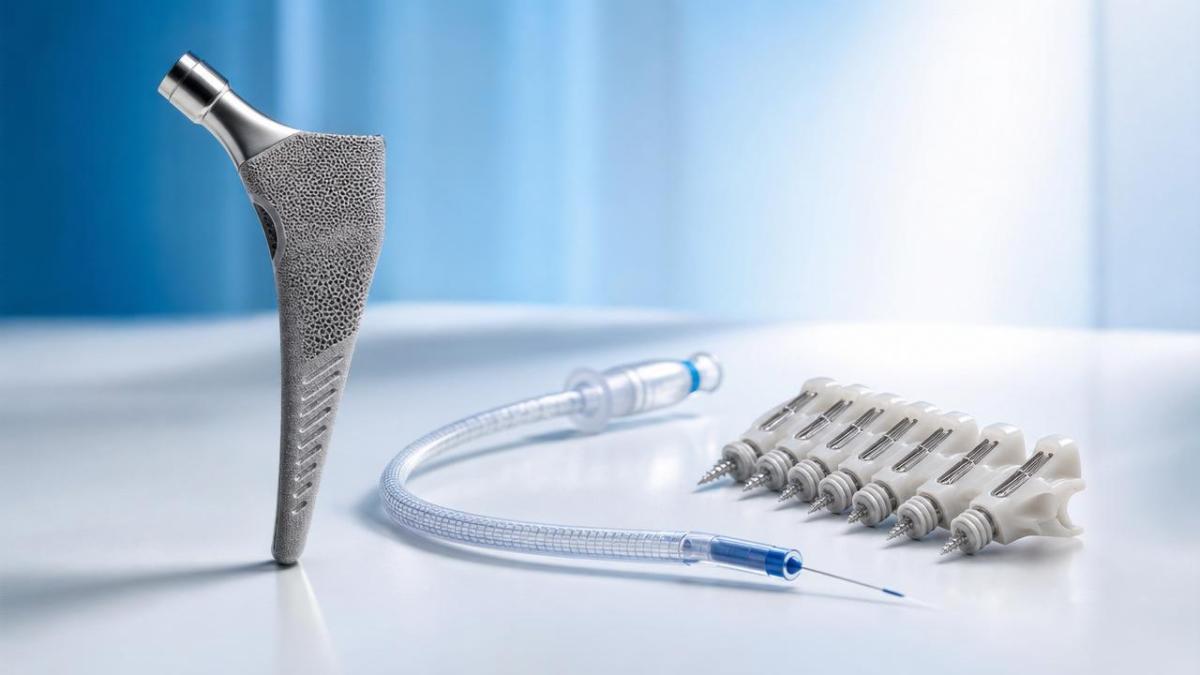
Clinical access is not only about hospital entry or reimbursement approval. It also includes fit, procedural feasibility, healing quality, and long-term patient usability.
Personalized medical devices improve access when standard dimensions, generic geometries, or uniform treatment pathways create avoidable barriers.
Those barriers often appear in anatomically complex cases, fragile tissue environments, unusual pathology, or patient groups underserved by conventional device catalogs.
In these settings, customization helps align device shape, surface, stiffness, delivery profile, or wound interface with specific clinical realities.
Scenario one: when orthopedic reconstruction needs anatomical precision
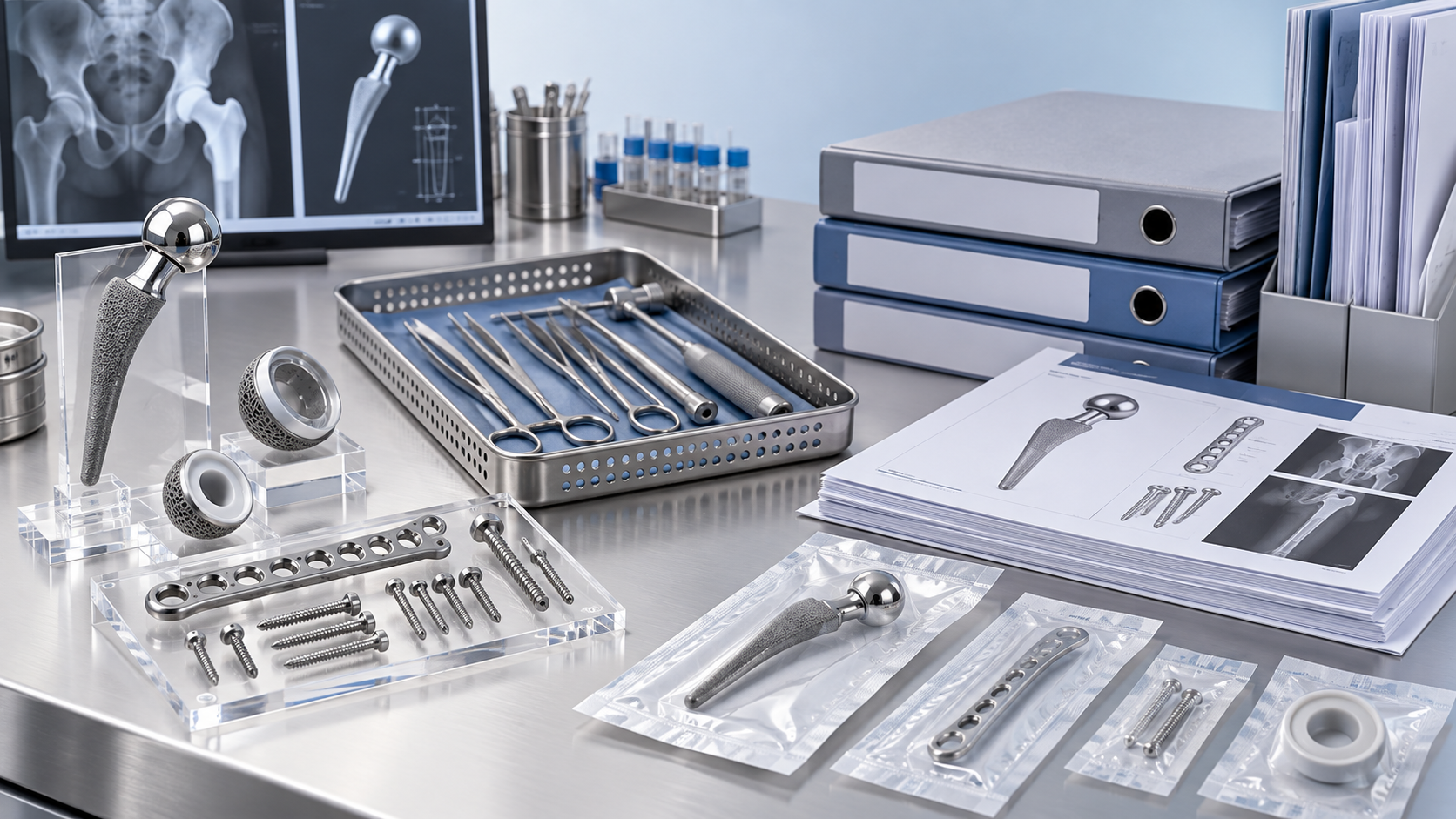
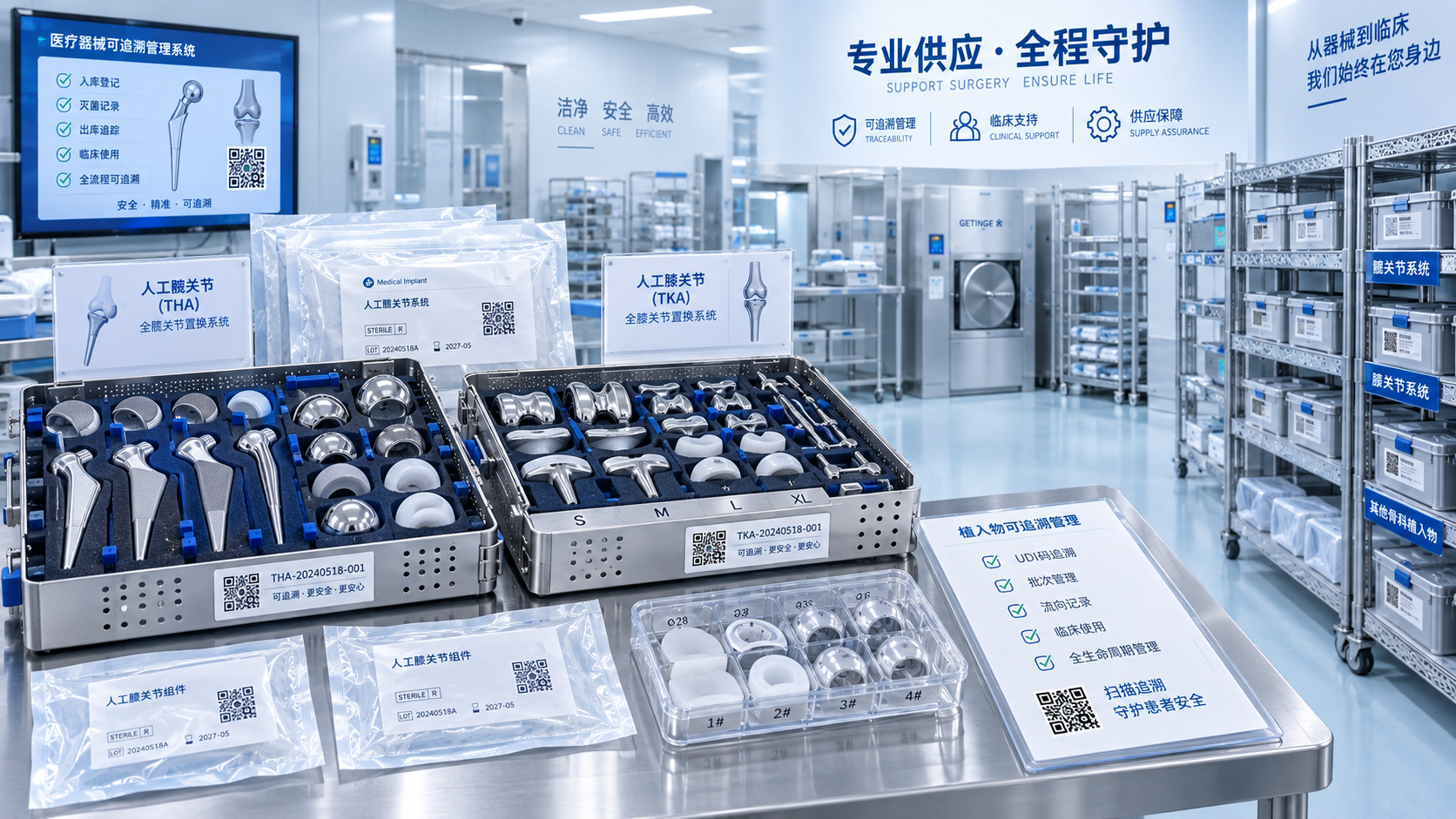
Orthopedic reconstruction shows one of the clearest use cases for personalized medical devices.
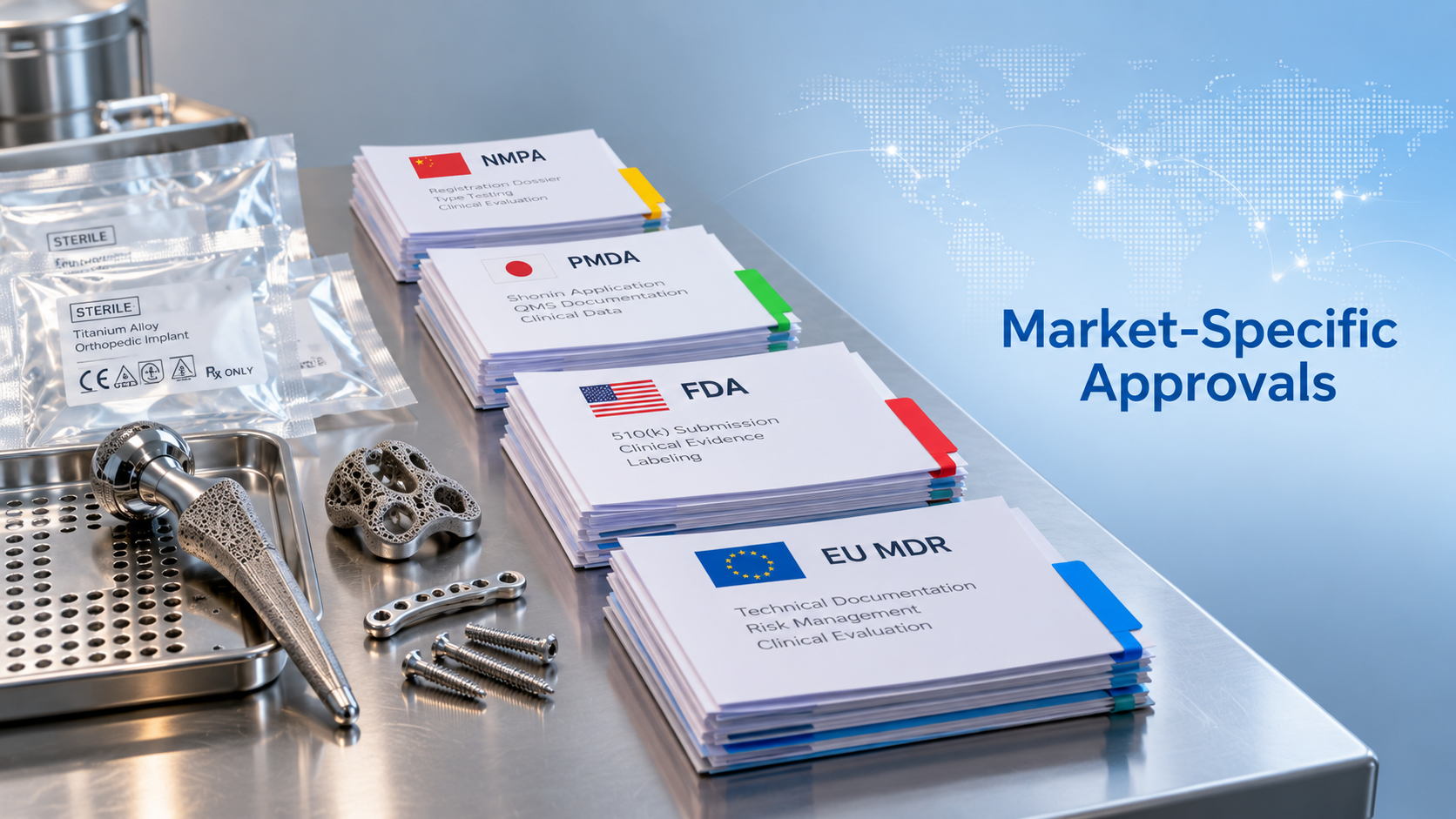
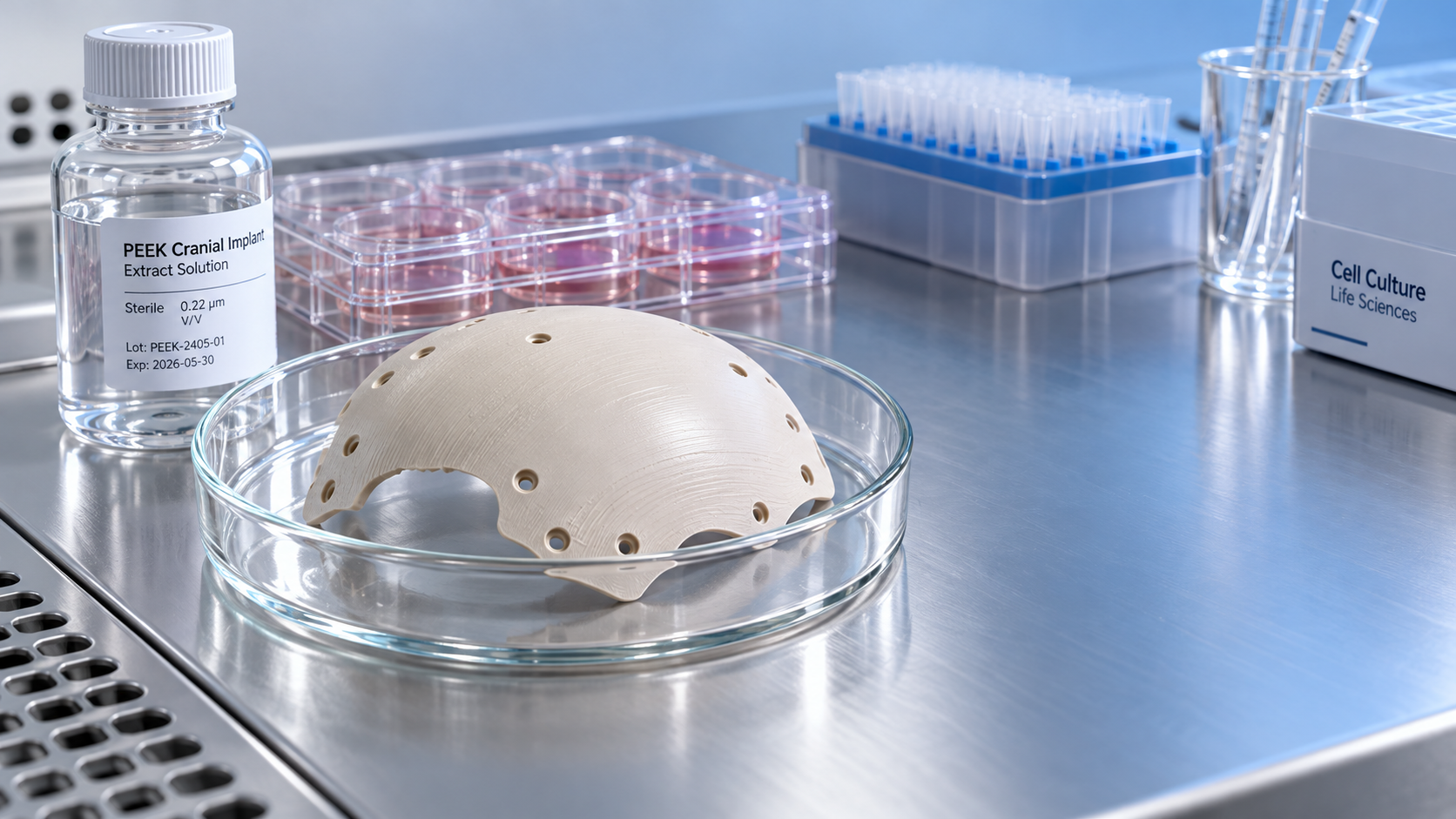
Complex revision surgery, bone defects, spinal deformity, and unusual joint anatomy often reduce the value of off-the-shelf implants.
Here, customized implants can support better fixation, reduce intraoperative adjustment, and improve load distribution after placement.
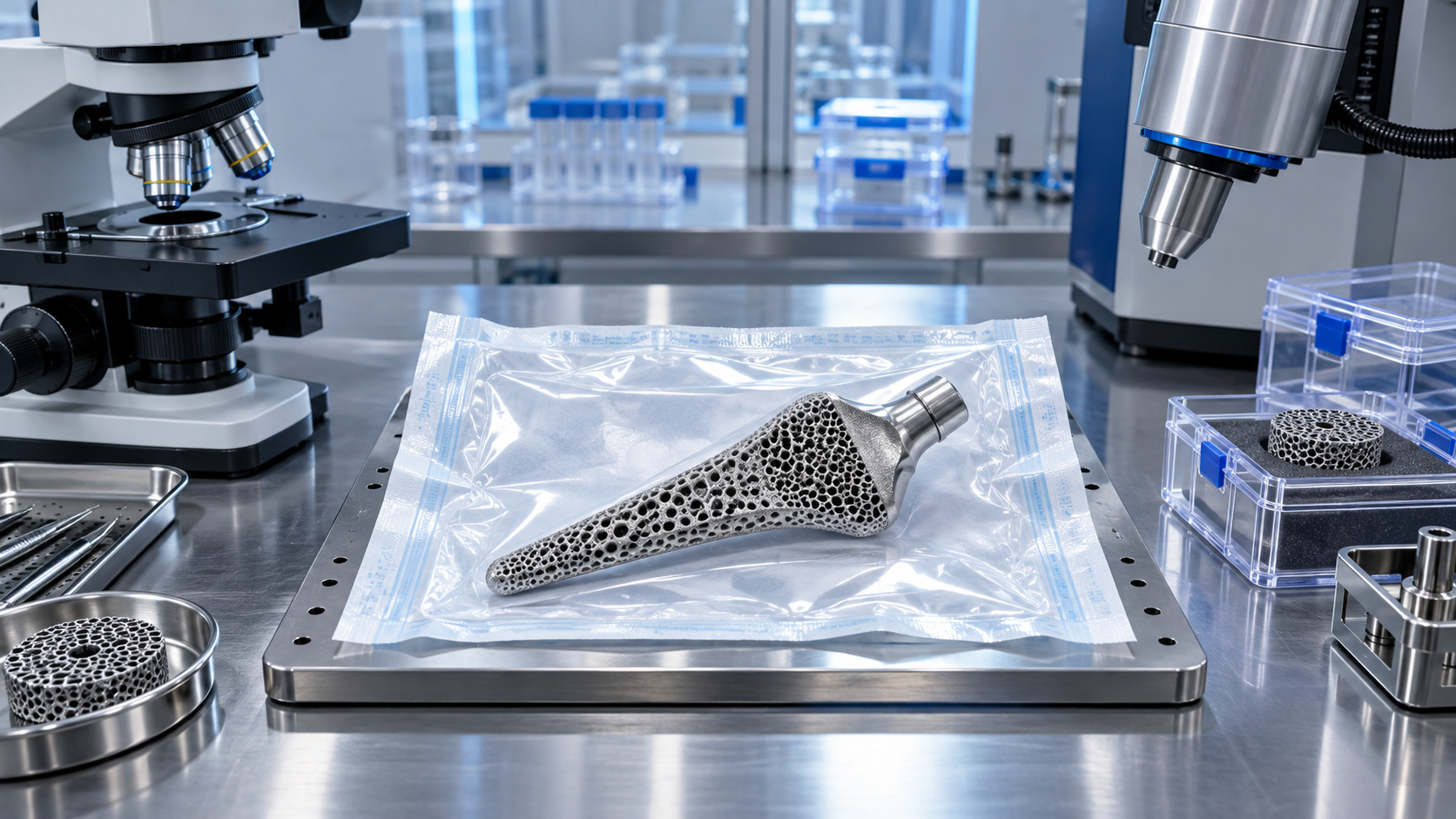
3D-printed porous trabecular structures also help encourage osseointegration in situations where bone quality is limited.
Core judgment points in orthopedic access
- Does the patient anatomy fall outside standard implant ranges?
- Will custom geometry reduce surgical compromise or implant mismatch?
- Can personalized design improve bone contact and stability?
- Is the time-to-manufacture compatible with the treatment window?
Scenario two: when cardiovascular intervention requires route-specific design
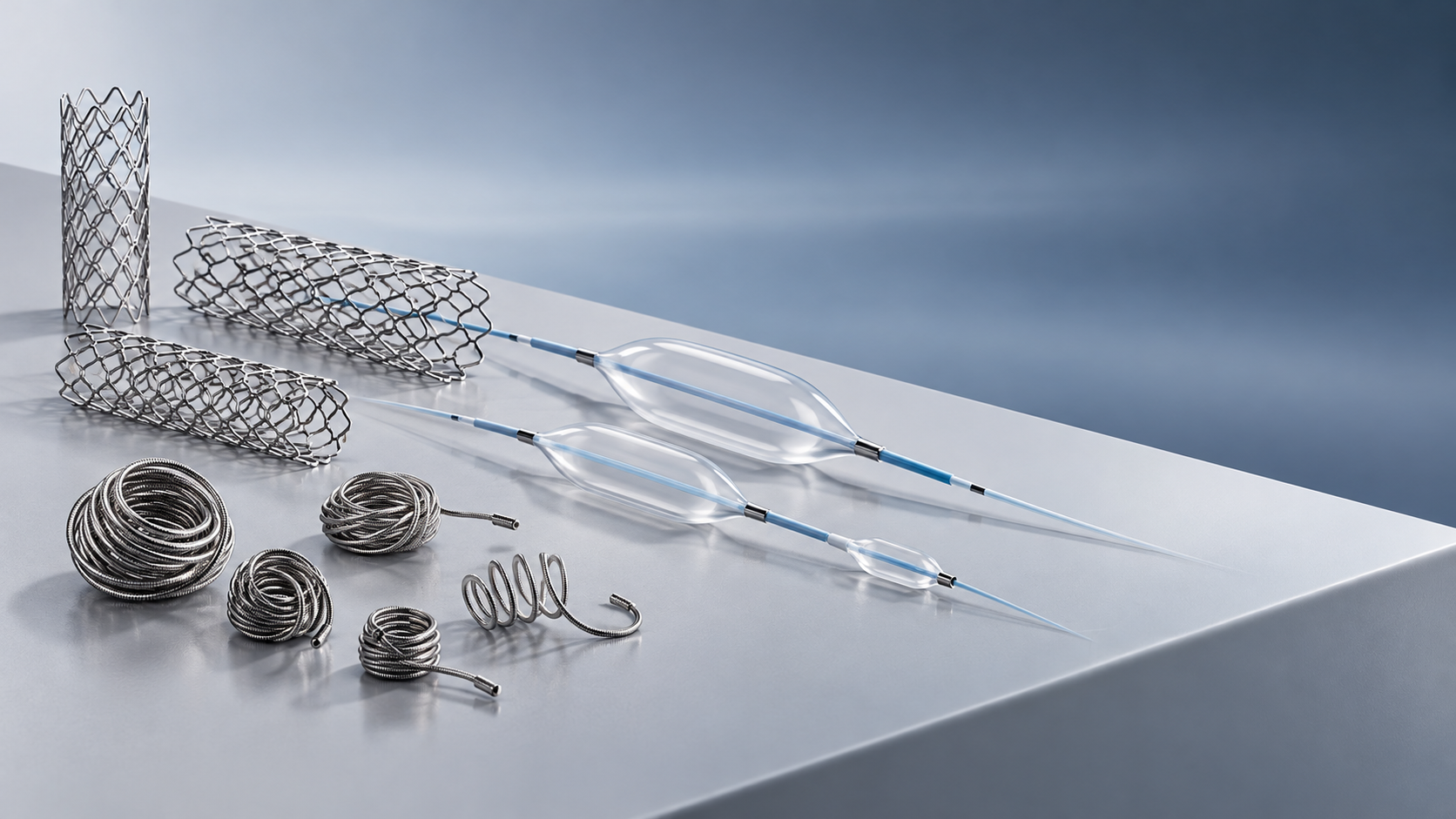
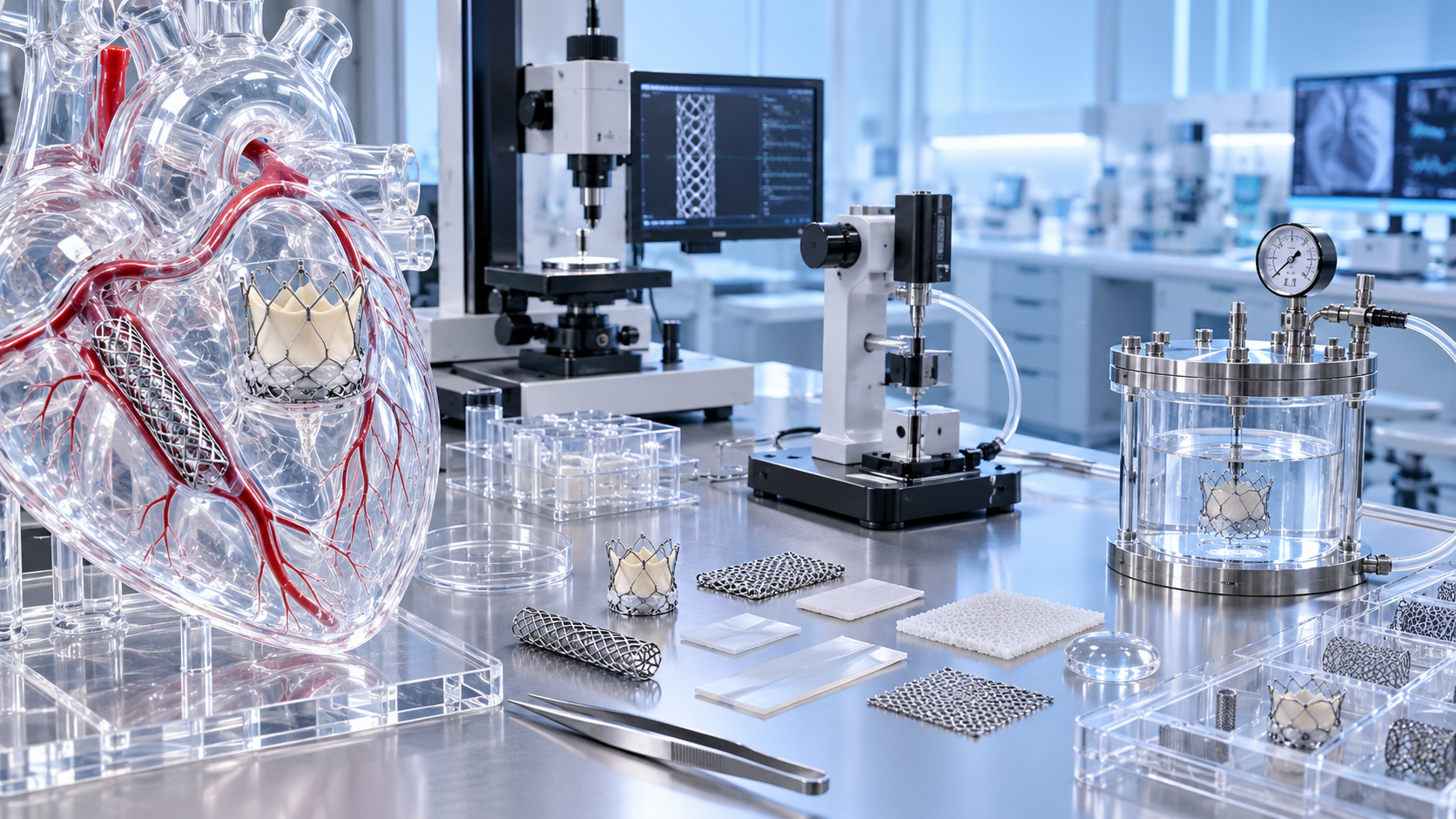
Cardiovascular intervention depends on access through narrow, tortuous, and highly variable vascular pathways.
Personalized medical devices can expand clinical access when vessel diameter, lesion morphology, calcification, or valve anatomy limits standard systems.
This is especially relevant for advanced stent planning, TAVR sizing, and delivery systems designed for difficult navigation.
Customization may involve pre-procedural imaging integration, tailored sizing logic, or patient-specific delivery strategy rather than full custom manufacturing.
Core judgment points in interventional access
- Is vessel complexity causing procedural exclusion or higher risk?
- Can patient-specific planning reduce positioning errors?
- Does a lower-profile or more flexible system improve reach?
- Will personalized sizing lower the chance of leakage or restenosis?
Scenario three: when minimally invasive surgery depends on tissue variability
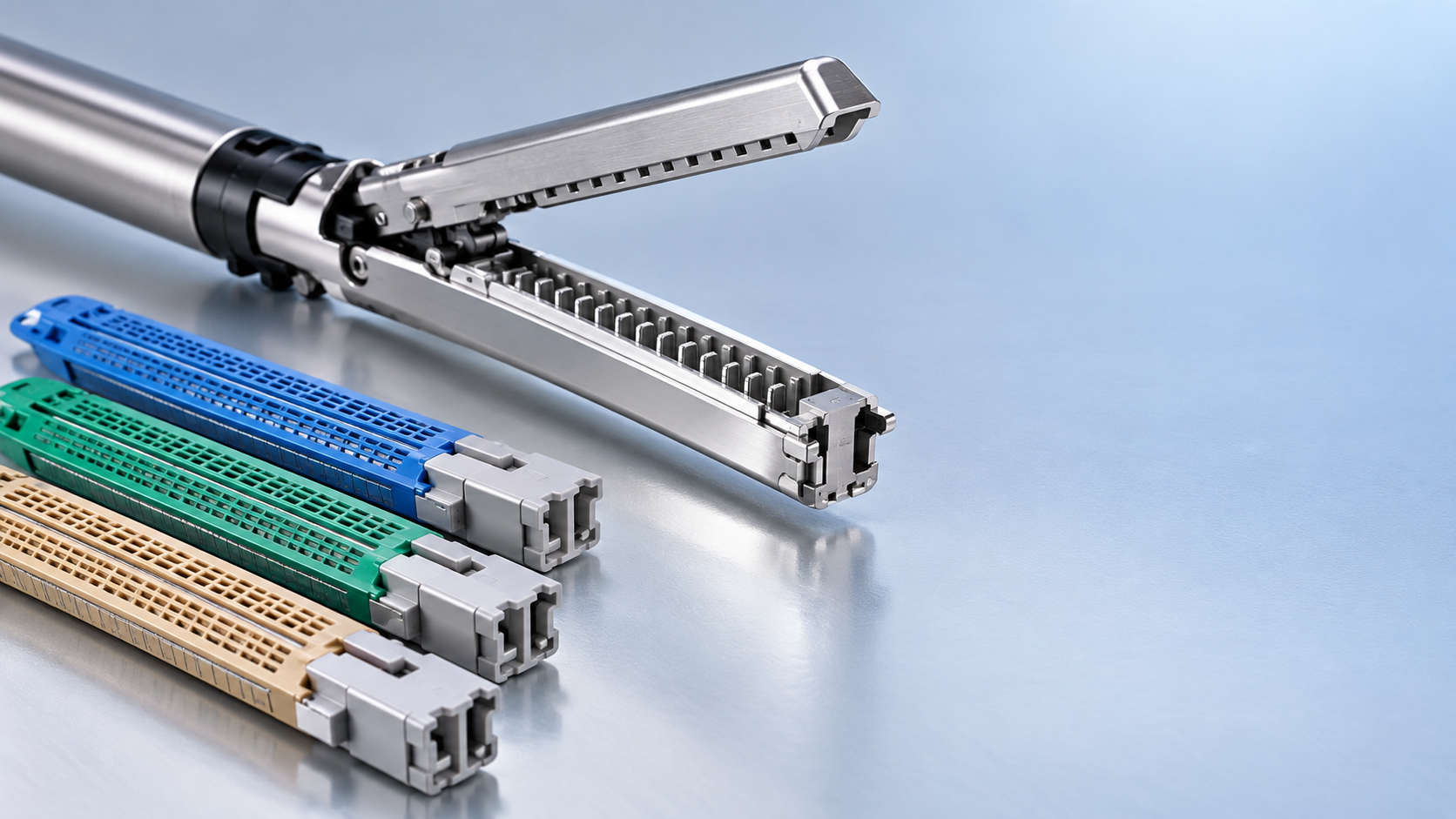
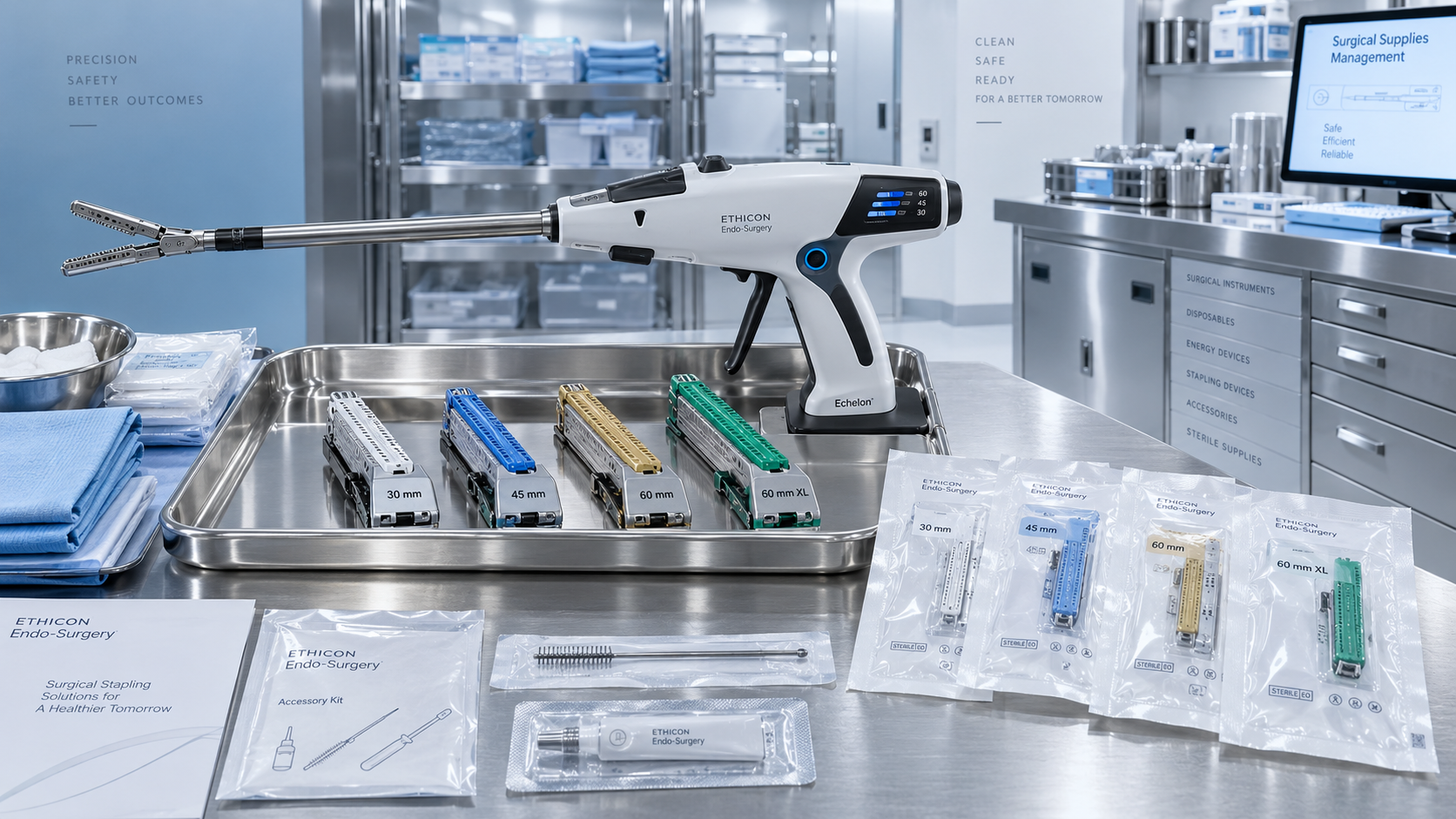
In minimally invasive surgery, tissue thickness, fragility, and local anatomy strongly affect stapling performance.
Standard cartridges work well in many procedures, but not all tissues behave the same.
Personalized medical devices in this scenario may mean tailored staple height, compression profile, articulation range, or procedure-specific system selection.
That improves access by making minimally invasive options feasible for cases once considered technically restrictive.
Scenario four: when catheter performance must match anatomy and therapy
Medical polymer catheters show how personalization can be subtle yet clinically meaningful.
Neuro-interventional pathways, central venous access, and drainage applications all require different flexibility, coating behavior, and anti-kink performance.
Personalized medical devices here may include adjusted shaft stiffness gradients, coating selection, tip design, or length adaptation.
These decisions improve access by lowering insertion difficulty and reducing complications tied to poor anatomical compatibility.
Scenario five: when wound care must adapt to healing conditions
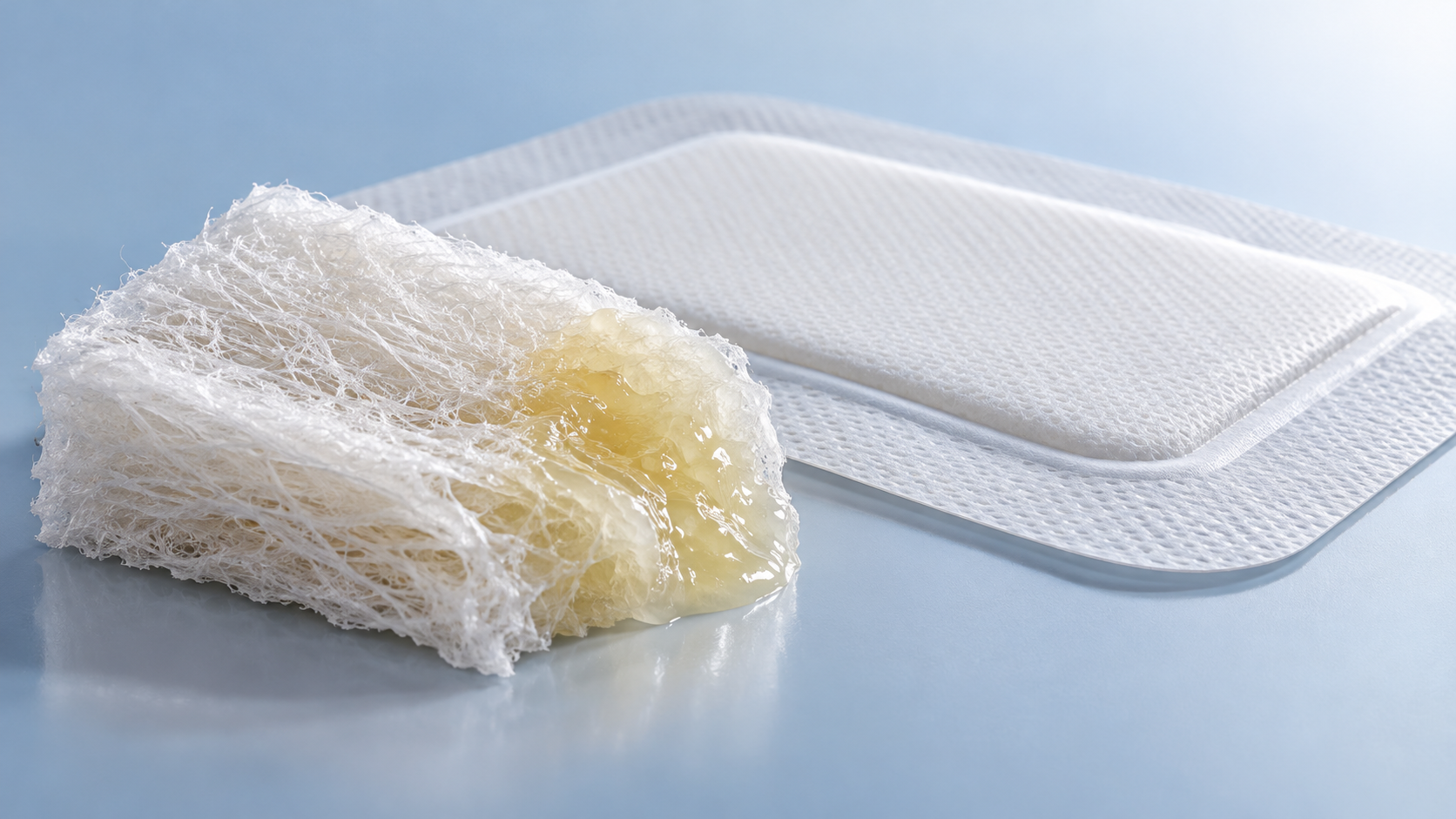
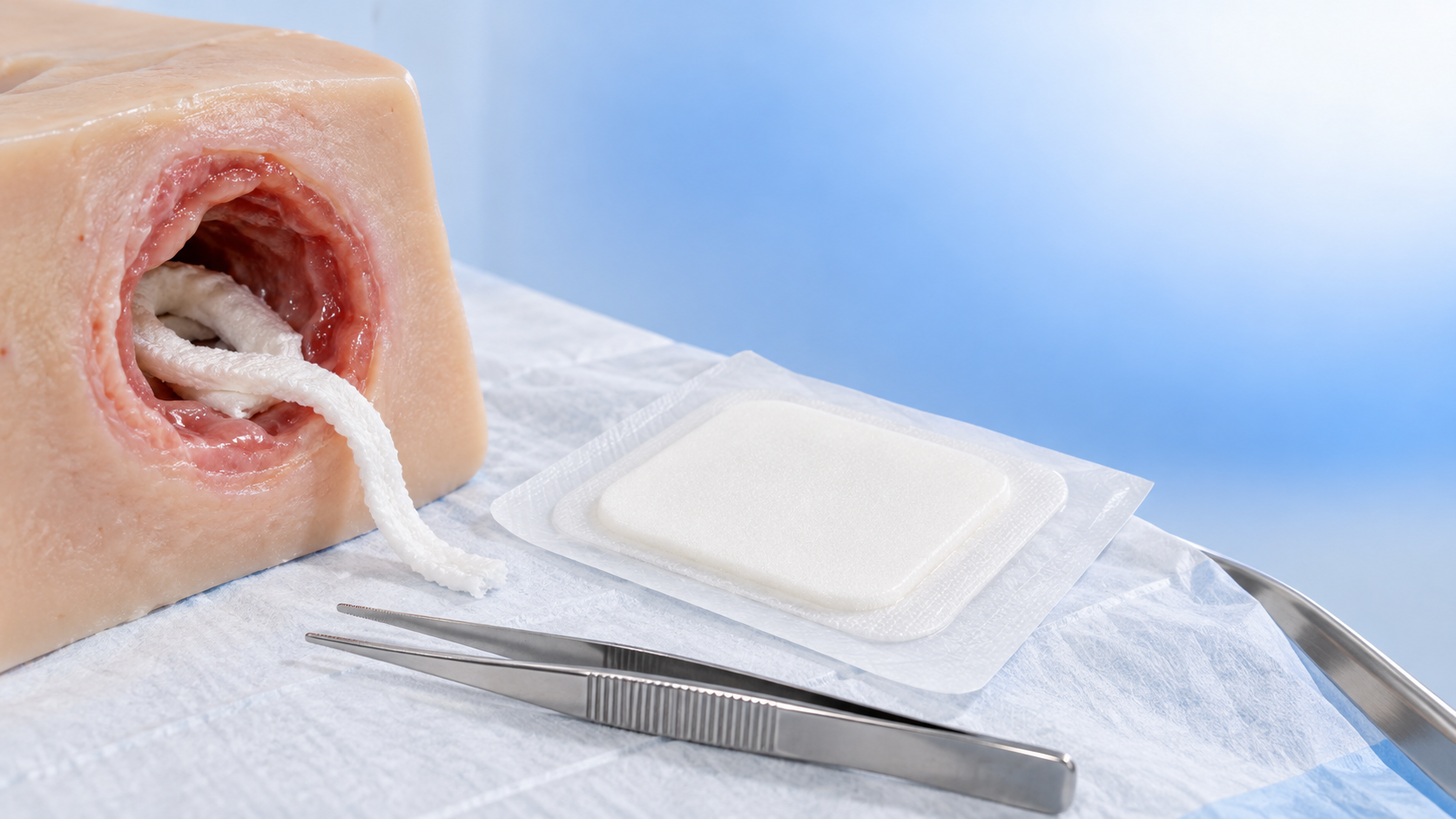
Advanced dressings and tissue regeneration materials benefit from personalization because wounds differ in exudate level, infection risk, location, and healing speed.
A diabetic foot ulcer, a burn site, and a postoperative incision do not need the same dressing logic.
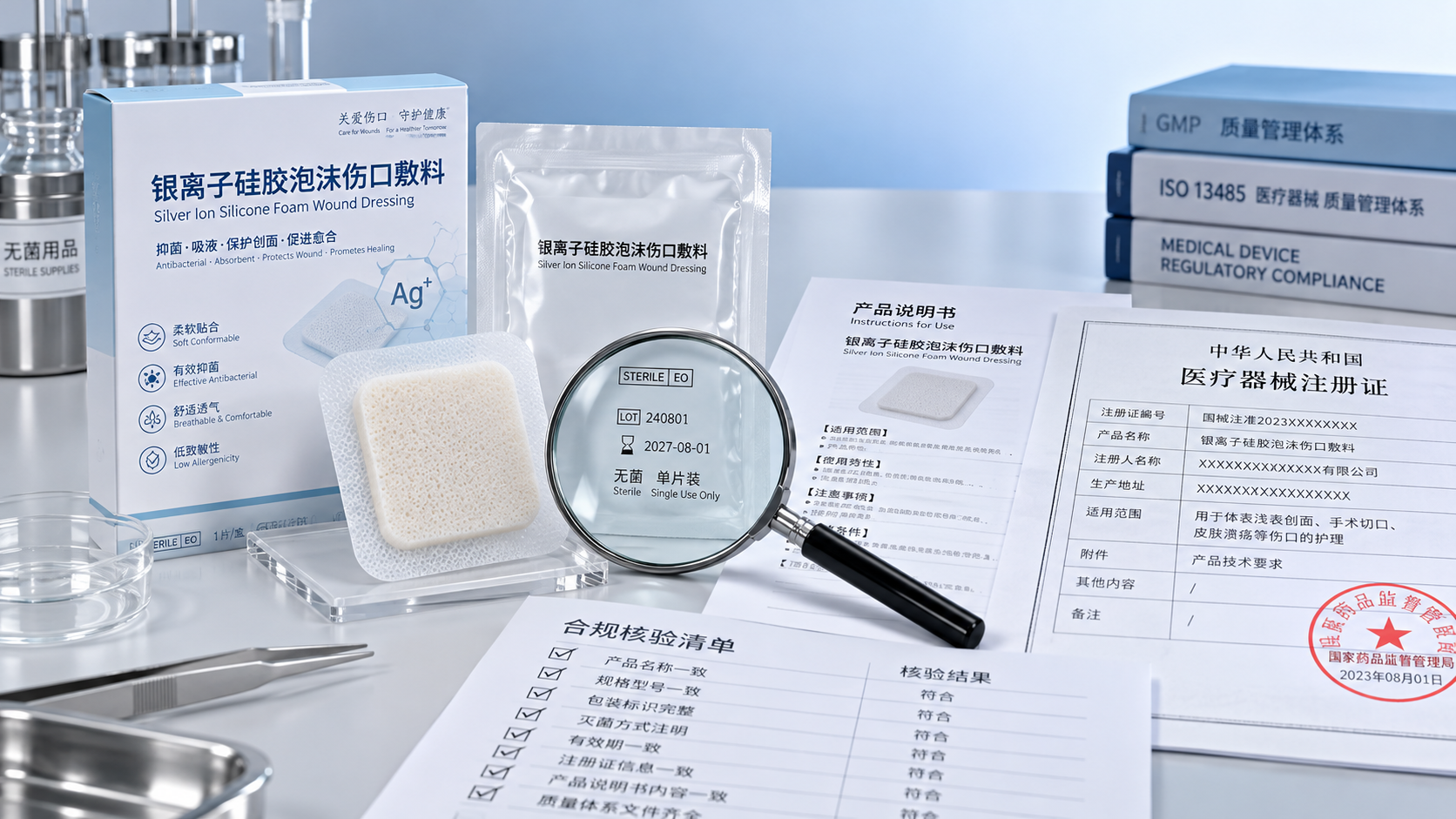
Personalized medical devices in wound care may involve dressing architecture, silver-ion load, foam geometry, adhesion profile, or NPWT interface selection.
That customization improves access by extending suitable care to wounds that fail under uniform treatment protocols.
How different scenarios shape different customization needs
Not every situation needs the same level of personalization.
Some cases require full custom manufacturing. Others benefit more from personalized planning, modular selection, or material-level adjustment.
Practical adaptation advice for high-value device strategies
The best personalized medical devices strategy starts with scenario prioritization, not with technology alone.
- Map cases where standard devices show repeatable failure, delay, or exclusion.
- Separate full custom products from configurable product families.
- Use imaging, digital modeling, and material intelligence early in product planning.
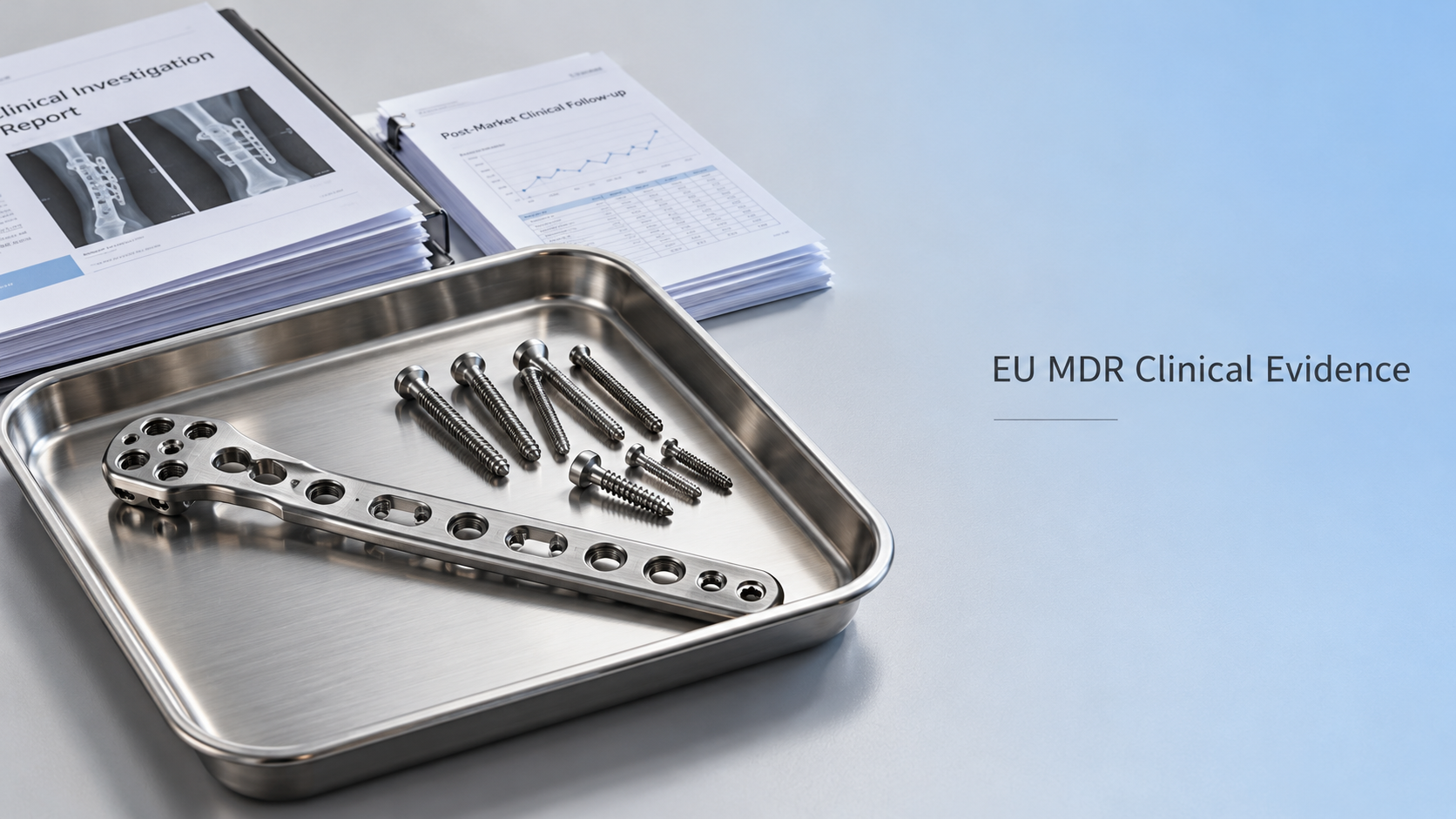
- Align customization scope with regulatory evidence requirements from the beginning.
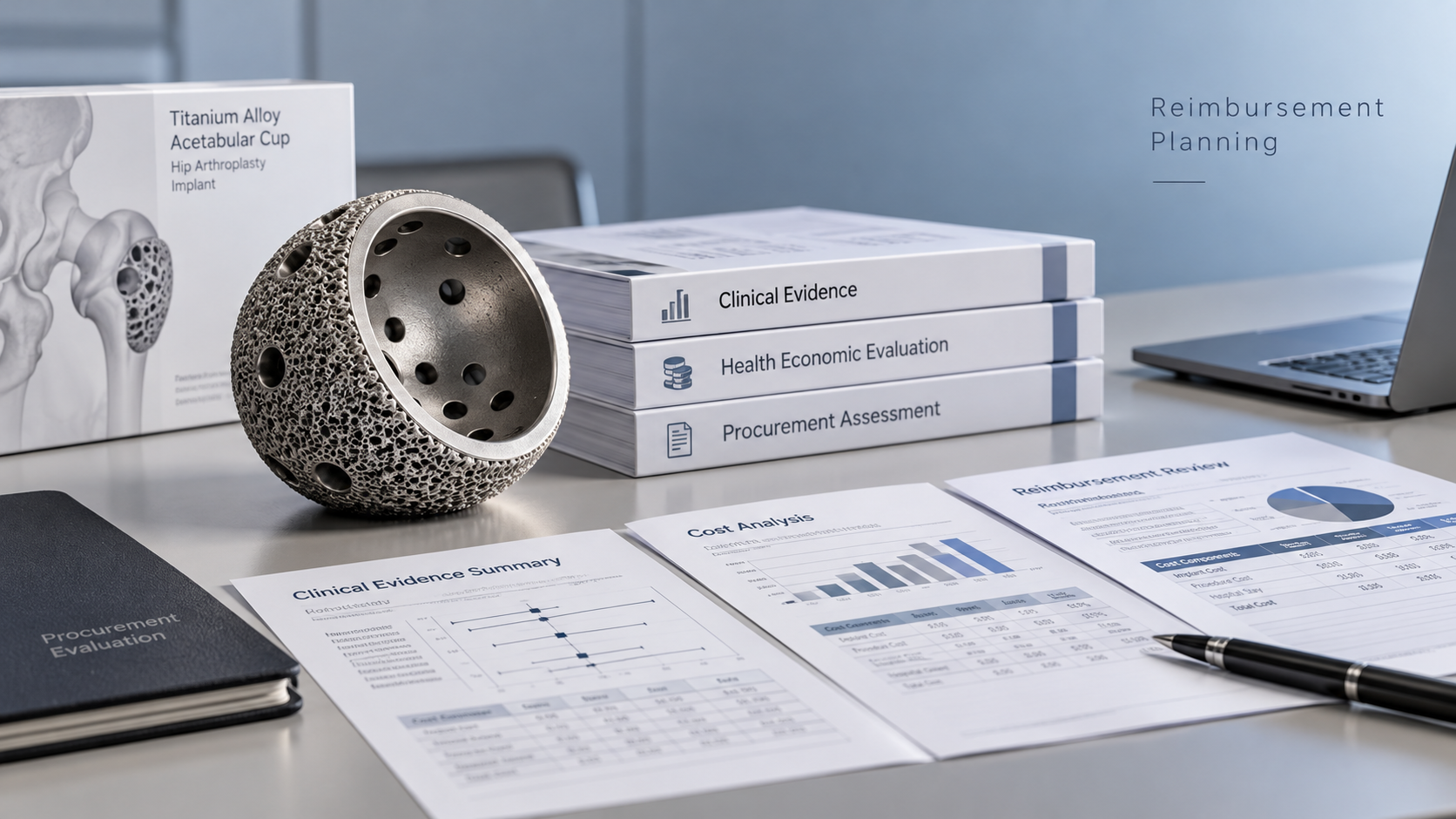
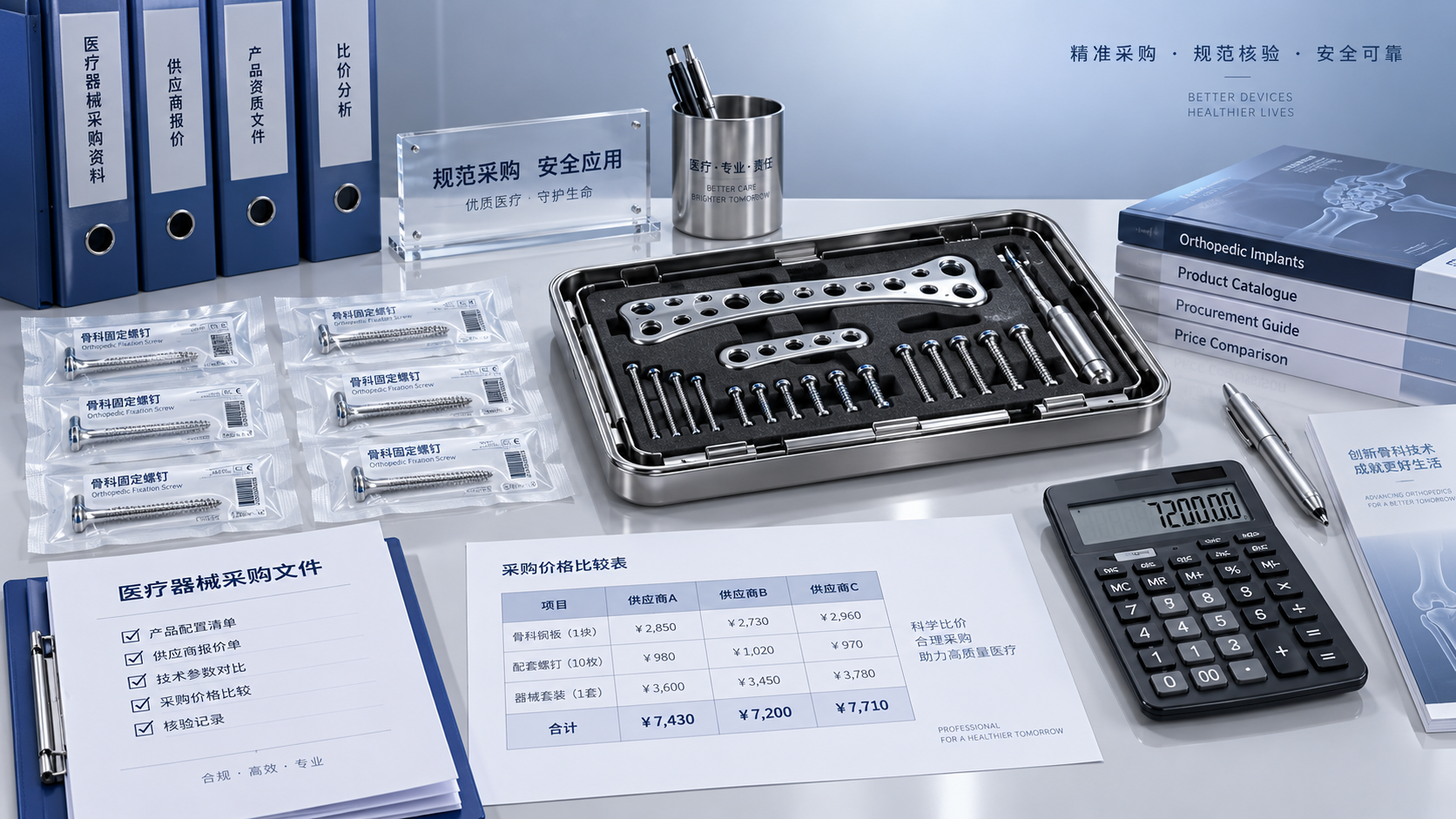
- Test reimbursement and VBP resilience before scaling commercial rollout.
For IMCS-relevant sectors, the strongest opportunities often sit where biocompatibility, procedural precision, and differentiated outcomes can be documented clearly.
Common misjudgments that weaken clinical and commercial value
A frequent mistake is assuming all personalized medical devices require expensive one-off manufacturing.
In reality, many access gains come from modular customization, digital planning, and patient-matched selection.
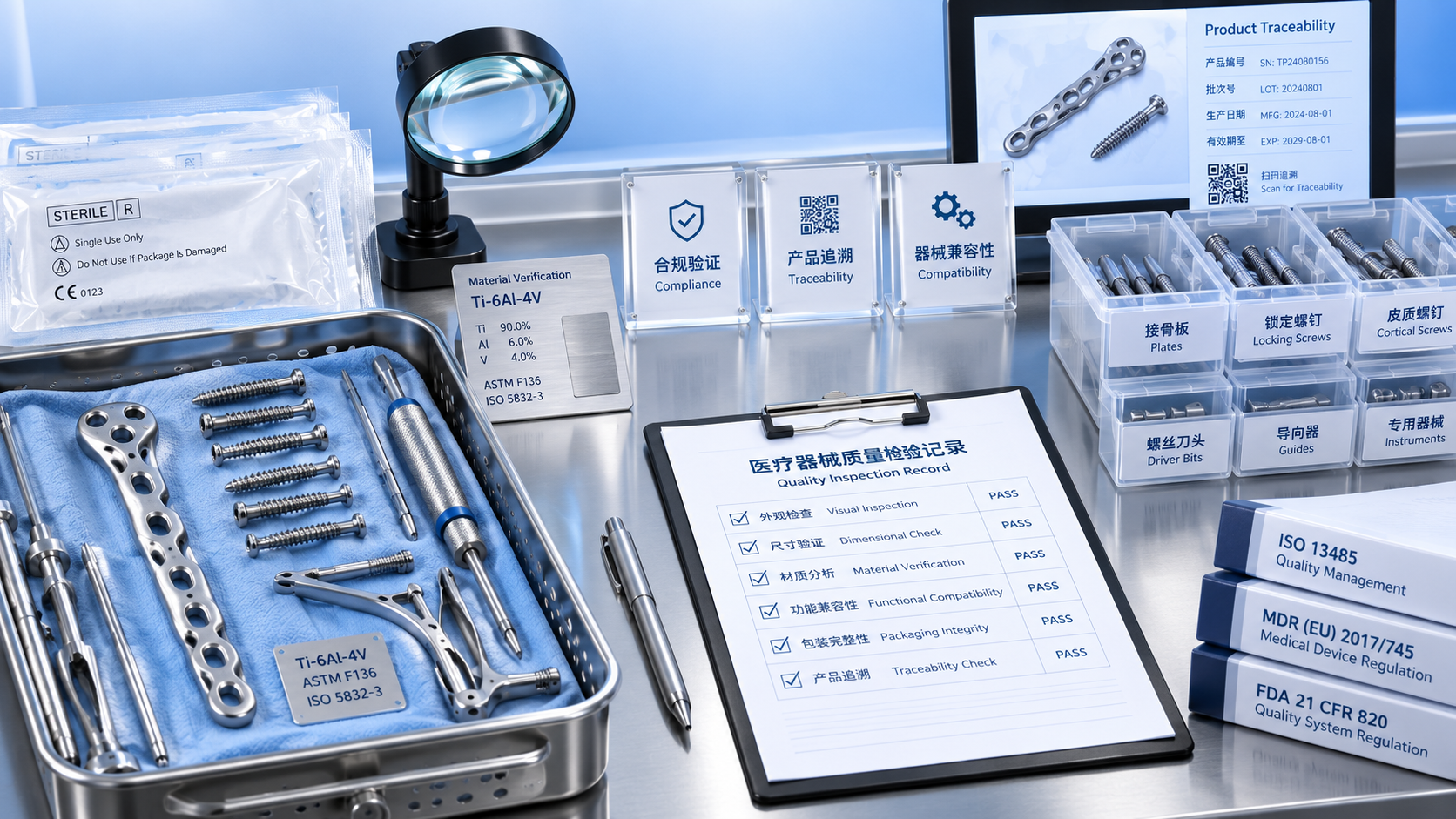
Another mistake is focusing only on engineering sophistication while ignoring sterilization validation, ISO 10993 safety data, and clinical evidence pathways.
Some programs also overestimate market readiness in price-controlled environments.
If customization cannot show measurable access improvement, it may struggle under procurement pressure.
The stronger path is to target cases where personalization reduces clinical exclusion, improves healing, or lowers procedural burden in visible ways.
What to do next when evaluating personalized medical devices
Start with a scenario audit across implants, intervention, MIS consumables, catheters, and wound care categories.
Identify where patient variation causes the greatest treatment access gap.
Then compare three layers of response: patient-specific design, configurable platforms, and personalized procedural planning.
The future of personalized medical devices will belong to solutions that combine clinical fit, manufacturability, evidence strength, and reimbursement realism.
That is where customization stops being a concept and becomes a durable access advantage.
Get weekly intelligence in your inbox.
No noise. No sponsored content. Pure intelligence.
News Recommendations
 Oct 26, 2026Can a single approval cover life science product sales worldwide?Can a single approval cover life science product sales worldwide?
 Oct 25, 2026When is sensitization testing needed for medical device biocompatibility?When is sensitization testing needed for medical device biocompatibility?
 Oct 24, 2026How is biocompatibility tested for implantable polymer biomaterials?How is biocompatibility tested for implantable polymer biomaterials?
 Oct 23, 2026How to build reimbursement into an implant commercialization strategyHow to build reimbursement into an implant commercialization strategy
 Oct 22, 2026What clinical evidence do implants need for CE marking under EU MDR?What clinical evidence do implants need for CE marking under EU MDR?
 Oct 21, 2026How to choose disposable laparoscopic stapler reloads for thick tissueHow to choose disposable laparoscopic stapler reloads for thick tissue
 Oct 20, 2026How to assess medical polymer biocompatibility under ISO 10993How to assess medical polymer biocompatibility under ISO 10993
 Oct 19, 2026How do interventional device categories differ in clinical use?How do interventional device categories differ in clinical use?
 Oct 18, 2026When to choose alginate dressings for heavily exuding chronic woundsWhen to choose alginate dressings for heavily exuding chronic wounds
 Oct 17, 2026How is biocompatibility tested for custom medical-grade PEEK implants?How is biocompatibility tested for custom medical-grade PEEK implants?
 Oct 16, 2026How to check a wound healing materials supplier’s biocompatibility dataHow to check a wound healing materials supplier’s biocompatibility data
 Oct 15, 2026How to verify the FDA clearance status of silver wound dressingsHow to verify the FDA clearance status of silver wound dressings
 Oct 14, 2026How to register orthopedic implants and instruments in Latin AmericaHow to register orthopedic implants and instruments in Latin America
 Oct 13, 2026How to use a device market intelligence database to benchmark VBP pricesHow to use a device market intelligence database to benchmark VBP prices
 Oct 12, 2026When should stainless steel orthopedic instruments be replaced?When should stainless steel orthopedic instruments be replaced?
 Oct 11, 2026When are alginate dressings rope the right choice for cavity wounds?When are alginate dressings rope the right choice for cavity wounds?
 Oct 10, 2026When smart minimally invasive technology improves catheter accessWhen smart minimally invasive technology improves catheter access
 Oct 08, 2026Clinical evaluation requirements for cardiovascular implant devices in EuropeClinical evaluation requirements for cardiovascular implant devices in Europe
 Oct 07, 2026What to verify before appointing an artificial joint implants distributorWhat to verify before appointing an artificial joint implants distributor
 Oct 06, 2026How ISO 10993 guides biocompatibility testing for medical materialsHow ISO 10993 guides biocompatibility testing for medical materials
 Oct 05, 2026How to verify an orthopedic implants and instruments exporterHow to verify an orthopedic implants and instruments exporter
 Oct 04, 2026What drives surgical stapling devices price differences in hospital tenders?What drives surgical stapling devices price differences in hospital tenders?
 Oct 03, 2026How to assess a central venous catheter manufacturer's infection-control evidenceHow to assess a central venous catheter manufacturer's infection-control evidence
 Oct 02, 2026How to assess an advanced wound care factory’s quality systemHow to assess an advanced wound care factory’s quality system
 Oct 01, 2026What is driving global medical consumables demand in emerging markets?What is driving global medical consumables demand in emerging markets?
 Sep 30, 2026Implant Material Compliance Testing: Evidence Needed for Regulatory SubmissionImplant Material Compliance Testing: Evidence Needed for Regulatory Submission
 Sep 30, 2026From Corrosion to Fatigue: What Implant Materials Testing Should MeasureFrom Corrosion to Fatigue: What Implant Materials Testing Should Measure