CE MDR Compliance Checklist for Clinical Evidence and Market Access
CE MDR compliance has moved far beyond a documentation exercise. It now shapes whether clinical evidence is trusted, whether notified body review stays on track, and whether a device can reach European hospitals without costly delay. For high-value consumables, especially implants and interventional products, the checklist mindset matters because market access increasingly depends on linking regulatory logic, clinical credibility, biocompatibility evidence, and commercial timing.
Why CE MDR compliance now defines market readiness
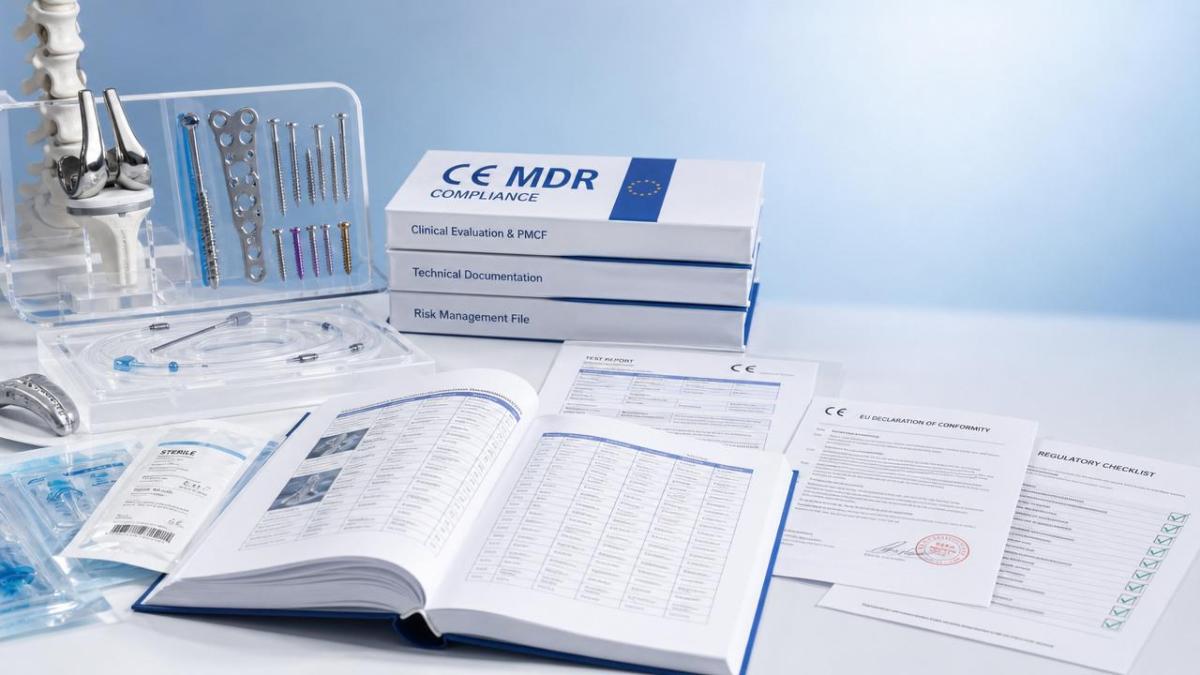
Under the MDR, regulators expect a deeper, more current, and more device-specific evidence package. That expectation affects Class III implants most visibly, but the pressure extends across catheters, staplers, wound care systems, and combination-like consumables.
The issue is not only gaining a CE mark. It is proving that safety, performance, and benefit-risk remain defensible through the full product lifecycle.
This is where CE MDR compliance becomes strategic. A weak clinical evaluation can slow approval, weaken distributor confidence, and limit procurement opportunities even after certification.
In Europe’s cost-conscious environment, procurement teams also look for evidence consistency. If the regulatory file, published data, and post-market signals do not align, commercial discussions become harder.
The core idea behind a practical checklist
A useful checklist is not a stack of isolated tasks. It is a decision framework that connects design claims, clinical evidence, biological safety, manufacturing controls, and market entry priorities.
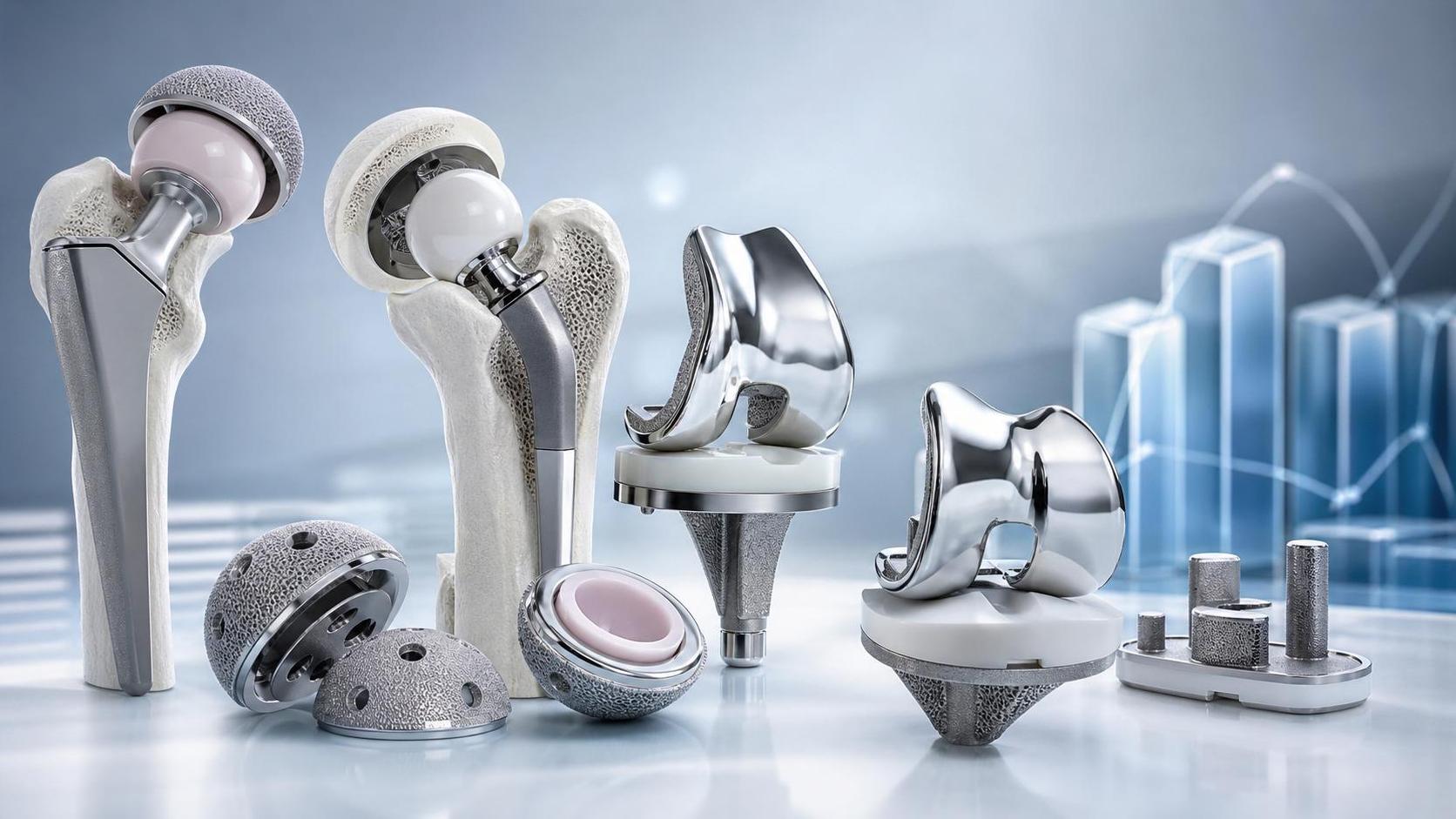
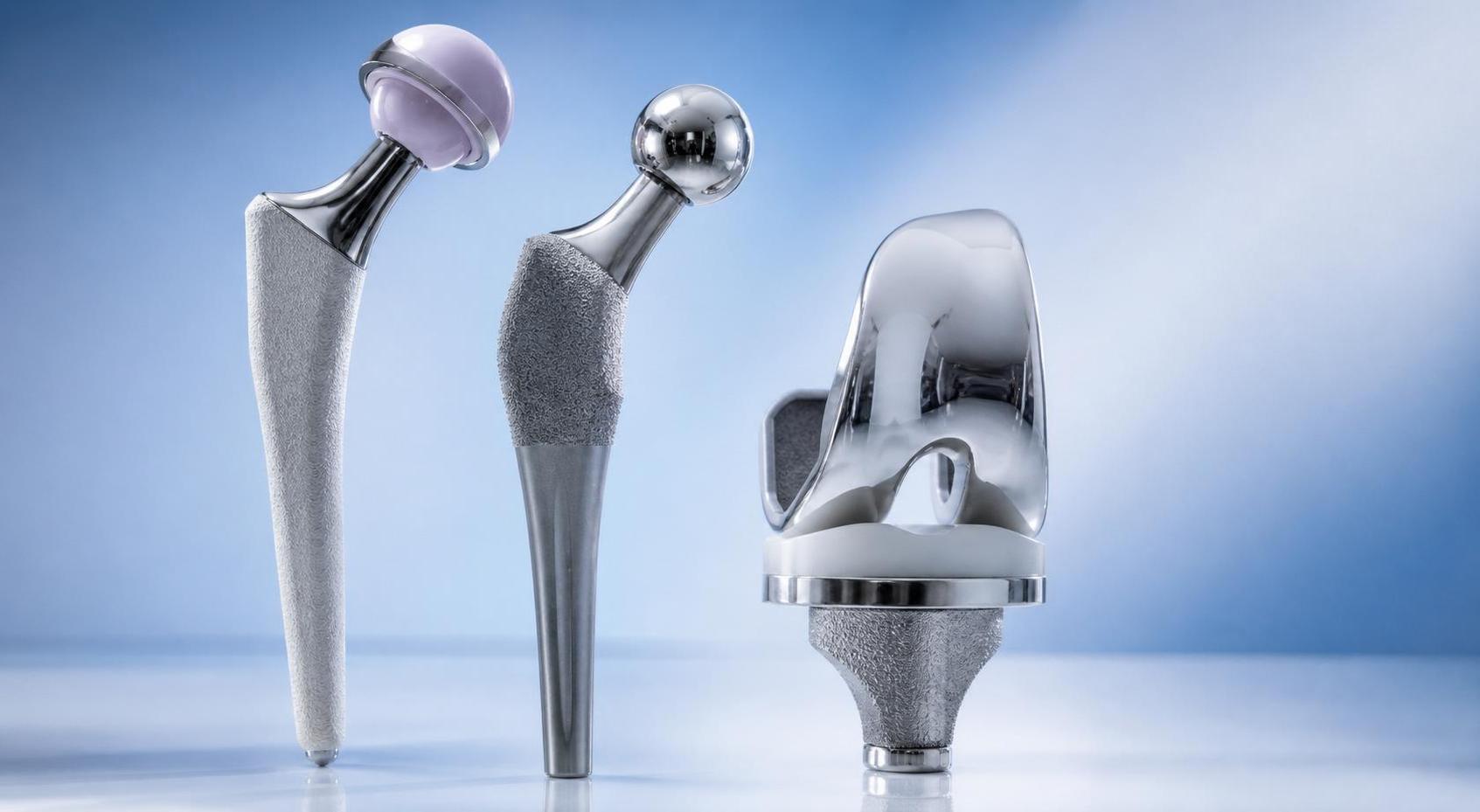
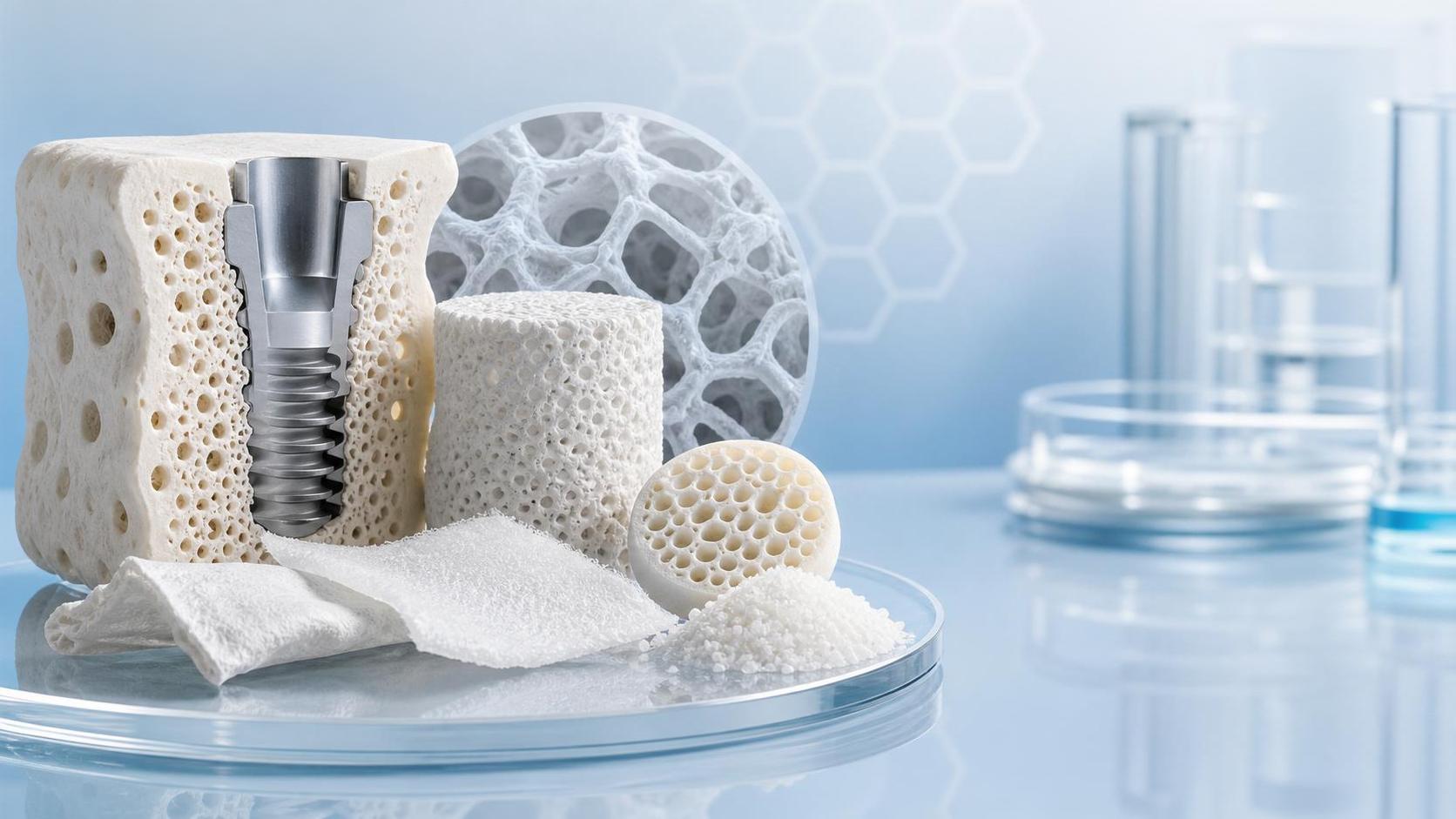
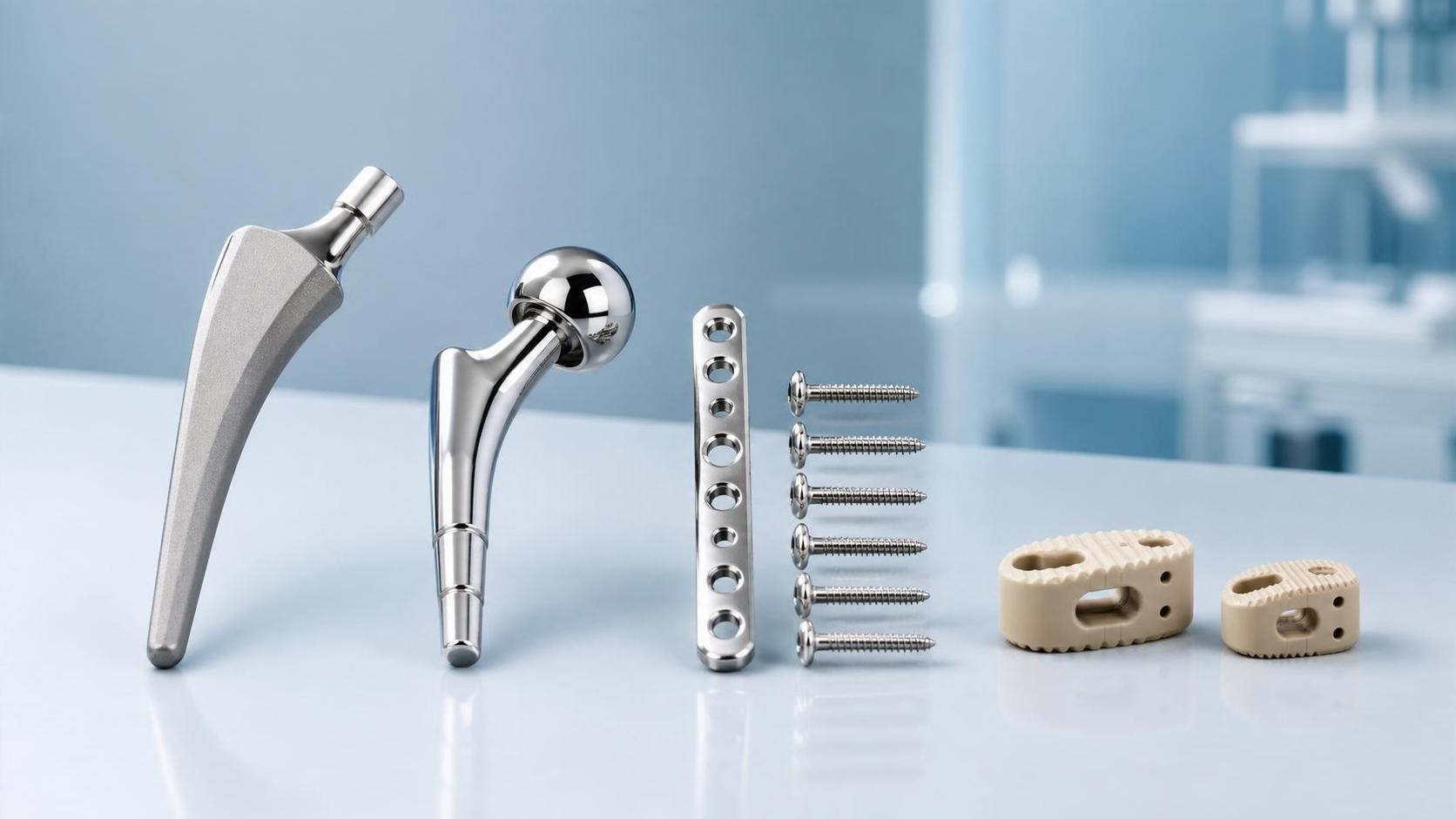
For orthopedic implants, that may mean aligning osseointegration claims with material characterization, wear data, and long-term clinical follow-up.
For cardiovascular devices, it often means proving performance under higher scrutiny around durability, procedural risk, and real-world outcomes.
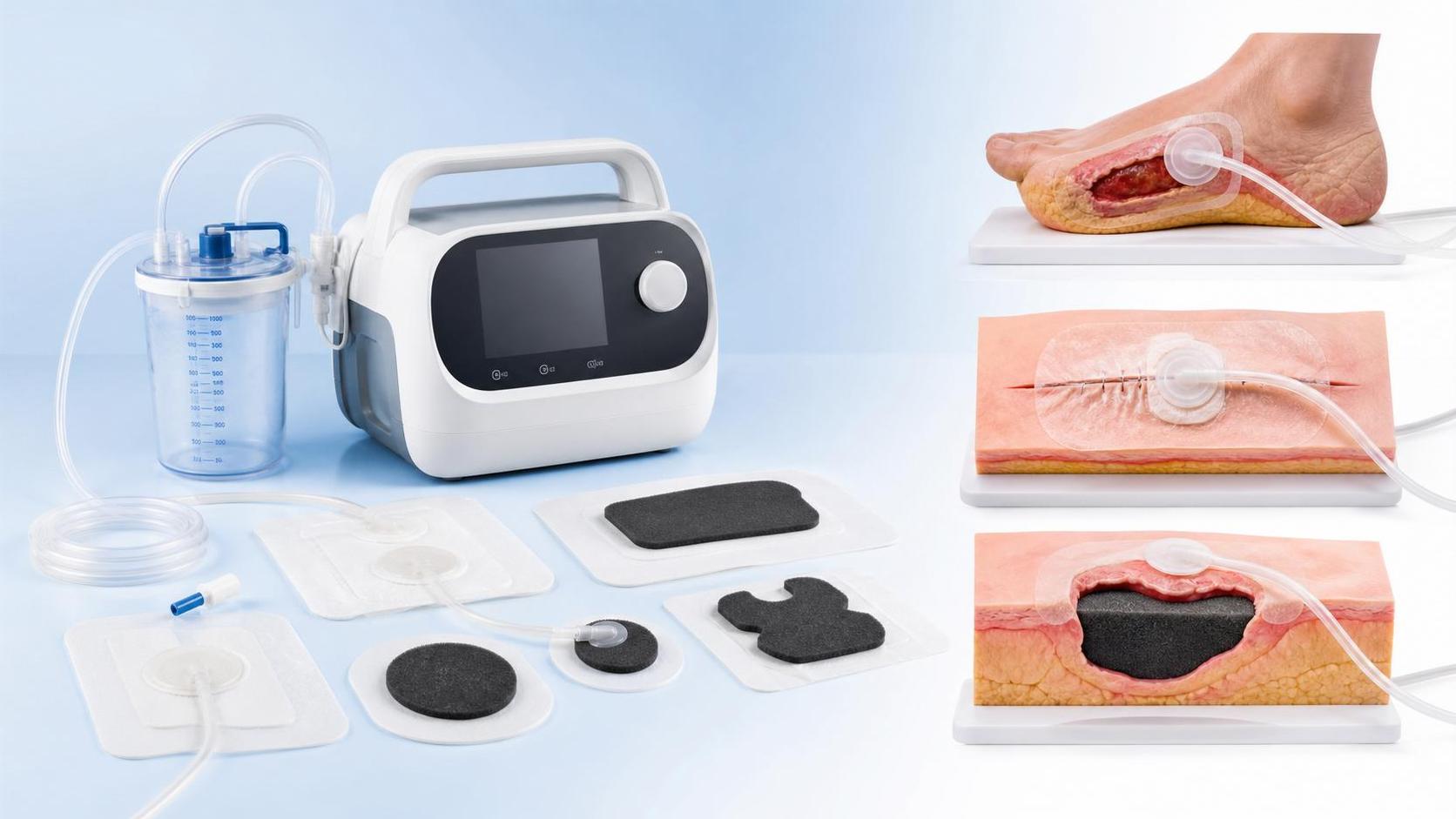
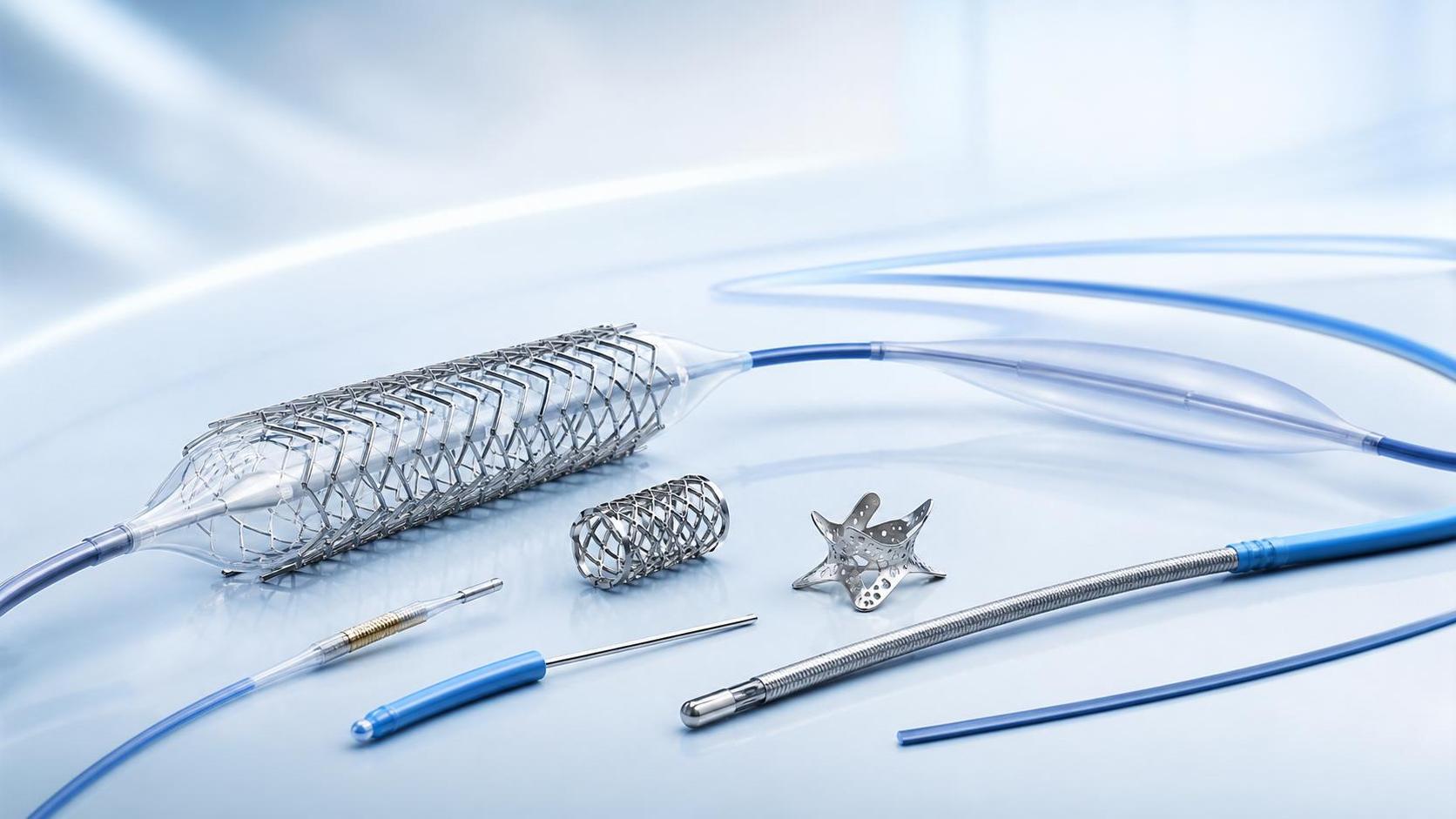
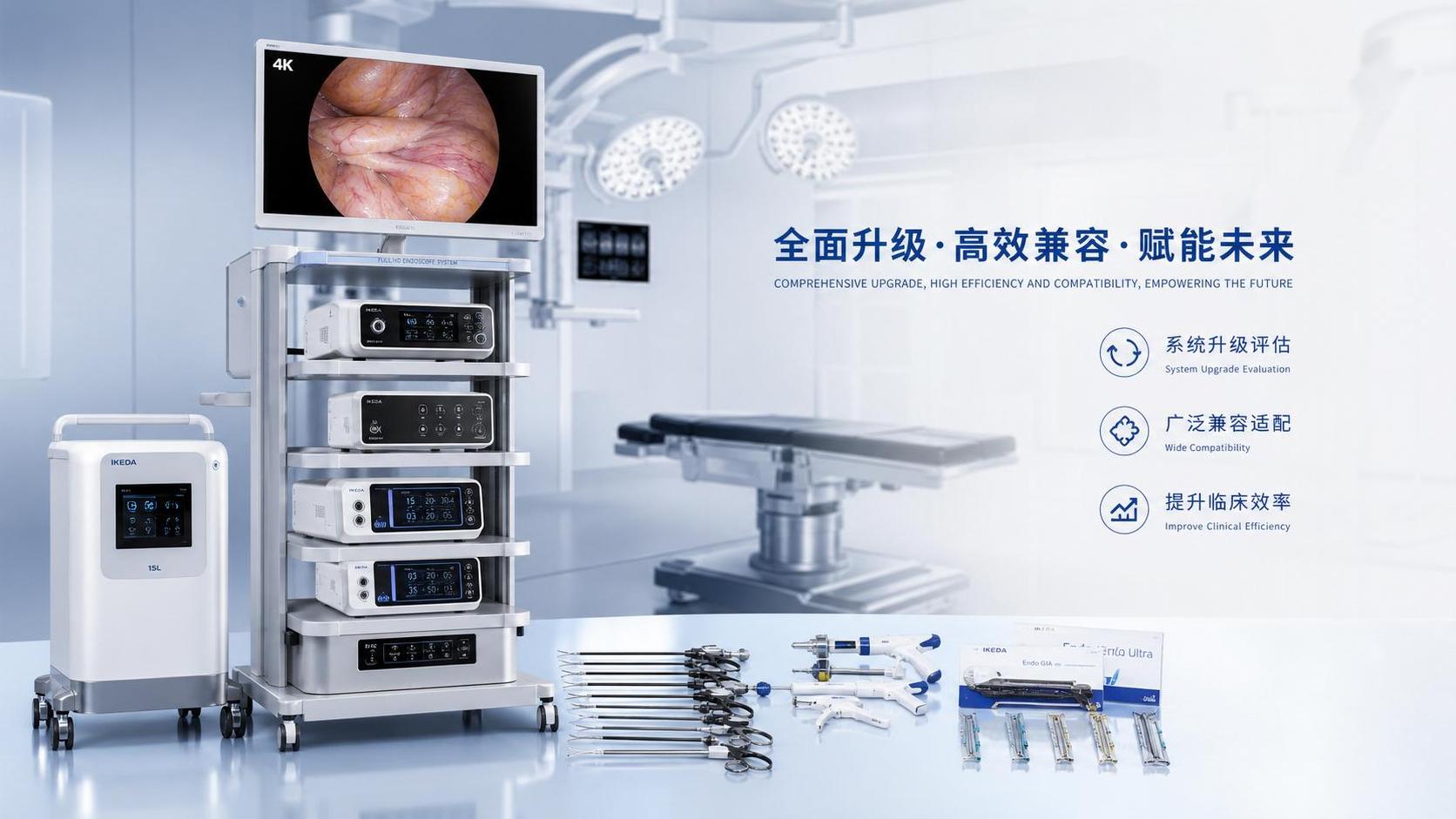
For minimally invasive staplers, polymer catheters, and advanced dressings, the balance may shift toward usability, tissue interaction, coating integrity, or infection-related endpoints.
The checklist only works when it reflects product reality. A generic template rarely survives notified body review.
What decision quality depends on
In practice, CE MDR compliance rises or falls on a few connected questions. Each one affects both approval risk and commercial timing.
What stands out is that compliance quality depends on coherence. Strong test reports do not compensate for weak clinical logic, and strong clinical literature does not erase material safety gaps.
Clinical evidence is the pressure point
For many products, the Clinical Evaluation Report is where CE MDR compliance becomes most exposed. Reviewers want a clear bridge from intended purpose to claimed benefit.
That bridge must explain why the available evidence is relevant, current, and sufficient for the exact device under assessment.
Equivalence arguments have become far more difficult. If access to comparator design, materials, and clinical data is limited, equivalence may not carry the file.
This matters greatly in implants, DES platforms, TAVR systems, and tissue-contacting consumables, where small design differences may change clinical interpretation.
A stronger route often combines literature, bench evidence, risk analysis, and a realistic PMCF strategy rather than relying on one evidence source alone.
Where evidence packages often weaken
- Claims extend beyond what testing and follow-up can actually support.
- Legacy data are presented without MDR-level clinical interpretation.
- PMCF is written as a formal obligation, not as an evidence generator.
- CER conclusions are not fully aligned with risk management files.
How different product groups change the checklist
The same CE MDR compliance framework applies across categories, but emphasis changes with product behavior, patient exposure, and therapeutic dependence.
Orthopedic and spinal systems
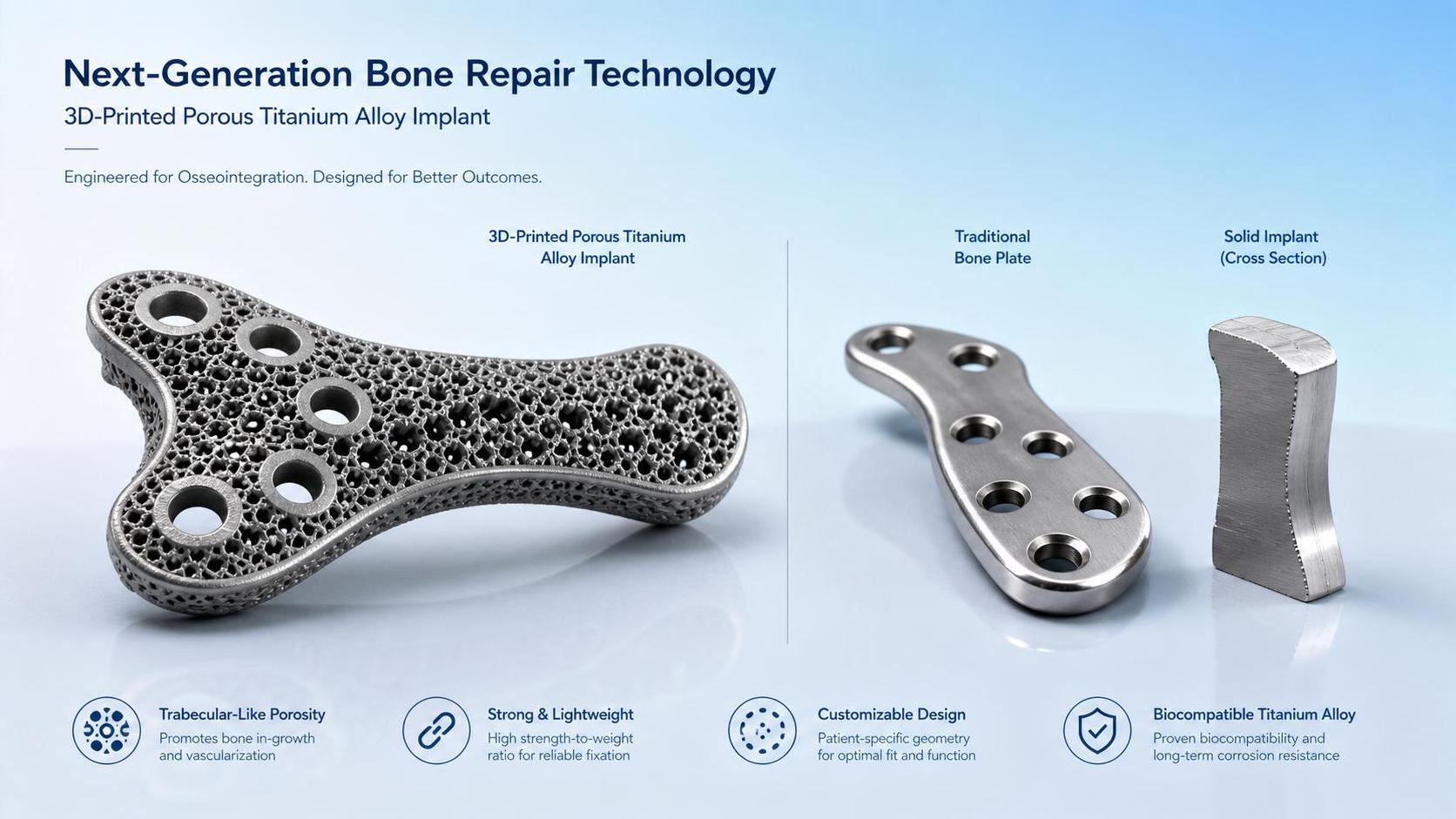
Porous structures, PEEK interfaces, fixation concepts, and revision risk all influence evidence depth. Long-term mechanical and biological performance tends to carry more weight than short-term procedural success.
Cardiovascular interventional devices
Review focus often lands on deliverability, hemodynamic performance, thrombogenicity, durability, and adverse event interpretation. Here, CE MDR compliance is tightly tied to procedural risk and post-market monitoring.
Staplers, catheters, and dressings
These products still face serious scrutiny, especially around tissue interaction, sterility assurance, particulate risk, coating performance, and infection control claims.
In other words, not every device needs the same evidence mix, but every device needs a justified one.
Why intelligence matters as much as documentation
The most effective compliance programs do not treat regulation, clinical science, and commercial planning as separate streams.
This is one reason platforms such as IMCS carry practical value. In high-value consumables, approval risk is often hidden in the intersection of material science, device design, clinical interpretation, and procurement pressure.
A toxicology view may reveal whether ISO 10993 strategy truly supports long-term contact claims. A clinical science view may test whether a CER argument can survive Class III scrutiny.
A market access view may show whether evidence strength matches the expectations of hospitals operating under tighter budget controls and VBP-like price pressure.
Seen this way, CE MDR compliance is not separate from competitiveness. It shapes pricing resilience, launch sequence, and portfolio confidence.
A workable checklist for business use
A concise internal review can help determine whether a program is genuinely ready or only document-heavy.
- Confirm that intended use, indications, and promotional claims match the evidence plan.
- Check whether CER conclusions are device-specific rather than borrowed from category-level literature.
- Review whether biocompatibility strategy reflects actual materials, processes, and manufacturing changes.
- Test the consistency of risk files, labeling, IFU, and performance claims.
- Assess whether PMCF will generate data useful for both regulators and market adoption.
- Map approval timing against reimbursement, distributor onboarding, and tender cycles.
This kind of checklist does more than reduce nonconformities. It helps avoid launching into Europe with an evidence story that is technically approved but commercially weak.
What to examine next
The next step is rarely “collect more documents” in the abstract. It is usually to identify which evidence gap could most affect approval timing or market confidence.
For some portfolios, that will be the CER and PMCF path. For others, it may be material characterization, toxicological justification, or post-market signal readiness.
A disciplined review of CE MDR compliance should therefore start with product claims, then move through evidence sufficiency, technical consistency, and commercial relevance.
When those elements are aligned, market access becomes more predictable, and regulatory work starts supporting business quality instead of delaying it.
That is the more useful standard for CE MDR compliance: not paperwork completed, but evidence strong enough to travel from review to real adoption.
Get weekly intelligence in your inbox.
No noise. No sponsored content. Pure intelligence.
News Recommendations
 Jun 24, 20262026 Cost Trends in Artificial Joint Implants and Market Access2026 Cost Trends in Artificial Joint Implants and Market Access
 Jun 24, 2026Precision Medical Components and Tolerance Control in Critical DevicesPrecision Medical Components and Tolerance Control in Critical Devices
 Jun 24, 2026Medical Consumables Product Information: What Should Be Verified First?Medical Consumables Product Information: What Should Be Verified First?
 Jun 24, 2026How to Compare Artificial Joint Implants for Long-Term StabilityHow to Compare Artificial Joint Implants for Long-Term Stability
 Jun 24, 2026Medical Consumables: Key Quality Risks Before Supplier ApprovalMedical Consumables: Key Quality Risks Before Supplier Approval
 Jun 23, 2026Medical Polymer Catheters: Key Risks in Material SelectionMedical Polymer Catheters: Key Risks in Material Selection
 Jun 23, 2026Negative Pressure Wound Therapy: When It Works BestNegative Pressure Wound Therapy: When It Works Best
 Jun 23, 2026Advanced Wound Dressings: How to Compare Healing OutcomesAdvanced Wound Dressings: How to Compare Healing Outcomes
 Jun 23, 2026Medical Consumables Market Trends Shaping Hospital DemandMedical Consumables Market Trends Shaping Hospital Demand
 Jun 23, 2026VBP Pricing Strategy: Cost Control vs Clinical Value in 2026VBP Pricing Strategy: Cost Control vs Clinical Value in 2026
 Jun 22, 2026Biodegradable Implants vs Traditional Fixation: When Resorption Adds ValueBiodegradable Implants vs Traditional Fixation: When Resorption Adds Value
 Jun 22, 2026Minimally Invasive Surgery Equipment: Cost Drivers That Matter in 2026Minimally Invasive Surgery Equipment: Cost Drivers That Matter in 2026
 Jun 22, 2026Implantable Medical Devices: Key Biocompatibility Risks Before ApprovalImplantable Medical Devices: Key Biocompatibility Risks Before Approval
 Jun 22, 2026Precision Medical Machining: How Tolerance Drift Affects Implant QualityPrecision Medical Machining: How Tolerance Drift Affects Implant Quality
 Jun 22, 2026Medical Polymer Catheters: Material Choices and Kink Resistance ExplainedMedical Polymer Catheters: Material Choices and Kink Resistance Explained
 Jun 21, 2026Wound Healing Technologies Compared for Exudate Control and Faster ClosureWound Healing Technologies Compared for Exudate Control and Faster Closure
 Jun 21, 2026Cardiovascular Interventional Devices Trends Shaping 2026 Access StrategyCardiovascular Interventional Devices Trends Shaping 2026 Access Strategy
 Jun 21, 2026Drug Eluting Stents: When Clinical Data Changes Device ChoiceDrug Eluting Stents: When Clinical Data Changes Device Choice
 Jun 21, 2026Minimally Invasive Surgery Equipment: Key Factors Before OR UpgradeMinimally Invasive Surgery Equipment: Key Factors Before OR Upgrade
 Jun 21, 2026How Tissue Regeneration Materials Are Chosen for Bone Defect RepairHow Tissue Regeneration Materials Are Chosen for Bone Defect Repair
 Jun 20, 2026Medical Polymer Technology Trends in 2026: Performance, Safety, and Scale-UpMedical Polymer Technology Trends in 2026: Performance, Safety, and Scale-Up
 Jun 20, 2026Tissue Regeneration Materials: How to Match Material Choice to Healing GoalsTissue Regeneration Materials: How to Match Material Choice to Healing Goals
 Jun 20, 2026Orthopedic Implant Materials Compared: Strength, Wear, and Cost Trade-OffsOrthopedic Implant Materials Compared: Strength, Wear, and Cost Trade-Offs
 Jun 20, 2026Medical Material Biocompatibility: What to Test Before Product ApprovalMedical Material Biocompatibility: What to Test Before Product Approval
 Jun 20, 2026Clinical Evaluation of Medical Devices: Key Evidence and Common GapsClinical Evaluation of Medical Devices: Key Evidence and Common Gaps
 Jun 19, 20263D Printed Porous Implants vs Traditional Options in Bone Repair3D Printed Porous Implants vs Traditional Options in Bone Repair
 Jun 19, 2026Biodegradable Implants: When They Reduce Revision Risk and CostBiodegradable Implants: When They Reduce Revision Risk and Cost