Biodegradable Implants: When They Reduce Revision Risk and Cost
Biodegradable implants matter most when the clinical pathway is temporary
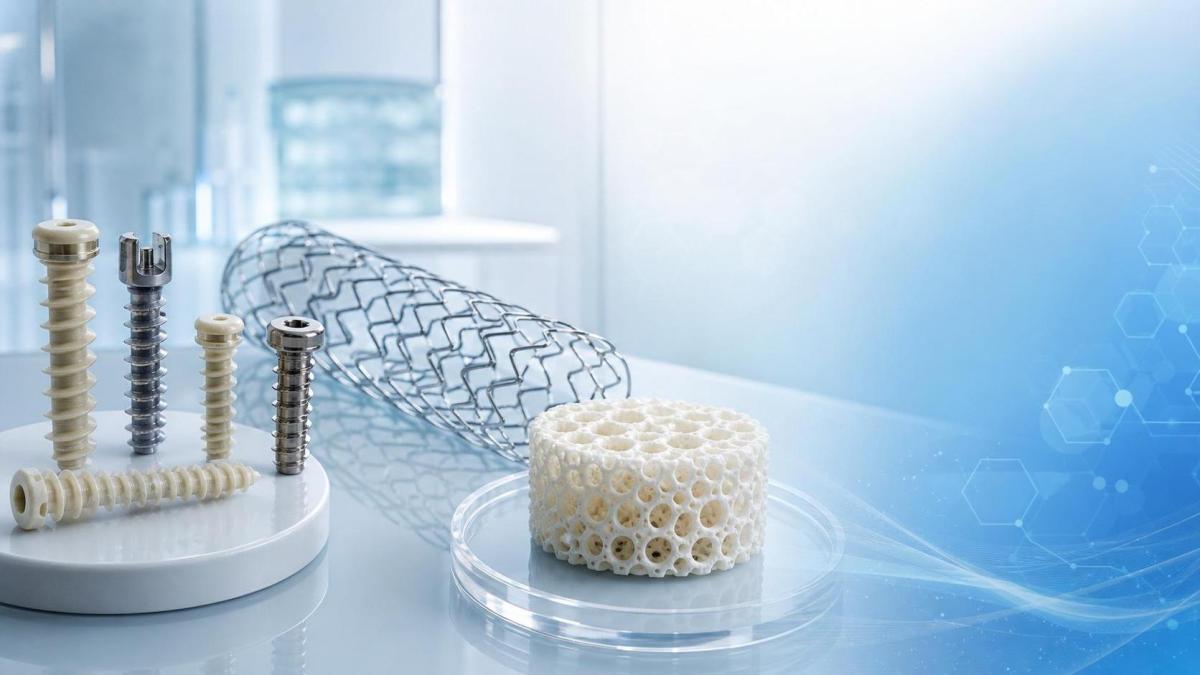
Biodegradable implants are gaining attention because not every implant needs to stay in the body for life.
That distinction changes how revision risk, reimbursement pressure, and long-horizon device cost should be judged.
In real care settings, the question is rarely whether absorbable materials are innovative.
The more useful question is when biodegradable implants remove a future problem that permanent hardware may create.
That is especially relevant across orthopedic fixation, cardiovascular support, tissue regeneration, and selected minimally invasive repair pathways.
For IMCS, this is not a narrow material story.
It sits at the intersection of biocompatibility evidence, micron-level manufacturing control, Class III regulation, and VBP-driven cost discipline.
When those forces converge, biodegradable implants can improve portfolio value by reducing second procedures, imaging interference, and late-stage removal expenses.
Why one application favors absorption while another still needs permanence
Different scenarios create different material demands because tissues heal at different speeds and carry different mechanical loads.
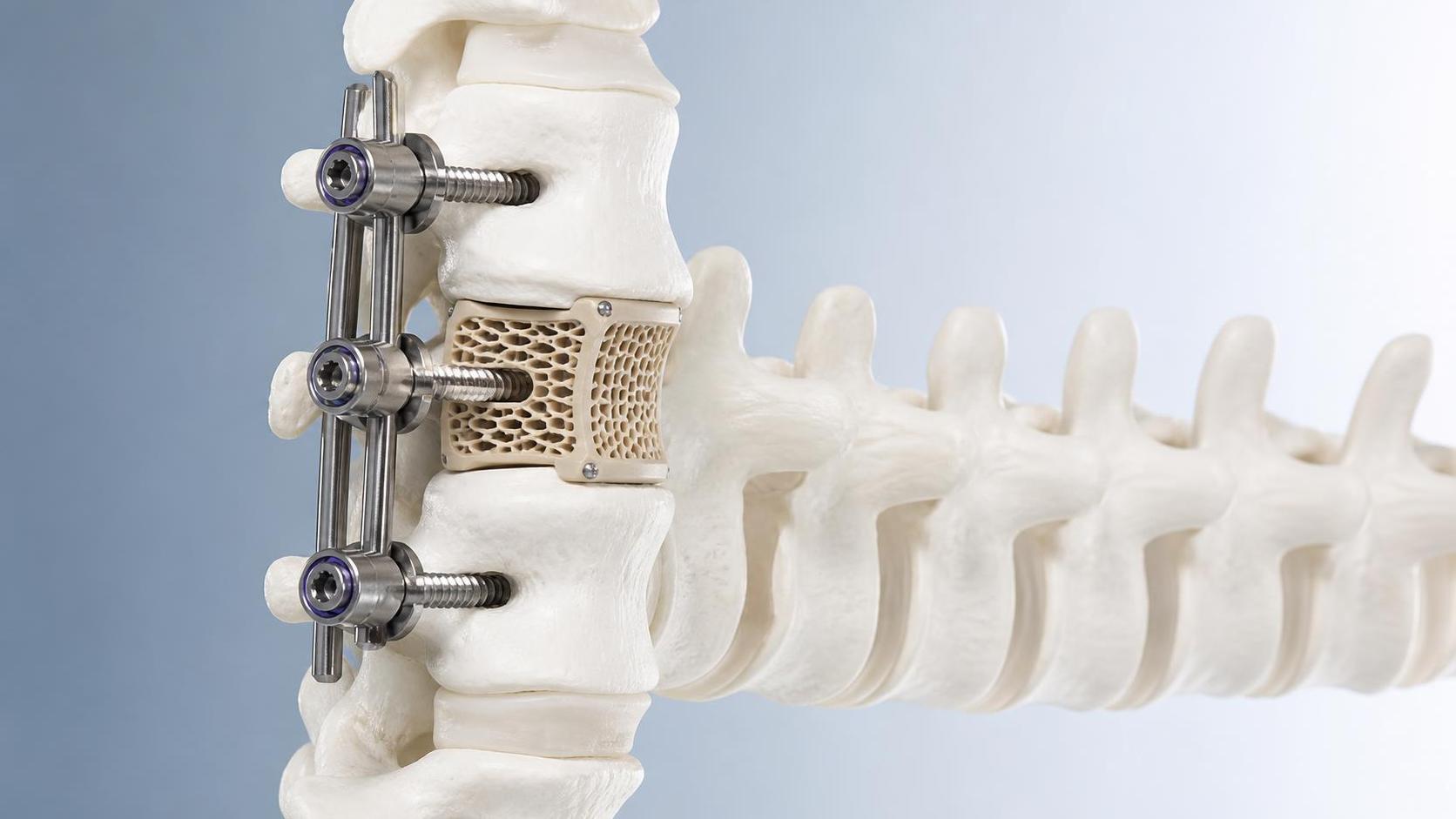
A craniofacial plate, a coronary scaffold, and a spinal support do not fail for the same reasons.
More importantly, they are not revised for the same reasons either.
Biodegradable implants tend to perform best where support is needed for a defined healing window.
They become less attractive where continuous high load, long fatigue cycles, or uncertain healing demand permanent structural strength.
This is why scenario judgment must combine mechanics, biology, follow-up burden, and procurement logic rather than single-parameter comparisons.
In outcome-based evaluations, biodegradable implants often justify their position when removal surgery is common, costly, or clinically disruptive.
In orthopedic fixation, revision savings depend on healing predictability
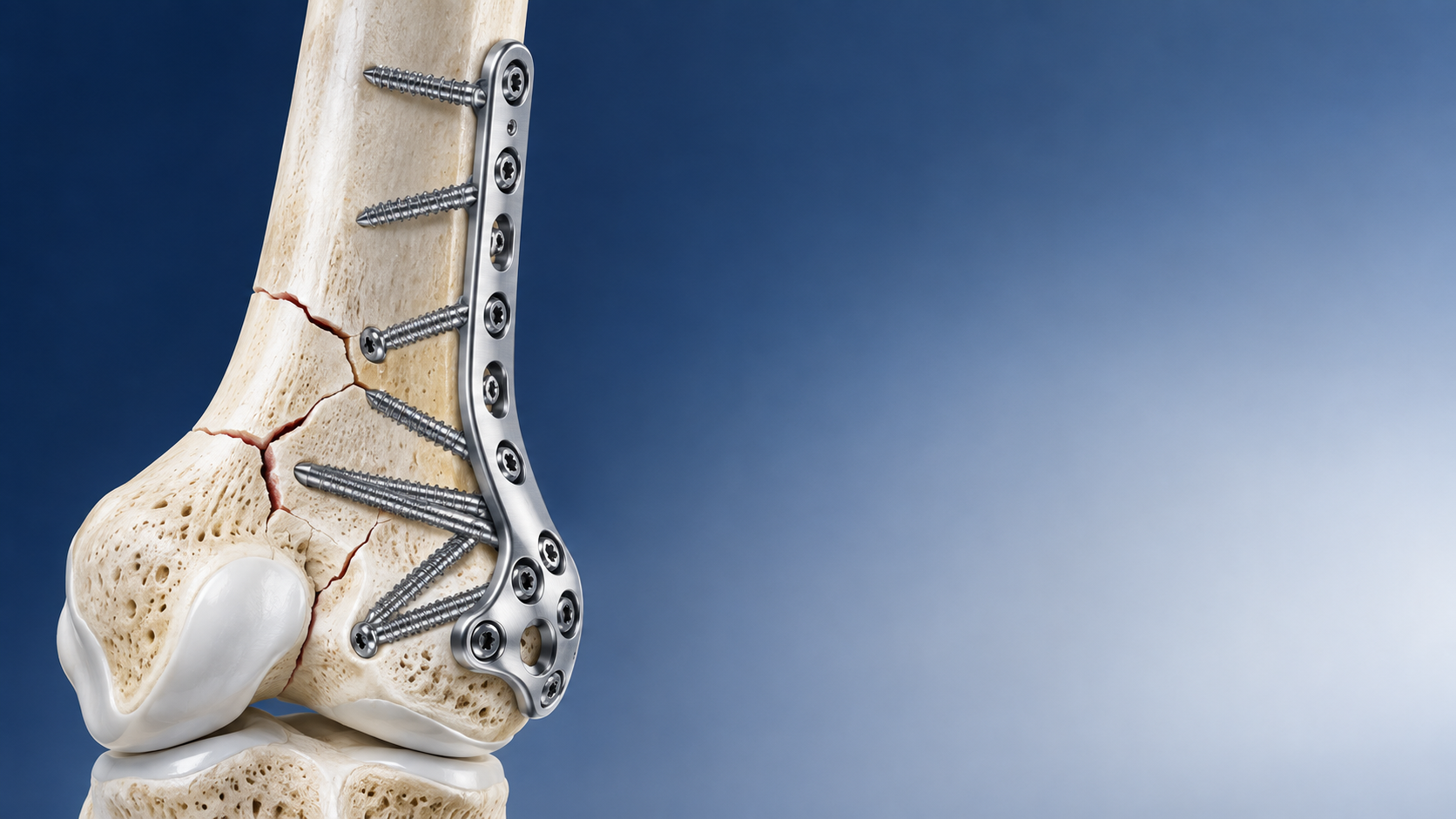
Orthopedic use is one of the clearest scenarios for biodegradable implants, but only in selected indications.
Small bone fixation, sports injury repair, pediatric cases, and guided tissue integration often fit better than heavy load-bearing reconstruction.
The advantage appears when hardware removal would otherwise require another admission, more imaging, and another anesthetic event.
In pediatric care, that benefit is especially practical because skeletal growth can turn permanent hardware into a later management issue.
In sports medicine, biodegradable implants can support soft tissue or ligament healing without leaving long-term metallic remnants near mobile anatomy.
The judgment point is not only fixation strength on day one.
It is whether degradation timing matches biological recovery without losing stability too early.
Where fracture patterns are complex or load transfer remains high for months, permanent implants still hold a safer advantage.
A practical way to compare scenario fit
Cardiovascular use needs stricter timing and evidence discipline
Biodegradable implants in cardiovascular care attract interest because permanent metallic devices can shape vessel behavior for years.
A temporary scaffold sounds economically attractive when late thrombosis, vessel remodeling limits, or complex reintervention pathways are considered.
Yet this is also where overconfidence creates risk.
Coronary and peripheral vessels demand precise radial strength, controlled degradation, and highly credible long-term clinical evidence.
If bioresorption begins before the vessel has stabilized, revision risk may rise rather than fall.
In this setting, biodegradable implants should be judged less by headline novelty and more by lesion complexity, imaging follow-up requirements, and adverse event history.
That is why IMCS-style intelligence stitching matters.
ISO 10993 biology, CER logic, and procurement economics must be read together, not in isolation.
Tissue regeneration and wound pathways often reveal the strongest value case
Some of the most convincing uses of biodegradable implants appear in high-end tissue regeneration rather than classic structural replacement.
Here, the implant may act as a scaffold, barrier, carrier, or temporary support for cellular organization.
The goal is not lifelong fixation.
The goal is to guide healing, then disappear without forcing later intervention.
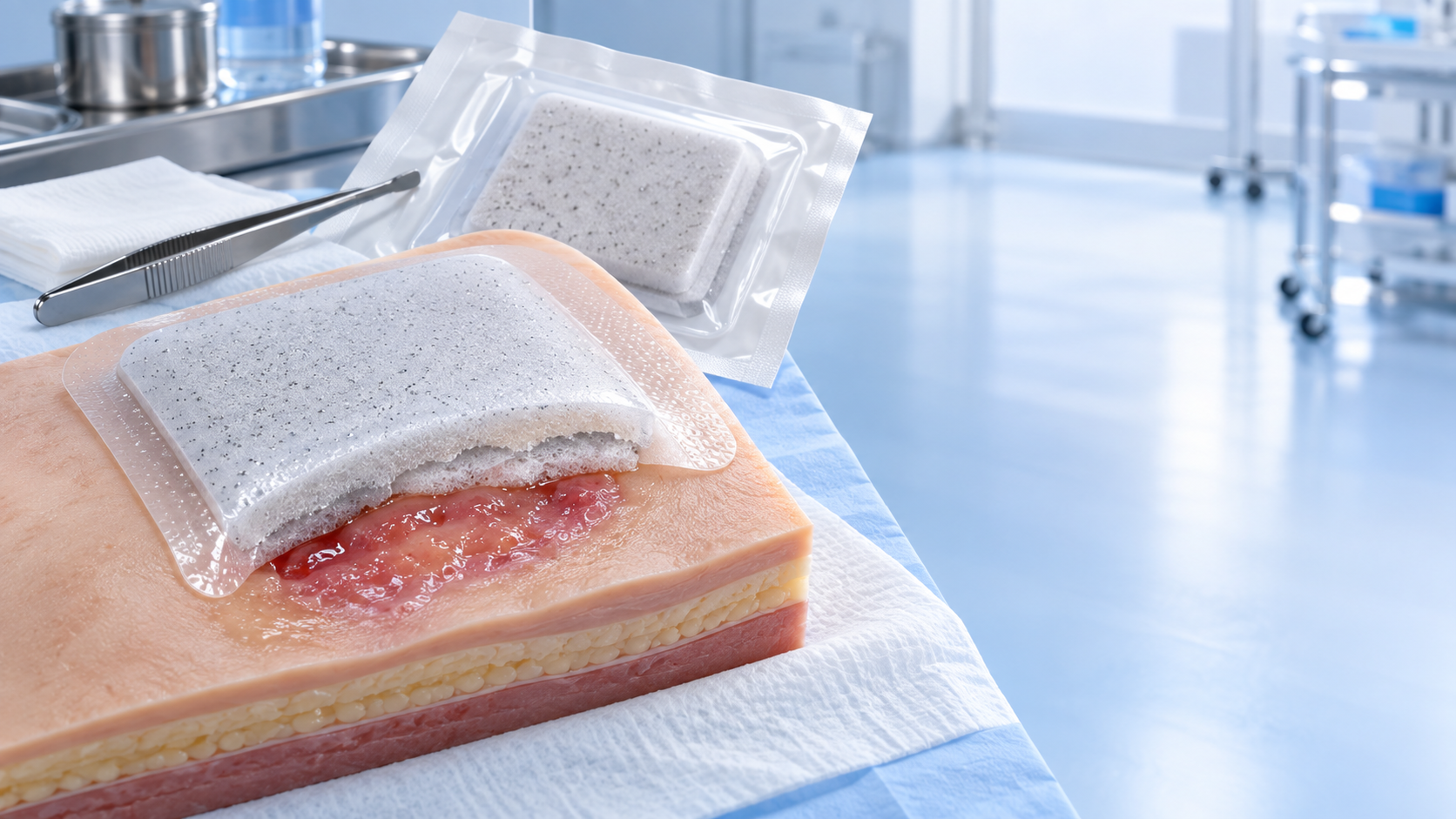
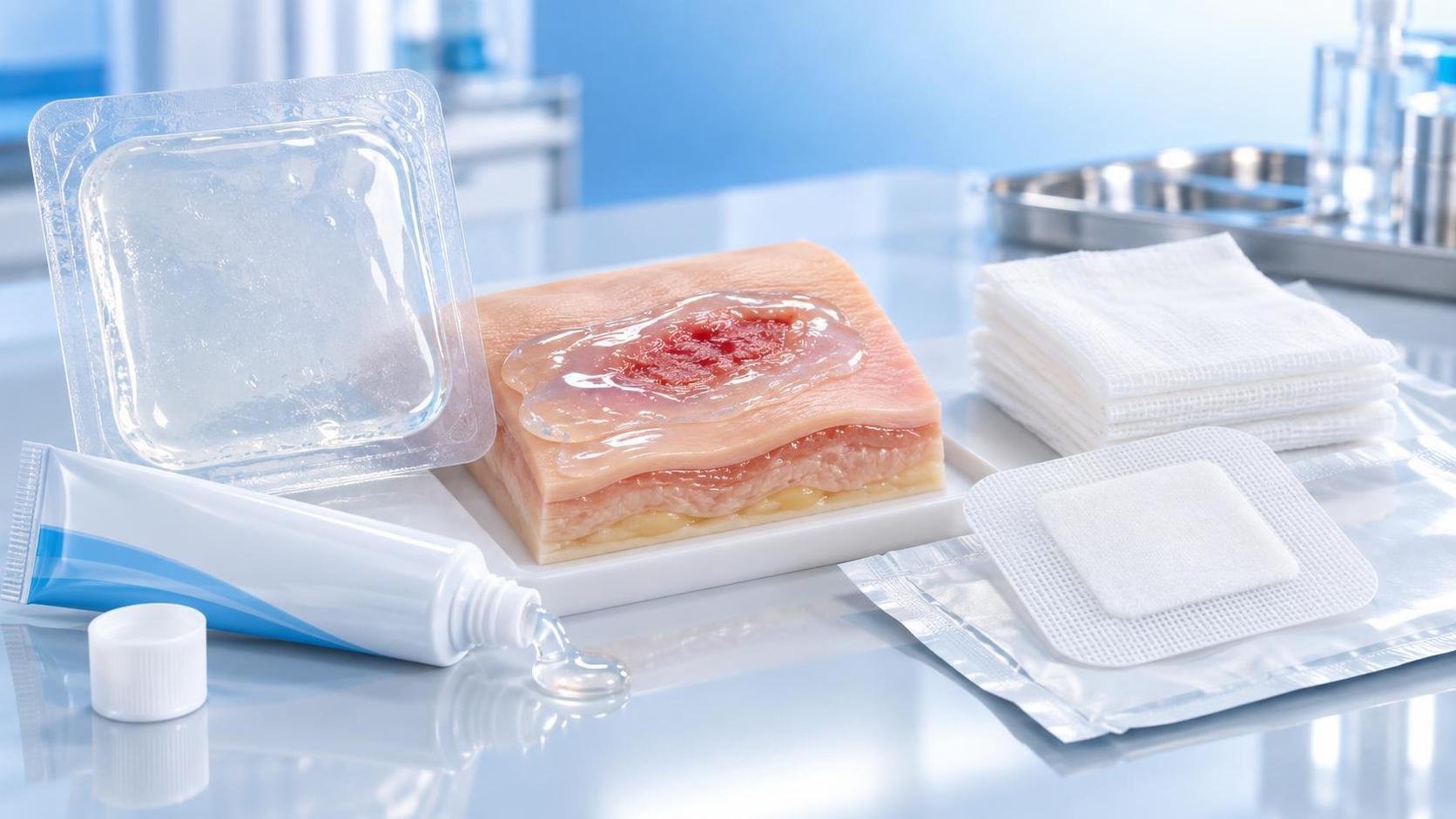
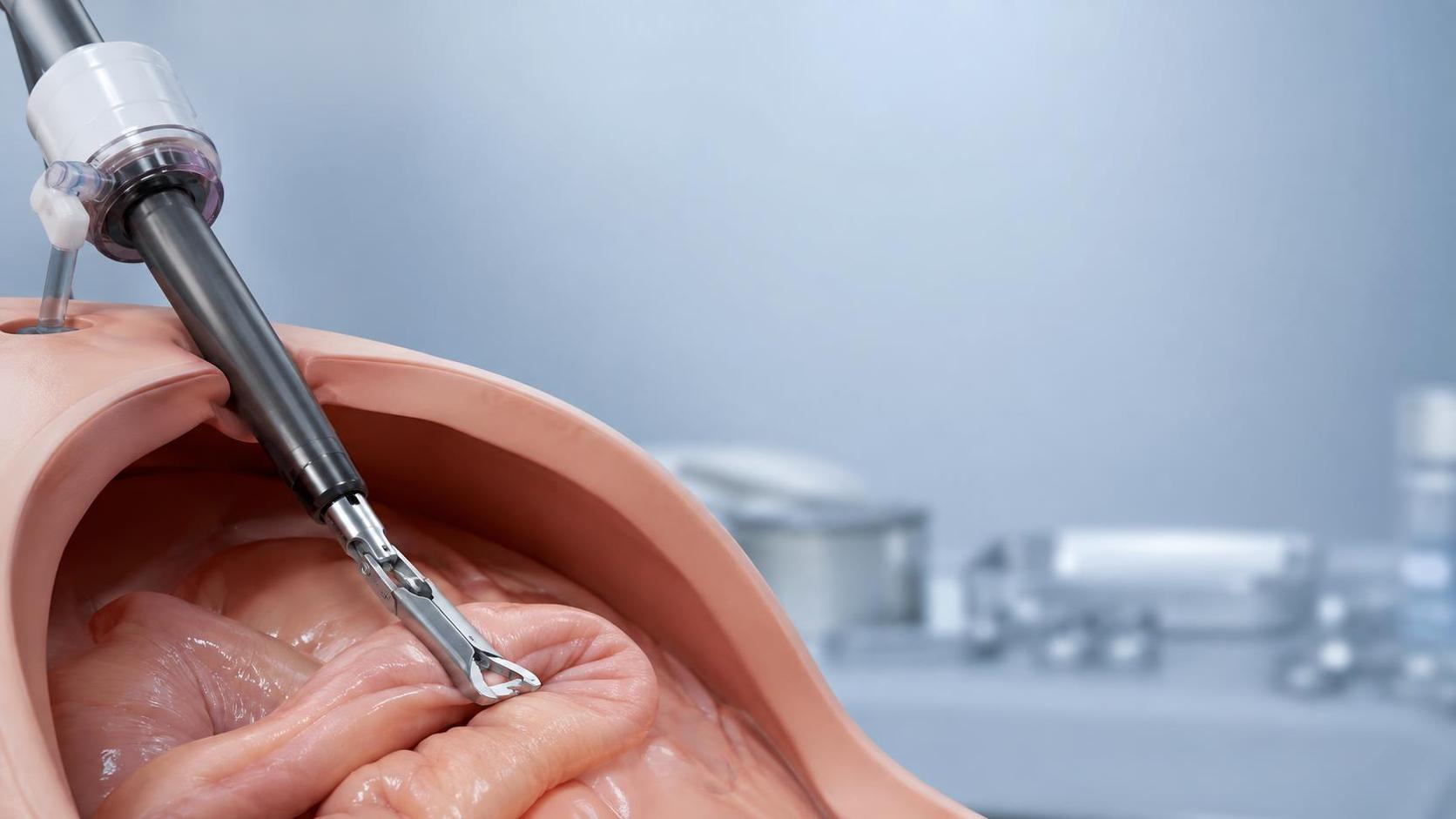
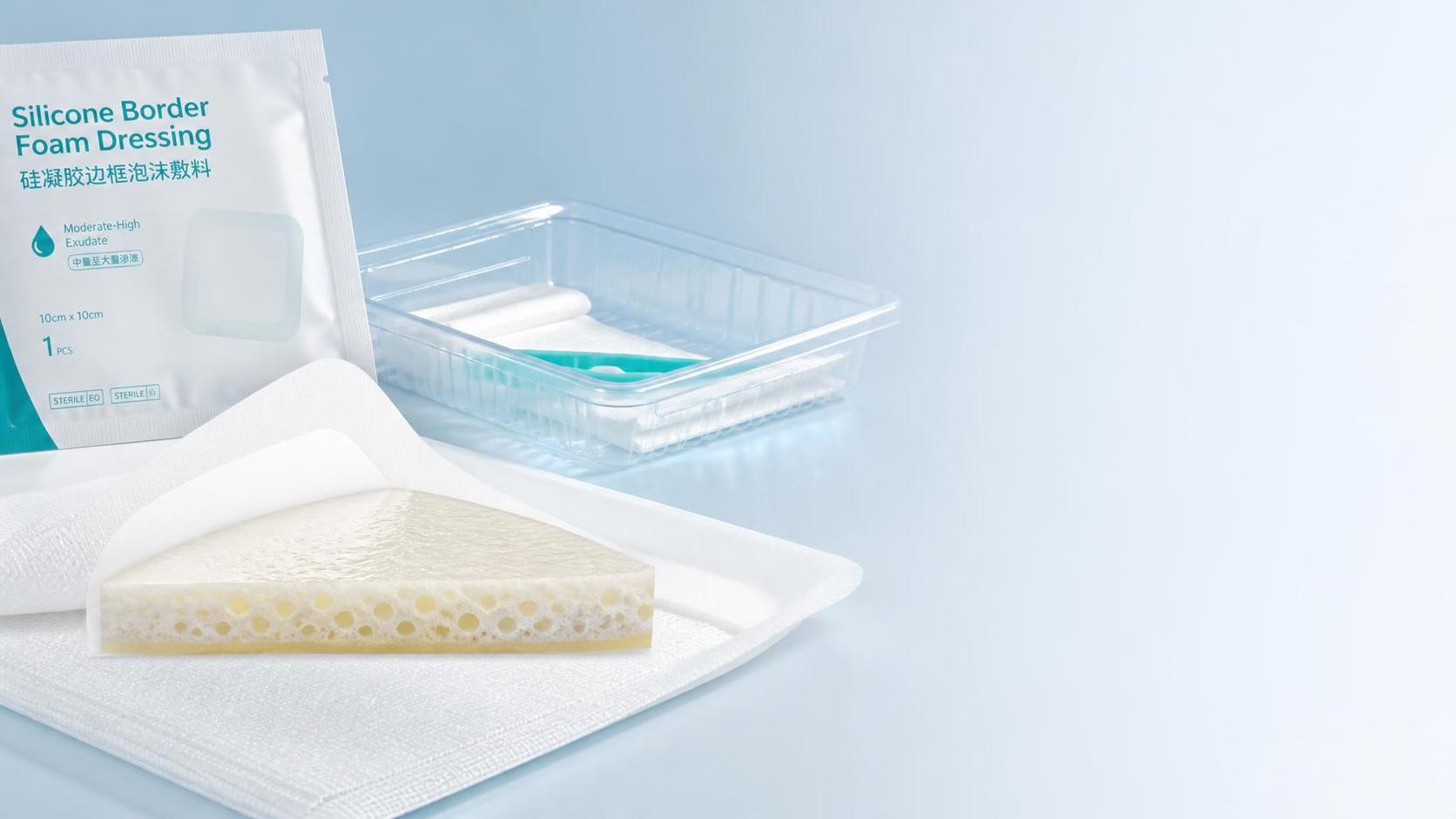
This applies to bone void fillers, regenerative membranes, and hybrid systems paired with advanced dressings or minimally invasive access tools.
In these scenarios, biodegradable implants can lower total episode cost by shortening the pathway between reconstruction and tissue maturity.
They also align well with care models that value fewer return procedures and cleaner postoperative management.
The key is to verify whether degradation by-products remain safe in inflamed, infected, or poorly vascularized environments.
Different scenarios change the cost equation in very different ways
Unit price alone rarely explains the real economics of biodegradable implants.
In VBP and cost-control environments, the better comparison is total treatment pathway cost.
That includes revision probability, OR time, follow-up imaging, recovery disruption, and inventory complexity.
- When removal surgery is common, biodegradable implants can offset a higher acquisition price.
- When outcomes depend on long structural endurance, permanent implants may still produce lower lifetime cost.
- When imaging clarity matters, reduced artifact can improve postoperative decision speed.
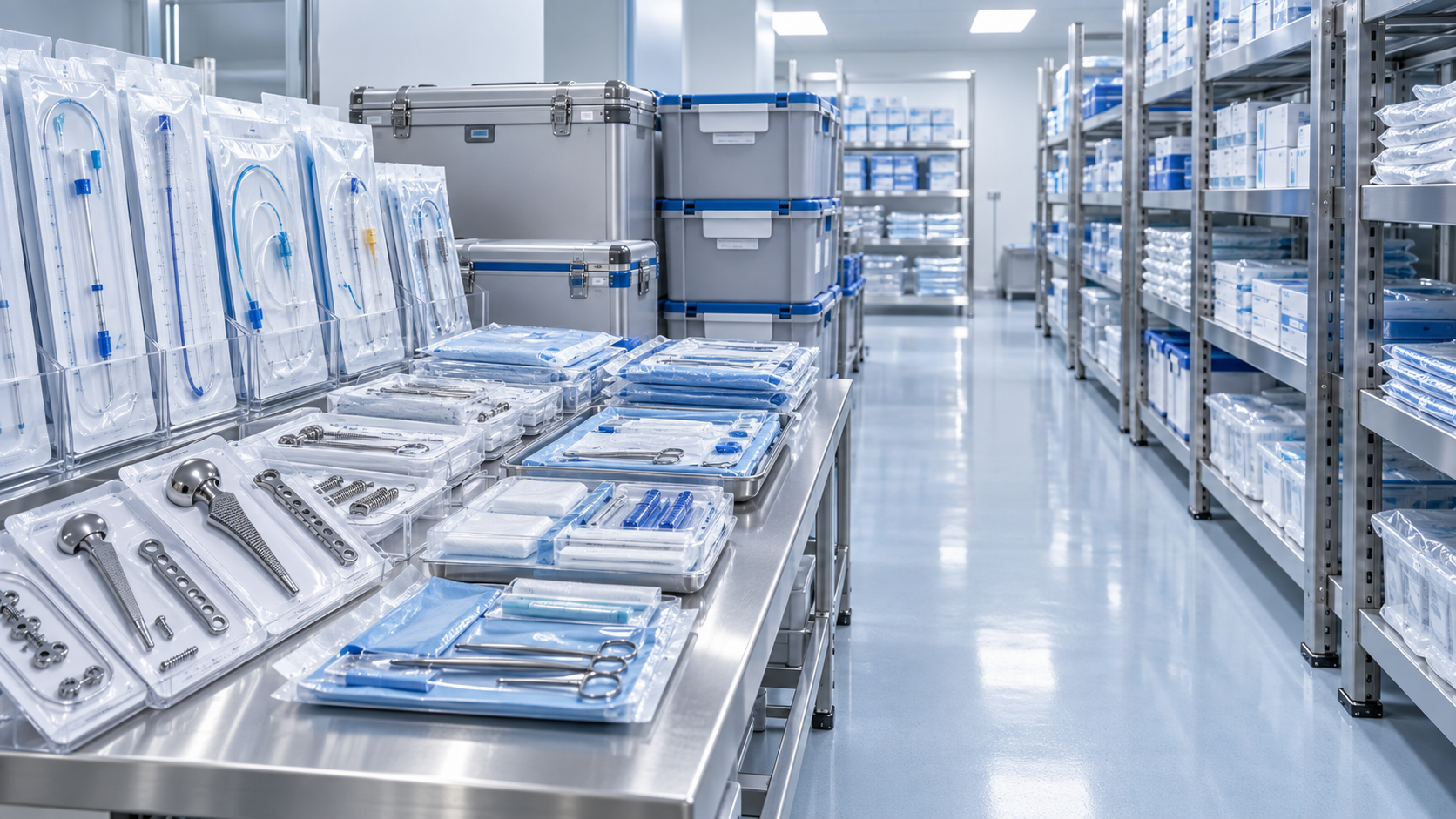
- When supply pressure is high, material consistency and sterilization reliability become part of cost risk.
This is where scenario-specific budgeting becomes more reliable than broad portfolio assumptions.
A biodegradable implant that saves one revision in a narrow indication may outperform a cheaper permanent device on overall economics.
The most common misread is treating similar procedures as identical
A frequent mistake is assuming biodegradable implants fit any procedure that looks temporary on paper.
That shortcut ignores local load, tissue quality, infection burden, and surgeon handling requirements.
Another misread is focusing on material specifications without studying the full degradation environment.
A polymer that performs well in one anatomical site may behave differently in acidic, ischemic, or highly mobile tissue.
Cost misjudgment is equally common.
Some evaluations compare biodegradable implants only against purchase price and ignore removal logistics, revision delays, and compatibility costs.
Regulatory timing can also be underestimated.
For high-risk indications, evidence expectations under CE MDR and other Class III frameworks remain demanding.
A useful adoption path starts with scenario mapping, not product enthusiasm
A practical next step is to sort candidate uses into temporary support, regenerative support, and long-term structural support.
That simple map quickly shows where biodegradable implants deserve deeper evaluation.
Then compare four conditions in each scenario: healing timeline, mechanical demand, revision burden, and evidence maturity.
Where all four align, biodegradable implants often create the strongest balance of patient benefit and system efficiency.
Where one condition fails, the case becomes weaker no matter how attractive the concept appears.
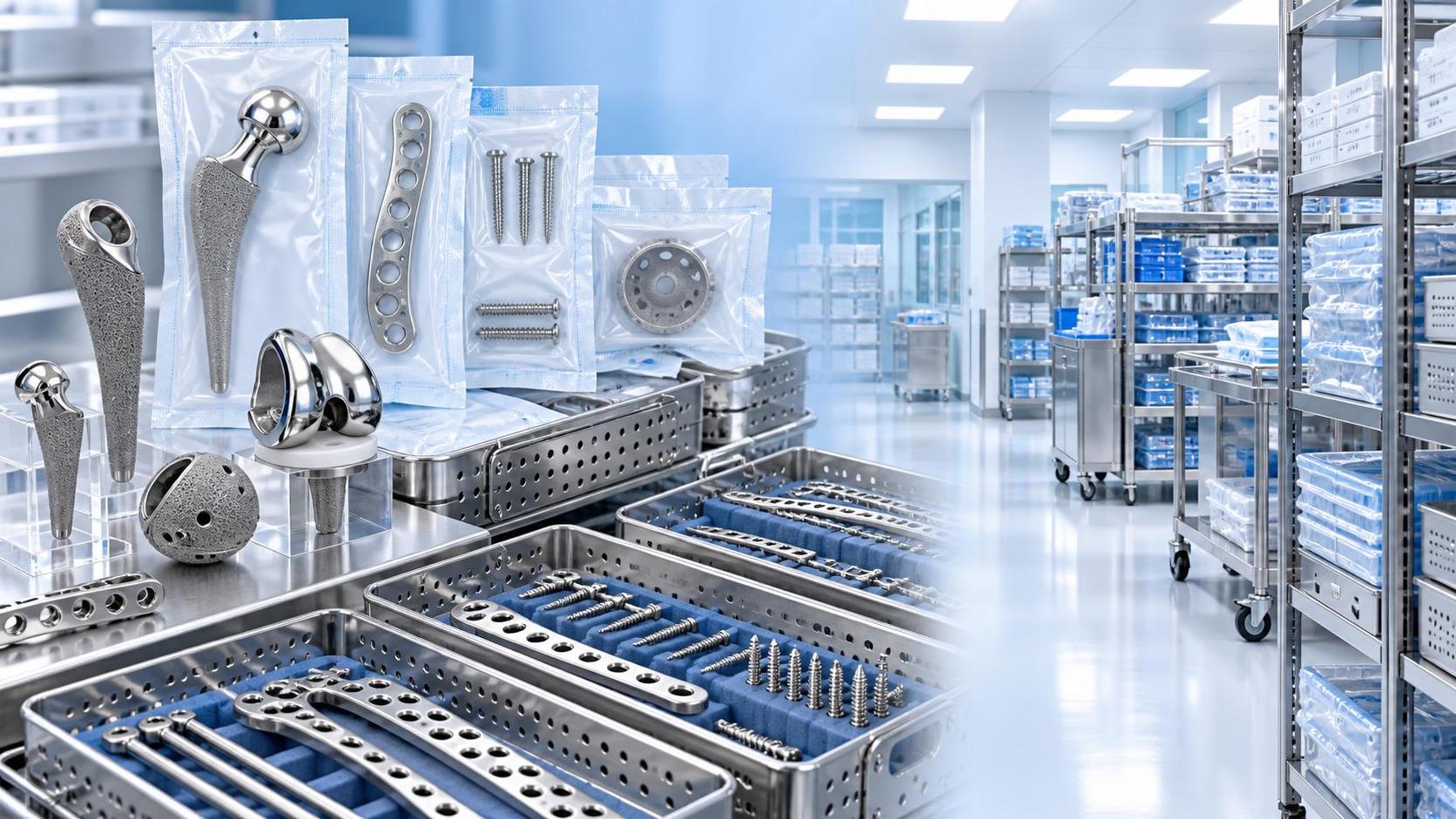
For organizations tracking orthopedic implants, cardiovascular consumables, regenerative materials, and related surgical systems, that discipline keeps innovation tied to real clinical and economic value.
In practice, biodegradable implants reduce revision risk and cost only when the body needs temporary help, not permanent compromise.
Get weekly intelligence in your inbox.
No noise. No sponsored content. Pure intelligence.
News Recommendations
 Sep 23, 2026How to verify the sterility assurance of surgical devicesHow to verify the sterility assurance of surgical devices
 Sep 22, 2026How to assess a spinal implants manufacturer’s quality systemHow to assess a spinal implants manufacturer’s quality system
 Sep 21, 2026How to assess an osseointegration technology manufacturer’s quality systemHow to assess an osseointegration technology manufacturer’s quality system
 Sep 20, 2026Medical material science trends reshaping biocompatibility testingMedical material science trends reshaping biocompatibility testing
 Sep 19, 2026What North American regulators expect in implant clinical evaluationsWhat North American regulators expect in implant clinical evaluations
 Sep 18, 2026When should plate and screw systems be selected for fracture fixation?When should plate and screw systems be selected for fracture fixation?
 Sep 17, 2026How a medical device sourcing strategy can reduce total acquisition costHow a medical device sourcing strategy can reduce total acquisition cost
 Sep 16, 2026When are silver foam burn care dressings appropriate for exuding burns?When are silver foam burn care dressings appropriate for exuding burns?
 Sep 15, 2026What drives medical device category pricing in value-based purchasing?What drives medical device category pricing in value-based purchasing?
 Sep 14, 2026High value consumables insights for evaluating total cost of careHigh value consumables insights for evaluating total cost of care
 Sep 13, 2026What a medical device market insights platform reveals about market accessWhat a medical device market insights platform reveals about market access
 Sep 12, 2026When are collagen-based tissue healing materials suitable for wound care?When are collagen-based tissue healing materials suitable for wound care?
 Sep 11, 2026How catheter material selection affects total cost of ownershipHow catheter material selection affects total cost of ownership
 Sep 10, 2026What FDA clearance means for medical grade PEEK implantsWhat FDA clearance means for medical grade PEEK implants
 Sep 09, 2026When do hydrogel wound healing technologies suit dry wounds?When do hydrogel wound healing technologies suit dry wounds?
 Sep 07, 2026How to assess medical consumables for surgical useHow to assess medical consumables for surgical use
 Sep 07, 2026How to verify CE MDR compliance for single-use medical consumablesHow to verify CE MDR compliance for single-use medical consumables
 Sep 05, 2026How to evaluate an antithrombotic catheter factory for qualityHow to evaluate an antithrombotic catheter factory for quality
 Sep 04, 2026When do minimally invasive surgical staplers improve GI access?When do minimally invasive surgical staplers improve GI access?
 Sep 03, 2026When are foam moist wound healing dressings appropriate for exuding wounds?When are foam moist wound healing dressings appropriate for exuding wounds?
 Sep 02, 2026How implant pricing affects access to advanced medical careHow implant pricing affects access to advanced medical care
 Sep 01, 2026What is driving price pressure in the North American medical consumables market?What is driving price pressure in the North American medical consumables market?
 Aug 31, 2026Comparing medical devices in Southeast Asia when market access differsComparing medical devices in Southeast Asia when market access differs
 Aug 30, 2026When are 3D printed PEEK implants suitable for spinal reconstruction?When are 3D printed PEEK implants suitable for spinal reconstruction?
 Aug 29, 2026How global medical device regulations shape clinical evidence requirementsHow global medical device regulations shape clinical evidence requirements
 Aug 28, 2026How to verify a burn care dressings exporter meets EU MDR requirementsHow to verify a burn care dressings exporter meets EU MDR requirements
 Aug 27, 2026How to verify a diabetic foot wound care supplier’s clinical evidenceHow to verify a diabetic foot wound care supplier’s clinical evidence