Medical Device Regulations in 2026: Approval Risks to Watch Early
As 2026 draws closer, medical device regulations are no longer a background compliance issue. They are becoming an early determinant of launch timing, capital efficiency, and market access, especially in high-value consumables.
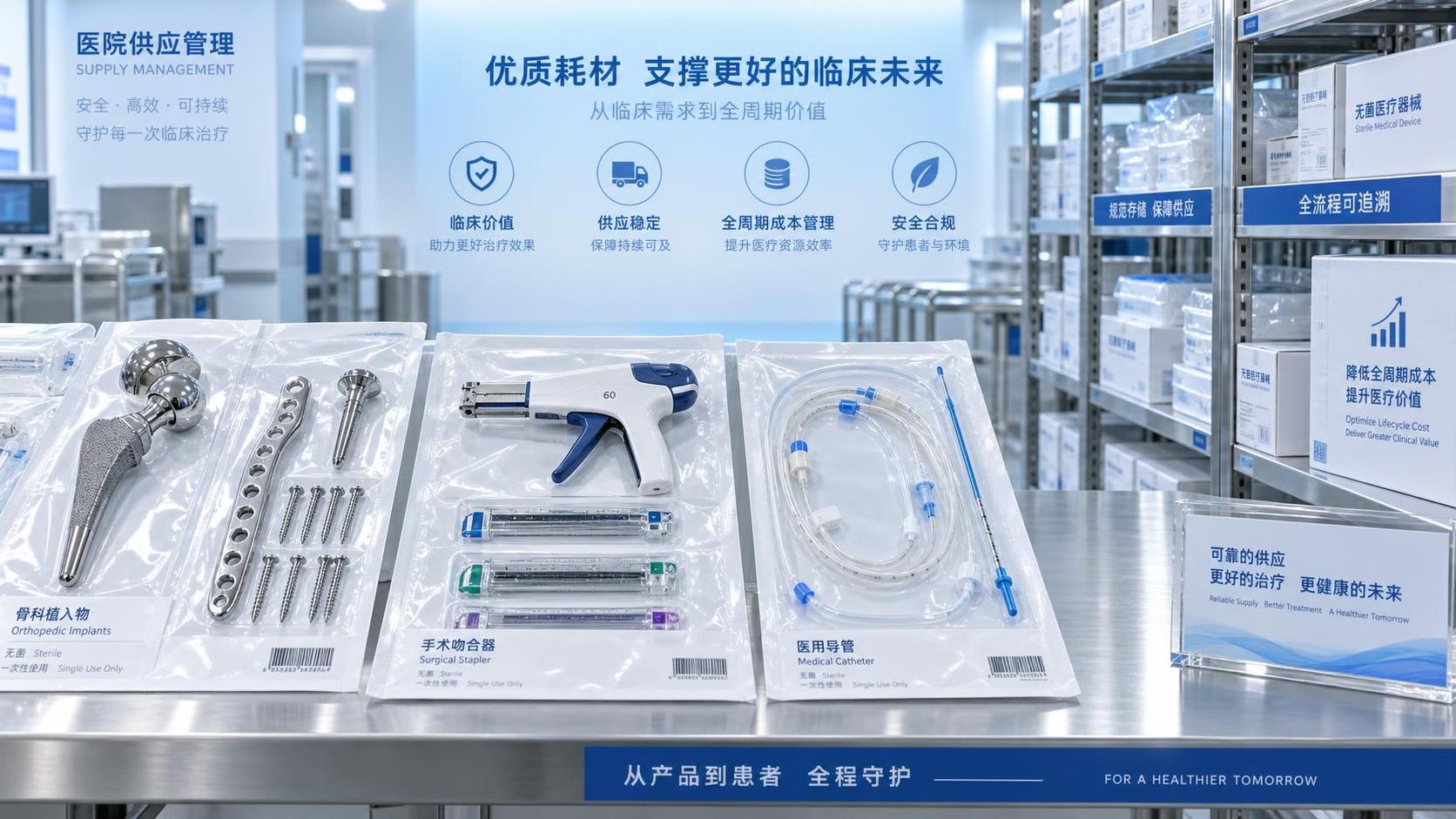
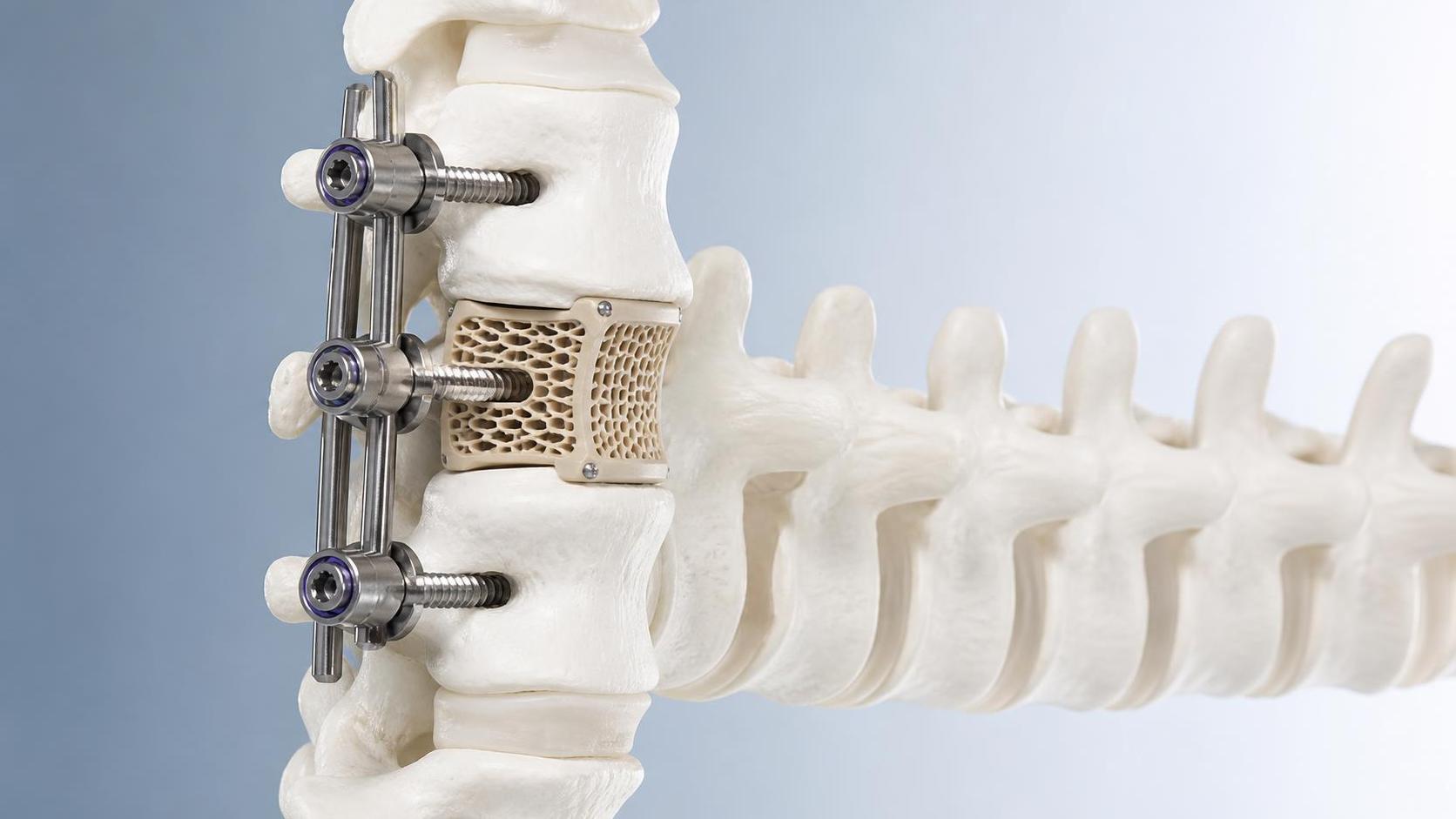
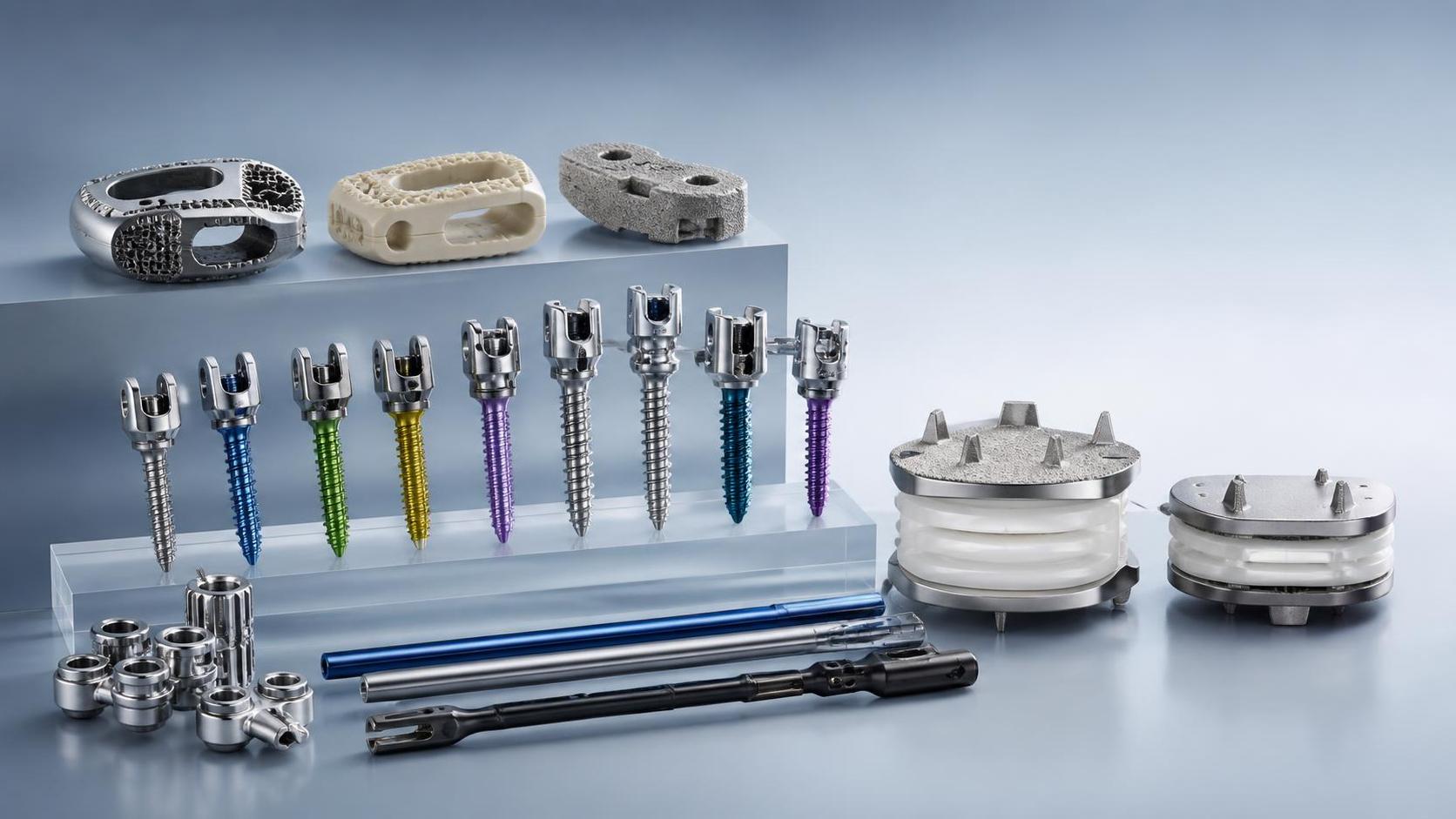
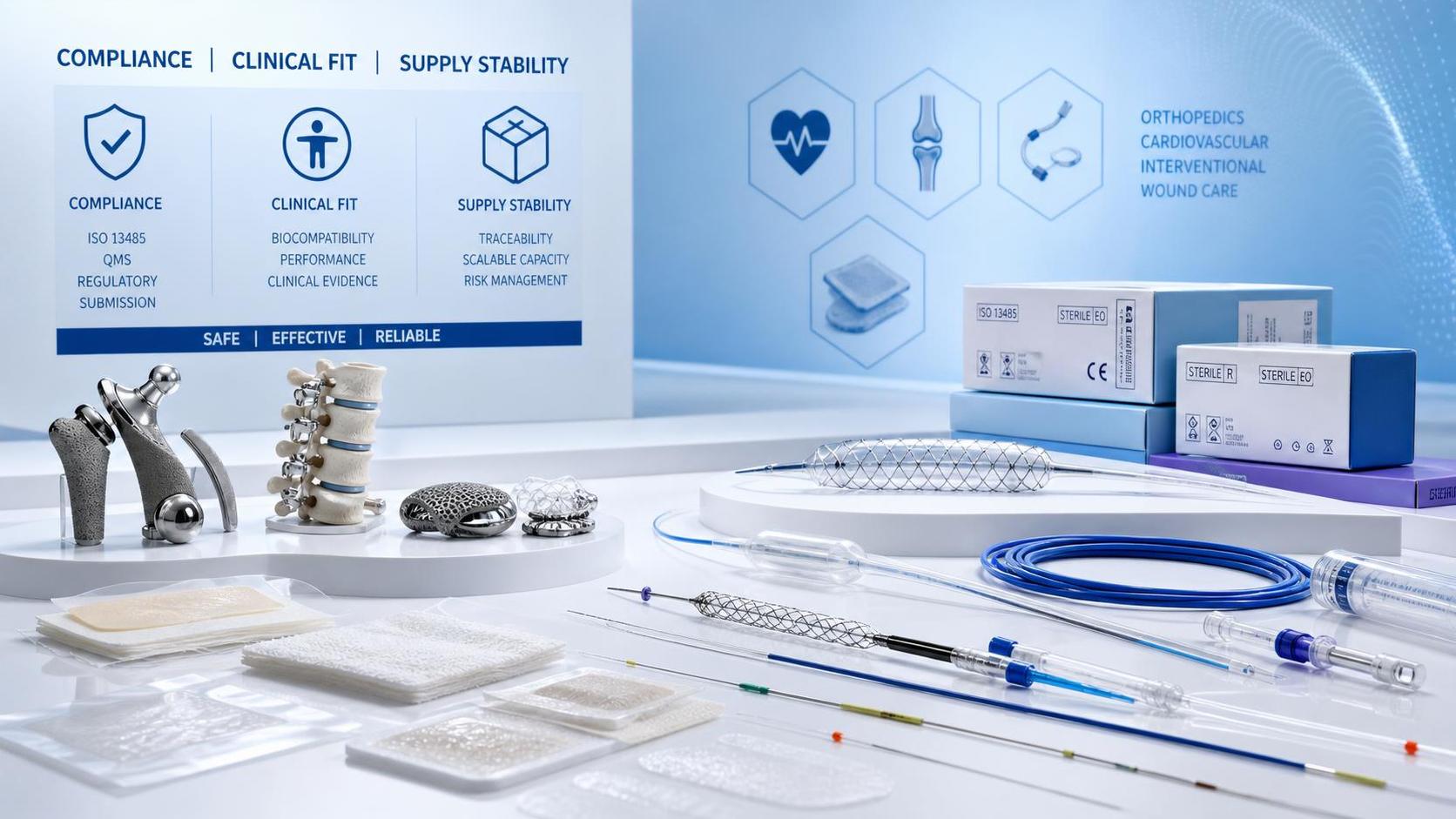
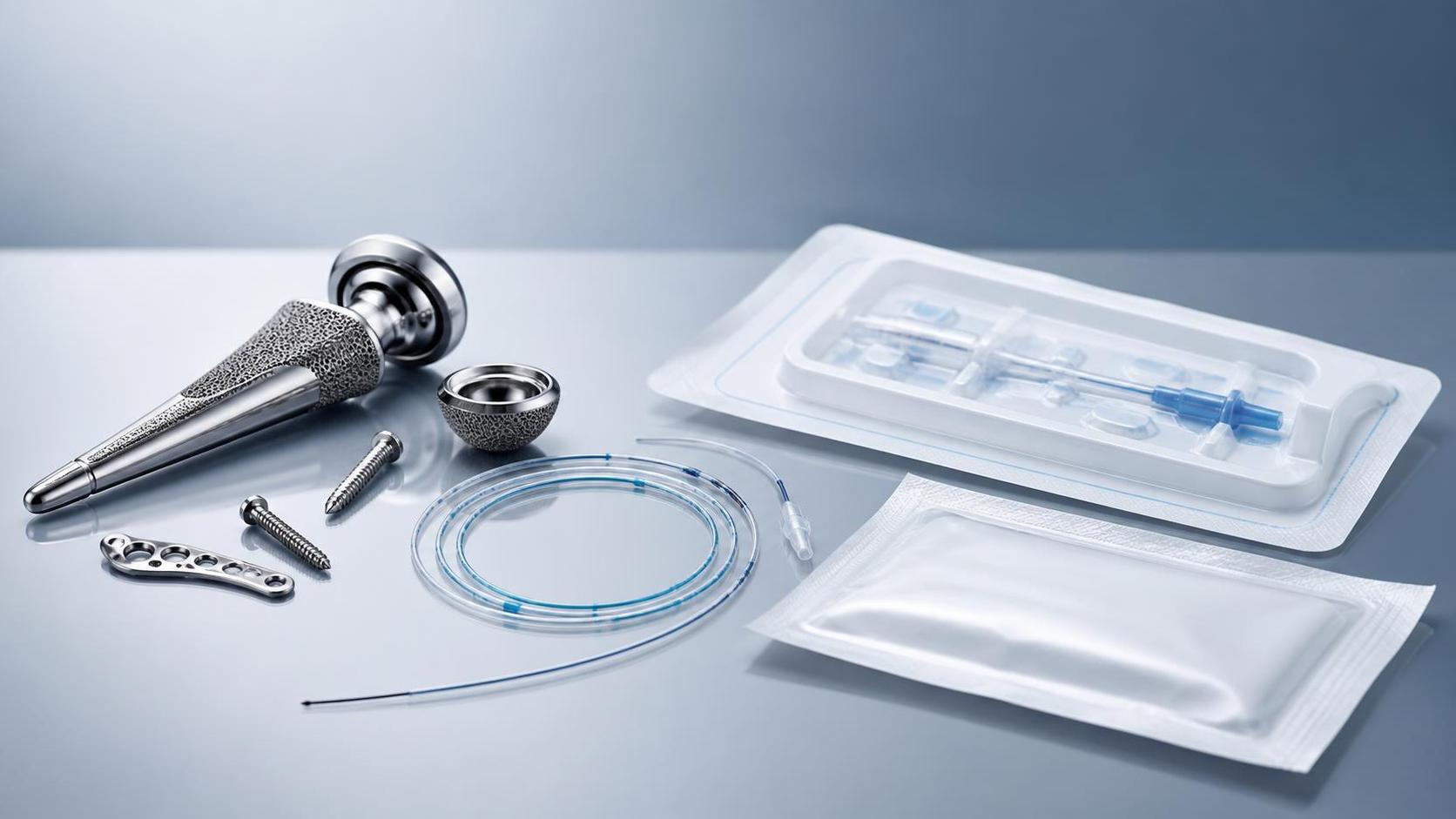
For implants, interventional devices, stapling systems, catheters, and advanced wound care, approval risk now starts much earlier. It begins in material selection, evidence planning, and regulatory pathway design.
That shift matters because the gap between technical feasibility and regulatory acceptability is widening. A product may perform well in engineering terms, yet still face delays if documentation, clinical rationale, or post-market planning falls short.
Why 2026 looks more demanding than previous cycles

The core issue is not one single rule change. It is the accumulation of stricter expectations across evidence, traceability, manufacturing controls, and lifecycle monitoring.
In the United States, Europe, and many fast-growing markets, authorities are asking harder questions about real-world safety, equivalence claims, cybersecurity, usability, and biological risk.
For Class III and other high-risk categories, medical device regulations are moving toward deeper proof, not just broader paperwork. Reviewers want to see why a product should be trusted over time, not only why it works on paper.
This is especially relevant for technologies shaped by new materials, micron-level machining, and personalized design. Innovation is valuable, but it also reduces the usefulness of older predicates and historical comparators.
What approval risk really means in practice
Approval risk is often misunderstood as the chance of outright rejection. In reality, the more common problem is time erosion caused by avoidable questions, rework, and evidence gaps.
A delayed response on biocompatibility can hold back a full submission. A weak Clinical Evaluation Report can stall CE MDR progress. An incomplete supply-chain file can disrupt registration in parallel markets.
Medical device regulations therefore affect more than regulatory teams. They shape portfolio sequencing, investor confidence, production planning, pricing strategy, and even the ability to compete under VBP pressure.
For that reason, early risk mapping should sit beside product strategy, not after it.
The pressure points most likely to trigger delays
Several themes are emerging across global medical device regulations. They are different in detail by jurisdiction, but similar in what they demand from a business.
Clinical evidence is getting less forgiving
Legacy assumptions are losing strength. Reviewers are less willing to accept broad equivalence arguments, especially for implants and life-sustaining devices.
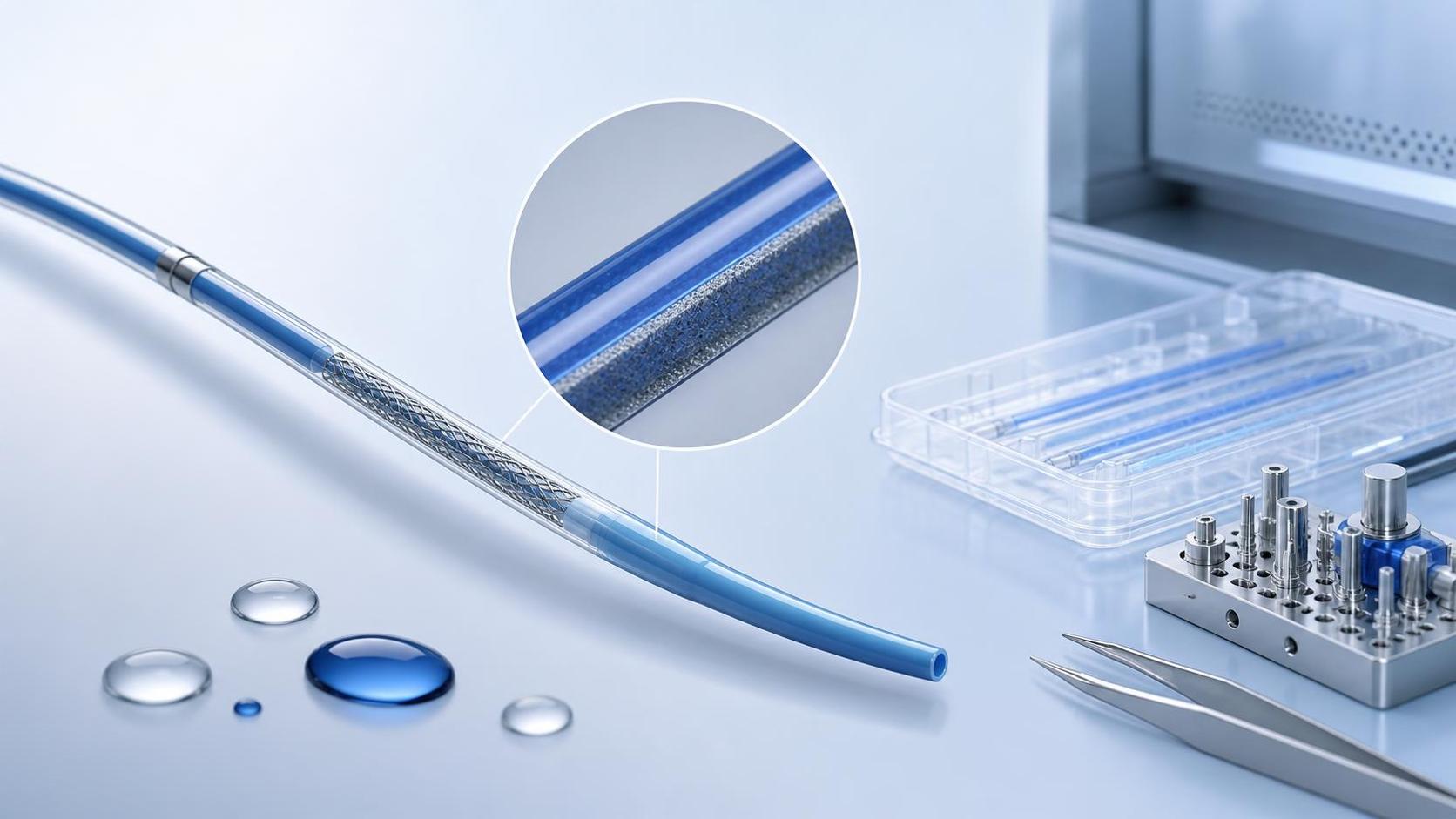
That affects orthopedic reconstruction, drug-eluting stents, TAVR systems, and complex polymer catheters. Even when materials are familiar, the combination of design, coating, and indication can require fresh evidence logic.
Biocompatibility is becoming more product-specific
ISO 10993 testing remains central, but expectations are becoming more nuanced. Toxicological risk is now judged in the context of contact duration, extractables, process residues, and cumulative exposure.
For absorbable dressings, coated staples, and neuro-interventional catheters, generic testing packages may no longer be enough.
Manufacturing controls are under sharper review
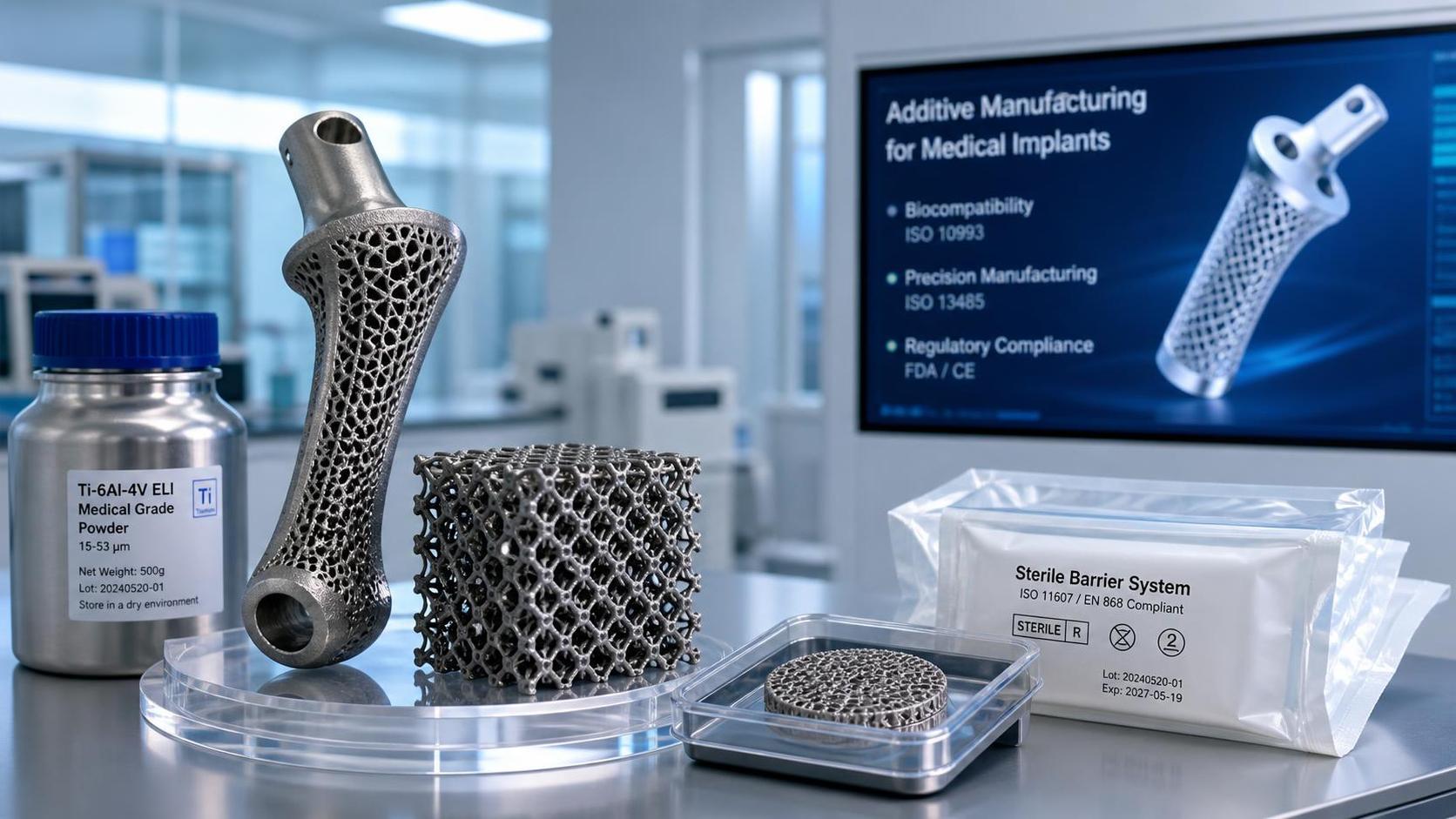
Advanced devices often depend on narrow tolerances. That is true for porous trabecular implants, valve frames, and precision stapling components.
When process validation, sterility assurance, or supplier qualification is inconsistent, medical device regulations turn a factory issue into an approval issue.
Post-market planning now influences pre-market review
Authorities increasingly want to know how long-term safety will be monitored. That includes complaint trending, adverse event capture, registry use, and post-market clinical follow-up.
In other words, the approval conversation does not stop at launch readiness.
Where the risk is highest across major device segments
Different product families face different forms of regulatory exposure. A simple comparison helps frame where medical device regulations may challenge growth plans first.
This matters because the same commercial deadline cannot be applied equally across categories. Approval risk is product-shaped, not only market-shaped.
How stronger regulatory intelligence changes decision quality
A useful response to tougher medical device regulations is not more paperwork. It is better intelligence earlier in the product lifecycle.
That is where a focused industry lens becomes practical. IMCS tracks the intersection of biocompatibility, clinical logic, manufacturing precision, and policy signals across high-value consumables.
For example, toxicology review can reveal whether a promising coating system creates hidden testing burdens. Clinical interpretation can show when a CE MDR strategy is too dependent on fragile equivalence.
Policy insight also matters. In segments exposed to VBP or broader cost-control programs, delayed approval can quickly become a pricing disadvantage, not just a regulatory inconvenience.
Seen this way, medical device regulations are part of commercial strategy. They influence whether a technically strong product reaches the right market window with a defensible value story.
Practical signals worth reviewing before submissions begin
A pre-submission review is most useful when it tests assumptions, not just document completeness.
- Check whether the claimed predicate or comparator still supports the intended indication.
- Confirm that biocompatibility plans match actual contact conditions and process residues.
- Review if bench data clearly bridges to clinical performance expectations.
- Test whether supplier changes could alter sterility, coating behavior, or release characteristics.
- Assess whether post-market commitments are credible enough for high-risk classifications.
- Revisit label claims that may unintentionally trigger higher evidence thresholds.
These checkpoints are not theoretical. They often determine whether medical device regulations become manageable requirements or late-stage obstacles.
What to do next before 2026 tightens further
The best next step is a structured approval-risk audit across the pipeline. Start with products that combine high reimbursement expectations, complex materials, and narrow launch windows.
Then compare each program against current medical device regulations in its target markets, including evidence depth, quality system readiness, and post-market obligations.
It is also worth separating what is technically innovative from what is regulatorily vulnerable. Those are not always the same thing, and that distinction improves capital allocation.
For organizations active in implants, cardiovascular devices, MIS consumables, catheters, and wound care, the advantage will come from earlier interpretation, not faster reaction.
Medical device regulations in 2026 will reward preparation that begins well before filing. A clearer view now helps protect timelines, preserve pricing leverage, and keep strategic options open.
Get weekly intelligence in your inbox.
No noise. No sponsored content. Pure intelligence.
News Recommendations
 Sep 15, 2026What drives medical device category pricing in value-based purchasing?What drives medical device category pricing in value-based purchasing?
 Sep 14, 2026High value consumables insights for evaluating total cost of careHigh value consumables insights for evaluating total cost of care
 Sep 13, 2026What a medical device market insights platform reveals about market accessWhat a medical device market insights platform reveals about market access
 Sep 12, 2026When are collagen-based tissue healing materials suitable for wound care?When are collagen-based tissue healing materials suitable for wound care?
 Sep 11, 2026How catheter material selection affects total cost of ownershipHow catheter material selection affects total cost of ownership
 Sep 10, 2026What FDA clearance means for medical grade PEEK implantsWhat FDA clearance means for medical grade PEEK implants
 Sep 09, 2026When do hydrogel wound healing technologies suit dry wounds?When do hydrogel wound healing technologies suit dry wounds?
 Sep 07, 2026How to assess medical consumables for surgical useHow to assess medical consumables for surgical use
 Sep 07, 2026How to verify CE MDR compliance for single-use medical consumablesHow to verify CE MDR compliance for single-use medical consumables
 Sep 05, 2026How to evaluate an antithrombotic catheter factory for qualityHow to evaluate an antithrombotic catheter factory for quality
 Sep 04, 2026When do minimally invasive surgical staplers improve GI access?When do minimally invasive surgical staplers improve GI access?
 Sep 03, 2026When are foam moist wound healing dressings appropriate for exuding wounds?When are foam moist wound healing dressings appropriate for exuding wounds?
 Sep 02, 2026How implant pricing affects access to advanced medical careHow implant pricing affects access to advanced medical care
 Sep 01, 2026What is driving price pressure in the North American medical consumables market?What is driving price pressure in the North American medical consumables market?
 Aug 31, 2026Comparing medical devices in Southeast Asia when market access differsComparing medical devices in Southeast Asia when market access differs
 Aug 30, 2026When are 3D printed PEEK implants suitable for spinal reconstruction?When are 3D printed PEEK implants suitable for spinal reconstruction?
 Aug 29, 2026How global medical device regulations shape clinical evidence requirementsHow global medical device regulations shape clinical evidence requirements
 Aug 28, 2026How to verify a burn care dressings exporter meets EU MDR requirementsHow to verify a burn care dressings exporter meets EU MDR requirements
 Aug 27, 2026How to verify a diabetic foot wound care supplier’s clinical evidenceHow to verify a diabetic foot wound care supplier’s clinical evidence
 Aug 26, 2026What drives spinal implants price differences across implant typesWhat drives spinal implants price differences across implant types
 Aug 25, 2026What matters most in a medical consumables platform comparisonWhat matters most in a medical consumables platform comparison
 Aug 24, 2026What a medical device intelligence guide should cover before market accessWhat a medical device intelligence guide should cover before market access
 Aug 23, 2026What drives catheter coating technology cost in early device designWhat drives catheter coating technology cost in early device design
 Aug 22, 2026How custom 3D printed medical implants meet biocompatibility requirementsHow custom 3D printed medical implants meet biocompatibility requirements
 Aug 21, 2026What makes an implant commercialization strategy in Europe fail at market accessWhat makes an implant commercialization strategy in Europe fail at market access
 Aug 20, 2026What drives catheter coating technology cost in product developmentWhat drives catheter coating technology cost in product development
 Aug 19, 2026What drives medical device compliance cost during market entryWhat drives medical device compliance cost during market entry