Minimally Invasive Surgery Equipment: What Impacts Total Cost Most?
Minimally invasive surgery equipment cost: what really moves the budget?
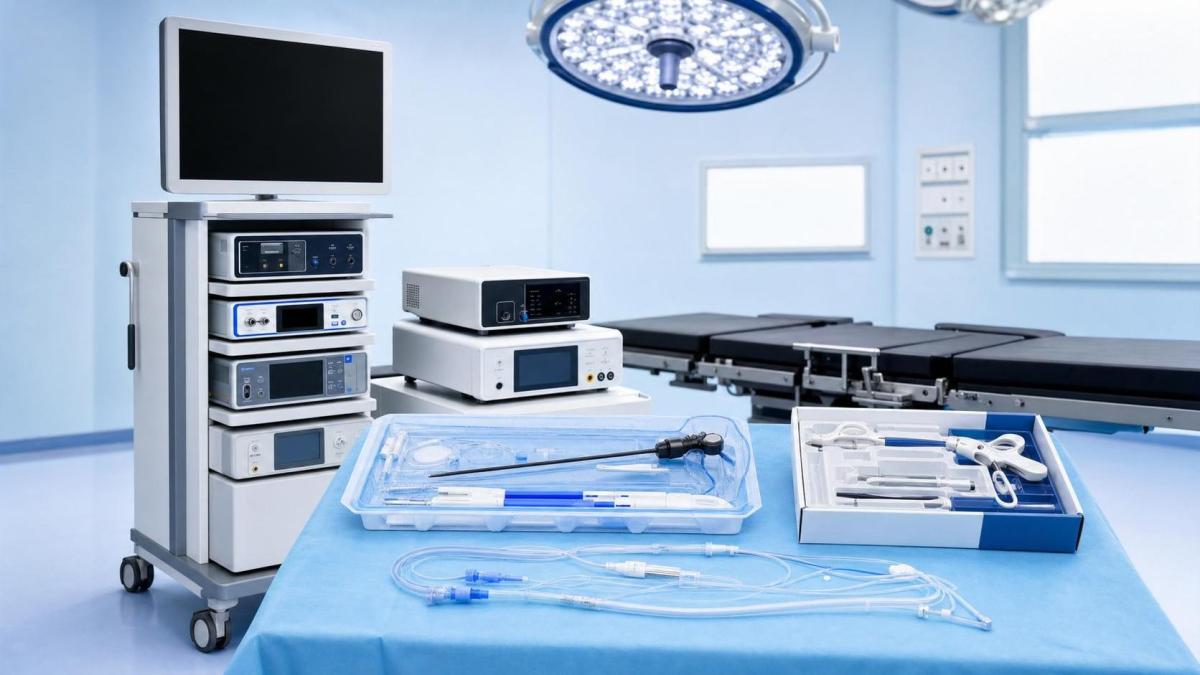
The first price quote rarely tells the full story of minimally invasive surgery equipment.
In practice, the larger question is total cost over several years, not capital cost on day one.
That is why hospitals, distributors, and medical device groups often compare towers, stapling systems, scopes, energy platforms, and polymer catheter-related tools through a wider lens.
The most expensive line item is not always the one that creates the biggest financial pressure.
Single-use components, service uptime, regulatory documentation, staff adoption, and procedure throughput can change return on investment faster than expected.
For organizations tracking minimally invasive surgery equipment, this matters even more under value-based procurement and tighter reimbursement logic.
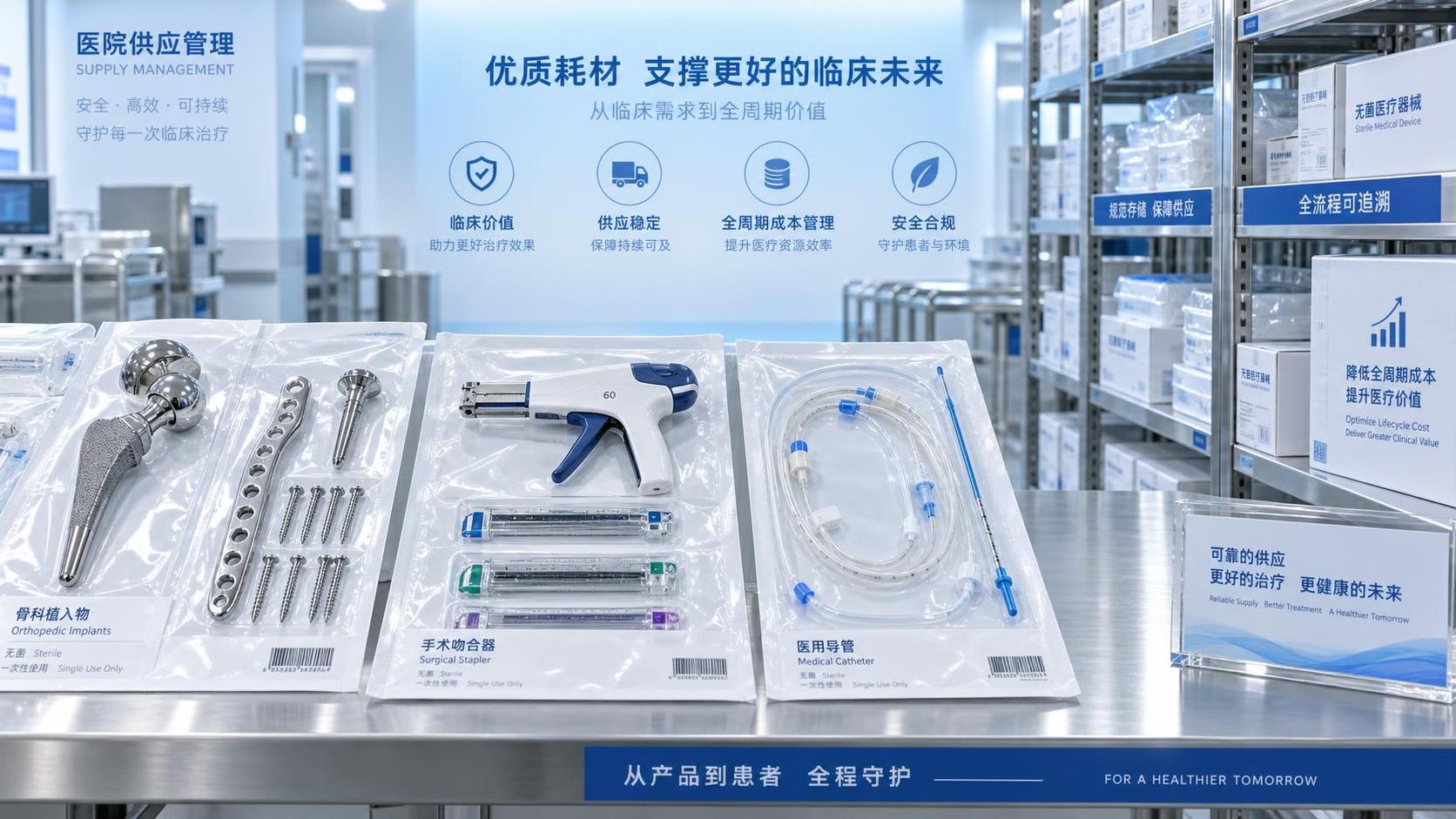
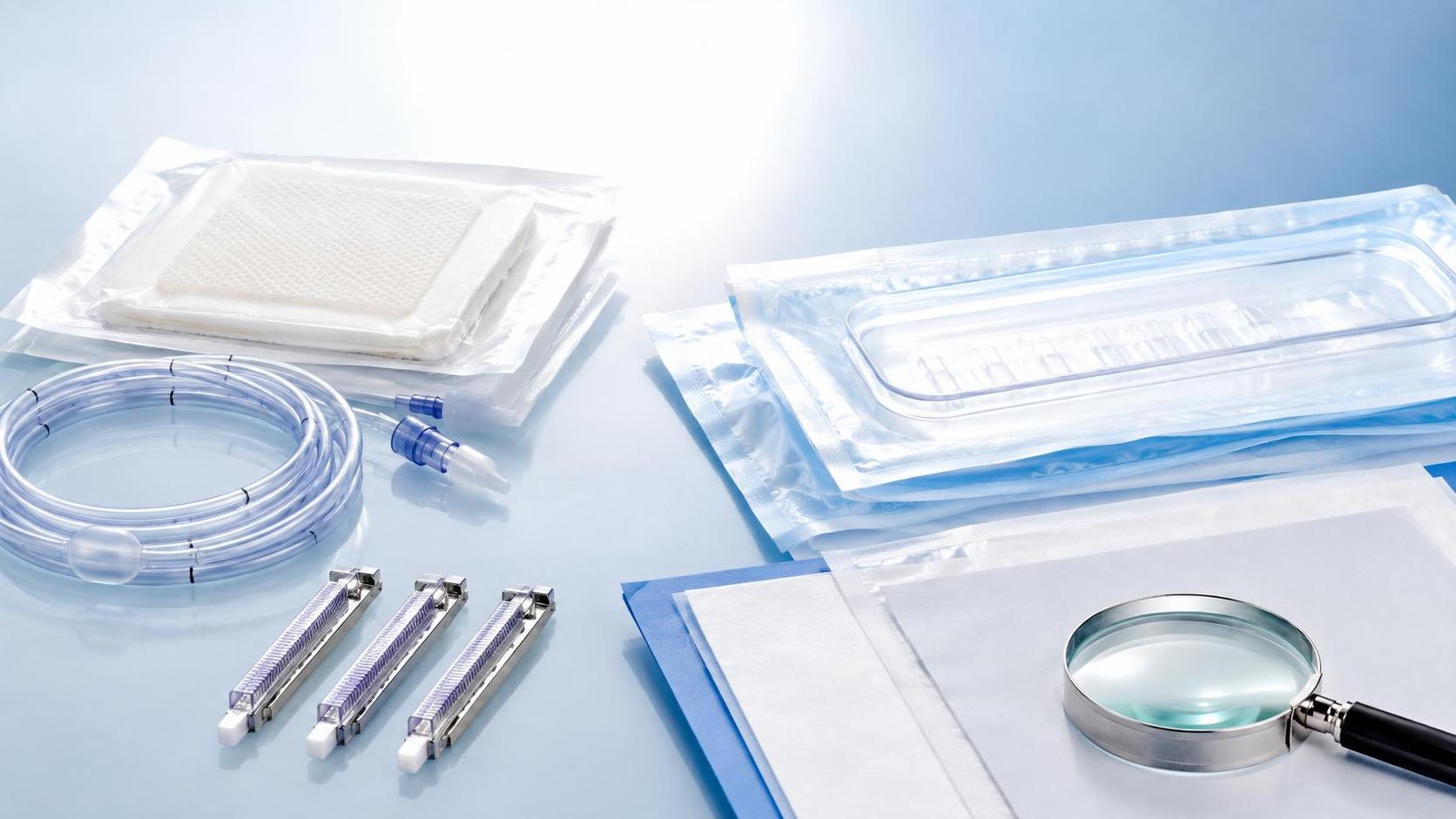
IMCS follows this space closely across surgical staplers, catheters, advanced dressings, and other high-value consumables where clinical precision and long-term economics are closely linked.
Is the purchase price still the main cost driver?
Usually, no. It is still important, but it is often only the entry point.
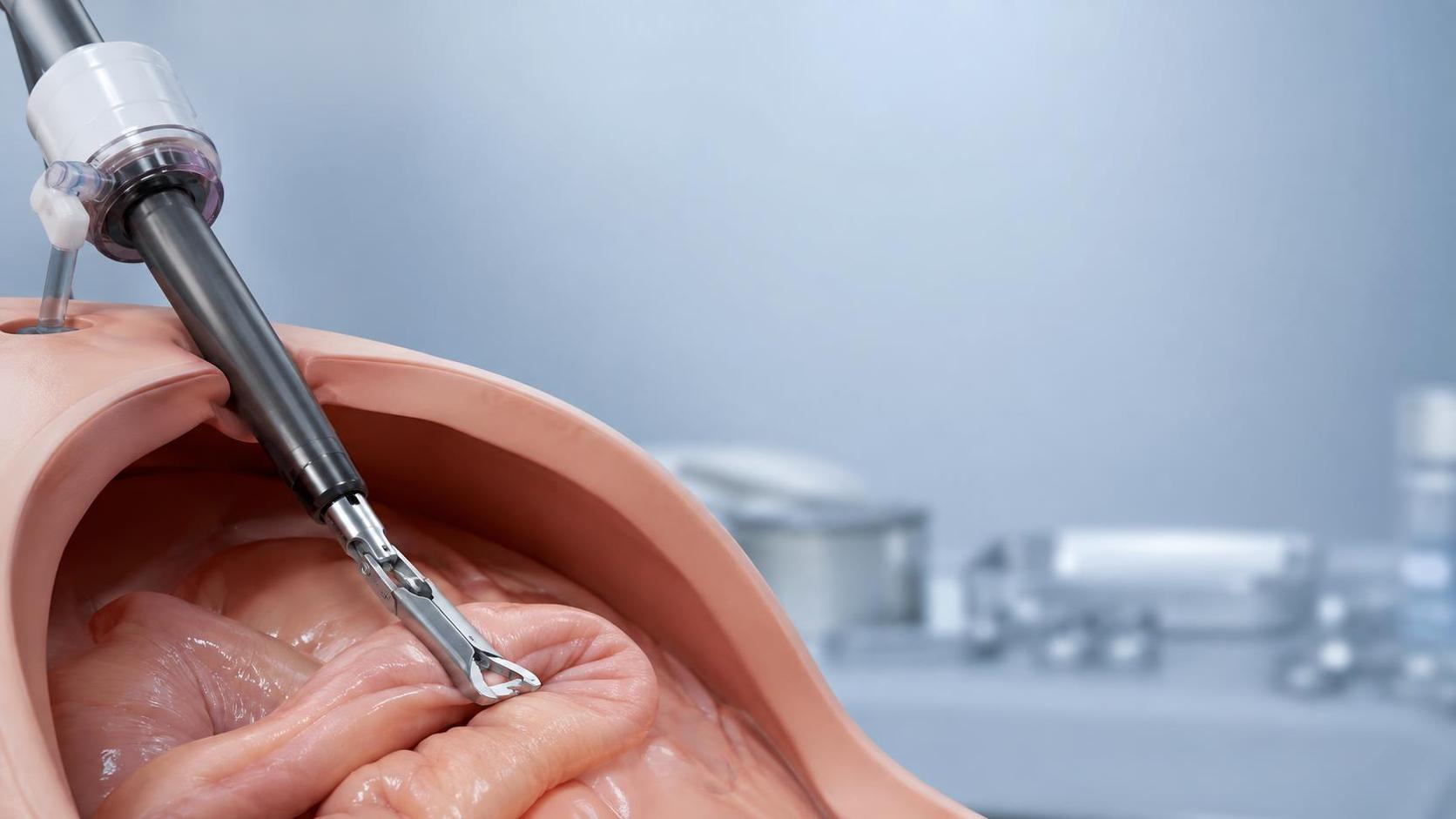
A laparoscopic platform may look affordable at tender stage, yet the lifetime spend can rise through stapler reloads, trocars, sealing tools, camera repairs, software updates, and preventive maintenance.
More commonly, minimally invasive surgery equipment becomes expensive when procedure volume is high and each case requires premium disposables.
This is especially true in colorectal, thoracic, bariatric, cardiovascular, and complex general surgery pathways.
A lower-priced console paired with costly consumables may produce weaker economics than a higher-priced system with controlled per-case usage.
The better question is not, “What does the equipment cost?”
It is, “What does each completed case cost when the system is used at expected volume?”
A quick way to separate visible and hidden cost
This is where many budget reviews become more realistic.
Why do consumables often outweigh the hardware itself?
Because minimally invasive surgery equipment usually depends on repeat-use economics.
The platform enables the procedure, but the consumables complete it.
In laparoscopic and endoscopic surgery, each case may involve stapler reloads, specimen bags, access ports, tubing sets, sealing instruments, clip appliers, and catheter-based accessories.
Even small per-case differences multiply quickly across annual procedure volume.
For example, a system with better upfront pricing may require proprietary cartridges with tighter supplier control.
That creates long-term exposure if pricing changes after installation.
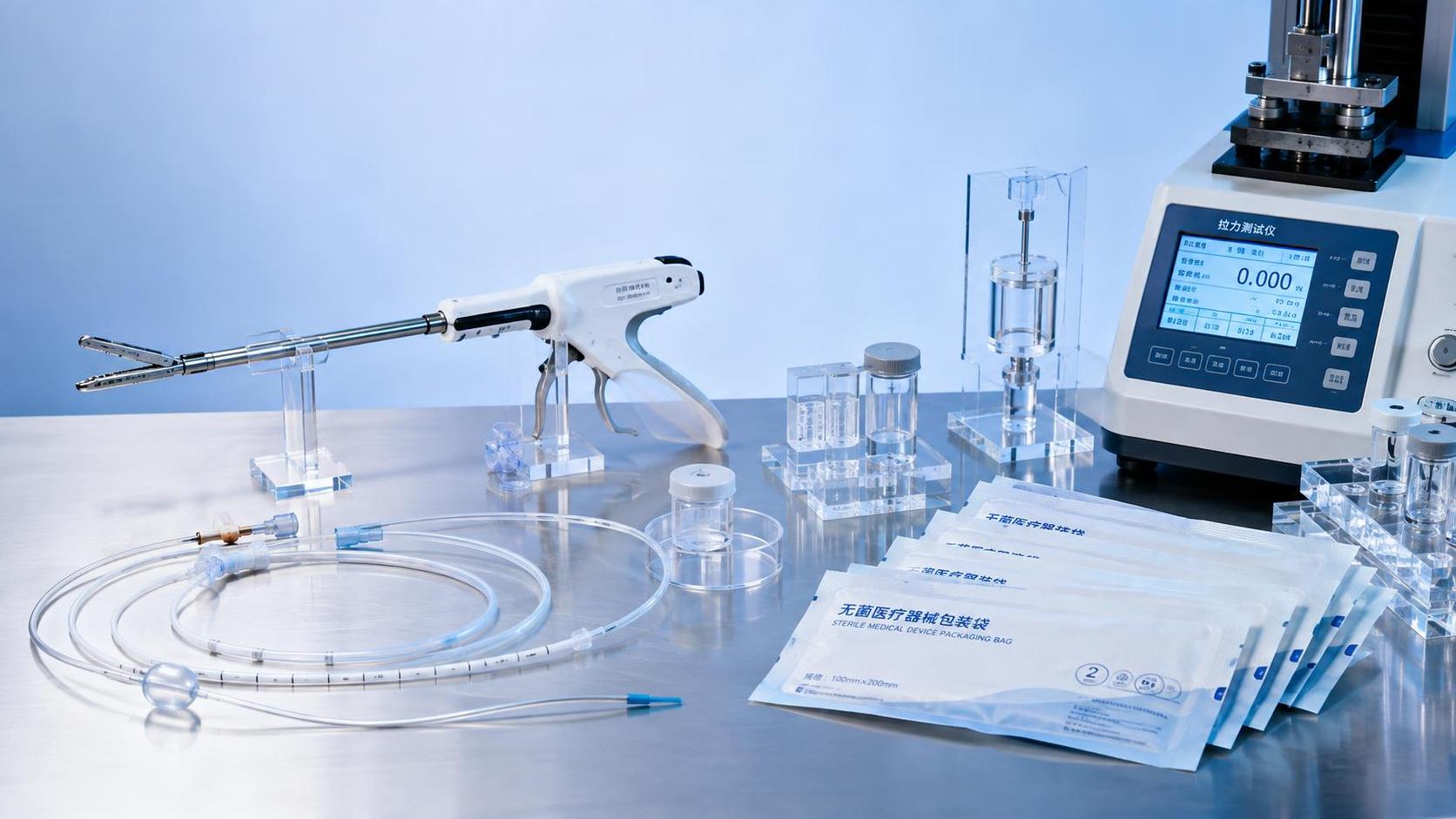
This issue is highly relevant in categories IMCS tracks, especially minimally invasive surgical staplers and polymer catheter systems, where precision materials and micron-level manufacturing directly affect safety and cost.
What should be checked before approving a consumable-heavy system?
- Average consumable cost per case by procedure type, not by marketing average.
- Whether alternative compatible items exist or the system is fully closed.
- Waste rate from expired stock, opened-but-unused kits, or surgeon preference variation.
- Volume discount durability under VBP or regional tender resets.
- Clinical evidence showing whether premium consumables reduce leaks, revisions, or length of stay.
Without that context, minimally invasive surgery equipment can look efficient on paper while becoming costly in routine use.
How much do maintenance, uptime, and training change the total cost?
Often more than expected, especially in busy surgical centers.
If a camera system fails, a scope needs repair, or an energy platform becomes unavailable, the financial impact extends beyond the repair invoice.
There may be delayed procedures, temporary outsourcing, lower room utilization, or use of less preferred backup devices.
That hidden cost is why service response time deserves the same attention as purchase negotiations.
Training adds another layer.
A new minimally invasive surgery equipment platform may promise better ergonomics, but if adoption is slow, case duration may rise for months.
Longer operating time affects staffing, room availability, anesthesia exposure, and scheduling efficiency.
In actual evaluations, the most useful comparison is not vendor training hours alone.
It is time-to-stable-use across the real clinical team.
A practical maintenance and training checklist
- Define maximum acceptable downtime per quarter.
- Confirm repair turnaround for scopes, handpieces, and optical parts.
- Ask whether loaner equipment is guaranteed in writing.
- Map training needs for surgeons, nurses, sterile processing, and biomedical teams.
- Track when case time is expected to normalize after go-live.
Where do compliance and regulation add unexpected cost?
They add cost quietly, but consistently.
For minimally invasive surgery equipment, compliance is not limited to market entry certificates.
It can include biocompatibility validation, sterilization assurance, traceability systems, post-market surveillance, adverse event reporting, and document updates tied to regional regulation.
The burden grows when equipment relies on implant-adjacent or tissue-contact consumables.
That is one reason intelligence-led review matters.
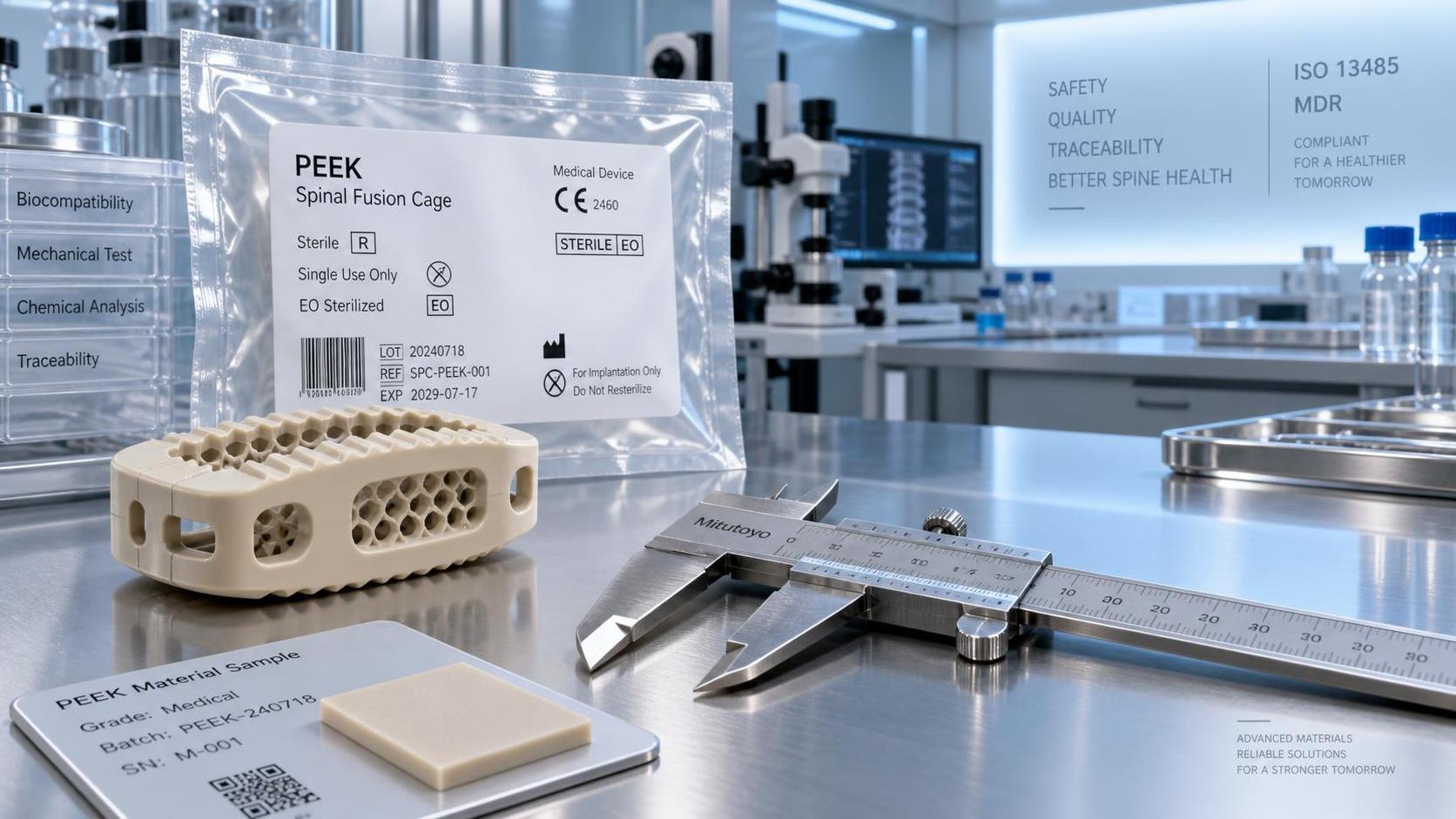
IMCS often highlights how ISO 10993 testing, CE MDR clinical logic, and procurement policy shifts can alter the economics of a device family long after initial approval.
If a supplier faces compliance gaps, the financial impact may appear as delayed deliveries, relabeling work, limited tenders, or abrupt product substitution.
In other words, regulatory strength is also a cost-control factor.
What signals usually deserve closer review?
Can a more expensive system still be the better financial choice?
Yes, if it improves economics across the care pathway.
A higher-priced minimally invasive surgery equipment platform may support shorter procedure time, lower complication rates, better visualization, or fewer consumables per case.
It may also reduce conversion to open surgery or simplify instrument handling.
Those gains matter because total cost includes downstream events, not just operating room inputs.
For example, if improved stapling reliability lowers leak risk, the financial effect may extend to readmission avoidance and shorter recovery burden.
The same logic applies to advanced dressings and catheter-related products connected to minimally invasive workflows.
When biocompatibility, precision machining, and consistent clinical performance are stronger, the total value may justify a higher unit price.
The key is evidence.
Premium claims should be linked to measurable outcomes, not brand language.
A better approval lens for minimally invasive surgery equipment
- Compare cost per successful case, not only unit price.
- Model best case, base case, and stressed volume scenarios.
- Include service interruptions and retraining in the forecast.
- Test whether clinical advantages are supported by published data.
- Review supplier resilience under policy-driven pricing pressure.
What is the smartest next step before making a final decision?
Build a total-cost model around real procedure mix.
That sounds simple, but it is where many strong decisions begin.
Separate fixed cost, per-case consumable cost, maintenance exposure, compliance demands, and expected utilization.
Then check whether the supplier can sustain quality, evidence, and delivery under changing procurement rules.
For minimally invasive surgery equipment, the most reliable decisions usually combine three views.
One is clinical usability. One is regulatory durability. One is long-term financial predictability.
This is also where sector intelligence becomes useful.
Platforms such as IMCS help connect material safety, Class III device regulation, consumable economics, and VBP pressure into one clearer picture.
If the goal is a defensible decision, start by validating cost per case, supply stability, compliance strength, and outcome evidence side by side.
That approach usually reveals what impacts total cost most, and what only looks cheaper at first glance.
Get weekly intelligence in your inbox.
No noise. No sponsored content. Pure intelligence.
News Recommendations
 Sep 15, 2026What drives medical device category pricing in value-based purchasing?What drives medical device category pricing in value-based purchasing?
 Sep 14, 2026High value consumables insights for evaluating total cost of careHigh value consumables insights for evaluating total cost of care
 Sep 13, 2026What a medical device market insights platform reveals about market accessWhat a medical device market insights platform reveals about market access
 Sep 12, 2026When are collagen-based tissue healing materials suitable for wound care?When are collagen-based tissue healing materials suitable for wound care?
 Sep 11, 2026How catheter material selection affects total cost of ownershipHow catheter material selection affects total cost of ownership
 Sep 10, 2026What FDA clearance means for medical grade PEEK implantsWhat FDA clearance means for medical grade PEEK implants
 Sep 09, 2026When do hydrogel wound healing technologies suit dry wounds?When do hydrogel wound healing technologies suit dry wounds?
 Sep 07, 2026How to assess medical consumables for surgical useHow to assess medical consumables for surgical use
 Sep 07, 2026How to verify CE MDR compliance for single-use medical consumablesHow to verify CE MDR compliance for single-use medical consumables
 Sep 05, 2026How to evaluate an antithrombotic catheter factory for qualityHow to evaluate an antithrombotic catheter factory for quality
 Sep 04, 2026When do minimally invasive surgical staplers improve GI access?When do minimally invasive surgical staplers improve GI access?
 Sep 03, 2026When are foam moist wound healing dressings appropriate for exuding wounds?When are foam moist wound healing dressings appropriate for exuding wounds?
 Sep 02, 2026How implant pricing affects access to advanced medical careHow implant pricing affects access to advanced medical care
 Sep 01, 2026What is driving price pressure in the North American medical consumables market?What is driving price pressure in the North American medical consumables market?
 Aug 31, 2026Comparing medical devices in Southeast Asia when market access differsComparing medical devices in Southeast Asia when market access differs
 Aug 30, 2026When are 3D printed PEEK implants suitable for spinal reconstruction?When are 3D printed PEEK implants suitable for spinal reconstruction?
 Aug 29, 2026How global medical device regulations shape clinical evidence requirementsHow global medical device regulations shape clinical evidence requirements
 Aug 28, 2026How to verify a burn care dressings exporter meets EU MDR requirementsHow to verify a burn care dressings exporter meets EU MDR requirements
 Aug 27, 2026How to verify a diabetic foot wound care supplier’s clinical evidenceHow to verify a diabetic foot wound care supplier’s clinical evidence
 Aug 26, 2026What drives spinal implants price differences across implant typesWhat drives spinal implants price differences across implant types
 Aug 25, 2026What matters most in a medical consumables platform comparisonWhat matters most in a medical consumables platform comparison
 Aug 24, 2026What a medical device intelligence guide should cover before market accessWhat a medical device intelligence guide should cover before market access
 Aug 23, 2026What drives catheter coating technology cost in early device designWhat drives catheter coating technology cost in early device design
 Aug 22, 2026How custom 3D printed medical implants meet biocompatibility requirementsHow custom 3D printed medical implants meet biocompatibility requirements
 Aug 21, 2026What makes an implant commercialization strategy in Europe fail at market accessWhat makes an implant commercialization strategy in Europe fail at market access
 Aug 20, 2026What drives catheter coating technology cost in product developmentWhat drives catheter coating technology cost in product development
 Aug 19, 2026What drives medical device compliance cost during market entryWhat drives medical device compliance cost during market entry