Precision Medical Components and Tolerance Control in Critical Devices
In critical devices, precision medical components are less about elegant machining than controlled clinical risk. A few microns can influence seal integrity, deployment force, wear behavior, thrombogenic response, and long-term stability. That is why tolerance control now sits at the intersection of engineering, regulatory evidence, and commercial feasibility across implants, interventional systems, and advanced consumables.
Why tolerance control has become a strategic issue
The market no longer evaluates medical components only by whether they function in a lab. It asks whether they perform consistently under strict Class III requirements, cost pressure, and real clinical variability.

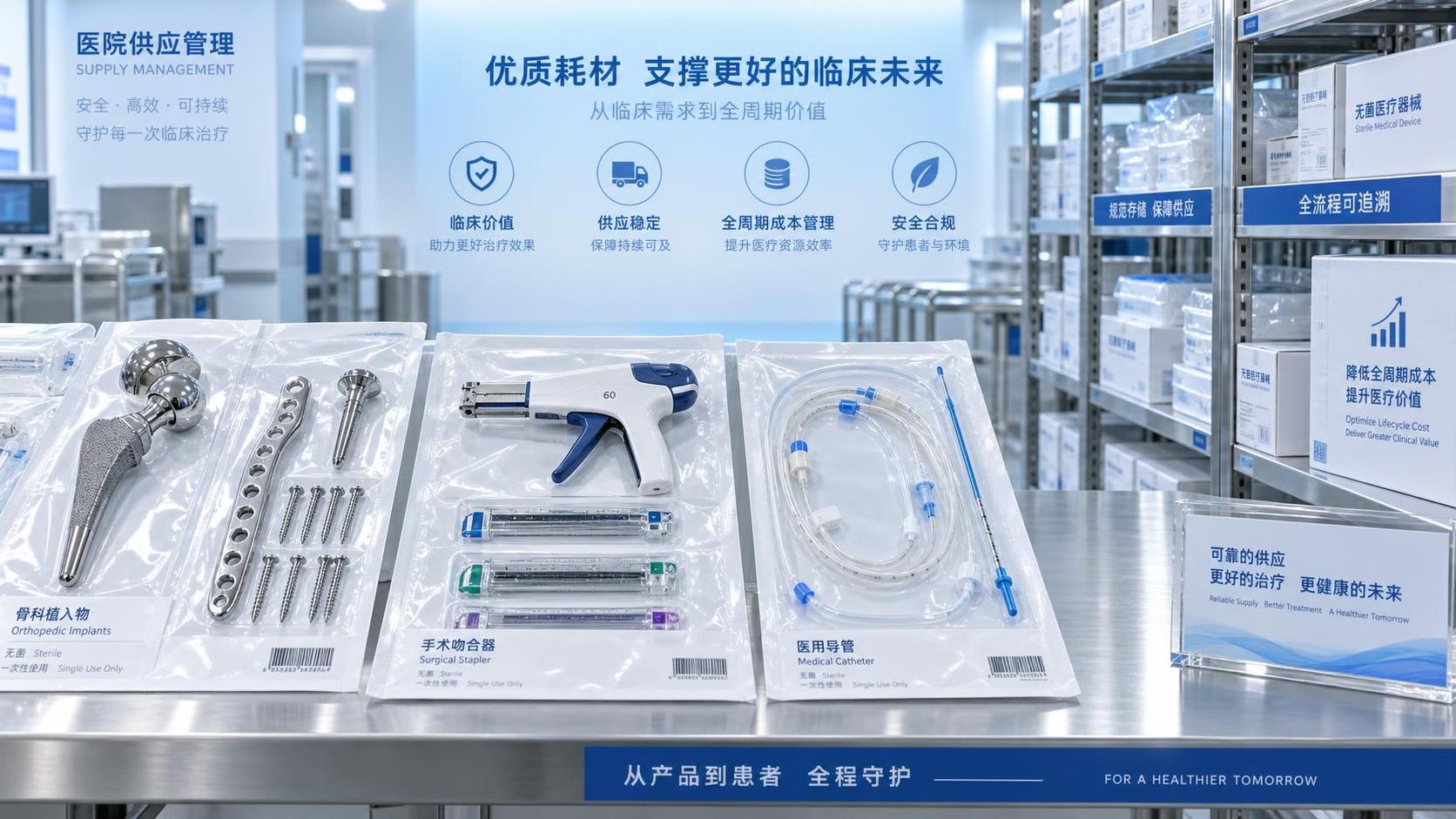
This is especially visible in the areas tracked by IMCS. Orthopedic implants, cardiovascular devices, stapling systems, polymer catheters, and advanced wound care all depend on dimensional stability in different ways.
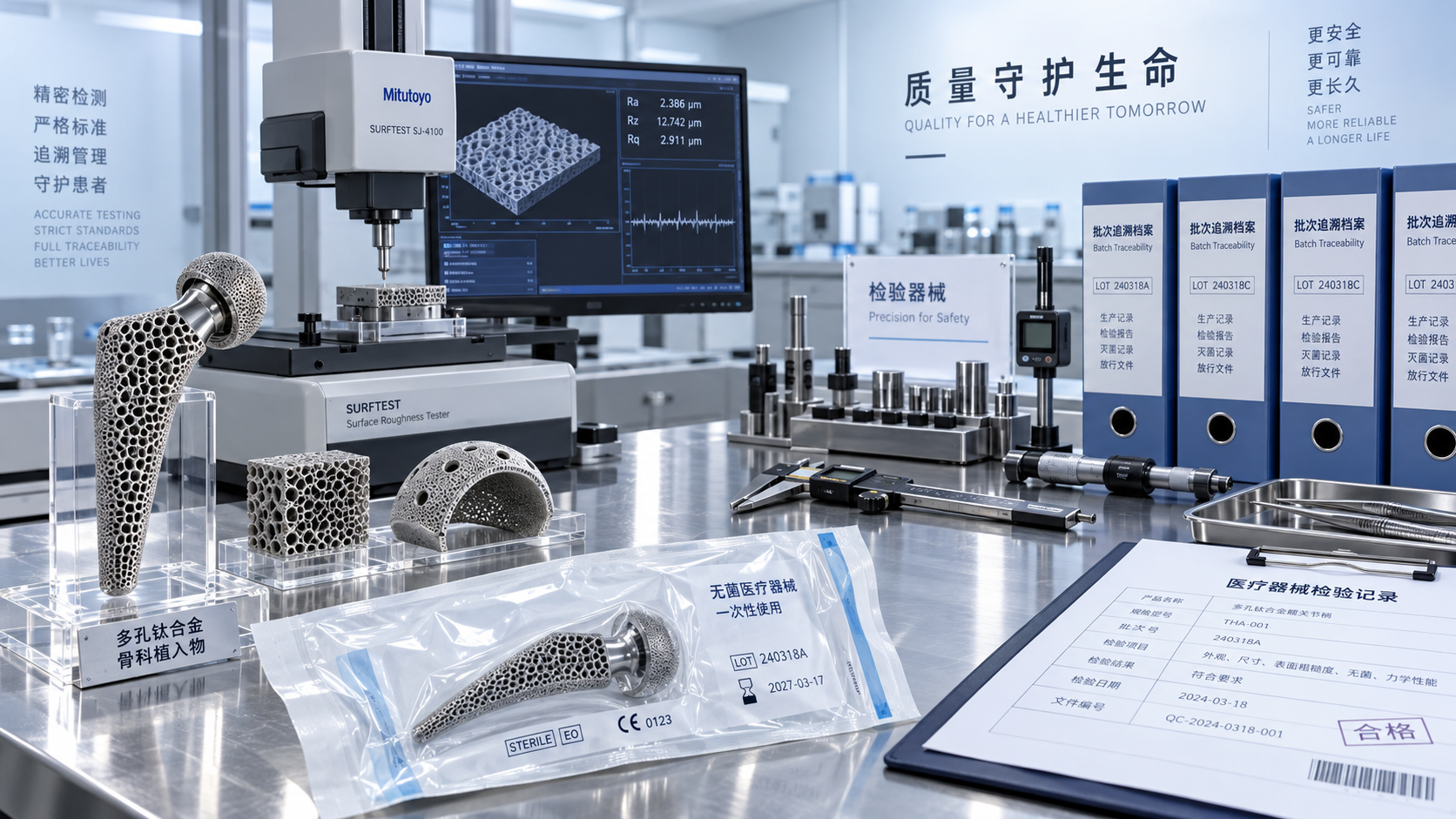
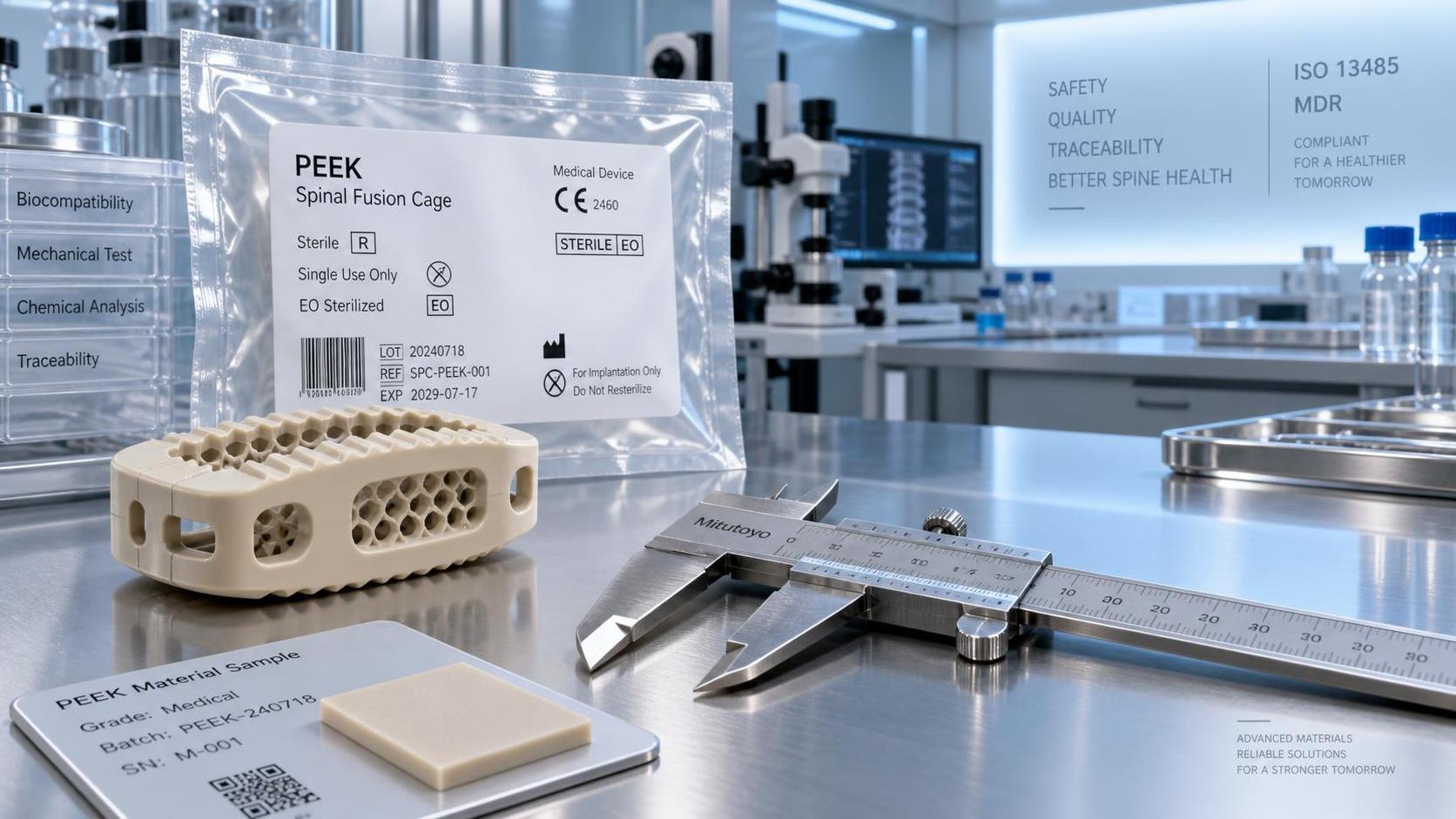
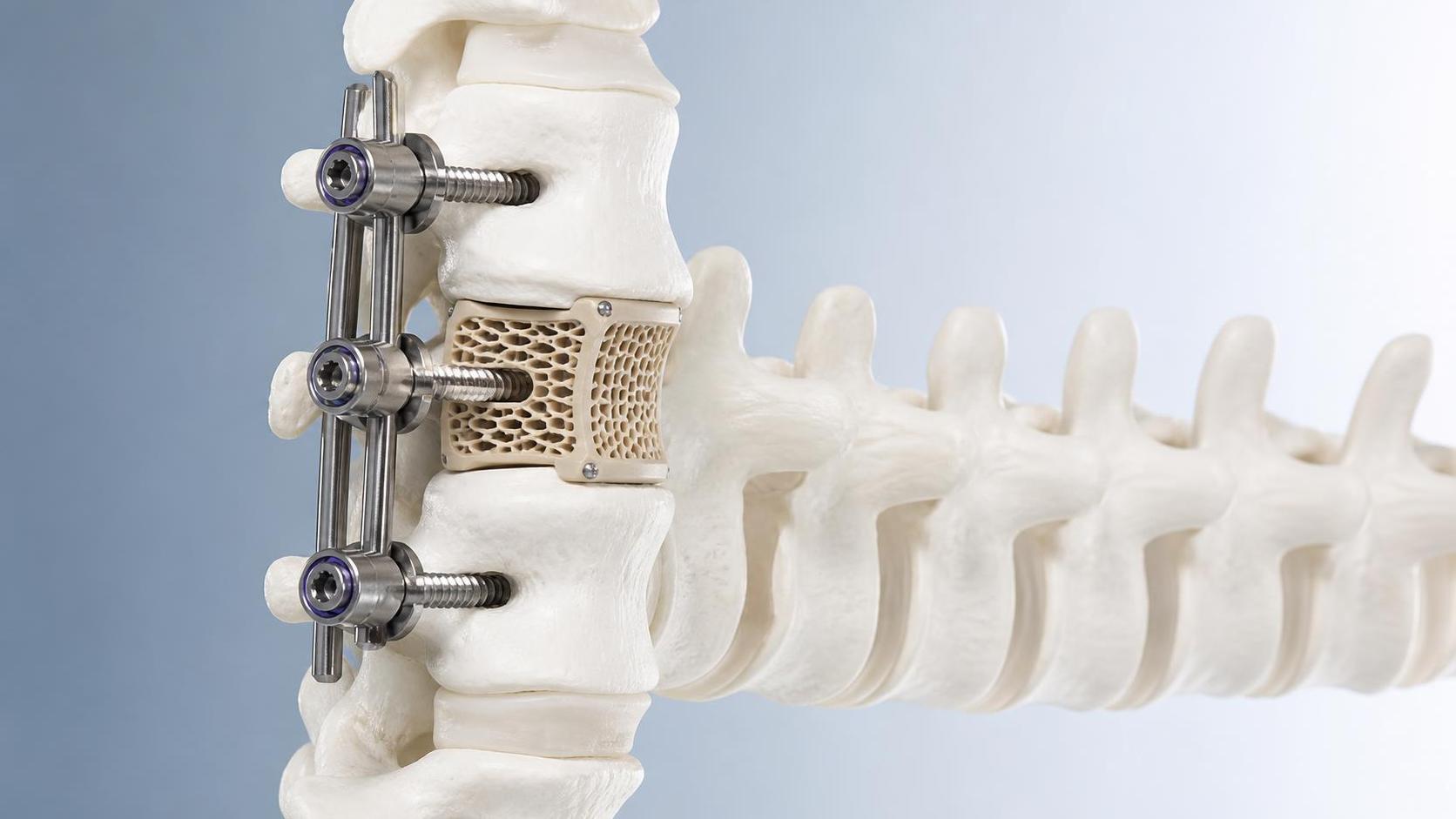
A spinal cage needs controlled pore geometry and surface accuracy. A drug-eluting stent needs repeatable strut dimensions. A stapler cartridge depends on staple formation tolerance. A microcatheter needs lumen consistency and wall uniformity.
In each case, precision medical components affect more than assembly yield. They shape how safely a device integrates with tissue, blood flow, force transmission, or healing conditions.
What precision medical components really mean in critical devices
The term includes machined metals, molded polymers, laser-cut structures, coated surfaces, porous frameworks, and miniature assemblies. Precision is not a single number. It is a managed relationship between design intent, manufacturing capability, and clinical use.
Tolerance control covers dimensions, geometry, roughness, concentricity, fit, material variation, coating thickness, and process repeatability. In implantable and invasive products, these factors often interact rather than fail independently.
A component can be within drawing limits and still create downstream problems. Surface energy may alter coating adhesion. Residual stress may affect fatigue life. A tight press fit may complicate sterilization validation or increase assembly damage.
That broader view matters because clinical performance rarely respects departmental boundaries. Manufacturing tolerance, biocompatibility testing, and post-market complaints are often linked by the same hidden variable.
Where the industry is paying closer attention
Several trends are raising the standard for precision medical components. One is the shift toward smaller, more complex, and less invasive devices. Another is the demand for stronger evidence under CE MDR and similar regulatory frameworks.
A third factor is economics. Under VBP and broader cost-control environments, pricing pressure punishes scrap, rework, unstable supply, and overengineered tolerances that add cost without adding measurable value.
IMCS observes this from both technical and intelligence angles. Biological safety, clinical evaluation logic, and procurement dynamics now influence how tolerance decisions are made long before commercial launch.
This means precision engineering is no longer isolated inside manufacturing. It becomes a portfolio decision involving toxicology boundaries, clinical claims, supplier resilience, and reimbursement realism.
High-impact pressure points
- Miniaturization increases sensitivity to burrs, wall variation, and assembly misalignment.
- Advanced materials add complexity in machining, bonding, and surface validation.
- Regulatory scrutiny requires traceable links between tolerances and clinical outcomes.
- Global sourcing makes process consistency harder to maintain across sites.
How different device categories experience tolerance risk
Tolerance control does not look the same across all critical devices. The table below shows how application context changes the meaning of precision medical components.
The lesson is practical. Tolerance decisions should be tied to the failure modes that matter most in each category, not copied from generic quality templates.
A better way to judge manufacturability and clinical relevance
Teams often overfocus on nominal dimensions and underfocus on tolerance rationale. A tighter tolerance is not automatically safer. Sometimes it creates fragile yield economics, supplier bottlenecks, or inspection burdens with little clinical return.
A stronger approach starts by mapping the parameter to a patient-relevant function. If a dimension affects deployment force, fixation stability, fluid path, or tissue trauma, it deserves higher control priority.
Then the process capability must be assessed in the real production environment. Bench precision without validated repeatability is not enough for critical devices with long regulatory memories.
Useful evaluation questions
- Which tolerances directly influence safety, efficacy, or healing quality?
- Which limits are inherited from legacy drawings rather than current evidence?
- Can the supplier hold the requirement across scale, sterilization, and lot variation?
- Does inspection measure what matters clinically, or only what is convenient?
- What is the cost of control compared with the cost of failure?
Why material behavior and regulation cannot be separated
Precision medical components are shaped by material science as much as geometry. Titanium, cobalt-chrome, nitinol, PEEK, silicone, and engineered polymers each respond differently to machining, forming, coating, and sterilization.
That matters because biological risk often begins with a manufacturing choice. Surface residues, particulates, roughness shifts, and extractables can change the outcome of ISO 10993 evaluation or create new verification work.
IMCS highlights this convergence well. Toxicology validation, clinical evidence review, and pricing intelligence all influence which component strategies remain viable in the long run.
For example, a highly precise coated catheter may still fail commercially if the process window is too narrow for scaled production. A beautifully machined implant may face delays if surface treatment complicates biological safety documentation.
How to apply this in real project decisions
In practice, the most effective programs treat tolerance control as a cross-functional framework. Design, quality, clinical, regulatory, sourcing, and operations need a shared view of which dimensions are critical and why.
This usually works best when component priorities are reviewed at three levels: patient impact, process capability, and market sustainability. Precision medical components only create value when all three remain aligned.
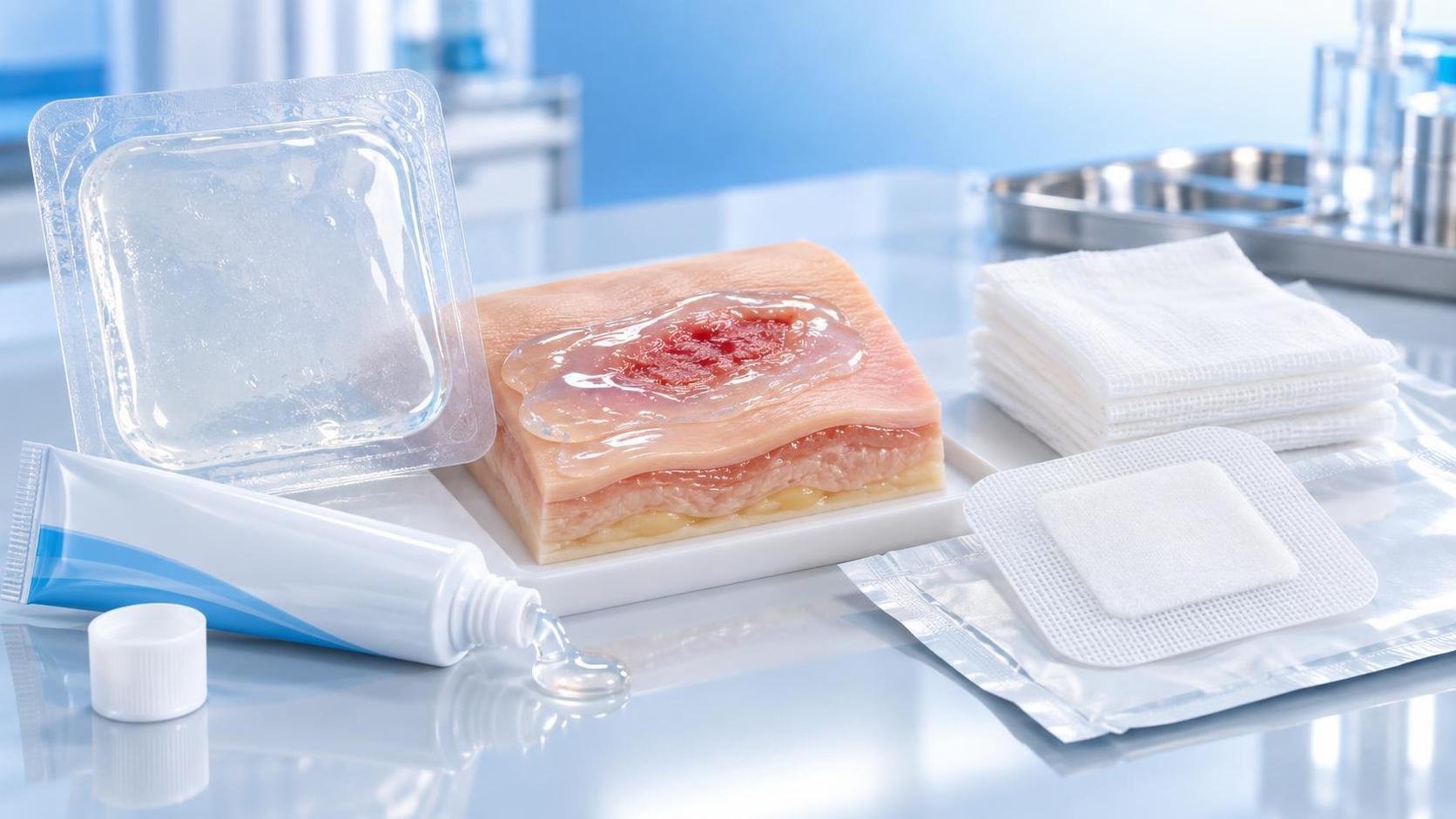
That alignment is increasingly important for high-value consumables. In stents, implants, staplers, and regenerative materials, premium positioning depends on evidence-backed precision rather than precision claimed for its own sake.
Practical next moves
- Rank component tolerances by patient consequence, not drawing tradition.
- Review whether critical dimensions connect clearly to verification and clinical claims.
- Compare supplier capability data with expected scale-up conditions.
- Check whether material, coating, and sterilization choices shift tolerance behavior.
- Use intelligence sources such as IMCS to connect engineering choices with regulation and procurement signals.
A useful next step is to reframe component review around risk pathways: where dimensional drift could affect tissue response, device reliability, approval timelines, or margin under procurement pressure. That lens makes precision medical components easier to judge, compare, and improve before costly issues reach the clinic.
Get weekly intelligence in your inbox.
No noise. No sponsored content. Pure intelligence.
News Recommendations
 Sep 23, 2026How to verify the sterility assurance of surgical devicesHow to verify the sterility assurance of surgical devices
 Sep 22, 2026How to assess a spinal implants manufacturer’s quality systemHow to assess a spinal implants manufacturer’s quality system
 Sep 21, 2026How to assess an osseointegration technology manufacturer’s quality systemHow to assess an osseointegration technology manufacturer’s quality system
 Sep 20, 2026Medical material science trends reshaping biocompatibility testingMedical material science trends reshaping biocompatibility testing
 Sep 19, 2026What North American regulators expect in implant clinical evaluationsWhat North American regulators expect in implant clinical evaluations
 Sep 18, 2026When should plate and screw systems be selected for fracture fixation?When should plate and screw systems be selected for fracture fixation?
 Sep 17, 2026How a medical device sourcing strategy can reduce total acquisition costHow a medical device sourcing strategy can reduce total acquisition cost
 Sep 16, 2026When are silver foam burn care dressings appropriate for exuding burns?When are silver foam burn care dressings appropriate for exuding burns?
 Sep 15, 2026What drives medical device category pricing in value-based purchasing?What drives medical device category pricing in value-based purchasing?
 Sep 14, 2026High value consumables insights for evaluating total cost of careHigh value consumables insights for evaluating total cost of care
 Sep 13, 2026What a medical device market insights platform reveals about market accessWhat a medical device market insights platform reveals about market access
 Sep 12, 2026When are collagen-based tissue healing materials suitable for wound care?When are collagen-based tissue healing materials suitable for wound care?
 Sep 11, 2026How catheter material selection affects total cost of ownershipHow catheter material selection affects total cost of ownership
 Sep 10, 2026What FDA clearance means for medical grade PEEK implantsWhat FDA clearance means for medical grade PEEK implants
 Sep 09, 2026When do hydrogel wound healing technologies suit dry wounds?When do hydrogel wound healing technologies suit dry wounds?
 Sep 07, 2026How to assess medical consumables for surgical useHow to assess medical consumables for surgical use
 Sep 07, 2026How to verify CE MDR compliance for single-use medical consumablesHow to verify CE MDR compliance for single-use medical consumables
 Sep 05, 2026How to evaluate an antithrombotic catheter factory for qualityHow to evaluate an antithrombotic catheter factory for quality
 Sep 04, 2026When do minimally invasive surgical staplers improve GI access?When do minimally invasive surgical staplers improve GI access?
 Sep 03, 2026When are foam moist wound healing dressings appropriate for exuding wounds?When are foam moist wound healing dressings appropriate for exuding wounds?
 Sep 02, 2026How implant pricing affects access to advanced medical careHow implant pricing affects access to advanced medical care
 Sep 01, 2026What is driving price pressure in the North American medical consumables market?What is driving price pressure in the North American medical consumables market?
 Aug 31, 2026Comparing medical devices in Southeast Asia when market access differsComparing medical devices in Southeast Asia when market access differs
 Aug 30, 2026When are 3D printed PEEK implants suitable for spinal reconstruction?When are 3D printed PEEK implants suitable for spinal reconstruction?
 Aug 29, 2026How global medical device regulations shape clinical evidence requirementsHow global medical device regulations shape clinical evidence requirements
 Aug 28, 2026How to verify a burn care dressings exporter meets EU MDR requirementsHow to verify a burn care dressings exporter meets EU MDR requirements
 Aug 27, 2026How to verify a diabetic foot wound care supplier’s clinical evidenceHow to verify a diabetic foot wound care supplier’s clinical evidence