Medical Materials Regulation: Key Testing and Documentation Risks
Medical materials regulation now shapes approval timelines, supply continuity, and clinical trust at the same time. In high-value consumables, a missing extractables rationale or a weak traceability file can become a market-access problem, not just a documentation issue.
That is why this topic matters across orthopedic implants, cardiovascular devices, polymer catheters, stapling systems, and advanced wound care. In practice, the biggest failures rarely start with one dramatic defect. They usually begin with small gaps between testing logic, material changes, and the evidence stored in technical files.
Why does medical materials regulation feel tougher than before?

The short answer is that regulators now expect stronger links between material science, manufacturing controls, and real clinical use. A test report alone is rarely enough. The file must explain why the test was chosen, how the sample represents production, and what risk remains afterward.
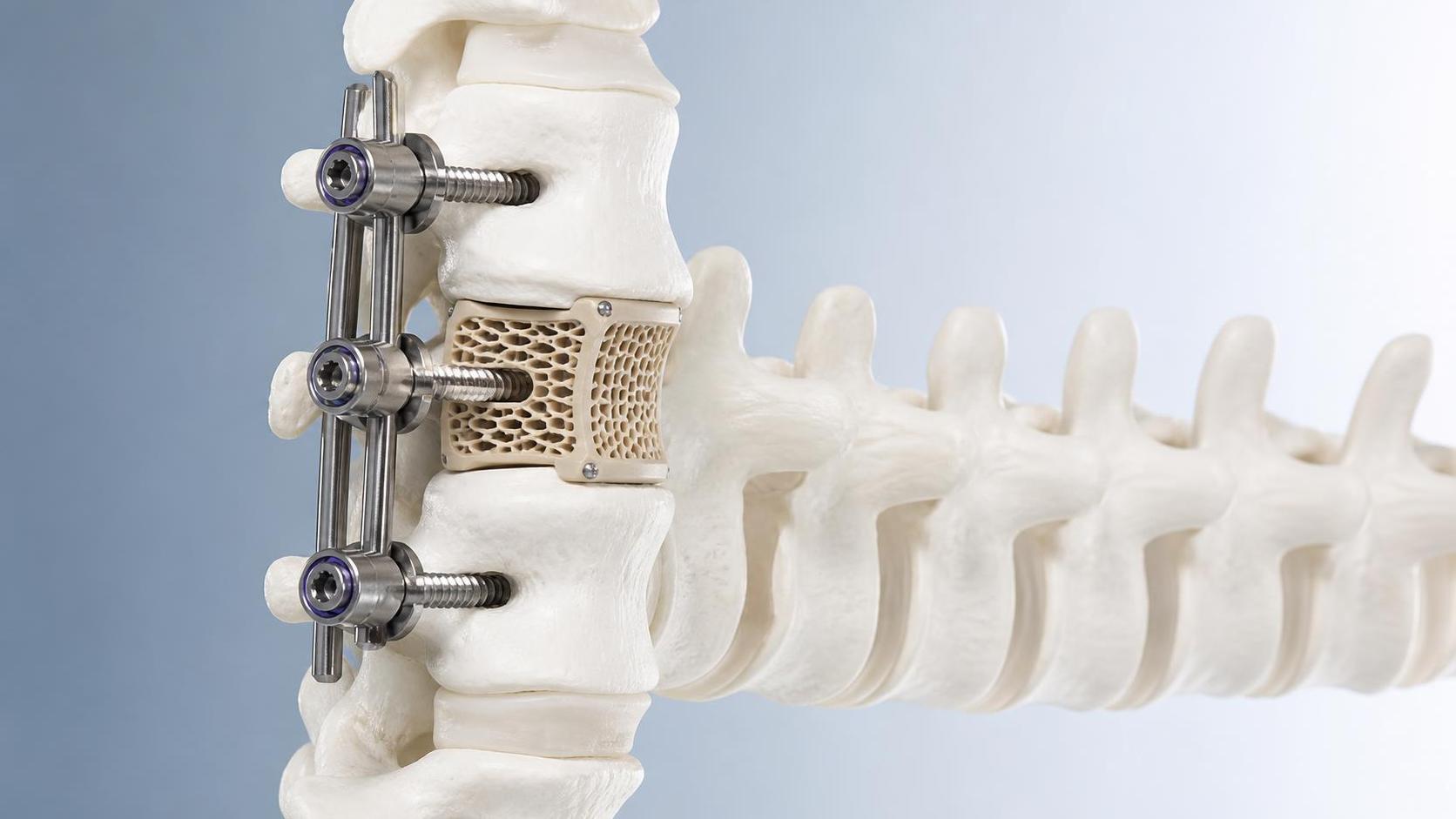
This is especially visible in Class III pathways and CE MDR reviews. For example, a titanium spinal implant, a DES platform, and a hydrophilic neuro catheter each face different contact profiles, failure modes, and evidence burdens. Medical materials regulation treats those differences seriously.
A broader industry shift is also driving the pressure. Intelligence platforms such as IMCS track how biocompatibility, micron-level machining, clinical evaluation, and cost-control policies increasingly interact. A material decision can influence not only safety testing, but also reimbursement pressure, sourcing resilience, and long-term portfolio strategy.
Which testing gaps create the highest regulatory risk?
Many teams assume the main risk is failing ISO 10993 tests. More often, the real problem is poor test design. Regulators look closely at whether the biological evaluation plan matches contact duration, tissue type, sterilization status, and worst-case chemistry.
For medical materials regulation, several failure patterns appear again and again:
- Using legacy biocompatibility data after a resin, additive, or coating change.
- Testing polished prototypes instead of final-process or sterilized samples.
- Treating extractables and leachables as optional for drug-contacting or blood-contacting systems.
- Failing to justify particulate, degradation, or corrosion risks for long-term implants.
- Separating chemical characterization from toxicological risk assessment.
In actual submissions, orthopedic and cardiovascular products often draw the deepest review. Porous implants can introduce residue and cleaning questions. Stent coatings can trigger concerns about impurities, release behavior, and shelf-life stability. Catheters raise repeated questions around thrombogenicity, kink resistance, and surface durability after aging.
A useful rule is simple: if the material touches blood, bone, soft tissue, or a healing wound for longer than expected, the testing story must become more detailed, not less.
A quick judgment table for common testing weak points
The table below helps connect frequent review questions with the kind of evidence that usually resolves them faster.
When does documentation become the bigger problem than testing?
Quite often, especially when test results exist but the technical file cannot explain them. Medical materials regulation is increasingly document-driven. Reviewers want to trace every claim back to design inputs, material specifications, process controls, and post-market assumptions.
A common example is material equivalence. A file may state that a new catheter grade is “substantially similar” to a previously cleared grade. If the supplier changed the stabilizer package or coating primer, that statement may collapse without a new gap assessment.
The same applies to outsourced processes. Sterilization, coating, heat treatment, additive manufacturing, and packaging often sit outside one site. If supplier controls, quality agreements, and change notification rules are weak, the documentation risk quickly spreads.
The safest approach is to keep the file connected through a clear evidence chain:
- Define the exact material version, supplier, and specification revision.
- Tie test samples to lot history and final manufacturing conditions.
- Record why each omission is scientifically justified.
- Align risk management, CER support, and post-market follow-up assumptions.
This is where IMCS-style intelligence becomes useful. It is not only about reading standards. It is about understanding how toxicology logic, clinical evidence expectations, and policy pressure intersect around one material platform.
Are traceability and change control really central to medical materials regulation?
Yes, and more than many teams expect. A technically acceptable material can still create a serious compliance issue if traceability breaks across incoming inspection, processing, sterilization, and release documentation.
This matters most in products with layered material architectures. Think of a drug-coated stent, a porous titanium implant, or a silver-ion foam dressing. Several inputs may influence final biological behavior, yet only one undocumented change is enough to trigger a re-review.
More common weak points include:
- Supplier certificates that do not match the released specification revision.
- Material regrind, blending, or rework rules that are unclear.
- Incomplete linkage between nonconformance records and risk evaluation.
- Change assessments that focus on cost or lead time, but not patient-contact impact.
Under medical materials regulation, change control should answer one practical question: if this input changes, what evidence must be repeated, updated, or re-justified? That single question prevents many late-stage surprises.
How can teams judge whether a material change needs re-testing?
There is no universal shortcut, but there is a sensible path. Start with patient contact, then move to chemistry, then process impact. A colorant update on external packaging is not the same as a lubricant change inside a blood-contacting catheter.
In practical terms, re-testing becomes more likely when the change affects:
- Surface chemistry, coating adhesion, or particulate generation.
- Residuals from cleaning, sterilization, or additive manufacturing steps.
- Mechanical behavior tied to clinical safety, such as fatigue or burst strength.
- Long-term stability, degradation profile, or drug-release behavior.
For implants and regenerative materials, the threshold for caution should be even lower. IMCS has highlighted how small formulation or porosity changes can alter osseointegration, inflammatory response, or healing performance in ways that are not obvious from bench data alone.
A robust internal review usually combines toxicology input, materials engineering, process validation, and clinical reasoning. If one of those voices is missing, the decision may look efficient early and expensive later.
What does a stronger compliance routine actually look like?
It looks less like a last-minute submission scramble and more like an evidence map that is updated from development through post-market review. Medical materials regulation rewards consistency more than volume.
A practical routine often includes a few habits:
- Build a material master list with approved grades, additives, coatings, and supplier revisions.
- Link every biological endpoint to a defined sample condition and risk statement.
- Review technical documentation after each design or process change, not only before submission.
- Watch policy and reimbursement trends that may change sourcing or reformulation pressure.
- Use post-market complaints and CAPA signals to refine the testing strategy.
That last point is often underestimated. If complaints suggest coating flake-off, staple deformation, unusual thrombogenic events, or delayed wound healing, the technical file should not remain frozen. Medical materials regulation expects learning loops, not static archives.
The most resilient organizations treat material evidence as a living system. They keep testing logic, documentation quality, and regulatory intelligence moving together. That is especially important in sectors where innovation, procurement pressure, and patient risk meet in the same product.
Where should the next review begin?
Start with the products carrying the highest combination of patient-contact risk, material complexity, and documentation age. A mature file is not always a safe file. Older evidence may reflect outdated standards, retired suppliers, or incomplete toxicological logic.
A focused review should ask three things. Does the test strategy still match the current device? Can every material claim be traced to controlled records? Has any commercial or process change quietly altered the safety profile?
Medical materials regulation is now a decision framework for approval, continuity, and credibility. The smartest next step is not more paperwork for its own sake. It is a targeted gap review, followed by a clear re-testing and documentation plan where risk is highest.
Get weekly intelligence in your inbox.
No noise. No sponsored content. Pure intelligence.
News Recommendations
 Sep 23, 2026How to verify the sterility assurance of surgical devicesHow to verify the sterility assurance of surgical devices
 Sep 22, 2026How to assess a spinal implants manufacturer’s quality systemHow to assess a spinal implants manufacturer’s quality system
 Sep 21, 2026How to assess an osseointegration technology manufacturer’s quality systemHow to assess an osseointegration technology manufacturer’s quality system
 Sep 20, 2026Medical material science trends reshaping biocompatibility testingMedical material science trends reshaping biocompatibility testing
 Sep 19, 2026What North American regulators expect in implant clinical evaluationsWhat North American regulators expect in implant clinical evaluations
 Sep 18, 2026When should plate and screw systems be selected for fracture fixation?When should plate and screw systems be selected for fracture fixation?
 Sep 17, 2026How a medical device sourcing strategy can reduce total acquisition costHow a medical device sourcing strategy can reduce total acquisition cost
 Sep 16, 2026When are silver foam burn care dressings appropriate for exuding burns?When are silver foam burn care dressings appropriate for exuding burns?
 Sep 15, 2026What drives medical device category pricing in value-based purchasing?What drives medical device category pricing in value-based purchasing?
 Sep 14, 2026High value consumables insights for evaluating total cost of careHigh value consumables insights for evaluating total cost of care
 Sep 13, 2026What a medical device market insights platform reveals about market accessWhat a medical device market insights platform reveals about market access
 Sep 12, 2026When are collagen-based tissue healing materials suitable for wound care?When are collagen-based tissue healing materials suitable for wound care?
 Sep 11, 2026How catheter material selection affects total cost of ownershipHow catheter material selection affects total cost of ownership
 Sep 10, 2026What FDA clearance means for medical grade PEEK implantsWhat FDA clearance means for medical grade PEEK implants
 Sep 09, 2026When do hydrogel wound healing technologies suit dry wounds?When do hydrogel wound healing technologies suit dry wounds?
 Sep 07, 2026How to assess medical consumables for surgical useHow to assess medical consumables for surgical use
 Sep 07, 2026How to verify CE MDR compliance for single-use medical consumablesHow to verify CE MDR compliance for single-use medical consumables
 Sep 05, 2026How to evaluate an antithrombotic catheter factory for qualityHow to evaluate an antithrombotic catheter factory for quality
 Sep 04, 2026When do minimally invasive surgical staplers improve GI access?When do minimally invasive surgical staplers improve GI access?
 Sep 03, 2026When are foam moist wound healing dressings appropriate for exuding wounds?When are foam moist wound healing dressings appropriate for exuding wounds?
 Sep 02, 2026How implant pricing affects access to advanced medical careHow implant pricing affects access to advanced medical care
 Sep 01, 2026What is driving price pressure in the North American medical consumables market?What is driving price pressure in the North American medical consumables market?
 Aug 31, 2026Comparing medical devices in Southeast Asia when market access differsComparing medical devices in Southeast Asia when market access differs
 Aug 30, 2026When are 3D printed PEEK implants suitable for spinal reconstruction?When are 3D printed PEEK implants suitable for spinal reconstruction?
 Aug 29, 2026How global medical device regulations shape clinical evidence requirementsHow global medical device regulations shape clinical evidence requirements
 Aug 28, 2026How to verify a burn care dressings exporter meets EU MDR requirementsHow to verify a burn care dressings exporter meets EU MDR requirements
 Aug 27, 2026How to verify a diabetic foot wound care supplier’s clinical evidenceHow to verify a diabetic foot wound care supplier’s clinical evidence