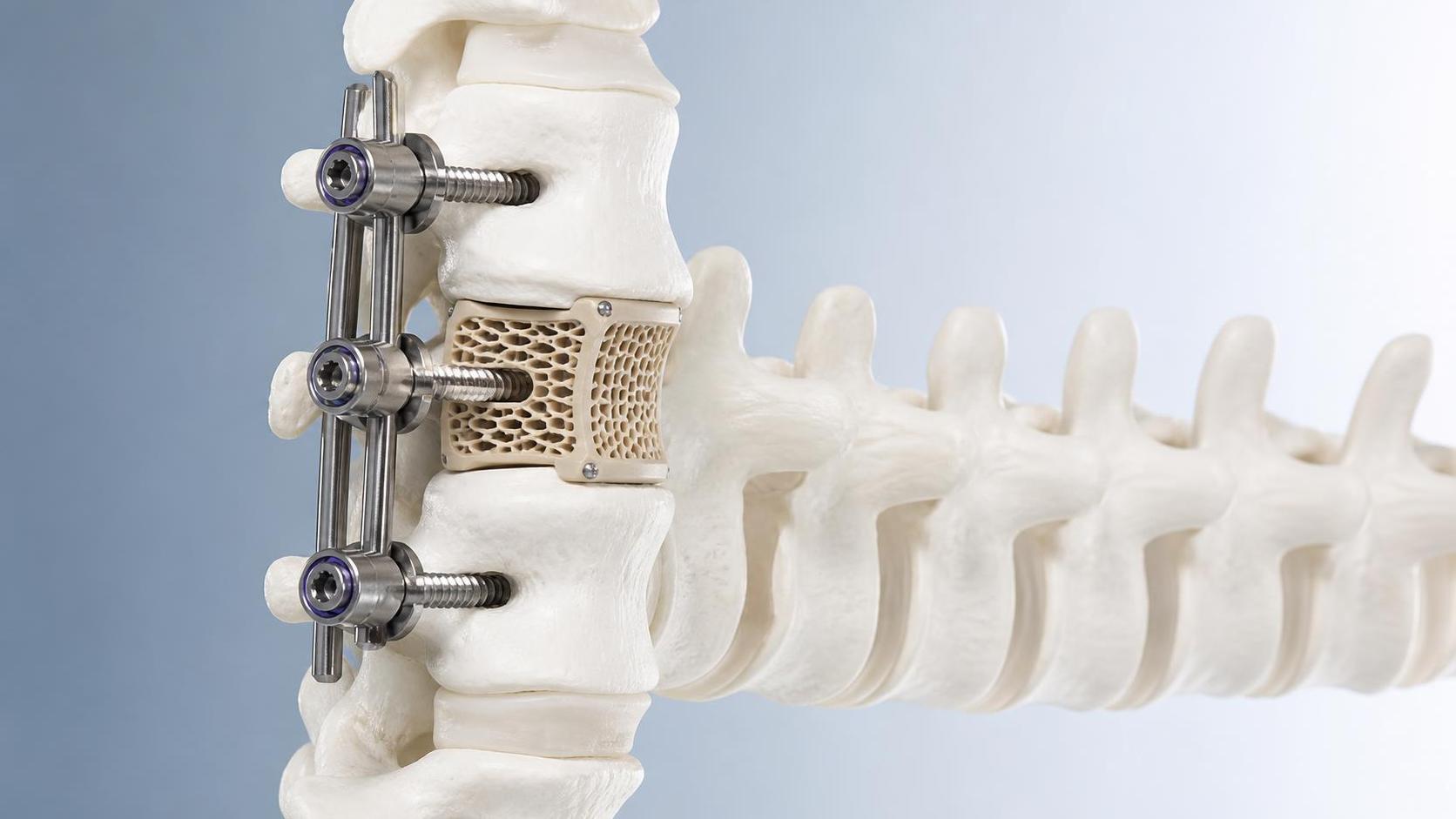
Precision Medical Machining Defects: Causes, Tolerances, and Fixes
Why Precision Medical Machining Defects Matter in Service Work
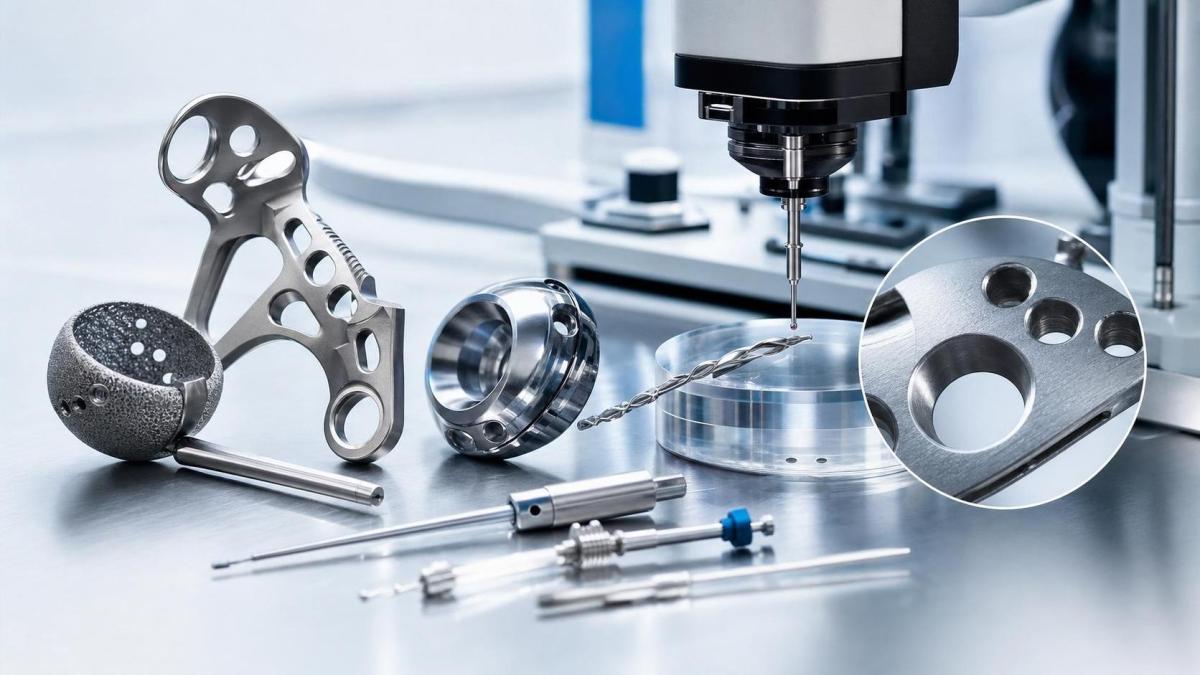
In precision medical machining, tiny flaws rarely stay tiny for long.
A burr on a stapler jaw can disrupt closure.
A taper mismatch on an implant can raise wear.
A rough catheter feature can increase friction during use.
For service teams, these issues often appear as returns, complaints, or unexplained field failures.
That is why precision medical machining is not only a factory topic.
It directly affects troubleshooting speed, replacement decisions, and regulatory confidence.
In the IMCS view, post-market support works best when defect patterns are linked to process reality.
That means reading symptoms through material behavior, tolerance shifts, and device function.
Once that link is clear, corrective action becomes faster and far more practical.
The Most Common Precision Medical Machining Defects
Most service cases trace back to a short list of recurring defects.
The surface symptom may differ, but the root causes often repeat.
- Burrs and sharp edges that interfere with mating, sealing, or tissue-contact safety.
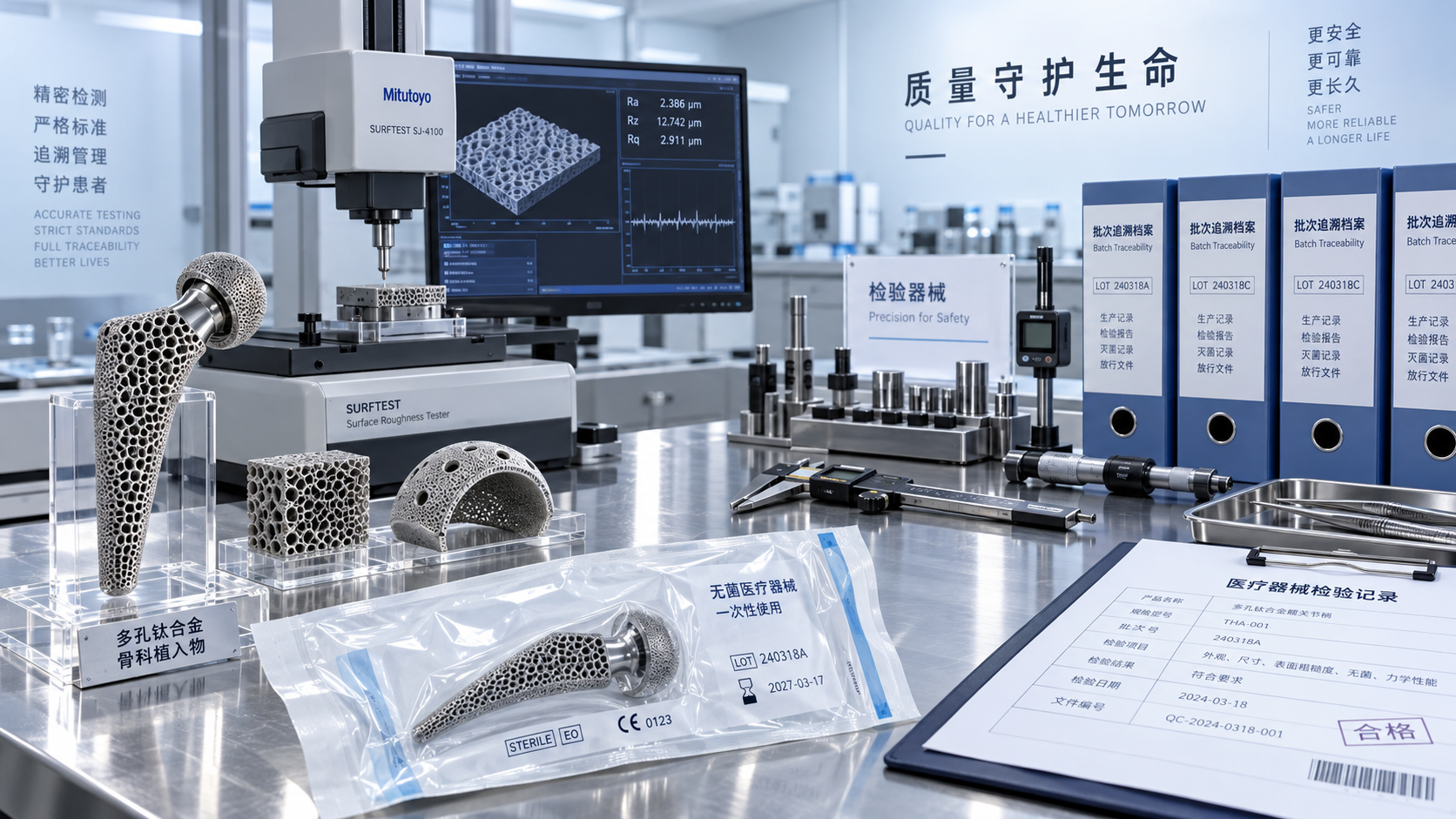
- Surface roughness drift that raises friction, traps debris, or reduces cleanability.
- Dimensional deviation that changes fit, force, alignment, or deployment behavior.
- Tool marks and chatter that weaken fatigue resistance on critical features.
- Microcracks from machining stress, grinding heat, or poor finishing control.
- Out-of-round holes and shafts that create unstable motion or leakage risks.
- Residual contamination from coolant, chips, polishing media, or passivation errors.
In precision medical machining, even a compliant dimension can hide a functional defect.
A part may pass inspection and still fail in motion, sealing, or repeated loading.
That is why visual checks alone rarely solve difficult service returns.
Main Causes Behind Defects and Tolerance Drift
When failures repeat, the process chain usually tells the real story.
In precision medical machining, root causes usually sit in six areas.
1. Tool Wear and Tool Selection
Worn tools cut differently long before total failure appears.
Edge radius changes can alter burr formation, hole size, and finish quality.
This matters especially with titanium, cobalt-chrome, PEEK, and thin-wall stainless parts.
2. Heat Build-Up
Heat distorts dimensions, changes surface integrity, and can trigger metallurgical damage.
For implants and interventional components, that can reduce fatigue life or coating performance.
3. Machine Calibration and Fixturing Errors
A stable program still fails if the fixture does not hold repeatably.
Misalignment, clamp distortion, or spindle runout often show up as shifting tolerances.
4. Material Variation
Different lots may respond differently to the same speed, feed, and coolant strategy.
That is more obvious in porous implant structures and high-performance medical polymers.
5. Finishing and Cleaning Variation
Deburring, polishing, passivation, and cleaning can correct or create defects.
A part can leave machining correctly and then fail after aggressive finishing.
6. Incomplete Inspection Strategy
If inspection checks only nominal dimensions, functional defects stay hidden.
Surface condition, concentricity, edge state, and particulate risk deserve equal attention.
How Tolerances Translate Into Real-World Device Problems
Tolerances are not abstract numbers in precision medical machining.
They control motion, sealing, force transfer, and long-term stability.
A few microns can decide whether a part glides, locks, leaks, or wears early.
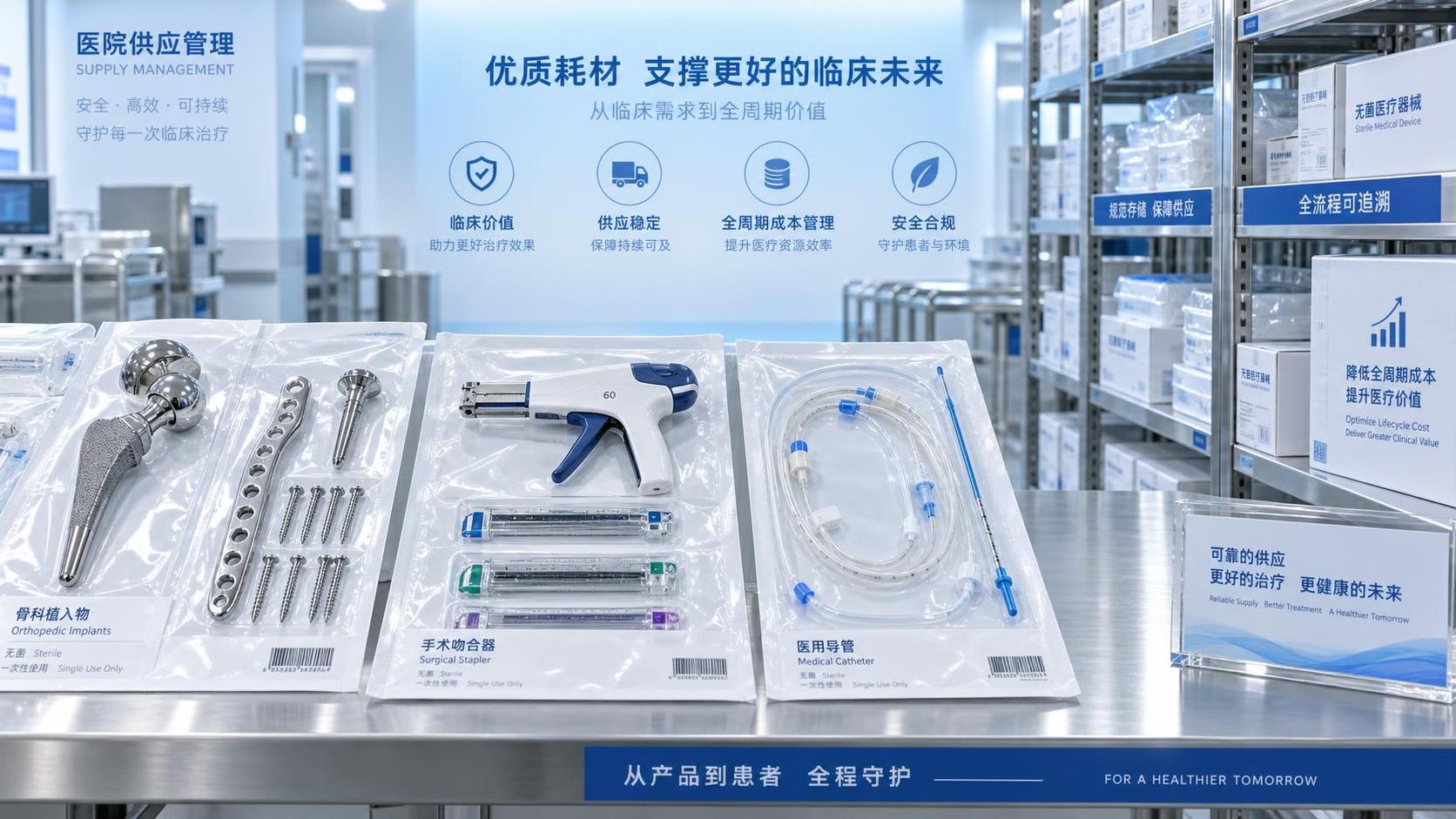
For orthopedic components, poor taper or bore control may generate fretting and debris.
For catheters, inconsistent lumens can raise push force and reduce trackability.
For staplers, jaw geometry drift can change staple formation and closure consistency.
This is where precision medical machining directly connects to patient-facing performance.
A Practical Troubleshooting Workflow for Service Teams
When a device returns from the field, speed matters.
Still, speed without structure usually causes repeated misdiagnosis.
A simple workflow makes precision medical machining issues easier to isolate.
- Record the symptom exactly as observed, not as first assumed.
- Check batch, lot, material, and manufacturing date for pattern clustering.
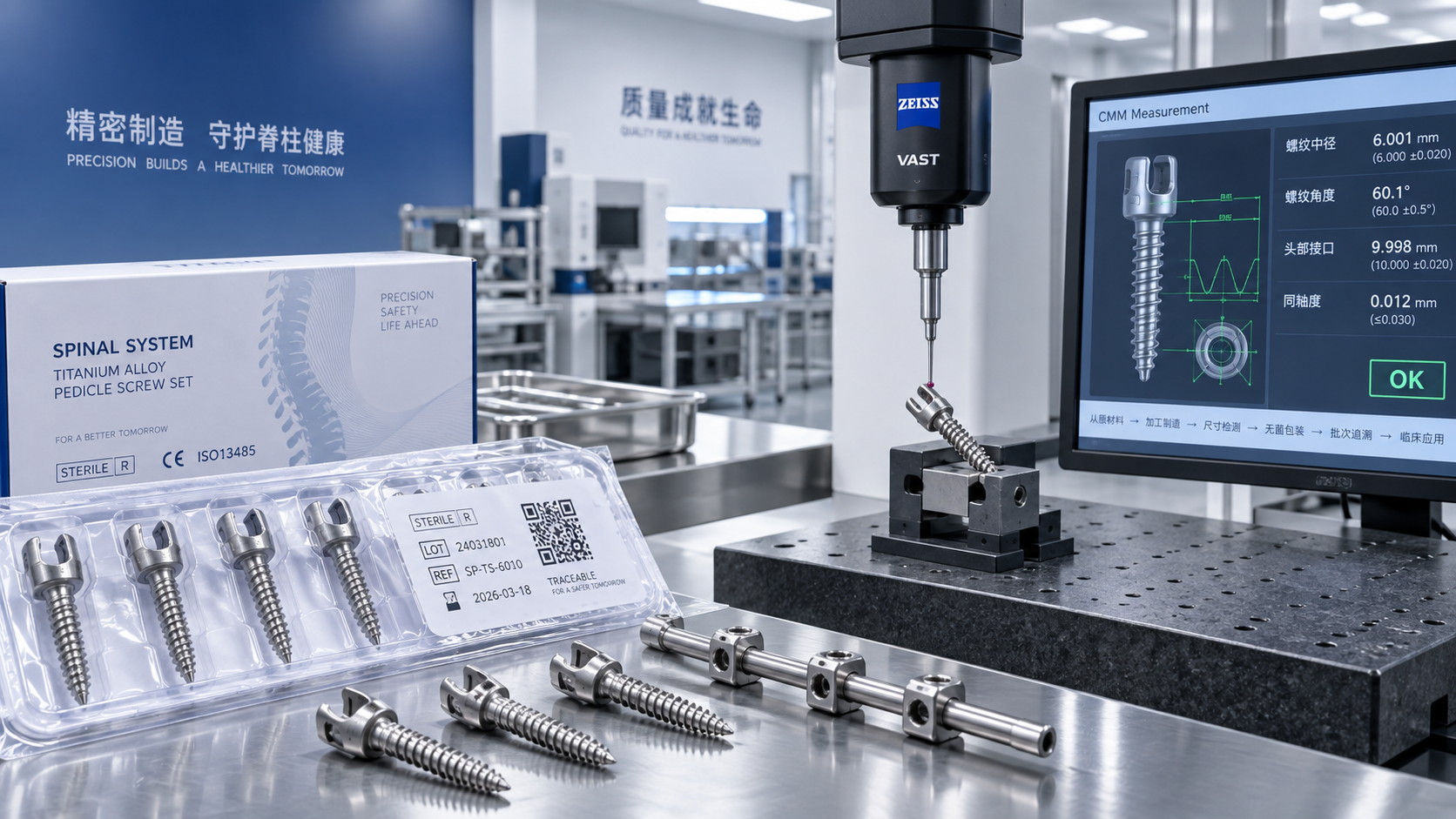
- Inspect edge condition, finish, fit surfaces, and mating geometry first.
- Compare failed and good samples using the same measurement method.
- Review process changes, tool life records, and finishing history.
- Separate dimensional nonconformance from functional nonconformance.
- Decide whether containment, rework, replacement, or escalation is safest.
That fifth step is often overlooked.
In many cases, the issue starts when a tool is changed, a supplier lot shifts, or polishing time increases.
Without that timeline, root-cause analysis stays too generic to be useful.
Corrective Actions That Actually Reduce Repeat Failures
Good fixes are specific, measurable, and tied to process behavior.
In precision medical machining, broad statements rarely stop recurrence.
Tighten Process Controls
Shorten tool replacement intervals if wear correlates with burr growth or finish drift.
Add in-process checks for critical diameters, edge state, and runout.
Improve Functional Inspection
Use gauges, force testing, or mating trials that reflect actual device use.
Dimensional compliance alone is not enough for precision medical machining validation.
Control Heat and Finishing Energy
Adjust feeds, speeds, coolant delivery, or polishing time when thermal effects are suspected.
This is especially important for fatigue-sensitive or thin-wall medical components.
Strengthen Cleanliness Verification
Add particulate checks after deburring, blasting, polishing, and final cleaning.
For Class III devices, residue concerns quickly become compliance concerns.
Close the Loop With Design and Quality
Some repeat service issues reveal an unrealistic tolerance stack, not poor execution.
When that happens, escalation should include design intent, risk review, and field evidence.
How IMCS Frames Precision Medical Machining Risk
IMCS tracks precision medical machining as a combined engineering and market-access issue.
A machining defect is never only a defect.
It can affect clinical performance, complaint rates, regulatory exposure, and cost control under VBP pressure.
For implants, biocompatibility and fatigue concerns raise the bar.
For interventional consumables, friction and dimensional stability dominate usability.
For staplers, repeatability under load becomes the main service question.
That broader perspective helps service teams judge urgency and communicate risk more clearly.
Final Takeaway
Precision medical machining problems are easier to solve when symptoms are translated into process causes.
Look first at edge quality, surface integrity, fit behavior, heat effects, and cleaning residue.
Then connect those findings to tolerance impact and actual device function.
That approach shortens investigations and reduces repeat failures.
In real service work, the most useful question is simple.
Which precision medical machining change best explains the field symptom seen today?
Answer that well, and the fix usually becomes clear, defensible, and safer to implement.
Get weekly intelligence in your inbox.
No noise. No sponsored content. Pure intelligence.
News Recommendations
 Sep 23, 2026How to verify the sterility assurance of surgical devicesHow to verify the sterility assurance of surgical devices
 Sep 22, 2026How to assess a spinal implants manufacturer’s quality systemHow to assess a spinal implants manufacturer’s quality system
 Sep 21, 2026How to assess an osseointegration technology manufacturer’s quality systemHow to assess an osseointegration technology manufacturer’s quality system
 Sep 20, 2026Medical material science trends reshaping biocompatibility testingMedical material science trends reshaping biocompatibility testing
 Sep 19, 2026What North American regulators expect in implant clinical evaluationsWhat North American regulators expect in implant clinical evaluations
 Sep 18, 2026When should plate and screw systems be selected for fracture fixation?When should plate and screw systems be selected for fracture fixation?
 Sep 17, 2026How a medical device sourcing strategy can reduce total acquisition costHow a medical device sourcing strategy can reduce total acquisition cost
 Sep 16, 2026When are silver foam burn care dressings appropriate for exuding burns?When are silver foam burn care dressings appropriate for exuding burns?
 Sep 15, 2026What drives medical device category pricing in value-based purchasing?What drives medical device category pricing in value-based purchasing?
 Sep 14, 2026High value consumables insights for evaluating total cost of careHigh value consumables insights for evaluating total cost of care
 Sep 13, 2026What a medical device market insights platform reveals about market accessWhat a medical device market insights platform reveals about market access
 Sep 12, 2026When are collagen-based tissue healing materials suitable for wound care?When are collagen-based tissue healing materials suitable for wound care?
 Sep 11, 2026How catheter material selection affects total cost of ownershipHow catheter material selection affects total cost of ownership
 Sep 10, 2026What FDA clearance means for medical grade PEEK implantsWhat FDA clearance means for medical grade PEEK implants
 Sep 09, 2026When do hydrogel wound healing technologies suit dry wounds?When do hydrogel wound healing technologies suit dry wounds?
 Sep 07, 2026How to assess medical consumables for surgical useHow to assess medical consumables for surgical use
 Sep 07, 2026How to verify CE MDR compliance for single-use medical consumablesHow to verify CE MDR compliance for single-use medical consumables
 Sep 05, 2026How to evaluate an antithrombotic catheter factory for qualityHow to evaluate an antithrombotic catheter factory for quality
 Sep 04, 2026When do minimally invasive surgical staplers improve GI access?When do minimally invasive surgical staplers improve GI access?
 Sep 03, 2026When are foam moist wound healing dressings appropriate for exuding wounds?When are foam moist wound healing dressings appropriate for exuding wounds?
 Sep 02, 2026How implant pricing affects access to advanced medical careHow implant pricing affects access to advanced medical care
 Sep 01, 2026What is driving price pressure in the North American medical consumables market?What is driving price pressure in the North American medical consumables market?
 Aug 31, 2026Comparing medical devices in Southeast Asia when market access differsComparing medical devices in Southeast Asia when market access differs
 Aug 30, 2026When are 3D printed PEEK implants suitable for spinal reconstruction?When are 3D printed PEEK implants suitable for spinal reconstruction?
 Aug 29, 2026How global medical device regulations shape clinical evidence requirementsHow global medical device regulations shape clinical evidence requirements
 Aug 28, 2026How to verify a burn care dressings exporter meets EU MDR requirementsHow to verify a burn care dressings exporter meets EU MDR requirements
 Aug 27, 2026How to verify a diabetic foot wound care supplier’s clinical evidenceHow to verify a diabetic foot wound care supplier’s clinical evidence