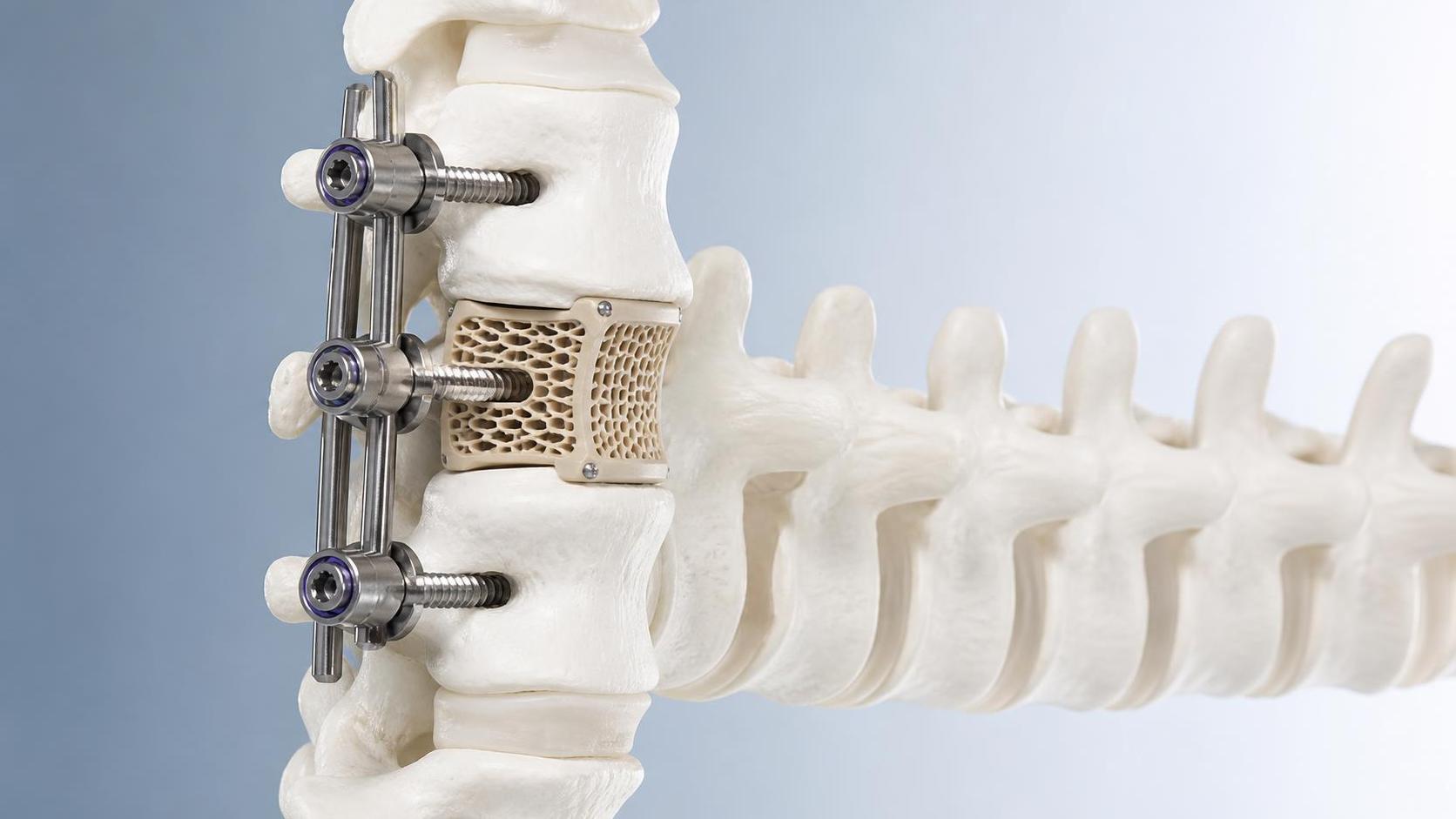
Medical Device Materials: What Affects Biocompatibility and Safety Most?
Medical Device Materials: What Affects Biocompatibility and Safety Most?
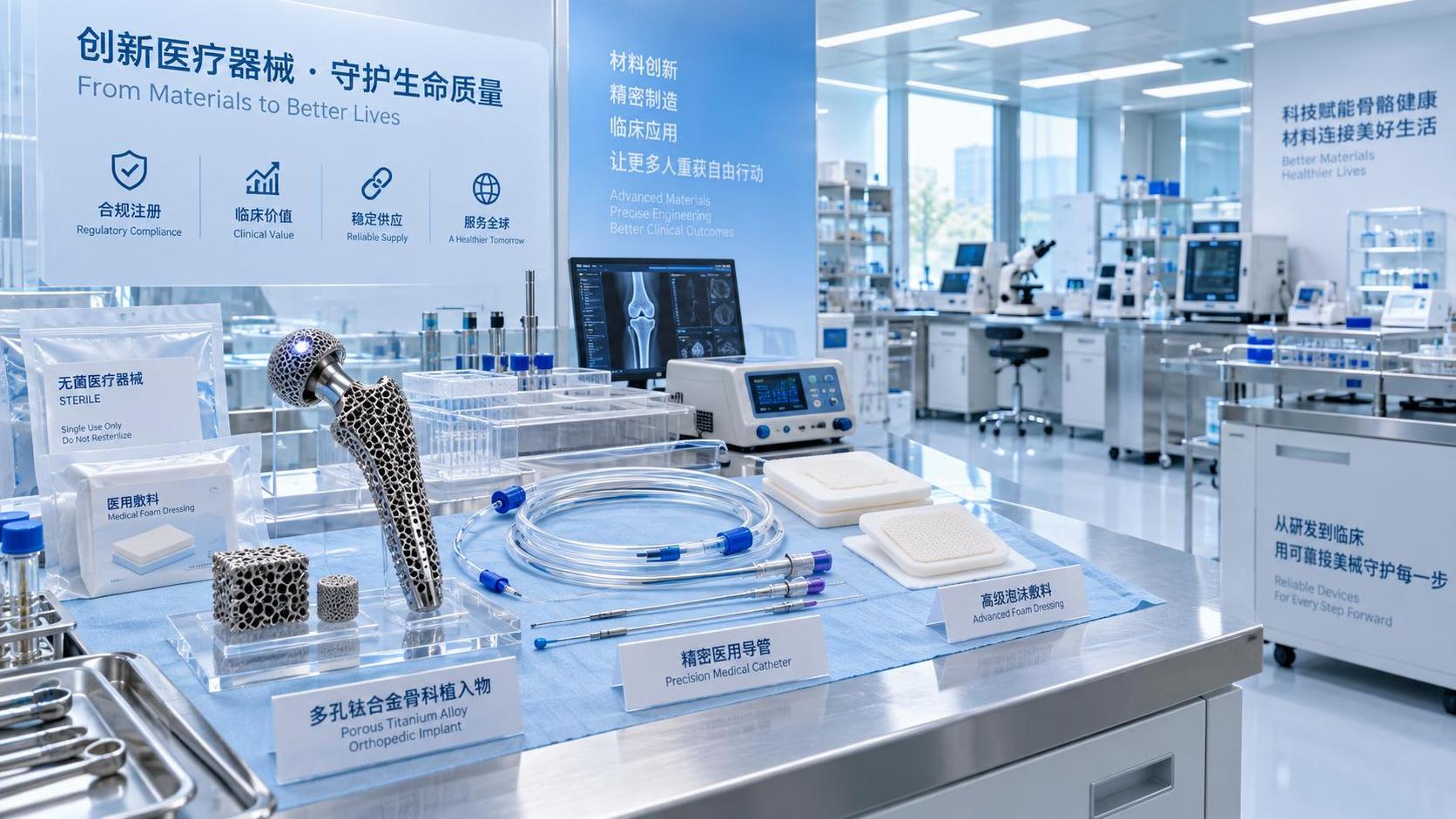
Medical device materials are the foundation of product safety, performance, and long-term biocompatibility. For quality control and safety teams, even small differences in composition, surface treatment, or manufacturing precision can affect cytotoxicity, stability, and clinical outcomes. Understanding what most influences biocompatibility helps reduce risk, support regulatory compliance, and improve patient confidence across implants, catheters, dressings, and other high-value medical products.
In practice, the question is not whether a material looks “medical grade.” The real issue is whether the full material system can stay stable in the body, during sterilization, and under storage, transport, and repeated mechanical stress.
1. Material chemistry sets the baseline
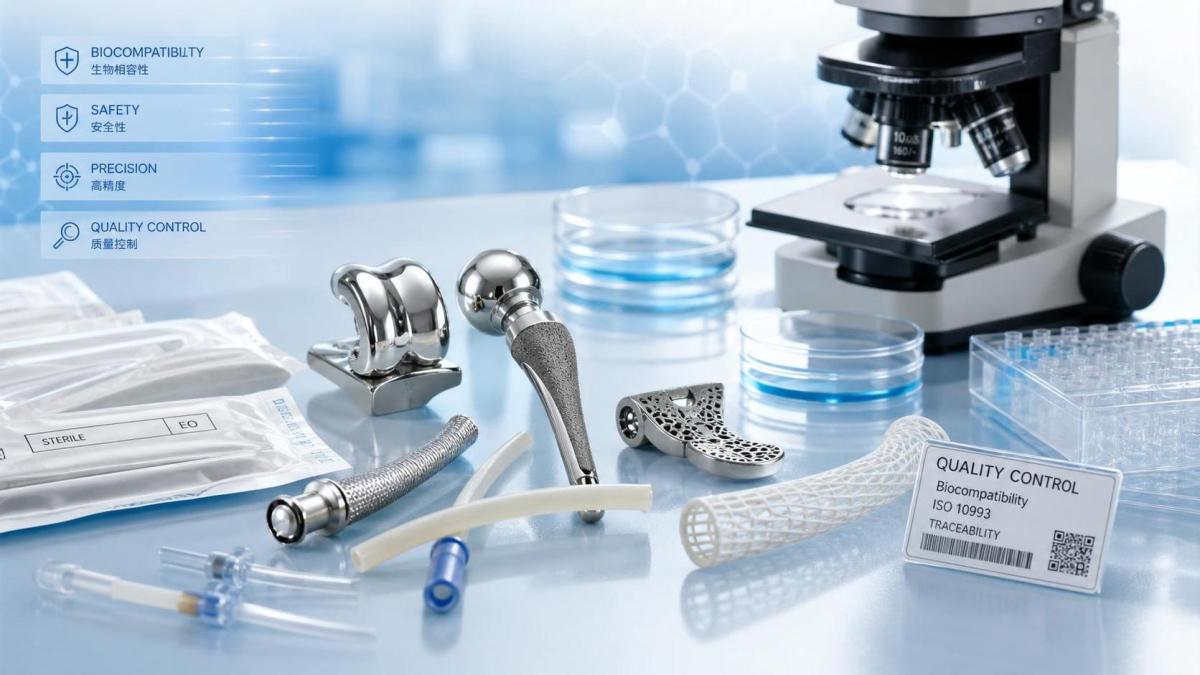
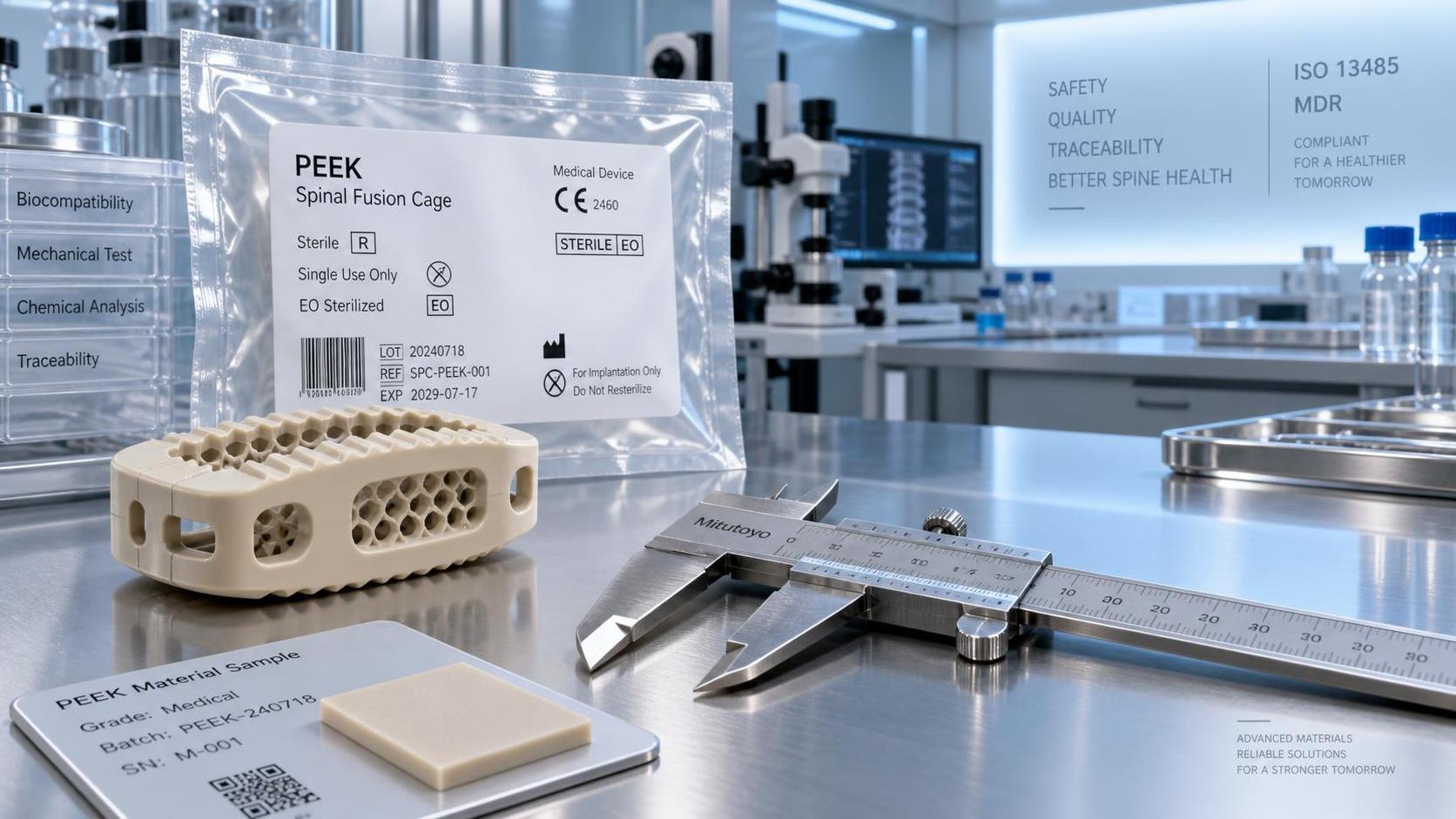
The first biocompatibility signal comes from chemistry. Metals, polymers, ceramics, and composites behave very differently once they touch tissue, blood, or cleaning agents. In medical device materials, alloy balance, residual monomers, plasticizers, and trace contaminants can all change biological response.
For implants, nickel release, corrosion potential, and impurity control are common concerns. For catheters and soft consumables, extractables and leachables matter more. If the formulation is not well controlled, the device may pass basic checks but still create irritation, sensitization, or hemolysis risks later.
A practical QC approach is to review raw material certificates, supplier change notices, and lot-to-lot variation. Small chemistry shifts are often the earliest warning sign in medical device materials.
2. Surface condition often decides the real outcome
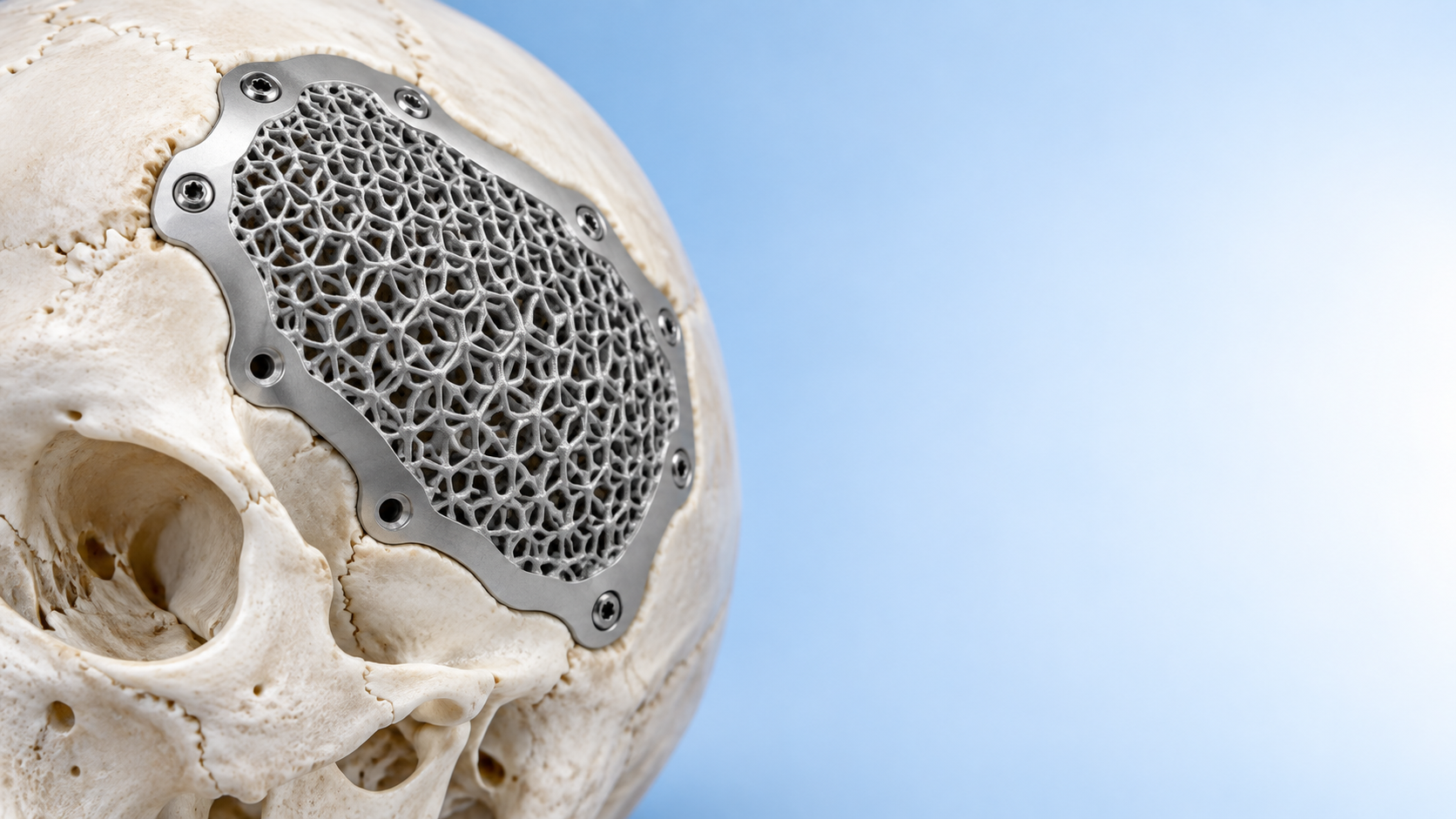
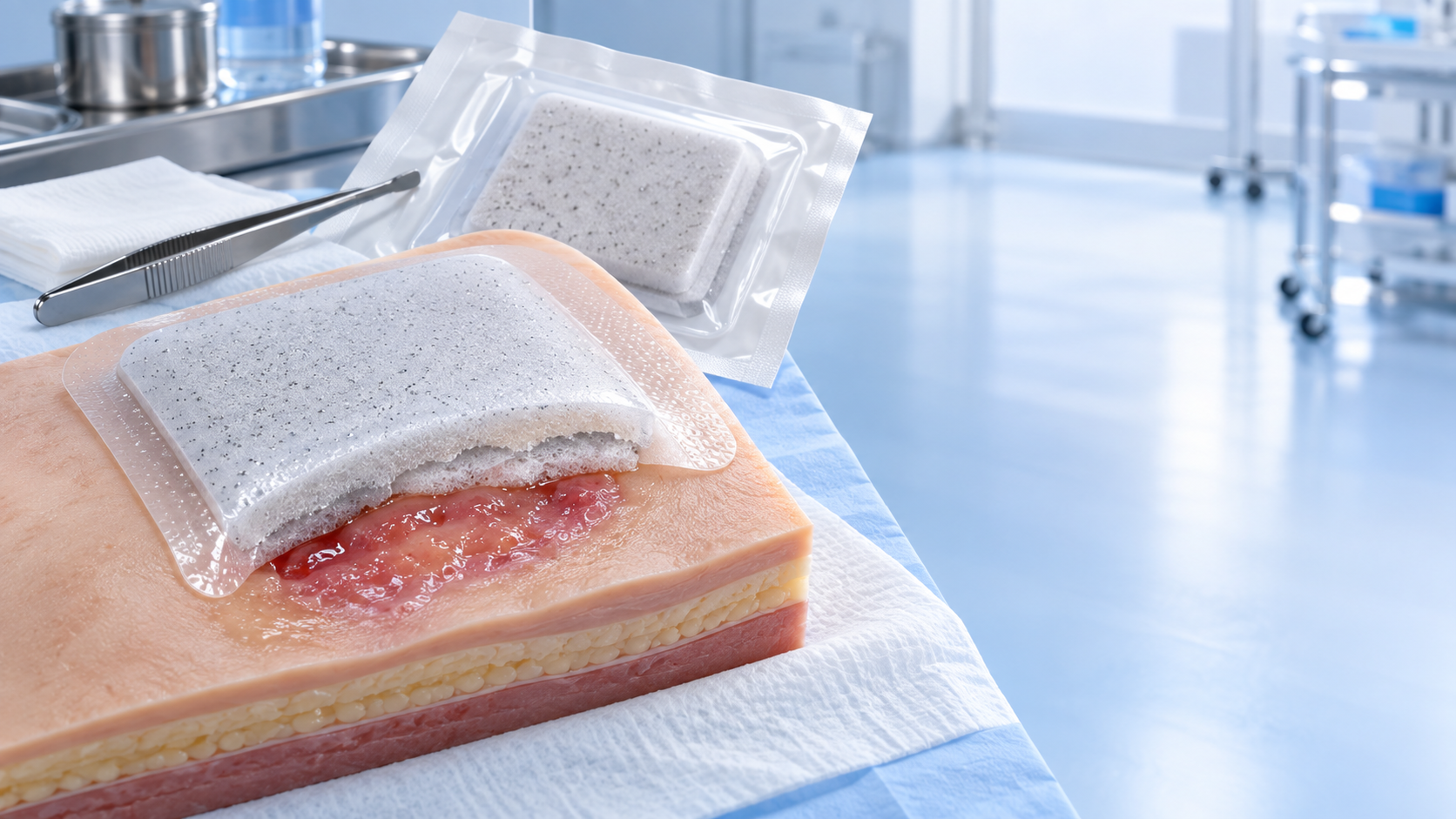
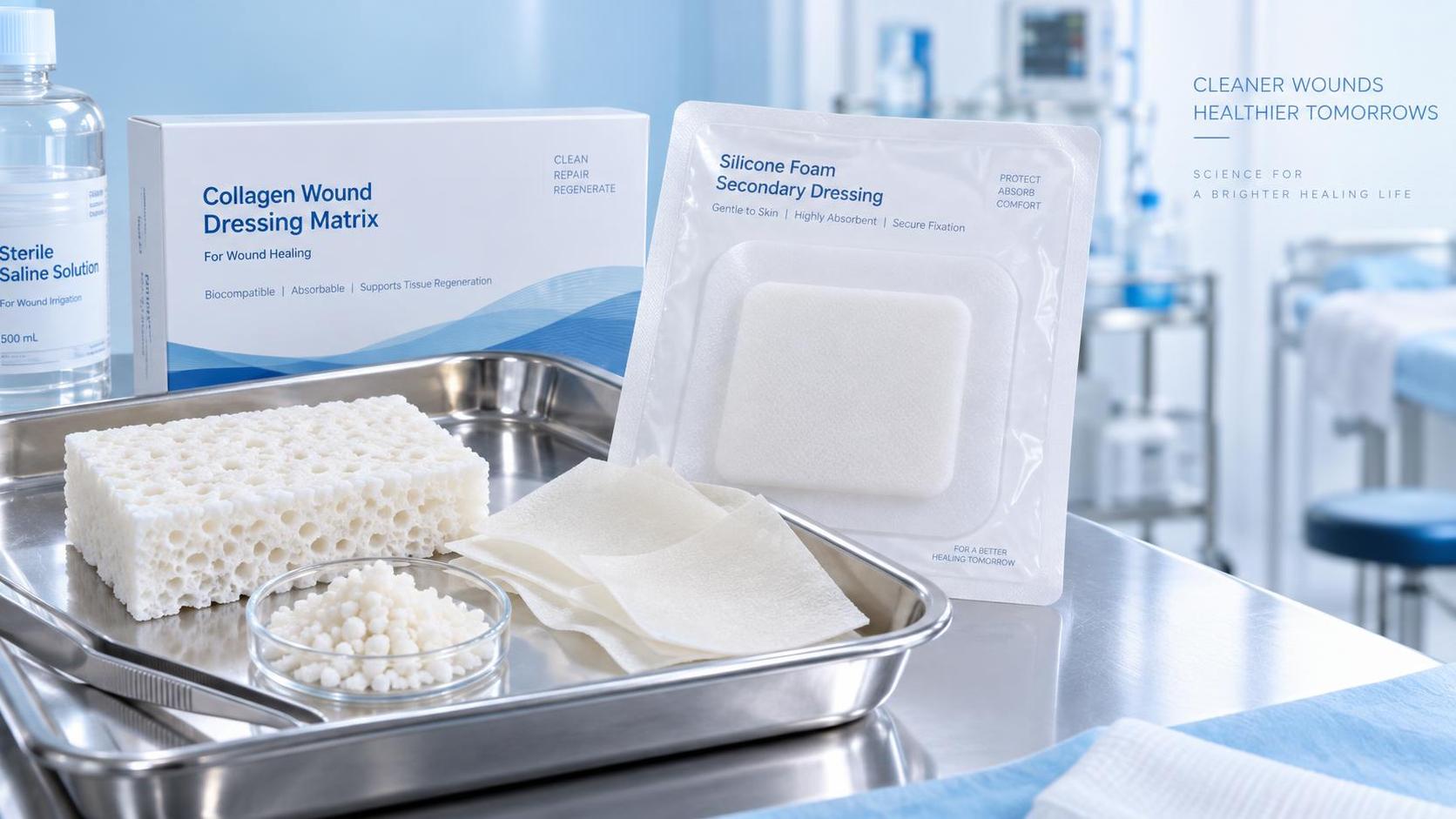
The bulk material may be acceptable, but the surface can still fail. Roughness, oxidation layer, coating integrity, and residue after machining all affect how the body “reads” the device. This is especially important for orthopedic implants, cardiovascular stents, and wound-care products.
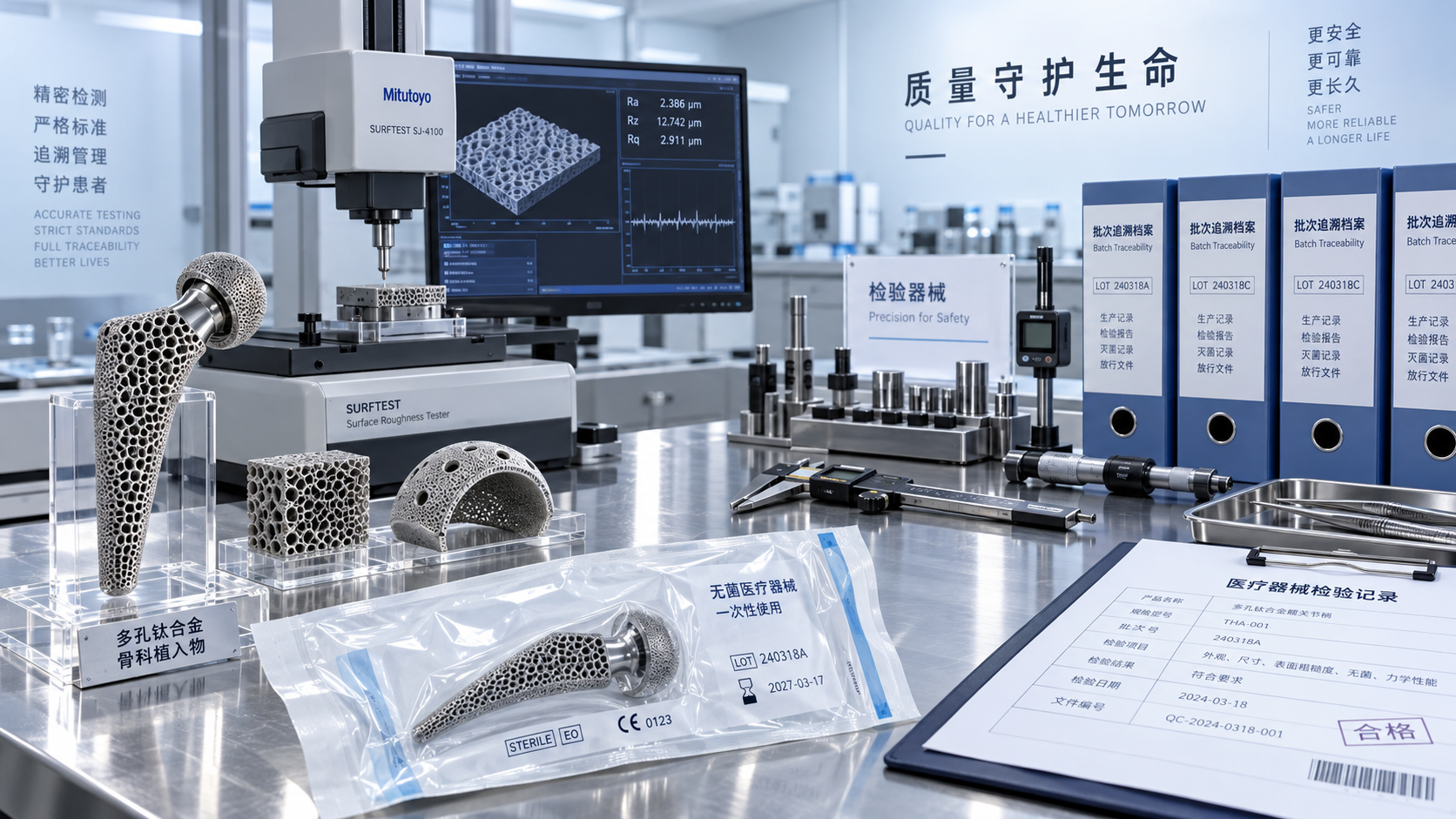
A smoother surface is not always safer. In some devices, controlled micro-texture supports tissue attachment or fluid management. The key is consistency. Uneven polishing, coating cracks, or poor adhesion can create hotspots for inflammation, thrombosis, or wear debris.
- Check surface roughness against functional requirements.
- Verify coating thickness and adhesion after sterilization.
- Inspect for residues from mold release, machining fluids, or cleaning agents.
In many medical device materials programs, surface control delivers more risk reduction than changing the base resin or alloy.
3. Manufacturing precision shapes safety margins
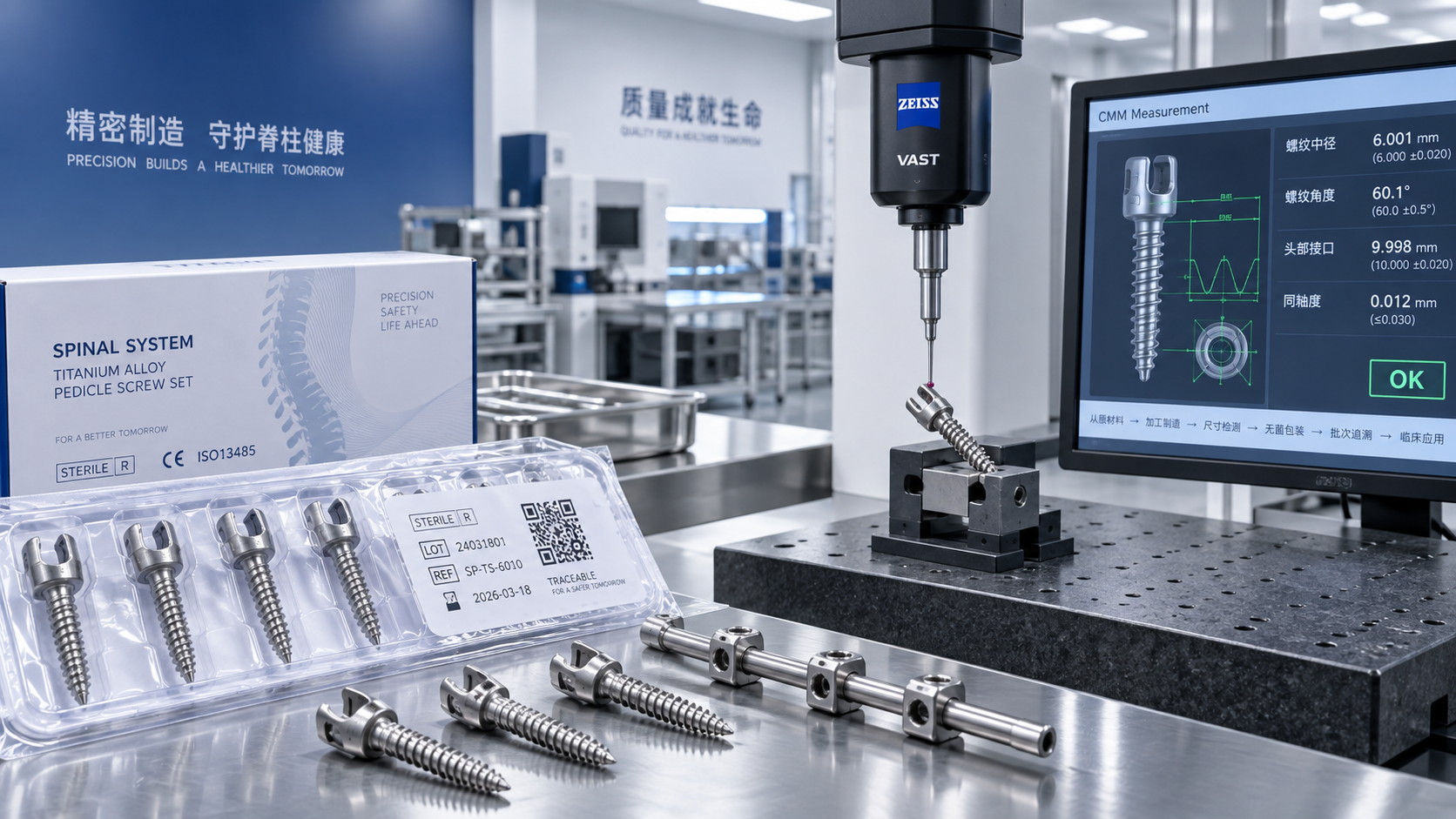
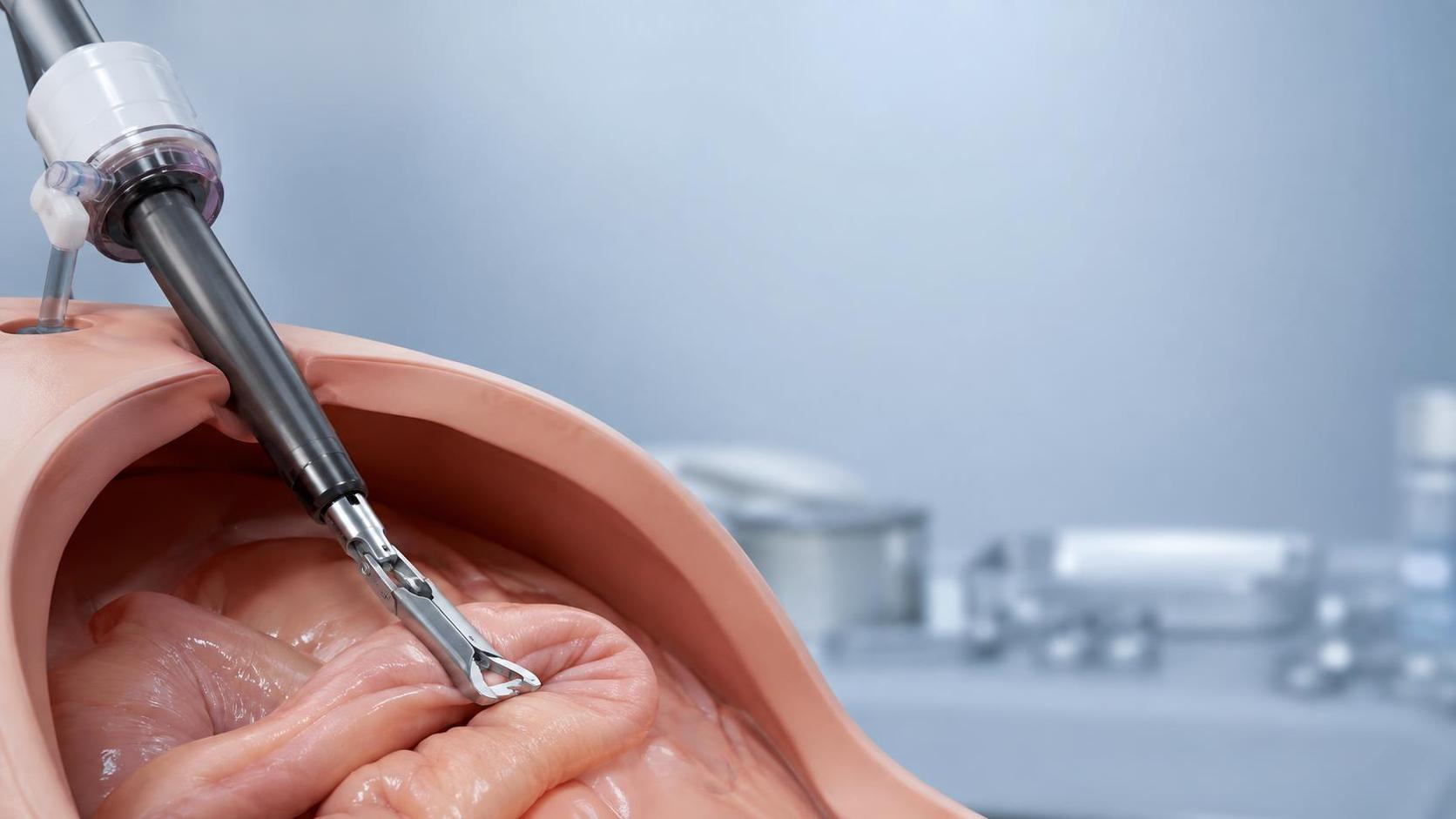
Precision machining, molding accuracy, and assembly discipline directly affect fit, fatigue life, and tissue response. A small burr on a catheter tip, an off-center staple, or a weak bond line may not look serious in inspection, yet it can trigger real clinical problems.
This is where medical device materials and manufacturing process should be treated as one system. If the process adds heat, stress, or contamination, the material may no longer behave as intended. For example, polymer degradation during extrusion can reduce flexibility and increase kink risk.
Good control means tighter process windows, in-line inspection, and documented revalidation after any tooling or parameter change. That discipline is often what separates a safe device from a costly recall.
4. Sterilization and aging can change everything
A material that performs well before sterilization may behave differently afterward. Gamma radiation, ethylene oxide, steam, and plasma each affect polymers, adhesives, and coatings in distinct ways. Oxidation, embrittlement, color shift, or residue retention can follow.
Shelf life also matters. Aging can increase extractables, reduce sealing performance, or weaken mechanical strength. For high-risk medical device materials, accelerated and real-time aging data should be reviewed together, not in isolation.
A useful question for safety teams is simple: does the material still meet its biocompatibility promise at the end of storage, not just on day one?
5. The body-contact environment changes the risk profile
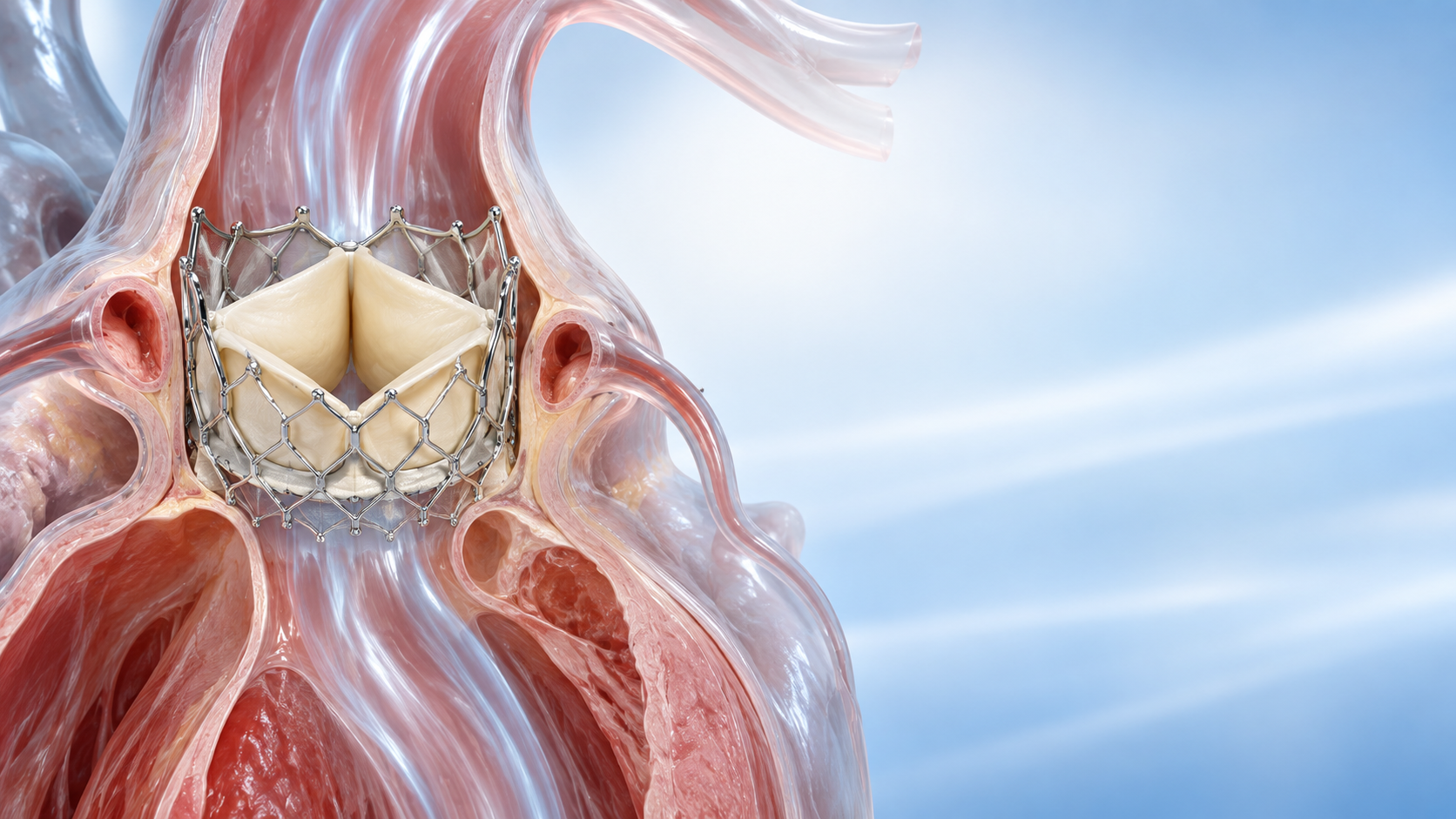
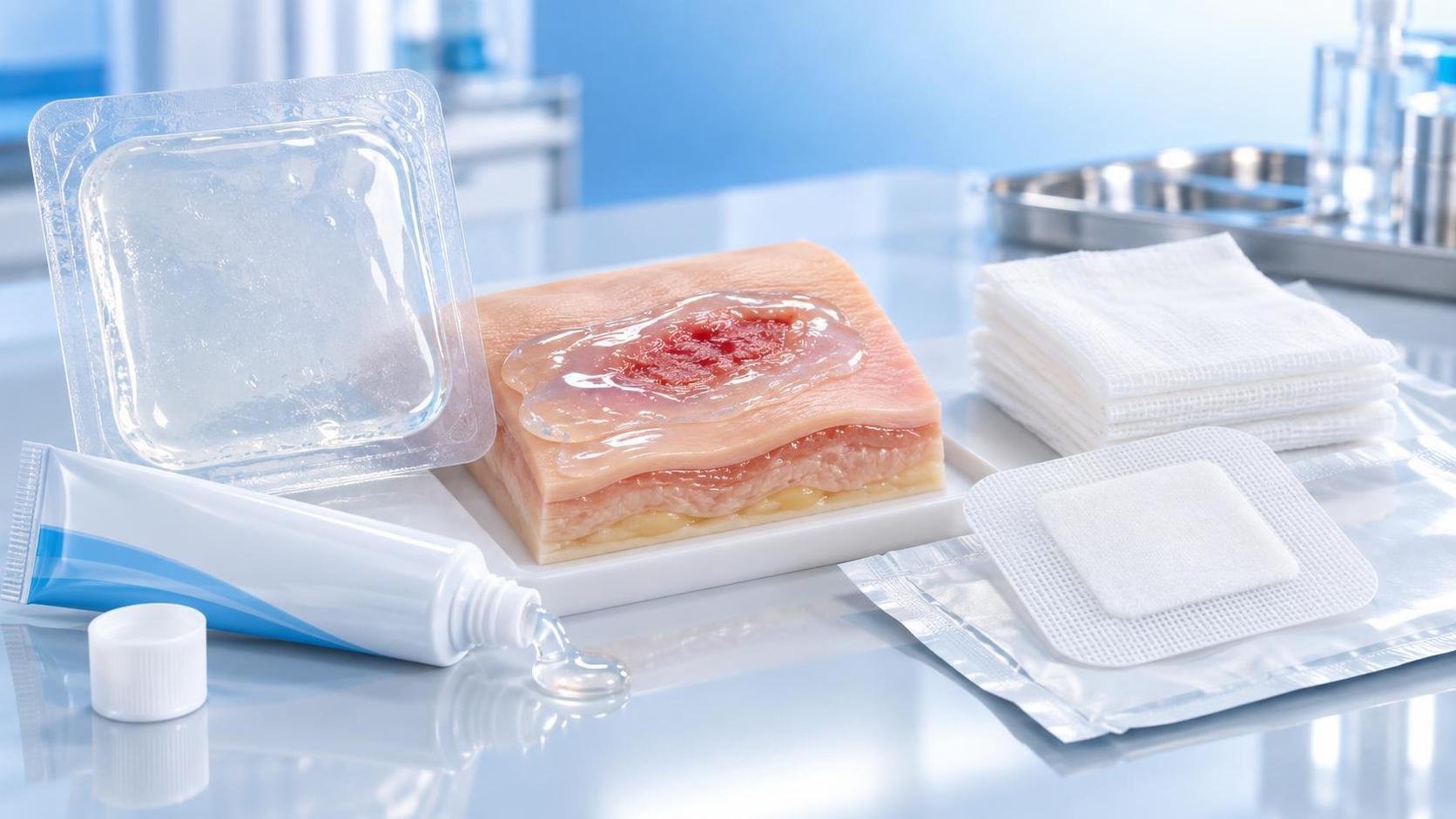
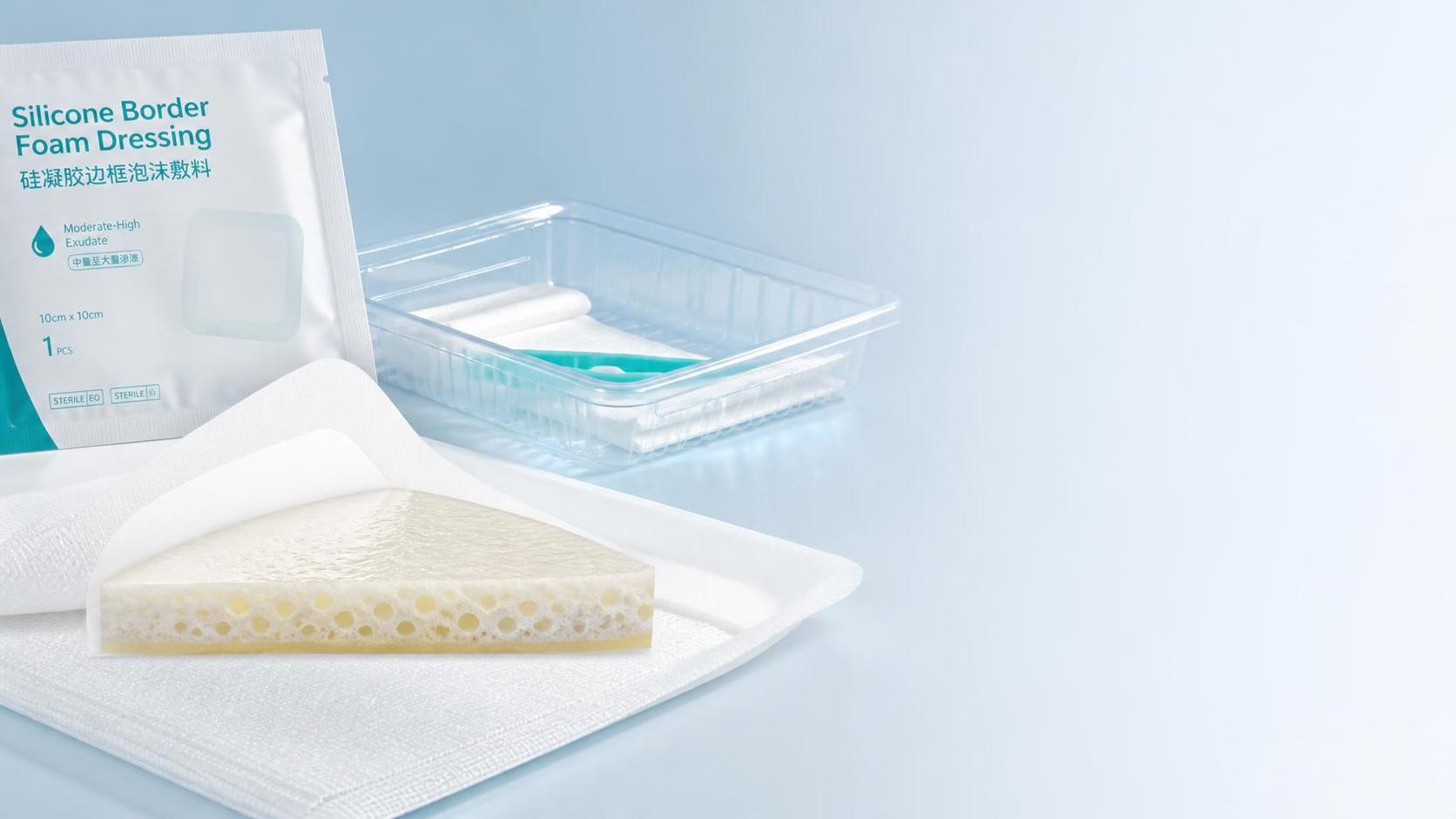
Not all medical device materials face the same biological environment. An orthopedic implant sees load-bearing stress and long-term tissue integration. A cardiovascular device meets blood flow, clotting pressure, and movement. A dressing interacts with moisture, exudate, and skin sensitivity.
That means test strategy must match the actual use case. ISO 10993 evaluation should consider contact duration, tissue type, and exposure route. A material that is safe for short-term skin contact may not be safe for blood-contacting use.
In real projects, many safety issues come from mismatching test data with intended use. The material itself may be sound, but the evidence package is incomplete.
6. What QC and safety teams should watch first
- Supplier consistency: confirm formulation, process route, and change control.
- Biological risk: review cytotoxicity, sensitization, irritation, and hemocompatibility.
- Surface integrity: verify coating, cleanliness, and residue limits.
- Process drift: monitor tooling wear, heat history, and assembly variation.
- Post-sterilization behavior: retest critical properties after final packaging.
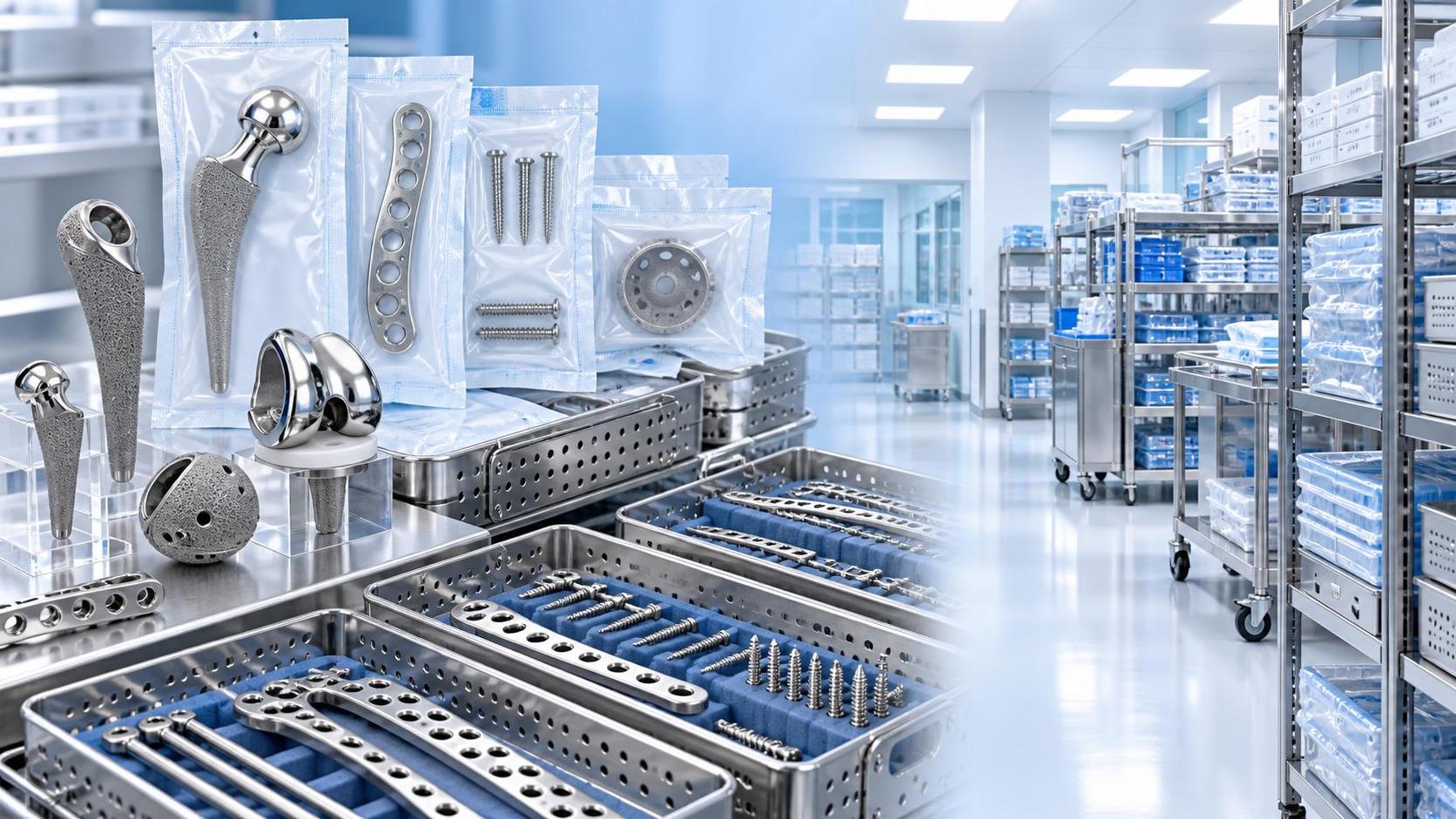
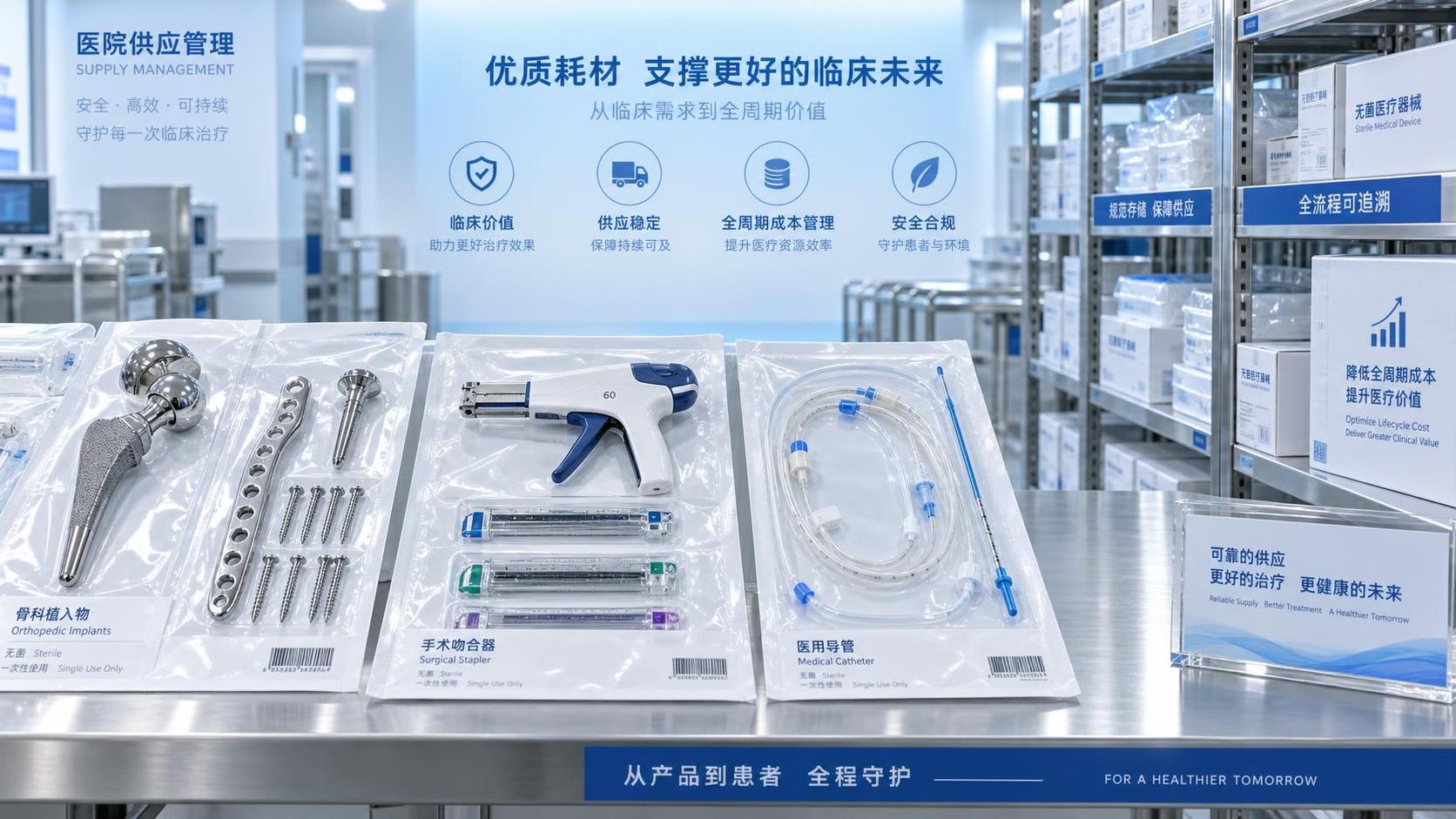
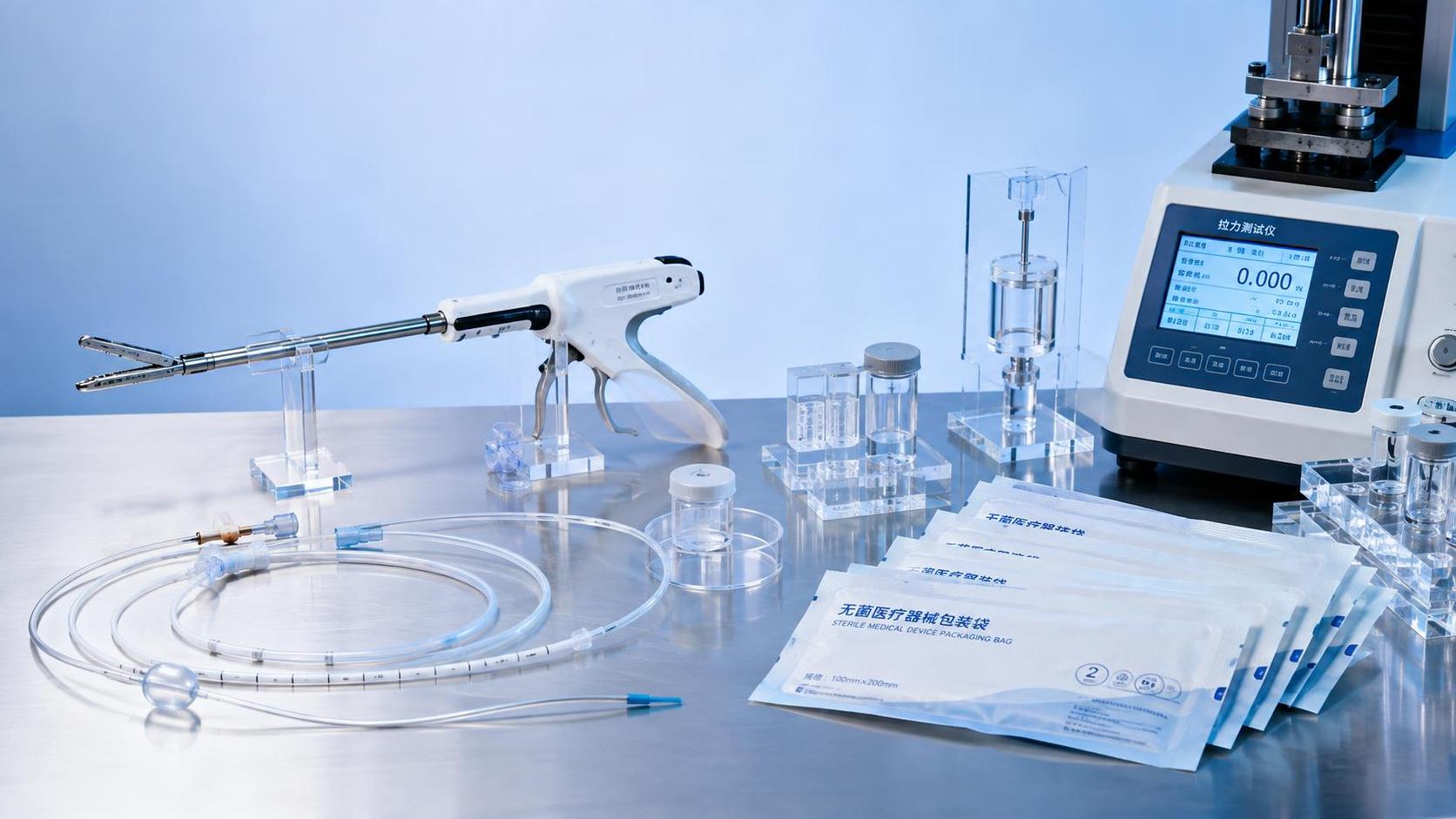
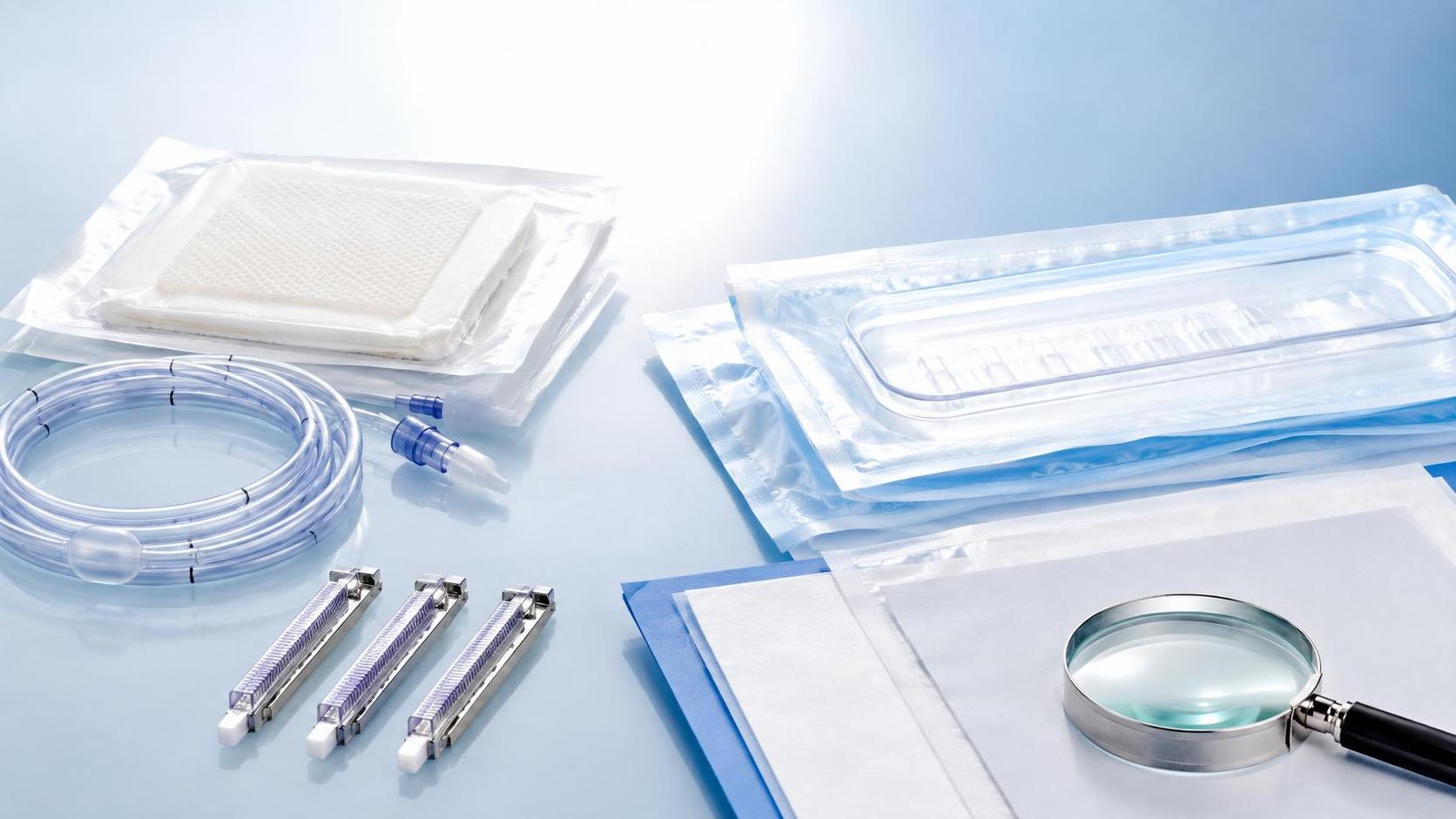
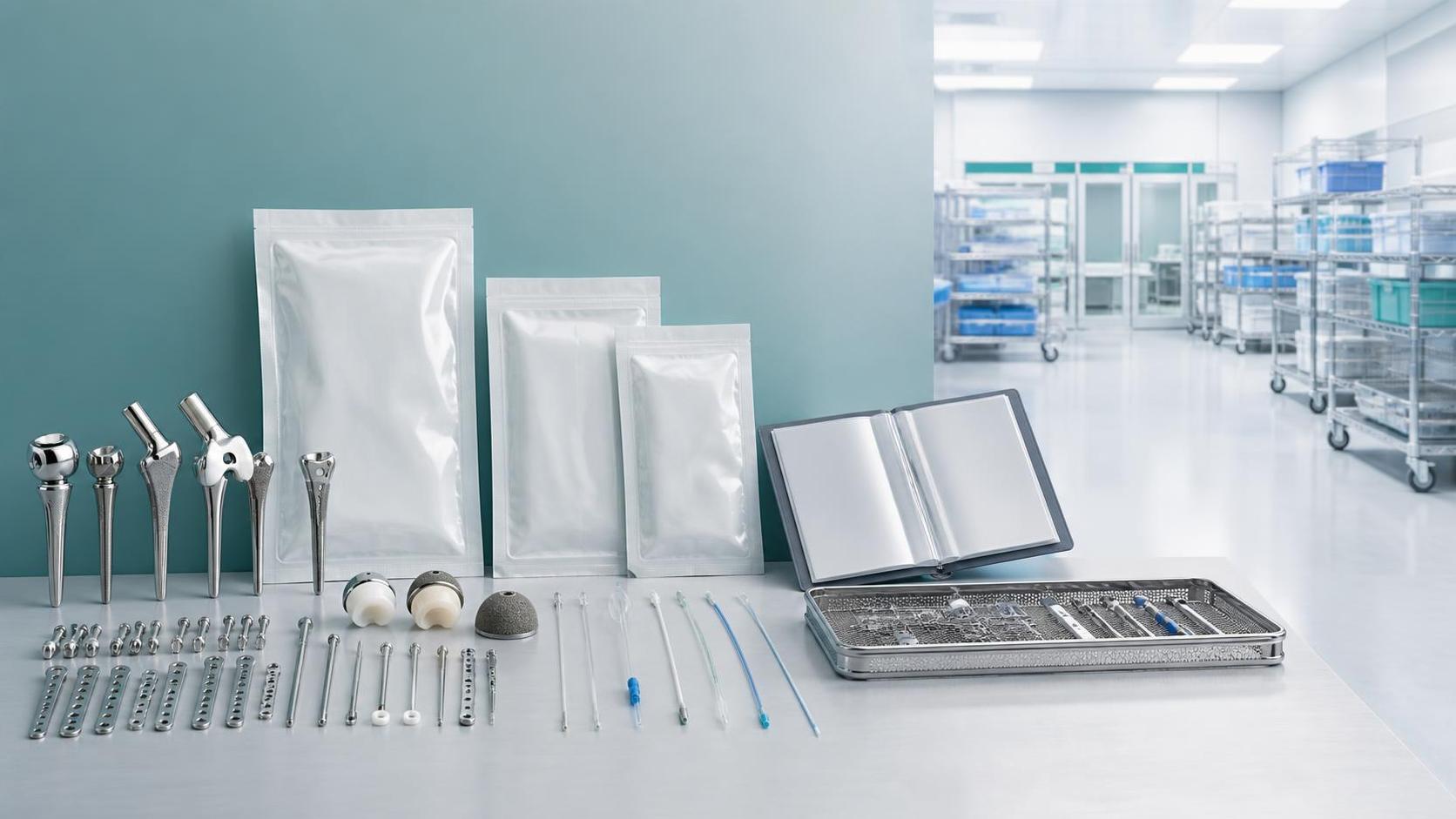
These checkpoints are especially valuable for implants, stents, catheters, staplers, and advanced wound-care products, where failure modes can escalate quickly.
7. Regulatory alignment is part of material safety
Biocompatibility is not only a lab result. It is also a documentation and traceability issue. For medical device materials, teams need a clear link from raw material specs to verification testing, risk management files, and final labeling claims.
For Class III devices, the evidence burden is higher. Clinical expectations, CER logic, and post-market surveillance can all expose weak points in the material story. If the material rationale is vague, the regulatory file becomes fragile.
This is why a strong materials program should connect toxicology, process validation, and regulatory review early, not after design freeze.
Conclusion
The biggest drivers of biocompatibility and safety are not isolated factors. They are chemistry, surface condition, manufacturing precision, sterilization stability, and the real body-contact environment working together.
For teams managing medical device materials, the best results come from early risk review, strict supplier control, and testing that matches actual clinical use. When those pieces stay aligned, safety becomes easier to prove, and product performance becomes easier to trust.
Get weekly intelligence in your inbox.
No noise. No sponsored content. Pure intelligence.
News Recommendations
 Sep 25, 2026When does a porous 3D-printed cranial implant improve fixation?When does a porous 3D-printed cranial implant improve fixation?
 Sep 24, 2026When are bovine pericardial valves suitable for transcatheter aortic valve replacement?When are bovine pericardial valves suitable for transcatheter aortic valve replacement?
 Sep 23, 2026How to verify the sterility assurance of surgical devicesHow to verify the sterility assurance of surgical devices
 Sep 22, 2026How to assess a spinal implants manufacturer’s quality systemHow to assess a spinal implants manufacturer’s quality system
 Sep 21, 2026How to assess an osseointegration technology manufacturer’s quality systemHow to assess an osseointegration technology manufacturer’s quality system
 Sep 20, 2026Medical material science trends reshaping biocompatibility testingMedical material science trends reshaping biocompatibility testing
 Sep 19, 2026What North American regulators expect in implant clinical evaluationsWhat North American regulators expect in implant clinical evaluations
 Sep 18, 2026When should plate and screw systems be selected for fracture fixation?When should plate and screw systems be selected for fracture fixation?
 Sep 17, 2026How a medical device sourcing strategy can reduce total acquisition costHow a medical device sourcing strategy can reduce total acquisition cost
 Sep 16, 2026When are silver foam burn care dressings appropriate for exuding burns?When are silver foam burn care dressings appropriate for exuding burns?
 Sep 15, 2026What drives medical device category pricing in value-based purchasing?What drives medical device category pricing in value-based purchasing?
 Sep 14, 2026High value consumables insights for evaluating total cost of careHigh value consumables insights for evaluating total cost of care
 Sep 13, 2026What a medical device market insights platform reveals about market accessWhat a medical device market insights platform reveals about market access
 Sep 12, 2026When are collagen-based tissue healing materials suitable for wound care?When are collagen-based tissue healing materials suitable for wound care?
 Sep 11, 2026How catheter material selection affects total cost of ownershipHow catheter material selection affects total cost of ownership
 Sep 10, 2026What FDA clearance means for medical grade PEEK implantsWhat FDA clearance means for medical grade PEEK implants
 Sep 09, 2026When do hydrogel wound healing technologies suit dry wounds?When do hydrogel wound healing technologies suit dry wounds?
 Sep 07, 2026How to assess medical consumables for surgical useHow to assess medical consumables for surgical use
 Sep 07, 2026How to verify CE MDR compliance for single-use medical consumablesHow to verify CE MDR compliance for single-use medical consumables
 Sep 05, 2026How to evaluate an antithrombotic catheter factory for qualityHow to evaluate an antithrombotic catheter factory for quality
 Sep 04, 2026When do minimally invasive surgical staplers improve GI access?When do minimally invasive surgical staplers improve GI access?
 Sep 03, 2026When are foam moist wound healing dressings appropriate for exuding wounds?When are foam moist wound healing dressings appropriate for exuding wounds?
 Sep 02, 2026How implant pricing affects access to advanced medical careHow implant pricing affects access to advanced medical care
 Sep 01, 2026What is driving price pressure in the North American medical consumables market?What is driving price pressure in the North American medical consumables market?
 Aug 31, 2026Comparing medical devices in Southeast Asia when market access differsComparing medical devices in Southeast Asia when market access differs
 Aug 30, 2026When are 3D printed PEEK implants suitable for spinal reconstruction?When are 3D printed PEEK implants suitable for spinal reconstruction?
 Aug 29, 2026How global medical device regulations shape clinical evidence requirementsHow global medical device regulations shape clinical evidence requirements