Implantable Medical Devices: Common Biocompatibility Risks to Check Early
Why do implantable medical devices need biocompatibility review so early?
Early biocompatibility review is rarely about paperwork alone.
For implantable medical devices, it sets the direction for design, testing, regulatory timing, and long-term clinical confidence.
A device may perform well mechanically and still fail later because tissue, blood, or degradation byproducts respond badly.
That is why experienced reviewers look past headline claims like strength, flexibility, or deployment accuracy.
They ask a harder question: what hidden biological risk is already present in the material, process, coating, or packaging?
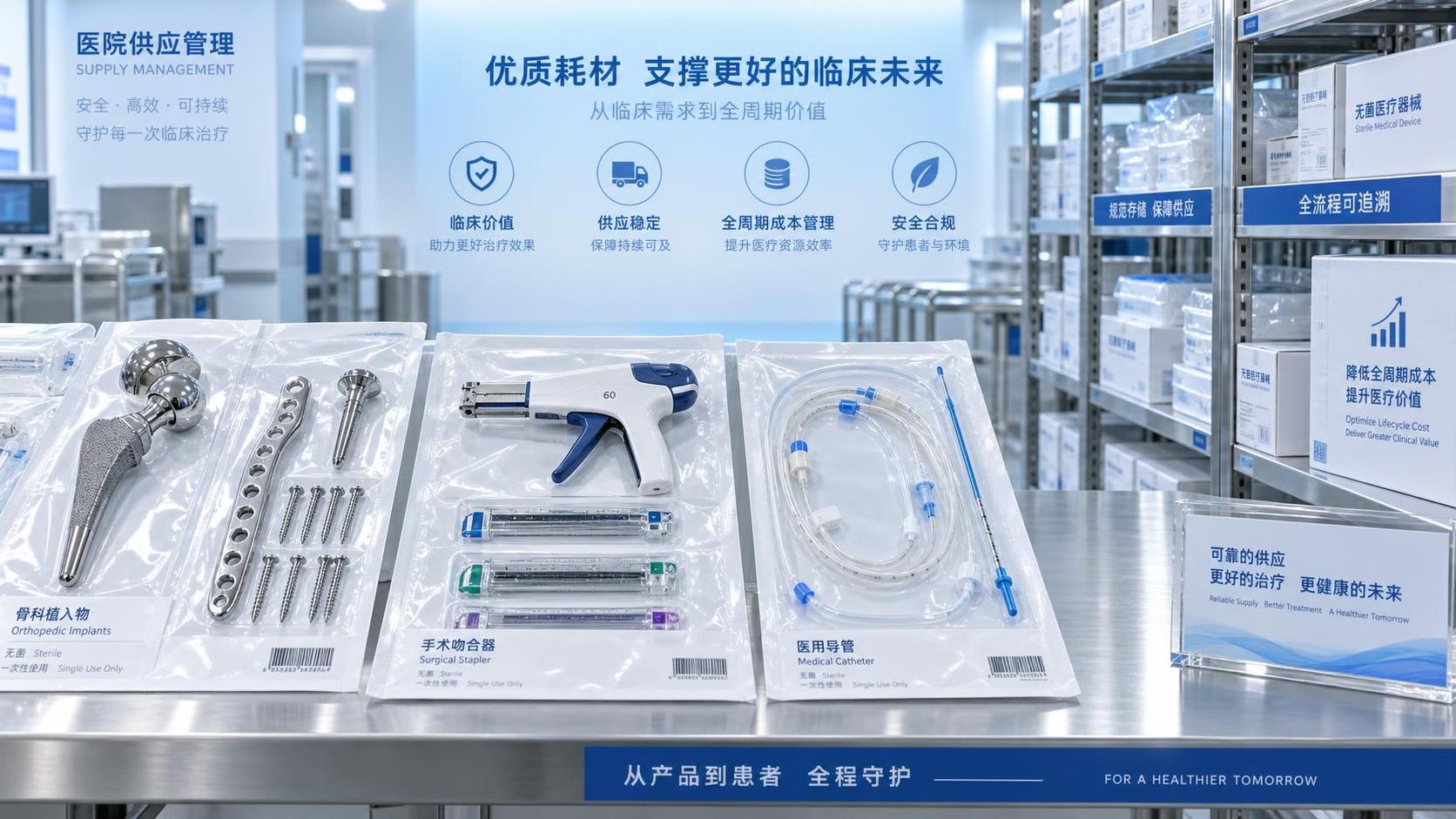
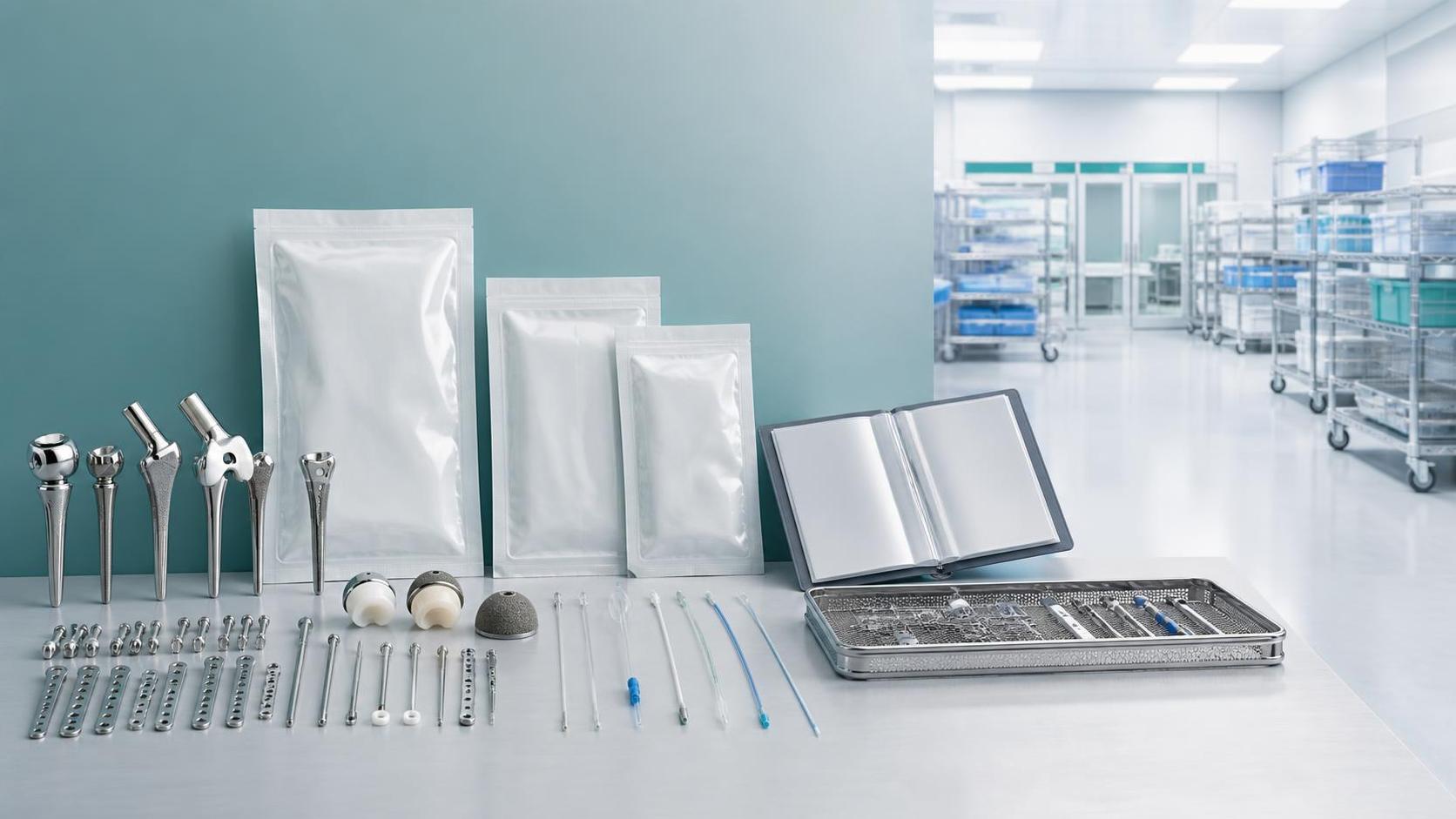
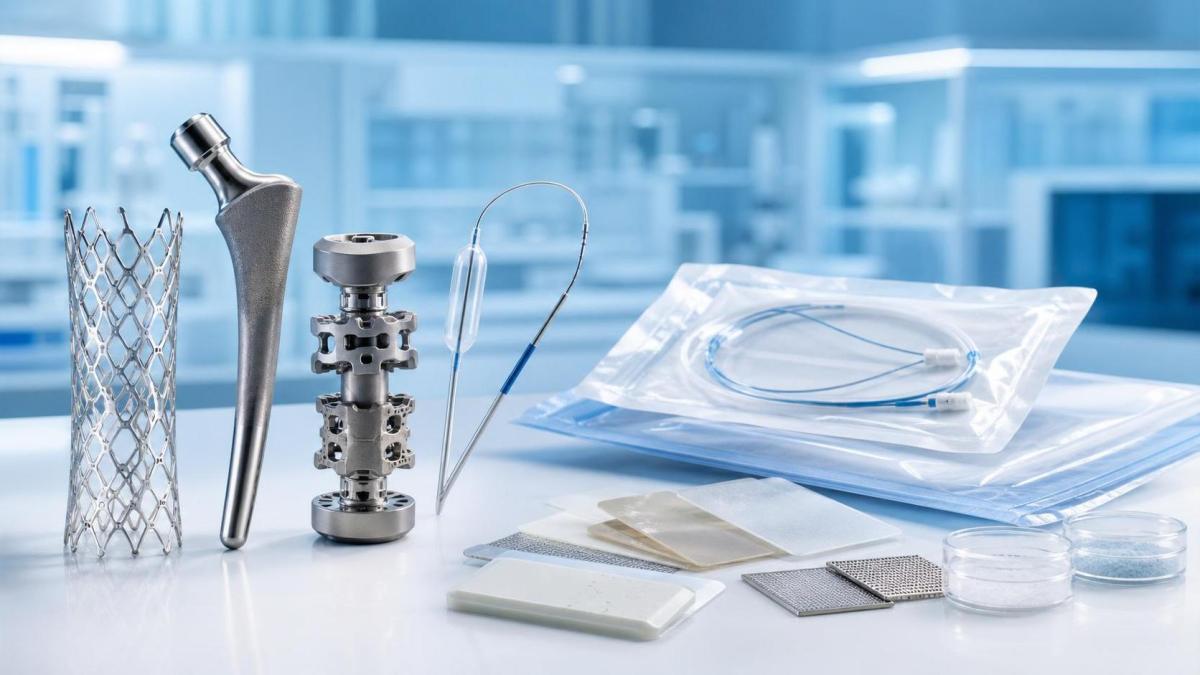
This matters across orthopedic implants, DES platforms, TAVR systems, polymer catheters, stapling components, and regenerative materials.
In practice, the earlier these issues are mapped, the easier it becomes to align ISO 10993 strategy with device classification and clinical evaluation logic.
That alignment is increasingly important in markets shaped by strict Class III requirements, MDR scrutiny, and cost pressure from VBP policies.
IMCS often frames this stage as an intelligence exercise, not just a test selection task.
The goal is to connect material science, process control, biological safety, and approval expectations before problems become expensive.
Which biocompatibility risks are most often underestimated?
The usual focus starts with cytotoxicity, sensitization, and irritation.
Those remain essential, but they are rarely the full picture for implantable medical devices.
A more realistic early screen should include material origin, extractables, leachables, surface treatment residues, and degradation behavior.
Blood-contacting devices add another layer.
Hemolysis, thrombogenicity, complement activation, and platelet interaction can shift the safety profile even when bench performance looks acceptable.
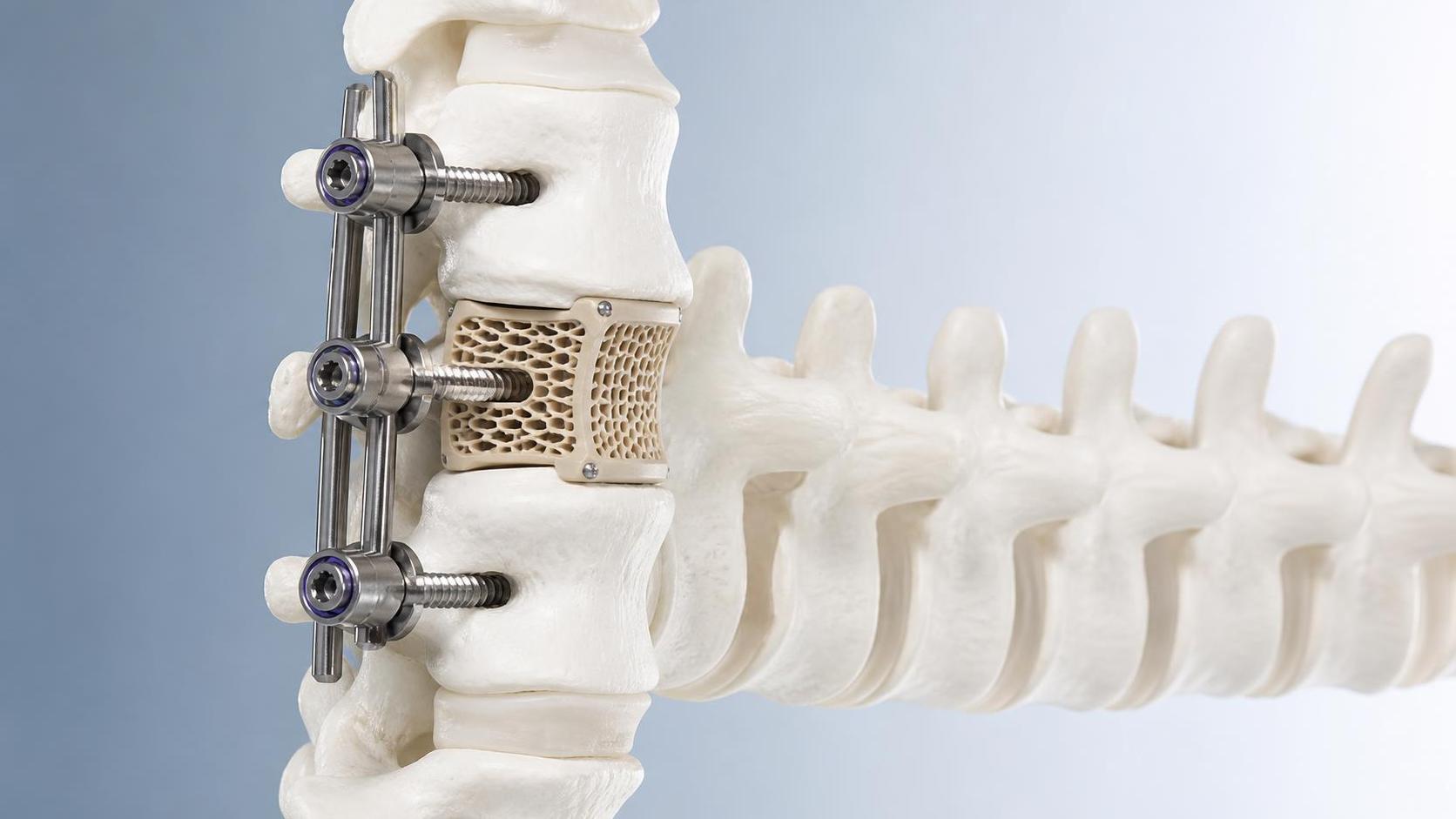
For orthopedic implants, osseointegration claims must be balanced against wear debris, corrosion, and particulate-induced inflammation.
For polymer-based implantable medical devices, additives and processing aids are common blind spots.
Hydrophilic coatings, lubricants, pigments, and sterilization effects can alter biological response more than the base polymer itself.
A useful way to organize the first review is to compare likely hazards with evidence needs.
This kind of table helps separate routine testing from risk-driven testing.
That distinction saves time later, especially when design changes arrive during verification.
How should material and process changes be judged before testing begins?
A common mistake is to judge implantable medical devices by material name alone.
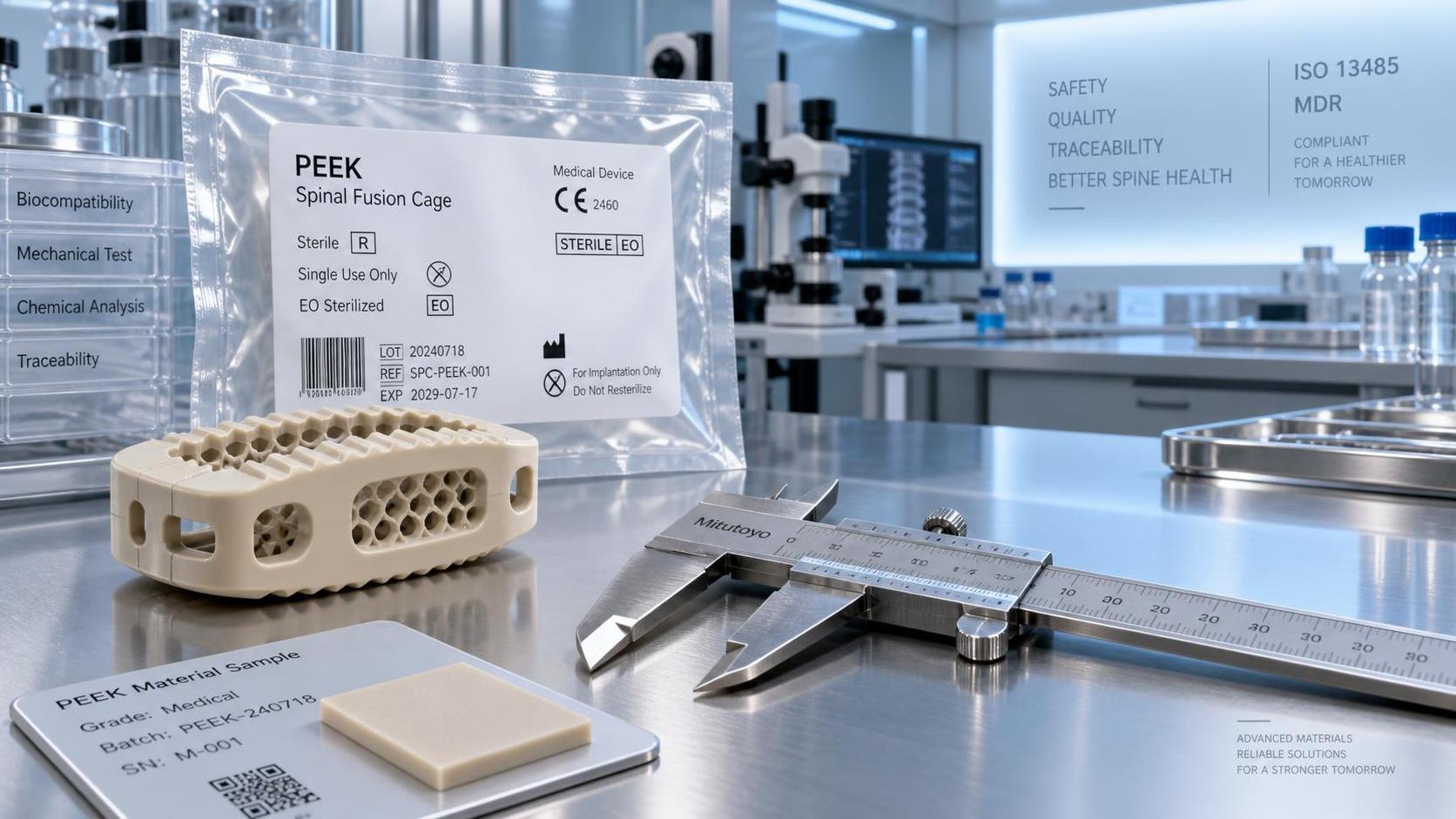
Two devices may both use titanium, PEEK, polyurethane, or silicone, yet carry very different biological risk.
The difference often comes from surface roughness, porosity, coatings, heat history, cleaning chemistry, or supplier variation.
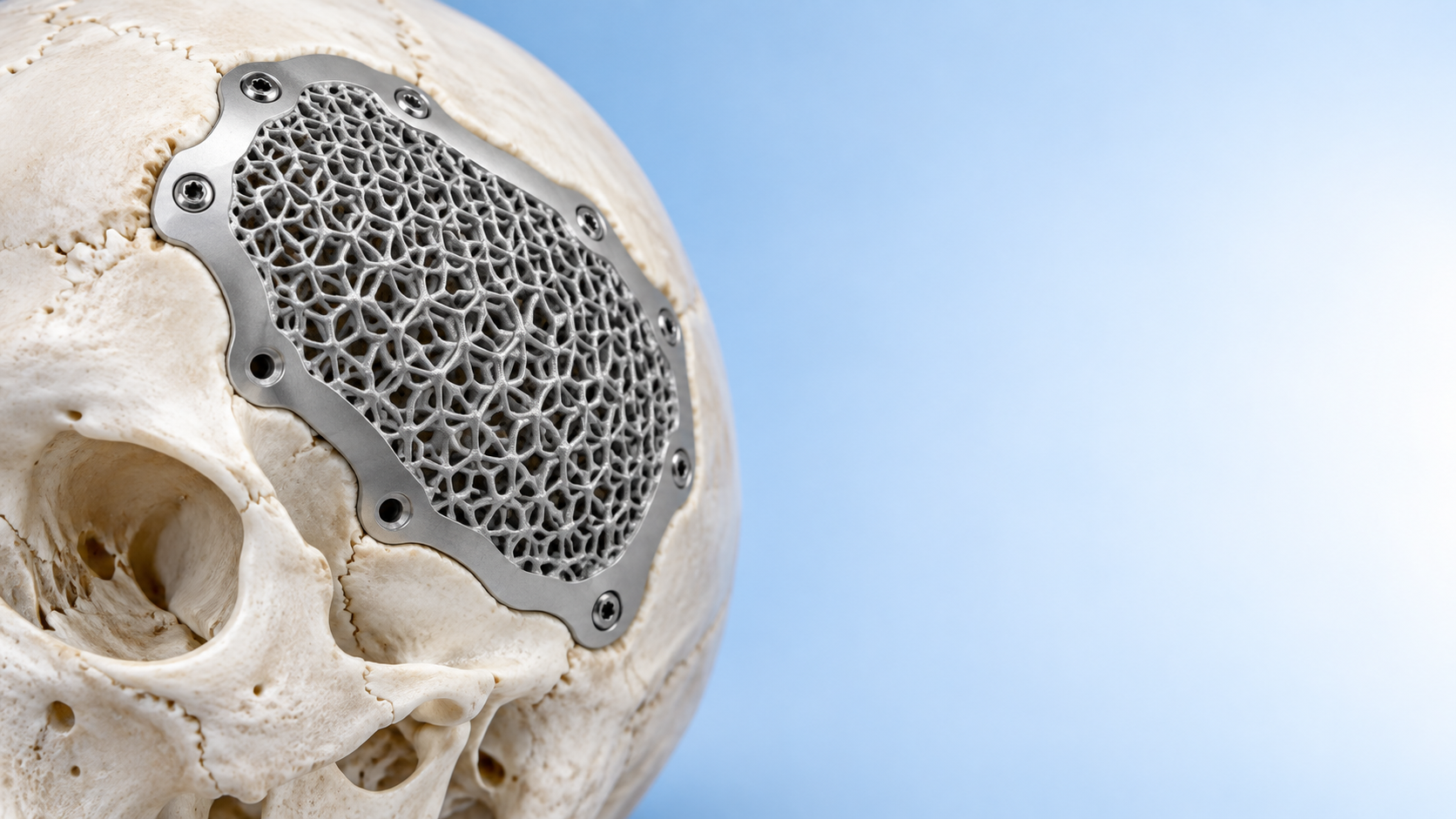
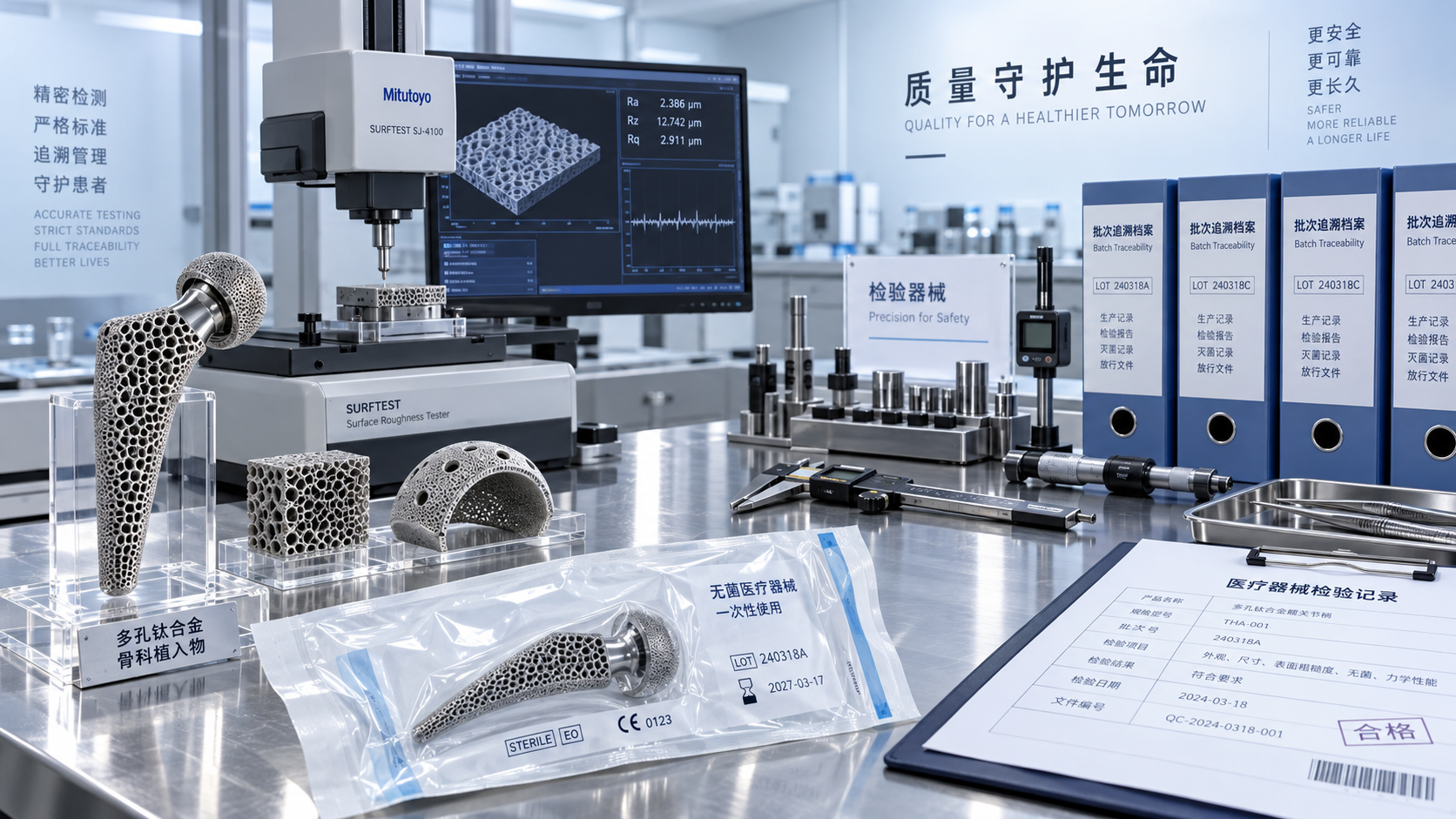
For 3D-printed orthopedic components, trapped powder, post-processing residues, and pore geometry deserve early attention.
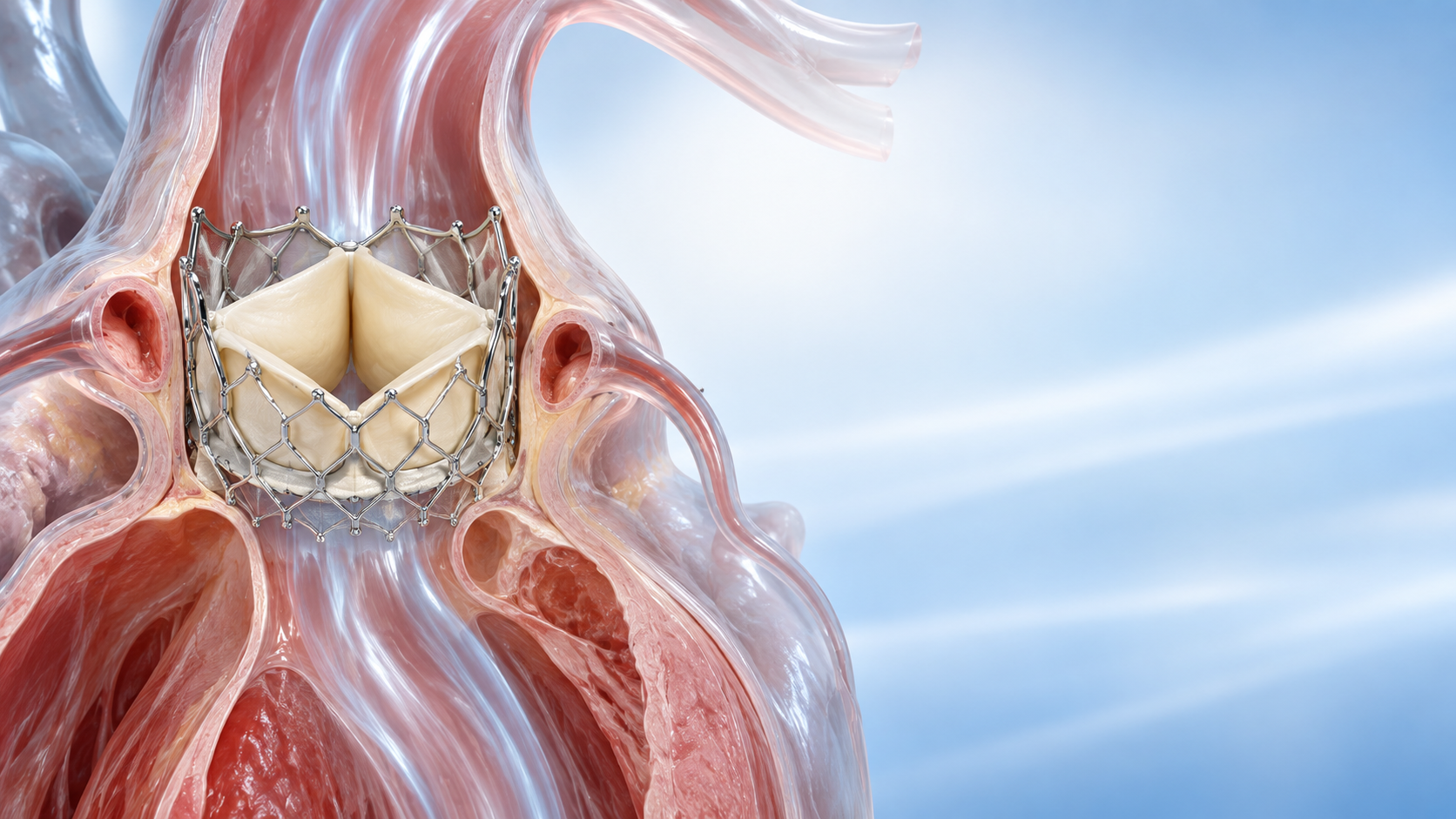
For cardiovascular implantable medical devices, drug-polymer combinations and thin-film coatings need stronger extractables analysis.
For minimally invasive staples or clips, the contact duration may be shorter, but local tissue response still matters.
More often, the right judgment method is a material-process-contact matrix.
- Map every patient-contacting material, including coatings and lubricants.
- Record each manufacturing step that can alter chemistry or surface condition.
- Link the device to tissue type, blood contact, and implantation duration.
- Check whether sterilization or shelf life changes the final exposure profile.
- Treat supplier changes as biological risk questions, not only procurement events.
This approach is especially useful when regulatory expectations and commercial pressure move at different speeds.
A rushed substitution may solve cost issues while creating new approval delays.
When does ISO 10993 testing become insufficient on its own?
ISO 10993 is foundational, but it does not replace scientific judgment.
That point becomes clearer with implantable medical devices that combine long duration, complex surfaces, drug release, or degradation pathways.
Passing standard endpoints is helpful, yet reviewers still ask whether the test article truly reflects the marketed device.
If extraction conditions were weak, if aging was skipped, or if coating integrity changed after sterilization, a clean result may be misleading.
The same problem appears when biological evaluation stays disconnected from clinical evidence.
A CER or equivalent assessment may raise concerns that bench biocompatibility alone cannot close.
Examples include late thrombosis, inflammatory restenosis, adverse tissue remodeling, or unexplained revision patterns.
That is why strong programs combine biological evaluation, chemical characterization, toxicological risk assessment, and clinical context.
IMCS reflects this broader view by linking toxicology validation with clinical logic rather than treating them as separate checkpoints.
A practical signal that more evidence is needed
If a device history contains redesign, new coating chemistry, longer contact time, or new anatomical indication, standard testing may not be enough.
In those cases, additional characterization usually costs less than defending weak assumptions later.
What hidden timeline and approval problems come from late biocompatibility checks?
Late review rarely fails in one dramatic moment.
More often, it creates a chain of smaller setbacks that extend development and reduce decision confidence.
A failed sensitization test may require reformulation.
A newly detected extractable may trigger chemical toxicology work.
A blood-contact concern may force additional bench, animal, or usability studies because delivery conditions no longer look representative.
For implantable medical devices, each step can affect submission strategy, manufacturing release, and launch planning.
That impact is sharper where pricing windows, tender timing, or VBP participation depend on predictable approval schedules.
A device delayed by biological questions may lose more than time.
It may miss a reimbursement cycle, a hospital access window, or a supply commitment.
The operational lesson is simple: biocompatibility should be reviewed as part of program control, not only as a laboratory milestone.
What does a strong early review checklist actually look like?
A strong checklist should be short enough to use and detailed enough to catch real issues.
For implantable medical devices, the following questions usually reveal where the real work sits.
- Does the final finished device match the sample planned for biological testing?
- Are all patient-contacting materials fully identified, including trace-process materials?
- Has contact type been defined correctly for tissue, bone, blood, or circulating fluid?
- Could sterilization, aging, or storage create new chemicals or surface changes?
- Is there any degradation, wear, corrosion, or particulate release over intended use duration?
- Do clinical claims require evidence beyond standard ISO 10993 endpoints?
- Have supplier, coating, or process changes been re-evaluated biologically?
When these questions are answered early, testing plans become more defensible and less reactive.
That is especially relevant for portfolios spanning orthopedics, cardiovascular intervention, polymer access systems, and tissue-healing materials.
So, what should be checked next before implantable medical devices move forward?
The next step is not to order every test available.
A better move is to build a risk-based review file around the finished device, intended contact, duration, and manufacturing reality.
For implantable medical devices, that file should connect chemical evidence, biological endpoints, clinical expectations, and change control.
In practical terms, start by confirming the final material stack, surface state, sterilization route, and any degradation pathway.
Then check whether the planned ISO 10993 package truly matches the device risk profile.
Where uncertainty remains, targeted characterization usually gives better value than broad retesting.
Programs supported by structured intelligence, such as the cross-linking of toxicology, clinical evaluation, and policy timing emphasized by IMCS, tend to surface weak points sooner.
That earlier visibility helps protect approval timelines, evidence quality, and long-term patient outcomes.
For any review now in progress, the most useful action is to recheck hidden exposure sources before finalizing the biological strategy.
That single step often decides whether implantable medical devices move ahead smoothly or return for avoidable redesign.
Get weekly intelligence in your inbox.
No noise. No sponsored content. Pure intelligence.
News Recommendations
 Sep 26, 2026How to verify FDA compliance for medical device materialsHow to verify FDA compliance for medical device materials
 Sep 25, 2026When does a porous 3D-printed cranial implant improve fixation?When does a porous 3D-printed cranial implant improve fixation?
 Sep 24, 2026When are bovine pericardial valves suitable for transcatheter aortic valve replacement?When are bovine pericardial valves suitable for transcatheter aortic valve replacement?
 Sep 23, 2026How to verify the sterility assurance of surgical devicesHow to verify the sterility assurance of surgical devices
 Sep 22, 2026How to assess a spinal implants manufacturer’s quality systemHow to assess a spinal implants manufacturer’s quality system
 Sep 21, 2026How to assess an osseointegration technology manufacturer’s quality systemHow to assess an osseointegration technology manufacturer’s quality system
 Sep 20, 2026Medical material science trends reshaping biocompatibility testingMedical material science trends reshaping biocompatibility testing
 Sep 19, 2026What North American regulators expect in implant clinical evaluationsWhat North American regulators expect in implant clinical evaluations
 Sep 18, 2026When should plate and screw systems be selected for fracture fixation?When should plate and screw systems be selected for fracture fixation?
 Sep 17, 2026How a medical device sourcing strategy can reduce total acquisition costHow a medical device sourcing strategy can reduce total acquisition cost
 Sep 16, 2026When are silver foam burn care dressings appropriate for exuding burns?When are silver foam burn care dressings appropriate for exuding burns?
 Sep 15, 2026What drives medical device category pricing in value-based purchasing?What drives medical device category pricing in value-based purchasing?
 Sep 14, 2026High value consumables insights for evaluating total cost of careHigh value consumables insights for evaluating total cost of care
 Sep 13, 2026What a medical device market insights platform reveals about market accessWhat a medical device market insights platform reveals about market access
 Sep 12, 2026When are collagen-based tissue healing materials suitable for wound care?When are collagen-based tissue healing materials suitable for wound care?
 Sep 11, 2026How catheter material selection affects total cost of ownershipHow catheter material selection affects total cost of ownership
 Sep 10, 2026What FDA clearance means for medical grade PEEK implantsWhat FDA clearance means for medical grade PEEK implants
 Sep 09, 2026When do hydrogel wound healing technologies suit dry wounds?When do hydrogel wound healing technologies suit dry wounds?
 Sep 07, 2026How to assess medical consumables for surgical useHow to assess medical consumables for surgical use
 Sep 07, 2026How to verify CE MDR compliance for single-use medical consumablesHow to verify CE MDR compliance for single-use medical consumables
 Sep 05, 2026How to evaluate an antithrombotic catheter factory for qualityHow to evaluate an antithrombotic catheter factory for quality
 Sep 04, 2026When do minimally invasive surgical staplers improve GI access?When do minimally invasive surgical staplers improve GI access?
 Sep 03, 2026When are foam moist wound healing dressings appropriate for exuding wounds?When are foam moist wound healing dressings appropriate for exuding wounds?
 Sep 02, 2026How implant pricing affects access to advanced medical careHow implant pricing affects access to advanced medical care
 Sep 01, 2026What is driving price pressure in the North American medical consumables market?What is driving price pressure in the North American medical consumables market?
 Aug 31, 2026Comparing medical devices in Southeast Asia when market access differsComparing medical devices in Southeast Asia when market access differs
 Aug 30, 2026When are 3D printed PEEK implants suitable for spinal reconstruction?When are 3D printed PEEK implants suitable for spinal reconstruction?