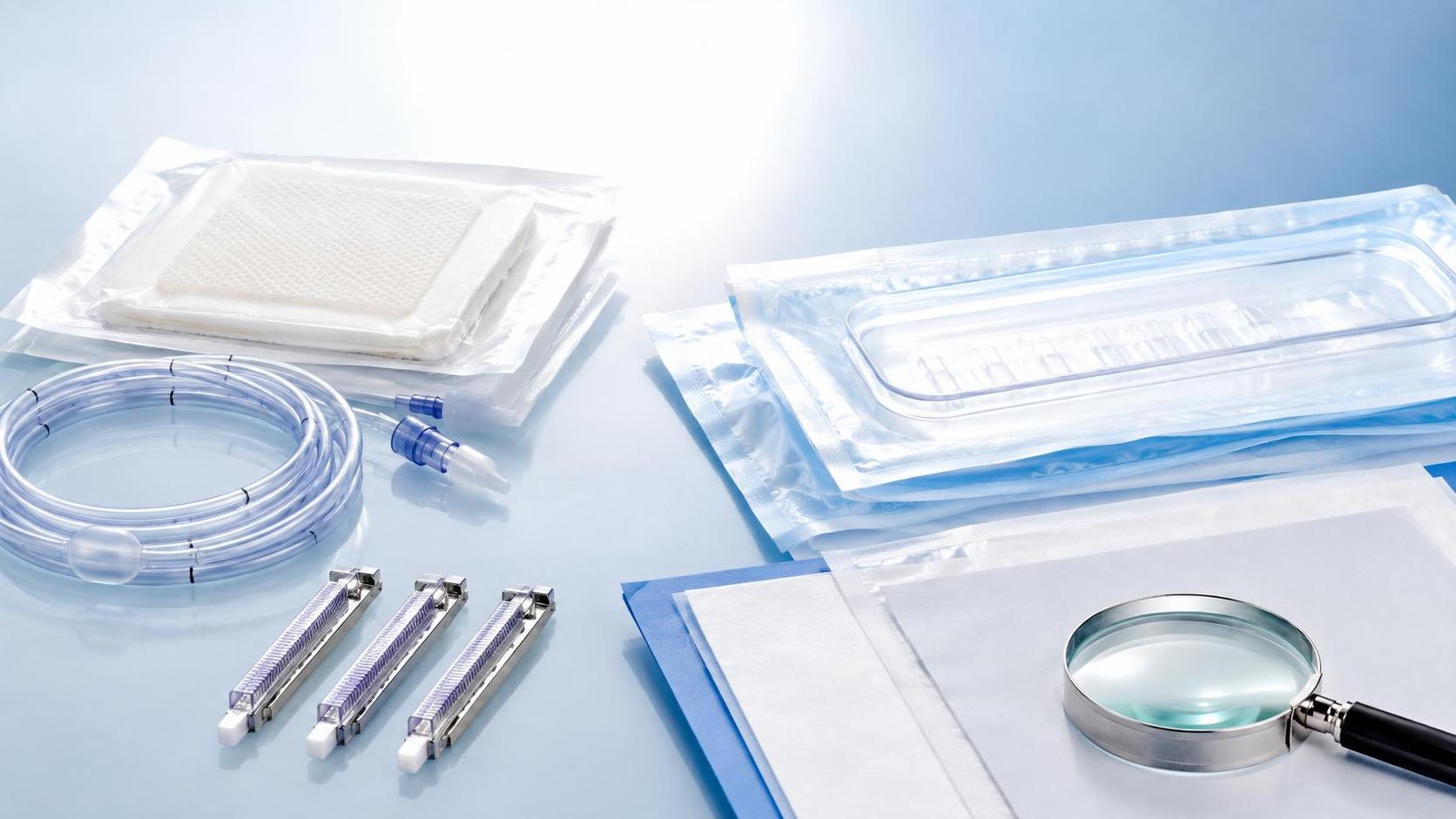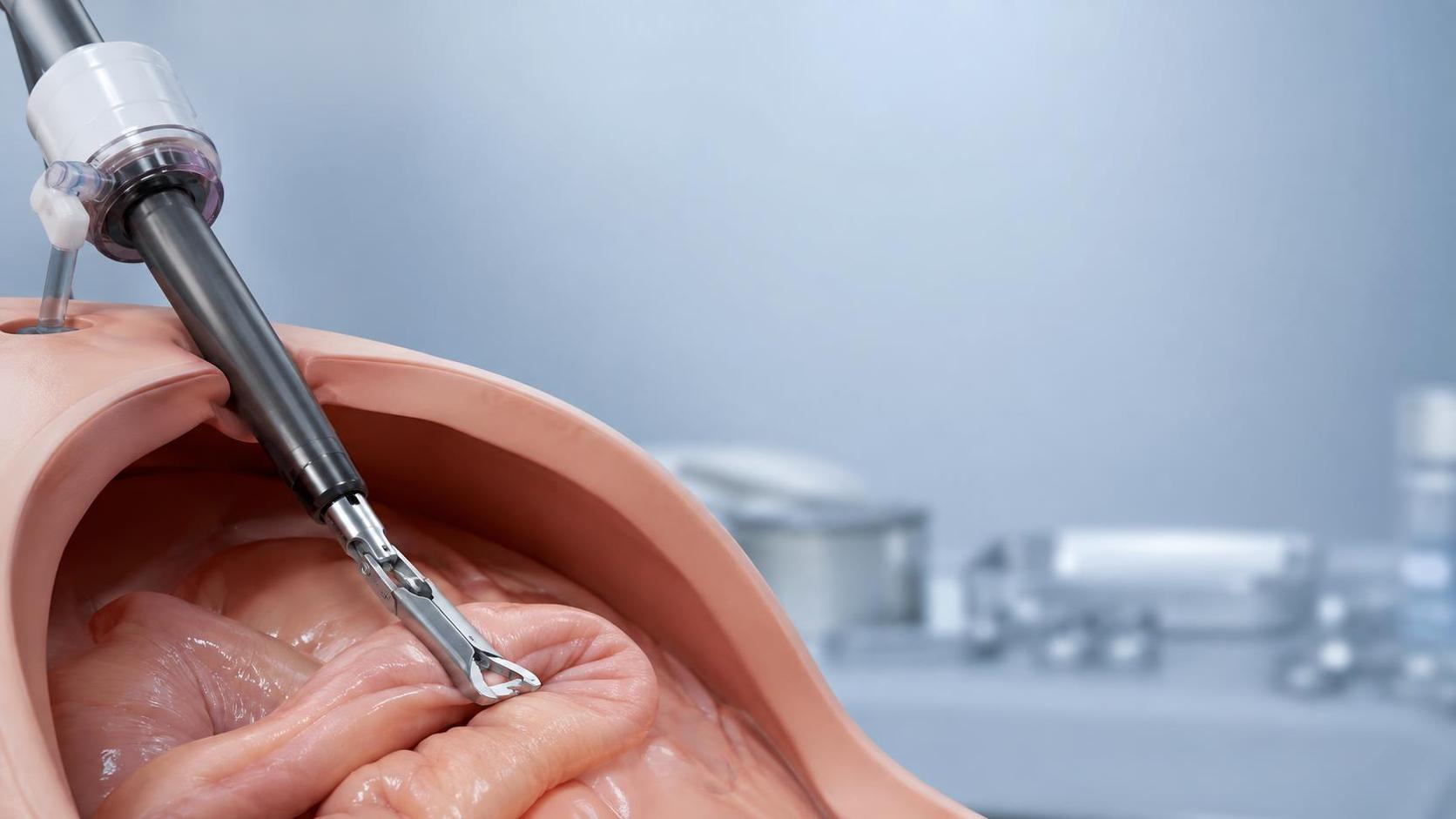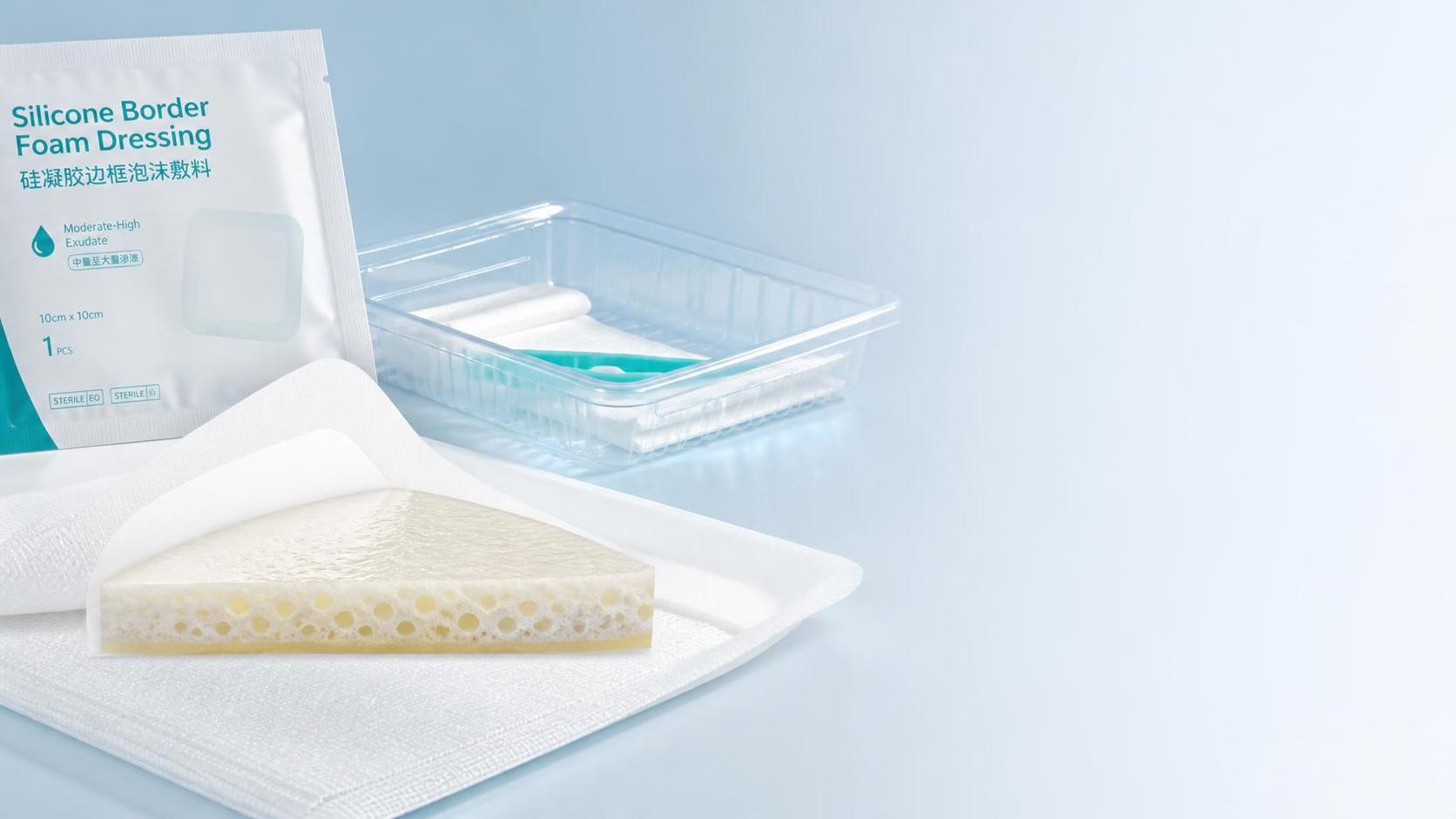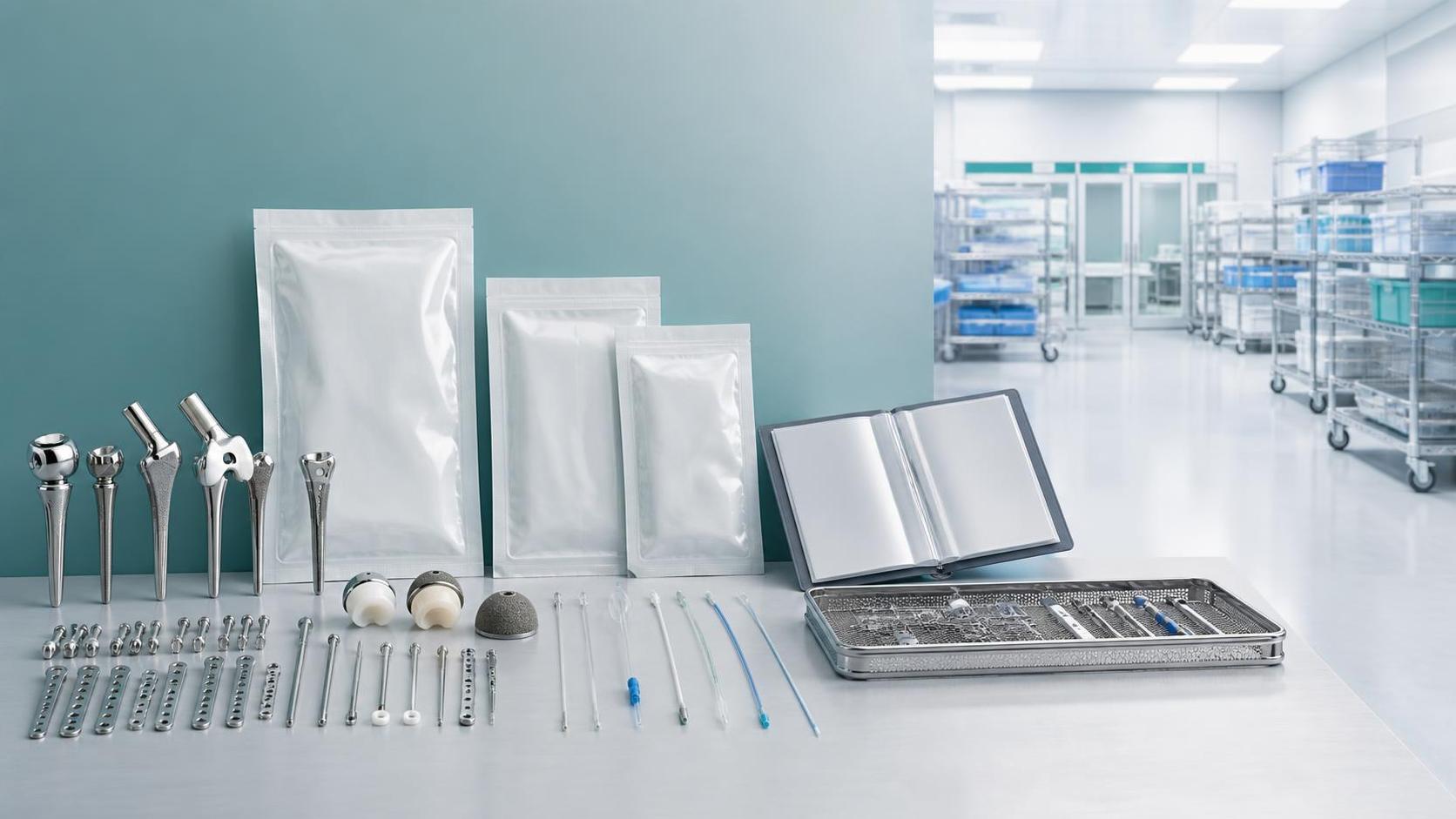
Medical Consumables: Key Quality Risks Before Supplier Approval
Why is supplier approval for medical consumables rarely just a paperwork exercise?

In medical consumables, a supplier file can look complete while the underlying risk remains high.
That gap matters because defects here do not stay on paper. They can reach operating rooms, cath labs, wound care units, and audit trails.
A low quote may seem attractive, yet hidden variation in resin grades, titanium purity, coating stability, or sterilization control can erase any savings.
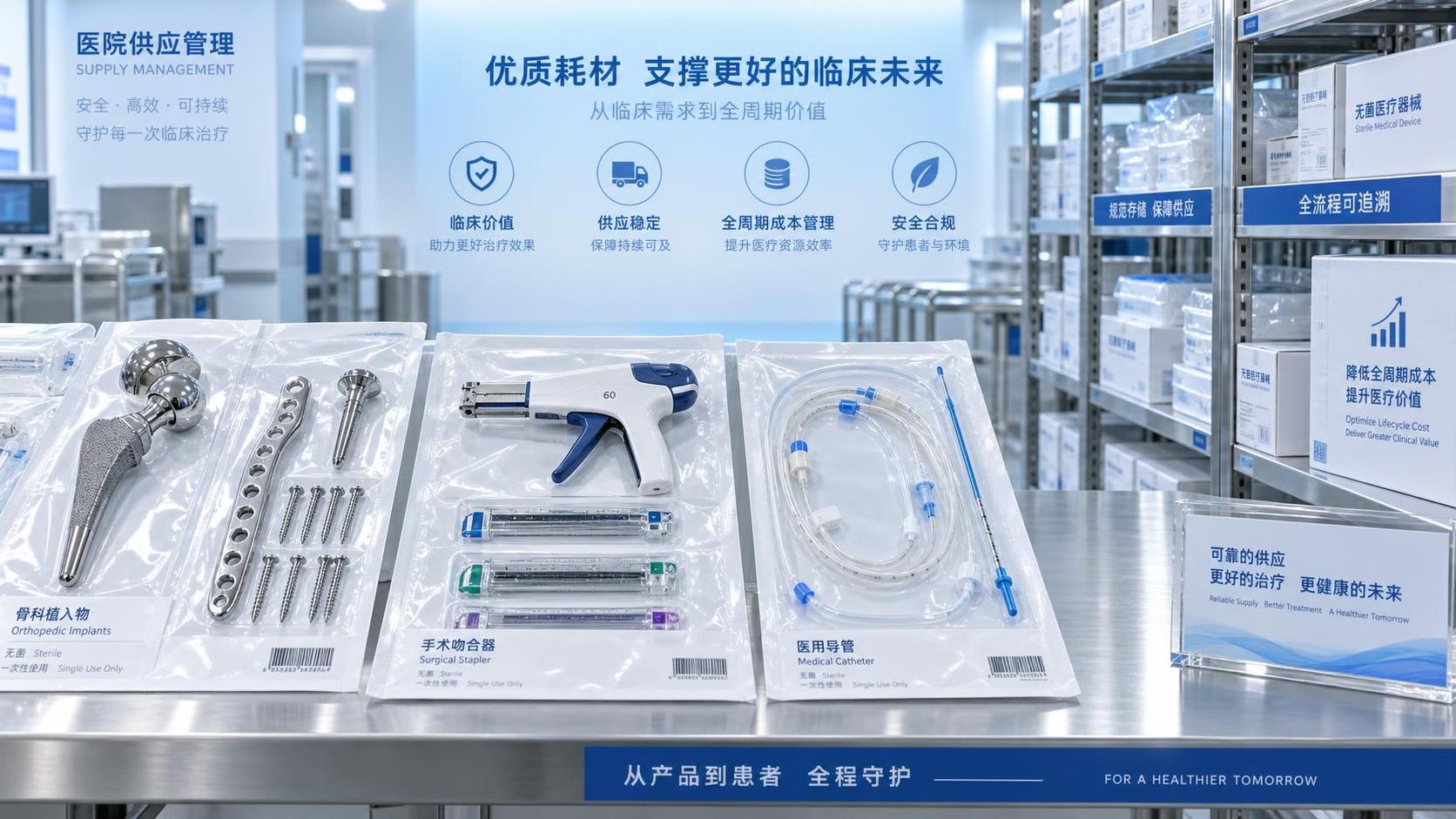
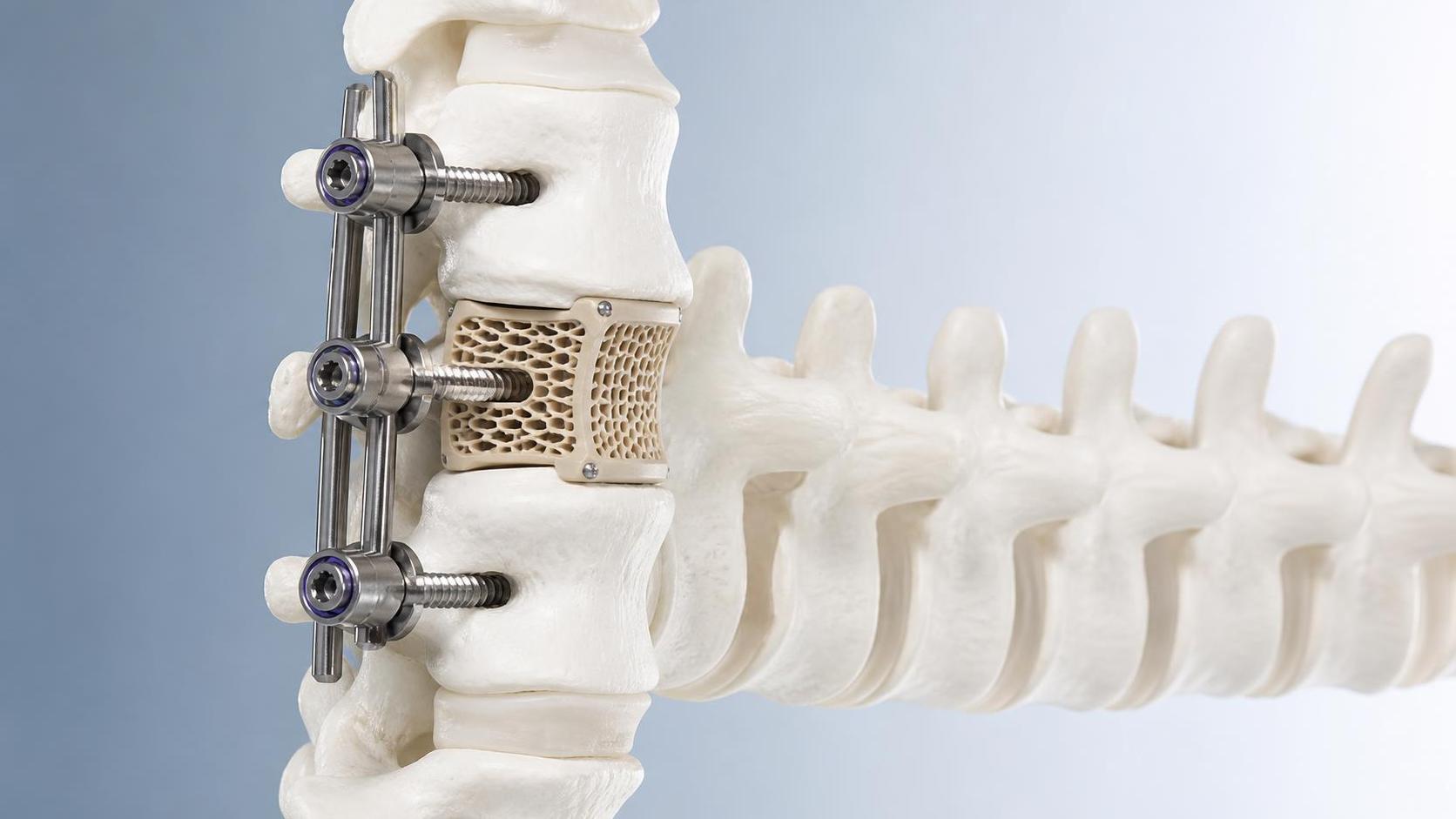
For medical consumables used in implants, catheters, staplers, and advanced dressings, approval decisions should connect quality evidence with patient outcome risk.
This is also where industry intelligence becomes practical. IMCS often highlights how biocompatibility, precision machining, Class III regulations, and VBP pressure intersect in real sourcing decisions.
So the real question is not whether a supplier submitted certificates. It is whether the entire supply chain can repeatedly deliver safe, compliant, and stable medical consumables.
Which quality risks should be checked before approving a medical consumables supplier?
The most common failures appear in five areas, and each one can trigger complaints, recalls, or nonconformities.
- Material risk: uncontrolled raw material changes, inconsistent polymer batches, metal contamination, or incomplete biocompatibility support.
- Process risk: weak validation, poor tool maintenance, uncontrolled cleanroom practices, or inconsistent assembly parameters.
- Sterilization risk: dose mapping gaps, packaging seal instability, residual limits, or transport conditions that compromise sterility.
- Traceability risk: incomplete lot linkage, weak component genealogy, or systems that fail during complaint investigation.
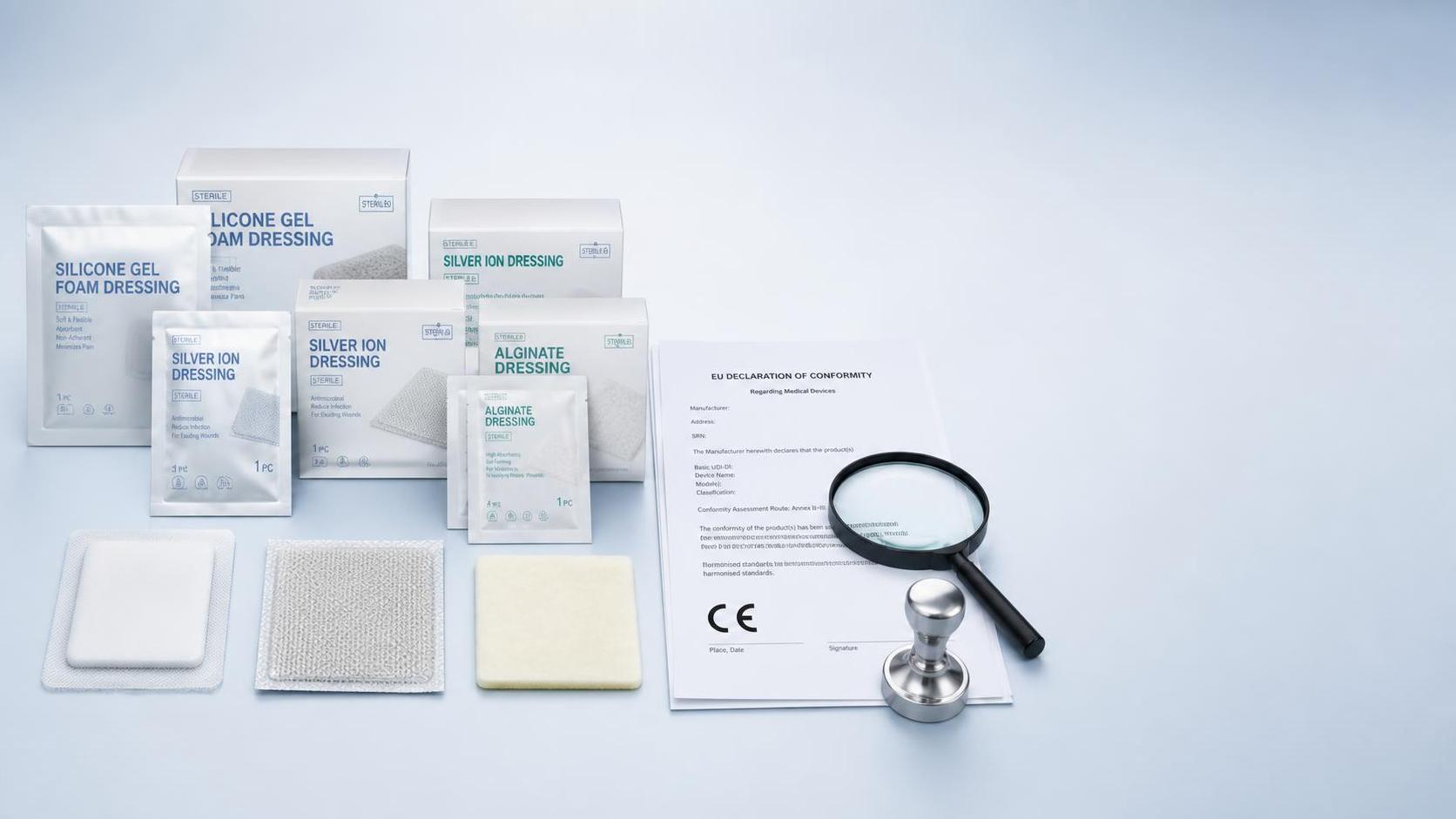
- Regulatory risk: missing technical files, outdated registrations, weak change notification rules, or unsupported claims.
In practice, these risks rarely stand alone. A material substitution can affect sterilization compatibility, shelf life, and ISO 10993 results at the same time.
That is why medical consumables require a connected review, not a checklist reviewed in isolation.
Orthopedic and cardiovascular products deserve especially close attention because small deviations may carry long biological or mechanical consequences.
A quick risk-screening table helps separate formal compliance from real control
Before an audit or sample run, a simple comparison table can reveal where deeper verification is necessary.
How do material and biocompatibility risks show up before product complaints appear?
Material risk often starts quietly. A polymer looks identical, a coating supplier changes solvent grade, or a titanium source shifts refining methods.
The product may still pass incoming inspection, yet long-term performance changes later.
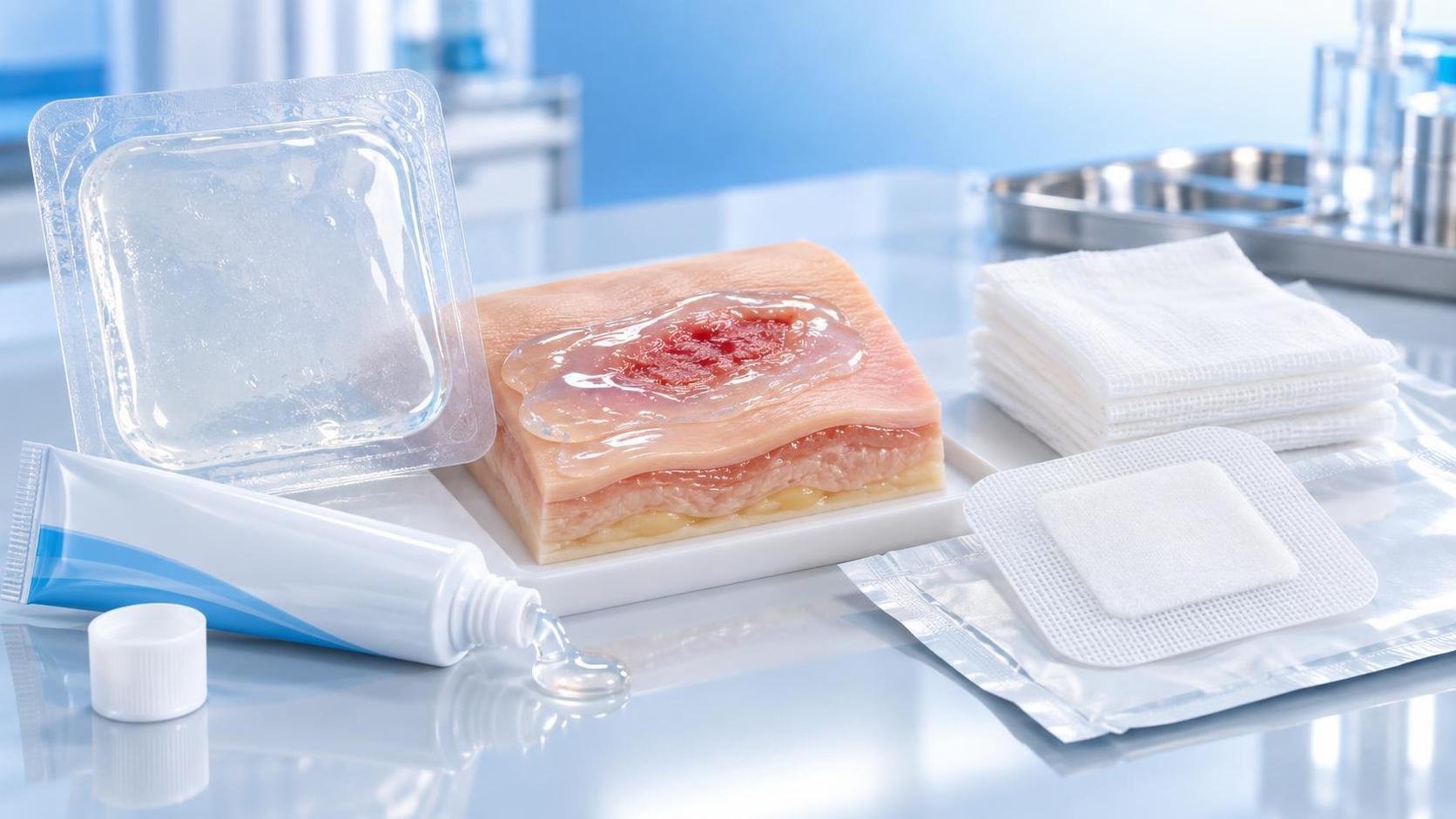
For medical consumables, this is critical in hydrophilic catheters, stapler components, porous implant surfaces, and advanced wound dressings.
A strong supplier should provide more than a material certificate. The file should show specification ownership, supplier qualification depth, and change notification timing.
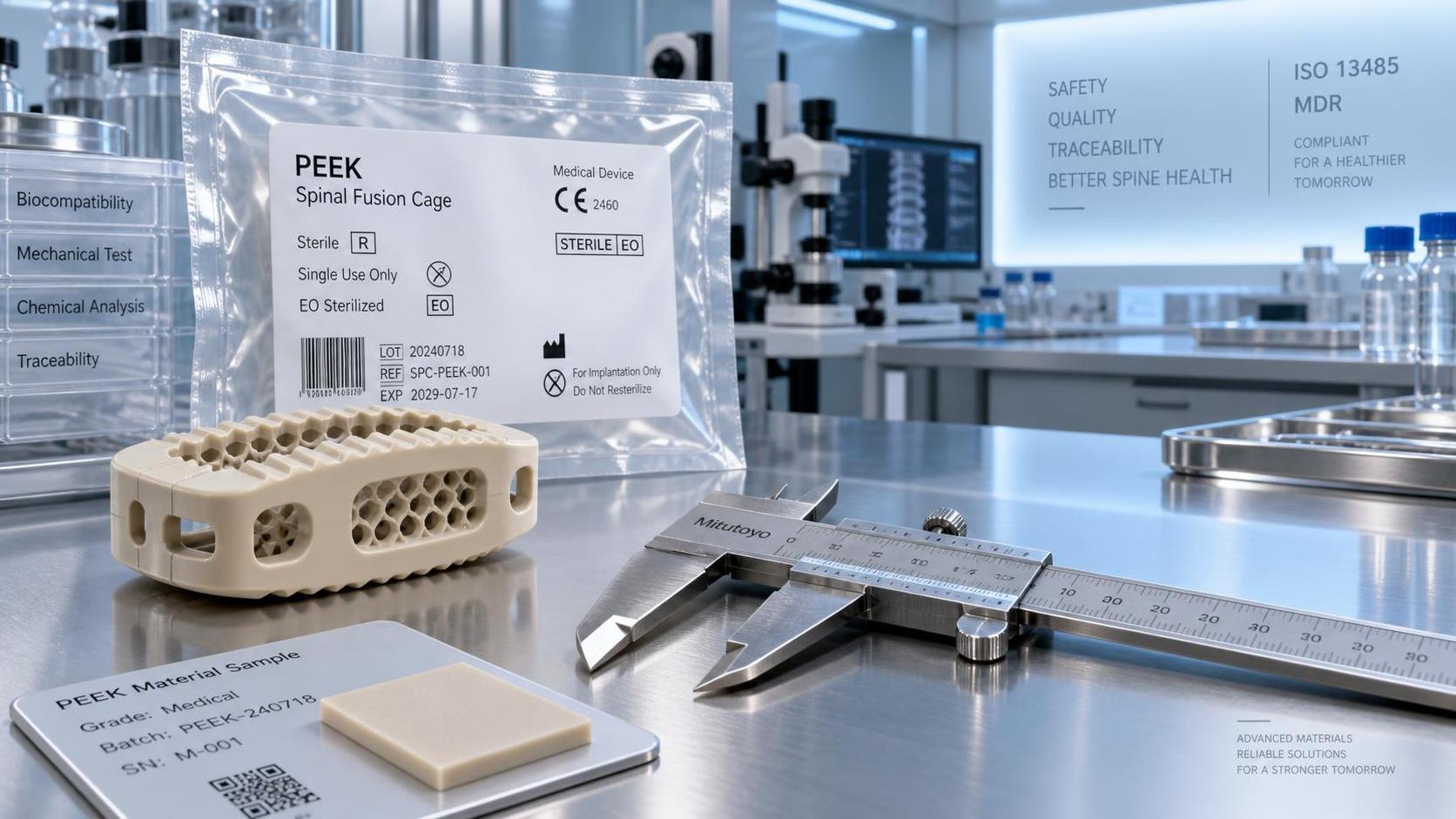
Biocompatibility evidence also needs context. ISO 10993 results should match the final product form, contact duration, and processing residues.
A resin tested years ago in another device family does not automatically support a new design.
IMCS repeatedly tracks this issue across high-risk segments. The challenge is not only toxicity testing, but whether material control remains stable after commercialization and cost pressure.
A useful question during approval is simple: if one upstream ingredient changes, who knows first, and what gets revalidated?
What usually gets missed in sterilization, packaging, and shelf-life review?
This is where many teams rely too heavily on a summary certificate.
Sterilization for medical consumables should be reviewed together with packaging integrity, transport stress, and storage limits.
For example, EO residuals, gamma effects on polymers, or seal creep after aging may not be obvious in routine release data.
More importantly, validation should reflect the exact load pattern and packaging configuration used in production.
A validated cycle can still become unreliable if carton density, pouch material, or pallet layout changes without review.
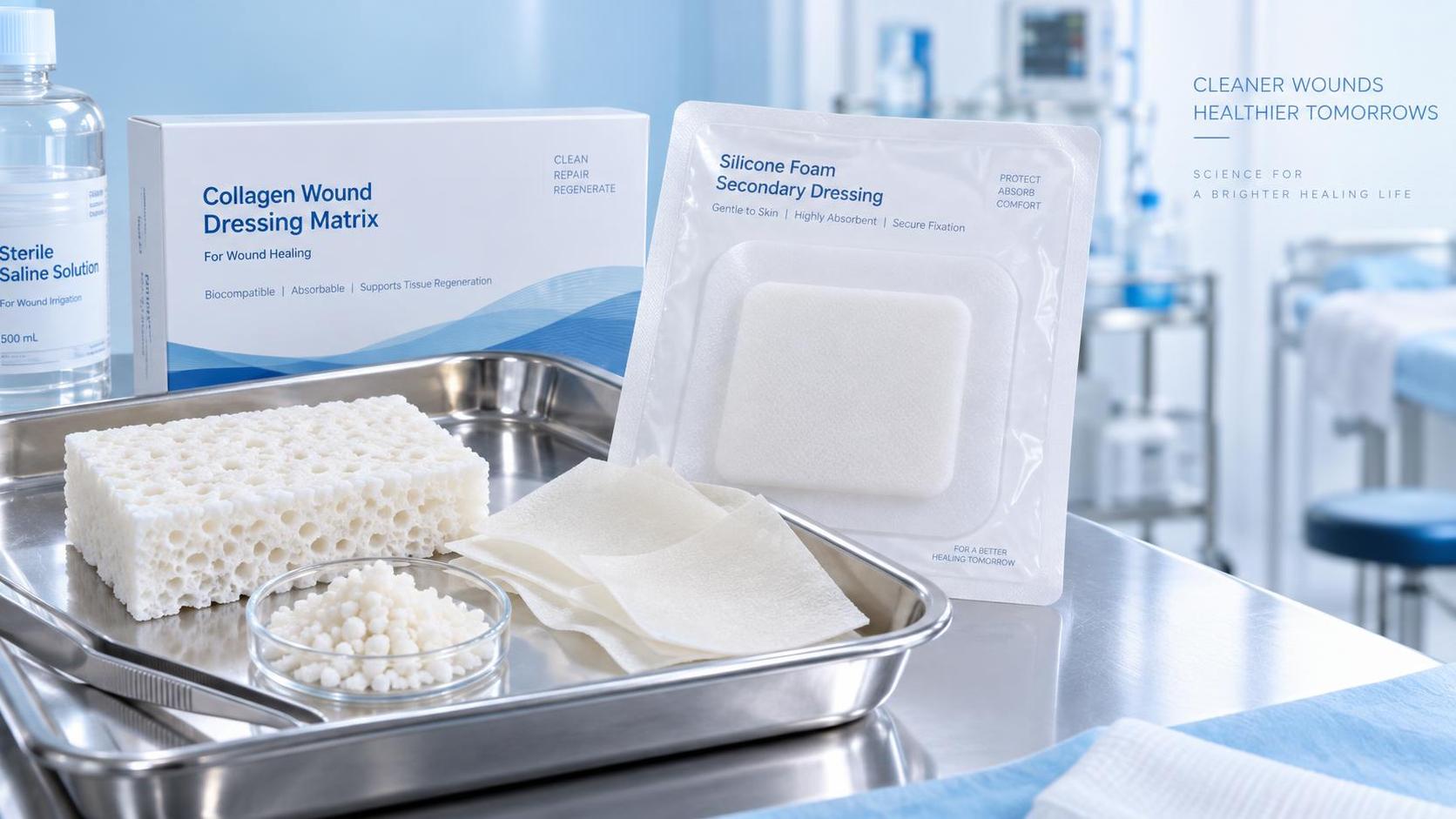
For dressings and minimally invasive consumables, package opening performance also matters. Safe sterility means little if clinical handling introduces contamination.
When shelf-life claims look aggressive, ask what supports them: real-time aging, accelerated aging, seal testing, transit simulation, or only historical assumption.
The cost angle is easy to miss here. A supplier with weak packaging control can create hidden scrap, field returns, and urgent revalidation expense later.
If a supplier is certified, do process control and traceability still need deeper scrutiny?
Yes, because certification shows a framework, not daily discipline.
Medical consumables are especially sensitive to process drift in extrusion, molding, laser cutting, surface treatment, assembly, and cleanroom packaging.
A supplier may have ISO 13485 certification, yet still rely too much on final inspection and not enough on validated process windows.
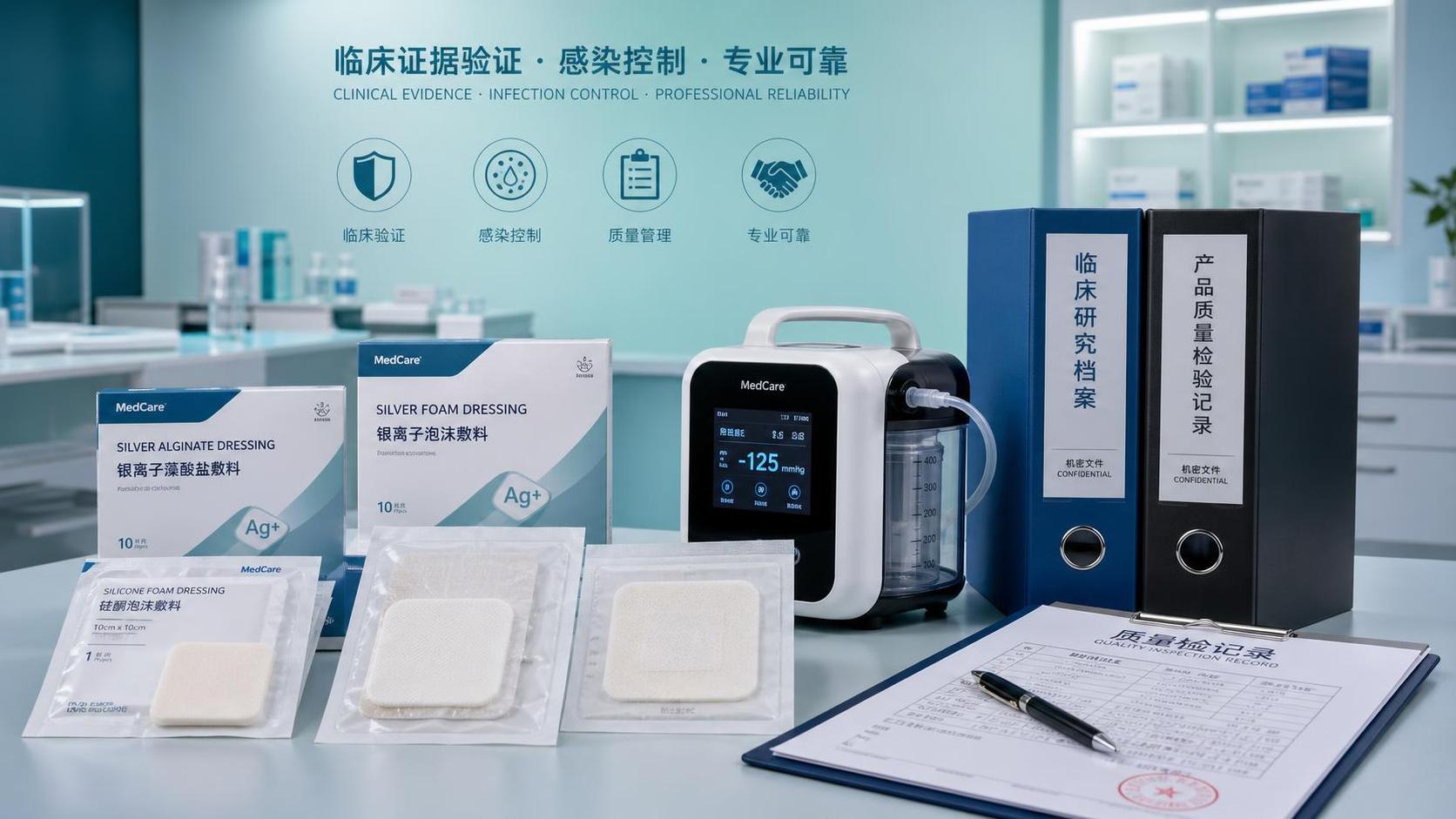
The more reliable sign is whether critical parameters are defined, monitored, trended, and tied to CAPA actions.
Traceability should receive the same attention. When complaints occur, speed matters almost as much as root cause accuracy.
A robust traceability system should connect raw materials, subcomponents, operators, sterilization lots, and shipped finished goods without manual reconstruction.
This becomes essential for implants and interventional products, where field action scope must be precise.
- Review how deviations are escalated, not only how they are recorded.
- Check whether rework is controlled and medically justified.
- Confirm line clearance, contamination prevention, and equipment maintenance evidence.
- Ask for a mock trace exercise with timing, not just screenshots.
How should cost, VBP pressure, and supplier approval be balanced without weakening quality?
This is where decisions become difficult. Price pressure in medical consumables is real, especially under VBP-style procurement environments.
Still, cheaper supply is only valuable when process stability and compliance remain intact.
A lower unit price may hide weak tooling life, unstable yield, limited regulatory coverage, or fragile logistics capacity.
The better approach is to compare total quality cost, not purchase price alone.
That means asking how much risk sits behind complaints, additional incoming inspection, audit frequency, change management workload, and potential field action.
IMCS often frames this as an intelligence problem rather than a sourcing problem. Materials science, clinical consequence, and policy economics need to be read together.
A supplier supporting orthopedic implants or cardiovascular devices should be judged not only on capacity, but on whether technical value survives price compression.
In many cases, the safest savings come from clearer specifications, better change control, and fewer quality surprises.
What should happen before final approval is granted?
Final approval should follow evidence from documents, site review, samples, and risk scoring together.
- Define critical-to-quality attributes for the specific medical consumables being sourced.
- Map material, process, sterilization, and traceability risks to those attributes.
- Require documented change notification rules and response timelines.
- Use pilot lots or first article review to confirm consistency, not just capability claims.
- Set post-approval monitoring triggers for complaints, deviations, and supply interruptions.
The point is not to slow every supplier. It is to prevent hidden instability from entering a regulated and patient-facing product line.
When approval criteria are tied to actual clinical and regulatory risk, supplier decisions become clearer and more defensible.
For the next step, build a review sheet around material control, sterilization evidence, traceability depth, and lifecycle change management.
That structure makes it easier to compare medical consumables suppliers on the factors that truly protect quality, cost, and long-term compliance.
Get weekly intelligence in your inbox.
No noise. No sponsored content. Pure intelligence.
News Recommendations
 Sep 23, 2026How to verify the sterility assurance of surgical devicesHow to verify the sterility assurance of surgical devices
 Sep 22, 2026How to assess a spinal implants manufacturer’s quality systemHow to assess a spinal implants manufacturer’s quality system
 Sep 21, 2026How to assess an osseointegration technology manufacturer’s quality systemHow to assess an osseointegration technology manufacturer’s quality system
 Sep 20, 2026Medical material science trends reshaping biocompatibility testingMedical material science trends reshaping biocompatibility testing
 Sep 19, 2026What North American regulators expect in implant clinical evaluationsWhat North American regulators expect in implant clinical evaluations
 Sep 18, 2026When should plate and screw systems be selected for fracture fixation?When should plate and screw systems be selected for fracture fixation?
 Sep 17, 2026How a medical device sourcing strategy can reduce total acquisition costHow a medical device sourcing strategy can reduce total acquisition cost
 Sep 16, 2026When are silver foam burn care dressings appropriate for exuding burns?When are silver foam burn care dressings appropriate for exuding burns?
 Sep 15, 2026What drives medical device category pricing in value-based purchasing?What drives medical device category pricing in value-based purchasing?
 Sep 14, 2026High value consumables insights for evaluating total cost of careHigh value consumables insights for evaluating total cost of care
 Sep 13, 2026What a medical device market insights platform reveals about market accessWhat a medical device market insights platform reveals about market access
 Sep 12, 2026When are collagen-based tissue healing materials suitable for wound care?When are collagen-based tissue healing materials suitable for wound care?
 Sep 11, 2026How catheter material selection affects total cost of ownershipHow catheter material selection affects total cost of ownership
 Sep 10, 2026What FDA clearance means for medical grade PEEK implantsWhat FDA clearance means for medical grade PEEK implants
 Sep 09, 2026When do hydrogel wound healing technologies suit dry wounds?When do hydrogel wound healing technologies suit dry wounds?
 Sep 07, 2026How to assess medical consumables for surgical useHow to assess medical consumables for surgical use
 Sep 07, 2026How to verify CE MDR compliance for single-use medical consumablesHow to verify CE MDR compliance for single-use medical consumables
 Sep 05, 2026How to evaluate an antithrombotic catheter factory for qualityHow to evaluate an antithrombotic catheter factory for quality
 Sep 04, 2026When do minimally invasive surgical staplers improve GI access?When do minimally invasive surgical staplers improve GI access?
 Sep 03, 2026When are foam moist wound healing dressings appropriate for exuding wounds?When are foam moist wound healing dressings appropriate for exuding wounds?
 Sep 02, 2026How implant pricing affects access to advanced medical careHow implant pricing affects access to advanced medical care
 Sep 01, 2026What is driving price pressure in the North American medical consumables market?What is driving price pressure in the North American medical consumables market?
 Aug 31, 2026Comparing medical devices in Southeast Asia when market access differsComparing medical devices in Southeast Asia when market access differs
 Aug 30, 2026When are 3D printed PEEK implants suitable for spinal reconstruction?When are 3D printed PEEK implants suitable for spinal reconstruction?
 Aug 29, 2026How global medical device regulations shape clinical evidence requirementsHow global medical device regulations shape clinical evidence requirements
 Aug 28, 2026How to verify a burn care dressings exporter meets EU MDR requirementsHow to verify a burn care dressings exporter meets EU MDR requirements
 Aug 27, 2026How to verify a diabetic foot wound care supplier’s clinical evidenceHow to verify a diabetic foot wound care supplier’s clinical evidence