Medical Polymer Catheters: Key Risks in Material Selection
Material selection sits at the center of safety for medical polymer catheters. A device may look dimensionally correct, yet still fail in blood contact, sterilization, shelf life, or clinical use because the polymer system was chosen for process convenience rather than total risk performance.
That concern has become sharper across interventional cardiology, neurovascular access, drainage, infusion, and minimally invasive surgery. In these settings, medical polymer catheters are no longer simple tubes. They are engineered pathways that must balance flexibility, pushability, chemical stability, and biological safety under strict regulatory scrutiny.
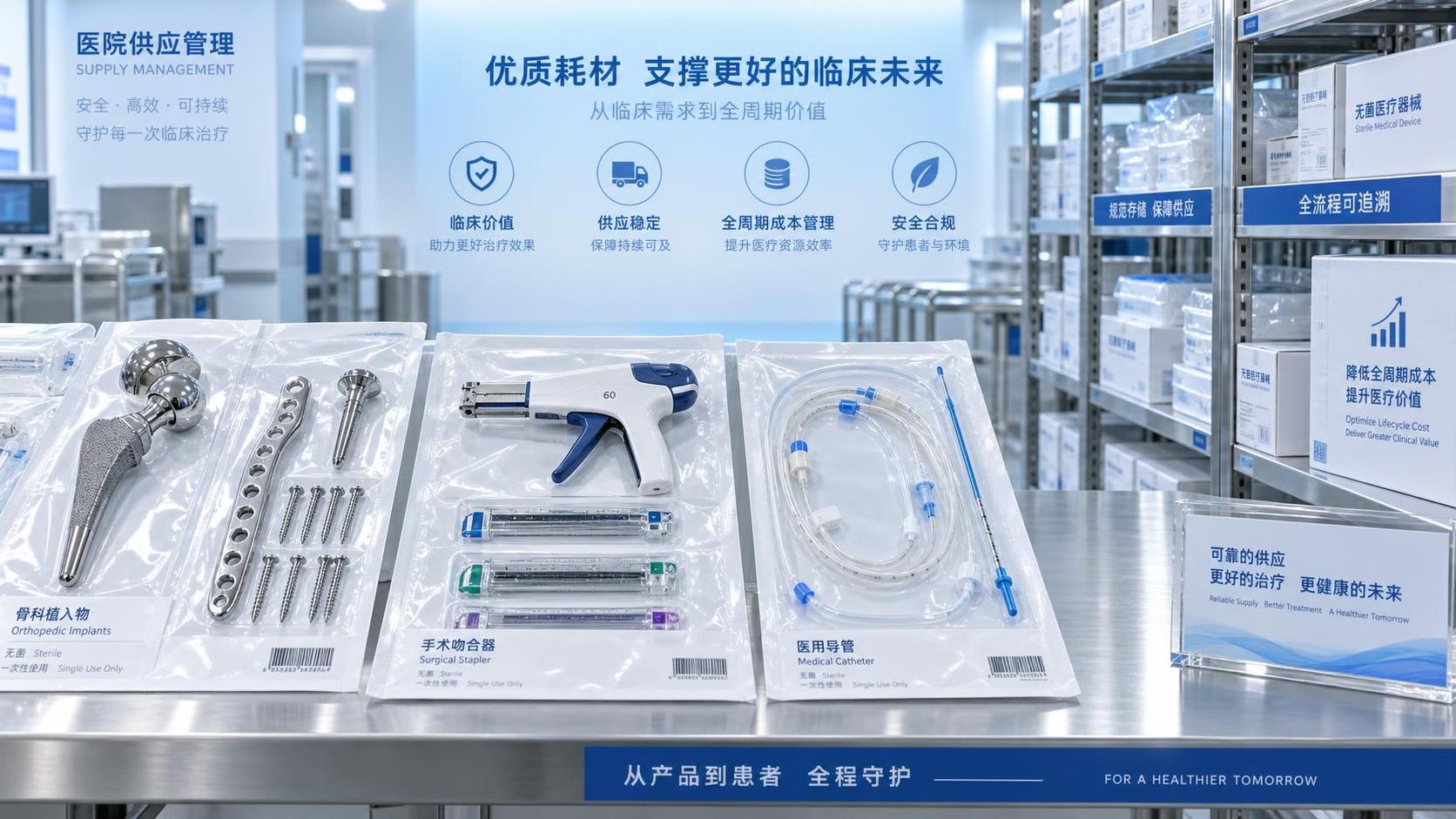
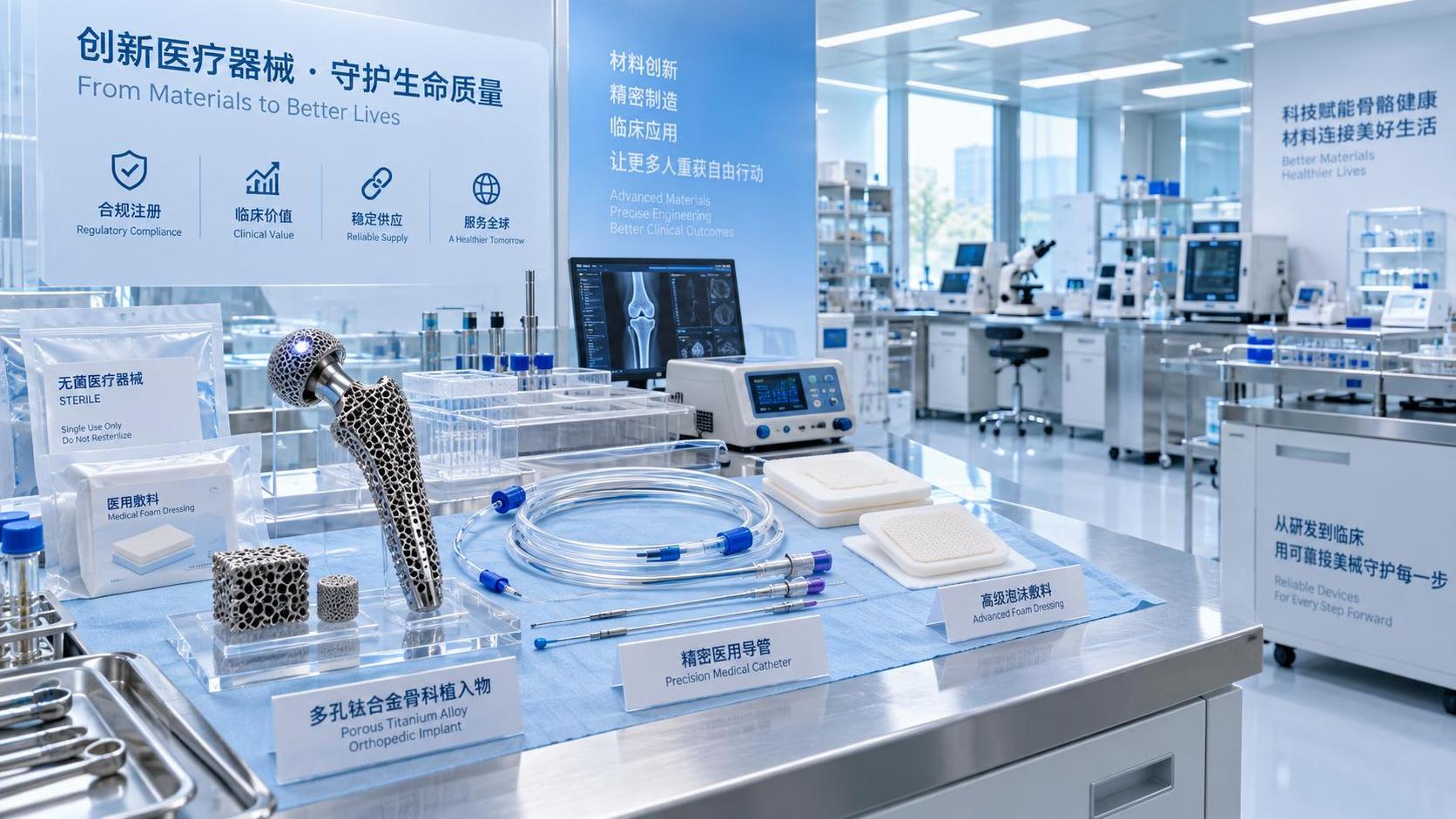
Within the wider medical consumables landscape tracked by IMCS, catheter materials reflect the same industry reality seen in implants, staplers, and wound care: material science, precision manufacturing, and compliance can no longer be treated as separate decisions. They are one connected control system.
Why material choice has become a frontline risk issue

For many catheter programs, the early focus is mechanical performance. Teams compare hardness, burst strength, kink resistance, and torque response. Those metrics matter, but they rarely tell the full story of how medical polymer catheters behave across the product lifecycle.
A polymer may perform well during extrusion and bench testing, then release extractables after EtO exposure, become brittle after gamma sterilization, or show unexpected hemocompatibility concerns in prolonged blood contact. In practice, the critical risk is not one property. It is interaction between properties.
This is especially relevant as Class III and other high-risk devices face tighter evidence expectations under ISO 10993, MDR-oriented biological evaluation logic, and increasingly disciplined supplier traceability reviews. A small gap in resin selection can become a large gap in regulatory readiness.
What counts as the material system in medical polymer catheters
When discussing medical polymer catheters, the word material should not mean only the base resin. The actual risk profile comes from the full material system.
That system usually includes the liner, shaft polymers, reinforcement interface, tie layers, additives, colorants, lubricious or hydrophilic coatings, radiopaque fillers, adhesive bonds, and packaging contact materials. Each component can alter safety or performance.
For example, a Pebax or TPU shaft may be selected for flexibility, while PTFE supports low-friction lumen performance. Add barium sulfate for visibility, a coating for trackability, and an adhesive for assembly, and the biological and chemical profile changes again.
This is why strong catheter programs evaluate compatibility at the system level. A good resin surrounded by poorly matched secondary materials can still create an unsafe product.
The highest-impact material risks to watch
Extractables and leachables that stay hidden until late
Extractables risk often enters through additives, processing aids, residual monomers, coating chemistry, inks, and adhesive systems. Intravascular and long-dwell medical polymer catheters are particularly sensitive because patient exposure can be direct and repeated.
The practical issue is timing. These concerns may not appear in routine dimensional inspection. They emerge during chemical characterization, biocompatibility review, aging studies, or complaint analysis. By then, redesign costs are much higher.
Thrombogenicity and blood-contact incompatibility
Some medical polymer catheters contact blood briefly. Others remain in place long enough to make surface behavior a primary safety question. Surface energy, roughness, coating stability, and additive migration can all influence thrombus formation.
A shaft material that appears harmless in general biocompatibility screening may still perform poorly in hemocompatibility terms. That gap matters for central venous catheters, neuro-interventional microcatheters, and cardiovascular delivery systems.
Kink, crack, and fatigue failure under real use
Mechanical failure is rarely caused by softness alone. It is more often linked to polymer grade mismatch, wall-thickness compromise, reinforcement interaction, or stress created by sterilization and aging.
Medical polymer catheters used in tortuous anatomy need a narrow balance. Too soft, and the device buckles. Too stiff, and vessel trauma risk rises. Good material selection respects the exact clinical path, not just generic flexibility targets.
Sterilization incompatibility
EtO, gamma, e-beam, and steam do not affect polymers in the same way. Some grades discolor, embrittle, lose elongation, absorb sterilant residues, or show coating delamination after exposure.
This makes sterilization compatibility a material-selection question from day one. It should never be treated as a final packaging checkpoint.
How these risks show up in real device categories
Different catheter categories carry different stress patterns. A useful review starts by matching the material system to the use environment, dwell time, and failure consequence.
From an industry perspective, this category-specific view matters because not all medical polymer catheters should be judged by the same approval checklist. Risk weighting has to follow intended use.
A practical framework for material selection decisions
The most reliable selection process begins with the clinical and regulatory endpoint, then works backward to material screening. That sequence reduces the chance of choosing an attractive polymer that later becomes a validation burden.
- Define contact type, duration, and drug or fluid exposure before comparing polymer grades.
- Review supplier change-control discipline, not only technical data sheets.
- Assess full formulation disclosure where possible, including additives and processing aids.
- Match sterilization route and accelerated aging plans with the candidate material system.
- Check coating, adhesive, and filler interactions under simulated use conditions.
- Link bench testing to biological evaluation logic instead of treating them as separate tracks.
This approach aligns with the broader IMCS view that high-value consumables succeed when biocompatibility evidence, micron-level processing control, and market access expectations are stitched together early.
Signals that a catheter material decision needs a second look
Certain warning signs deserve early escalation. They often predict downstream complaints, nonconformities, or extended review cycles.
- Mechanical results shift after sterilization or after short aging exposure.
- A coating improves lubricity but weakens adhesion consistency.
- The resin supplier cannot provide stable lot traceability history.
- Chemical characterization shows unidentified peaks with unclear toxicological relevance.
- Equivalent devices in the market use a different material logic for the same clinical pathway.
- Pilot builds pass dimensional checks while use simulation reveals unexpected resistance or collapse.
In medical polymer catheters, these signals should not be dismissed as development noise. They often point to a material architecture problem rather than a simple process deviation.
Where business pressure changes the risk equation
Cost pressure is real across global consumables markets, especially where VBP logic or reimbursement compression influences sourcing decisions. Yet material downgrades in medical polymer catheters can create hidden costs that exceed any short-term savings.
Revalidation, complaint handling, scrap, CAPA load, delayed approvals, and field risk are all expensive. For high-risk catheter categories, a lower resin price may actually reduce commercial resilience if it weakens compliance confidence.
That is one reason intelligence-led review matters. In the same way that orthopedic implants depend on long-term osseointegration logic and staplers depend on precision closure reliability, catheters depend on material consistency that holds under clinical reality, not just procurement comparison.
What to prioritize next
A useful next step is to map each catheter platform against five linked questions: what touches the patient, what changes during sterilization, what may migrate, what may fail under anatomy-driven stress, and what evidence will a reviewer expect to see.
That review usually clarifies whether the current design relies on a robust material strategy or on assumptions carried over from older device generations. For medical polymer catheters, that distinction is often the difference between routine approval and prolonged remediation.
When decisions are framed this way, material selection becomes easier to judge, easier to document, and far more defensible across quality, safety, and regulatory review.
Get weekly intelligence in your inbox.
No noise. No sponsored content. Pure intelligence.
News Recommendations
 Sep 23, 2026How to verify the sterility assurance of surgical devicesHow to verify the sterility assurance of surgical devices
 Sep 22, 2026How to assess a spinal implants manufacturer’s quality systemHow to assess a spinal implants manufacturer’s quality system
 Sep 21, 2026How to assess an osseointegration technology manufacturer’s quality systemHow to assess an osseointegration technology manufacturer’s quality system
 Sep 20, 2026Medical material science trends reshaping biocompatibility testingMedical material science trends reshaping biocompatibility testing
 Sep 19, 2026What North American regulators expect in implant clinical evaluationsWhat North American regulators expect in implant clinical evaluations
 Sep 18, 2026When should plate and screw systems be selected for fracture fixation?When should plate and screw systems be selected for fracture fixation?
 Sep 17, 2026How a medical device sourcing strategy can reduce total acquisition costHow a medical device sourcing strategy can reduce total acquisition cost
 Sep 16, 2026When are silver foam burn care dressings appropriate for exuding burns?When are silver foam burn care dressings appropriate for exuding burns?
 Sep 15, 2026What drives medical device category pricing in value-based purchasing?What drives medical device category pricing in value-based purchasing?
 Sep 14, 2026High value consumables insights for evaluating total cost of careHigh value consumables insights for evaluating total cost of care
 Sep 13, 2026What a medical device market insights platform reveals about market accessWhat a medical device market insights platform reveals about market access
 Sep 12, 2026When are collagen-based tissue healing materials suitable for wound care?When are collagen-based tissue healing materials suitable for wound care?
 Sep 11, 2026How catheter material selection affects total cost of ownershipHow catheter material selection affects total cost of ownership
 Sep 10, 2026What FDA clearance means for medical grade PEEK implantsWhat FDA clearance means for medical grade PEEK implants
 Sep 09, 2026When do hydrogel wound healing technologies suit dry wounds?When do hydrogel wound healing technologies suit dry wounds?
 Sep 07, 2026How to assess medical consumables for surgical useHow to assess medical consumables for surgical use
 Sep 07, 2026How to verify CE MDR compliance for single-use medical consumablesHow to verify CE MDR compliance for single-use medical consumables
 Sep 05, 2026How to evaluate an antithrombotic catheter factory for qualityHow to evaluate an antithrombotic catheter factory for quality
 Sep 04, 2026When do minimally invasive surgical staplers improve GI access?When do minimally invasive surgical staplers improve GI access?
 Sep 03, 2026When are foam moist wound healing dressings appropriate for exuding wounds?When are foam moist wound healing dressings appropriate for exuding wounds?
 Sep 02, 2026How implant pricing affects access to advanced medical careHow implant pricing affects access to advanced medical care
 Sep 01, 2026What is driving price pressure in the North American medical consumables market?What is driving price pressure in the North American medical consumables market?
 Aug 31, 2026Comparing medical devices in Southeast Asia when market access differsComparing medical devices in Southeast Asia when market access differs
 Aug 30, 2026When are 3D printed PEEK implants suitable for spinal reconstruction?When are 3D printed PEEK implants suitable for spinal reconstruction?
 Aug 29, 2026How global medical device regulations shape clinical evidence requirementsHow global medical device regulations shape clinical evidence requirements
 Aug 28, 2026How to verify a burn care dressings exporter meets EU MDR requirementsHow to verify a burn care dressings exporter meets EU MDR requirements
 Aug 27, 2026How to verify a diabetic foot wound care supplier’s clinical evidenceHow to verify a diabetic foot wound care supplier’s clinical evidence