Implantable Medical Devices: Key Biocompatibility Risks Before Approval
Why do biocompatibility risks decide the fate of implantable medical devices?
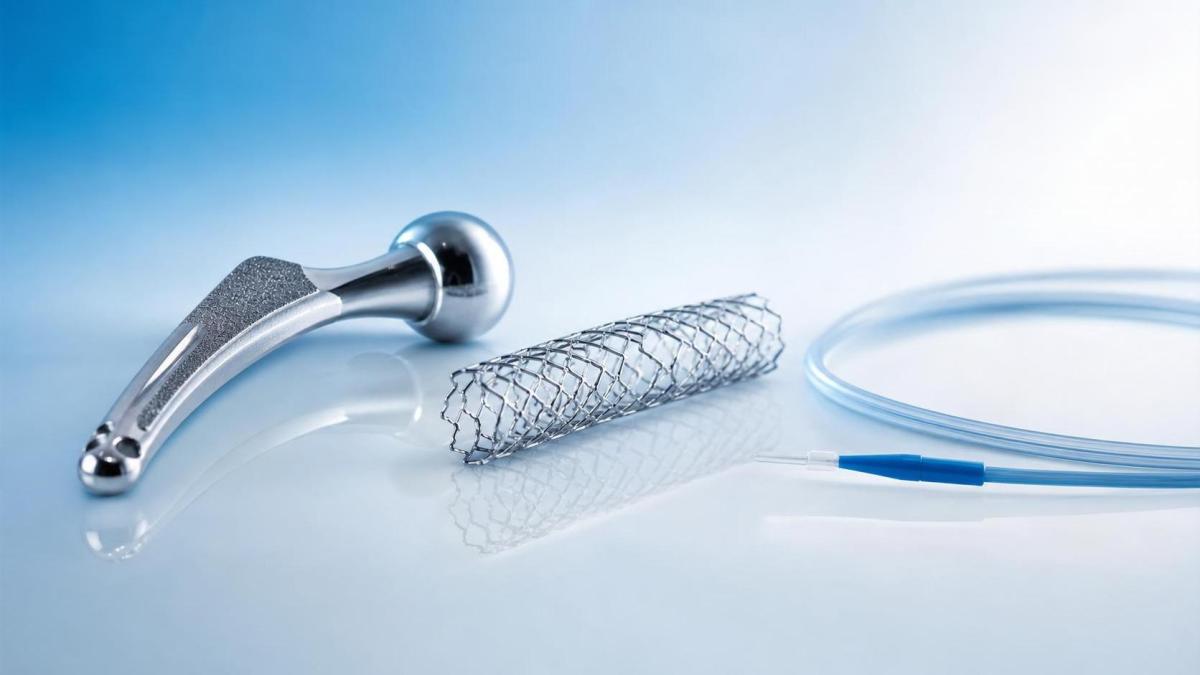
Before approval, implantable medical devices are judged far beyond mechanical performance or design novelty.
Regulators want evidence that the device can live inside the body without causing avoidable harm.
That sounds basic, but in practice it drives timelines, testing budgets, clinical strategy, and even market access.
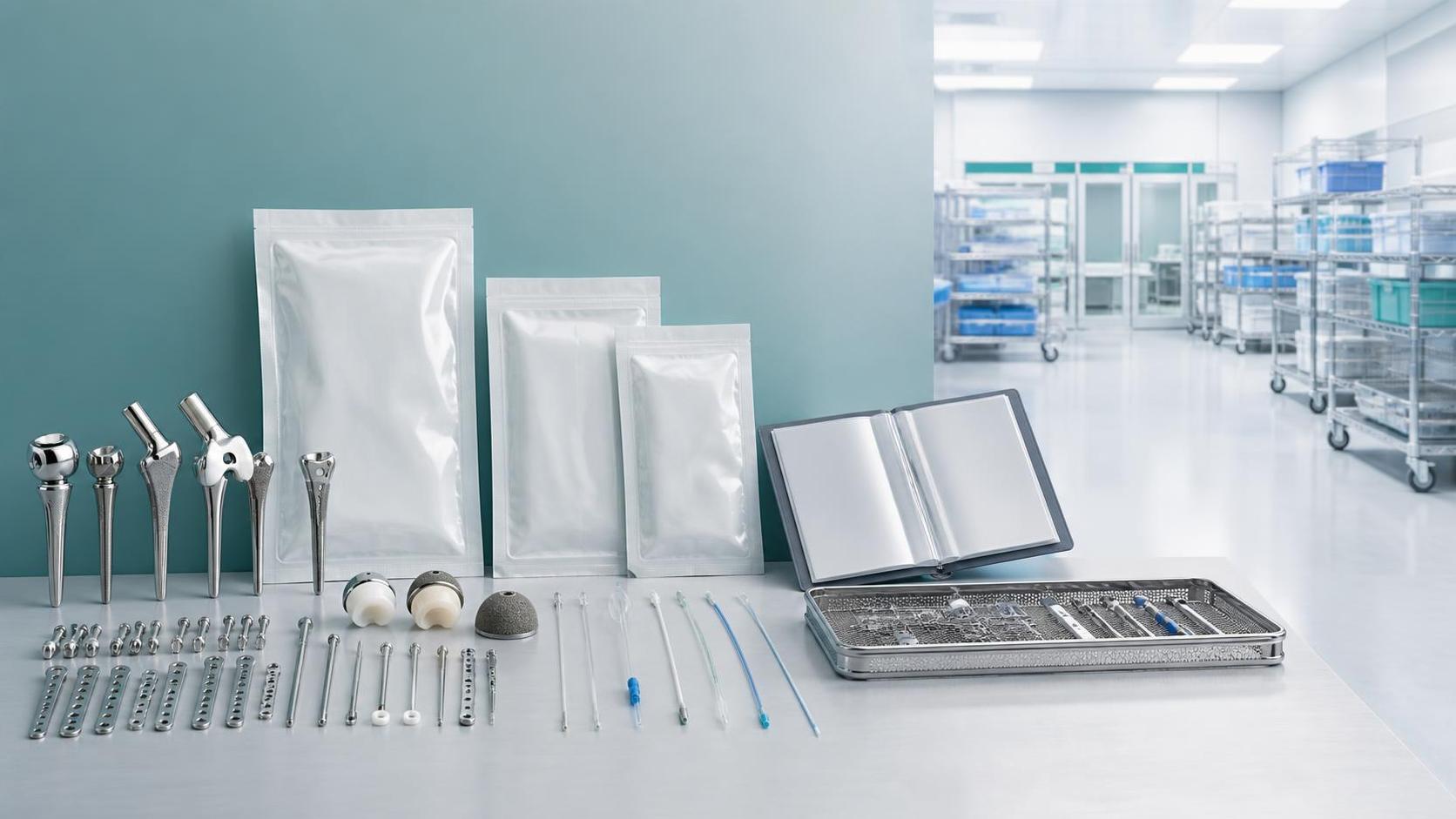
A joint implant, coronary stent, polymer catheter, staple line material, or regenerative scaffold each meets different tissues and fluids.
So the same biocompatibility plan rarely works across all implantable medical devices.
The deeper issue is not only safety.
It is whether biological risk has been characterized early enough to avoid redesign, retesting, or regulatory questions late in development.
This is where IMCS has practical relevance.
Its focus on orthopedic implants, cardiovascular intervention, MIS consumables, polymer catheters, and advanced wound materials reflects the real pressure points.
Across these categories, material selection, surface treatment, precision machining, sterilization, and packaging all shape biological response.
Which biocompatibility risks usually trigger the toughest approval questions?
The most discussed risks are familiar, but the real challenge is how they interact with contact duration and body location.
For implantable medical devices, regulators often start with a simple question: what can leach, degrade, abrade, or activate inside the body?
The answer shapes the test matrix under ISO 10993 and related guidance.
- Cytotoxicity: checks whether extracts or contact materials damage living cells.
- Sensitization and irritation: especially relevant for polymers, coatings, adhesives, and residual chemicals.
- Hemocompatibility and thrombogenicity: critical for blood-contacting implantable medical devices such as stents and catheters.
- Genotoxicity and carcinogenic concern: often raised when new additives, degradation products, or process residues appear.
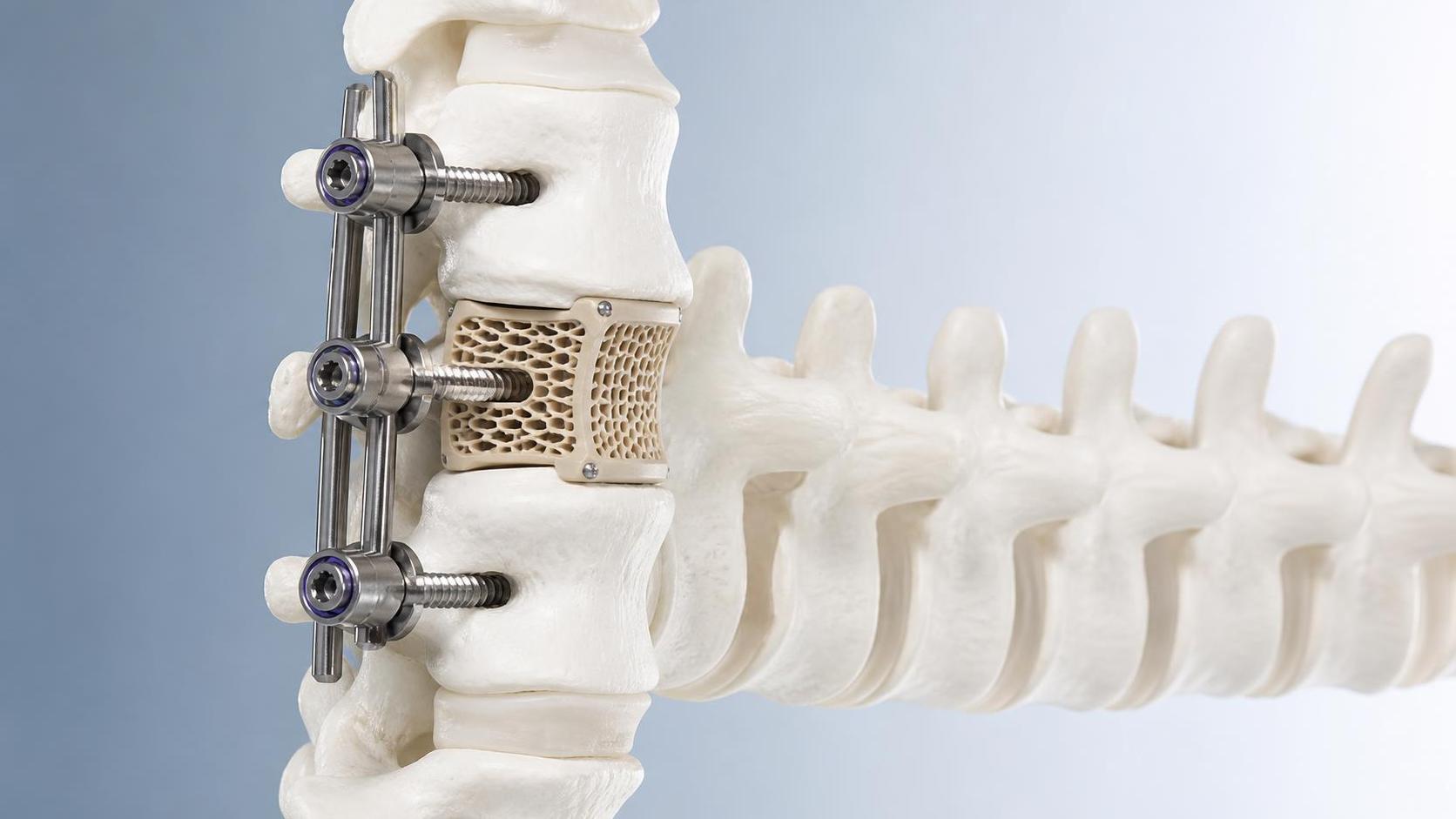
- Chronic tissue response: important for orthopedic implants, staples, meshes, and long-term regenerative materials.
More difficult cases usually involve combinations.
A metal implant may pass cytotoxicity yet still raise concern over wear particles.
A coated catheter may look stable in bench testing yet trigger thrombogenicity after coating damage.
A tissue-contact scaffold may seem inert initially but produce an unfavorable chronic inflammatory pattern later.
That is why strong approval files do not treat biological evaluation as a checklist.
A quick judgment table for common pre-approval concerns
The table below helps translate broad risk language into approval-facing review points.
Does material choice alone control risk, or do process details matter just as much?
Material choice matters, but approval problems often begin in the process, not the raw material datasheet.
That distinction is frequently underestimated with implantable medical devices.
A titanium alloy with strong history can still create concern if machining residues remain on the surface.
A proven polymer can become biologically different after irradiation, EtO sterilization, additive blending, or hydrophilic coating.
Even packaging interactions can affect extractables.
In actual development, the safer question is this: what is the final patient-contacting state?
That includes microstructure, surface energy, residual monomers, processing aids, particulate release, and degradation behavior.
This is especially relevant in sectors tracked closely by IMCS.
Porous orthopedic implants need osseointegration without unstable debris.
DES and TAVR components must maintain hemocompatibility while carrying coatings or biologically active surfaces.
Polymer catheters must balance flexibility with anti-thrombotic performance over repeated use conditions.
The lesson is simple.
For implantable medical devices, a biological evaluation plan should be built around the finished device and its realistic failure modes.
When do timelines and compliance costs start to drift out of control?
Usually not when testing starts.
Costs drift earlier, when biological risk assessment is disconnected from design, sourcing, or regulatory strategy.
One common pattern is relying on historical material safety without matching the current device configuration.
Another is generating test data before defining the toxicological question clearly.
That often leads to repeat studies, weak justifications, or reviewer objections.
For global approval pathways, the commercial impact can be significant.
A delayed Class III program can miss procurement windows, weaken pricing leverage, or disrupt capacity planning under VBP pressure.
That is one reason intelligence-led review matters.
At IMCS, the value is not only tracking standards.
It is connecting toxicology validation, clinical logic, and cost-control realities before technical issues become commercial losses.
Warning signs that deserve attention early
- Frequent supplier changes without updated extractables review.
- New coatings introduced late to improve handling or delivery.
- Bench success without a linked biological risk rationale.
- Sterilization changes made after initial biocompatibility planning.
- Clinical claims that exceed available long-term tissue response evidence.
How should implantable medical devices be assessed before submission, not after rejection?
A strong pre-approval approach begins with biological risk framing, not with a shopping list of tests.
The most useful internal discussion is often cross-functional.
What touches the patient, for how long, under what stress, and with what degradation path?
From there, a practical review path becomes clearer.
- Map all patient-contacting materials and process residues.
- Define the finished-state surface and extractable profile.
- Link ISO 10993 endpoints to actual exposure scenarios.
- Challenge equivalence claims with device-specific differences.
- Align toxicological conclusions with clinical and regulatory narratives.
This helps prevent a common mistake.
Too many implantable medical devices are evaluated as if testing alone can compensate for weak upstream decisions.
In reality, approval confidence comes from consistency between materials, manufacturing, evidence, and intended clinical use.
What is the most practical next step if the risk picture still looks unclear?
Start by narrowing uncertainty, not by expanding paperwork.
If an implantable medical devices program involves new materials, coatings, porous structures, or long-term blood contact, isolate those variables first.
Then review whether current evidence answers the questions regulators are likely to ask.
A concise gap review often saves more time than another broad test round.
It also supports better decisions on submission timing, market sequencing, and investment pacing.
For organizations working across implants, cardiovascular intervention, MIS consumables, and advanced biomaterials, the advantage lies in connected judgment.
That means reading biocompatibility risk alongside clinical evidence, procurement pressure, and lifecycle value.
In short, implantable medical devices succeed before approval when the biological story is coherent, documented, and commercially realistic.
The useful next move is to verify material assumptions, review high-risk endpoints, compare evidence against intended use, and identify where one missing answer could delay the whole program.
Get weekly intelligence in your inbox.
No noise. No sponsored content. Pure intelligence.
News Recommendations
 Sep 23, 2026How to verify the sterility assurance of surgical devicesHow to verify the sterility assurance of surgical devices
 Sep 22, 2026How to assess a spinal implants manufacturer’s quality systemHow to assess a spinal implants manufacturer’s quality system
 Sep 21, 2026How to assess an osseointegration technology manufacturer’s quality systemHow to assess an osseointegration technology manufacturer’s quality system
 Sep 20, 2026Medical material science trends reshaping biocompatibility testingMedical material science trends reshaping biocompatibility testing
 Sep 19, 2026What North American regulators expect in implant clinical evaluationsWhat North American regulators expect in implant clinical evaluations
 Sep 18, 2026When should plate and screw systems be selected for fracture fixation?When should plate and screw systems be selected for fracture fixation?
 Sep 17, 2026How a medical device sourcing strategy can reduce total acquisition costHow a medical device sourcing strategy can reduce total acquisition cost
 Sep 16, 2026When are silver foam burn care dressings appropriate for exuding burns?When are silver foam burn care dressings appropriate for exuding burns?
 Sep 15, 2026What drives medical device category pricing in value-based purchasing?What drives medical device category pricing in value-based purchasing?
 Sep 14, 2026High value consumables insights for evaluating total cost of careHigh value consumables insights for evaluating total cost of care
 Sep 13, 2026What a medical device market insights platform reveals about market accessWhat a medical device market insights platform reveals about market access
 Sep 12, 2026When are collagen-based tissue healing materials suitable for wound care?When are collagen-based tissue healing materials suitable for wound care?
 Sep 11, 2026How catheter material selection affects total cost of ownershipHow catheter material selection affects total cost of ownership
 Sep 10, 2026What FDA clearance means for medical grade PEEK implantsWhat FDA clearance means for medical grade PEEK implants
 Sep 09, 2026When do hydrogel wound healing technologies suit dry wounds?When do hydrogel wound healing technologies suit dry wounds?
 Sep 07, 2026How to assess medical consumables for surgical useHow to assess medical consumables for surgical use
 Sep 07, 2026How to verify CE MDR compliance for single-use medical consumablesHow to verify CE MDR compliance for single-use medical consumables
 Sep 05, 2026How to evaluate an antithrombotic catheter factory for qualityHow to evaluate an antithrombotic catheter factory for quality
 Sep 04, 2026When do minimally invasive surgical staplers improve GI access?When do minimally invasive surgical staplers improve GI access?
 Sep 03, 2026When are foam moist wound healing dressings appropriate for exuding wounds?When are foam moist wound healing dressings appropriate for exuding wounds?
 Sep 02, 2026How implant pricing affects access to advanced medical careHow implant pricing affects access to advanced medical care
 Sep 01, 2026What is driving price pressure in the North American medical consumables market?What is driving price pressure in the North American medical consumables market?
 Aug 31, 2026Comparing medical devices in Southeast Asia when market access differsComparing medical devices in Southeast Asia when market access differs
 Aug 30, 2026When are 3D printed PEEK implants suitable for spinal reconstruction?When are 3D printed PEEK implants suitable for spinal reconstruction?
 Aug 29, 2026How global medical device regulations shape clinical evidence requirementsHow global medical device regulations shape clinical evidence requirements
 Aug 28, 2026How to verify a burn care dressings exporter meets EU MDR requirementsHow to verify a burn care dressings exporter meets EU MDR requirements
 Aug 27, 2026How to verify a diabetic foot wound care supplier’s clinical evidenceHow to verify a diabetic foot wound care supplier’s clinical evidence