Precision Medical Machining: How Tolerance Drift Affects Implant Quality
Why does tolerance drift matter so much in precision medical machining?
In precision medical machining, a few microns rarely look dramatic on paper. Inside the body, they can change contact, fixation, sealing, and wear behavior.
That is why tolerance drift is not only a drawing issue. It is a quality, safety, and regulatory issue tied directly to implant performance.
A hip stem with dimensional drift may seat differently in prepared bone. A spinal implant may distribute load unevenly. A valve frame may expand outside its intended range.
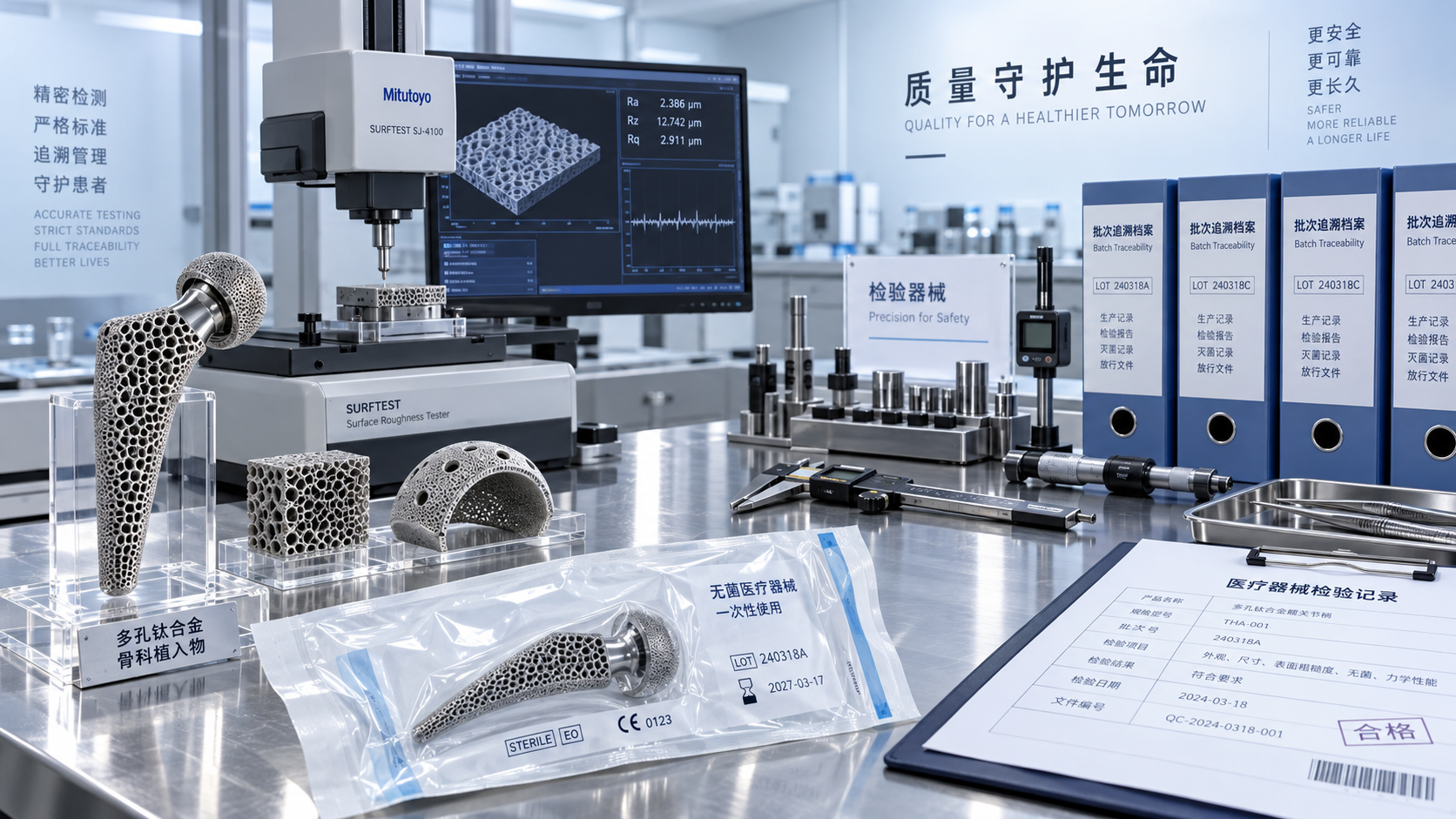
Even when the implant still passes visual inspection, precision medical machining errors can alter surface finish, edge condition, and mating accuracy.
Those changes influence fretting, debris generation, coating adhesion, and long-term fatigue resistance. In practical terms, small drift can become a delayed clinical problem.
This matters across the medical consumables landscape tracked by IMCS, from orthopedic implants and DES components to minimally invasive staplers and high-performance catheters.
The common thread is simple. If micron-level intent is lost during manufacturing, biological compatibility alone cannot rescue mechanical inconsistency.
What does tolerance drift actually do to implant quality?
The effect is usually cumulative rather than isolated. One feature moves slightly out of target, then a second feature shifts the functional stack.
For implants, that stack can affect fit, fixation, articulation, sealing, and insertion force. The part may still look acceptable while function is already compromised.
A useful way to assess precision medical machining risk is to connect each drift mode to a real failure pathway.
More importantly, these deviations are rarely independent. Tool wear, thermal growth, fixture instability, and measurement bias often appear together.
That is why precision medical machining should be reviewed as a process capability question, not just a final inspection question.
Which devices are most sensitive to small machining variation?
Not every part reacts the same way. Components with demanding interfaces, thin walls, porous transitions, or fatigue loading are usually more sensitive.
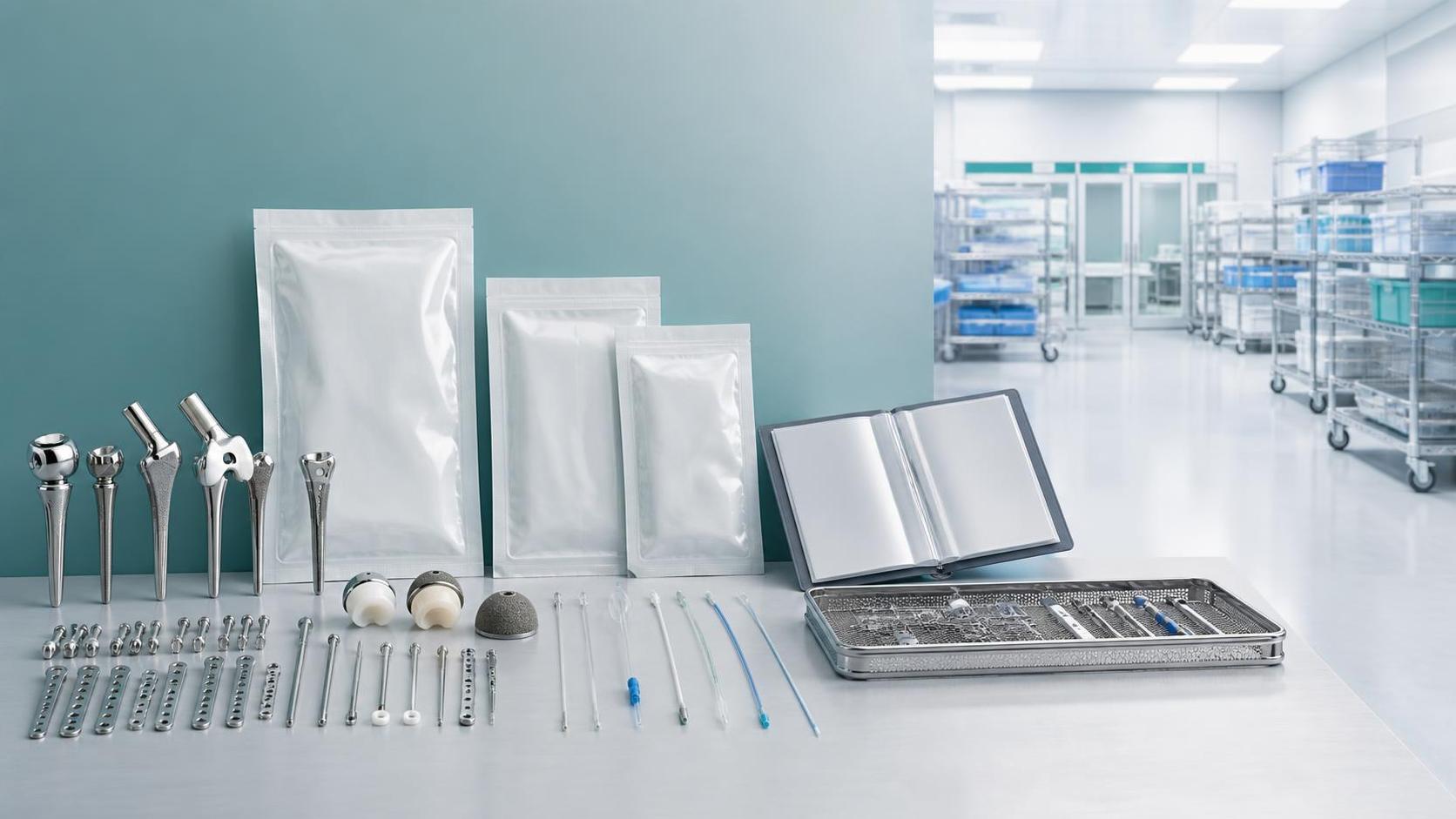
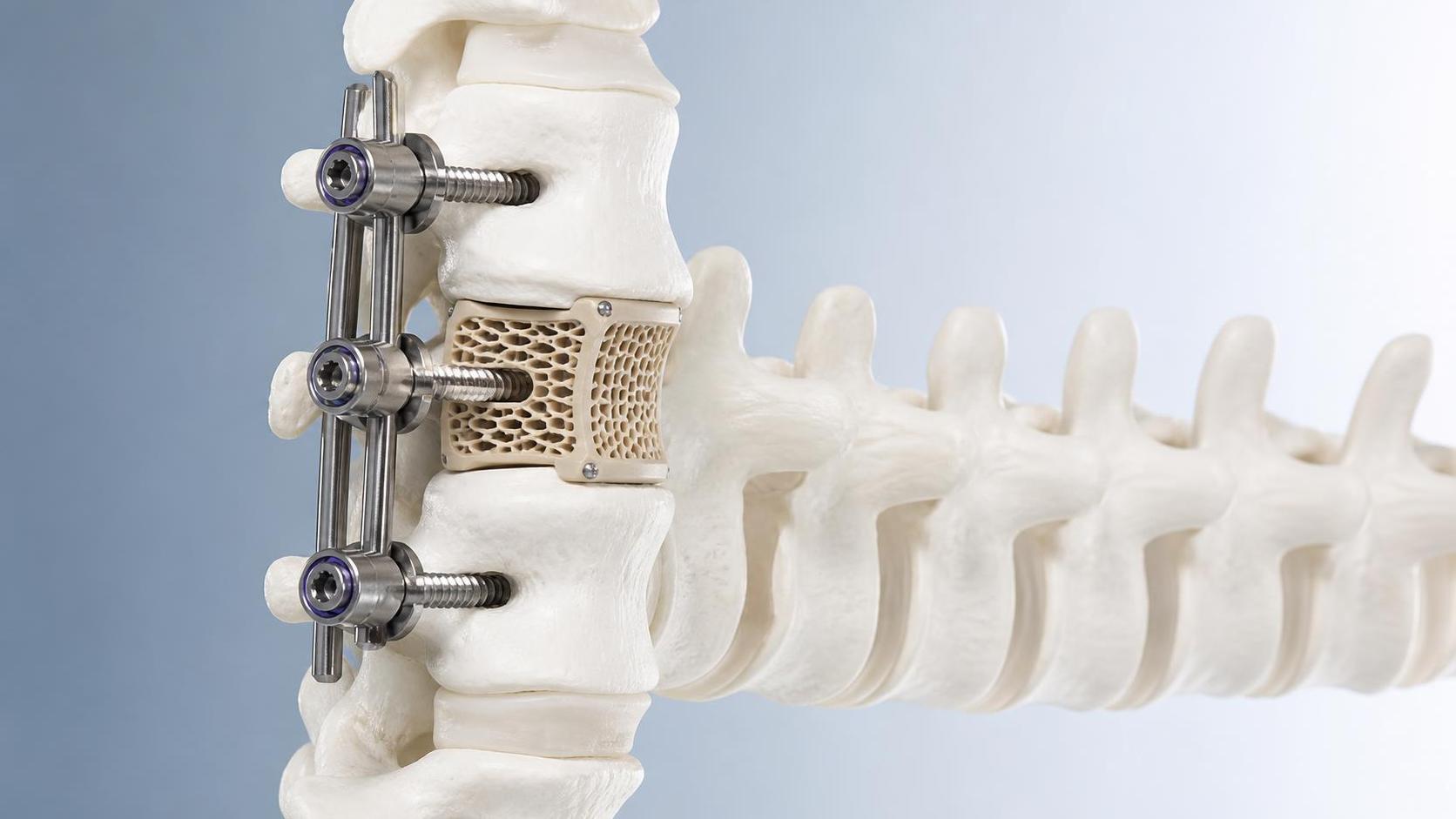
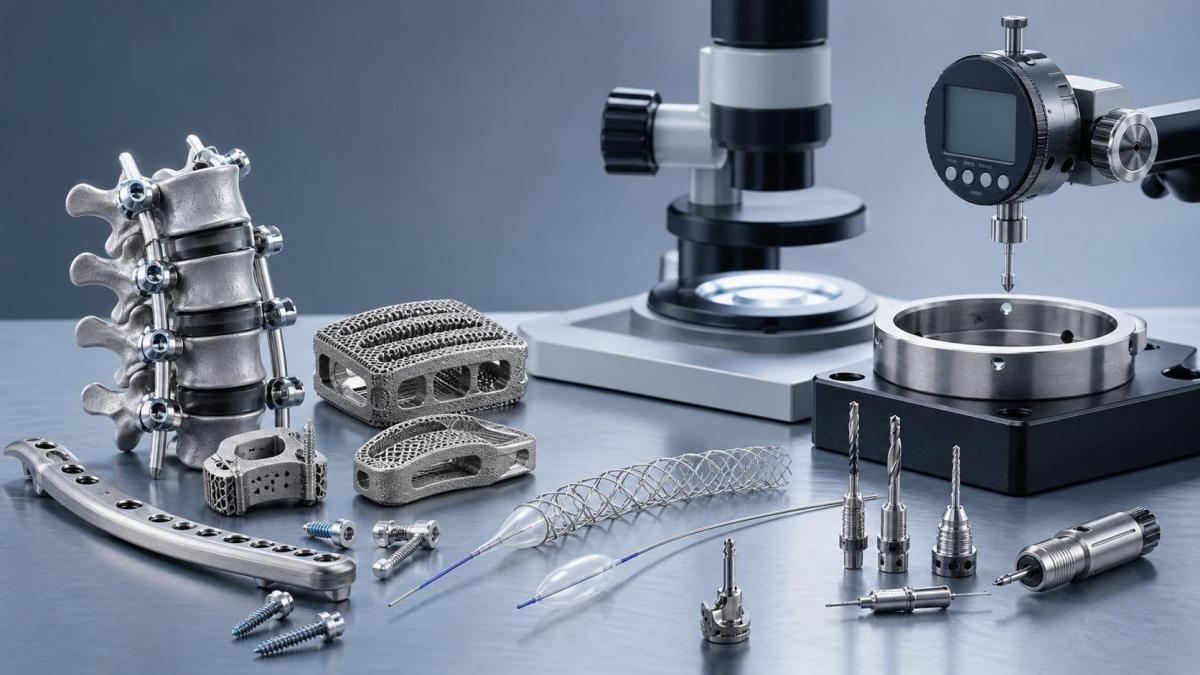
Orthopedic systems are a clear example. Taper junctions, joint surfaces, spinal cages, and fixation features all depend on stable precision medical machining.
Cardiovascular devices are equally unforgiving. Frame geometry, strut dimensions, and delivery compatibility can shift clinical behavior with very limited dimensional change.
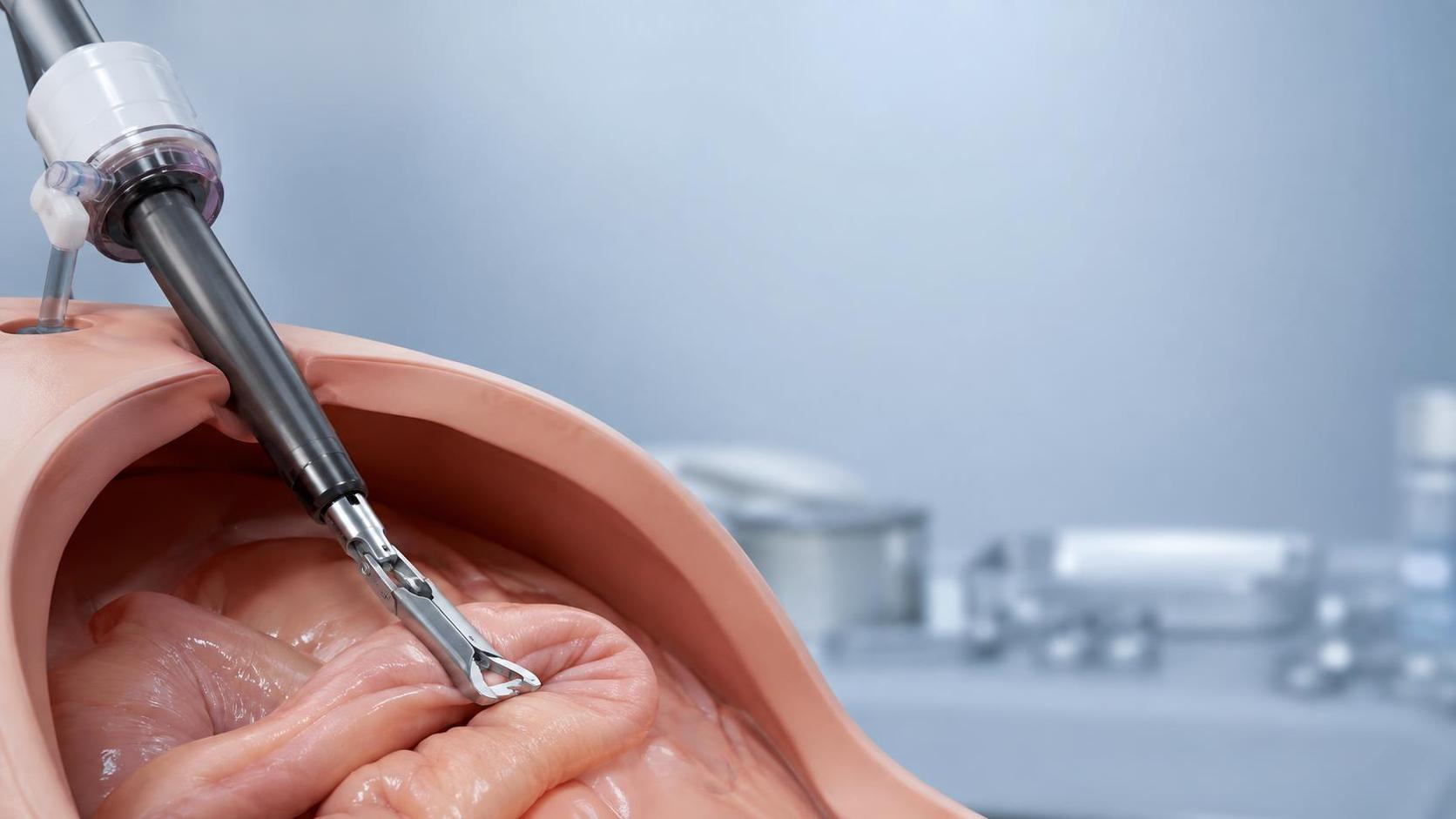
In minimally invasive stapling systems, firing consistency and staple formation rely on precise interaction between metal parts, cartridge tolerances, and motion paths.
Catheter-related systems may look polymer-dominant, yet their hubs, reinforcing elements, and micro-machined components still require precision medical machining discipline.
IMCS follows these categories closely because the commercial pressure is rising. Under VBP conditions, price compression increases the cost of any hidden process instability.
That makes early variation control more valuable than late-stage sorting. Scrap is expensive, but field risk is far more expensive.
How can teams tell the difference between normal variation and dangerous drift?
The first warning sign is trend, not failure. A process can remain inside specification while steadily moving toward the functional edge.
That is where many programs lose time. They treat compliance as a snapshot instead of a behavior pattern.
A stronger approach is to compare dimensional data with use-related function, validation results, and biocompatibility-sensitive surfaces.
- Track Cp and Cpk for critical-to-function dimensions, not only critical-to-print dimensions.
- Review gauge R&R before blaming the machining cell.
- Separate random spread from directional drift caused by tool wear or thermal shift.
- Link surface data to ISO 10993-related cleanliness and material response where relevant.
- Reassess risk when a dimensional shift changes insertion force, coating behavior, or fatigue margin.
This is also where cross-functional intelligence matters. IMCS often frames machining risk together with CER expectations, toxicology boundaries, and regulatory evidence logic.
That broader view helps identify whether a drift is merely inconvenient or truly safety-relevant.
Why do some compliant parts still create regulatory or clinical concern?
Because specification limits do not always reflect the full biological and clinical context. A part can pass dimensional checks and still perform inconsistently in use.
For example, precision medical machining may preserve nominal dimensions but leave altered residual stress, micro-burr formation, or a non-uniform surface transition.
Those issues can affect corrosion behavior, debris generation, cleaning validation, and tissue interaction. None of them should be treated as cosmetic.
Under CE MDR and other Class III expectations, evidence quality matters as much as pass results. Regulators increasingly ask whether the process consistently supports clinical claims.
That means machining data should connect to verification, validation, complaint trends, and change control. Precision medical machining is part of the safety story.
A narrow print-only mindset often misses this connection. A process-centric mindset catches it earlier.
What usually causes tolerance drift, and what actually reduces it?
The root causes are usually familiar, but they become harder to manage when materials are exotic and tolerances are microscopic.
Titanium, cobalt-chrome, nitinol, PEEK-related assemblies, and hybrid structures all respond differently to heat, vibration, and tool condition.
The most effective controls tend to be practical rather than dramatic.
In actual operations, the best results come from combining SPC, first-piece discipline, validated metrology, and functional risk review.
Precision medical machining improves fastest when process engineers, quality teams, and regulatory reviewers interpret the same data in the same way.
What should be reviewed before drift reaches the operating room?
A useful checkpoint is to ask not only whether the lot passed, but whether the process remained stable enough to protect long-term implant quality.
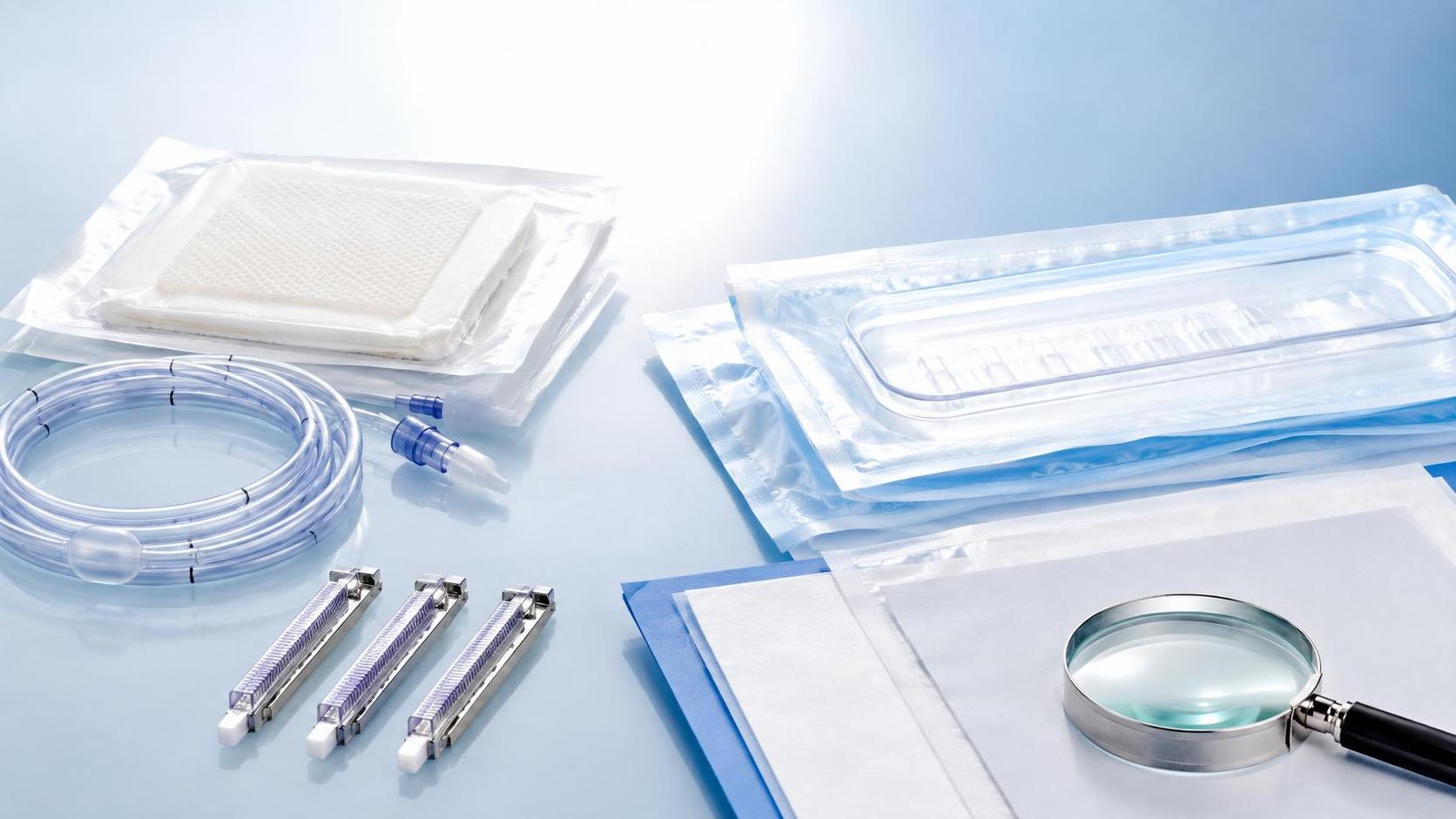
That review should cover dimensional trends, surface integrity, cleanliness impact, packaging fit, and any signal from complaints or nonconformance history.
Where high-risk implants are concerned, it also helps to review whether machining changes could weaken clinical equivalence arguments or supporting CER logic.
IMCS places value on this stitched perspective because implant success depends on more than one department’s pass criteria.
- Define which dimensions are truly patient-critical.
- Map each critical feature to a failure mode.
- Set action limits before specification limits are threatened.
- Confirm that metrology can detect meaningful movement early.
- Review process changes against regulatory and clinical evidence expectations.
The main takeaway is clear. Precision medical machining is not just about hitting nominal numbers. It is about preserving mechanical intent, biological safety, and clinical reliability together.
A sensible next step is to audit the current control plan around the highest-risk implant features, then compare it with real drift behavior, not assumed stability.
When that review is tied to function, regulation, and cost pressure at the same time, tolerance drift becomes easier to catch before it becomes a patient issue.
Get weekly intelligence in your inbox.
No noise. No sponsored content. Pure intelligence.
News Recommendations
 Sep 23, 2026How to verify the sterility assurance of surgical devicesHow to verify the sterility assurance of surgical devices
 Sep 22, 2026How to assess a spinal implants manufacturer’s quality systemHow to assess a spinal implants manufacturer’s quality system
 Sep 21, 2026How to assess an osseointegration technology manufacturer’s quality systemHow to assess an osseointegration technology manufacturer’s quality system
 Sep 20, 2026Medical material science trends reshaping biocompatibility testingMedical material science trends reshaping biocompatibility testing
 Sep 19, 2026What North American regulators expect in implant clinical evaluationsWhat North American regulators expect in implant clinical evaluations
 Sep 18, 2026When should plate and screw systems be selected for fracture fixation?When should plate and screw systems be selected for fracture fixation?
 Sep 17, 2026How a medical device sourcing strategy can reduce total acquisition costHow a medical device sourcing strategy can reduce total acquisition cost
 Sep 16, 2026When are silver foam burn care dressings appropriate for exuding burns?When are silver foam burn care dressings appropriate for exuding burns?
 Sep 15, 2026What drives medical device category pricing in value-based purchasing?What drives medical device category pricing in value-based purchasing?
 Sep 14, 2026High value consumables insights for evaluating total cost of careHigh value consumables insights for evaluating total cost of care
 Sep 13, 2026What a medical device market insights platform reveals about market accessWhat a medical device market insights platform reveals about market access
 Sep 12, 2026When are collagen-based tissue healing materials suitable for wound care?When are collagen-based tissue healing materials suitable for wound care?
 Sep 11, 2026How catheter material selection affects total cost of ownershipHow catheter material selection affects total cost of ownership
 Sep 10, 2026What FDA clearance means for medical grade PEEK implantsWhat FDA clearance means for medical grade PEEK implants
 Sep 09, 2026When do hydrogel wound healing technologies suit dry wounds?When do hydrogel wound healing technologies suit dry wounds?
 Sep 07, 2026How to assess medical consumables for surgical useHow to assess medical consumables for surgical use
 Sep 07, 2026How to verify CE MDR compliance for single-use medical consumablesHow to verify CE MDR compliance for single-use medical consumables
 Sep 05, 2026How to evaluate an antithrombotic catheter factory for qualityHow to evaluate an antithrombotic catheter factory for quality
 Sep 04, 2026When do minimally invasive surgical staplers improve GI access?When do minimally invasive surgical staplers improve GI access?
 Sep 03, 2026When are foam moist wound healing dressings appropriate for exuding wounds?When are foam moist wound healing dressings appropriate for exuding wounds?
 Sep 02, 2026How implant pricing affects access to advanced medical careHow implant pricing affects access to advanced medical care
 Sep 01, 2026What is driving price pressure in the North American medical consumables market?What is driving price pressure in the North American medical consumables market?
 Aug 31, 2026Comparing medical devices in Southeast Asia when market access differsComparing medical devices in Southeast Asia when market access differs
 Aug 30, 2026When are 3D printed PEEK implants suitable for spinal reconstruction?When are 3D printed PEEK implants suitable for spinal reconstruction?
 Aug 29, 2026How global medical device regulations shape clinical evidence requirementsHow global medical device regulations shape clinical evidence requirements
 Aug 28, 2026How to verify a burn care dressings exporter meets EU MDR requirementsHow to verify a burn care dressings exporter meets EU MDR requirements
 Aug 27, 2026How to verify a diabetic foot wound care supplier’s clinical evidenceHow to verify a diabetic foot wound care supplier’s clinical evidence