Medical Consumables Market Trends Shaping Hospital Demand
Hospital demand is changing faster than many supply plans can follow. The medical consumables market now sits at the center of that shift, where purchasing decisions are shaped by clinical performance, reimbursement pressure, stricter regulation, and the need for reliable supply.
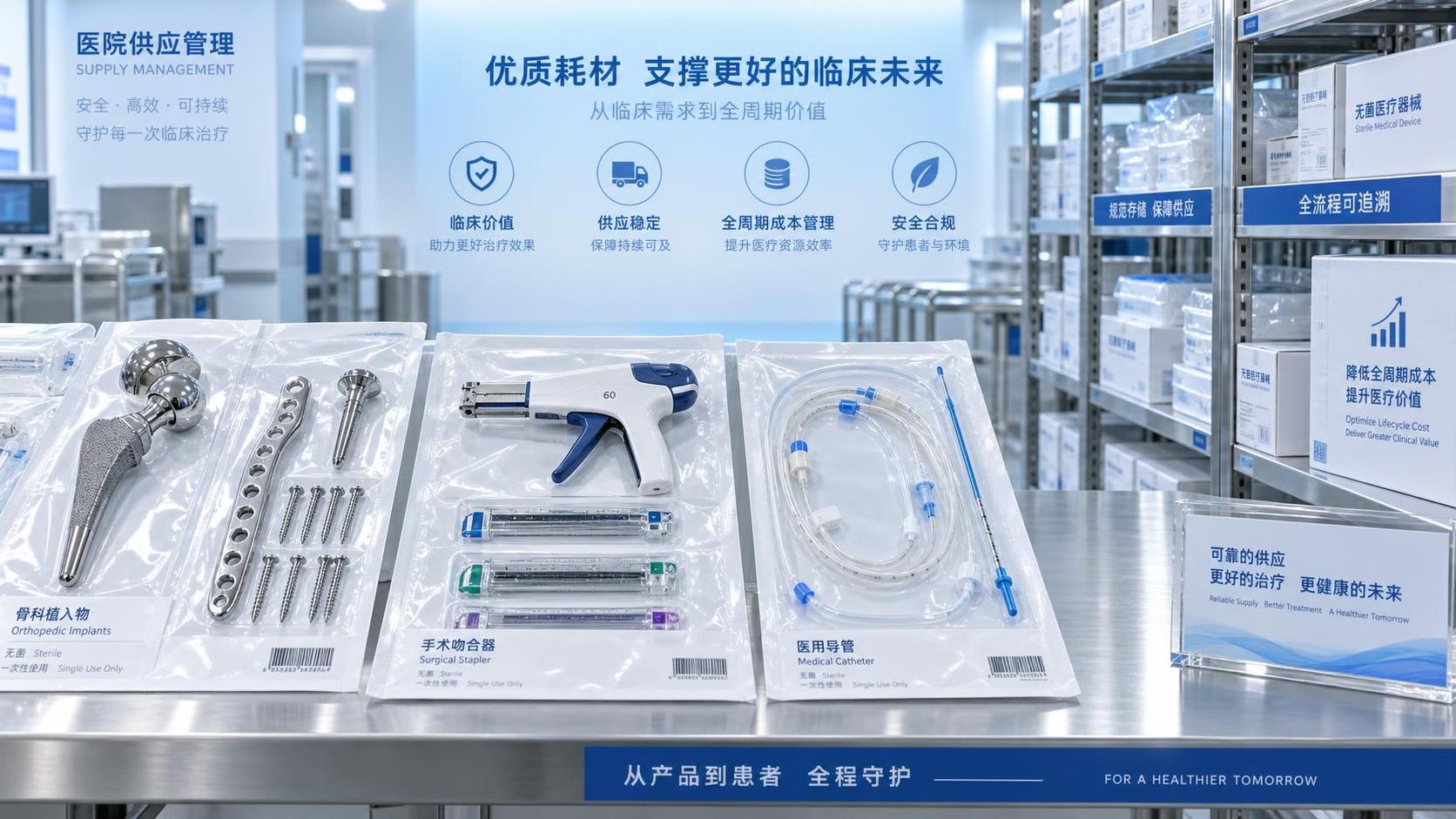
That matters because consumables are no longer treated as routine line items. In orthopedics, cardiovascular intervention, minimally invasive surgery, catheter systems, and advanced wound care, product choice can directly affect outcomes, turnover efficiency, and total treatment cost.
For organizations tracking the medical consumables market, the key question is not only what hospitals buy. It is why demand is shifting, which categories gain strategic weight, and how technology, biocompatibility, and policy pressures reshape long-term value.
Why hospital demand is moving beyond price alone
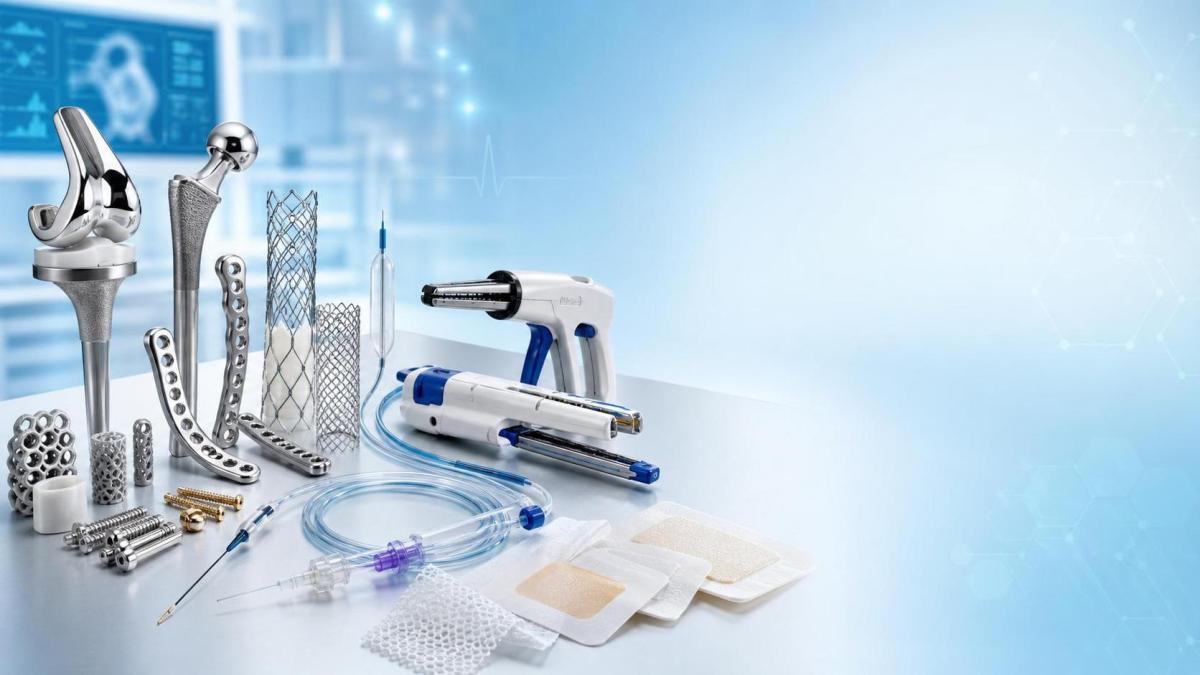
A simple low-price strategy no longer explains the medical consumables market. Hospitals still face cost control, but they also carry higher expectations around complication reduction, shorter stays, and predictable procedural outcomes.
This is especially visible in high-value consumables. A stent, staple, implant, catheter, or advanced dressing is assessed not only by unit cost, but by its downstream effect on readmission, workflow, and clinical confidence.
Volume-Based Procurement has intensified price competition in several regions. Yet it has also pushed hospitals to separate standardized products from differentiated products that offer measurable performance advantages.
That distinction creates an important market signal. In the current medical consumables market, value is increasingly defined by evidence, precision manufacturing, and regulatory resilience rather than catalog breadth alone.
Where demand is concentrating across critical categories
Hospital demand is not rising evenly across all product groups. It is concentrating in categories closely tied to procedural complexity, recovery quality, and the ability to support minimally invasive care pathways.
Orthopedic implants and instruments
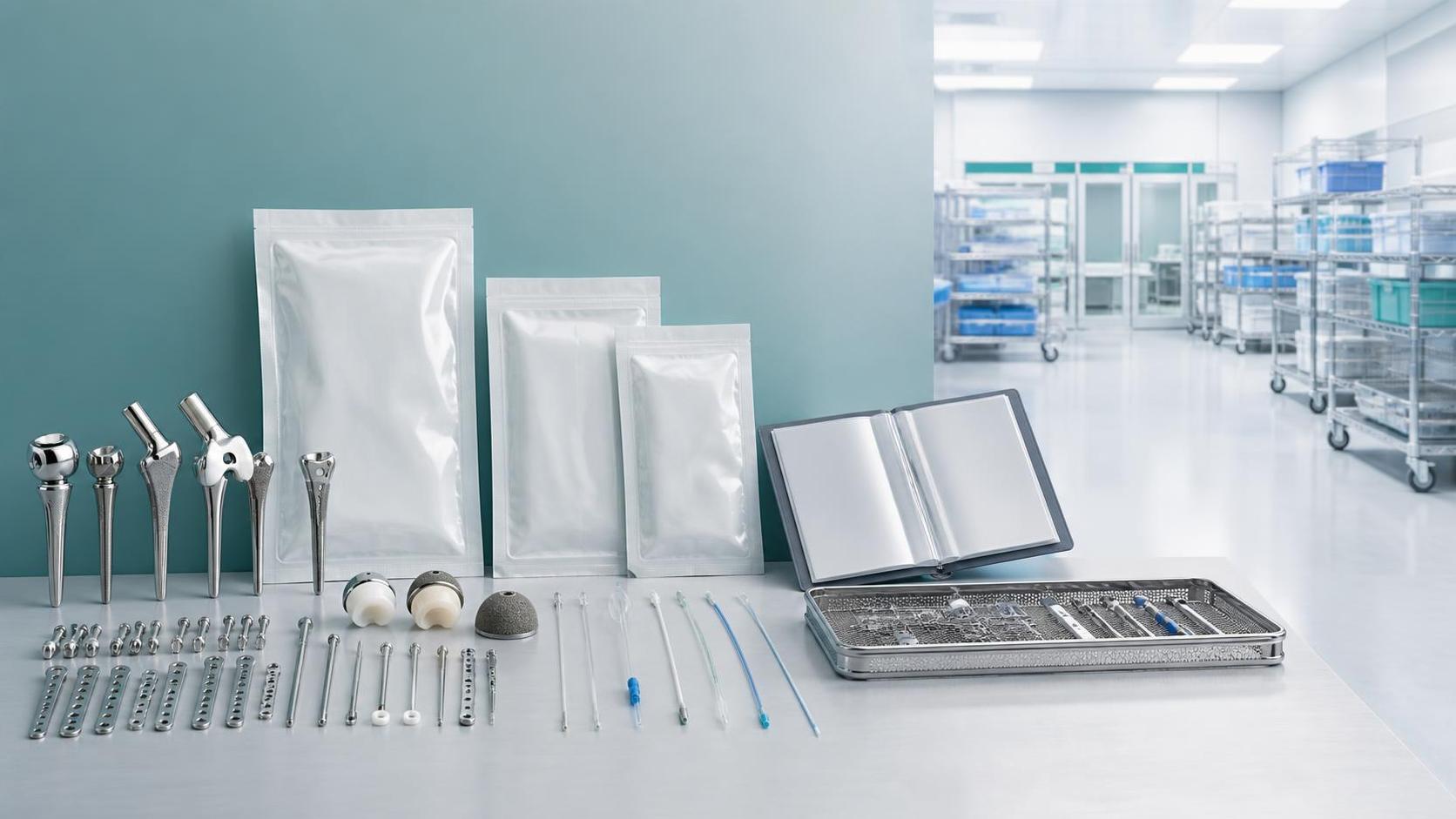
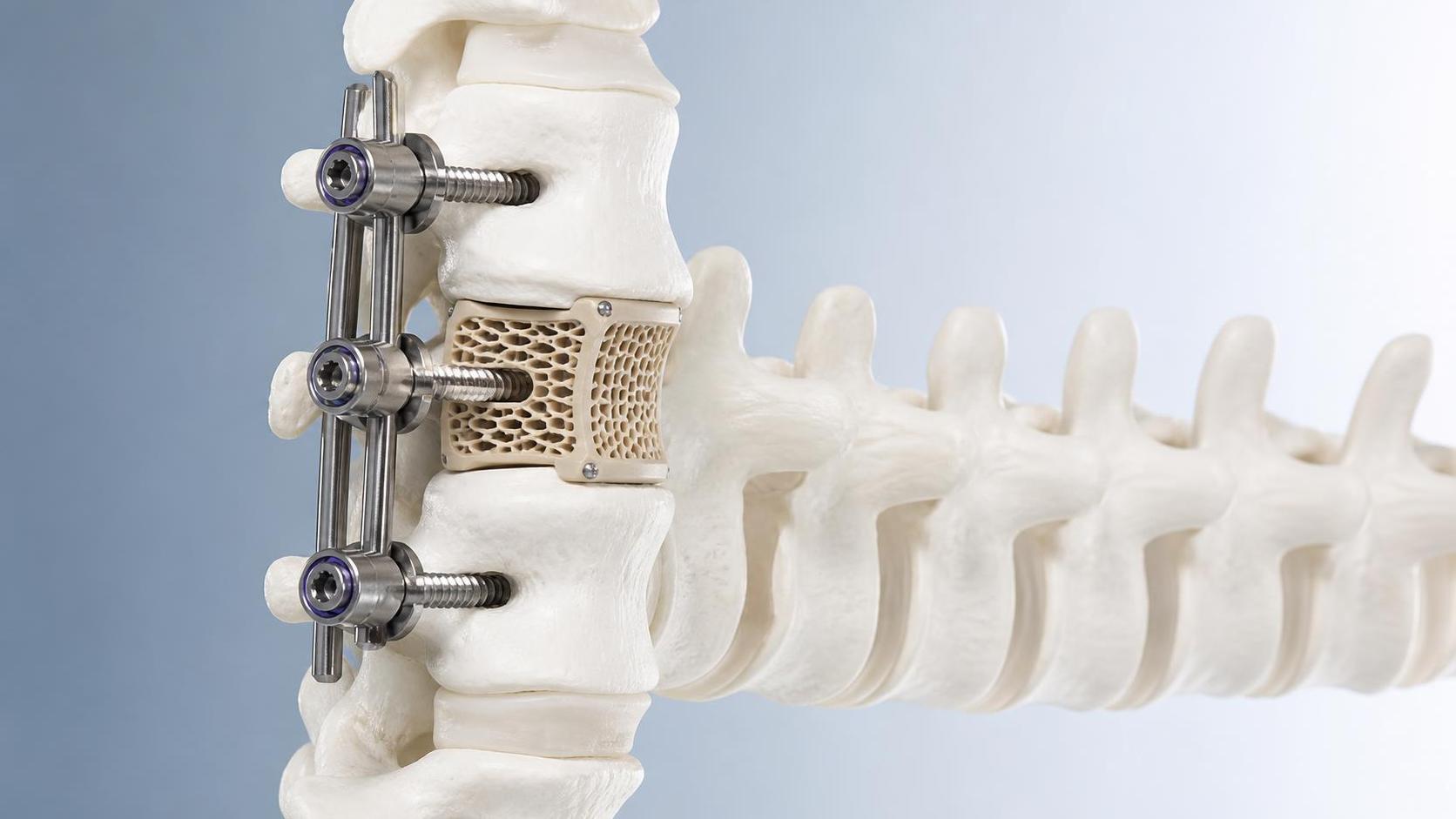
Orthopedic demand is influenced by aging populations, revision burden, and mobility restoration goals. Hospitals increasingly favor implants with proven osseointegration, durable materials, and compatibility with advanced surgical planning.
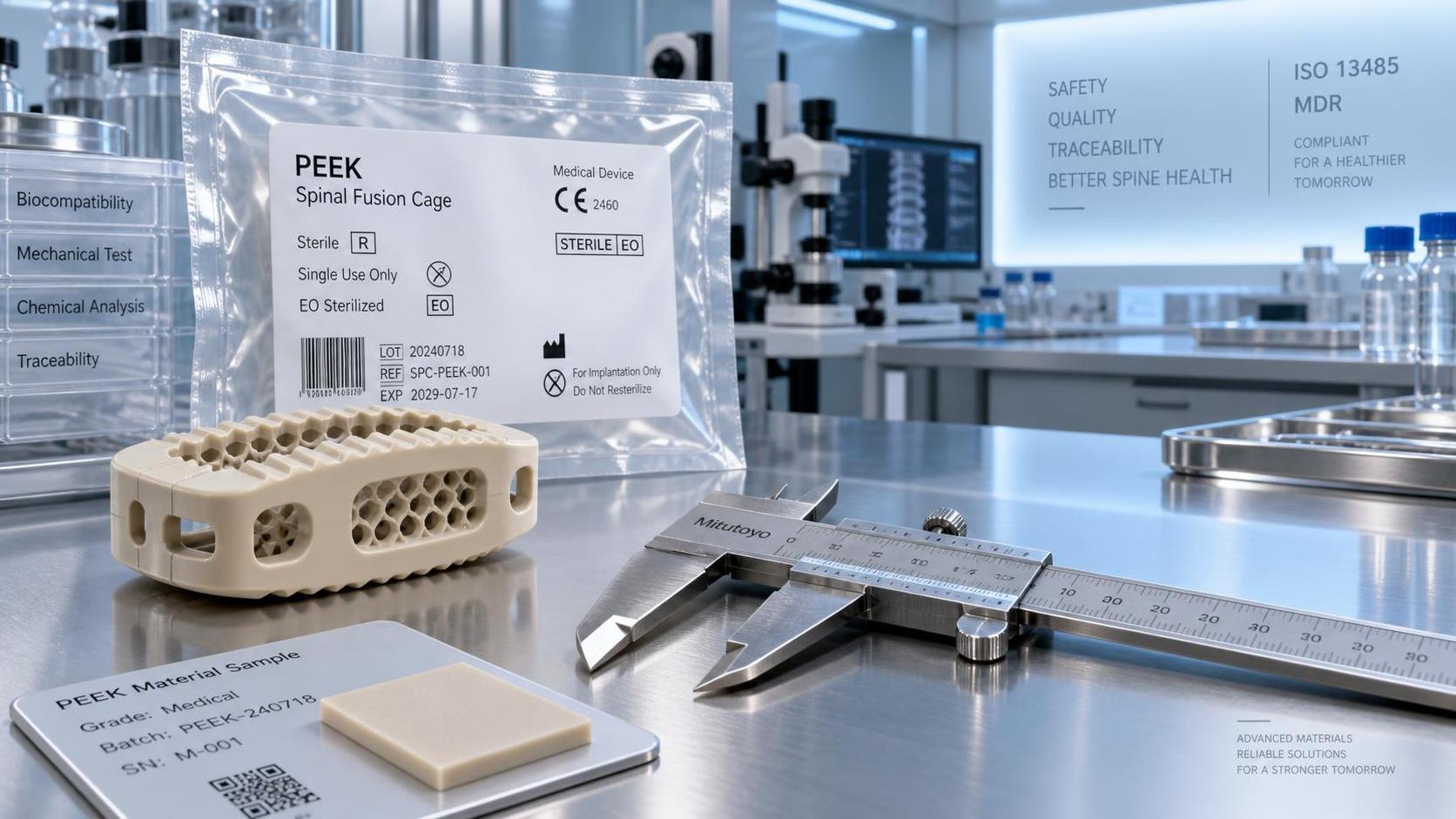
3D-printed porous structures and PEEK-based solutions are part of this shift. In the medical consumables market, these features support differentiation when clinical evidence and procedural fit are strong.
Cardiovascular interventional consumables
Demand for DES, TAVR systems, and related intervention tools remains closely tied to speed, navigability, and patient eligibility expansion. Hospitals prioritize devices that reduce procedural risk while supporting more complex case mixes.
Here, the medical consumables market rewards both engineering precision and regulatory depth. Small design differences can produce meaningful changes in deliverability, restenosis risk, or operating room efficiency.
Minimally invasive surgical consumables
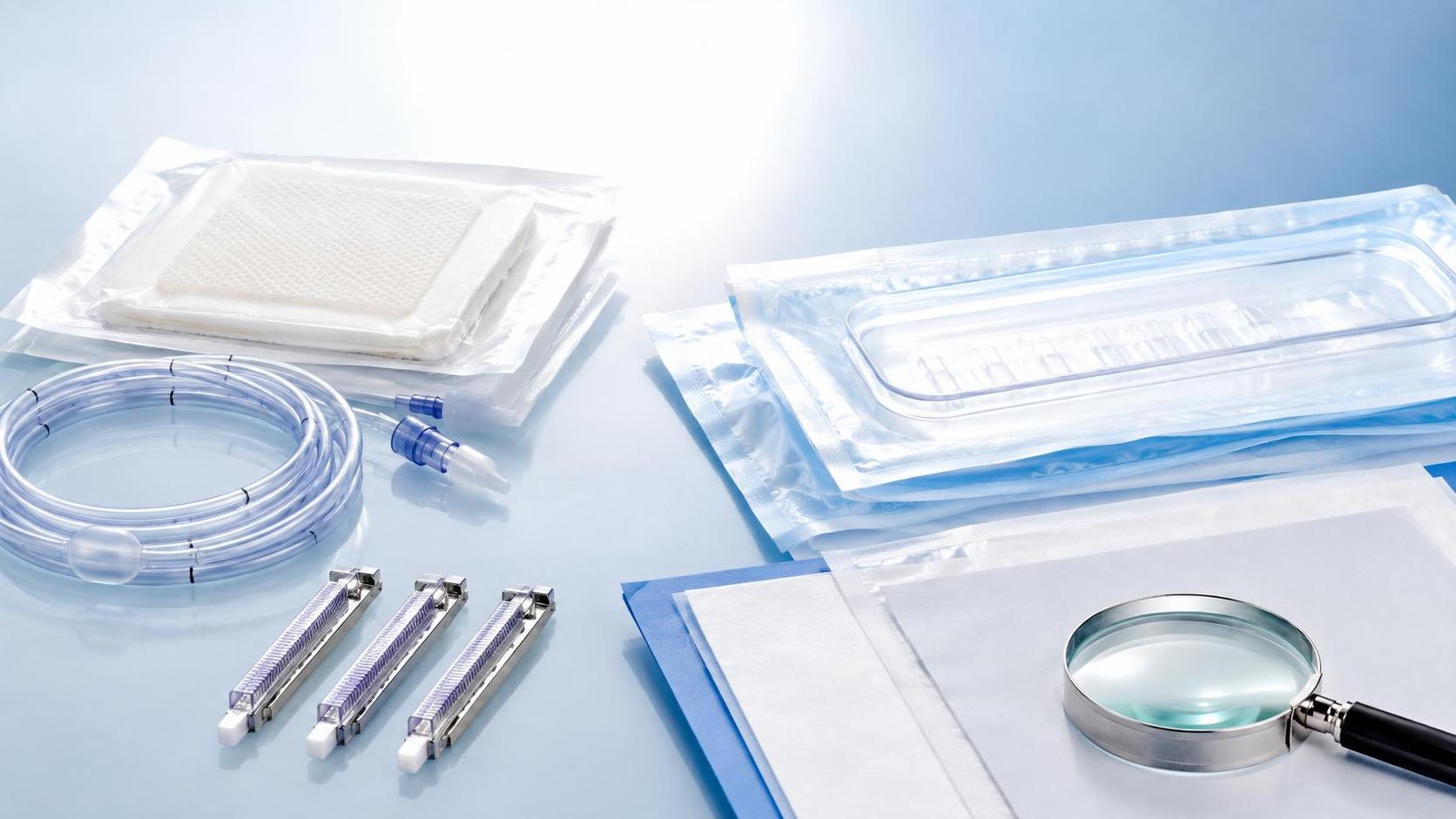
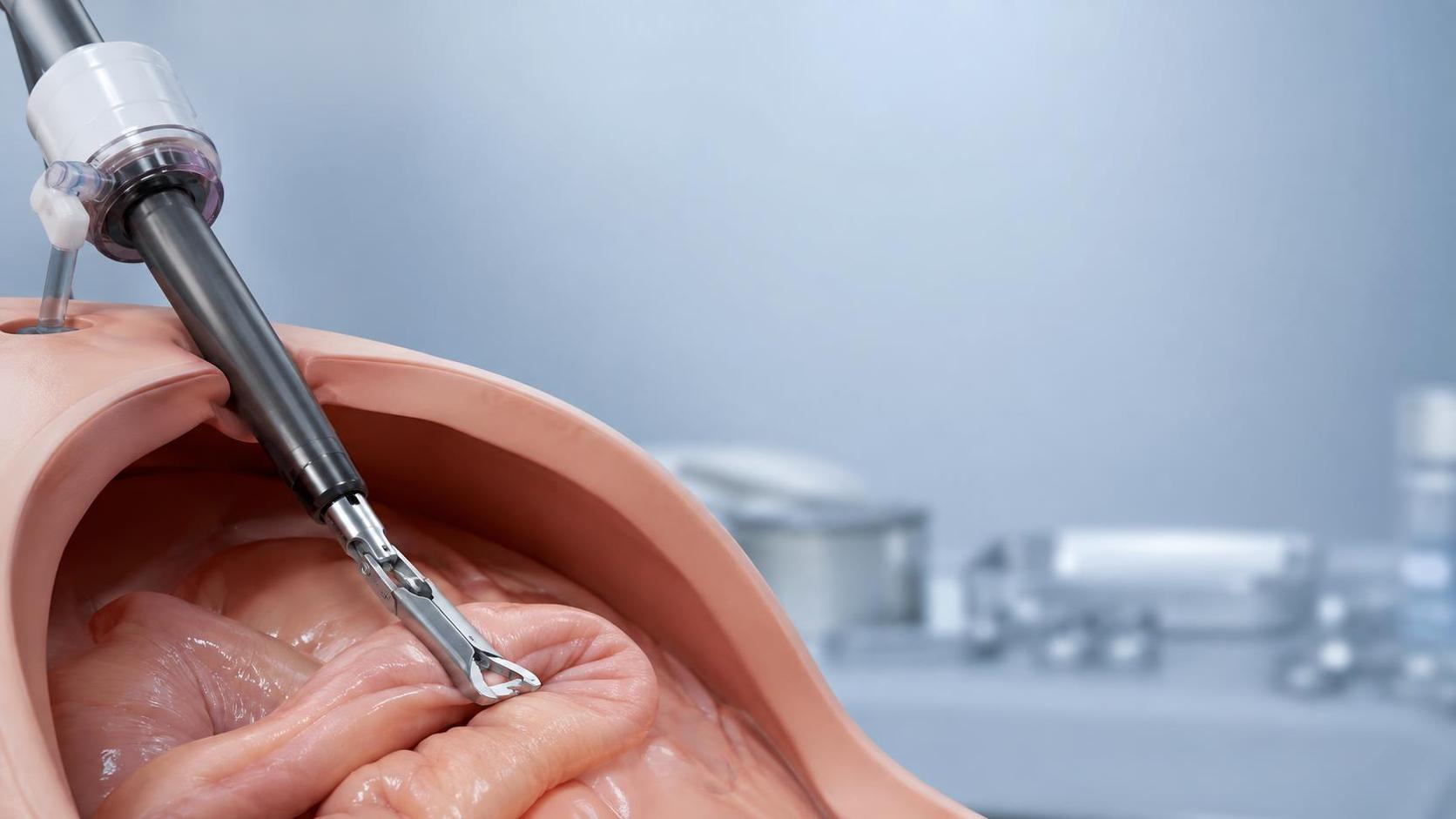
Staplers and closure devices have become essential to laparoscopic and robotic workflows. Hospitals value consistency under pressure, because tissue handling errors can quickly turn into longer surgeries or postoperative complications.
This is one reason the medical consumables market keeps shifting toward high-reliability consumables that support surgeon familiarity and standardization across procedure volumes.
Polymer catheters and advanced wound care
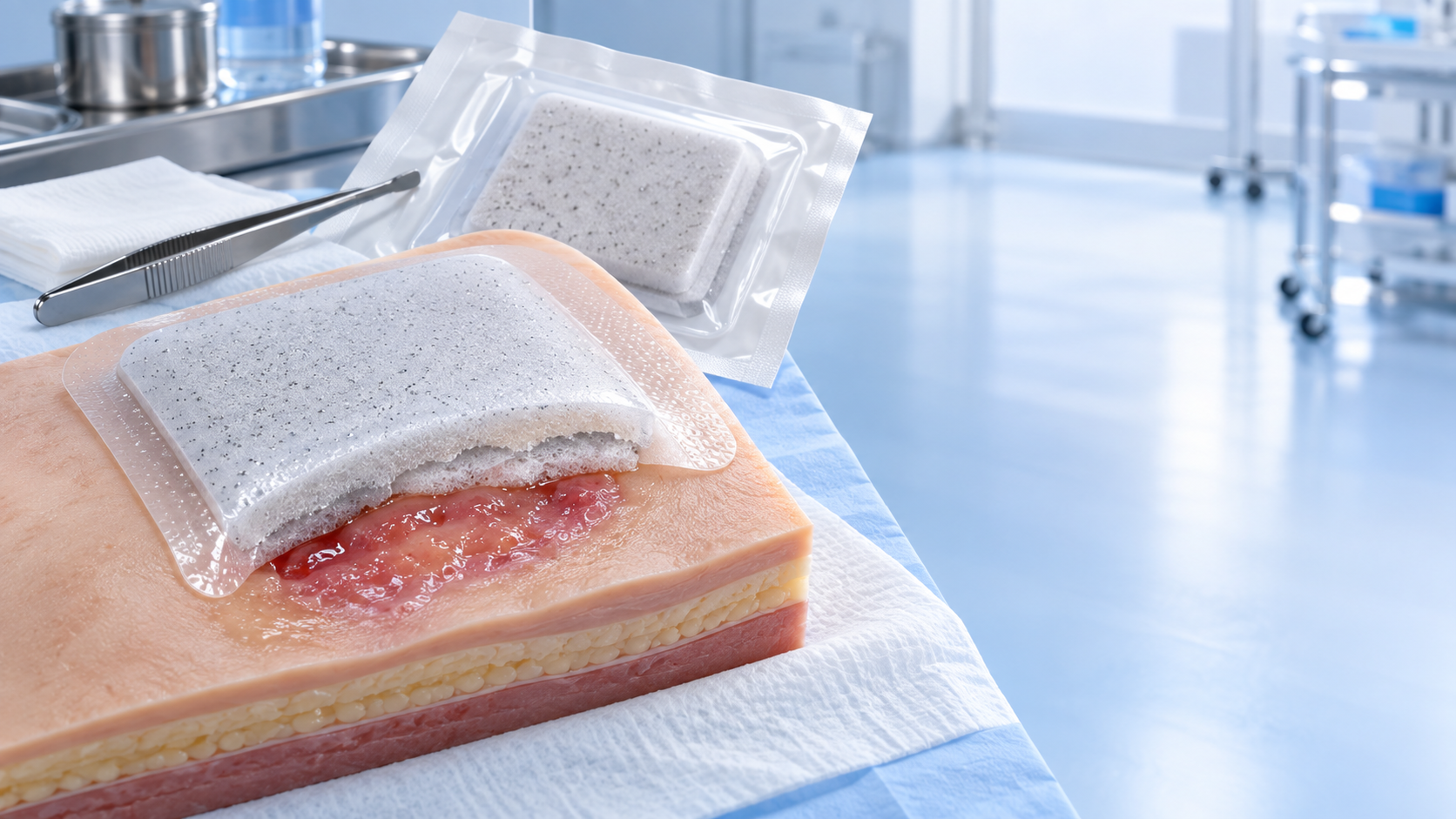
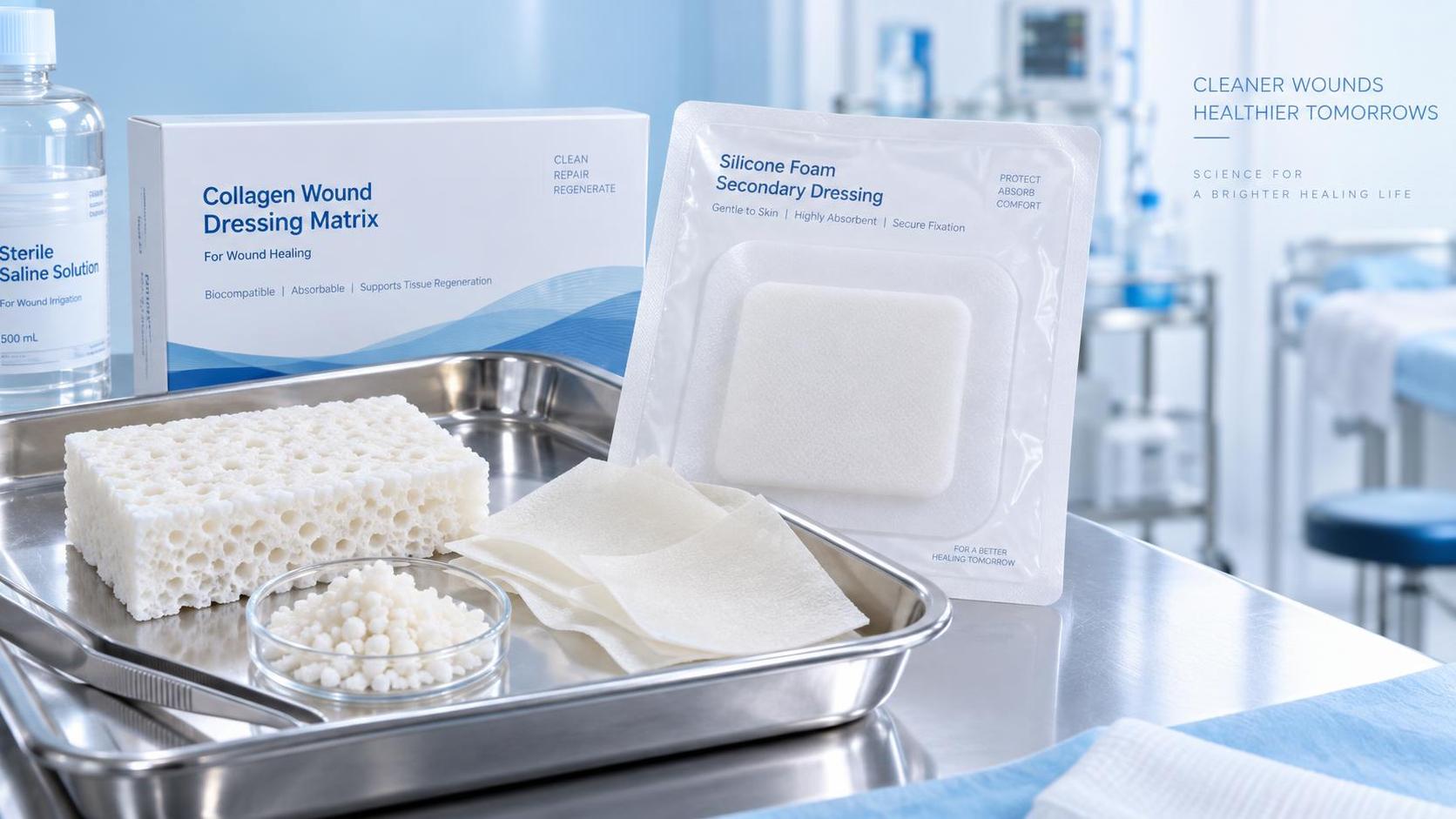
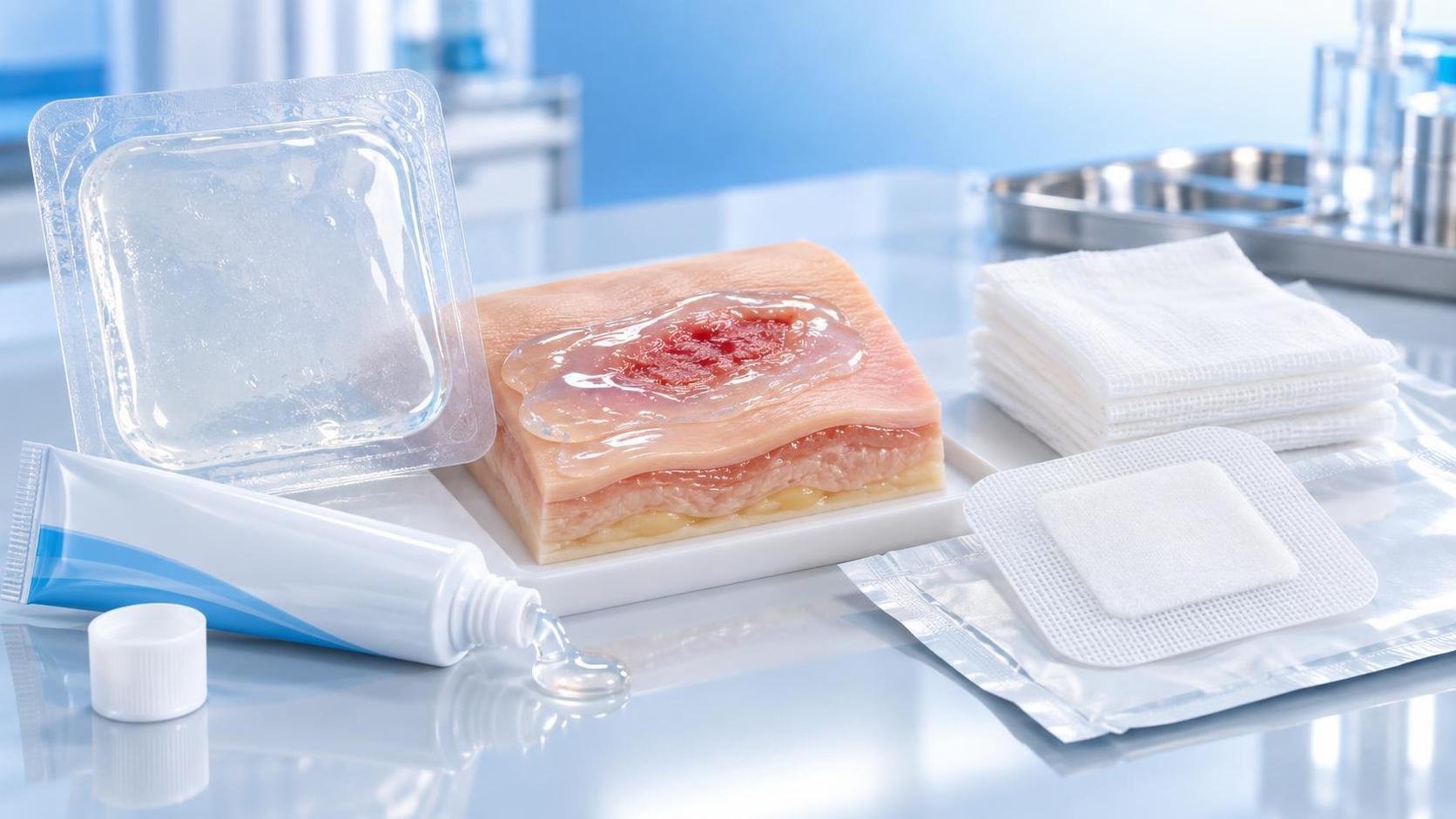
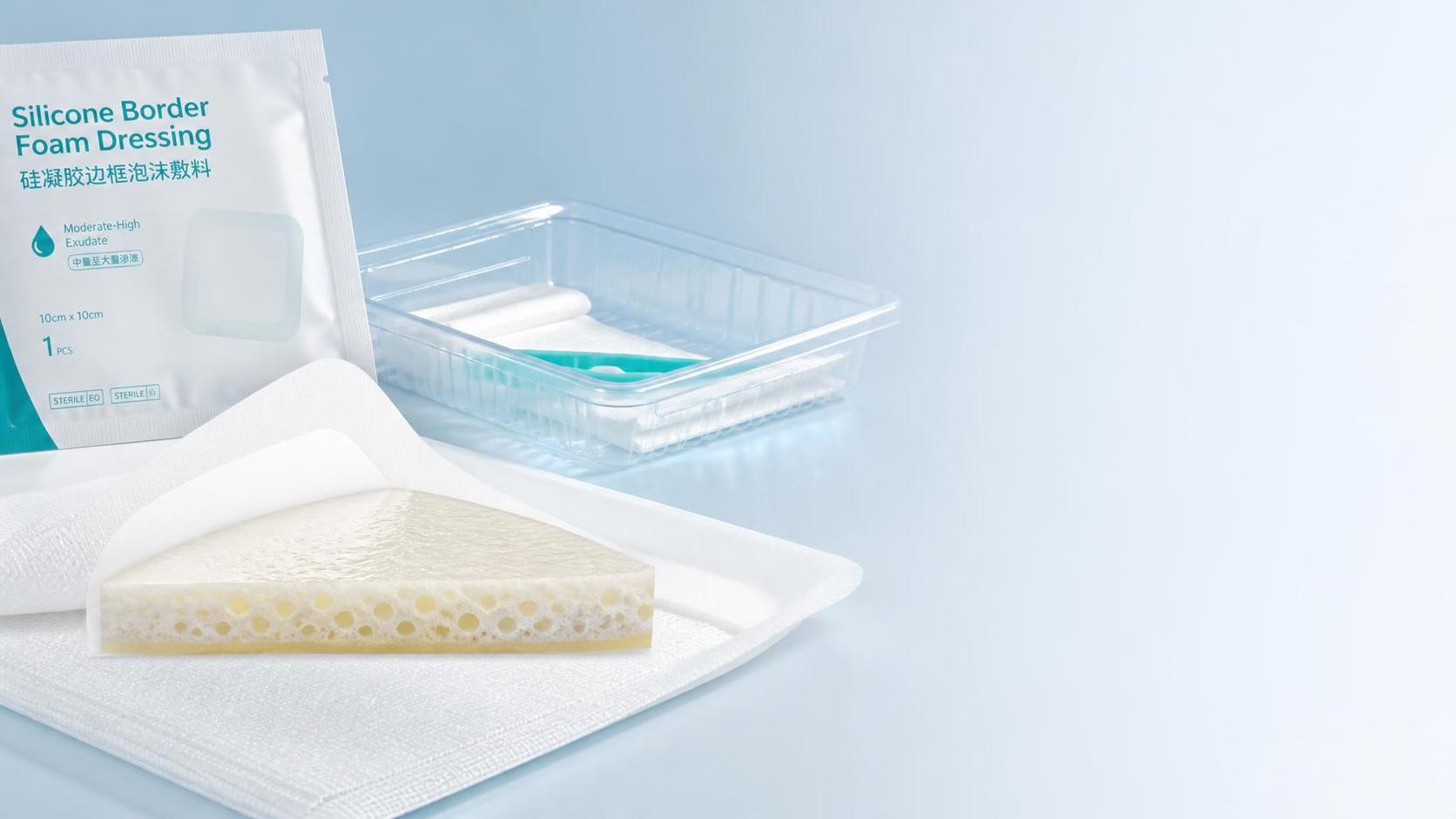
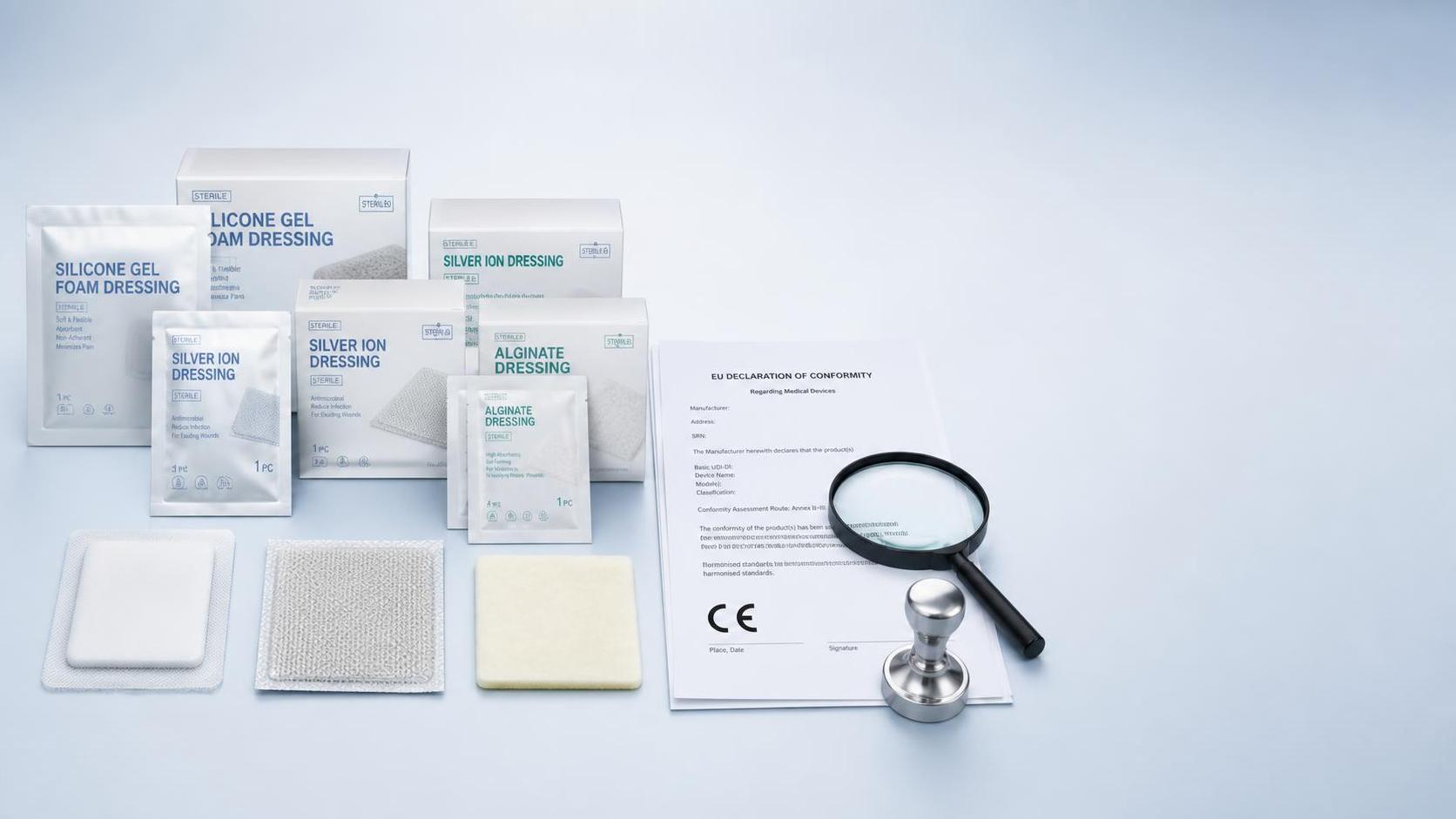
Catheter systems are increasingly judged by coating performance, kink resistance, thrombosis prevention, and access reliability. Advanced dressings are judged by healing speed, infection control, and suitability for chronic or complex wounds.
These are not peripheral segments. They reflect how the medical consumables market is moving toward performance in real clinical environments rather than basic material substitution.
The role of regulation, evidence, and material science
Hospitals are becoming more selective because regulatory and biological risks are harder to absorb. A product may appear commercially attractive, but weak evidence or incomplete compliance can create procurement hesitation.
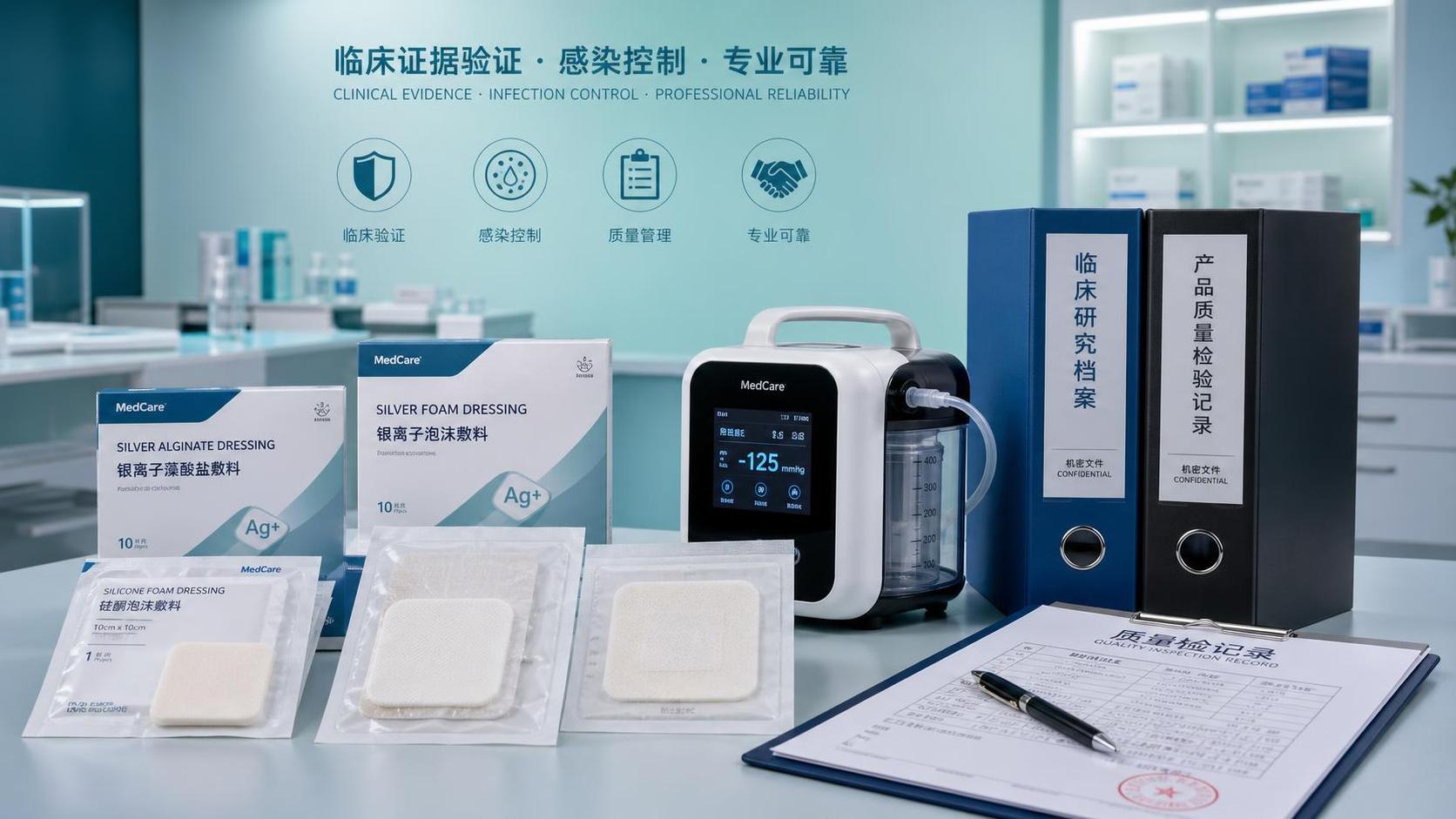
In the medical consumables market, ISO 10993 testing, CE MDR clinical evaluation, and Class III device expectations increasingly shape purchasing confidence. This is particularly true for implanted or high-contact products.
Material science now plays a more visible commercial role. Biocompatibility, surface engineering, fatigue resistance, and micron-level precision are not purely technical issues. They influence approval speed, clinician trust, and hospital adoption.
This is where intelligence-led platforms such as IMCS become relevant. By connecting material validation, clinical logic, and pricing policy analysis, they help interpret which products are likely to hold premium value under cost pressure.
How hospitals typically evaluate value in the medical consumables market
A useful way to read demand is to look at the dimensions hospitals compare at the same time. Rarely is one factor enough on its own.
From a market perspective, this multi-factor view explains why the same category can show both price compression and premium retention at the same time.
Signals that deserve closer attention
Several signals are becoming more useful when interpreting the medical consumables market and future hospital demand.
- Growth tied to procedural migration from open surgery toward minimally invasive pathways.
- Premium stability in products with clear biological or handling advantages.
- Faster adoption of consumables that support shorter stays or fewer follow-up interventions.
- Higher scrutiny of imported and local supply chains after disruption experience.
- Procurement preference for suppliers that can defend both compliance and production capacity.
An equally important signal is segmentation inside each category. Not every implant, catheter, or dressing competes on the same logic. Hospitals often split basic volume demand from advanced clinical demand.
That is why a broad reading of the medical consumables market can miss the most important movement. Growth often sits in the subsegments where material innovation and evidence create practical differentiation.
A practical way to assess opportunities and risks
In practical evaluation, it helps to compare each product line against a small set of disciplined questions rather than broad market claims.
- Does the product solve a procedure bottleneck or only match an existing standard?
- Is the clinical evidence strong enough to support adoption beyond price-driven tenders?
- Can the supplier withstand VBP pressure without damaging quality or delivery reliability?
- Are regulatory files, biocompatibility data, and post-market support ready for deeper review?
- Is demand linked to durable care trends such as aging, chronic disease, or surgical modernization?
This framework is especially useful in high-value areas covered by IMCS, where the relationship between biomaterials, precision manufacturing, and regulation directly affects commercial resilience.
The medical consumables market will likely remain competitive, but it is not random. Demand tends to reward products that fit clinical workflow, survive policy pressure, and maintain technical credibility over time.
What to watch next
The next phase of the medical consumables market will be shaped by smarter segmentation, not just larger volume. Hospitals are likely to keep tightening budgets while remaining open to products that reduce risk and improve measurable outcomes.
That makes it useful to track category-level demand, policy signals, material innovation, and evidence quality together. Looking at any one factor in isolation often leads to a distorted view of real opportunity.
A sensible next step is to map priority product lines against procedure growth, regulatory burden, and differentiation strength. From there, it becomes easier to compare where the medical consumables market is commoditizing and where it is still creating defendable value.
Get weekly intelligence in your inbox.
No noise. No sponsored content. Pure intelligence.
News Recommendations
 Sep 23, 2026How to verify the sterility assurance of surgical devicesHow to verify the sterility assurance of surgical devices
 Sep 22, 2026How to assess a spinal implants manufacturer’s quality systemHow to assess a spinal implants manufacturer’s quality system
 Sep 21, 2026How to assess an osseointegration technology manufacturer’s quality systemHow to assess an osseointegration technology manufacturer’s quality system
 Sep 20, 2026Medical material science trends reshaping biocompatibility testingMedical material science trends reshaping biocompatibility testing
 Sep 19, 2026What North American regulators expect in implant clinical evaluationsWhat North American regulators expect in implant clinical evaluations
 Sep 18, 2026When should plate and screw systems be selected for fracture fixation?When should plate and screw systems be selected for fracture fixation?
 Sep 17, 2026How a medical device sourcing strategy can reduce total acquisition costHow a medical device sourcing strategy can reduce total acquisition cost
 Sep 16, 2026When are silver foam burn care dressings appropriate for exuding burns?When are silver foam burn care dressings appropriate for exuding burns?
 Sep 15, 2026What drives medical device category pricing in value-based purchasing?What drives medical device category pricing in value-based purchasing?
 Sep 14, 2026High value consumables insights for evaluating total cost of careHigh value consumables insights for evaluating total cost of care
 Sep 13, 2026What a medical device market insights platform reveals about market accessWhat a medical device market insights platform reveals about market access
 Sep 12, 2026When are collagen-based tissue healing materials suitable for wound care?When are collagen-based tissue healing materials suitable for wound care?
 Sep 11, 2026How catheter material selection affects total cost of ownershipHow catheter material selection affects total cost of ownership
 Sep 10, 2026What FDA clearance means for medical grade PEEK implantsWhat FDA clearance means for medical grade PEEK implants
 Sep 09, 2026When do hydrogel wound healing technologies suit dry wounds?When do hydrogel wound healing technologies suit dry wounds?
 Sep 07, 2026How to assess medical consumables for surgical useHow to assess medical consumables for surgical use
 Sep 07, 2026How to verify CE MDR compliance for single-use medical consumablesHow to verify CE MDR compliance for single-use medical consumables
 Sep 05, 2026How to evaluate an antithrombotic catheter factory for qualityHow to evaluate an antithrombotic catheter factory for quality
 Sep 04, 2026When do minimally invasive surgical staplers improve GI access?When do minimally invasive surgical staplers improve GI access?
 Sep 03, 2026When are foam moist wound healing dressings appropriate for exuding wounds?When are foam moist wound healing dressings appropriate for exuding wounds?
 Sep 02, 2026How implant pricing affects access to advanced medical careHow implant pricing affects access to advanced medical care
 Sep 01, 2026What is driving price pressure in the North American medical consumables market?What is driving price pressure in the North American medical consumables market?
 Aug 31, 2026Comparing medical devices in Southeast Asia when market access differsComparing medical devices in Southeast Asia when market access differs
 Aug 30, 2026When are 3D printed PEEK implants suitable for spinal reconstruction?When are 3D printed PEEK implants suitable for spinal reconstruction?
 Aug 29, 2026How global medical device regulations shape clinical evidence requirementsHow global medical device regulations shape clinical evidence requirements
 Aug 28, 2026How to verify a burn care dressings exporter meets EU MDR requirementsHow to verify a burn care dressings exporter meets EU MDR requirements
 Aug 27, 2026How to verify a diabetic foot wound care supplier’s clinical evidenceHow to verify a diabetic foot wound care supplier’s clinical evidence