Global Medical Consumables Trends: Which Segments Show Stronger Price Resilience
Global medical consumables trends now show a sharper split between volume-driven price erosion and segments that still defend premium value. That divide matters because margins are no longer shaped by manufacturing scale alone. Clinical indispensability, regulatory burden, biomaterial complexity, and procedure-specific performance increasingly determine which categories absorb procurement pressure and which continue to command resilient pricing.
Across implants, cardiovascular devices, minimally invasive surgical consumables, catheters, and advanced wound care, the market is moving away from broad assumptions. Price resilience is becoming a product of technical differentiation, evidence strength, and replacement difficulty. For any market review, it is more useful to ask where value is hardest to substitute than to ask only where demand is growing fastest.
Why price resilience has become a core market signal

In the current cycle, global medical consumables trends are shaped by two forces at once. Health systems want lower acquisition costs, while clinicians still need dependable outcomes in increasingly complex procedures.
That tension is strongest in high-value consumables. A product may face centralized purchasing, tendering, and reimbursement reviews, yet still keep pricing power if failure risk is unacceptable or switching costs are high.
This is where the IMCS perspective is useful. Looking across orthopedic reconstruction, cardiovascular intervention, MIS platforms, polymer catheters, and tissue-healing materials reveals that price resilience rarely comes from branding alone. It is stitched together by biocompatibility, precision engineering, clinical validation, and regulatory defensibility.
What stronger price resilience really means
Price resilience does not mean prices never fall. It means a segment retains acceptable margins, avoids extreme commoditization, and preserves room for premium tiers even under purchasing pressure.
In practical terms, stronger price resilience usually appears when several conditions overlap. The device is clinically critical, technically difficult to copy, tightly regulated, and supported by outcome data that procurement teams cannot easily ignore.
Segments with weaker resilience often share the opposite pattern. Specifications are easier to standardize, multiple suppliers can meet baseline requirements, and buyers view substitution risk as manageable.
The main drivers behind resilient pricing
- Clinical consequence of failure, especially in life-sustaining or implantable products.
- Material and design complexity, including coating, porosity, fatigue resistance, and delivery precision.
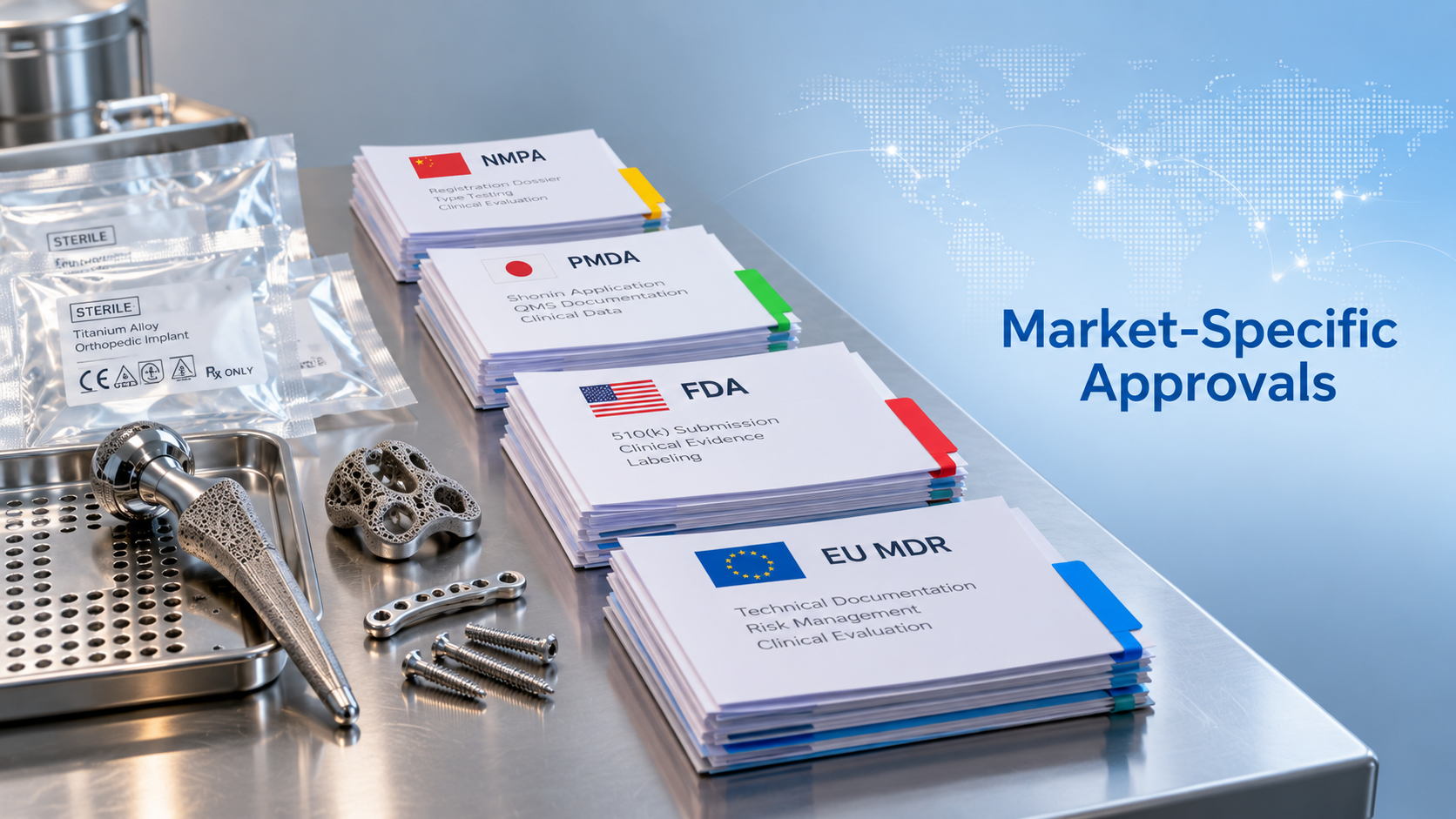
- Regulatory intensity under Class III frameworks, CE MDR, and evidence-heavy submissions.
- Procedure dependence, where surgeons rely on specific handling characteristics or system compatibility.
- Manufacturing reproducibility at micron-level tolerances and validated sterilization quality.
Which segments are holding value better
Global medical consumables trends suggest that not all categories are responding equally to cost control. Some still hold premium logic because the product is inseparable from long-term functional success.
Cardiovascular devices remain the most defensible
Drug-eluting stents, TAVR valves, and neurovascular systems still sit near the top of the resilience ladder. Their value is tied to immediate survival, difficult anatomy, and unforgiving failure profiles.
These categories also depend on exact deliverability, long-term patency, coating integrity, and physician confidence. Even when tenders compress prices, premium subsegments often survive because not every supplier can replicate full performance consistency.
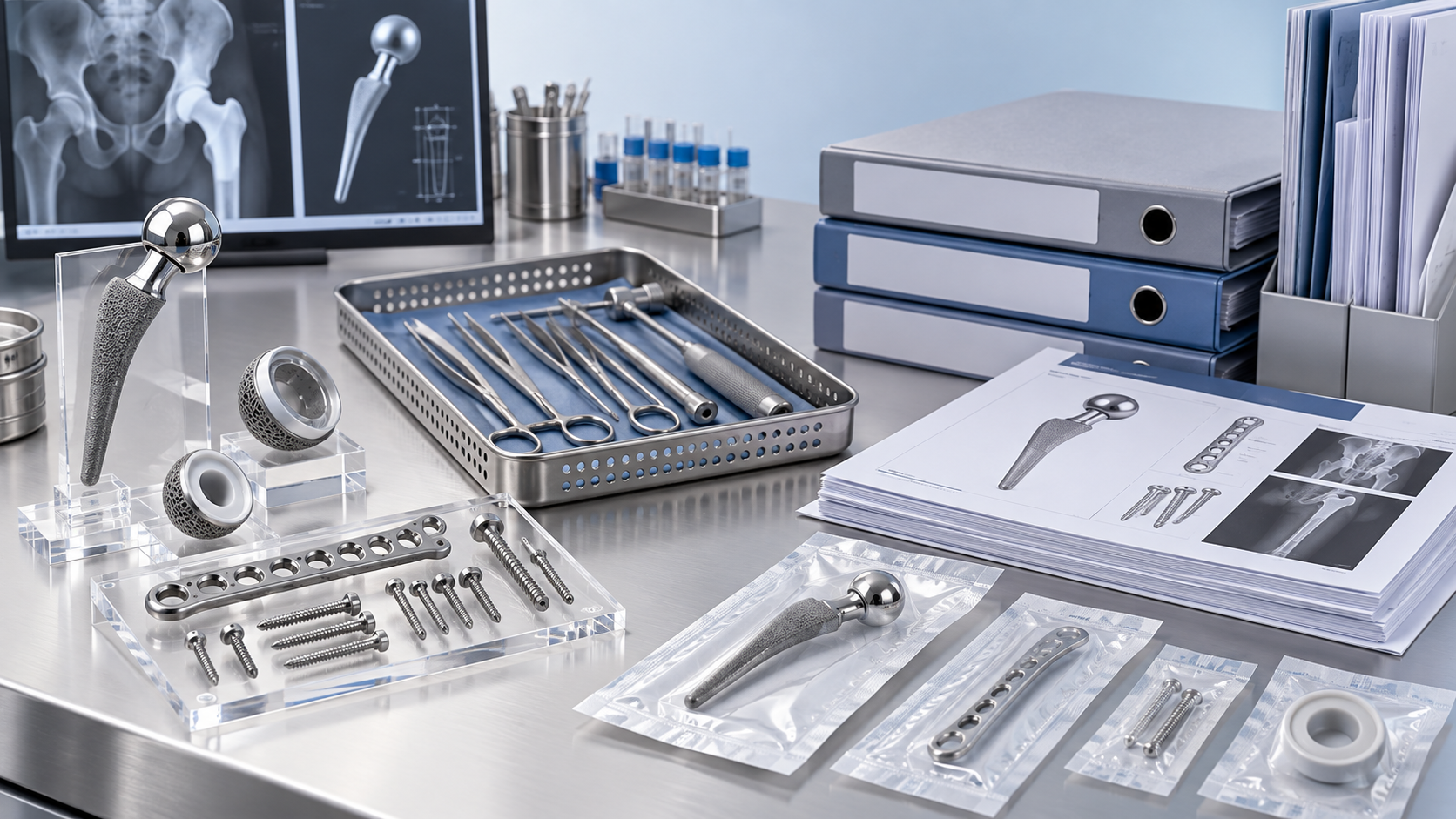
Orthopedic implants keep value when differentiation is real
Orthopedics looks mixed rather than uniformly resilient. Standardized products face sharper price competition, especially where procurement programs aggregate volume aggressively.
Still, segments using 3D-printed porous structures, advanced surface treatments, PEEK solutions, and revision-oriented designs hold better pricing logic. When implant longevity and bone integration are central, technical claims carry more weight.
MIS consumables face the strongest commoditization risk
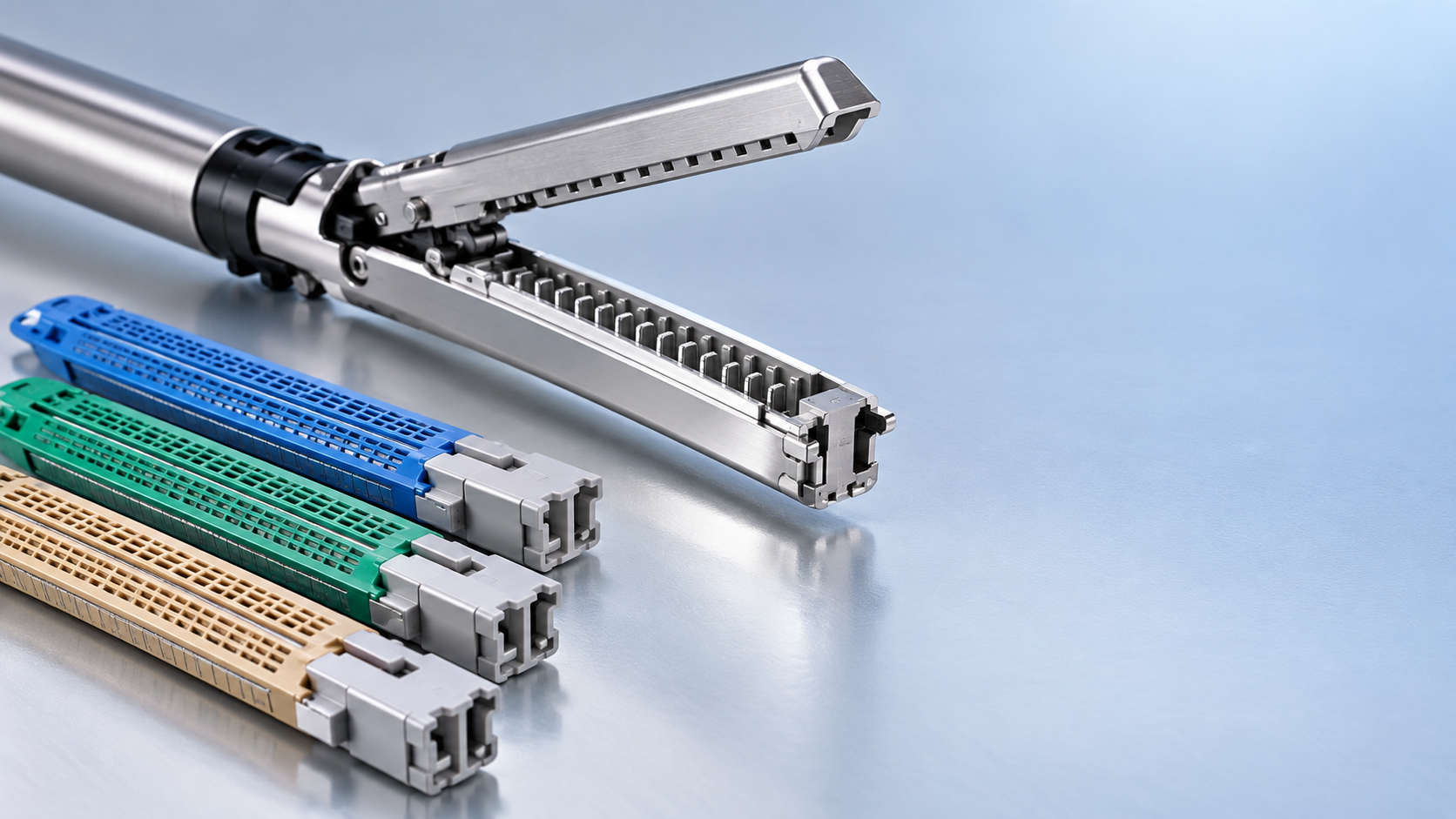
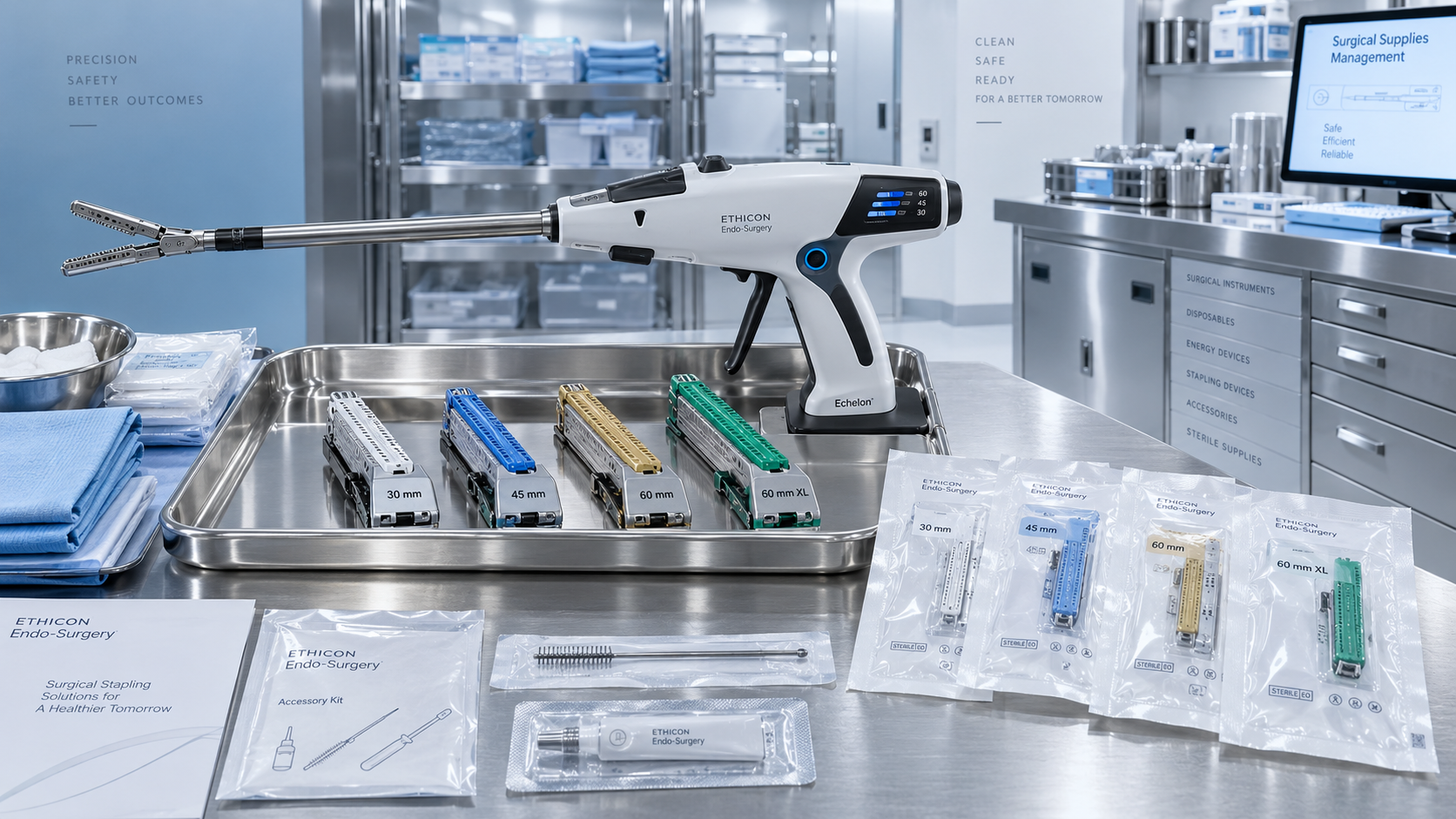
Staplers are indispensable in modern minimally invasive surgery, yet they are also exposed to bundling strategies and broader supplier competition. That creates pressure on average selling prices.
The more resilient pockets are usually specialty reloads, difficult tissue applications, and systems with clear ergonomic or complication-reduction evidence. Basic platforms, by contrast, are easier to benchmark against alternatives.
Catheters and wound care sit in the middle
Specialty catheters can defend pricing when navigation, kink resistance, hydrophilic coatings, or thrombus control directly affect procedural success. Routine catheter lines usually see weaker protection.
Advanced wound care is similar. Products such as silver silicone foams, alginates, and NPWT systems gain support when they shorten healing time or reduce complications. However, payer scrutiny rises quickly when differentiation is not clearly documented.
Why regulation and procurement are reshaping segment economics
One of the clearest global medical consumables trends is that regulation and procurement now work together rather than separately. Stronger oversight raises compliance costs, while centralized purchasing tests how much of that cost can be recovered.
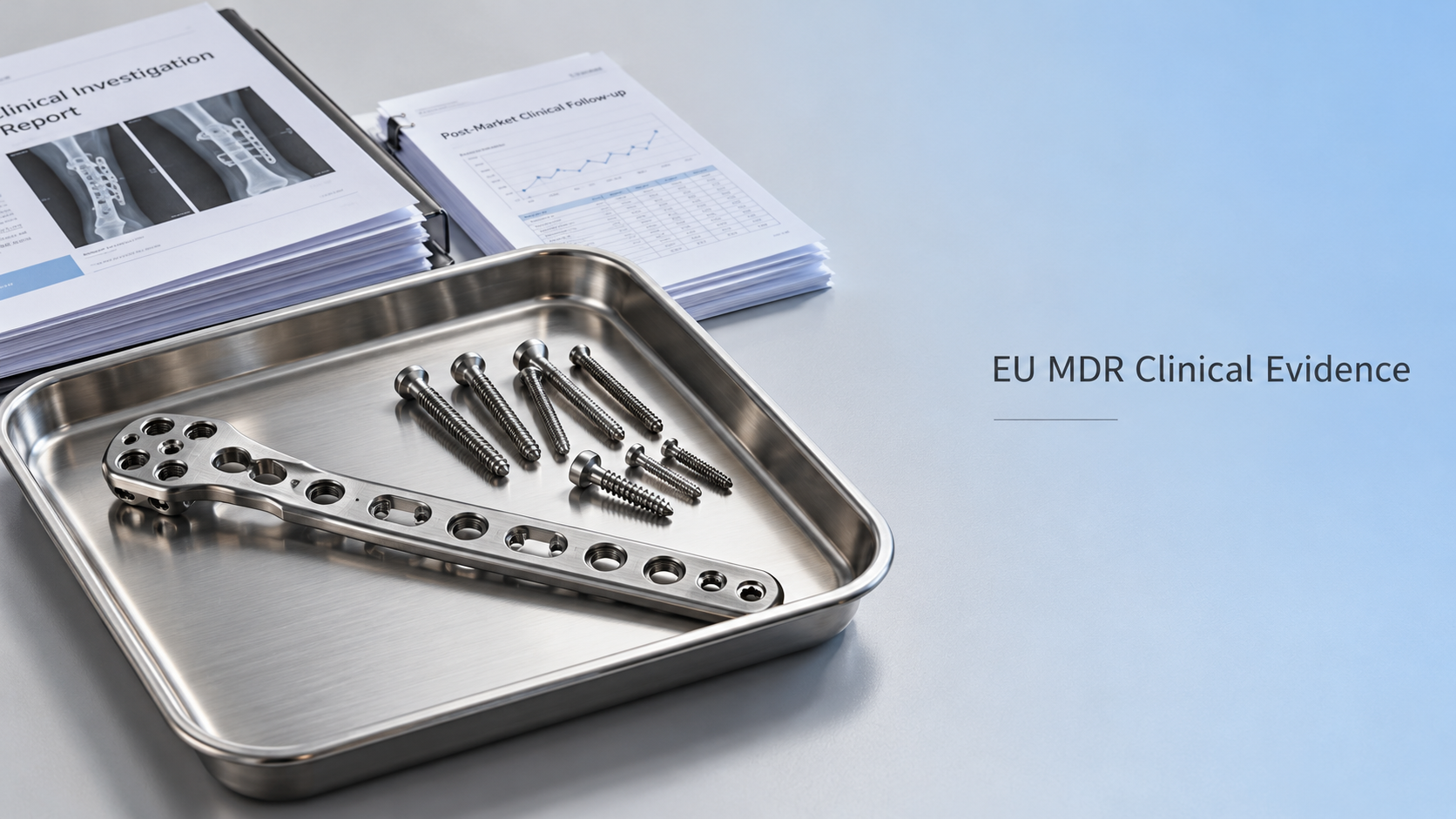
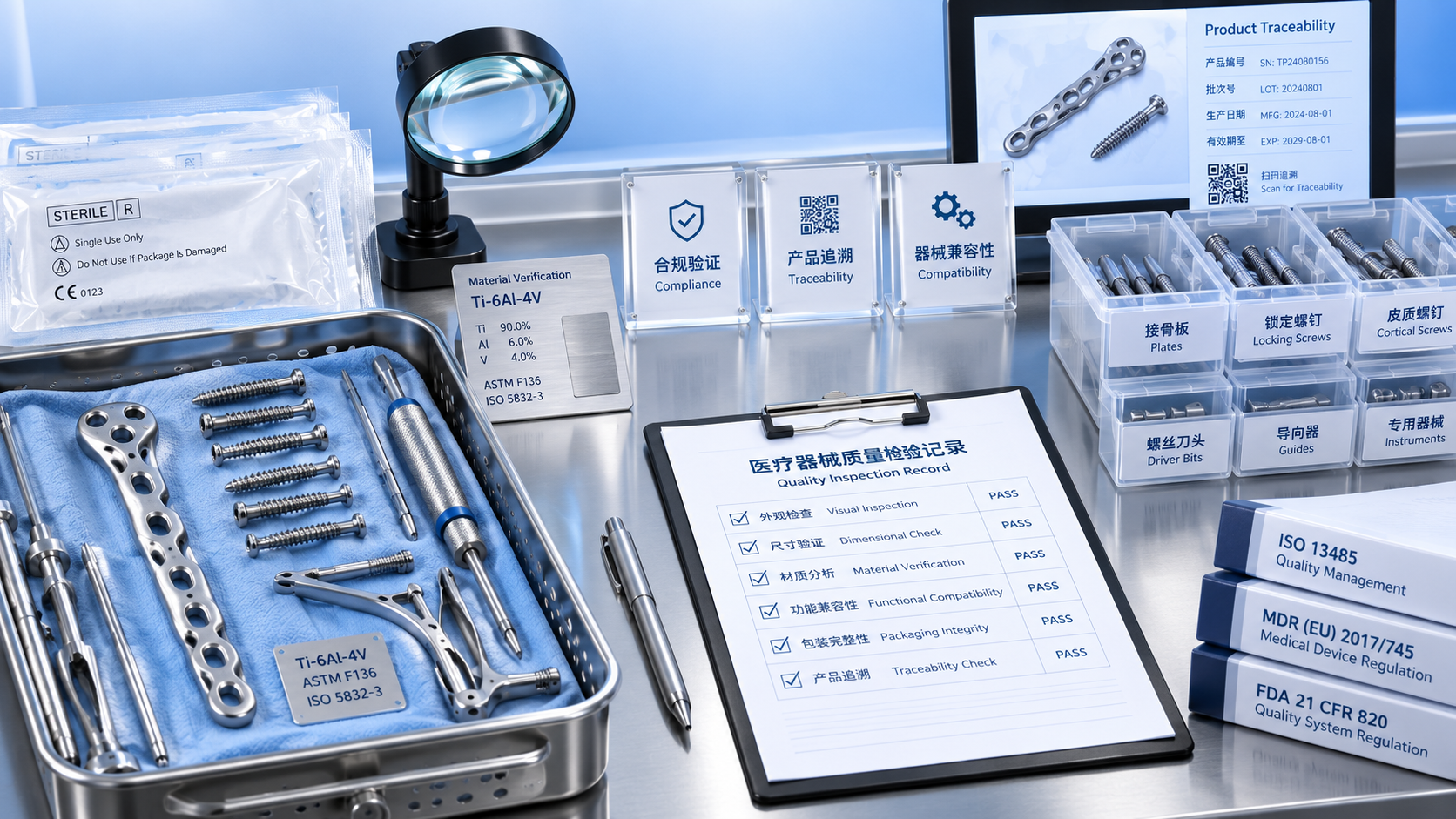
For Class III products, ISO 10993 toxicology, biocompatibility validation, clinical evidence, and post-market obligations create a high entry threshold. CE MDR has made that threshold even more consequential for premium products.
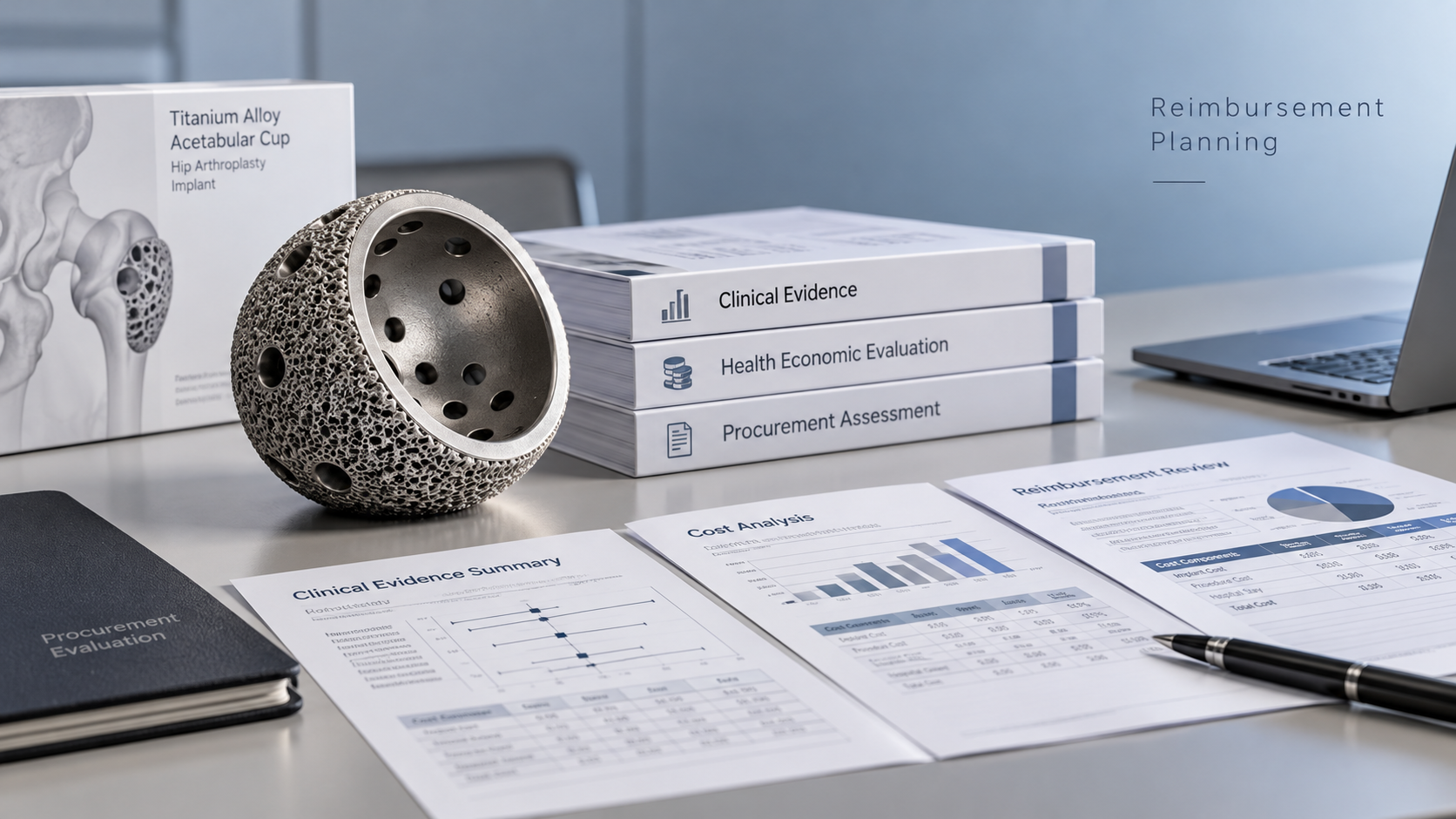
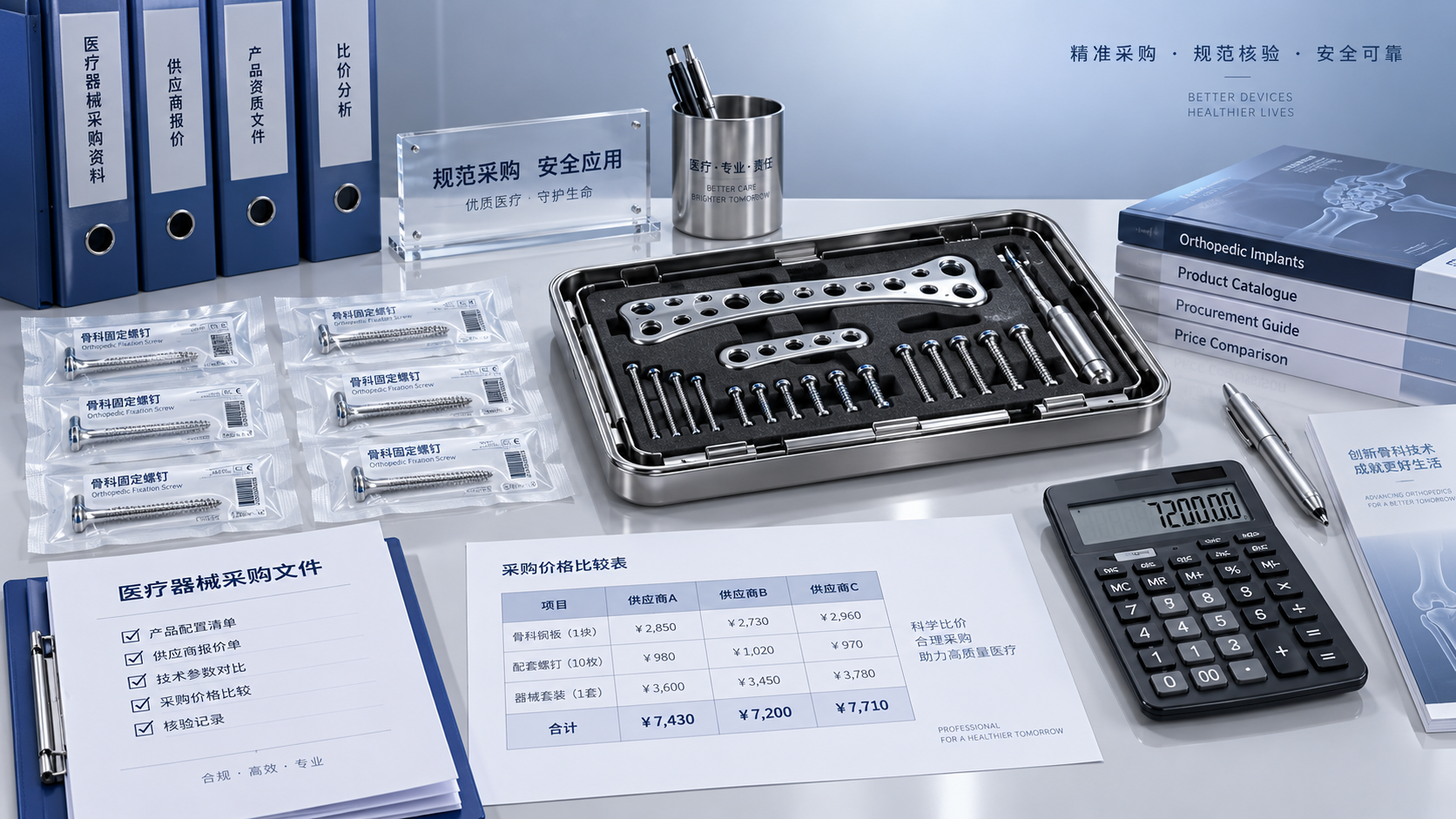
At the same time, VBP-style mechanisms and cost-containment policies push suppliers into sharper pricing negotiations. This does not eliminate value. It separates products with defendable clinical economics from those relying on historical premiums.
A useful way to read the pressure balance
- If regulation is high and substitution is difficult, resilience is usually stronger.
- If procurement is centralized and specifications are easily standardized, resilience weakens faster.
- If a product improves revision rates or complication costs, premium pricing is easier to defend.
- If evidence is thin, even technically advanced products can lose pricing credibility.
How to interpret global medical consumables trends in business review
A useful assessment should go beyond headline demand. Price resilience is best evaluated through a layered view of product risk, reimbursement sensitivity, clinical adoption, and manufacturing defensibility.
In practice, five questions tend to sharpen judgment faster than broad market sizing alone.
Five questions that improve segment comparison
- How severe is the clinical downside if the device underperforms?
- Can equivalent products meet the same procedural demands without meaningful trade-offs?
- How difficult is regulatory maintenance across regions and product iterations?
- Does the product rely on proprietary materials, coatings, or precision process controls?
- Is the premium supported by measurable outcome improvement or only by legacy positioning?
This is also where intelligence platforms such as IMCS add value. Cross-reading device physics, CER expectations, toxicology limits, and procurement behavior creates a more realistic picture than revenue data alone.
Where the next pricing signals are likely to emerge
The next phase of global medical consumables trends will likely reward products that combine procedural necessity with higher technical barriers. Personalized implants, smarter minimally invasive tools, advanced coatings, and regenerative materials fit that pattern.
But the premium window will not stay open automatically. Suppliers and evaluators need proof that innovation changes outcomes, reduces downstream cost, or lowers revision burden in a way that procurement teams can quantify.
A sensible next step is to build a segment scorecard. Compare each category by clinical criticality, substitution risk, evidence depth, regulatory intensity, and procurement exposure. That approach usually clarifies which opportunities are structurally resilient and which only look attractive during short demand cycles.
In other words, the most useful reading of global medical consumables trends is not about asking where prices are highest today. It is about identifying where value remains hardest to replace tomorrow.
Get weekly intelligence in your inbox.
No noise. No sponsored content. Pure intelligence.
News Recommendations
 Oct 26, 2026Can a single approval cover life science product sales worldwide?Can a single approval cover life science product sales worldwide?
 Oct 25, 2026When is sensitization testing needed for medical device biocompatibility?When is sensitization testing needed for medical device biocompatibility?
 Oct 24, 2026How is biocompatibility tested for implantable polymer biomaterials?How is biocompatibility tested for implantable polymer biomaterials?
 Oct 23, 2026How to build reimbursement into an implant commercialization strategyHow to build reimbursement into an implant commercialization strategy
 Oct 22, 2026What clinical evidence do implants need for CE marking under EU MDR?What clinical evidence do implants need for CE marking under EU MDR?
 Oct 21, 2026How to choose disposable laparoscopic stapler reloads for thick tissueHow to choose disposable laparoscopic stapler reloads for thick tissue
 Oct 20, 2026How to assess medical polymer biocompatibility under ISO 10993How to assess medical polymer biocompatibility under ISO 10993
 Oct 19, 2026How do interventional device categories differ in clinical use?How do interventional device categories differ in clinical use?
 Oct 18, 2026When to choose alginate dressings for heavily exuding chronic woundsWhen to choose alginate dressings for heavily exuding chronic wounds
 Oct 17, 2026How is biocompatibility tested for custom medical-grade PEEK implants?How is biocompatibility tested for custom medical-grade PEEK implants?
 Oct 16, 2026How to check a wound healing materials supplier’s biocompatibility dataHow to check a wound healing materials supplier’s biocompatibility data
 Oct 15, 2026How to verify the FDA clearance status of silver wound dressingsHow to verify the FDA clearance status of silver wound dressings
 Oct 14, 2026How to register orthopedic implants and instruments in Latin AmericaHow to register orthopedic implants and instruments in Latin America
 Oct 13, 2026How to use a device market intelligence database to benchmark VBP pricesHow to use a device market intelligence database to benchmark VBP prices
 Oct 12, 2026When should stainless steel orthopedic instruments be replaced?When should stainless steel orthopedic instruments be replaced?
 Oct 11, 2026When are alginate dressings rope the right choice for cavity wounds?When are alginate dressings rope the right choice for cavity wounds?
 Oct 10, 2026When smart minimally invasive technology improves catheter accessWhen smart minimally invasive technology improves catheter access
 Oct 08, 2026Clinical evaluation requirements for cardiovascular implant devices in EuropeClinical evaluation requirements for cardiovascular implant devices in Europe
 Oct 07, 2026What to verify before appointing an artificial joint implants distributorWhat to verify before appointing an artificial joint implants distributor
 Oct 06, 2026How ISO 10993 guides biocompatibility testing for medical materialsHow ISO 10993 guides biocompatibility testing for medical materials
 Oct 05, 2026How to verify an orthopedic implants and instruments exporterHow to verify an orthopedic implants and instruments exporter
 Oct 04, 2026What drives surgical stapling devices price differences in hospital tenders?What drives surgical stapling devices price differences in hospital tenders?
 Oct 03, 2026How to assess a central venous catheter manufacturer's infection-control evidenceHow to assess a central venous catheter manufacturer's infection-control evidence
 Oct 02, 2026How to assess an advanced wound care factory’s quality systemHow to assess an advanced wound care factory’s quality system
 Oct 01, 2026What is driving global medical consumables demand in emerging markets?What is driving global medical consumables demand in emerging markets?
 Sep 30, 2026Implant Material Compliance Testing: Evidence Needed for Regulatory SubmissionImplant Material Compliance Testing: Evidence Needed for Regulatory Submission
 Sep 30, 2026From Corrosion to Fatigue: What Implant Materials Testing Should MeasureFrom Corrosion to Fatigue: What Implant Materials Testing Should Measure