Implantable Medical Devices: Key Safety Risks and Approval Hurdles
Implantable medical devices are no longer a narrow clinical topic. They now sit at the center of innovation strategy, reimbursement pressure, and regulatory scrutiny across global medtech. For any organization evaluating growth in high-value consumables, the real challenge is not only building a device that works in surgery, but proving that it remains safe, stable, and clinically valuable for years after implantation.
That is why implantable medical devices attract so much attention in orthopedics, cardiovascular intervention, minimally invasive surgery, and tissue repair. A hip implant, a drug-eluting stent, a catheter-based valve, or a regenerative material may solve an urgent medical problem, yet each one also brings long-term questions about biocompatibility, fatigue, infection, usability, and market access.
In practice, approval hurdles are shaped by more than regulation alone. Material science, clinical evidence, manufacturing precision, post-market surveillance, and even cost-control policies such as Volume-Based Procurement all influence whether a product moves smoothly from development to adoption.
Why safety risk defines the implant market
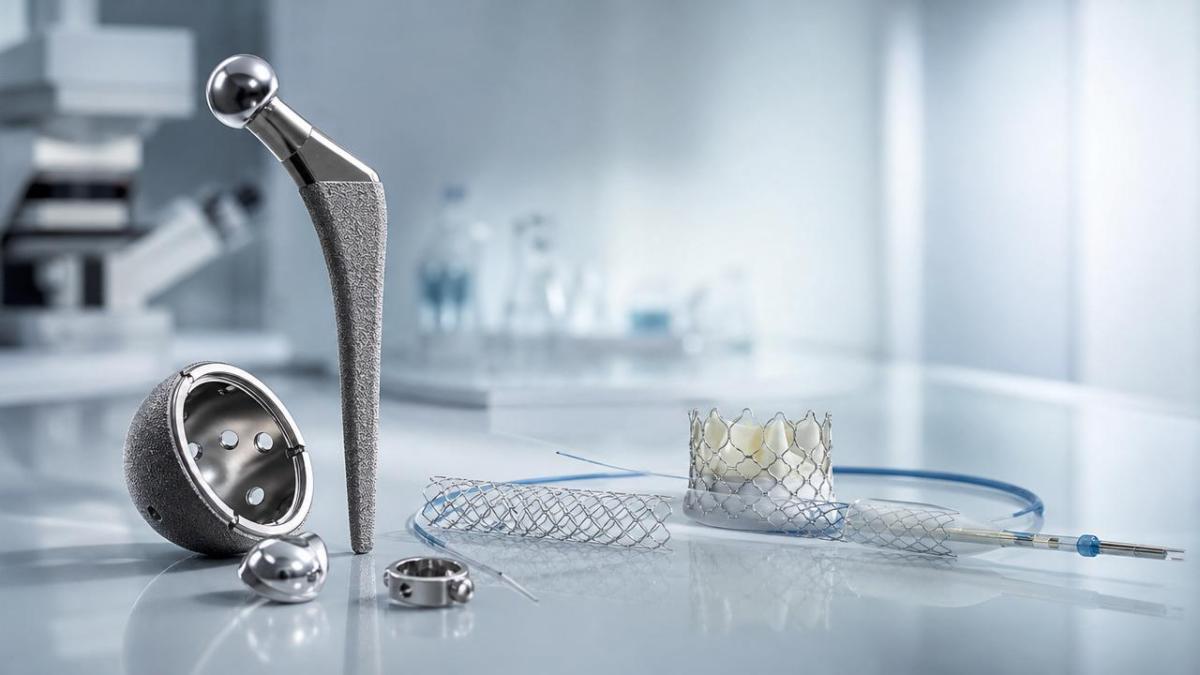
Implantable medical devices remain inside the body for extended periods, sometimes for decades. That single fact changes the standard for design, testing, and commercial decision-making.
Unlike external tools, implants interact continuously with tissue, blood, bone, or organs. A small material flaw, surface inconsistency, or dimensional deviation can become a major clinical event over time.
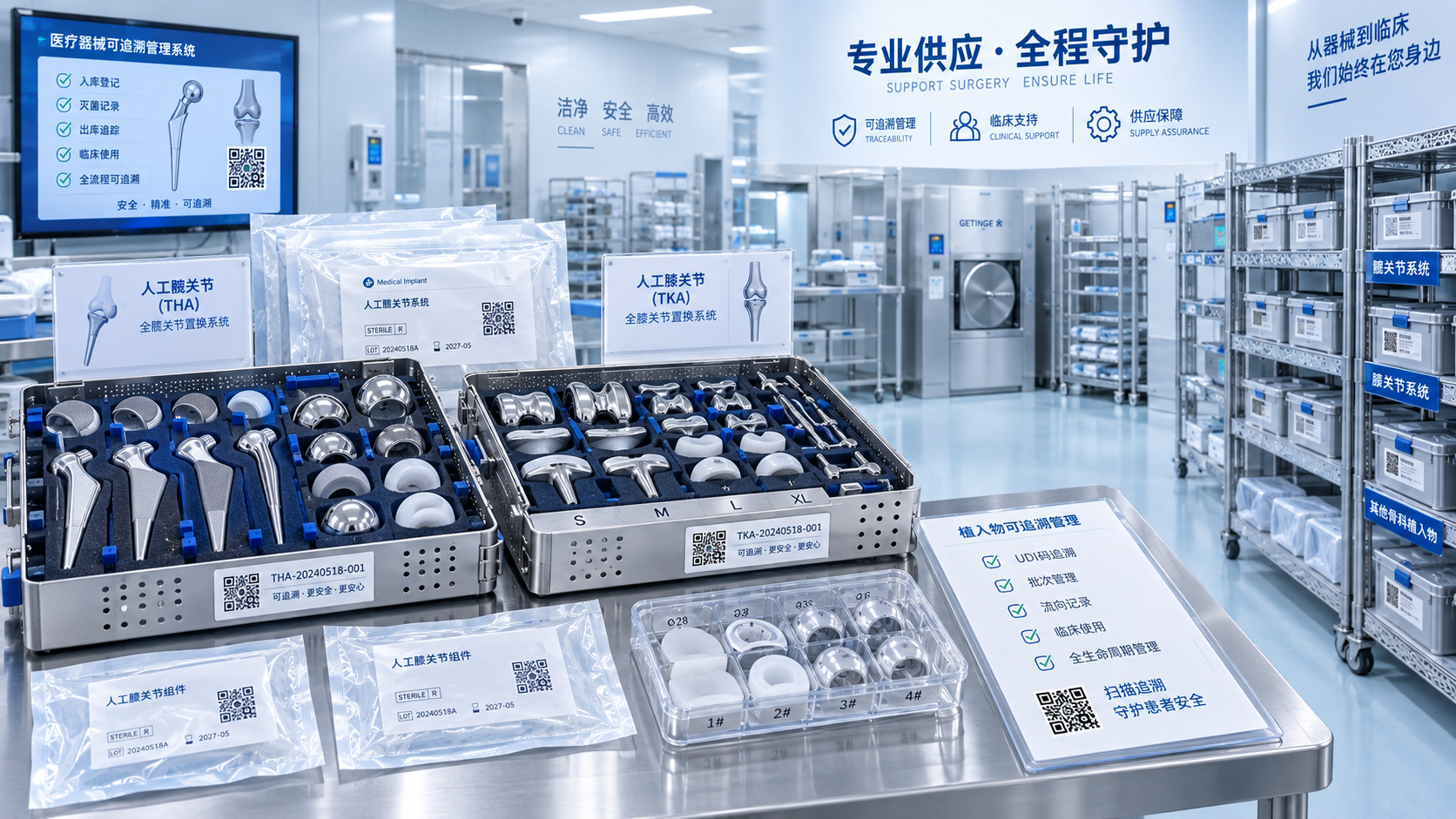
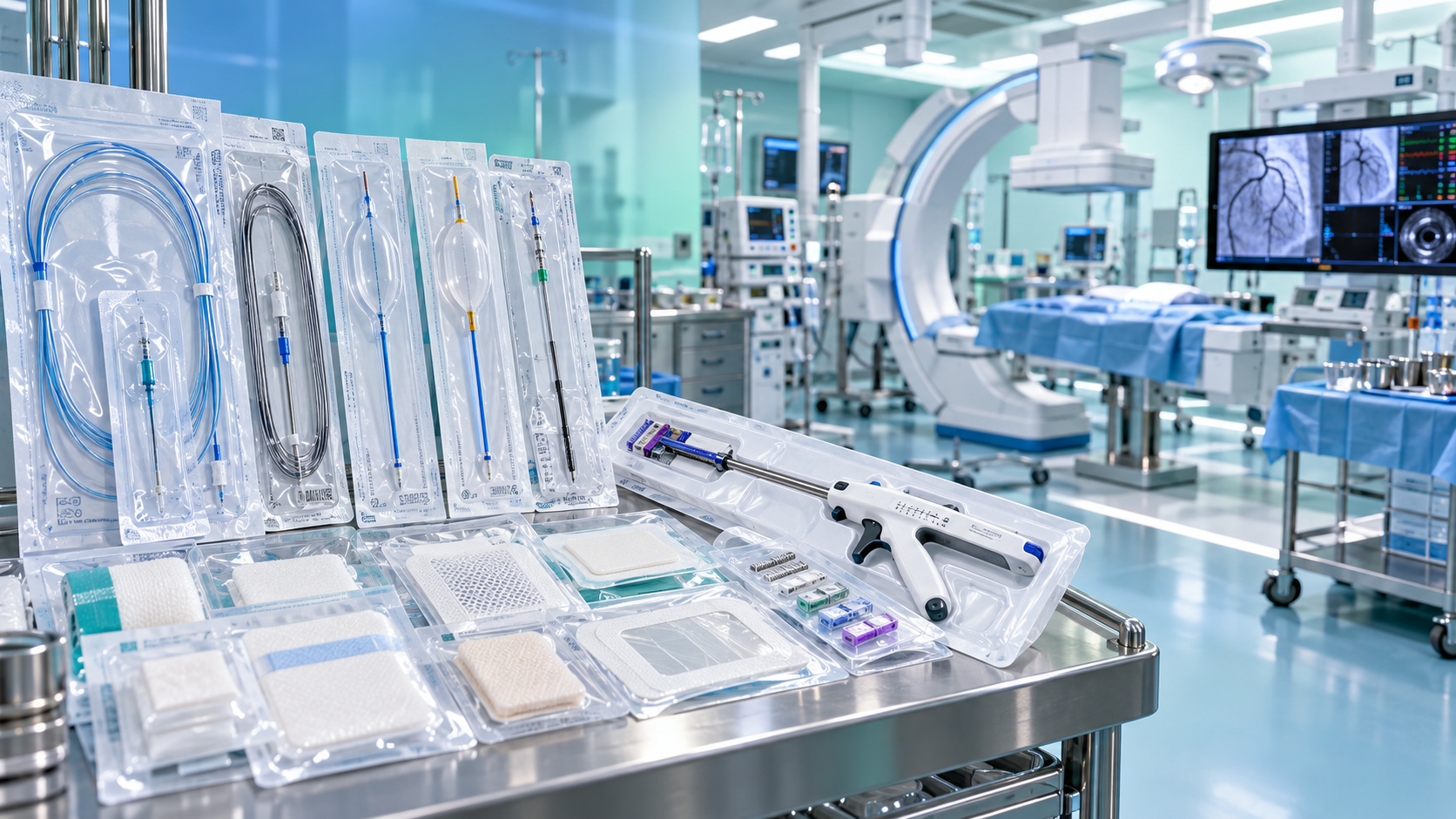
This is especially visible in the segments followed closely by IMCS. Orthopedic implants must support osseointegration and mechanical stability. Cardiovascular devices must preserve flow in fragile anatomy. Polymer catheters must resist thrombosis and kinking. Advanced wound care materials must protect healing without adding toxicity.
In other words, safety is not a checkpoint at the end of development. It is the commercial foundation of the entire implant lifecycle.
The main safety risks behind implantable medical devices
The risk profile of implantable medical devices varies by indication, but several issues appear repeatedly across product categories and approval reviews.
Biocompatibility is the first hard gate
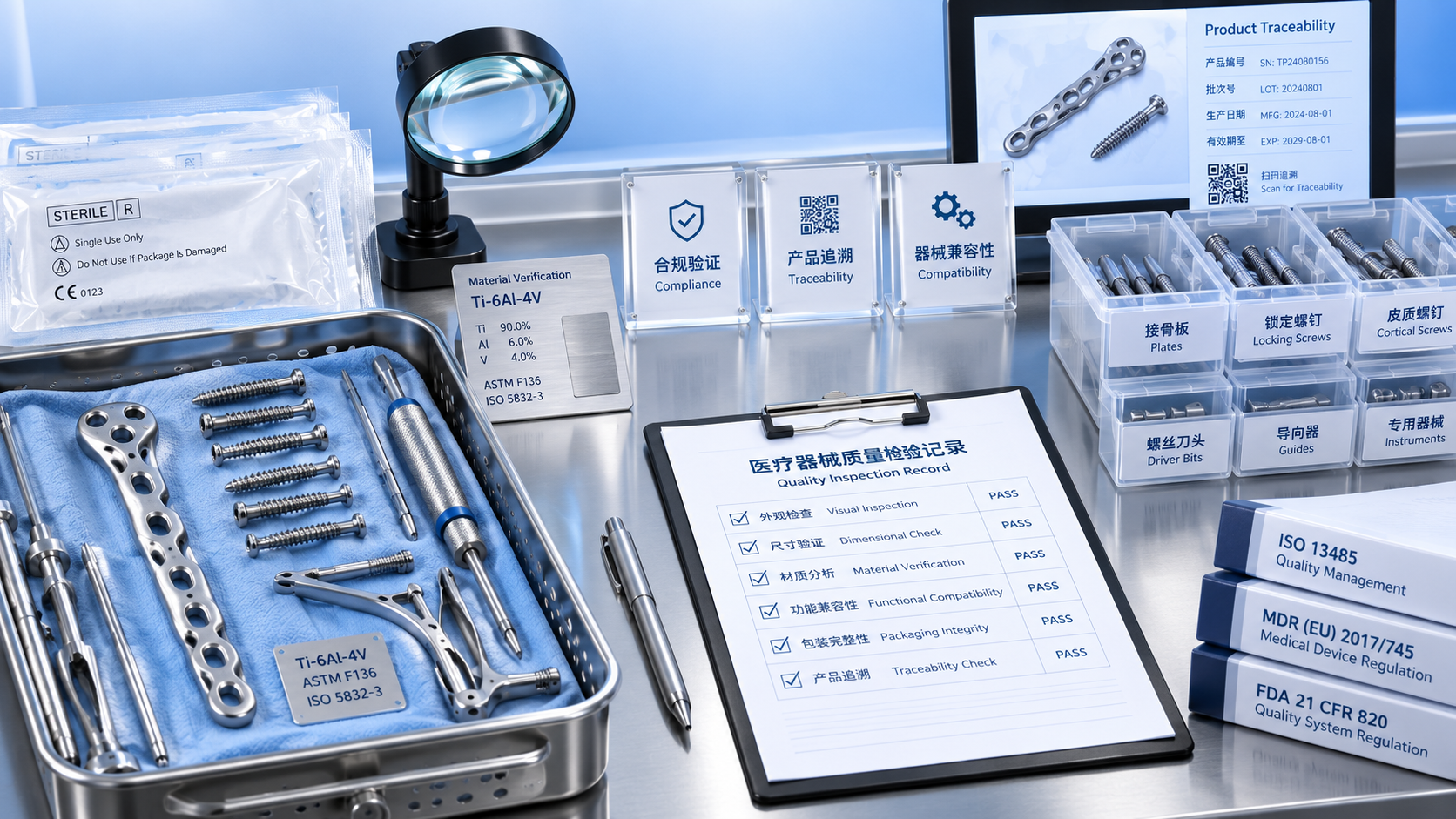
For Class III products, biological safety cannot be treated as a paperwork exercise. ISO 10993 testing often reveals the first real tension between promising design and clinical reality.
Cytotoxicity, sensitization, irritation, systemic toxicity, hemocompatibility, and leachables all matter. Surface coatings, additives, sterilization residues, and packaging interactions may alter the biological profile of an otherwise familiar material.
Mechanical failure remains a persistent concern
Many implantable medical devices fail not because the concept is wrong, but because long-term stress behaves differently in the body than in the lab. Fatigue cracks, wear debris, fracture, migration, and deformation can emerge after repeated loading.
This is critical for spinal systems, artificial joints, stapling components, heart valves, and stents. Micron-level machining accuracy often makes the difference between predictable performance and late complications.
Infection and thrombotic risk shape clinical outcomes
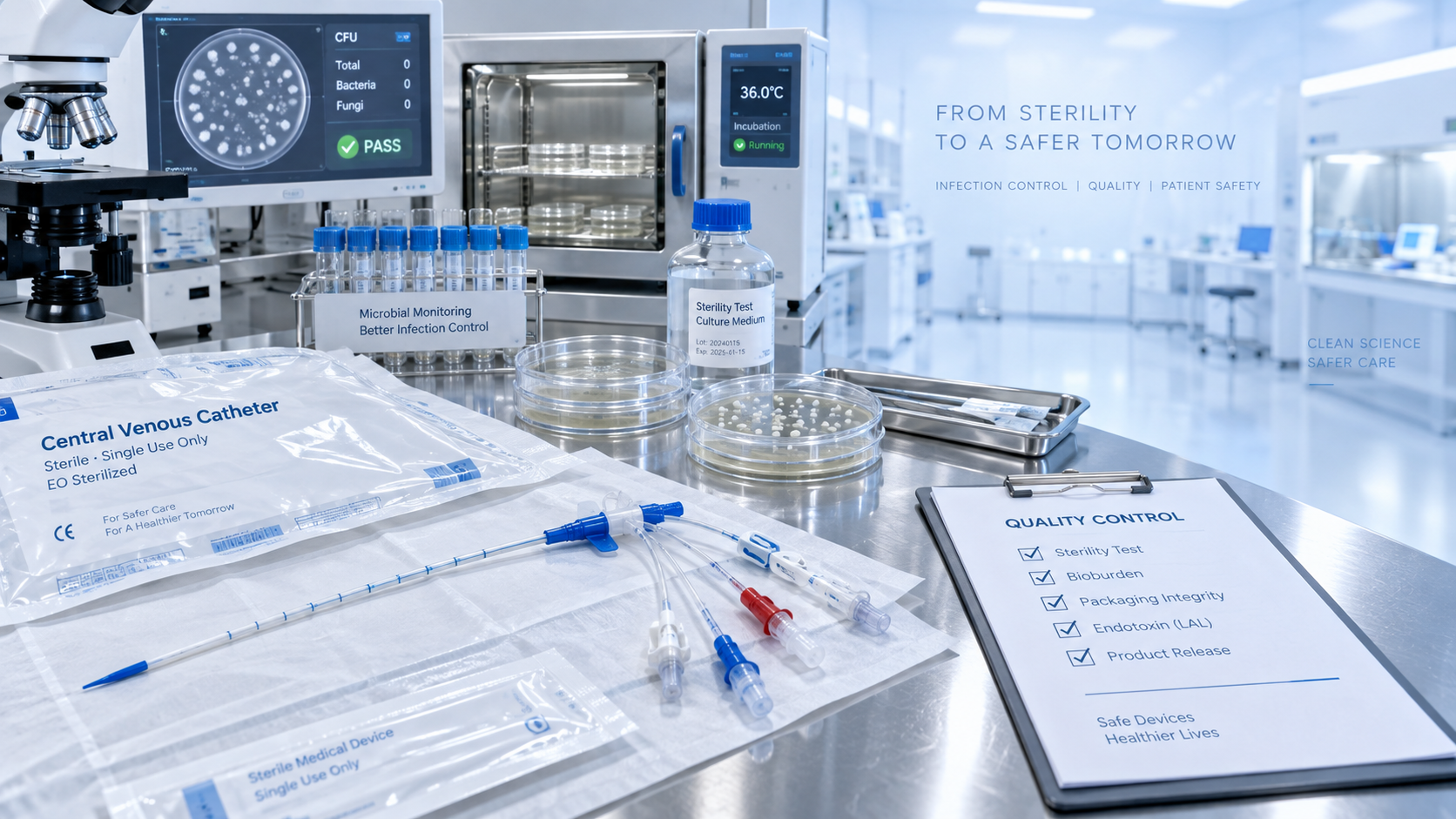
Any implanted surface can become a site for microbial colonization or clot formation. In vascular applications, thrombogenicity may threaten both patient safety and product viability. In orthopedic settings, infection can lead to revision surgery and reputational damage.
As a result, device coatings, surface energy, antibiotic strategies, and procedural compatibility are no longer secondary issues. They are core parts of risk control.
Human factors still matter in high-risk devices
Even excellent implants can underperform if delivery systems are difficult to deploy or if procedural steps are too sensitive. For catheter-based and minimally invasive products, usability errors often become hidden safety risks.
- Delivery force may be inconsistent in tortuous anatomy.
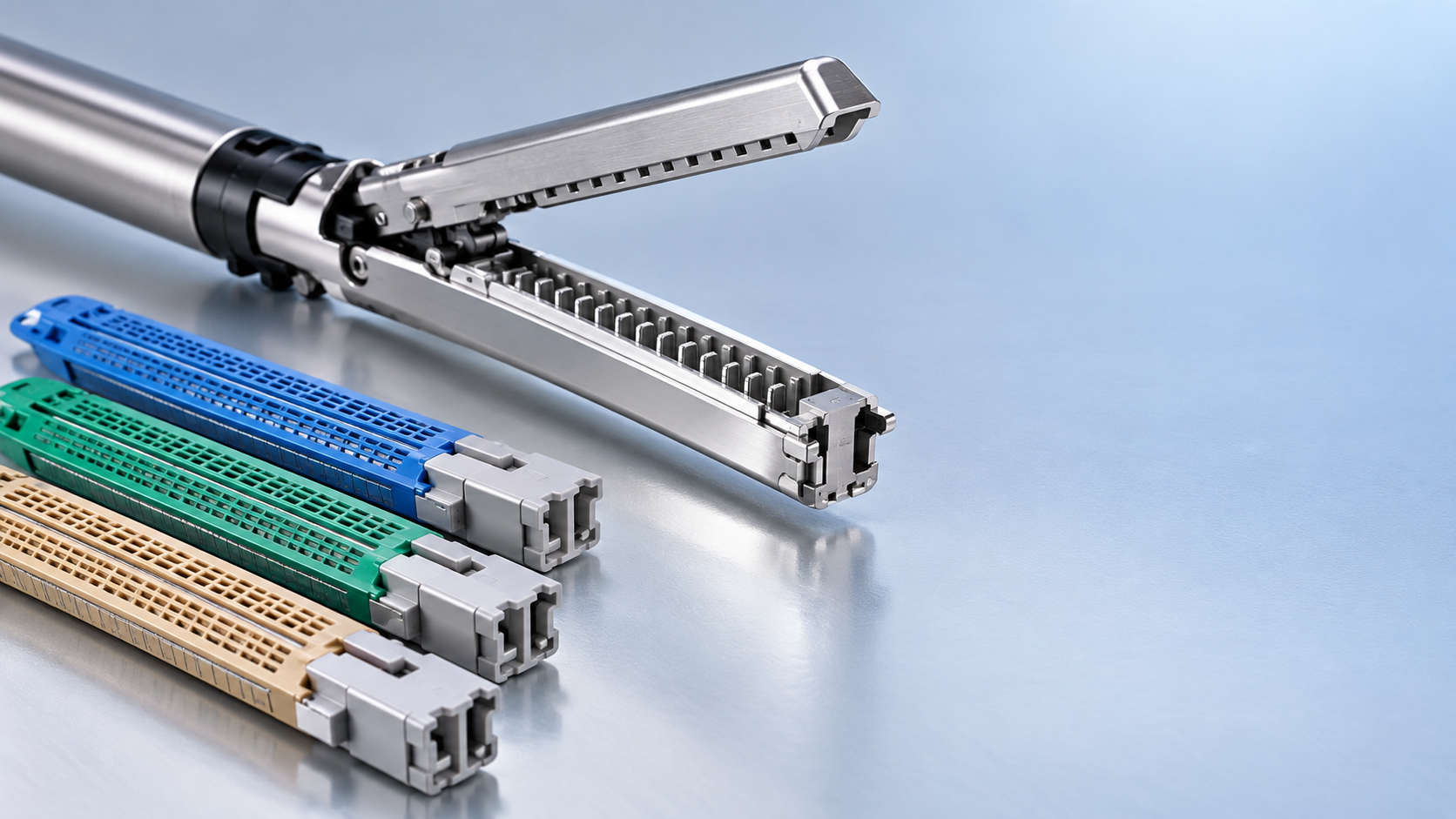
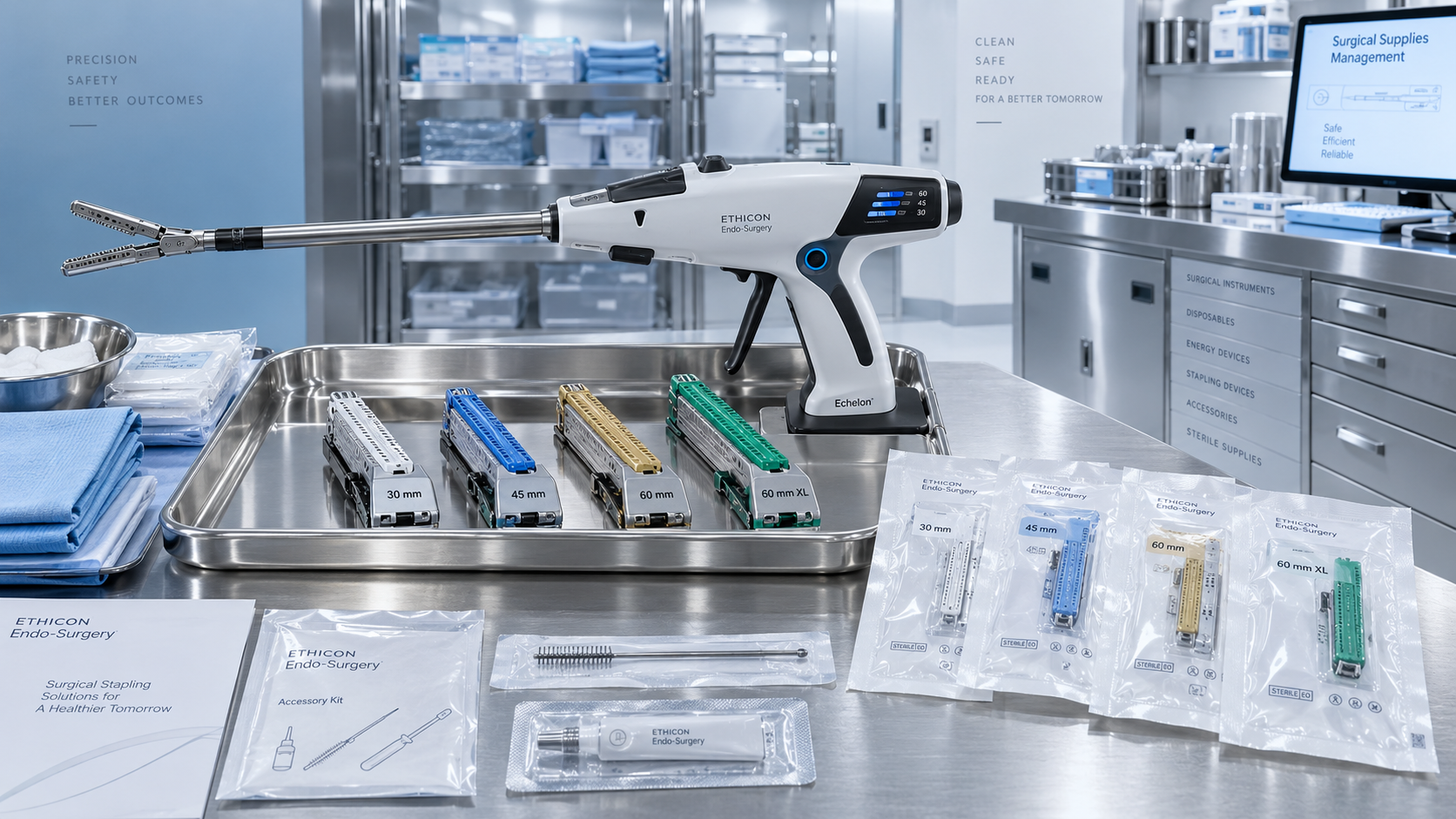
- Stapling alignment may change tissue closure quality.
- Valve positioning tolerances may be clinically unforgiving.
- Implant sizing errors may increase revision or failure risk.
Why approval hurdles are getting tougher
Regulators increasingly expect evidence that reflects real use, not ideal assumptions. That shift has made approval for implantable medical devices slower, more data-intensive, and more expensive.
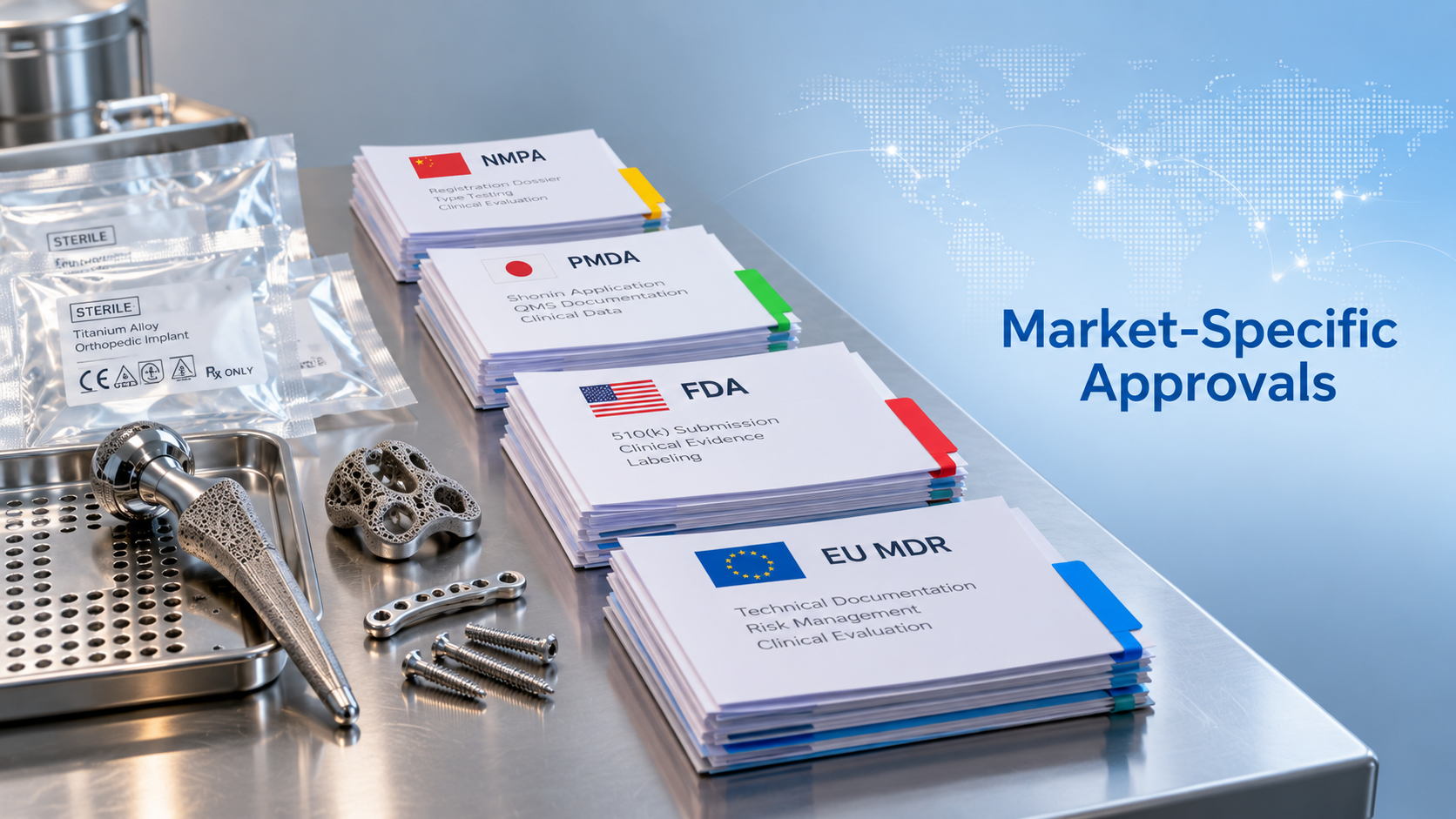
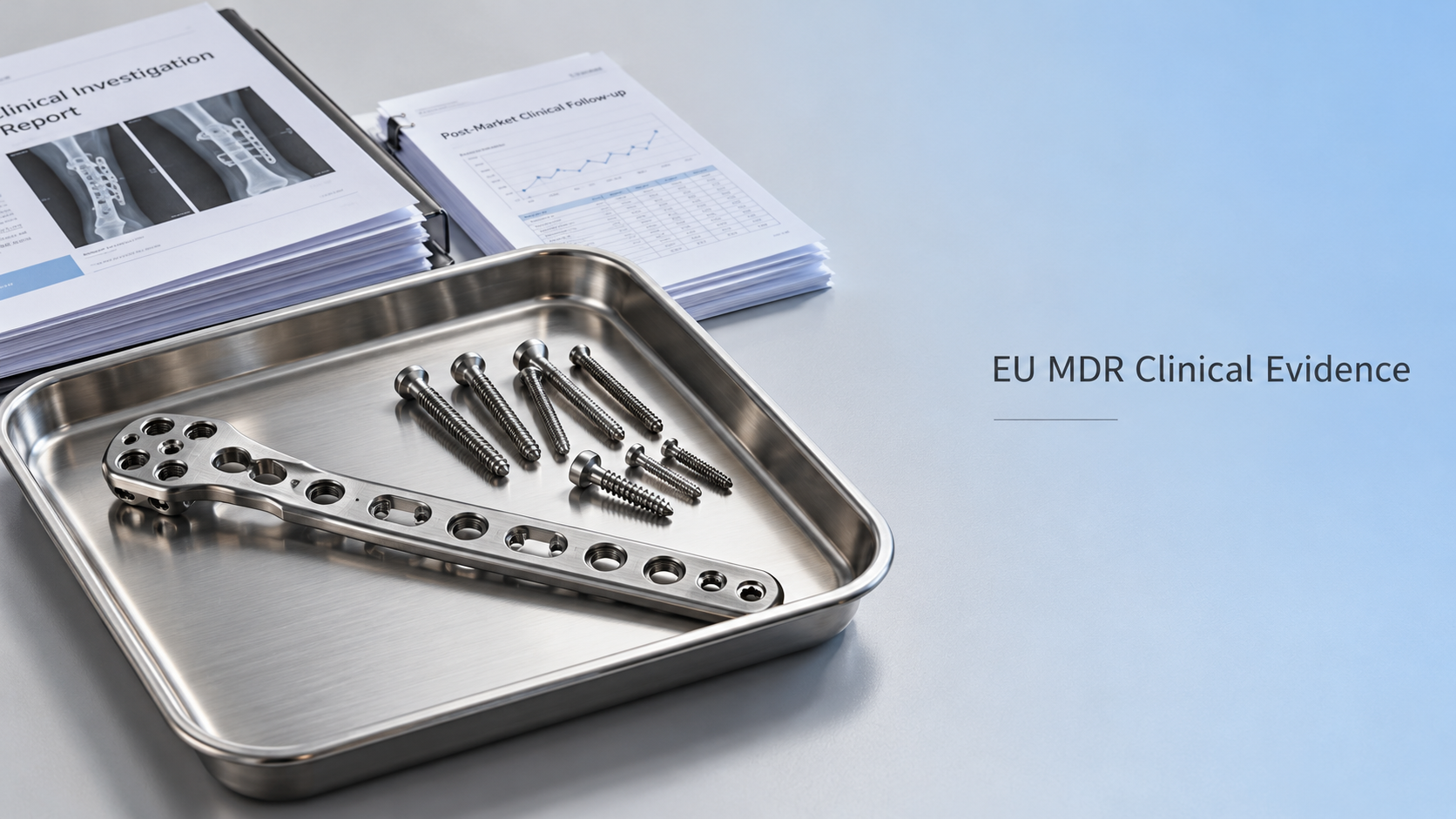
Under CE MDR, high-risk implants face stricter Clinical Evaluation Report expectations, deeper scrutiny of equivalence claims, and tighter post-market clinical follow-up requirements. In the United States, PMA pathways often demand robust bench, animal, and clinical evidence, especially when design novelty is significant.
The burden rises further when global submissions must align. A device may satisfy one market’s technical file logic but still struggle in another market because endpoints, comparators, or manufacturing controls are viewed differently.
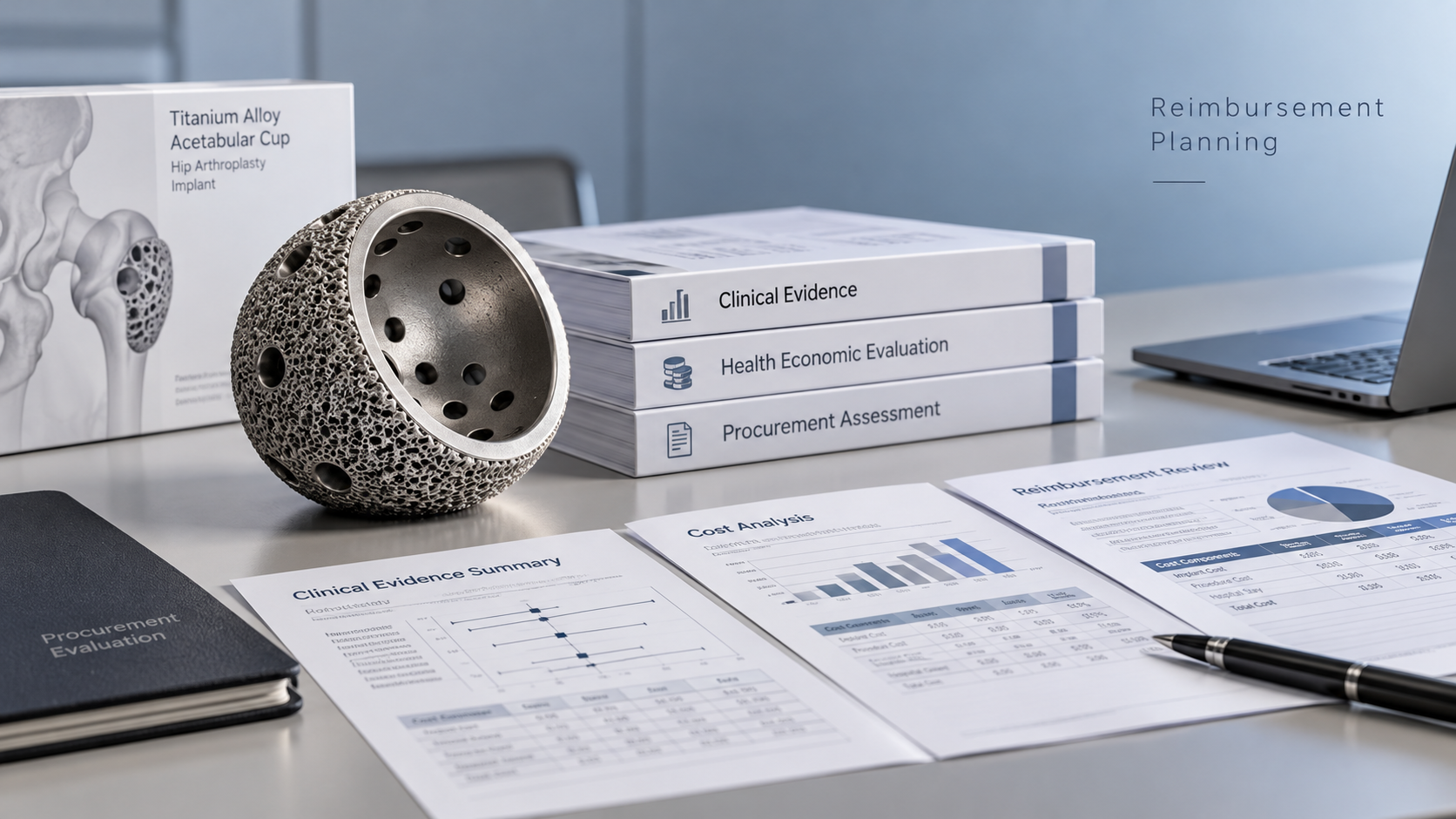
More importantly, approval is no longer the finish line. For implantable medical devices, post-market evidence increasingly influences reimbursement, procurement access, and physician confidence.
Where the pressure is strongest across device categories
Risk and approval complexity do not look the same across every segment. The commercial logic changes with anatomy, treatment duration, and competitive intensity.
Orthopedic implants and instruments
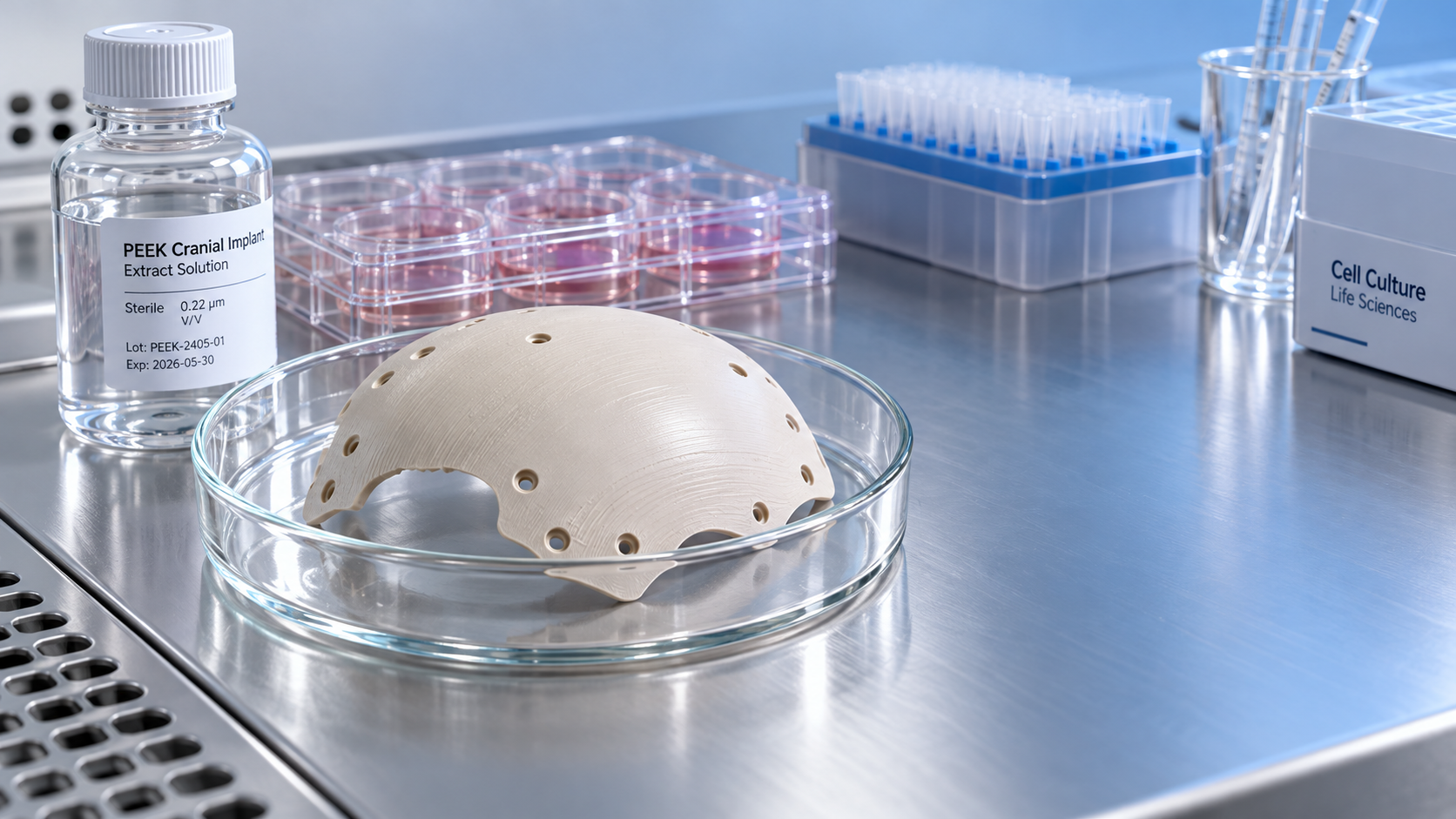
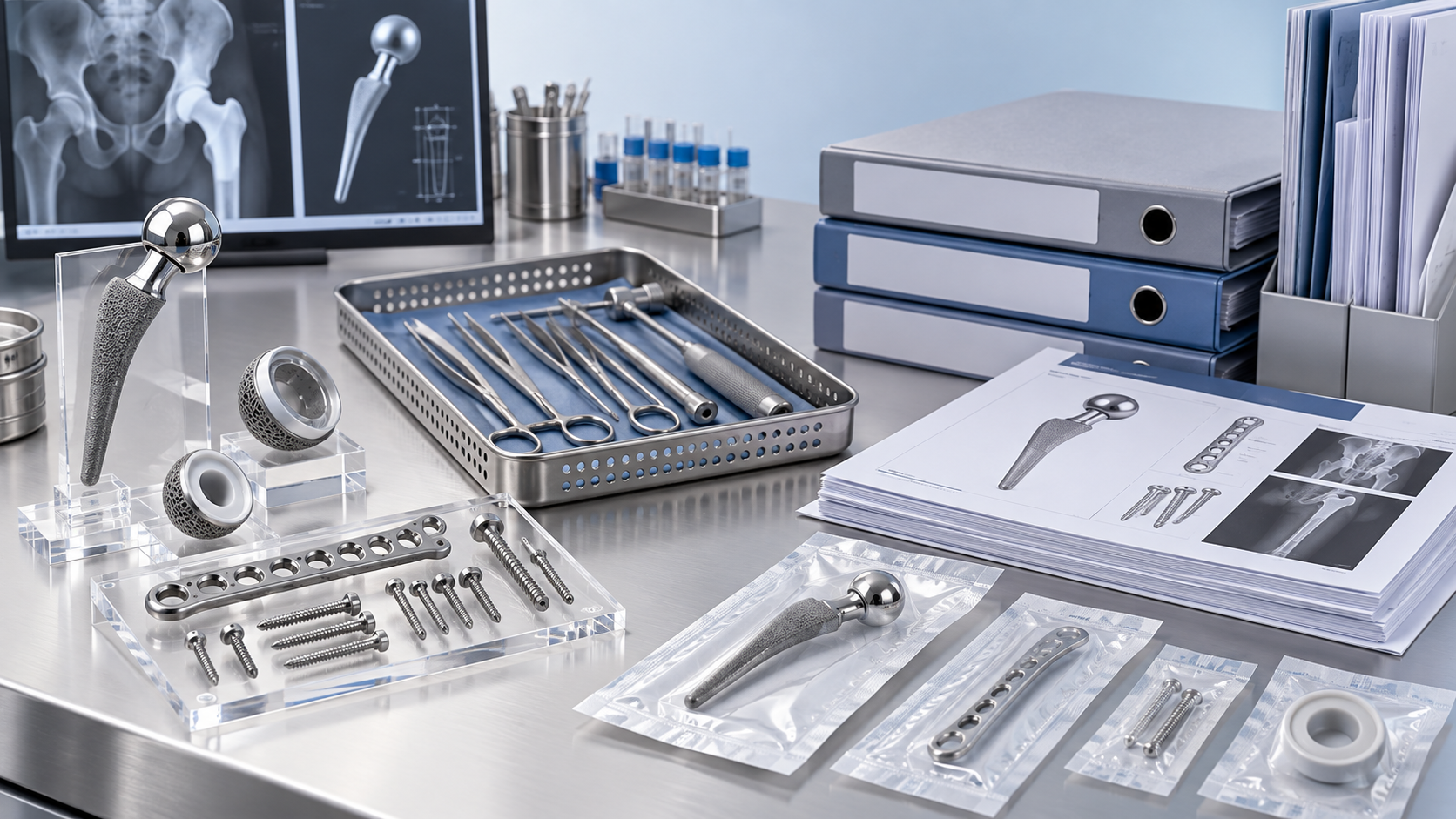
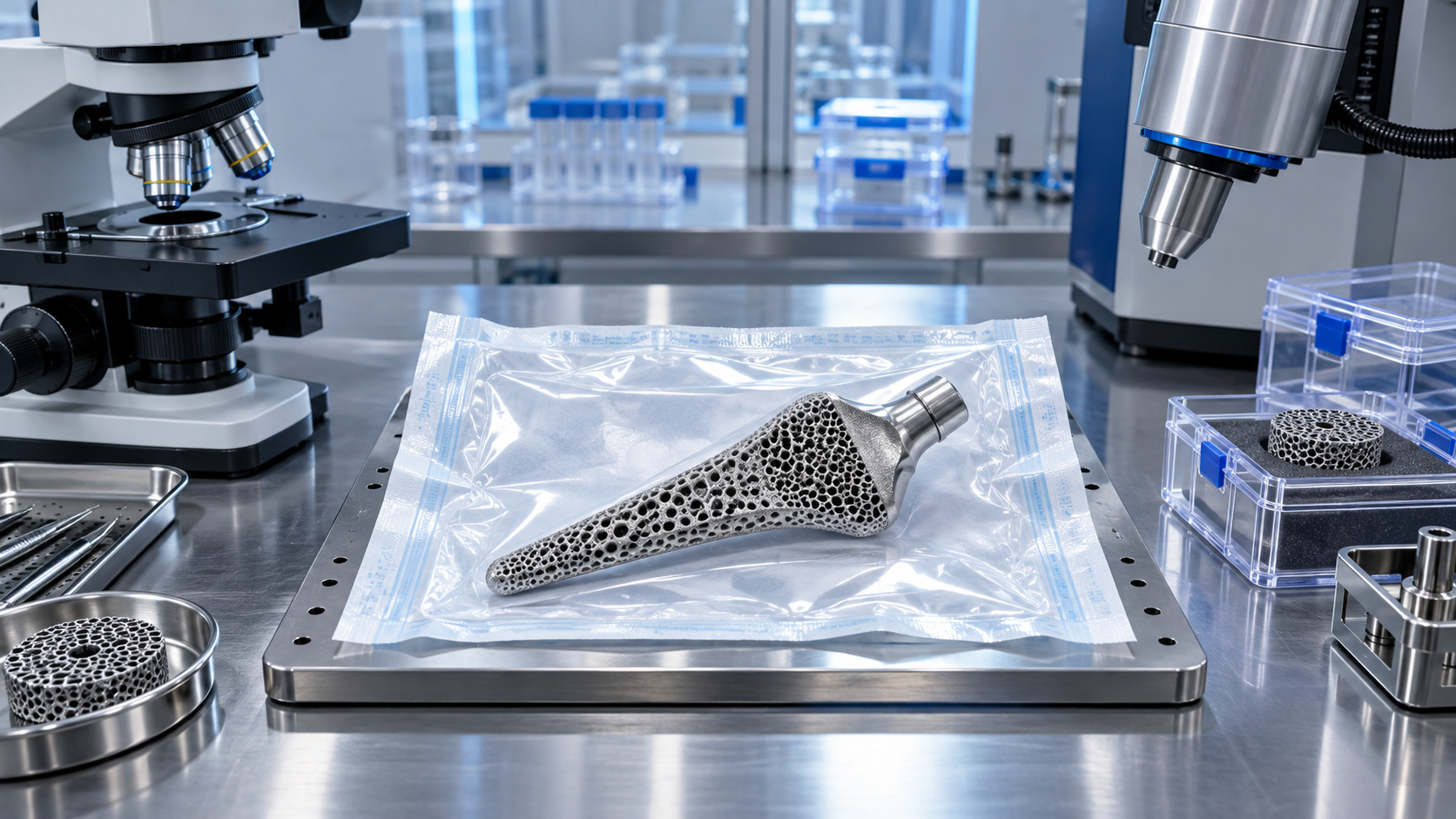
Joint systems, trauma fixation, and spinal implants face constant questions around wear, fixation, debris, and revision rates. New porous structures and PEEK components may improve integration, but they also require deeper validation.
Cardiovascular interventional devices
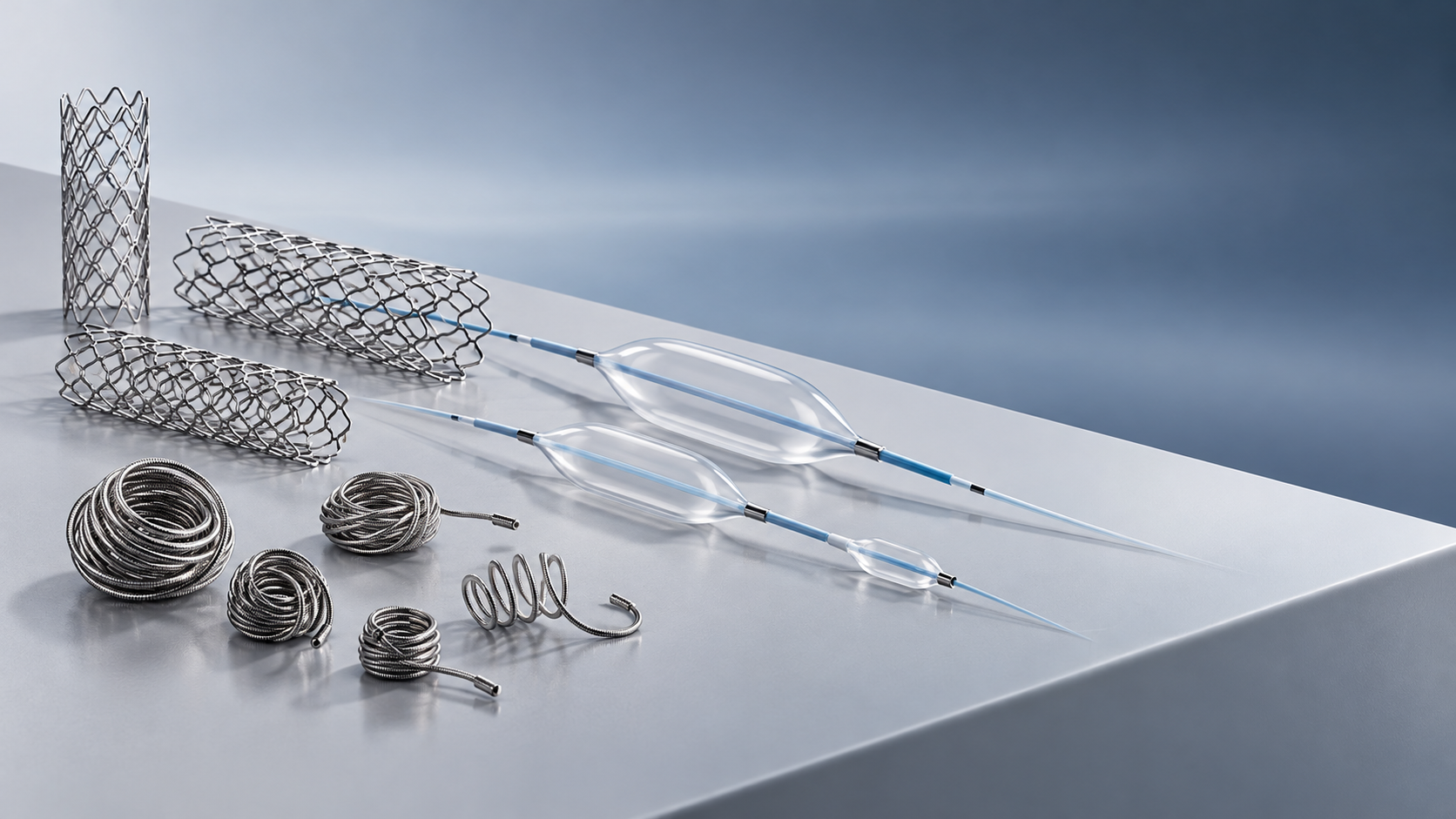
Drug-eluting stents, TAVR valves, and related delivery systems combine extreme engineering precision with limited clinical tolerance for failure. A minor issue in expansion force, leaflet durability, or coating uniformity can trigger major consequences.
Polymer catheters and access systems
These products appear less dramatic than permanent implants, yet many still present significant in vivo risk. Flexibility, anti-kink behavior, coating stability, and anti-thrombotic performance all affect both safety and adoption.
Regenerative and advanced wound materials
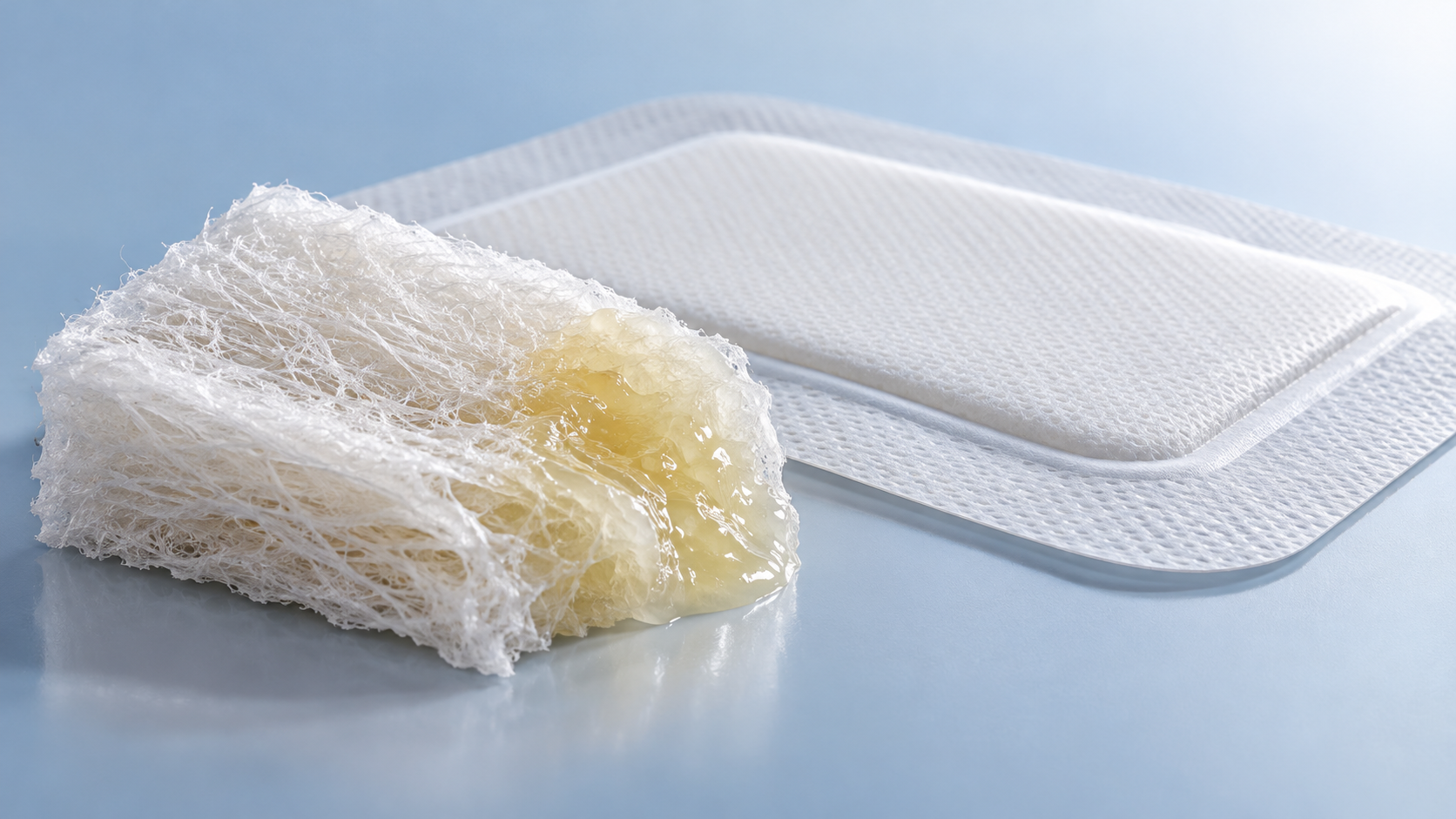
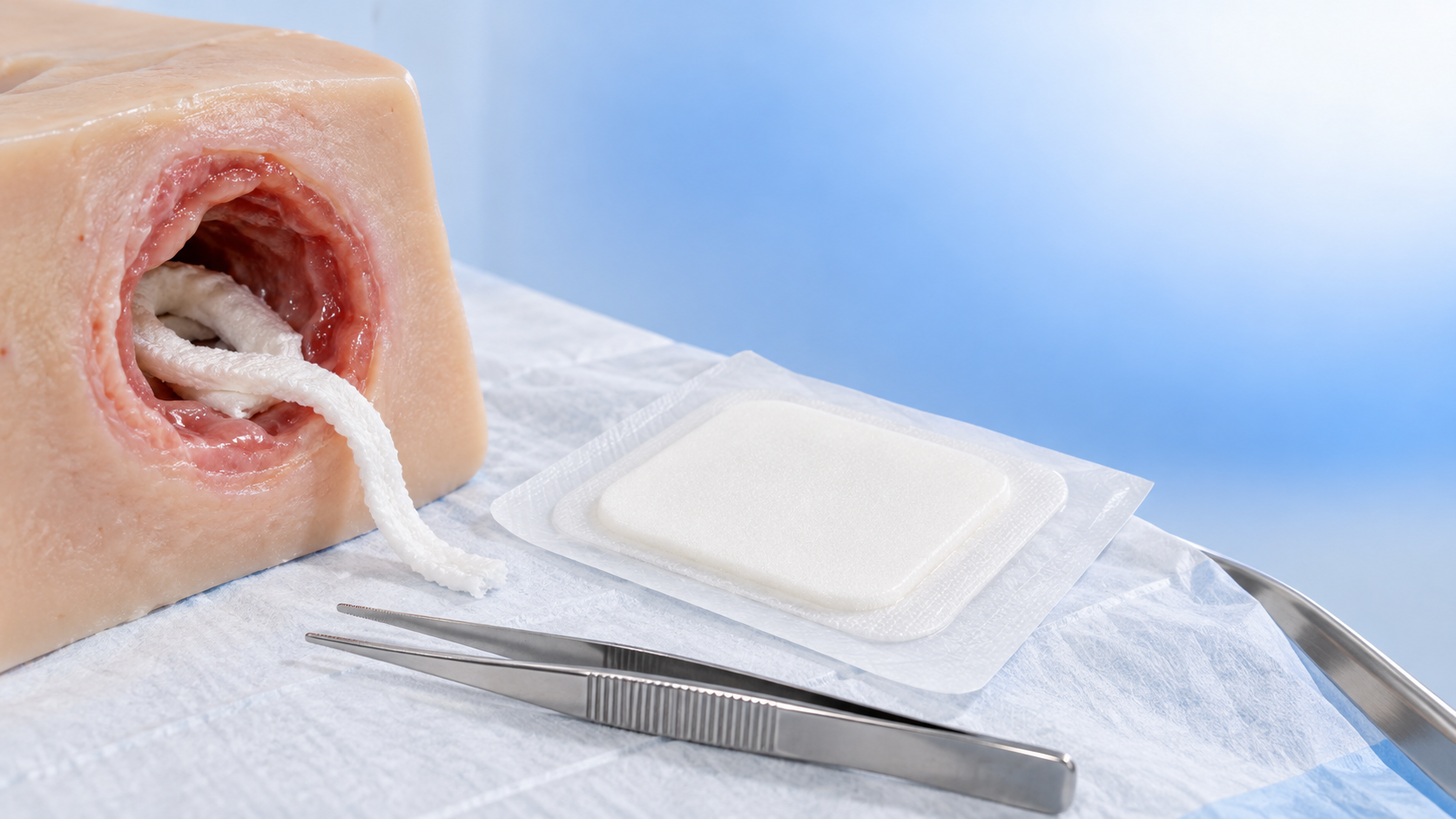
When biomaterials support healing over time, regulators look closely at degradation behavior, local tissue response, and consistency of therapeutic effect. Claims must match evidence with unusual precision.
What strong decision-making looks like in practice
The most resilient strategies treat implantable medical devices as integrated systems rather than standalone SKUs. That means linking material choice, process capability, regulatory planning, and downstream pricing exposure from the start.
This is where intelligence platforms such as IMCS become useful. A clear view across orthopedic replacement implants, cardiovascular consumables, minimally invasive devices, and tissue regeneration materials helps connect technical risk with regulatory and market reality.
For example, toxicology insight can prevent expensive late-stage surprises in ISO 10993 testing. Clinical evaluation expertise can reveal whether a CER strategy is realistic under CE MDR. VBP analysis can show whether a technically strong product still faces price compression that undermines return on investment.
- Test whether material innovation creates a new evidence burden.
- Check if manufacturing tolerances support repeatable safety performance.
- Map regulatory pathways before finalizing platform design.
- Review post-market data needs alongside launch planning.
- Assess reimbursement and procurement pressure early, not after approval.
A practical framework for the next move
A useful starting point is to separate excitement from evidence. Not every breakthrough material, coating, or delivery concept improves the overall business case for implantable medical devices.
The better question is whether the product can sustain four forms of proof at once: biological safety, mechanical reliability, clinical value, and market durability. If one pillar is weak, approval hurdles tend to expand quickly.
From there, it becomes easier to prioritize. Some portfolios need deeper preclinical work. Others need sharper CER strategy, better process validation, or clearer visibility into VBP and regional access trends.
Implantable medical devices will remain one of the most demanding segments in healthcare. They also remain one of the most consequential. A disciplined view of safety risks and approval barriers does more than reduce compliance uncertainty. It improves capital allocation, strengthens launch timing, and supports products that can hold value long after implantation.
The next step is usually not a broader search for information, but a sharper comparison of evidence gaps, regulatory assumptions, and segment-specific access risks. That is often where better decisions begin.
Get weekly intelligence in your inbox.
No noise. No sponsored content. Pure intelligence.
News Recommendations
 Oct 26, 2026Can a single approval cover life science product sales worldwide?Can a single approval cover life science product sales worldwide?
 Oct 25, 2026When is sensitization testing needed for medical device biocompatibility?When is sensitization testing needed for medical device biocompatibility?
 Oct 24, 2026How is biocompatibility tested for implantable polymer biomaterials?How is biocompatibility tested for implantable polymer biomaterials?
 Oct 23, 2026How to build reimbursement into an implant commercialization strategyHow to build reimbursement into an implant commercialization strategy
 Oct 22, 2026What clinical evidence do implants need for CE marking under EU MDR?What clinical evidence do implants need for CE marking under EU MDR?
 Oct 21, 2026How to choose disposable laparoscopic stapler reloads for thick tissueHow to choose disposable laparoscopic stapler reloads for thick tissue
 Oct 20, 2026How to assess medical polymer biocompatibility under ISO 10993How to assess medical polymer biocompatibility under ISO 10993
 Oct 19, 2026How do interventional device categories differ in clinical use?How do interventional device categories differ in clinical use?
 Oct 18, 2026When to choose alginate dressings for heavily exuding chronic woundsWhen to choose alginate dressings for heavily exuding chronic wounds
 Oct 17, 2026How is biocompatibility tested for custom medical-grade PEEK implants?How is biocompatibility tested for custom medical-grade PEEK implants?
 Oct 16, 2026How to check a wound healing materials supplier’s biocompatibility dataHow to check a wound healing materials supplier’s biocompatibility data
 Oct 15, 2026How to verify the FDA clearance status of silver wound dressingsHow to verify the FDA clearance status of silver wound dressings
 Oct 14, 2026How to register orthopedic implants and instruments in Latin AmericaHow to register orthopedic implants and instruments in Latin America
 Oct 13, 2026How to use a device market intelligence database to benchmark VBP pricesHow to use a device market intelligence database to benchmark VBP prices
 Oct 12, 2026When should stainless steel orthopedic instruments be replaced?When should stainless steel orthopedic instruments be replaced?
 Oct 11, 2026When are alginate dressings rope the right choice for cavity wounds?When are alginate dressings rope the right choice for cavity wounds?
 Oct 10, 2026When smart minimally invasive technology improves catheter accessWhen smart minimally invasive technology improves catheter access
 Oct 08, 2026Clinical evaluation requirements for cardiovascular implant devices in EuropeClinical evaluation requirements for cardiovascular implant devices in Europe
 Oct 07, 2026What to verify before appointing an artificial joint implants distributorWhat to verify before appointing an artificial joint implants distributor
 Oct 06, 2026How ISO 10993 guides biocompatibility testing for medical materialsHow ISO 10993 guides biocompatibility testing for medical materials
 Oct 05, 2026How to verify an orthopedic implants and instruments exporterHow to verify an orthopedic implants and instruments exporter
 Oct 04, 2026What drives surgical stapling devices price differences in hospital tenders?What drives surgical stapling devices price differences in hospital tenders?
 Oct 03, 2026How to assess a central venous catheter manufacturer's infection-control evidenceHow to assess a central venous catheter manufacturer's infection-control evidence
 Oct 02, 2026How to assess an advanced wound care factory’s quality systemHow to assess an advanced wound care factory’s quality system
 Oct 01, 2026What is driving global medical consumables demand in emerging markets?What is driving global medical consumables demand in emerging markets?
 Sep 30, 2026Implant Material Compliance Testing: Evidence Needed for Regulatory SubmissionImplant Material Compliance Testing: Evidence Needed for Regulatory Submission
 Sep 30, 2026From Corrosion to Fatigue: What Implant Materials Testing Should MeasureFrom Corrosion to Fatigue: What Implant Materials Testing Should Measure