Negative Pressure Wound Therapy: When It Works Best
Negative Pressure Wound Therapy Delivers the Most Value in Complex Healing Windows
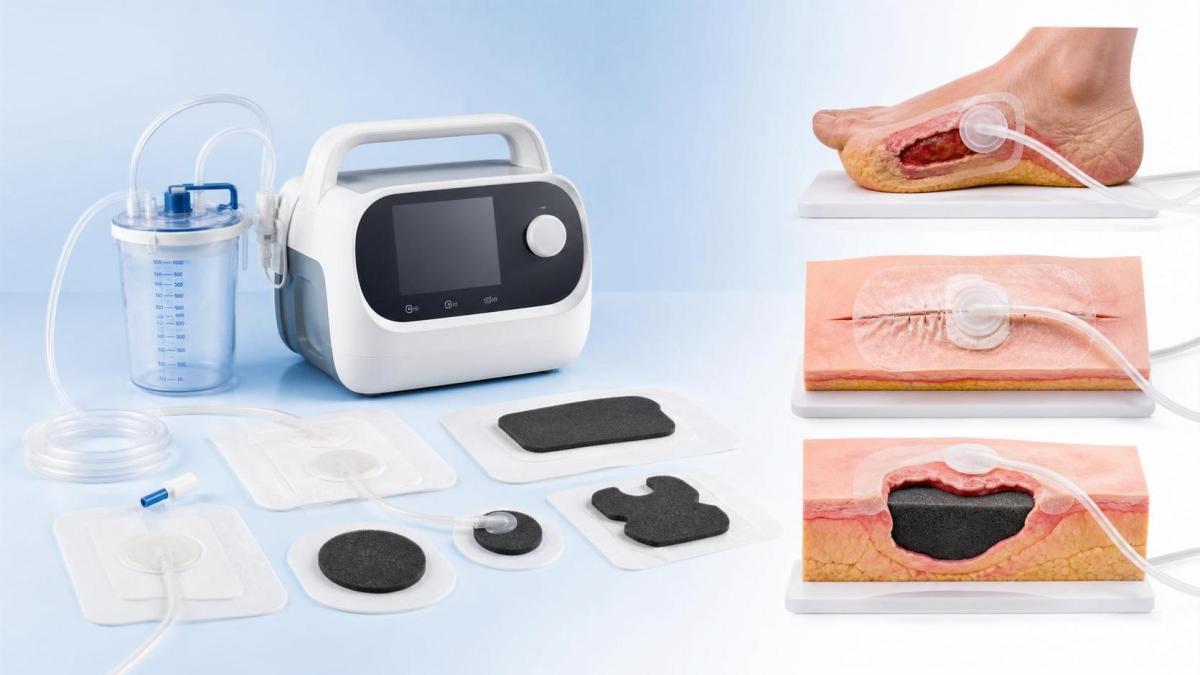
Negative pressure wound therapy is rarely chosen just because a wound looks severe.
It works best when healing needs active support, exudate must stay controlled, and tissue protection matters every day.
In advanced wound care, that usually means balancing biological healing with practical treatment limits.
A diabetic foot ulcer, a closed surgical incision, and a deep traumatic defect may all need coverage.
Still, the reasons for using negative pressure wound therapy are not identical across those settings.
That difference matters for dressing choice, pressure settings, seal quality, change intervals, and complication monitoring.
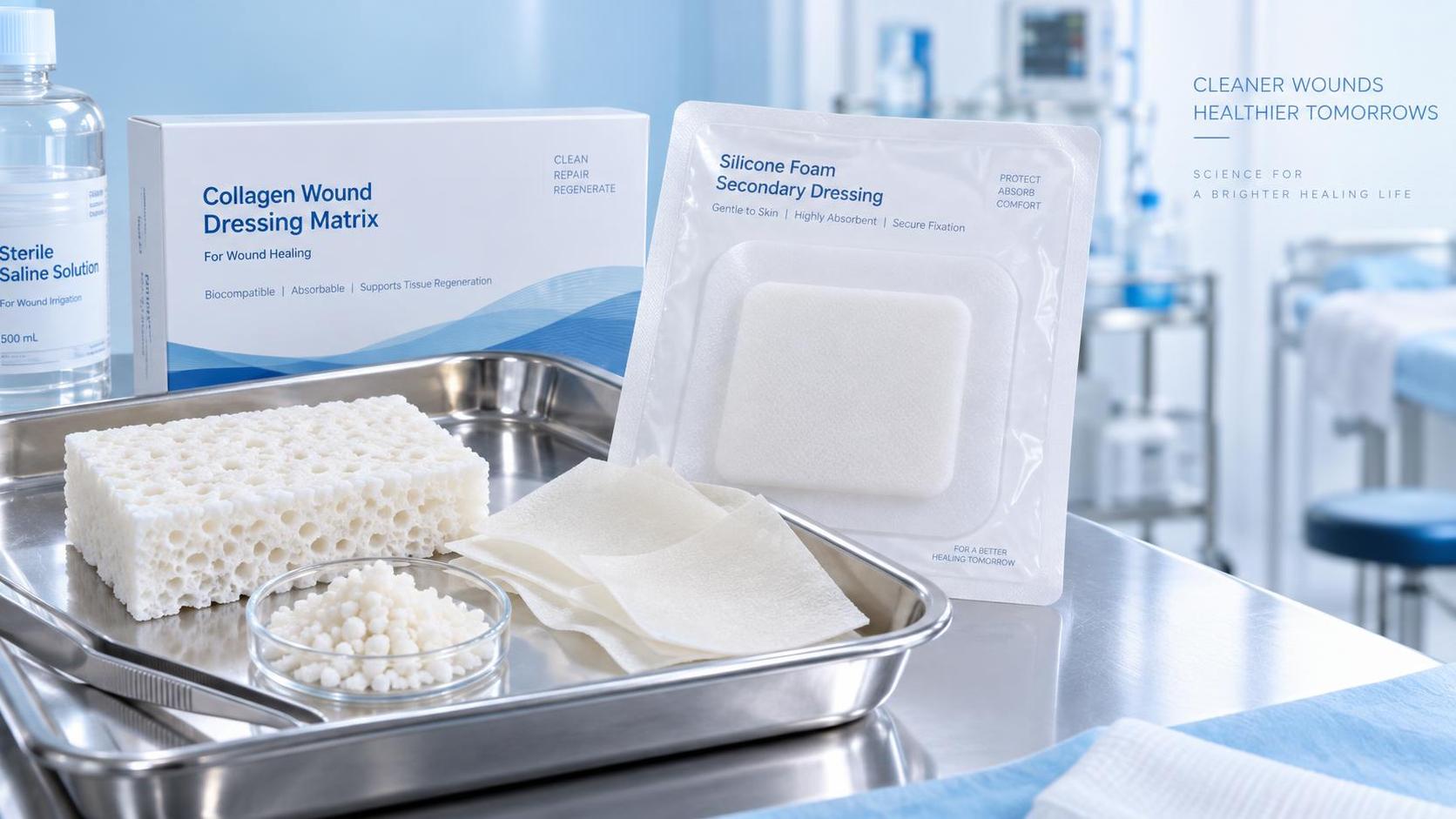
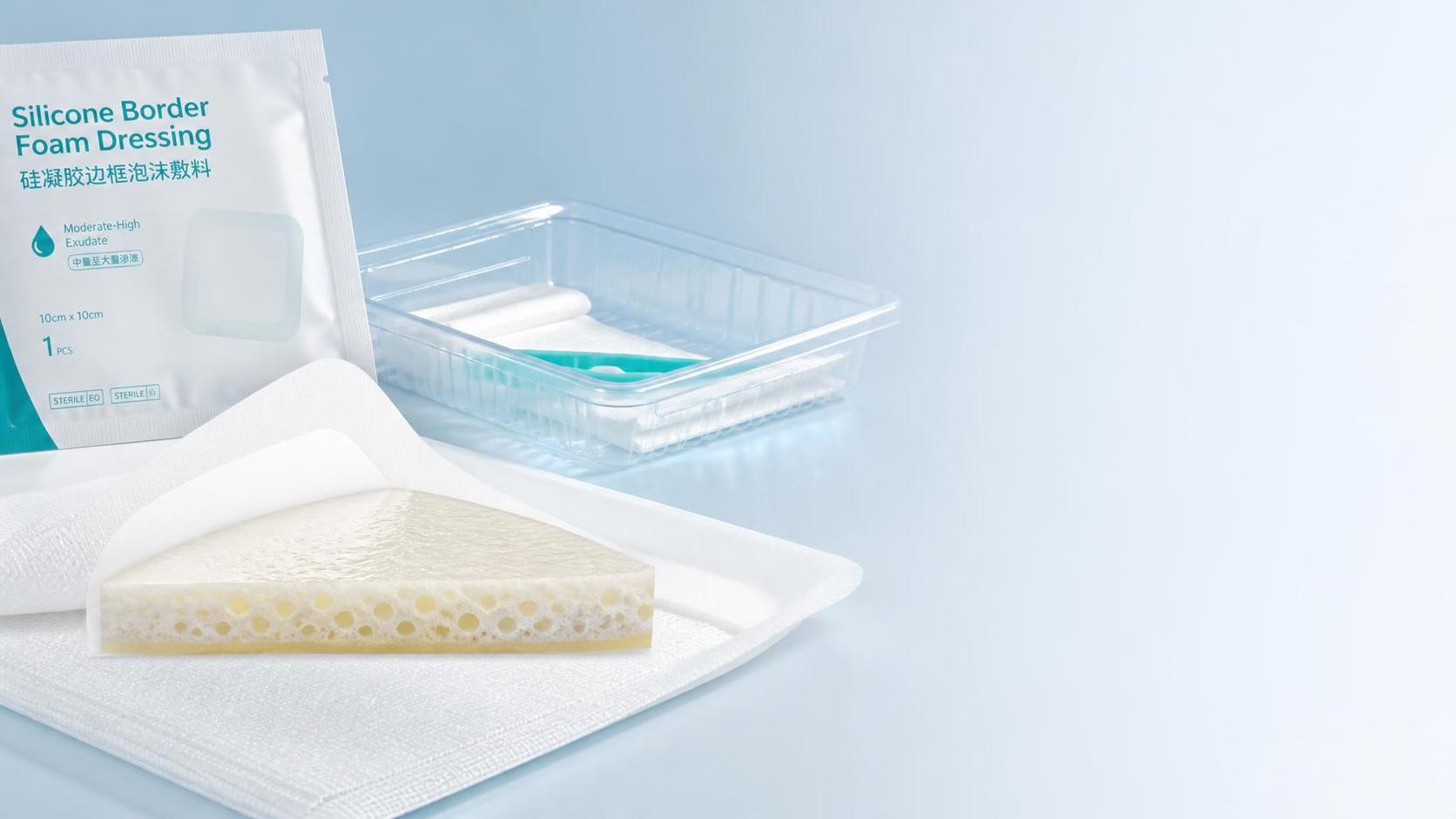
Within the broader IMCS view of medical consumables, NPWT sits beside silicone foams, alginates, stapling systems, and implant-related recovery materials.
Its value is strongest when the wound environment needs controlled mechanical support rather than passive covering alone.
In real use, the better question is not whether negative pressure wound therapy is advanced.
The better question is when it is the right fit, and when another dressing pathway is safer or simpler.
Why the Same Therapy Behaves Differently Across Wound Types
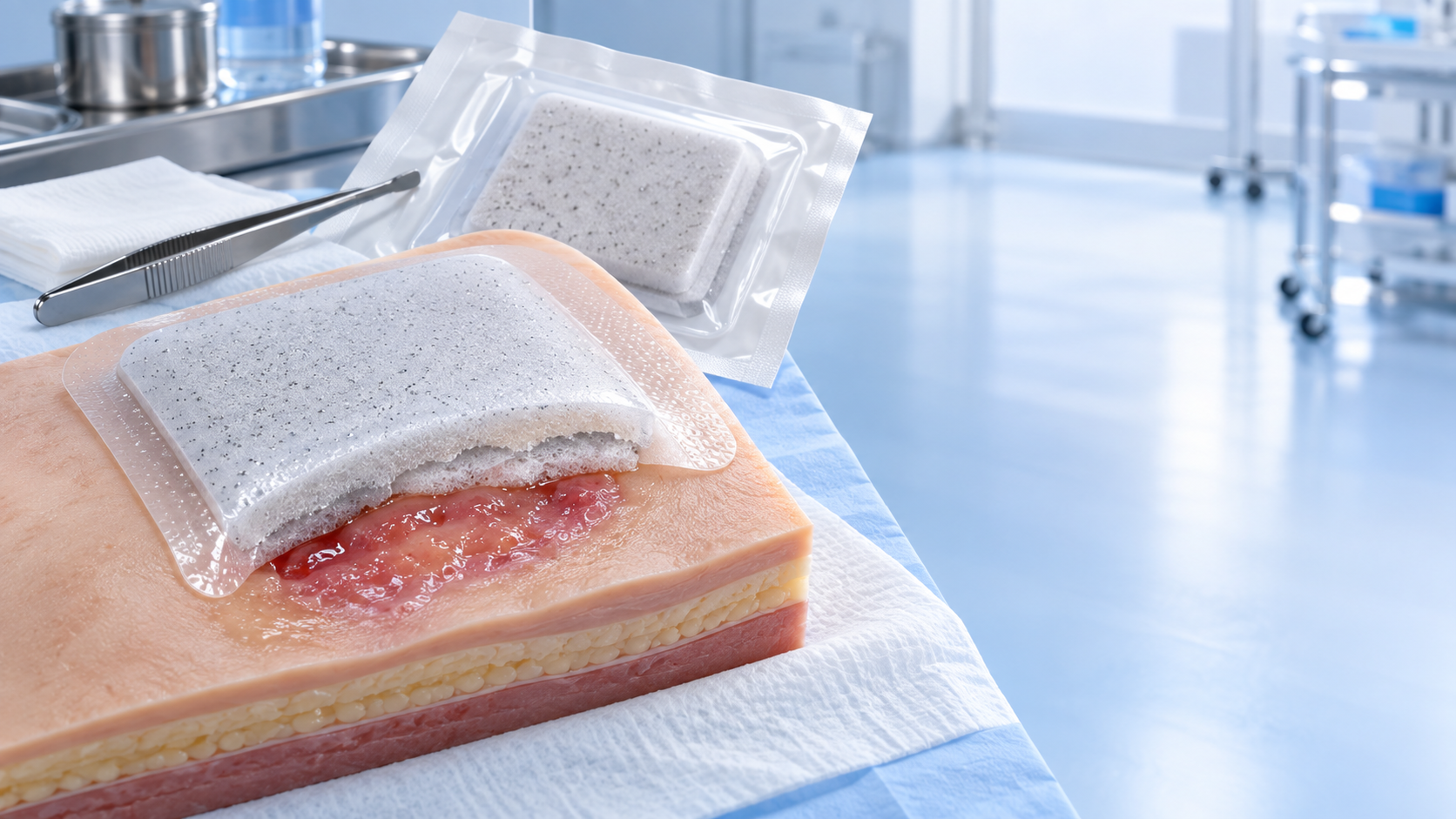
Negative pressure wound therapy changes the wound environment through suction, fluid removal, macrodeformation, and microstrain at the tissue interface.
Those effects can stimulate granulation, lower local edema, and help maintain a more stable moist healing bed.
However, wound depth, perfusion, contamination level, and surrounding skin condition all shape the result.
A heavily draining cavity often benefits because exudate control is urgent and frequent dressing disturbance is harmful.
A fragile ischemic foot wound needs a more cautious approach because perfusion limits healing more than fluid burden alone.
After minimally invasive surgery or orthopedic reconstruction, incisional NPWT may protect the closed line rather than fill a defect.
That is why operators should judge tissue biology, not just wound appearance.
IMCS often frames this through a systems lens.
A therapy must match biomaterial safety, workflow demands, and the regulatory expectations around postoperative quality and wound healing performance.
Where Negative Pressure Wound Therapy Commonly Performs Best
Diabetic foot ulcers with exudate and tissue loss
One of the most established uses for negative pressure wound therapy is the diabetic foot ulcer after debridement.
These wounds often combine slough, irregular depth, bacterial risk, and slow granulation.
When perfusion is acceptable and necrotic burden has been addressed, NPWT can help create a more manageable healing trajectory.
The key judgment point is not diabetes alone.
It is whether the wound bed is prepared enough to respond.
If ischemia is unresolved, negative pressure wound therapy may look active while the biology remains stalled.
Postoperative incisions facing edema, tension, or drainage risk
Closed incision NPWT is a different scenario from open wound treatment.
Here the goal is not filling a defect.
The goal is protecting a vulnerable incision from fluid accumulation, edge stress, and external contamination.
This becomes relevant after orthopedic revisions, high-BMI procedures, trauma closure, or long incisions under movement load.
In these settings, negative pressure wound therapy supports the surgical recovery pathway that surrounds implants, staples, and precision closure devices.
The benefit is often prevention rather than rescue.
That changes how success should be measured.
Burns and traumatic wounds needing temporary control
Severe burns and traumatic soft tissue injuries often create the messiest wound environments.
Exudate can be heavy, dressing changes painful, and tissue planes difficult to stabilize.
Negative pressure wound therapy is useful here when the aim is bridging.
It can prepare the wound for grafting, protect newly grafted tissue in selected cases, or maintain temporary control before reconstruction.
The practical challenge is seal integrity around irregular anatomy.
When that fails, performance drops quickly and skin damage risk increases.
Different Scenarios Shift the Real Decision Criteria
Across wound categories, the same negative pressure wound therapy system can be judged by very different endpoints.
That is where many treatment plans become too generic.
This is why scenario fit matters more than broad enthusiasm for technology.
Negative pressure wound therapy is effective when the wound objective is clearly defined and monitored against the correct endpoint.
What to Confirm Before Choosing Negative Pressure Wound Therapy
A good fit usually becomes obvious after a few practical checks.
- Confirm wound bed readiness, including debridement status and bleeding control.
- Assess perfusion and infection burden before expecting rapid granulation.
- Match filler type and dressing geometry to wound depth and contour.
- Check whether surrounding skin can tolerate adhesive drapes and repeat changes.
- Define whether the goal is bridge-to-closure, graft support, or incision protection.
- Review monitoring capacity, because leaks, canister burden, and pain response need follow-up.
In actual care pathways, negative pressure wound therapy succeeds when the surrounding workflow is mature enough to support it.
That includes not only dressings, but also debridement timing, infection control, mobility planning, and adjacent consumables.
This systems view mirrors the IMCS focus on linking wound care materials with surgical precision, biocompatibility, and real-world outcome logic.
Misjudgments That Often Reduce NPWT Performance
One common mistake is treating all moist wounds as candidates for negative pressure wound therapy.
Some wounds need revascularization, infection source control, or simpler topical management first.
Another mistake is focusing on device parameters while ignoring placement technique.
Poor seal construction, bridge tension, or filler contact can turn a strong system into a weak application.
Cost can also be misunderstood.
A lower daily dressing price may not mean lower total burden if exudate escapes control or closure is delayed.
The reverse is also true.
Negative pressure wound therapy should not be continued automatically when the wound objective has changed.
When granulation is adequate or drainage has stabilized, stepping down can be the smarter decision.
A Practical Way to Match the Therapy to the Wound
The most reliable use of negative pressure wound therapy starts with a structured but flexible review.
Clarify the wound category, healing barrier, fluid profile, and closure plan.
Then decide whether NPWT is being used to accelerate granulation, protect a surgical line, or stabilize a transition stage.
That approach prevents the common habit of applying one protocol across very different wound realities.
For organizations tracking higher-value medical consumables, this kind of scenario-based judgment is increasingly important.
It connects clinical performance with material choice, implementation discipline, and long-term healing quality.
The next useful step is to map current wound cases by exudate level, tissue depth, perfusion status, and closure intent.
From there, negative pressure wound therapy decisions become clearer, more consistent, and easier to evaluate over time.
Get weekly intelligence in your inbox.
No noise. No sponsored content. Pure intelligence.
News Recommendations
 Sep 23, 2026How to verify the sterility assurance of surgical devicesHow to verify the sterility assurance of surgical devices
 Sep 22, 2026How to assess a spinal implants manufacturer’s quality systemHow to assess a spinal implants manufacturer’s quality system
 Sep 21, 2026How to assess an osseointegration technology manufacturer’s quality systemHow to assess an osseointegration technology manufacturer’s quality system
 Sep 20, 2026Medical material science trends reshaping biocompatibility testingMedical material science trends reshaping biocompatibility testing
 Sep 19, 2026What North American regulators expect in implant clinical evaluationsWhat North American regulators expect in implant clinical evaluations
 Sep 18, 2026When should plate and screw systems be selected for fracture fixation?When should plate and screw systems be selected for fracture fixation?
 Sep 17, 2026How a medical device sourcing strategy can reduce total acquisition costHow a medical device sourcing strategy can reduce total acquisition cost
 Sep 16, 2026When are silver foam burn care dressings appropriate for exuding burns?When are silver foam burn care dressings appropriate for exuding burns?
 Sep 15, 2026What drives medical device category pricing in value-based purchasing?What drives medical device category pricing in value-based purchasing?
 Sep 14, 2026High value consumables insights for evaluating total cost of careHigh value consumables insights for evaluating total cost of care
 Sep 13, 2026What a medical device market insights platform reveals about market accessWhat a medical device market insights platform reveals about market access
 Sep 12, 2026When are collagen-based tissue healing materials suitable for wound care?When are collagen-based tissue healing materials suitable for wound care?
 Sep 11, 2026How catheter material selection affects total cost of ownershipHow catheter material selection affects total cost of ownership
 Sep 10, 2026What FDA clearance means for medical grade PEEK implantsWhat FDA clearance means for medical grade PEEK implants
 Sep 09, 2026When do hydrogel wound healing technologies suit dry wounds?When do hydrogel wound healing technologies suit dry wounds?
 Sep 07, 2026How to assess medical consumables for surgical useHow to assess medical consumables for surgical use
 Sep 07, 2026How to verify CE MDR compliance for single-use medical consumablesHow to verify CE MDR compliance for single-use medical consumables
 Sep 05, 2026How to evaluate an antithrombotic catheter factory for qualityHow to evaluate an antithrombotic catheter factory for quality
 Sep 04, 2026When do minimally invasive surgical staplers improve GI access?When do minimally invasive surgical staplers improve GI access?
 Sep 03, 2026When are foam moist wound healing dressings appropriate for exuding wounds?When are foam moist wound healing dressings appropriate for exuding wounds?
 Sep 02, 2026How implant pricing affects access to advanced medical careHow implant pricing affects access to advanced medical care
 Sep 01, 2026What is driving price pressure in the North American medical consumables market?What is driving price pressure in the North American medical consumables market?
 Aug 31, 2026Comparing medical devices in Southeast Asia when market access differsComparing medical devices in Southeast Asia when market access differs
 Aug 30, 2026When are 3D printed PEEK implants suitable for spinal reconstruction?When are 3D printed PEEK implants suitable for spinal reconstruction?
 Aug 29, 2026How global medical device regulations shape clinical evidence requirementsHow global medical device regulations shape clinical evidence requirements
 Aug 28, 2026How to verify a burn care dressings exporter meets EU MDR requirementsHow to verify a burn care dressings exporter meets EU MDR requirements
 Aug 27, 2026How to verify a diabetic foot wound care supplier’s clinical evidenceHow to verify a diabetic foot wound care supplier’s clinical evidence