PEEK Medical Implants: Key Biocompatibility Risks to Check
PEEK medical implants offer major benefits in orthopedic and broader implant design, including low weight, radiolucency, modulus closer to bone, and machining flexibility. Yet performance claims mean little if biocompatibility evidence is weak. In practice, the biggest failures rarely start with the polymer name alone. They usually come from additives, surface treatment residues, sterilization effects, wear particles, packaging interactions, or incomplete biological risk assessment. For any team reviewing PEEK medical implants, a disciplined checklist is the safest path to approval readiness and long-term clinical confidence.
Why PEEK Medical Implants Need a Checklist-Based Review
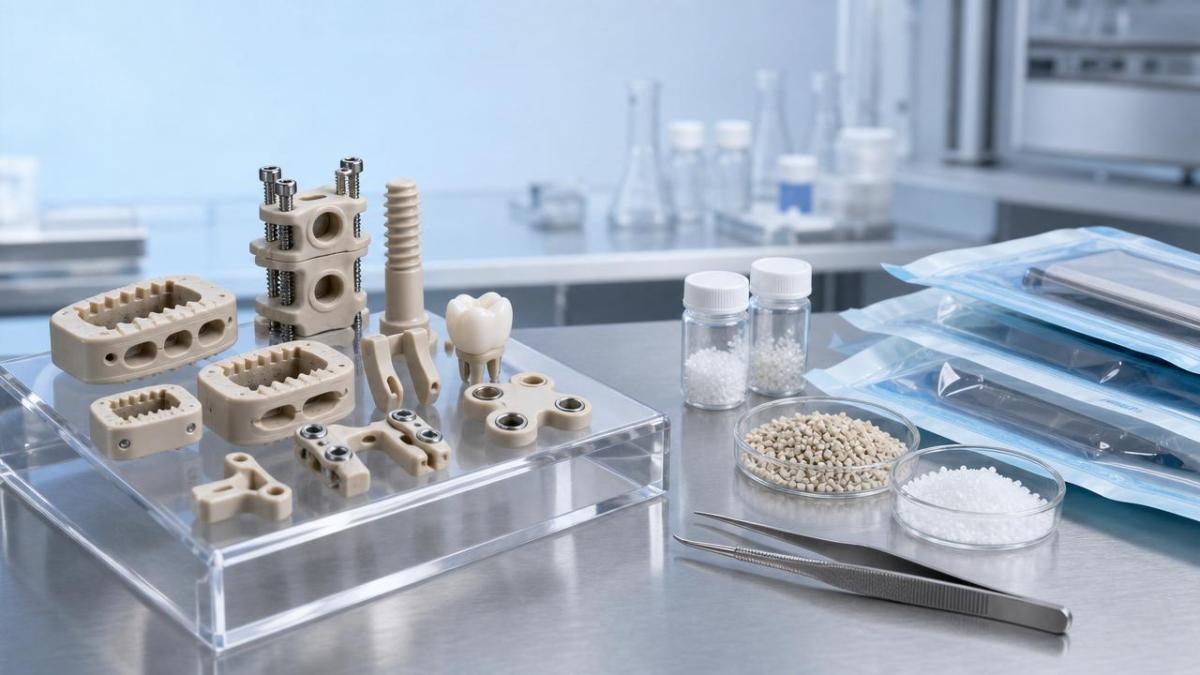
PEEK is often described as a proven implant polymer, but that description can hide important differences between grades, processes, and final device uses. A spinal cage, trauma plate component, and dental implant support do not present identical biological risks.
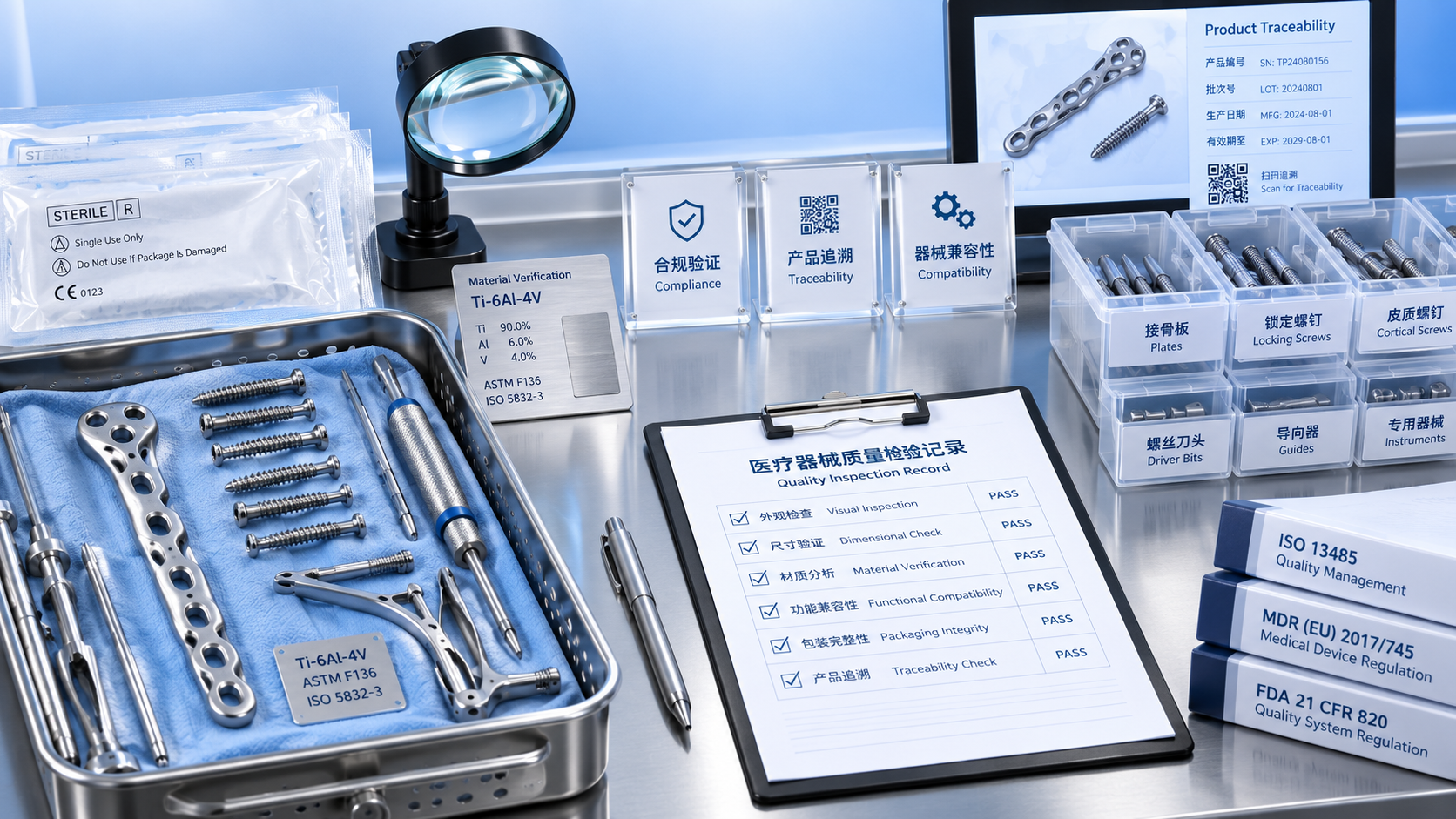
A checklist helps separate assumptions from evidence. It forces a review of raw material traceability, ISO 10993 endpoints, contact duration, mechanical wear behavior, and post-processing controls before regulatory submission or clinical launch.
For IMCS-focused sectors such as orthopedic implants, cardiovascular support systems, and precision medical consumables, this approach also supports stronger alignment with Class III device expectations, supplier qualification, and long-term surveillance planning.
Core Biocompatibility Checklist for PEEK Medical Implants
- Verify the exact PEEK grade, filler system, pigment, and additive package, then match each material input to supplier declarations, change control records, and implant-use suitability evidence.
- Define body contact type, tissue interface, and contact duration early, because the biological evaluation plan for PEEK medical implants depends on intended use, not material reputation.
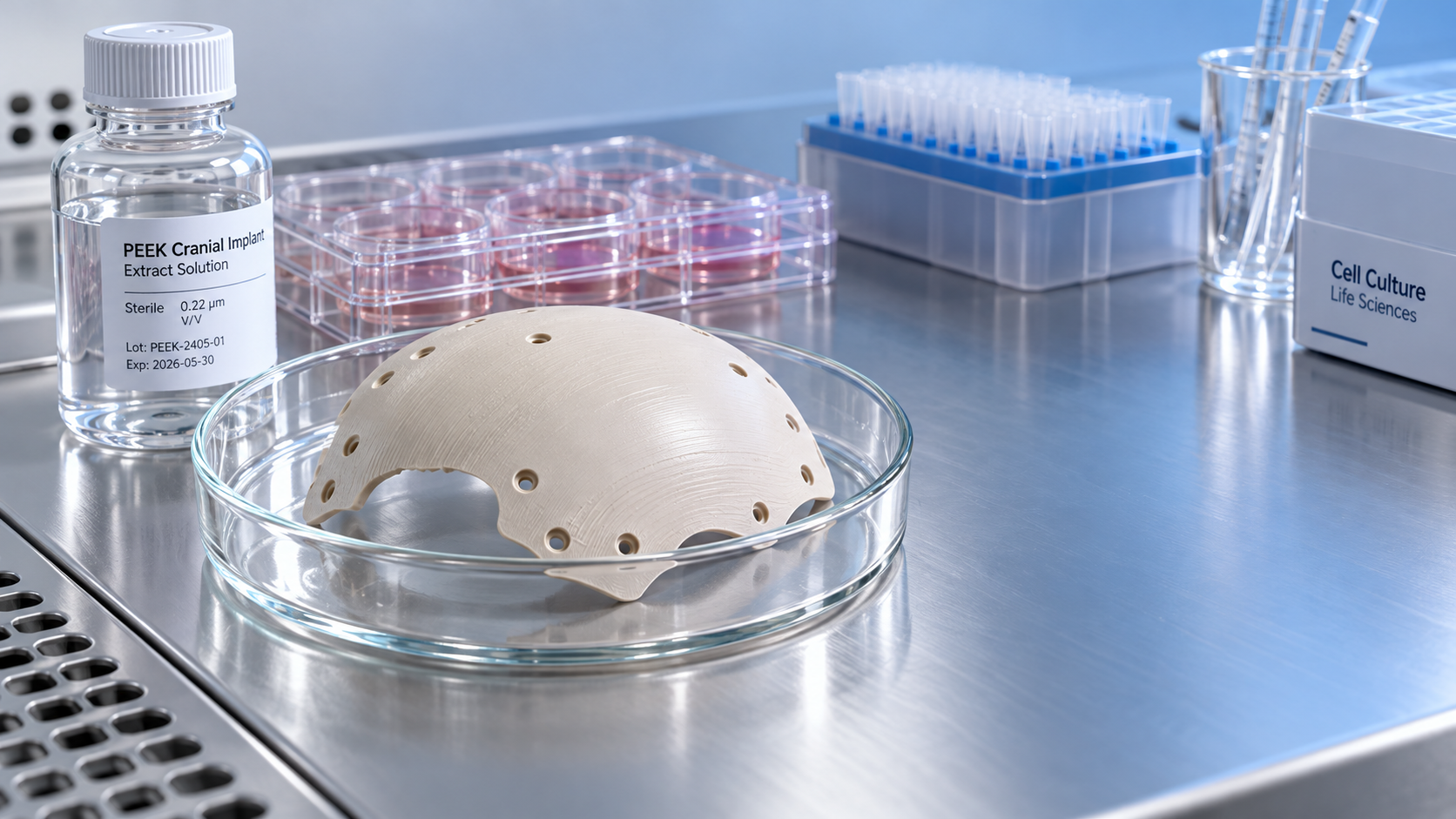
- Run cytotoxicity studies on the finished, sterilized device, not only on raw resin, to detect toxic responses caused by machining fluids, cleaning residues, or surface modification steps.
- Check sensitization and irritation risk with extraction conditions that reflect worst-case exposure, especially when coatings, printing aids, adhesives, or packaging-derived compounds may remain.
- Assess chemical characterization and extractables thoroughly, using suitable polar and non-polar solvents, because low-level leachables can still trigger regulatory questions or biological concern.
- Examine particulate generation during machining, implantation, and simulated use, since PEEK debris size, shape, and quantity may influence inflammation and local tissue response.
- Evaluate implantation effects with attention to fibrous encapsulation, osseointegration behavior, and chronic inflammation, particularly for load-bearing orthopedic applications and porous PEEK designs.
- Confirm sterilization compatibility and aging stability, because gamma, EtO, steam, or plasma processes may alter surface chemistry, residual levels, or mechanical-biological performance over time.
- Review wear, fretting, and interface interactions when PEEK contacts metal, bone, or other polymers, since mixed-material systems can create a different biological profile than standalone parts.
- Document a full biological risk assessment under ISO 10993 logic, linking test selection, literature use, equivalence claims, and residual risk conclusions to the final marketed configuration.
What Deserves the Closest Attention
Among these checkpoints, three areas often decide whether PEEK medical implants move smoothly through review: finished-device testing, extractables control, and particle-related tissue response. These are the points where laboratory results most often diverge from early material assumptions.
Another high-risk area is undocumented process drift. A validated resin can still become a compliance issue if drying parameters, cutting tools, surface roughening, or cleaning chemistry change without re-evaluating biological impact.
Application-Specific Notes for Different Implant Scenarios
Spinal and Orthopedic Uses
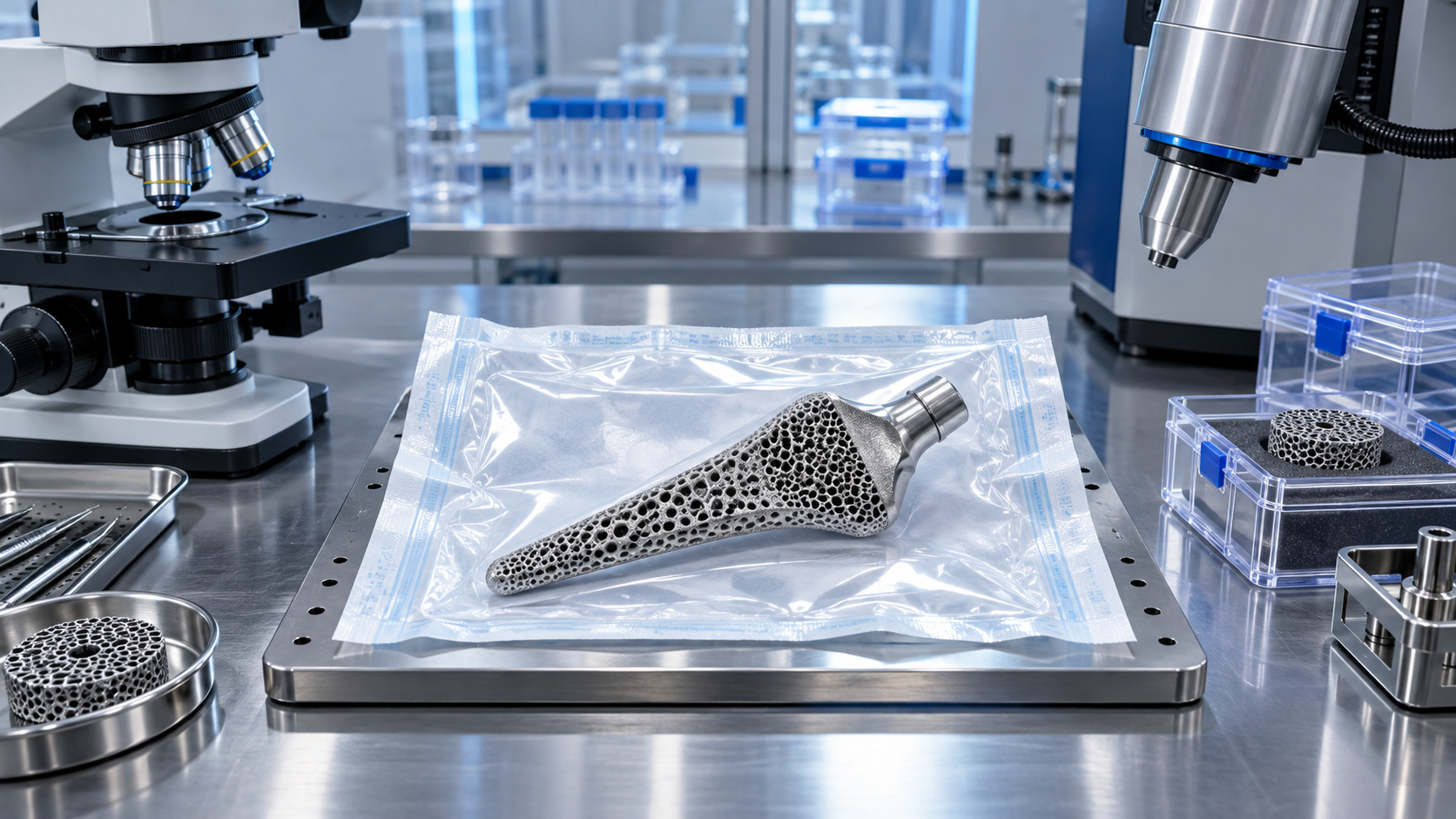
In spinal cages, fixation components, and trauma-related designs, PEEK medical implants are valued for imaging transparency and elastic behavior closer to cortical bone than metal alternatives. However, long-term implantation demands close review of local tissue response, wear at interfaces, and any effect of porosity or osteoconductive coating.
If the device includes carbon fiber reinforcement or porous architecture, do not rely on generic PEEK data alone. Reinforcement, surface area increase, and manufacturing route can shift particulate behavior and biological interaction significantly.
Dental and Craniofacial Uses
For dental frameworks or craniofacial reconstruction components, the exposure environment is more complex than it first appears. Saliva, biofilm, cyclic loading, and cleaning agents can influence surface condition and chemical release over time.
Here, surface finish matters greatly. Roughness introduced to improve fixation may also change plaque retention or soft tissue response. Testing should reflect the final geometry and post-fabrication polishing condition.
Hybrid Implant Systems
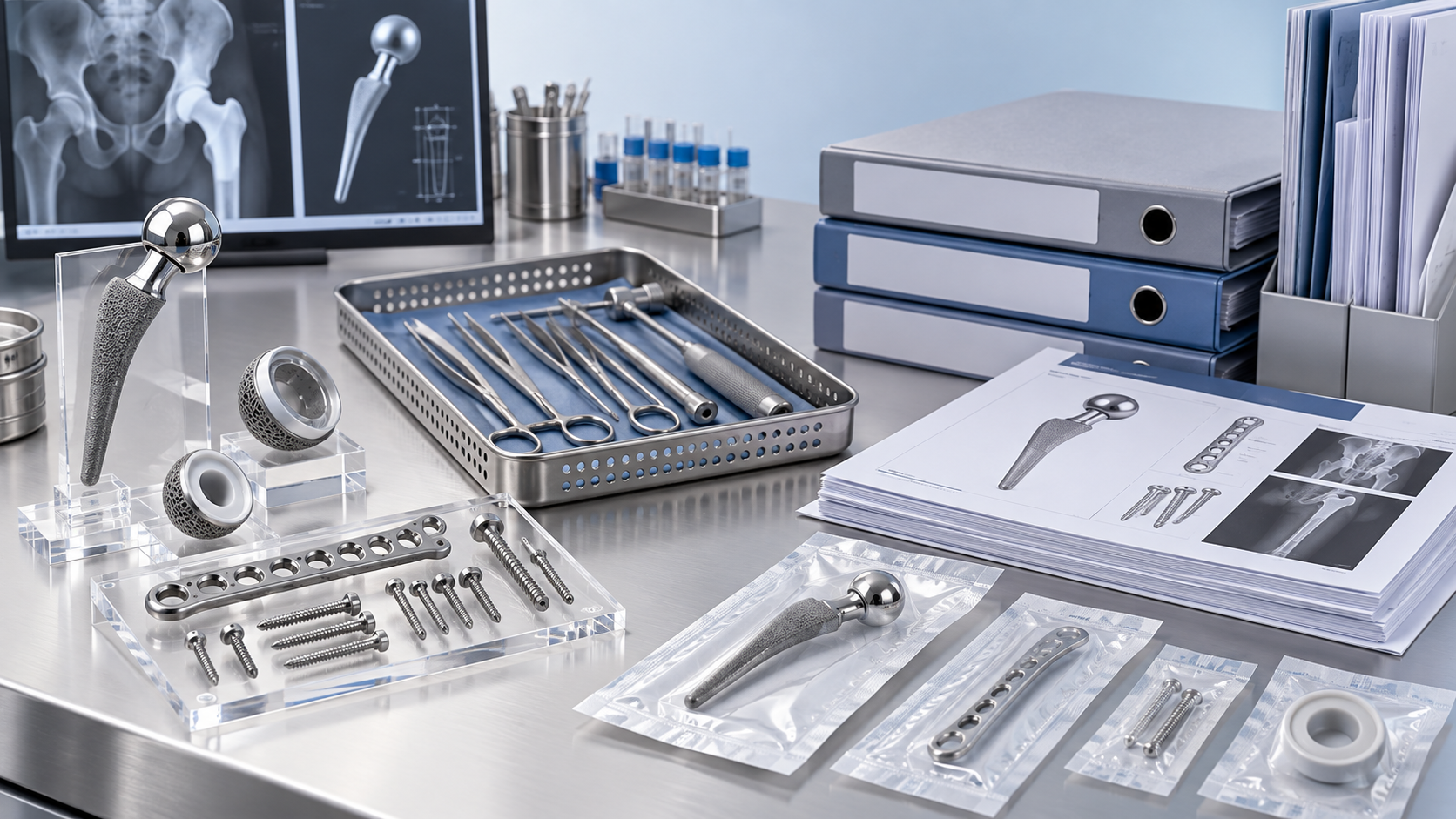
Many modern devices combine PEEK with titanium, coatings, markers, or ancillary polymer parts. In such systems, biocompatibility should be reviewed as a whole-device question, not a collection of isolated materials.
Galvanic concerns may be low for PEEK itself, but interface wear, adhesive residues, and assembly contamination can create unexpected risk. Combination designs require stronger extraction logic and simulated use evidence.
Commonly Overlooked Risks in PEEK Medical Implants
One frequent mistake is assuming ISO 10993 literature for another PEEK device automatically covers a new design. Different sterilization methods, additives, contact durations, and surface modifications can invalidate direct equivalence.
Another overlooked issue is cleaning validation. Ultrasonic cleaning agents, detergent traces, and handling contamination may not affect dimensions, but they can affect cytotoxicity and extractables results.
Particle risk is also underestimated. Even when bulk PEEK is biocompatible, wear particles generated in vivo may contribute to macrophage activation, fibrous tissue formation, or local inflammatory signaling.
Shelf-life assumptions create another gap. Packaging interactions, sterilization residuals, and oxidation changes can alter the biological profile of PEEK medical implants at the end of claimed storage life.
Practical Execution Steps Before Approval or Clinical Use
- Map every material-contact surface and identify where the final patient exposure actually occurs.
- Lock the manufacturing route before major biological testing begins.
- Use finished, sterilized samples that represent worst-case dimensions and surface area.
- Link extractables data to toxicological risk assessment rather than reporting chemistry alone.
- Include simulated wear or handling studies when debris generation is plausible.
- Reopen biological review whenever resin source, process chemistry, or sterilization changes.
This execution discipline is especially valuable in high-regulation implant sectors, where technical files are examined not only for passing data, but also for the logic connecting material choice, process control, risk management, and clinical performance.
Conclusion and Next Action
PEEK medical implants remain an important platform for orthopedic replacement, precision implant engineering, and advanced reconstructive solutions. Still, their safety profile must be proven at the finished-device level, under intended-use conditions, and across the full lifecycle from processing to implantation.
The most effective next step is to build a document-backed checklist that covers material identity, ISO 10993 endpoints, extractables, particulates, sterilization impact, and long-term tissue response. When that checklist is complete, PEEK medical implants become easier to defend in regulatory review and safer to trust in clinical practice.
Get weekly intelligence in your inbox.
No noise. No sponsored content. Pure intelligence.
News Recommendations
 Oct 26, 2026Can a single approval cover life science product sales worldwide?Can a single approval cover life science product sales worldwide?
 Oct 25, 2026When is sensitization testing needed for medical device biocompatibility?When is sensitization testing needed for medical device biocompatibility?
 Oct 24, 2026How is biocompatibility tested for implantable polymer biomaterials?How is biocompatibility tested for implantable polymer biomaterials?
 Oct 23, 2026How to build reimbursement into an implant commercialization strategyHow to build reimbursement into an implant commercialization strategy
 Oct 22, 2026What clinical evidence do implants need for CE marking under EU MDR?What clinical evidence do implants need for CE marking under EU MDR?
 Oct 21, 2026How to choose disposable laparoscopic stapler reloads for thick tissueHow to choose disposable laparoscopic stapler reloads for thick tissue
 Oct 20, 2026How to assess medical polymer biocompatibility under ISO 10993How to assess medical polymer biocompatibility under ISO 10993
 Oct 19, 2026How do interventional device categories differ in clinical use?How do interventional device categories differ in clinical use?
 Oct 18, 2026When to choose alginate dressings for heavily exuding chronic woundsWhen to choose alginate dressings for heavily exuding chronic wounds
 Oct 17, 2026How is biocompatibility tested for custom medical-grade PEEK implants?How is biocompatibility tested for custom medical-grade PEEK implants?
 Oct 16, 2026How to check a wound healing materials supplier’s biocompatibility dataHow to check a wound healing materials supplier’s biocompatibility data
 Oct 15, 2026How to verify the FDA clearance status of silver wound dressingsHow to verify the FDA clearance status of silver wound dressings
 Oct 14, 2026How to register orthopedic implants and instruments in Latin AmericaHow to register orthopedic implants and instruments in Latin America
 Oct 13, 2026How to use a device market intelligence database to benchmark VBP pricesHow to use a device market intelligence database to benchmark VBP prices
 Oct 12, 2026When should stainless steel orthopedic instruments be replaced?When should stainless steel orthopedic instruments be replaced?
 Oct 11, 2026When are alginate dressings rope the right choice for cavity wounds?When are alginate dressings rope the right choice for cavity wounds?
 Oct 10, 2026When smart minimally invasive technology improves catheter accessWhen smart minimally invasive technology improves catheter access
 Oct 08, 2026Clinical evaluation requirements for cardiovascular implant devices in EuropeClinical evaluation requirements for cardiovascular implant devices in Europe
 Oct 07, 2026What to verify before appointing an artificial joint implants distributorWhat to verify before appointing an artificial joint implants distributor
 Oct 06, 2026How ISO 10993 guides biocompatibility testing for medical materialsHow ISO 10993 guides biocompatibility testing for medical materials
 Oct 05, 2026How to verify an orthopedic implants and instruments exporterHow to verify an orthopedic implants and instruments exporter
 Oct 04, 2026What drives surgical stapling devices price differences in hospital tenders?What drives surgical stapling devices price differences in hospital tenders?
 Oct 03, 2026How to assess a central venous catheter manufacturer's infection-control evidenceHow to assess a central venous catheter manufacturer's infection-control evidence
 Oct 02, 2026How to assess an advanced wound care factory’s quality systemHow to assess an advanced wound care factory’s quality system
 Oct 01, 2026What is driving global medical consumables demand in emerging markets?What is driving global medical consumables demand in emerging markets?
 Sep 30, 2026Implant Material Compliance Testing: Evidence Needed for Regulatory SubmissionImplant Material Compliance Testing: Evidence Needed for Regulatory Submission
 Sep 30, 2026From Corrosion to Fatigue: What Implant Materials Testing Should MeasureFrom Corrosion to Fatigue: What Implant Materials Testing Should Measure