Implantable Biomaterials: Key Toxicity Red Flags
For quality and safety teams, implantable biomaterials must do far more than meet strength, wear, or delivery targets. They must expose every hidden toxicity signal before clinical use. A material can look stable in design review yet fail through extractables, degradation chemistry, immune activation, or long-term tissue irritation. These failures do not only threaten patients. They also delay submissions, trigger repeat testing, and weaken confidence in the final device.
In high-risk implants, toxicity review works best as a structured checklist. A checklist prevents teams from focusing only on headline tests while missing process residues, sterilization effects, or packaging interactions. For orthopedic, cardiovascular, minimally invasive, polymer catheter, and regenerative applications, early red-flag screening helps connect material science, ISO 10993 strategy, and regulatory evidence into one defensible path.
Why implantable biomaterials need a red-flag checklist
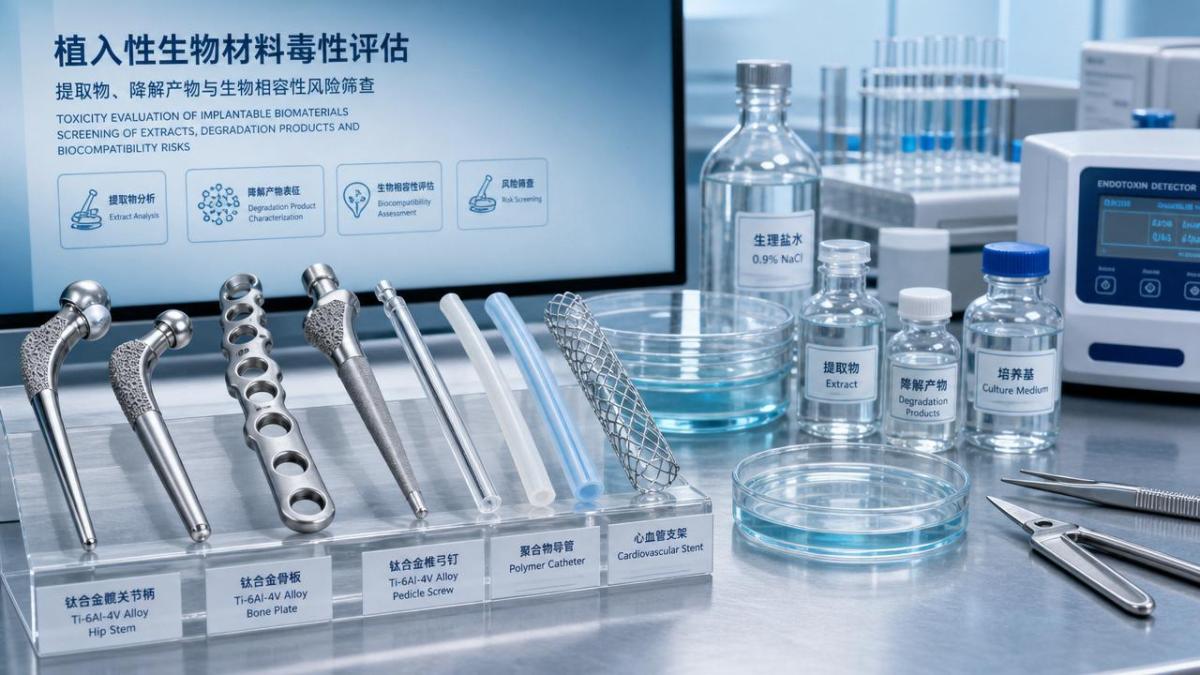
Toxicity rarely comes from one obvious source. In implantable biomaterials, risk may arise from raw materials, additives, machining fluids, surface treatments, sterilization residues, or degradation byproducts formed months after implantation. A checklist turns scattered information into a disciplined review sequence.
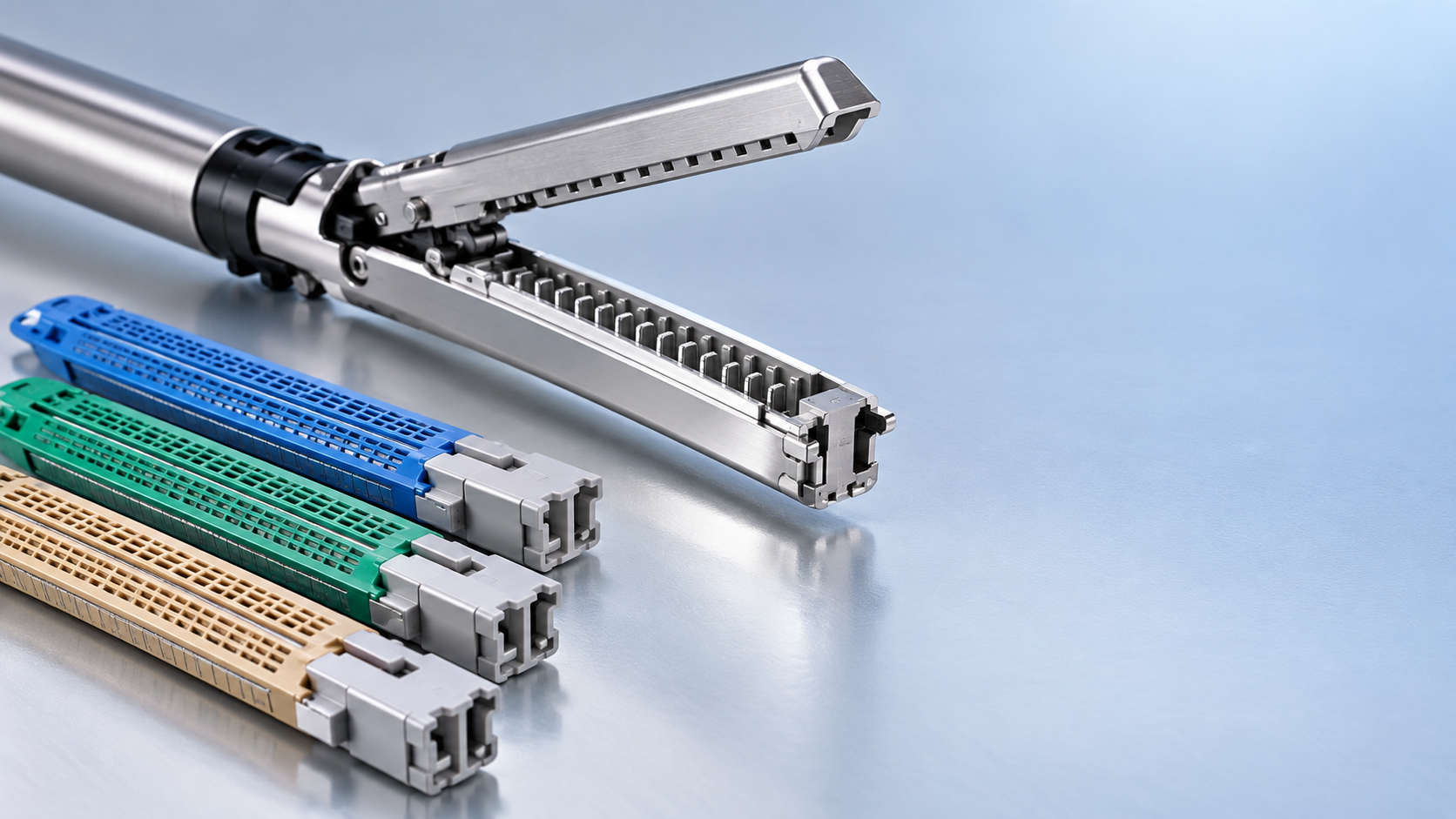
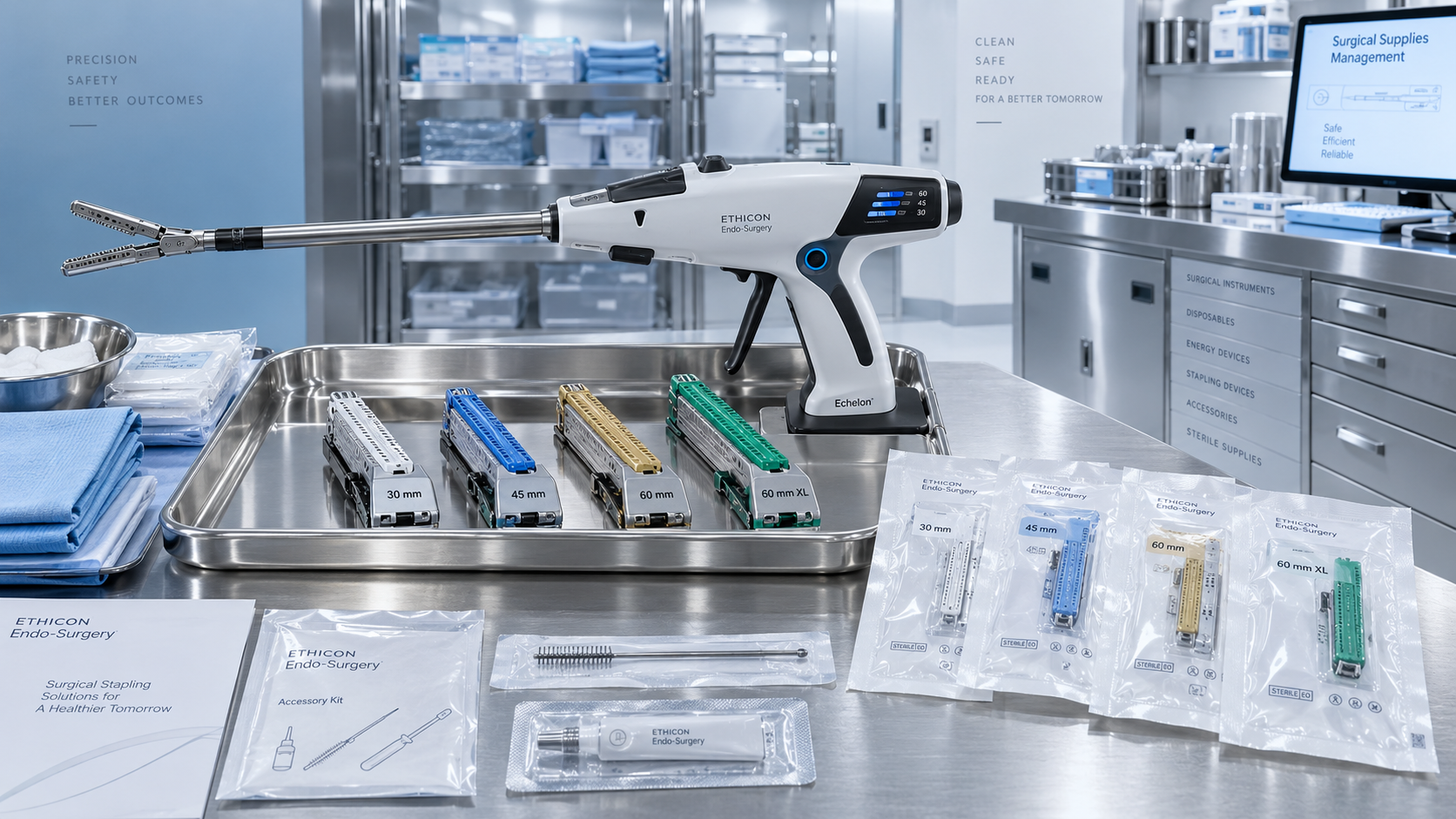
This matters across the broader medical consumables industry. Titanium implants, drug-eluting stents, absorbable polymers, surgical staples, and advanced wound-contact materials all depend on biocompatibility evidence that matches their contact type, duration, and clinical environment. Missing one toxicity red flag early often creates expensive redesign later.
Core checklist: key toxicity red flags in implantable biomaterials
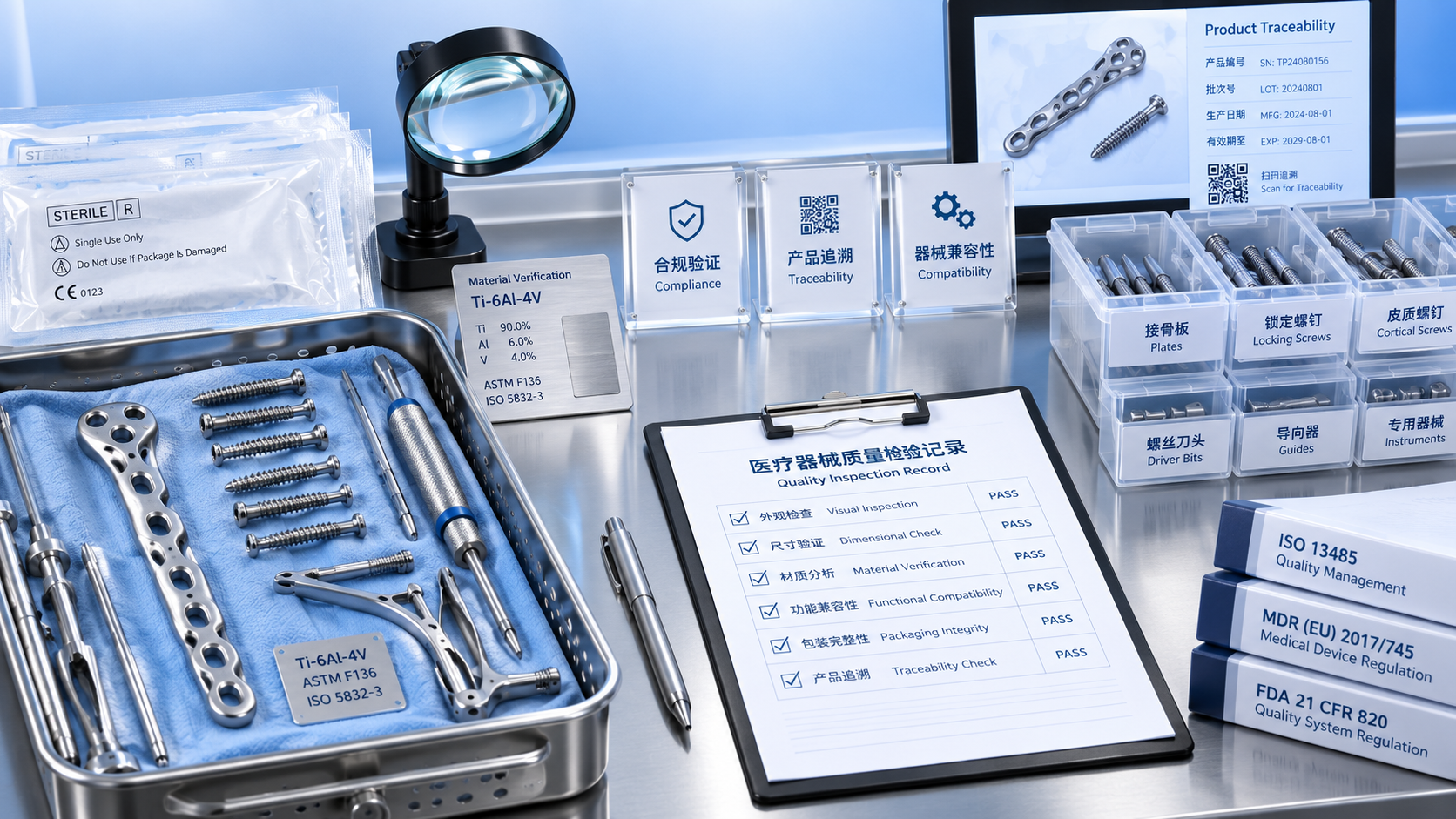
- Verify material identity and grade consistency. Small changes in resin source, alloy chemistry, or additive package can alter extractables, degradation behavior, and biological response.
- Screen for cytotoxic leachables early. Run extract-based and direct-contact logic where relevant, then trace any signal to coatings, catalysts, lubricants, inks, or cleaning residues.
- Check sensitization triggers, not just irritation. Repeated exposure to residual monomers, crosslinkers, or preservatives can create delayed immune reactions that initial bench reviews overlook.
- Assess degradation chemistry under realistic use conditions. Hydrolysis, oxidation, metal ion release, and wear debris may generate toxic species long after implantation.
- Review particle generation risk. Micron and nano-scale debris from articulating surfaces, porous coatings, or catheter abrasion can intensify inflammation and local tissue damage.
- Map all process residuals. Solvents, detergents, mold-release agents, passivation chemicals, and endotoxin contamination often remain invisible until biological testing fails.
- Examine sterilization compatibility. Ethylene oxide, radiation, e-beam, and steam can change polymer chains, surface energy, colorants, and residual profiles.
- Confirm hemocompatibility for blood-contacting products. Thrombogenicity, hemolysis, complement activation, and platelet interaction are major toxicity-linked concerns in vascular applications.
- Test the final finished device, not only raw materials. Assembly, bonding, printing, packaging, and shelf aging can introduce hazards absent from supplier certificates.
- Align the biological evaluation plan with clinical duration and anatomical site. A short-contact assumption applied to permanent implants creates a serious regulatory weakness.
How red flags appear across application scenarios
Orthopedic implants and fixation systems
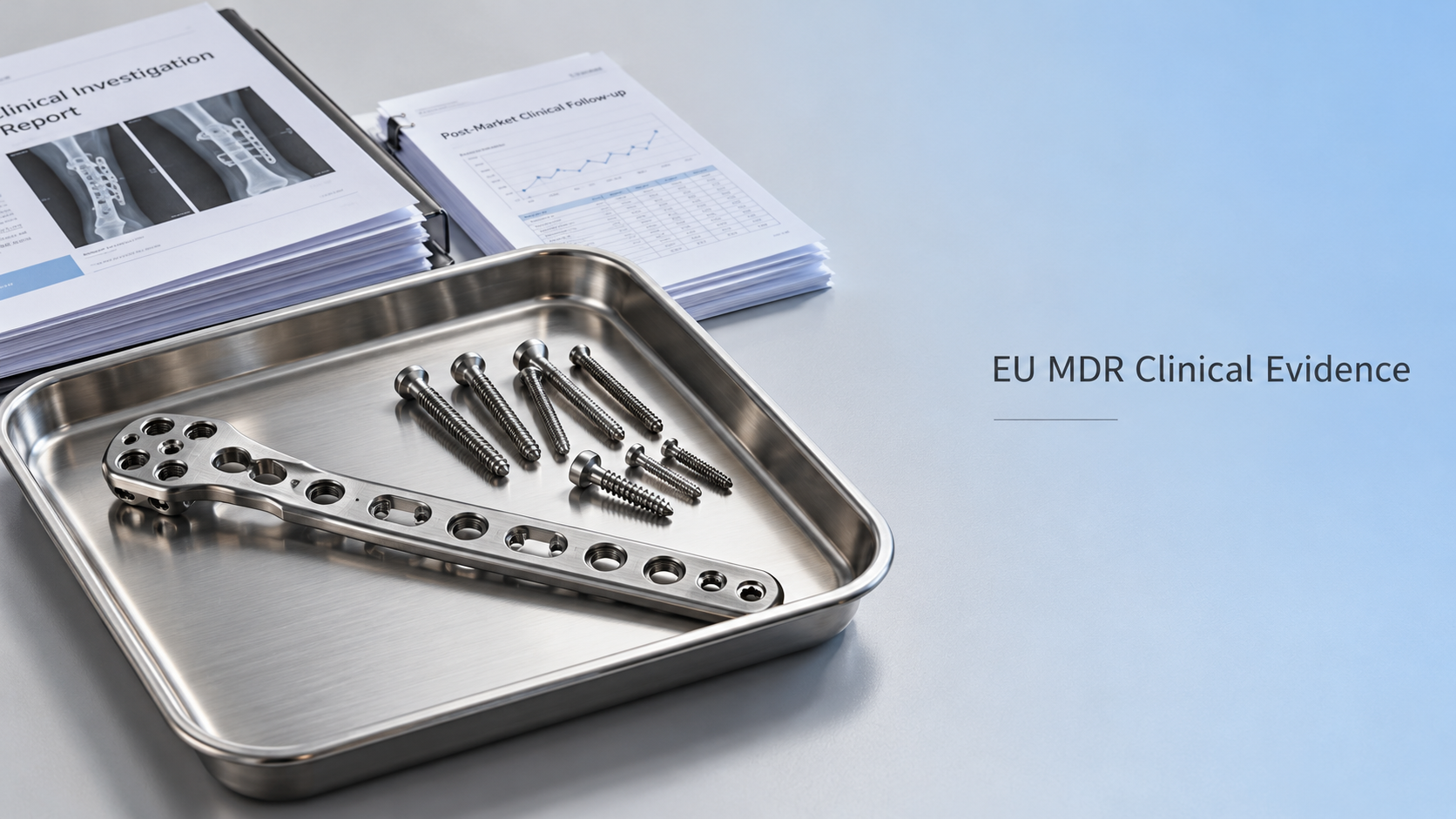
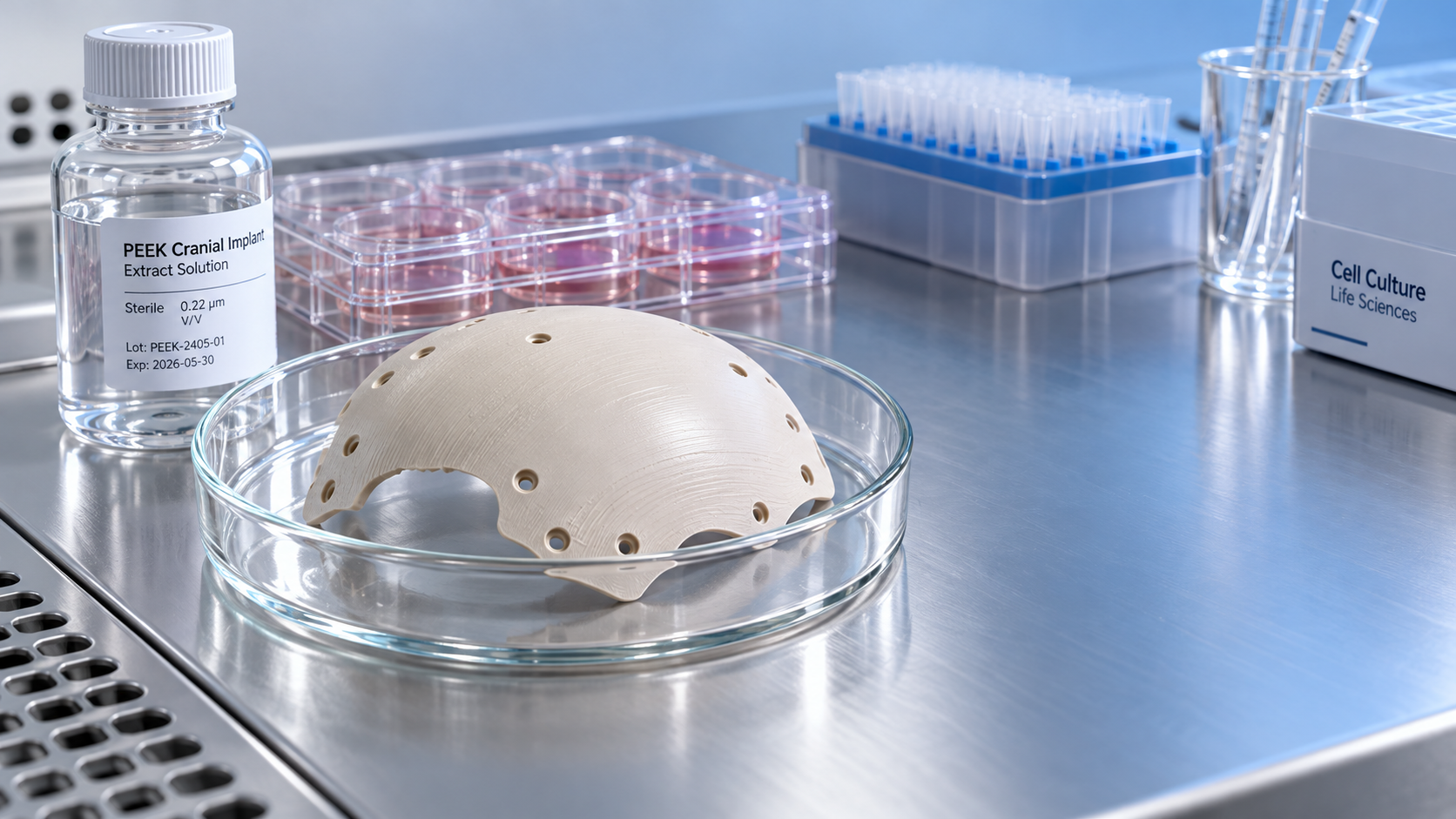
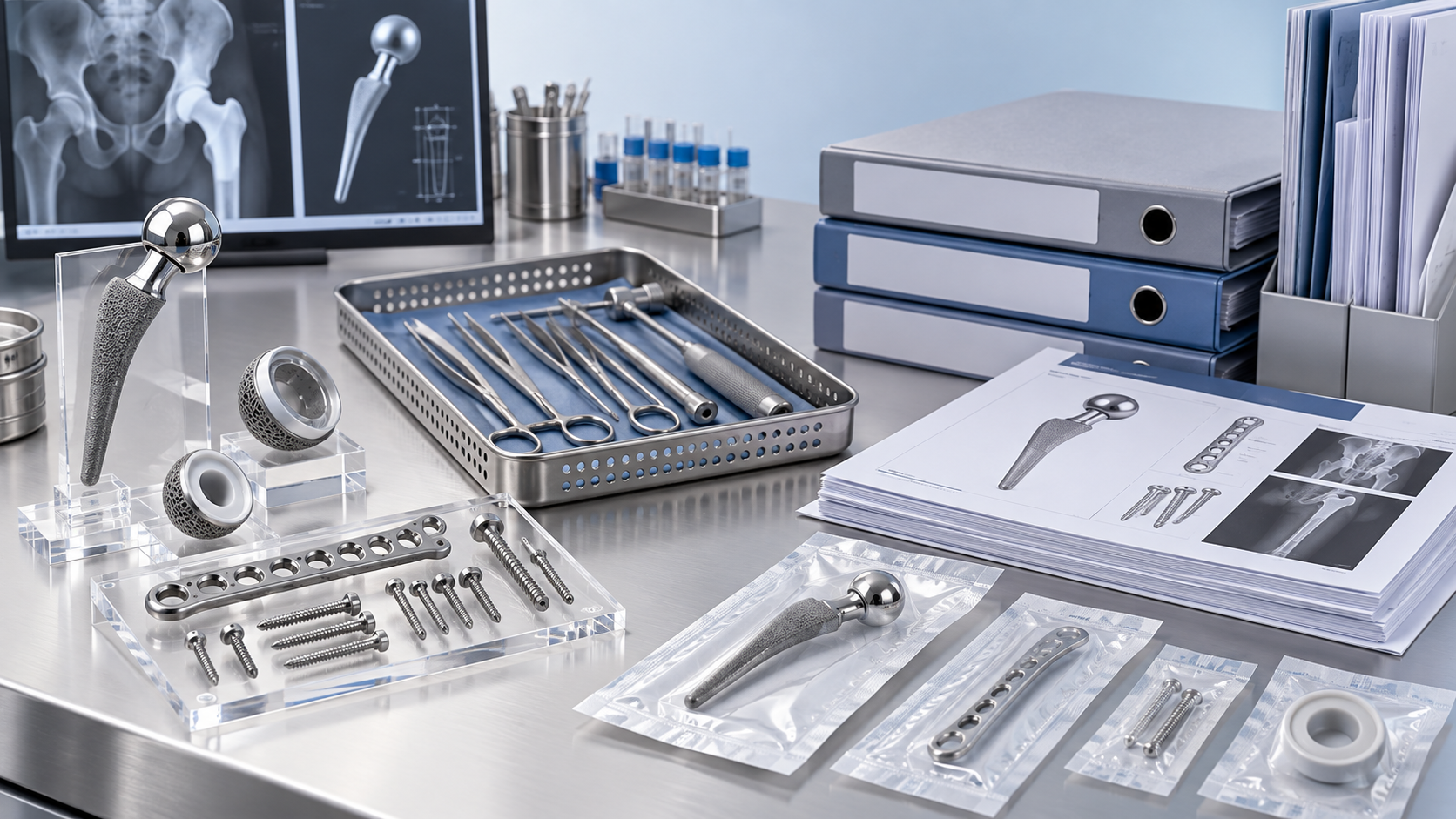
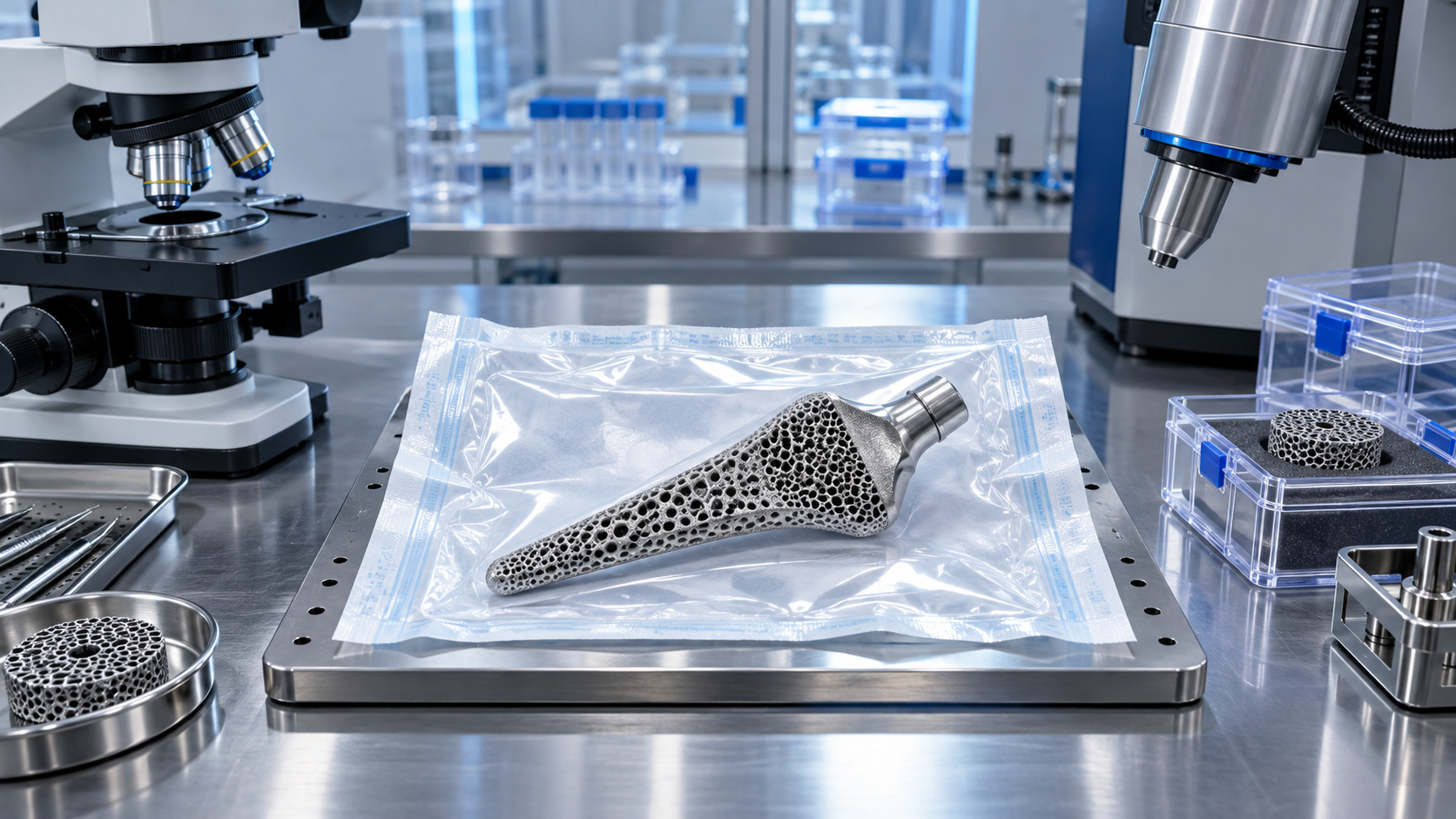
In orthopedic implantable biomaterials, red flags often involve metal ion release, wear particles, and porous surface contamination. Titanium, cobalt-chromium, and PEEK each behave differently in vivo. Additive manufacturing raises extra questions around trapped powder, unmelted particles, and post-processing cleanliness.
Long implantation periods make chronic local effects especially important. Even when acute cytotoxicity looks acceptable, osteolysis, inflammation, or poor osseointegration can reveal hidden chemistry problems over time.
Cardiovascular implants and interventional devices
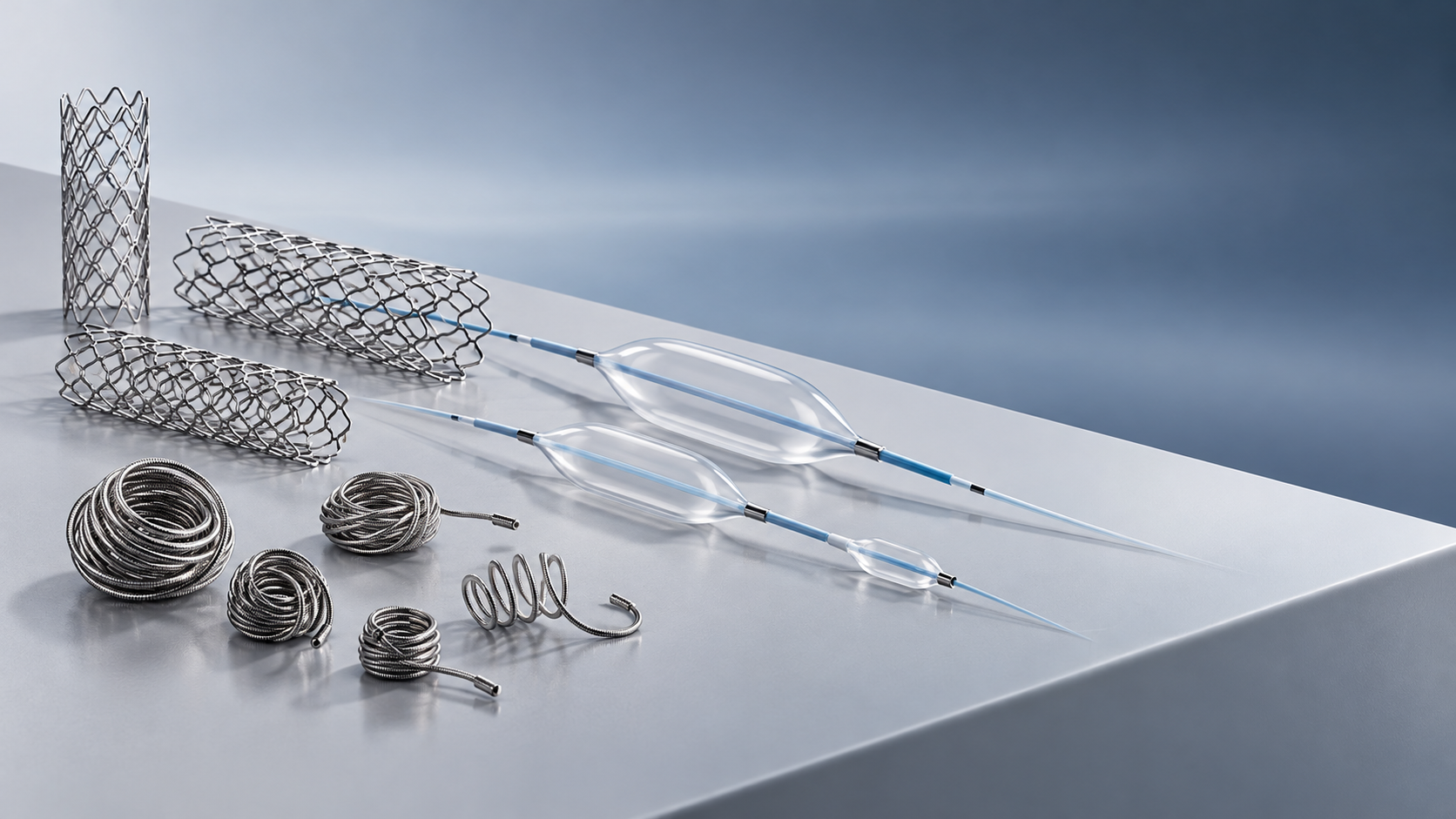
For stents, valves, and blood-contacting systems, toxicity red flags extend beyond standard tissue compatibility. Coating delamination, polymer breakdown, particulate shedding, and drug-polymer interaction can directly affect thrombosis, restenosis, and endothelial healing.
Hemocompatibility must be linked to actual flow conditions. A clean material profile on paper does not offset a surface that activates platelets or releases residues into circulating blood.
Polymer catheters and minimally invasive consumables
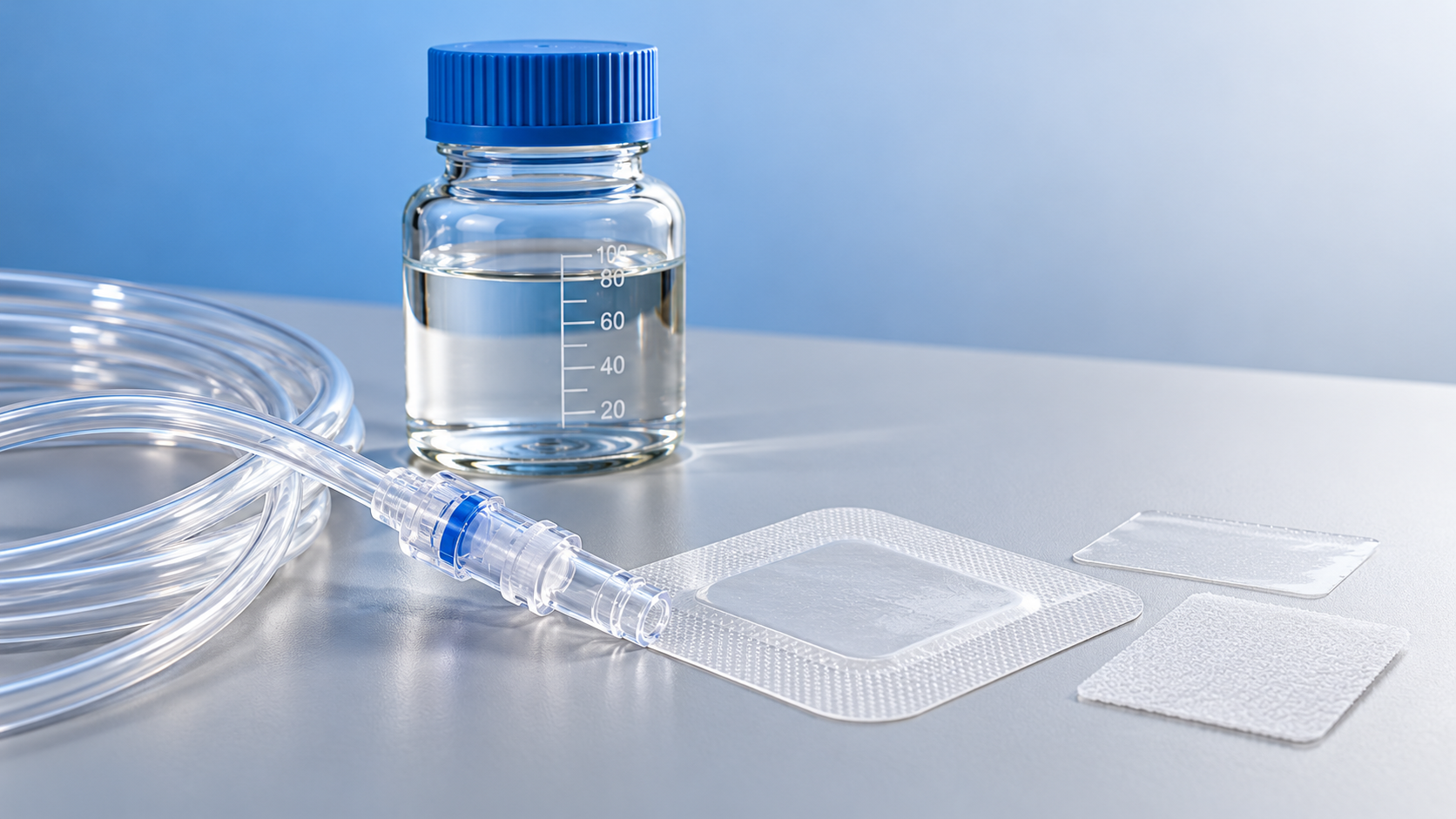
Polymeric implantable biomaterials used in indwelling or partially implanted devices carry risks from plasticizers, colorants, adhesive systems, and hydrophilic coatings. Kink resistance and flexibility are valuable, but not if they depend on unstable additive packages.
Mechanical friction also matters. Repeated insertion, bending, and contact with guidewires can generate particulates or expose inner layers that were never fully assessed in the biological evaluation plan.
Tissue regeneration and advanced wound-contact materials
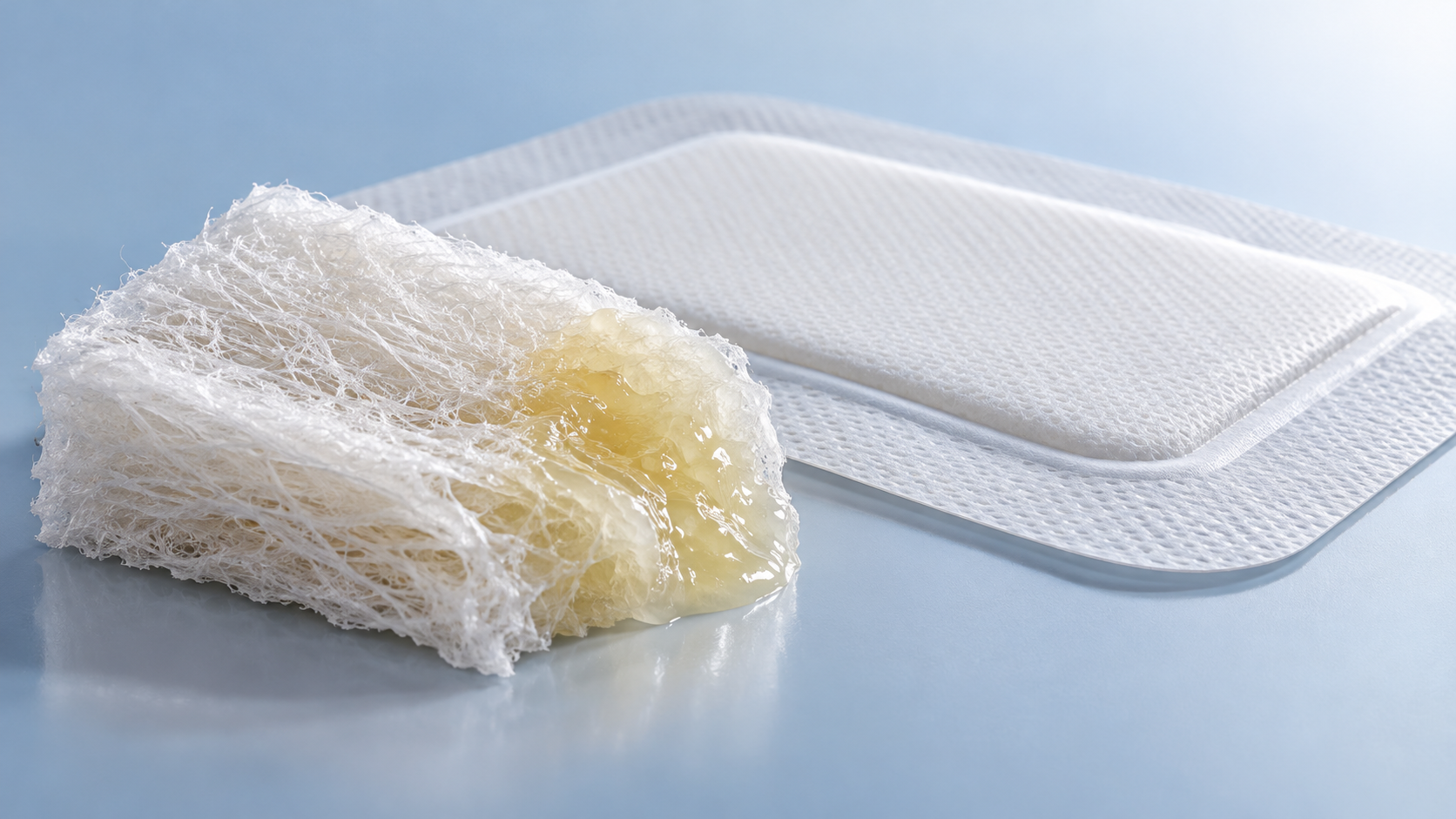
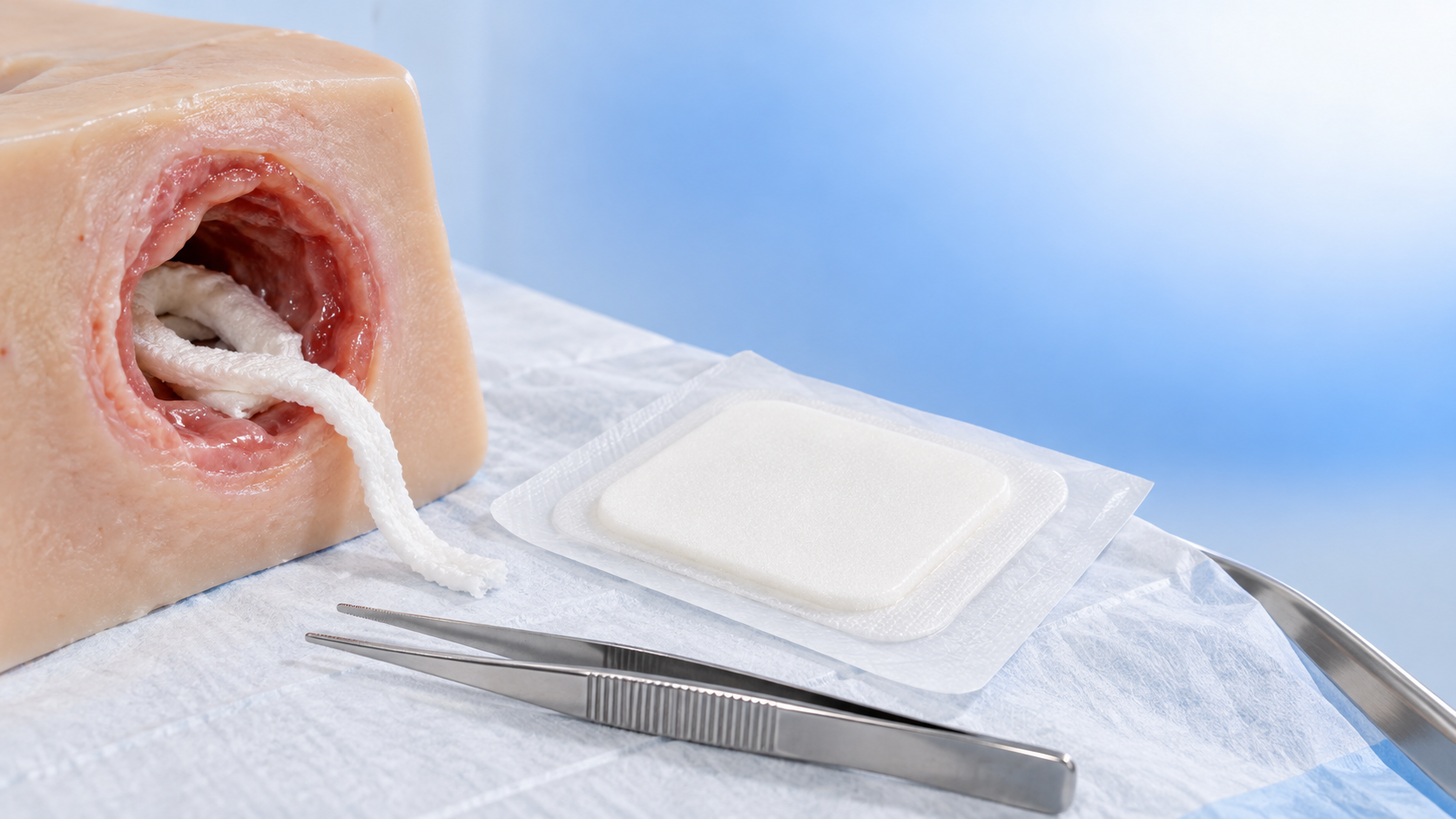
Regenerative matrices, absorbable scaffolds, and bioactive dressings can fail through degradation mismatch. If resorption is too fast, acidic or reactive byproducts may irritate tissue. If too slow, chronic inflammation or fibrotic response may emerge.
These products also demand careful review of antimicrobial agents, growth-related additives, and crosslinking chemistry. A material designed to promote healing can still become a toxicity concern when local chemistry drifts outside the intended range.
Commonly overlooked toxicity warnings
Assuming supplier data is enough
Supplier biocompatibility letters rarely represent the finished device. Processing steps, storage conditions, and component interactions can create a new risk profile for implantable biomaterials.
Ignoring aging and shelf-life effects
Accelerated and real-time aging may change extractables, coating integrity, and oxidation levels. A product that passes at release can fail after packaged storage.
Treating sterilization as a separate issue
Sterilization is part of toxicological risk, not only microbial control. Residual EO, radiolytic fragments, or heat-induced changes often sit behind unexpected biological responses.
Overlooking extractables and leachables strategy
Basic pass-fail tests may not identify the chemical driver of a failure. Analytical toxicology data is essential when results are marginal, contradictory, or difficult to interpret.
Failing to connect bench wear with biology
Wear, fatigue, and abrasion studies are not only mechanical exercises. Their outputs can define particle burden, inflammatory potential, and chronic tissue exposure.
Practical execution steps for stronger biocompatibility control
- Build a material map that covers every component, additive, surface treatment, processing aid, and packaging contact layer.
- Trigger toxicological review at design freeze, process change, supplier change, and sterilization transfer.
- Pair ISO 10993 planning with chemistry data, not only biological endpoints.
- Use worst-case extraction logic that reflects clinical duration, anatomical site, and body-fluid exposure.
- Document scientific justification when omitting tests, especially for permanent or blood-contacting implants.
- Trend complaints, CAPA data, and post-market signals for delayed toxicity patterns.
A strong program treats implantable biomaterials as evolving systems rather than fixed substances. Biological safety should be updated when formulation, machining, cleaning, coating, or shelf configuration changes. That discipline supports smoother submissions and stronger clinical credibility.
Conclusion and next action
The most important toxicity red flags in implantable biomaterials are rarely dramatic at first glance. They appear as subtle chemistry shifts, unexplained residues, unstable coatings, wear debris, or incomplete evaluation logic. Catching them early protects both patient outcomes and development timelines.
Start with a device-specific checklist, verify the final finished form, and link toxicology, materials, and regulatory evidence from the beginning. In complex implant programs, that is the fastest path to safer design, stronger compliance, and durable clinical trust.
Get weekly intelligence in your inbox.
No noise. No sponsored content. Pure intelligence.
News Recommendations
 Oct 26, 2026Can a single approval cover life science product sales worldwide?Can a single approval cover life science product sales worldwide?
 Oct 25, 2026When is sensitization testing needed for medical device biocompatibility?When is sensitization testing needed for medical device biocompatibility?
 Oct 24, 2026How is biocompatibility tested for implantable polymer biomaterials?How is biocompatibility tested for implantable polymer biomaterials?
 Oct 23, 2026How to build reimbursement into an implant commercialization strategyHow to build reimbursement into an implant commercialization strategy
 Oct 22, 2026What clinical evidence do implants need for CE marking under EU MDR?What clinical evidence do implants need for CE marking under EU MDR?
 Oct 21, 2026How to choose disposable laparoscopic stapler reloads for thick tissueHow to choose disposable laparoscopic stapler reloads for thick tissue
 Oct 20, 2026How to assess medical polymer biocompatibility under ISO 10993How to assess medical polymer biocompatibility under ISO 10993
 Oct 19, 2026How do interventional device categories differ in clinical use?How do interventional device categories differ in clinical use?
 Oct 18, 2026When to choose alginate dressings for heavily exuding chronic woundsWhen to choose alginate dressings for heavily exuding chronic wounds
 Oct 17, 2026How is biocompatibility tested for custom medical-grade PEEK implants?How is biocompatibility tested for custom medical-grade PEEK implants?
 Oct 16, 2026How to check a wound healing materials supplier’s biocompatibility dataHow to check a wound healing materials supplier’s biocompatibility data
 Oct 15, 2026How to verify the FDA clearance status of silver wound dressingsHow to verify the FDA clearance status of silver wound dressings
 Oct 14, 2026How to register orthopedic implants and instruments in Latin AmericaHow to register orthopedic implants and instruments in Latin America
 Oct 13, 2026How to use a device market intelligence database to benchmark VBP pricesHow to use a device market intelligence database to benchmark VBP prices
 Oct 12, 2026When should stainless steel orthopedic instruments be replaced?When should stainless steel orthopedic instruments be replaced?
 Oct 11, 2026When are alginate dressings rope the right choice for cavity wounds?When are alginate dressings rope the right choice for cavity wounds?
 Oct 10, 2026When smart minimally invasive technology improves catheter accessWhen smart minimally invasive technology improves catheter access
 Oct 08, 2026Clinical evaluation requirements for cardiovascular implant devices in EuropeClinical evaluation requirements for cardiovascular implant devices in Europe
 Oct 07, 2026What to verify before appointing an artificial joint implants distributorWhat to verify before appointing an artificial joint implants distributor
 Oct 06, 2026How ISO 10993 guides biocompatibility testing for medical materialsHow ISO 10993 guides biocompatibility testing for medical materials
 Oct 05, 2026How to verify an orthopedic implants and instruments exporterHow to verify an orthopedic implants and instruments exporter
 Oct 04, 2026What drives surgical stapling devices price differences in hospital tenders?What drives surgical stapling devices price differences in hospital tenders?
 Oct 03, 2026How to assess a central venous catheter manufacturer's infection-control evidenceHow to assess a central venous catheter manufacturer's infection-control evidence
 Oct 02, 2026How to assess an advanced wound care factory’s quality systemHow to assess an advanced wound care factory’s quality system
 Oct 01, 2026What is driving global medical consumables demand in emerging markets?What is driving global medical consumables demand in emerging markets?
 Sep 30, 2026Implant Material Compliance Testing: Evidence Needed for Regulatory SubmissionImplant Material Compliance Testing: Evidence Needed for Regulatory Submission
 Sep 30, 2026From Corrosion to Fatigue: What Implant Materials Testing Should MeasureFrom Corrosion to Fatigue: What Implant Materials Testing Should Measure