Medical Polymer Technology Trends Reshaping Device Design
Medical polymer technology is rapidly redefining device design, validation, and commercialization across the healthcare value chain. It now shapes product safety, usability, cost structure, and regulatory success.
For IMCS, this shift matters because polymers increasingly influence orthopedic tools, cardiovascular consumables, catheters, wound care systems, and next-generation minimally invasive platforms.
The key question is no longer whether medical polymer technology matters. The real question is how current trends affect design choices, evidence planning, supply security, and long-term market positioning.
What is driving medical polymer technology trends in device design?
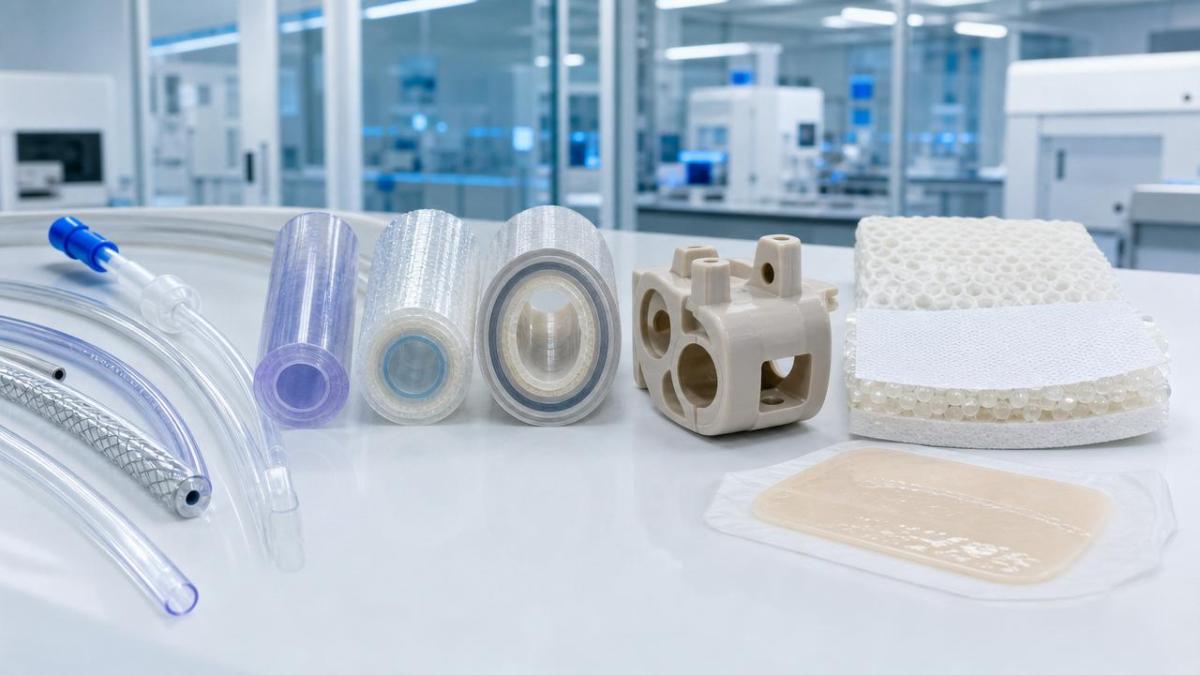
Several forces are accelerating medical polymer technology. Clinical expectations are rising, while regulators require stronger proof of biocompatibility, extractables control, and long-term material stability.
At the same time, devices are becoming smaller, more flexible, and more specialized. This is especially visible in neurovascular catheters, drug-delivery systems, tissue-contact dressings, and implantable components.
Another driver is procedure migration toward minimally invasive treatment. Devices must bend, track, seal, absorb stress, and resist fatigue without compromising patient safety.
Cost pressure also matters. Under pricing reforms and value-based purchasing environments, material choices must support performance while protecting manufacturability and margin discipline.
- Higher clinical performance expectations
- Stricter ISO 10993 and global regulatory scrutiny
- Miniaturization and precision engineering needs
- Pressure for scalable, resilient supply chains
- Demand for differentiated product claims
In short, medical polymer technology now sits at the intersection of material science, clinical evidence, manufacturing economics, and market access.
Which medical polymer technology trends are reshaping products most clearly?
The strongest trend is multifunctionality. A polymer is no longer selected only for flexibility or strength. It may also need lubricity, thromboresistance, radiopacity, or antimicrobial performance.
1. Surface-engineered polymers
Hydrophilic coatings improve navigation in tortuous anatomy. Anti-thrombotic and low-friction surfaces help central venous catheters and interventional systems reduce procedural complications.
2. High-performance structural polymers
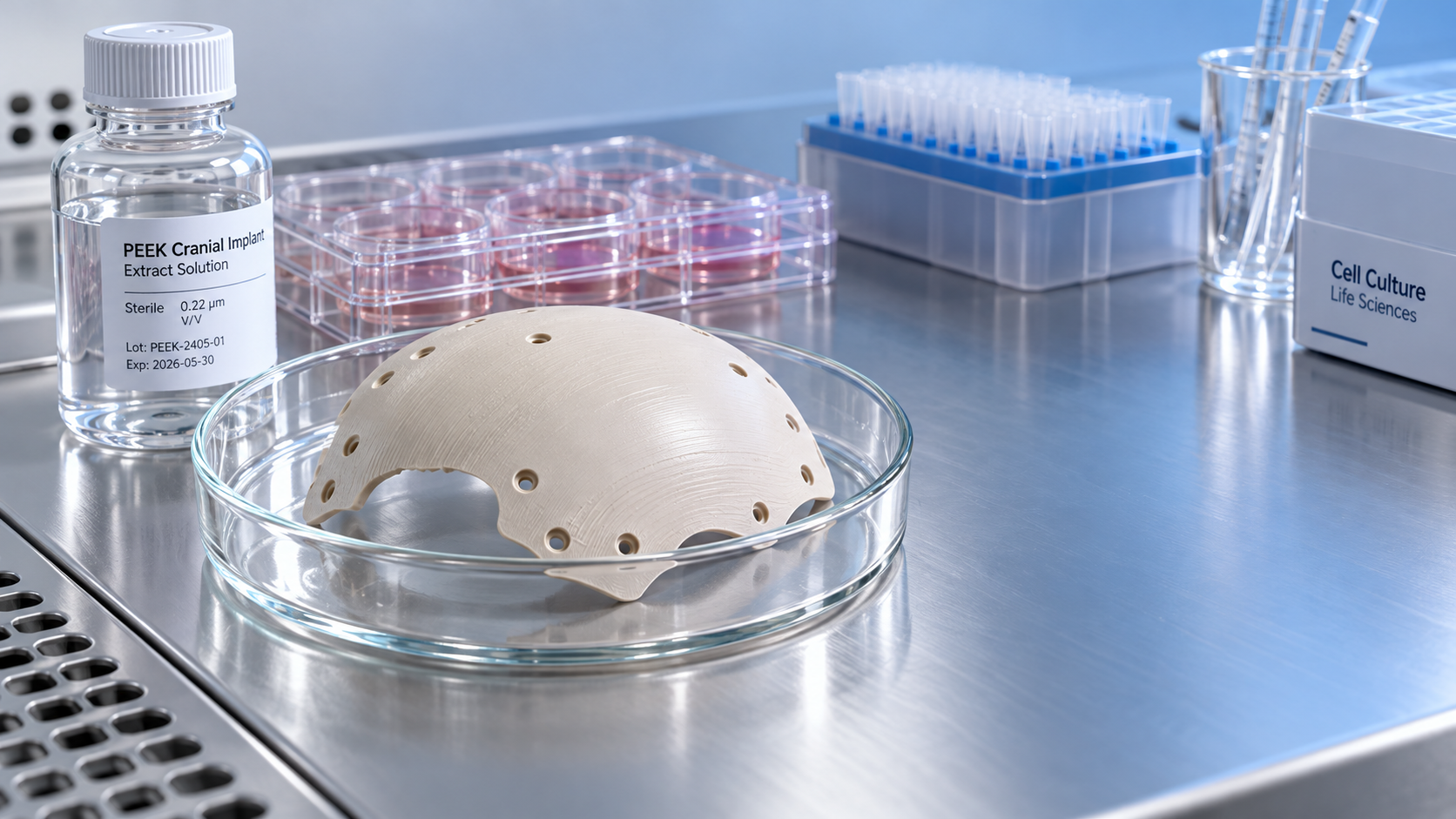
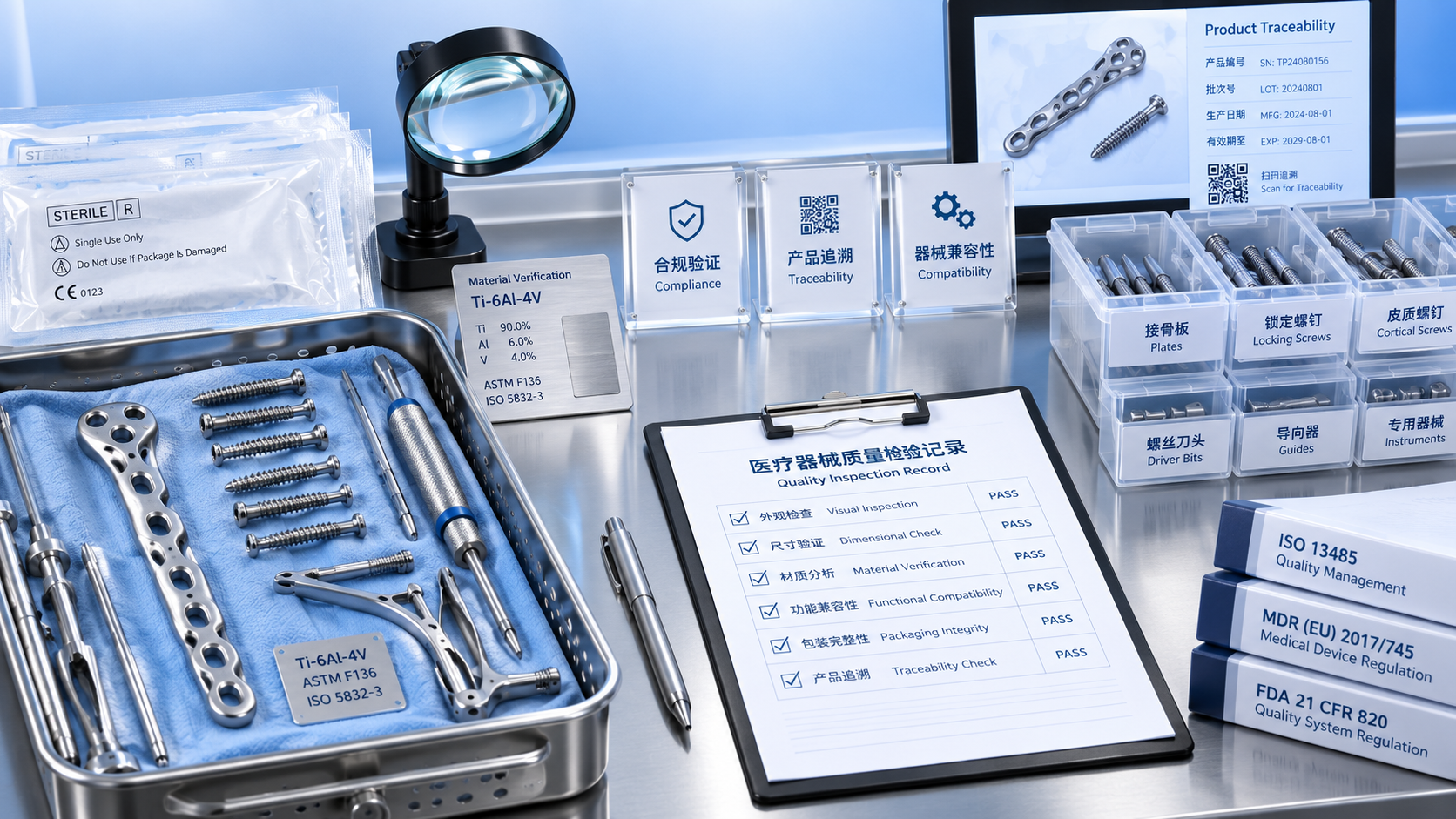
PEEK and related advanced polymers support load-bearing or semi-structural functions. They are valued for imaging compatibility, mechanical consistency, and integration into precision manufacturing workflows.
3. Multilayer and composite constructions
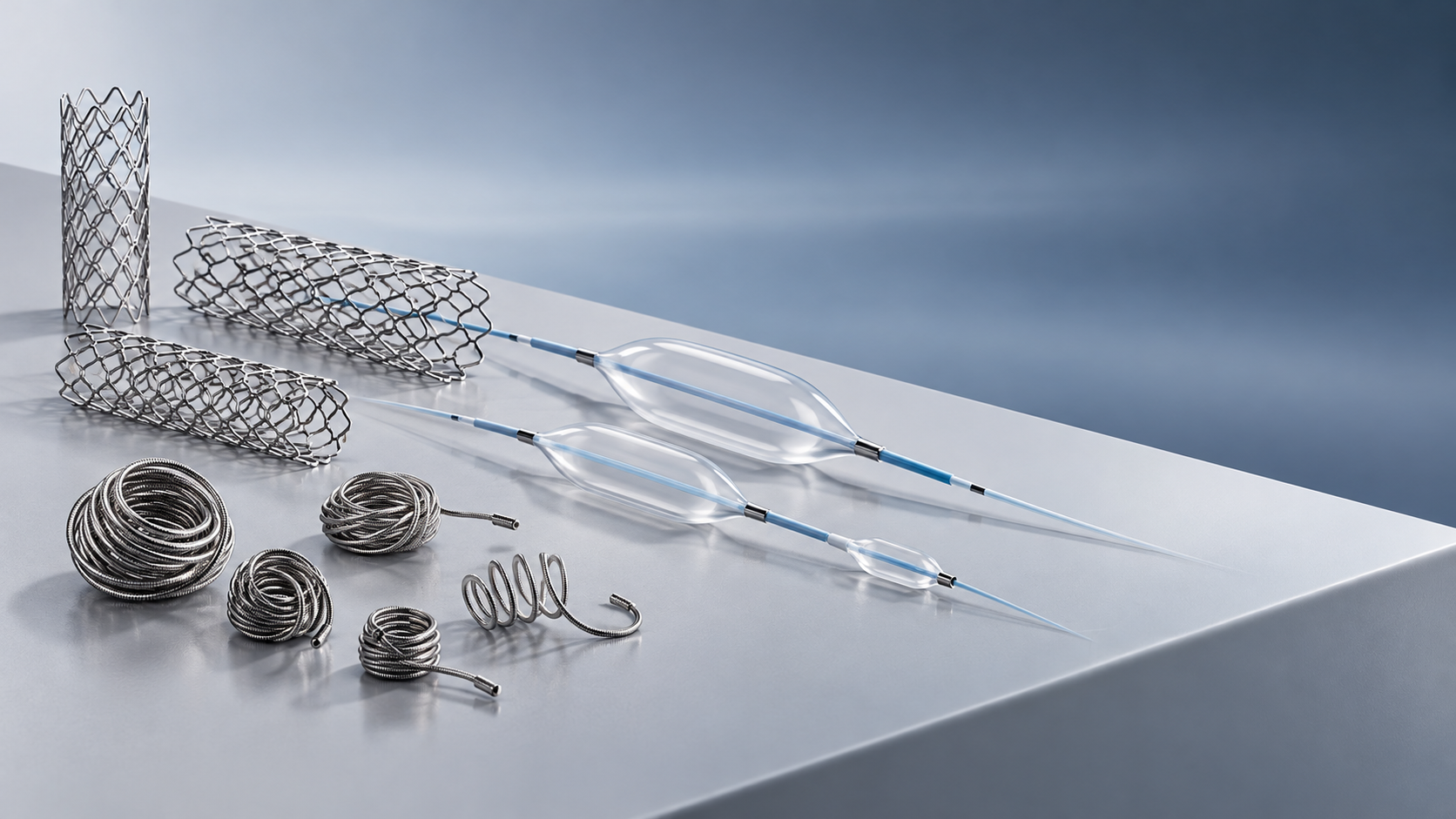
Modern catheter shafts often combine distinct layers. One layer can provide stiffness, another flexibility, and another barrier protection or chemical resistance.
4. Bioactive and regenerative polymer platforms
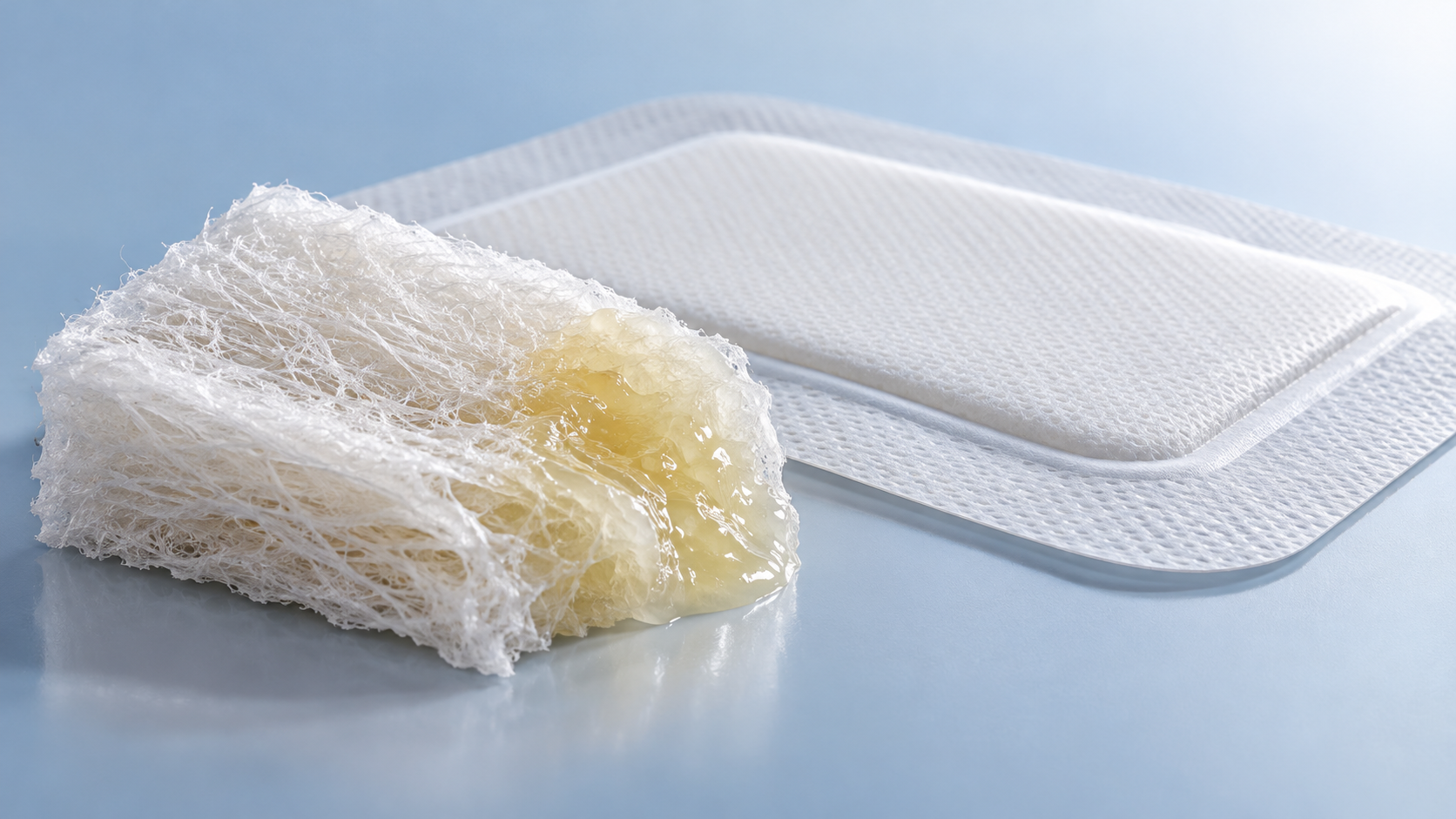
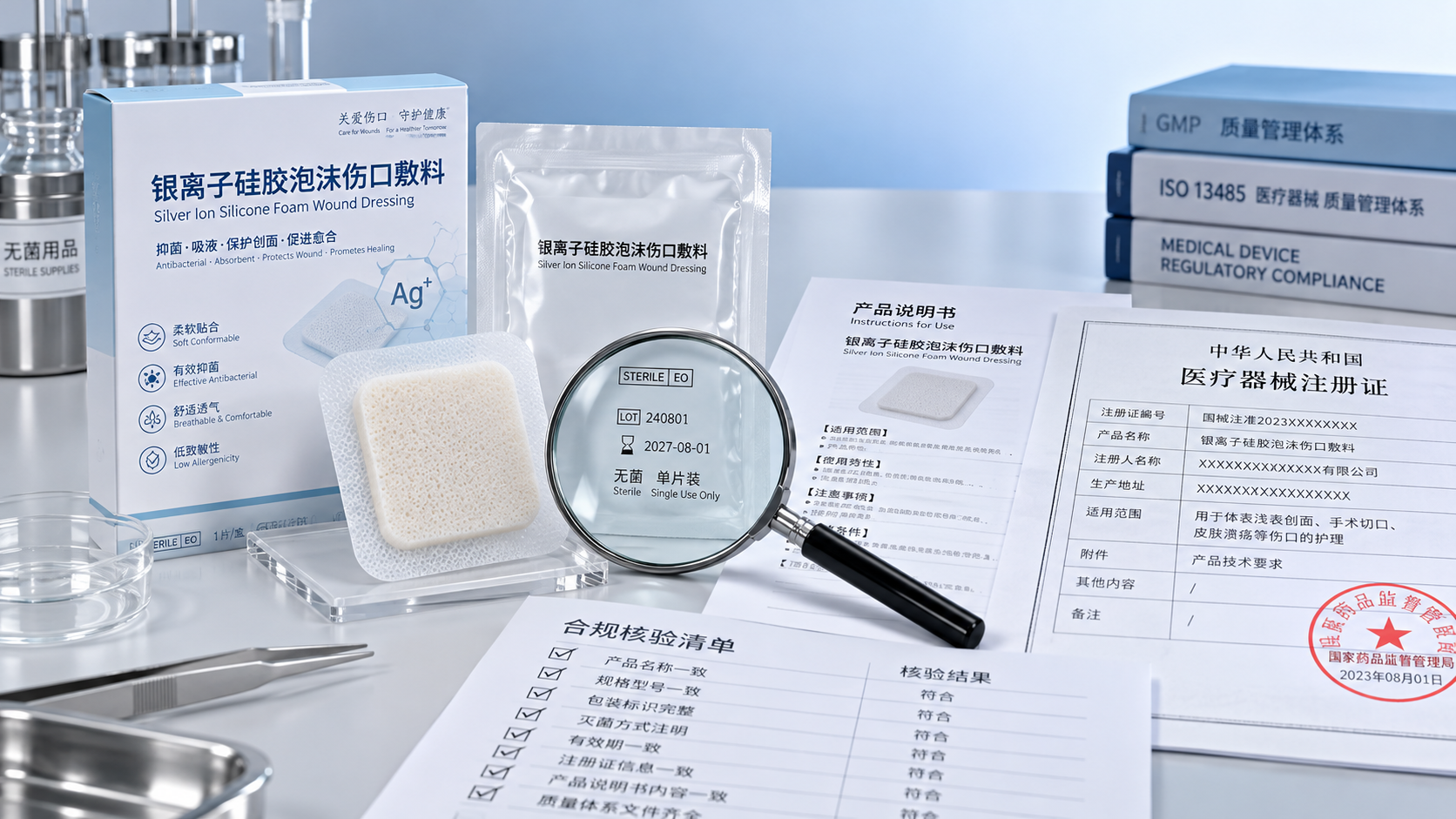
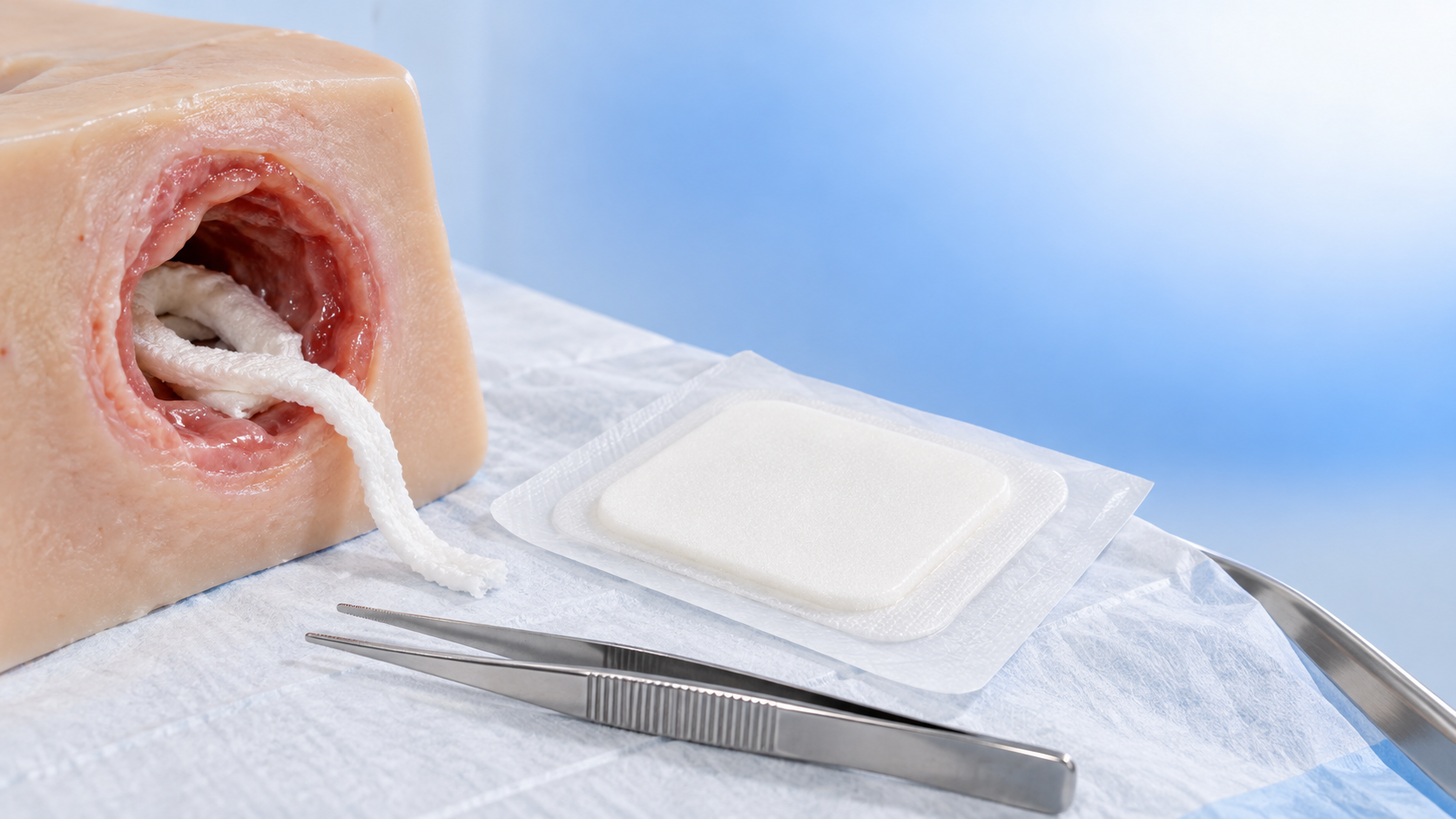
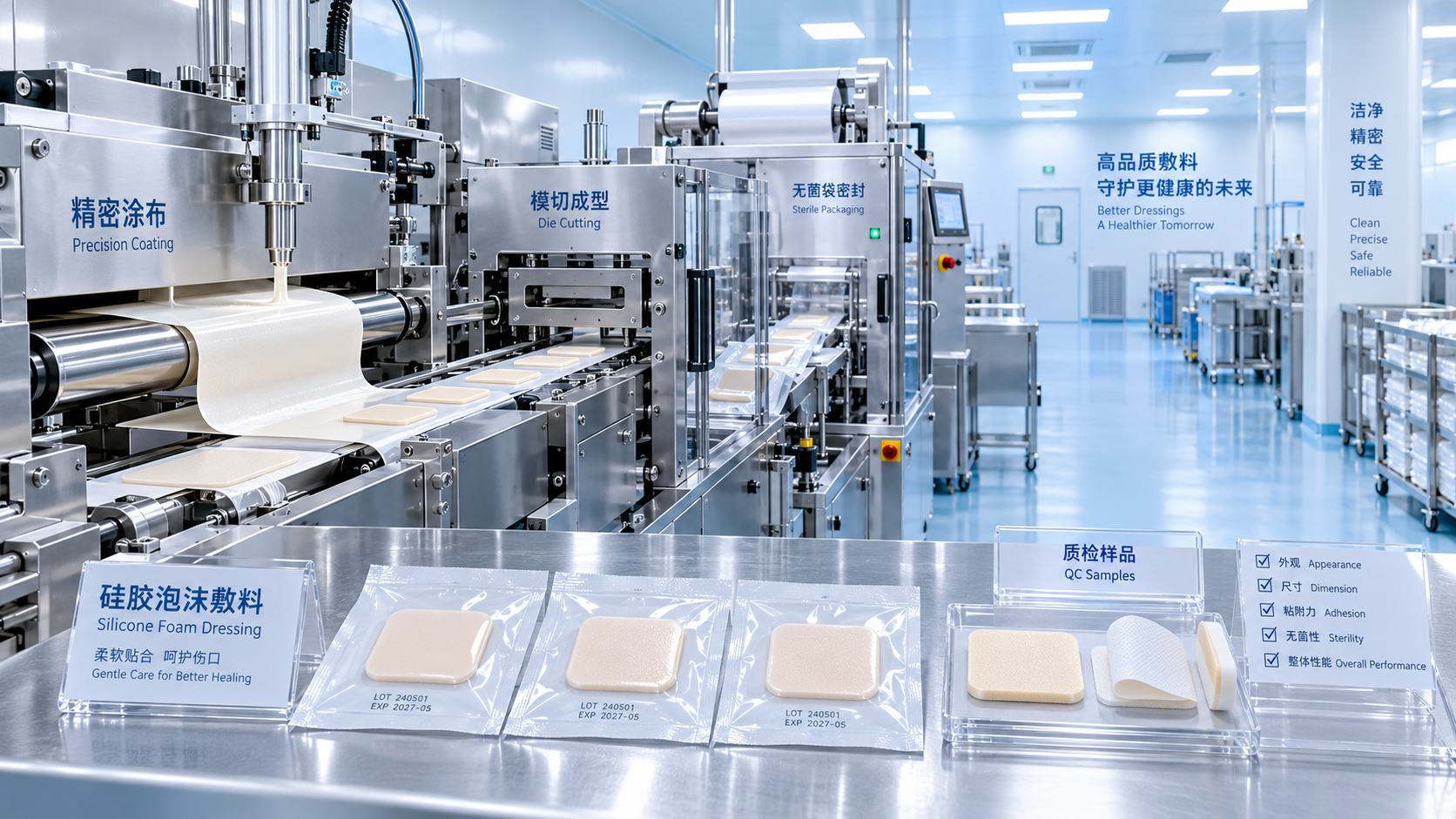
Advanced wound care increasingly uses silicone foams, alginates, and polymer matrices that manage moisture while supporting tissue regeneration and infection control.
5. Sustainability and sterilization compatibility
Material selection now considers ethylene oxide, gamma, or e-beam response early. A promising polymer can fail commercially if sterilization shifts its chemistry or appearance.
These trends show that medical polymer technology is moving from passive material selection to active design strategy.
How does medical polymer technology affect different device categories?
The impact varies by device class, anatomical environment, and intended duration of contact. Still, common themes include precision, stability, and predictable biological response.
Catheters and interventional consumables
In this segment, medical polymer technology determines trackability, kink resistance, pushability, burst performance, and blood-contact safety. Small material changes can alter clinical usability significantly.
Orthopedic and spinal systems
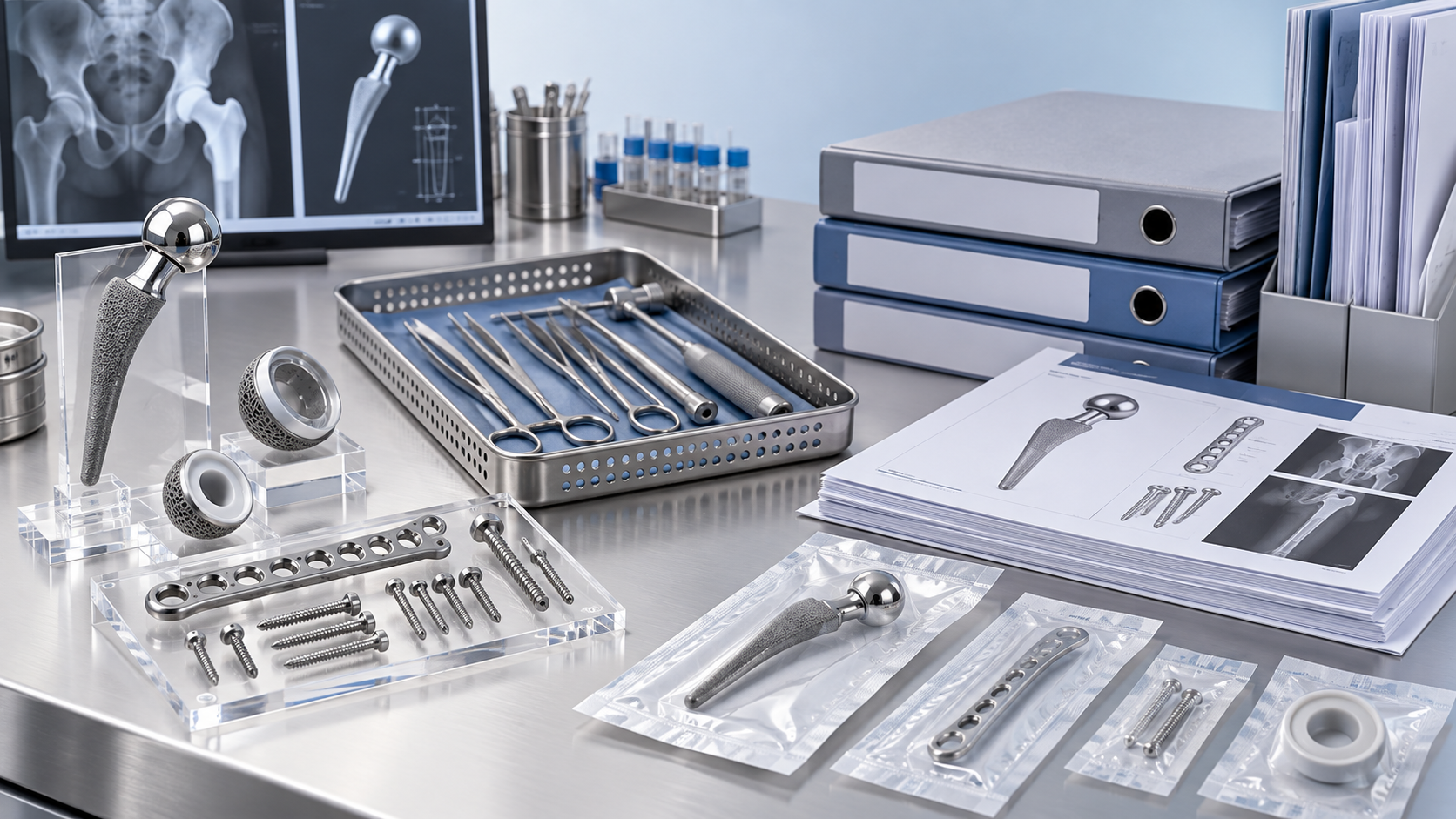
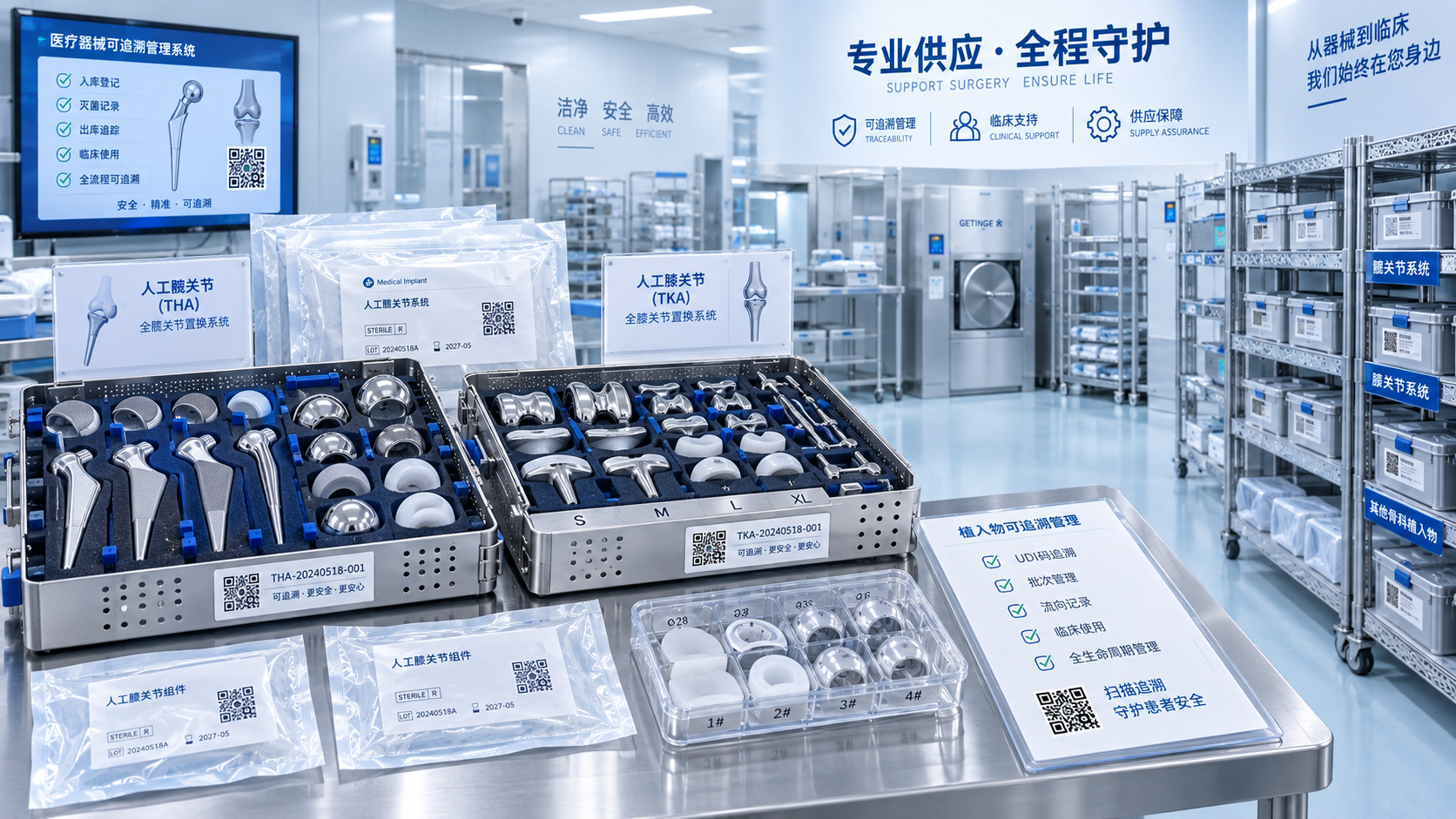
Polymers complement metal implants through cages, inserts, and instrument components. Imaging transparency and mechanical balance are key design benefits in many spinal applications.
Minimally invasive surgical tools
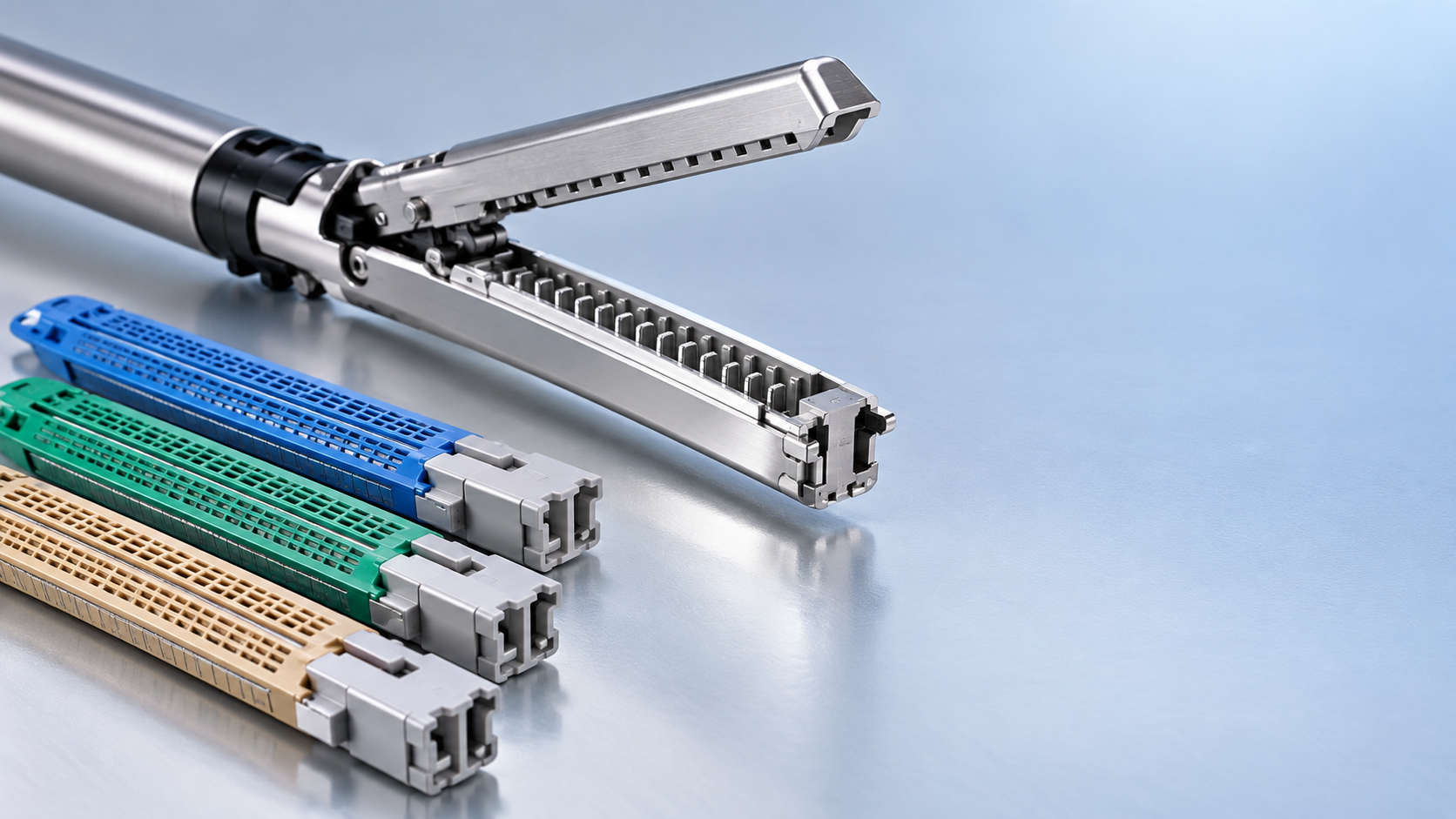
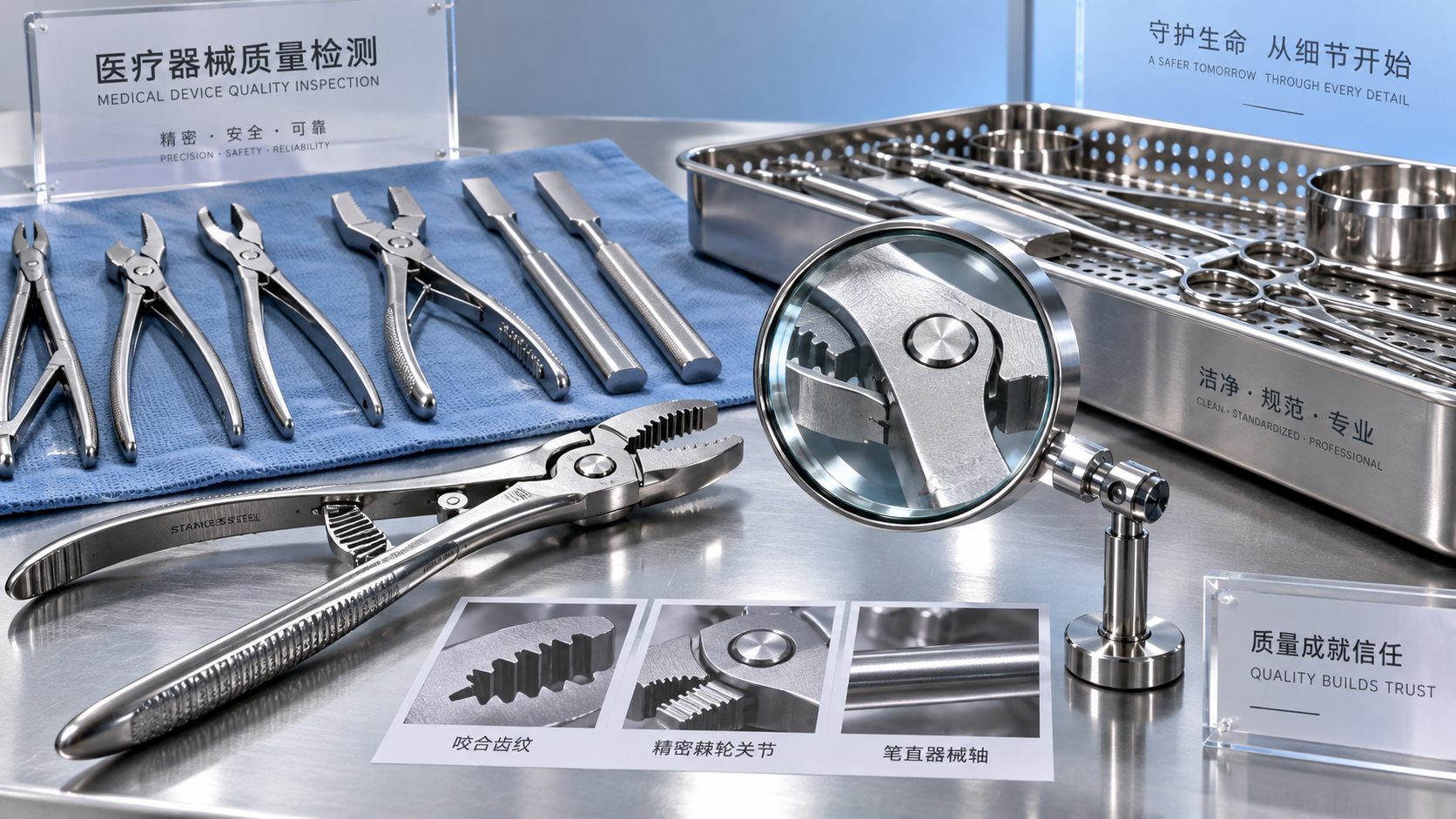
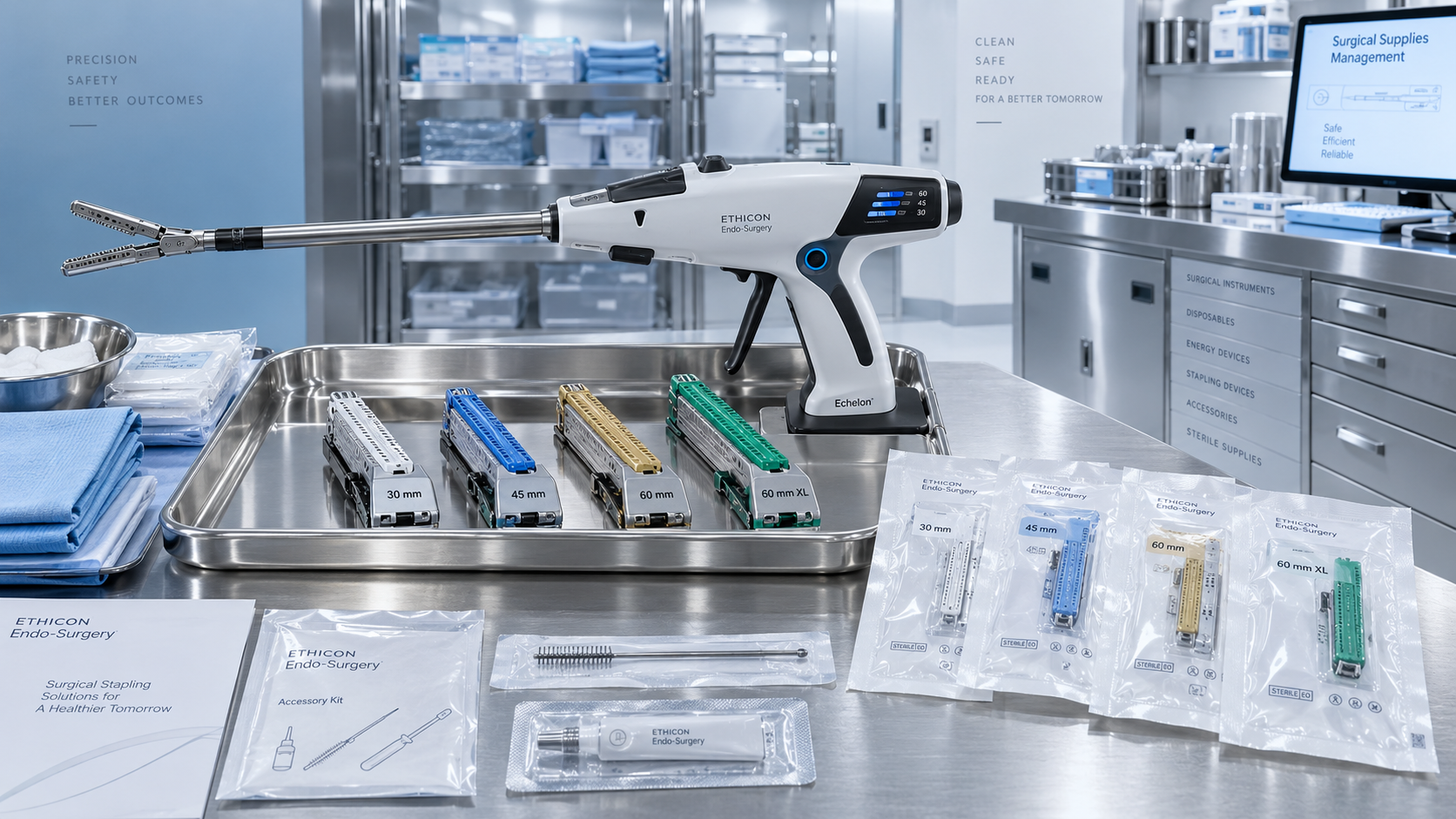
Stapling systems and access devices rely on polymers for housings, articulation support, seals, and ergonomic interfaces. Consistency under repeated mechanical stress is essential.
Advanced dressings and wound care
Here, medical polymer technology influences exudate management, skin comfort, adhesion behavior, and healing environment control. Material softness and moisture balance are commercial differentiators.
For IMCS-covered markets, polymers are not secondary components. They often define the user experience and support premium positioning when evidence is credible.
What should be evaluated before choosing a medical polymer technology path?
A common mistake is selecting by datasheet alone. In practice, material choice should be judged through clinical context, process compatibility, and regulatory burden together.
This structured review is especially important when medical polymer technology becomes the basis for product claims like lower friction, improved healing, or reduced thrombogenicity.
What risks and misconceptions surround medical polymer technology adoption?
One misconception is that a premium polymer automatically creates a premium device. Performance depends on geometry, joining methods, surface treatment, and process control.
Another risk is underestimating evidence requirements. A coating or additive may appear incremental, yet it can trigger extensive testing, including chemical characterization and biological assessment.
Supply-chain concentration is another concern. Some advanced grades rely on specialized suppliers, creating exposure to lead-time shocks and qualification bottlenecks.
- Assuming material innovation alone ensures clinical advantage
- Ignoring sterilization and packaging interaction
- Overlooking long-term aging and leachables behavior
- Failing to align claims with validation scope
- Choosing novel polymers without sourcing backup
The practical lesson is clear. Medical polymer technology should be validated as a system decision, not a standalone procurement decision.
How can organizations prepare for the next wave of medical polymer technology?
Preparation starts with cross-functional planning. Material science, clinical strategy, manufacturing engineering, and regulatory assessment must be linked much earlier in development.
A useful approach is to map each polymer decision against four business outcomes: performance value, regulatory feasibility, scale readiness, and reimbursement or pricing resilience.
- Prioritize device functions that truly need material differentiation.
- Screen early for testing burden and evidence gaps.
- Review sterilization, shelf life, and packaging together.
- Build qualified alternative sources where possible.
- Link product claims to measurable clinical or usability endpoints.
For sectors covered by IMCS, this discipline helps identify whether a polymer trend is a real strategic advantage or simply an expensive specification change.
Quick FAQ summary
Medical polymer technology is reshaping device design because it directly influences safety, precision, healing outcomes, and commercial durability. The trend is structural, not temporary.
The most effective next step is to review current and pipeline devices through a polymer strategy lens. Focus on evidence strength, supply stability, and measurable clinical value.
With disciplined assessment, medical polymer technology can move from a technical variable to a scalable advantage across implants, intervention systems, wound care, and minimally invasive platforms.
Get weekly intelligence in your inbox.
No noise. No sponsored content. Pure intelligence.
News Recommendations
 Oct 26, 2026Can a single approval cover life science product sales worldwide?Can a single approval cover life science product sales worldwide?
 Oct 25, 2026When is sensitization testing needed for medical device biocompatibility?When is sensitization testing needed for medical device biocompatibility?
 Oct 24, 2026How is biocompatibility tested for implantable polymer biomaterials?How is biocompatibility tested for implantable polymer biomaterials?
 Oct 23, 2026How to build reimbursement into an implant commercialization strategyHow to build reimbursement into an implant commercialization strategy
 Oct 22, 2026What clinical evidence do implants need for CE marking under EU MDR?What clinical evidence do implants need for CE marking under EU MDR?
 Oct 21, 2026How to choose disposable laparoscopic stapler reloads for thick tissueHow to choose disposable laparoscopic stapler reloads for thick tissue
 Oct 20, 2026How to assess medical polymer biocompatibility under ISO 10993How to assess medical polymer biocompatibility under ISO 10993
 Oct 19, 2026How do interventional device categories differ in clinical use?How do interventional device categories differ in clinical use?
 Oct 18, 2026When to choose alginate dressings for heavily exuding chronic woundsWhen to choose alginate dressings for heavily exuding chronic wounds
 Oct 17, 2026How is biocompatibility tested for custom medical-grade PEEK implants?How is biocompatibility tested for custom medical-grade PEEK implants?
 Oct 16, 2026How to check a wound healing materials supplier’s biocompatibility dataHow to check a wound healing materials supplier’s biocompatibility data
 Oct 15, 2026How to verify the FDA clearance status of silver wound dressingsHow to verify the FDA clearance status of silver wound dressings
 Oct 14, 2026How to register orthopedic implants and instruments in Latin AmericaHow to register orthopedic implants and instruments in Latin America
 Oct 13, 2026How to use a device market intelligence database to benchmark VBP pricesHow to use a device market intelligence database to benchmark VBP prices
 Oct 12, 2026When should stainless steel orthopedic instruments be replaced?When should stainless steel orthopedic instruments be replaced?
 Oct 11, 2026When are alginate dressings rope the right choice for cavity wounds?When are alginate dressings rope the right choice for cavity wounds?
 Oct 10, 2026When smart minimally invasive technology improves catheter accessWhen smart minimally invasive technology improves catheter access
 Oct 08, 2026Clinical evaluation requirements for cardiovascular implant devices in EuropeClinical evaluation requirements for cardiovascular implant devices in Europe
 Oct 07, 2026What to verify before appointing an artificial joint implants distributorWhat to verify before appointing an artificial joint implants distributor
 Oct 06, 2026How ISO 10993 guides biocompatibility testing for medical materialsHow ISO 10993 guides biocompatibility testing for medical materials
 Oct 05, 2026How to verify an orthopedic implants and instruments exporterHow to verify an orthopedic implants and instruments exporter
 Oct 04, 2026What drives surgical stapling devices price differences in hospital tenders?What drives surgical stapling devices price differences in hospital tenders?
 Oct 03, 2026How to assess a central venous catheter manufacturer's infection-control evidenceHow to assess a central venous catheter manufacturer's infection-control evidence
 Oct 02, 2026How to assess an advanced wound care factory’s quality systemHow to assess an advanced wound care factory’s quality system
 Oct 01, 2026What is driving global medical consumables demand in emerging markets?What is driving global medical consumables demand in emerging markets?
 Sep 30, 2026Implant Material Compliance Testing: Evidence Needed for Regulatory SubmissionImplant Material Compliance Testing: Evidence Needed for Regulatory Submission
 Sep 30, 2026From Corrosion to Fatigue: What Implant Materials Testing Should MeasureFrom Corrosion to Fatigue: What Implant Materials Testing Should Measure