Implantable Biomaterials: Key Trade-offs in Material Selection
Selecting implantable biomaterials is never a single-variable decision. Every material choice affects safety, durability, processing, sterilization, and evidence generation.
In Class III device development, implantable biomaterials must satisfy both biological performance and regulatory scrutiny. The best option is rarely the strongest or cheapest one.
This guide answers common questions about implantable biomaterials. It compares metals, polymers, ceramics, and composites through practical trade-offs that shape long-term implant success.
What are implantable biomaterials, and why is selection so critical?
Implantable biomaterials are materials placed inside the body to restore function, support healing, or replace damaged tissue.
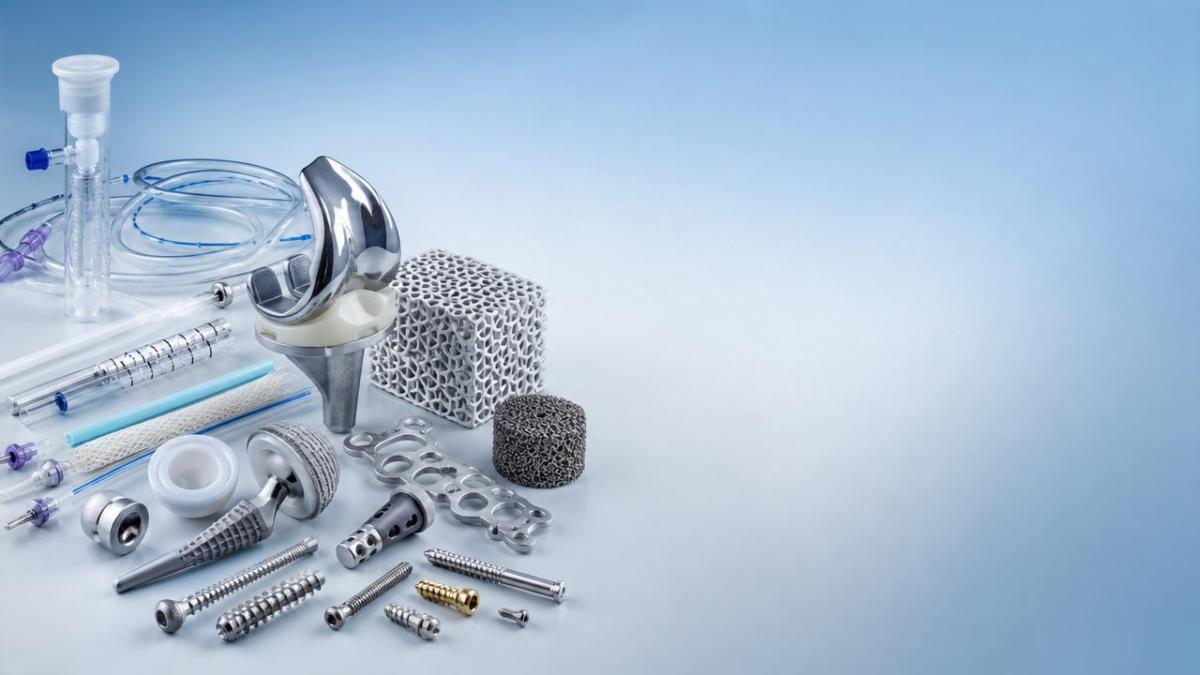
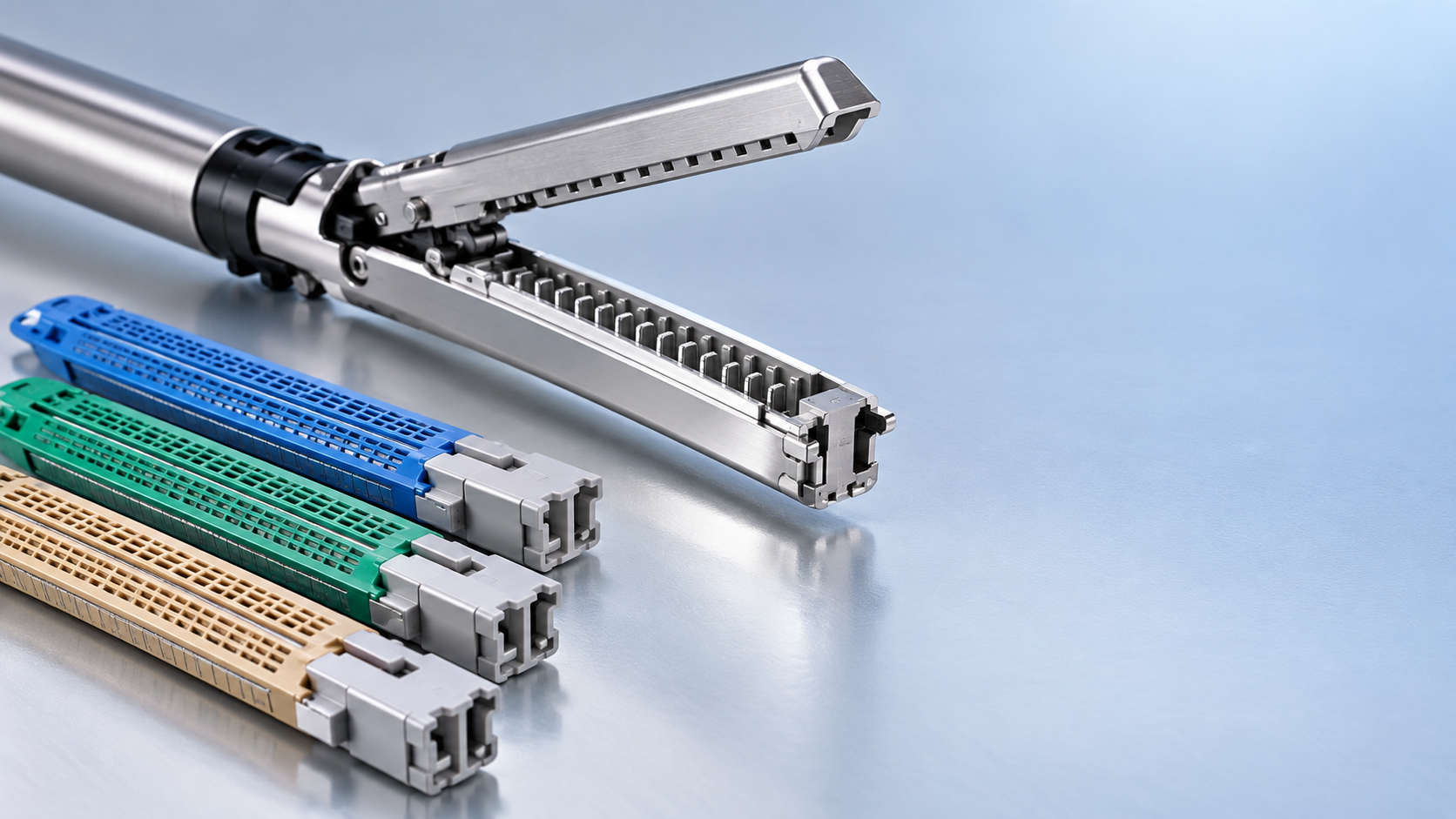
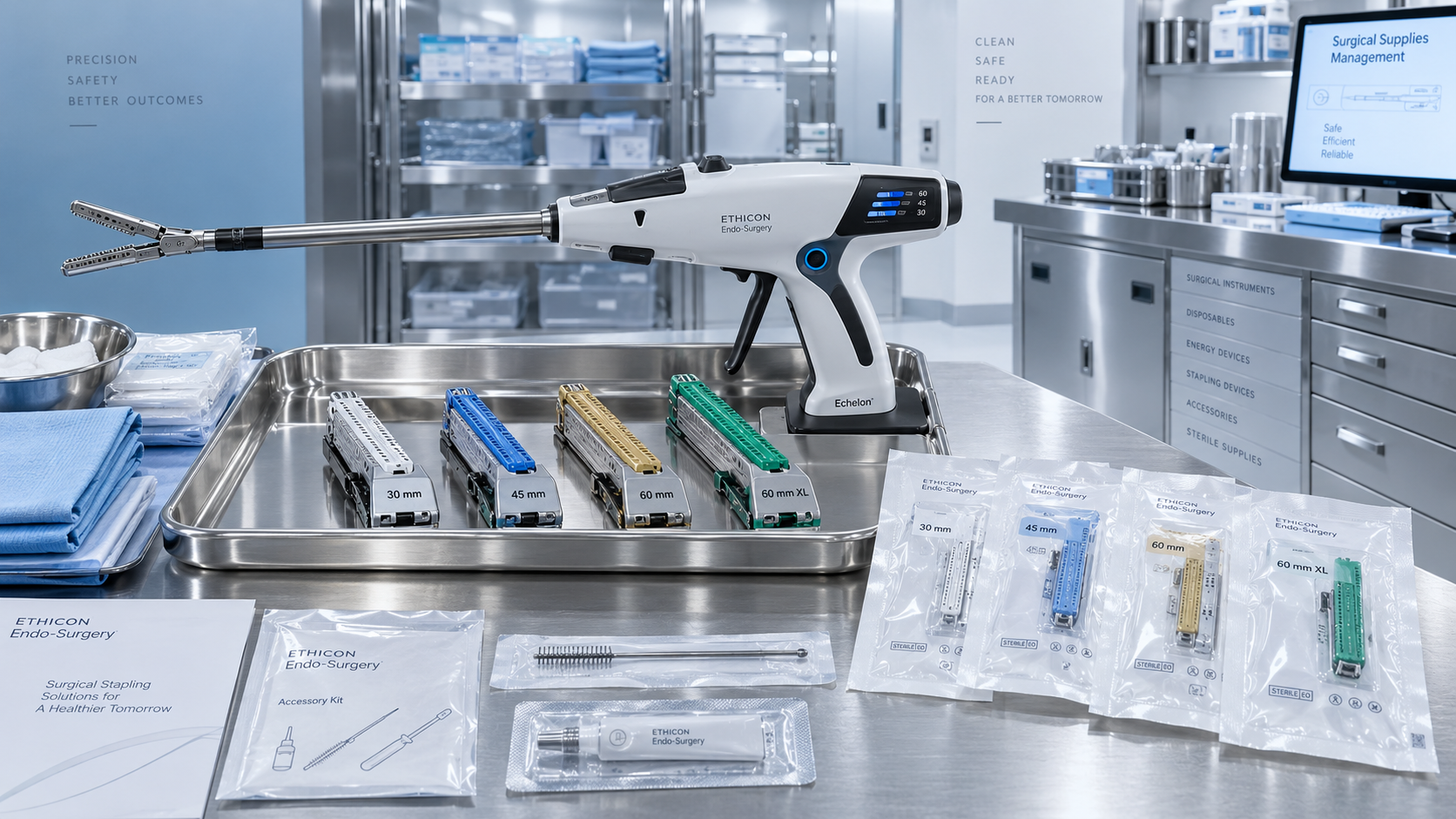
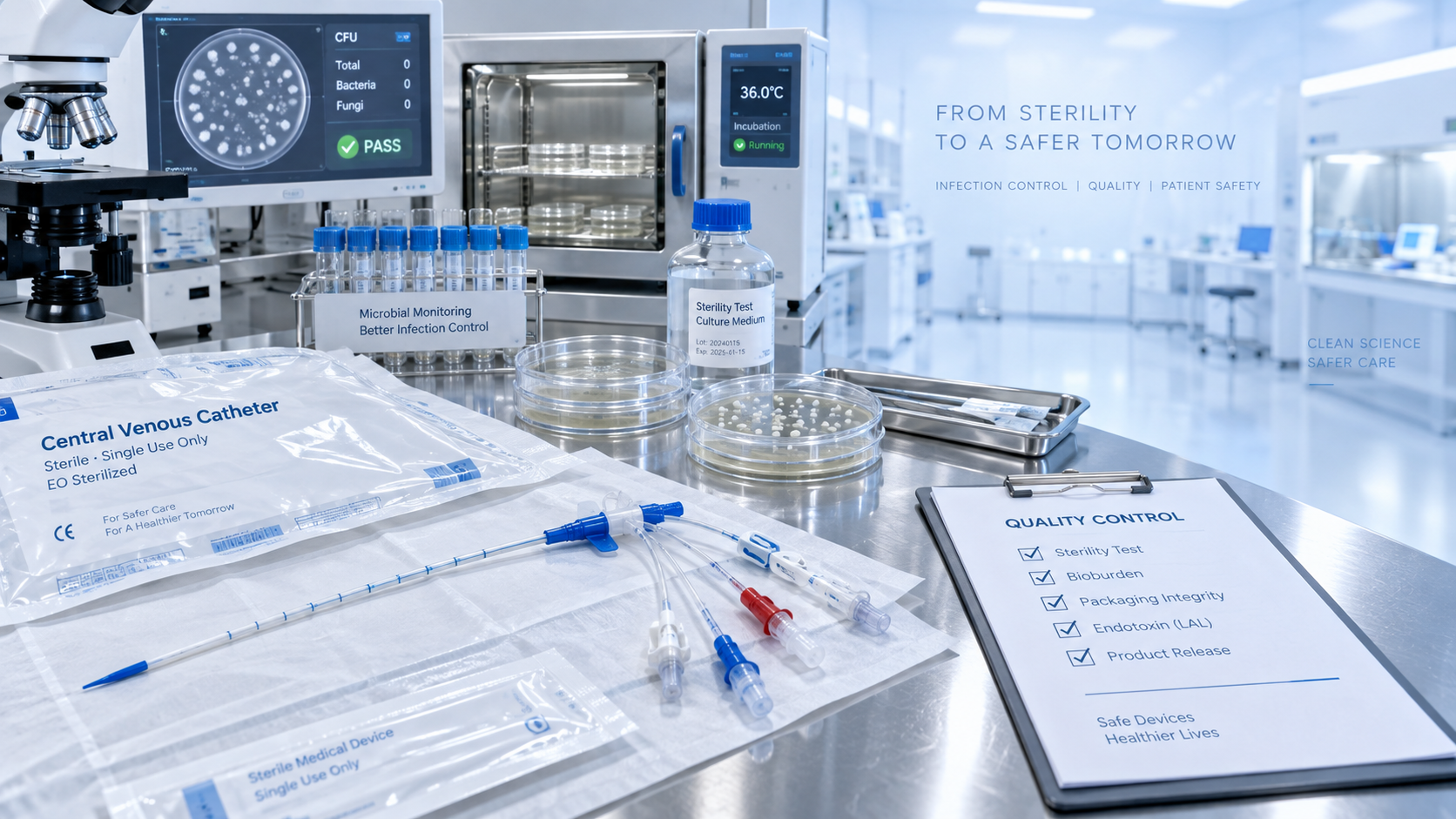
They appear in orthopedic implants, vascular devices, surgical staples, catheters, tissue scaffolds, and wound management systems.
Selection matters because the body reacts to surfaces, particles, stiffness, corrosion products, and degradation byproducts over years.
A material may look excellent on paper yet fail under cyclic loading, sterilization stress, or chronic inflammatory exposure.
For implantable biomaterials, the core challenge is balancing intended function with tolerable biological risk and realistic manufacturing limits.
- Biocompatibility must fit contact type, implantation duration, and anatomical site.
- Mechanical behavior must match loading, fatigue exposure, and tissue interaction.
- Processing must preserve dimensions, cleanliness, and repeatability.
- Regulatory evidence must support safety, performance, and clinical benefit.
That is why implantable biomaterials are assessed as systems, not isolated substances.
How do metals, polymers, and ceramics differ in implantable biomaterials?
Each material family solves a different problem. None is universally superior across all implant applications.
Metals: strength, fatigue resistance, and structural reliability
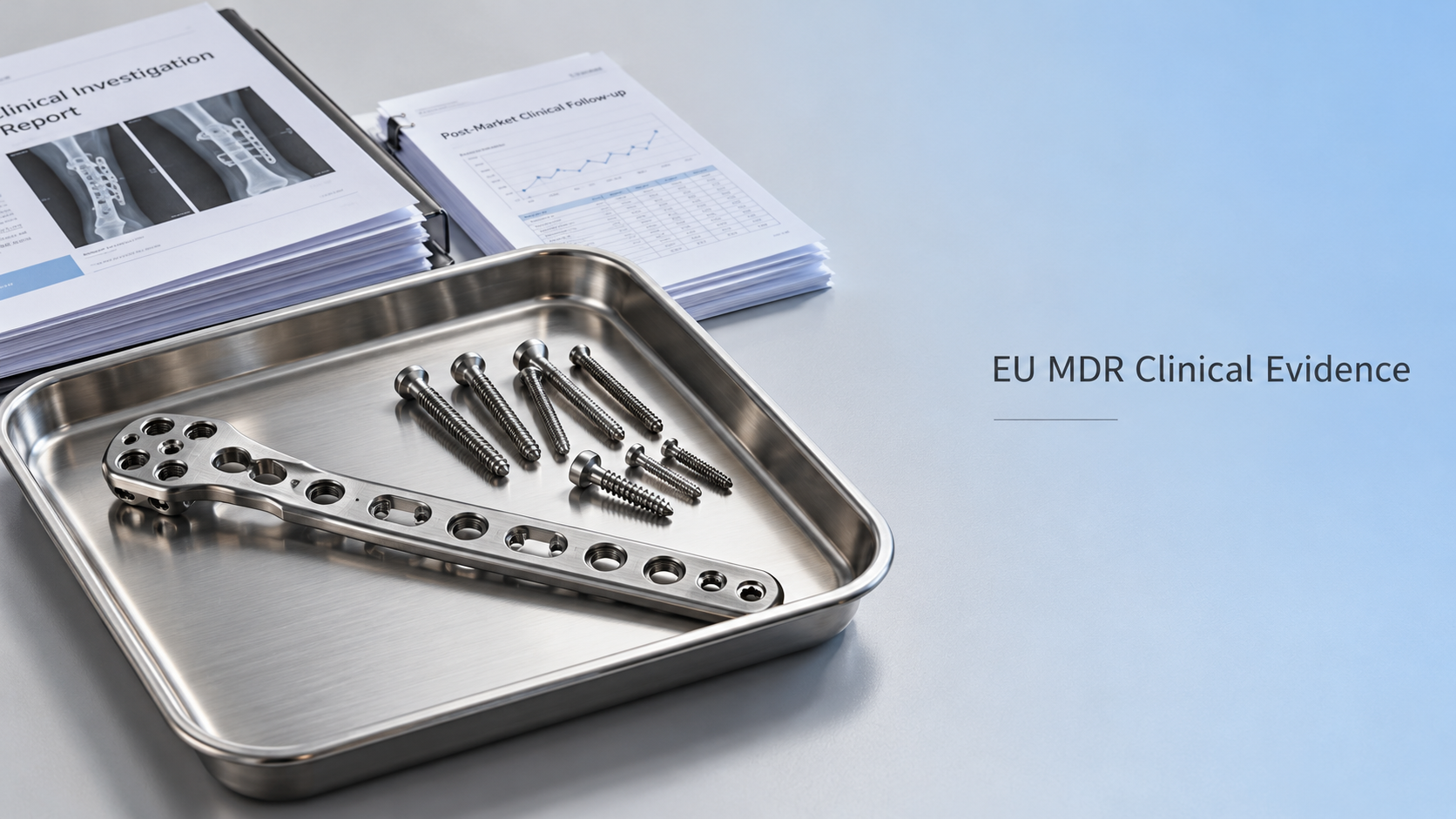
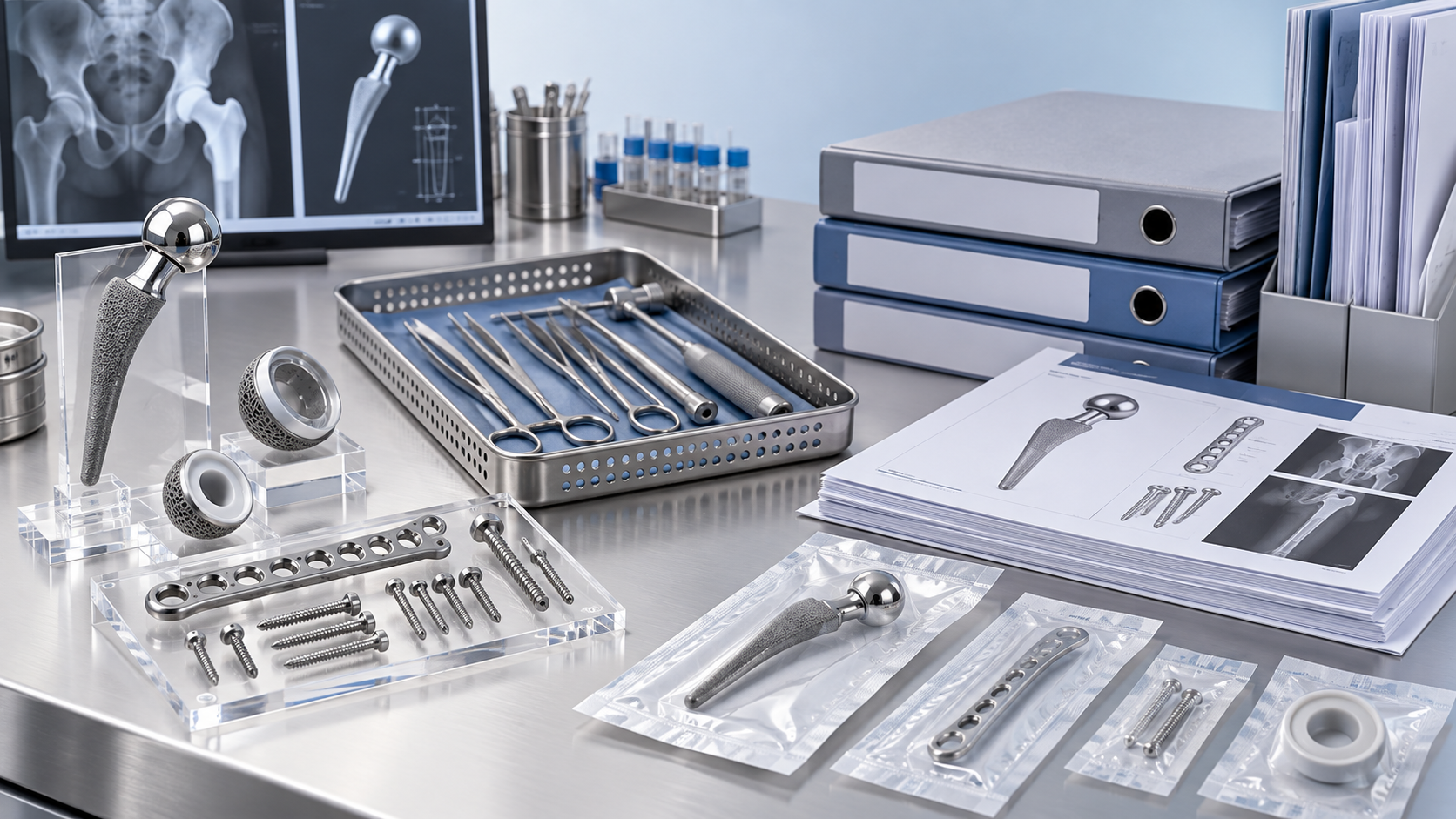
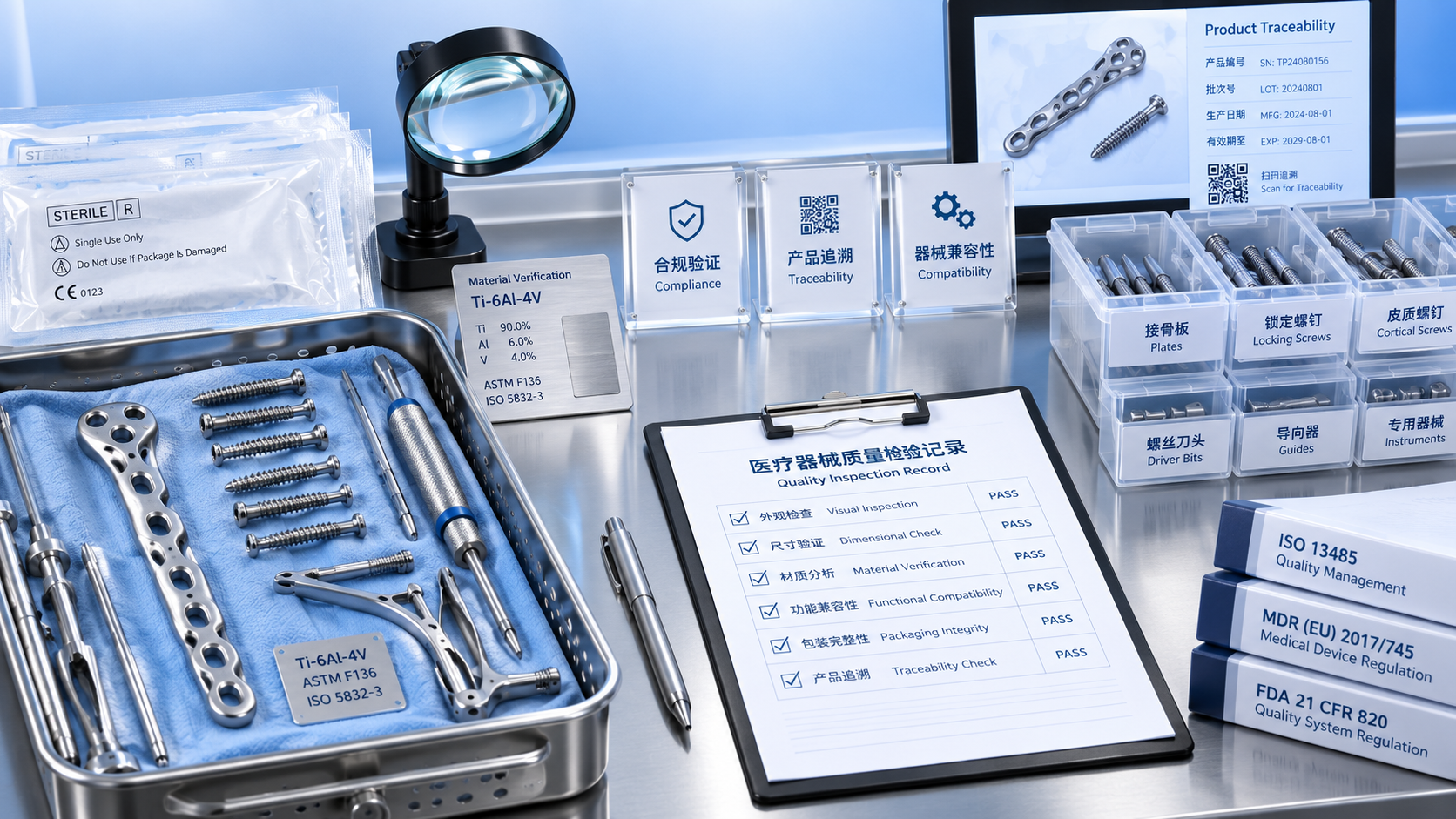
Titanium alloys, cobalt-chromium, nitinol, and stainless steel dominate load-bearing and interventional implantable biomaterials.
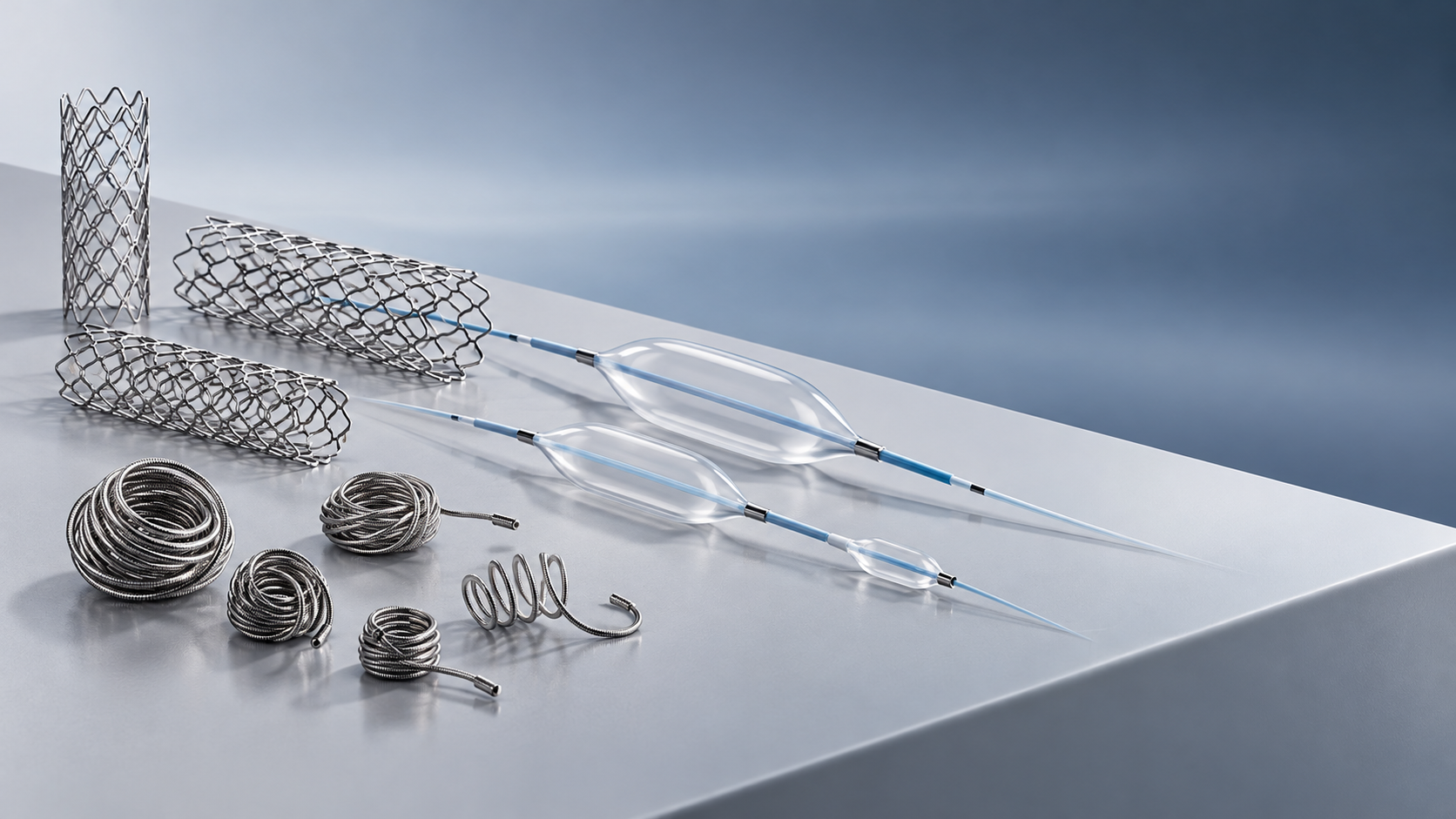
They offer high strength and predictable machining. This makes them suitable for joints, trauma fixation, staples, stents, and valves.
The trade-off is stiffness mismatch, metal ion concerns, wear debris, imaging artifacts, and corrosion sensitivity in harsh environments.
Polymers: flexibility, tunability, and catheter-friendly design
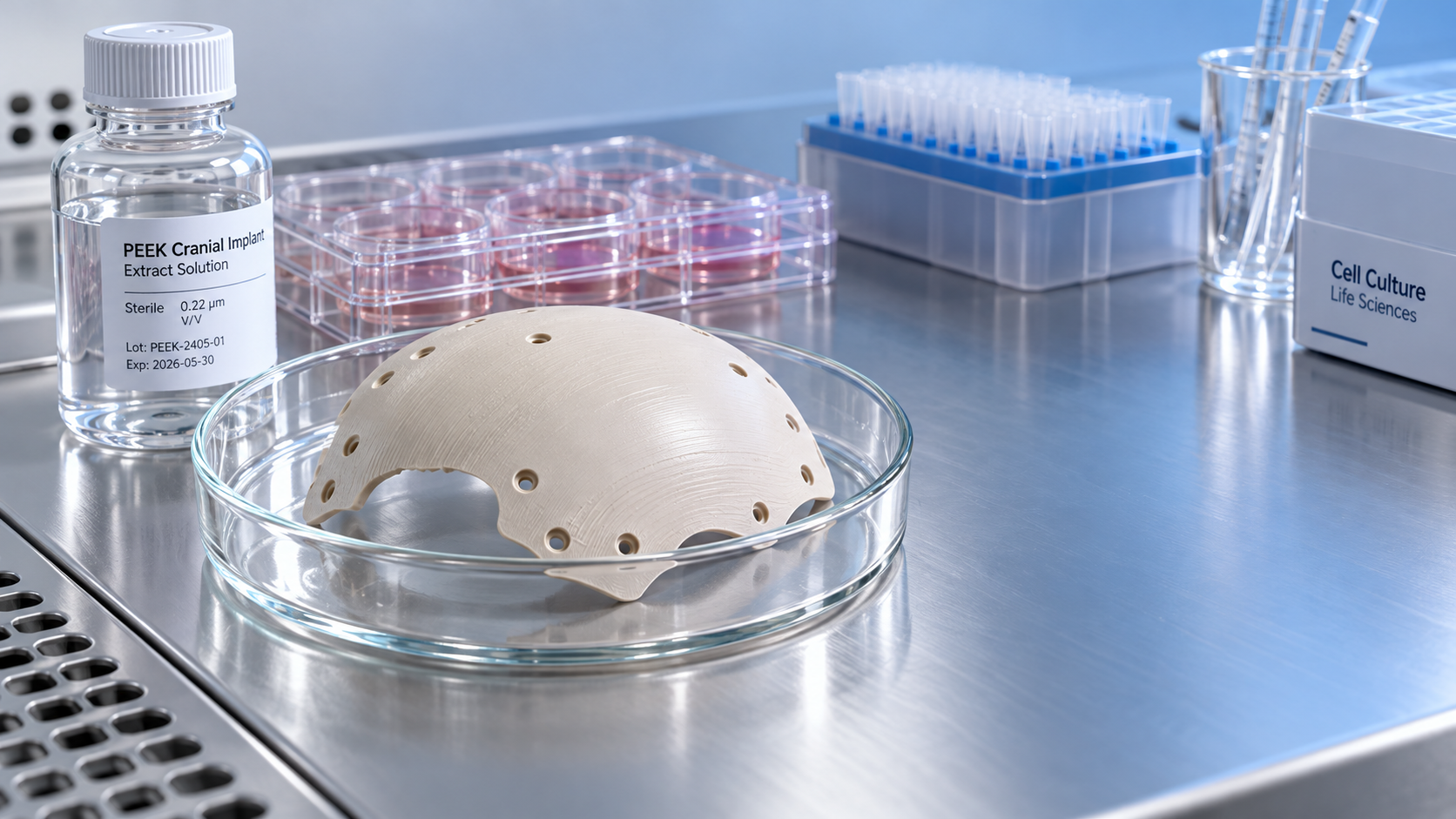
PEEK, PTFE, polyurethane, silicone, and absorbable polymers are versatile implantable biomaterials for softer interfaces.
They can deliver flexibility, low friction, radiolucency, and easier geometry customization.
However, polymers may creep, age, absorb chemicals, or change properties after sterilization and long-term implantation.
Ceramics: hardness, wear resistance, and bioactivity
Alumina, zirconia, and calcium phosphate ceramics serve in articulating surfaces and bone-contacting implantable biomaterials.
They resist wear and can support favorable tissue responses. Some bioactive ceramics help bone integration.
Their limits include brittleness, difficult processing, and fracture risk under impact or design defects.
Composites and hybrids: combining benefits, adding complexity
Advanced implantable biomaterials increasingly combine metal frameworks, polymer bodies, coatings, and porous structures.
These combinations can improve osseointegration, lubricity, or controlled degradation. They also complicate validation and interface stability.
What trade-offs matter most when choosing implantable biomaterials?
Most selection debates center on six linked trade-offs. Ignoring one often creates downstream failure elsewhere.
1. Biocompatibility versus function
A highly inert material may lack elasticity, radiopacity, or fatigue performance. A high-performing material may trigger more extensive testing.
2. Strength versus modulus matching
Very stiff implantable biomaterials can shield surrounding tissue from normal loading. That may impair remodeling or fixation over time.
3. Durability versus degradability
Permanent implants need long fatigue life. Absorbable implantable biomaterials need controlled loss of strength and safe byproducts.
4. Precision manufacturing versus material sensitivity
Some materials machine beautifully but resist additive manufacturing. Others enable porosity but introduce contamination or reproducibility challenges.
5. Sterilization compatibility versus property retention
Ethylene oxide, gamma, e-beam, and steam do not affect all implantable biomaterials equally.
A polymer may discolor or embrittle. A coating may delaminate. Residuals may become a biocompatibility issue.
6. Innovation versus evidence burden
Novel implantable biomaterials may improve outcomes, but they usually demand deeper toxicology, shelf-life, and clinical justification.
How should application scenarios shape implantable biomaterials selection?
Material selection should start from use conditions, not supplier brochures. Anatomy and function define realistic requirements.
Orthopedic implants
These implantable biomaterials need fatigue resistance, wear control, and strong bone integration.
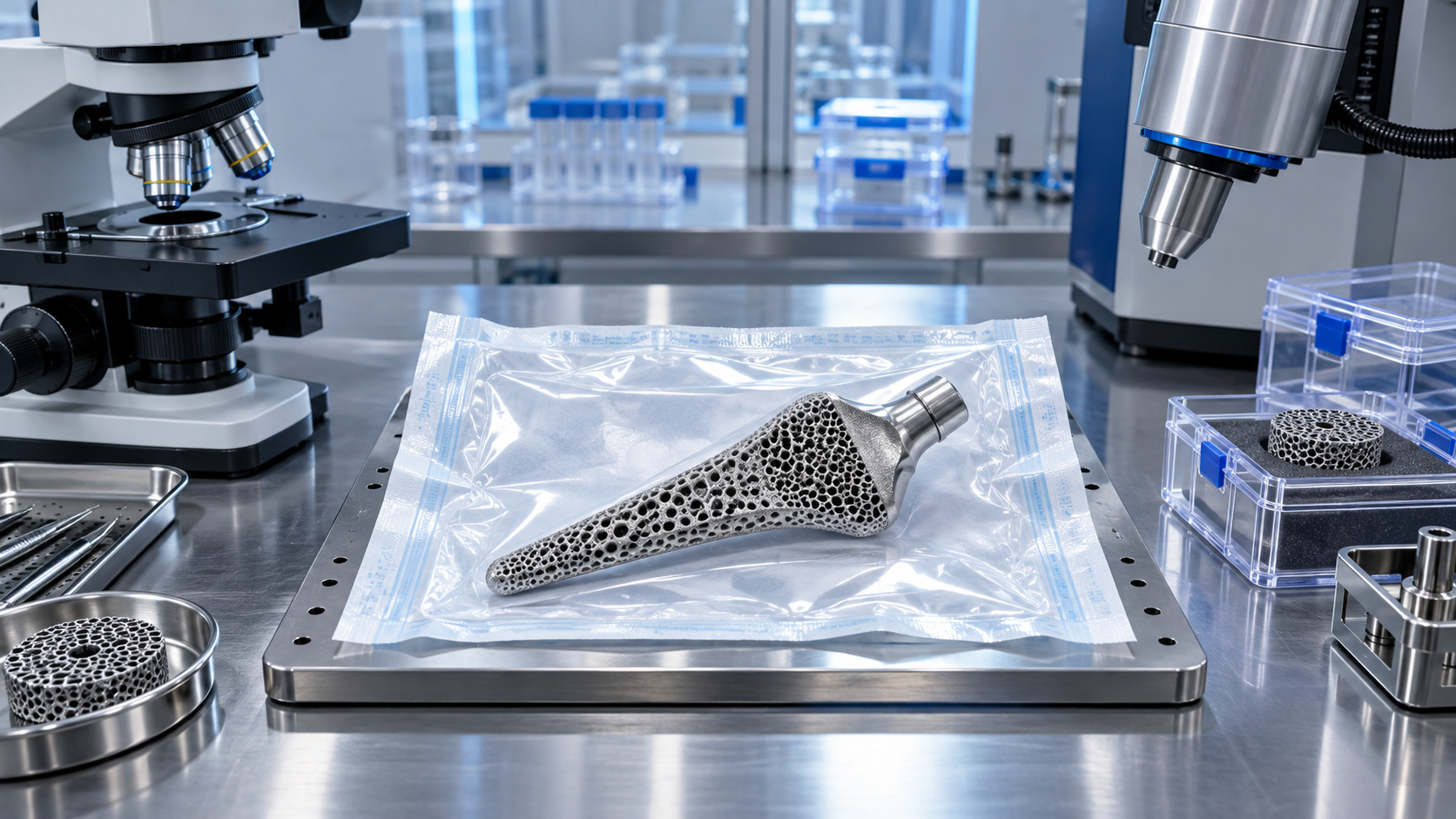
Titanium supports fixation and porous structures. Ceramics reduce wear in articulating interfaces. PEEK may help where radiolucency matters.
Cardiovascular devices
Blood contact changes everything. Implantable biomaterials here must address thrombogenicity, hemocompatibility, flexibility, and deliverability.
Nitinol offers shape memory for stents. Polymers may improve coatings, but delamination and drug-release consistency become critical.
Minimally invasive consumables and catheters
These implantable biomaterials or transient-contact materials prioritize lubricity, kink resistance, bond integrity, and sterilization stability.
Tissue regeneration and wound systems
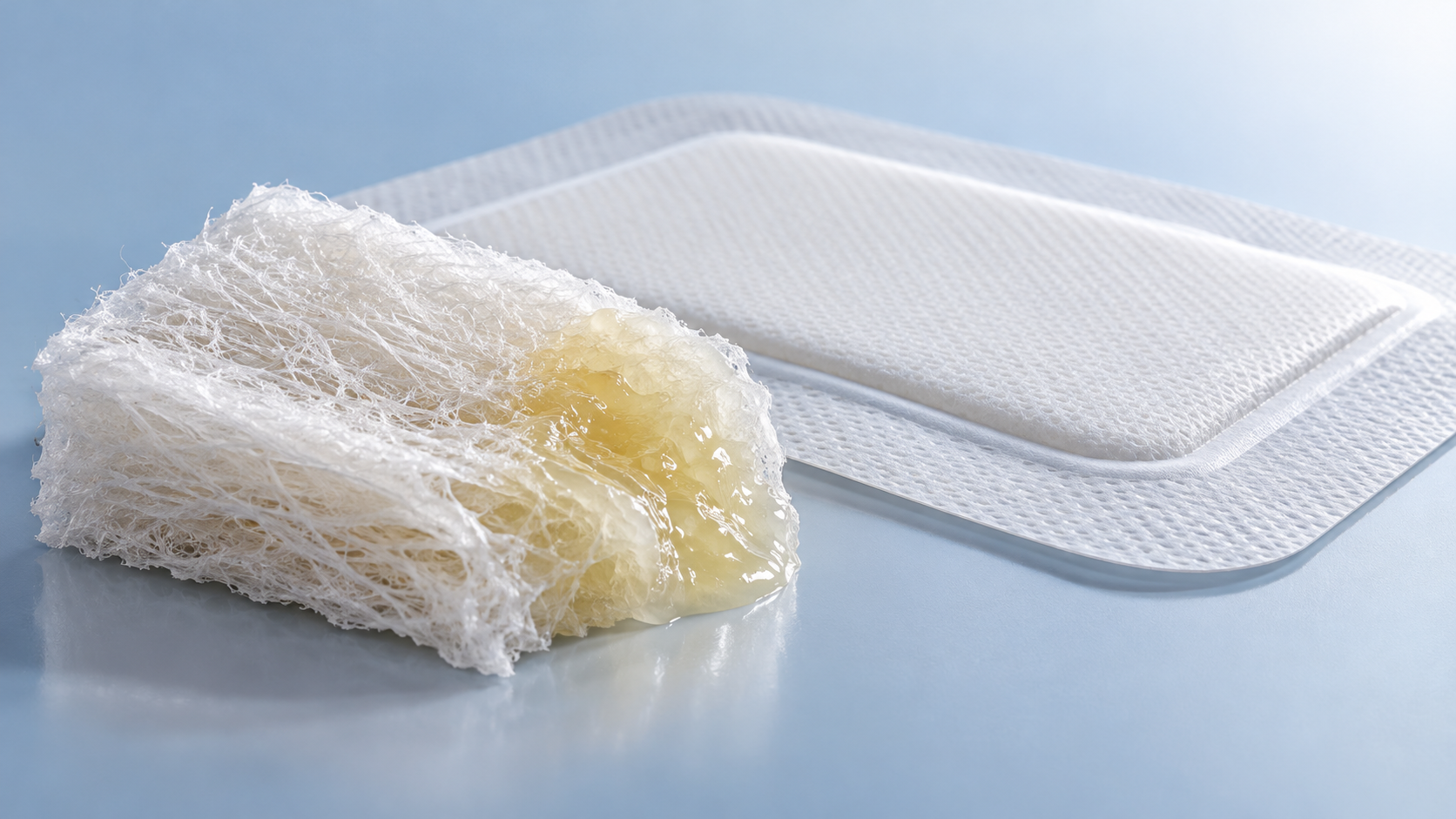
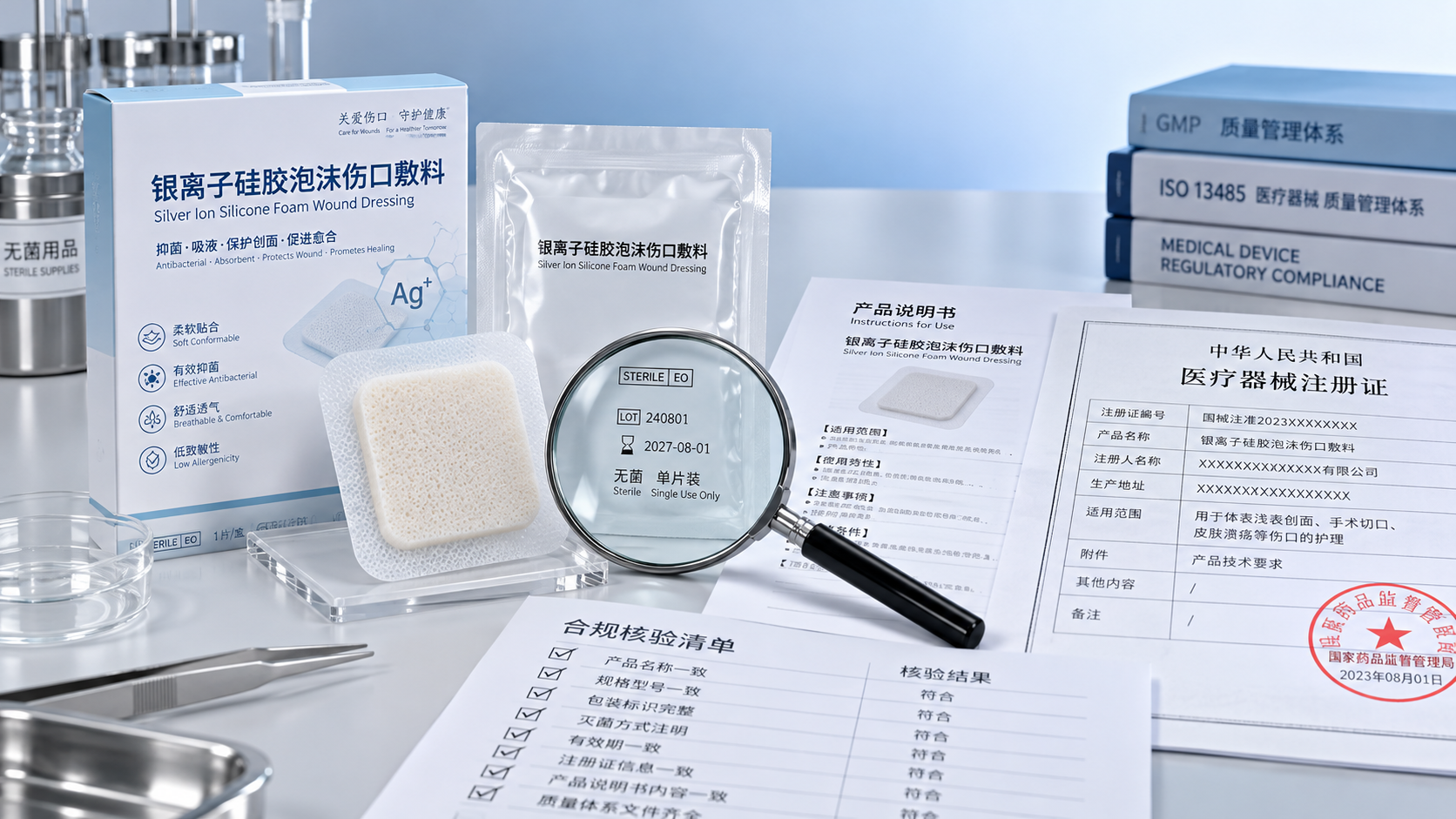
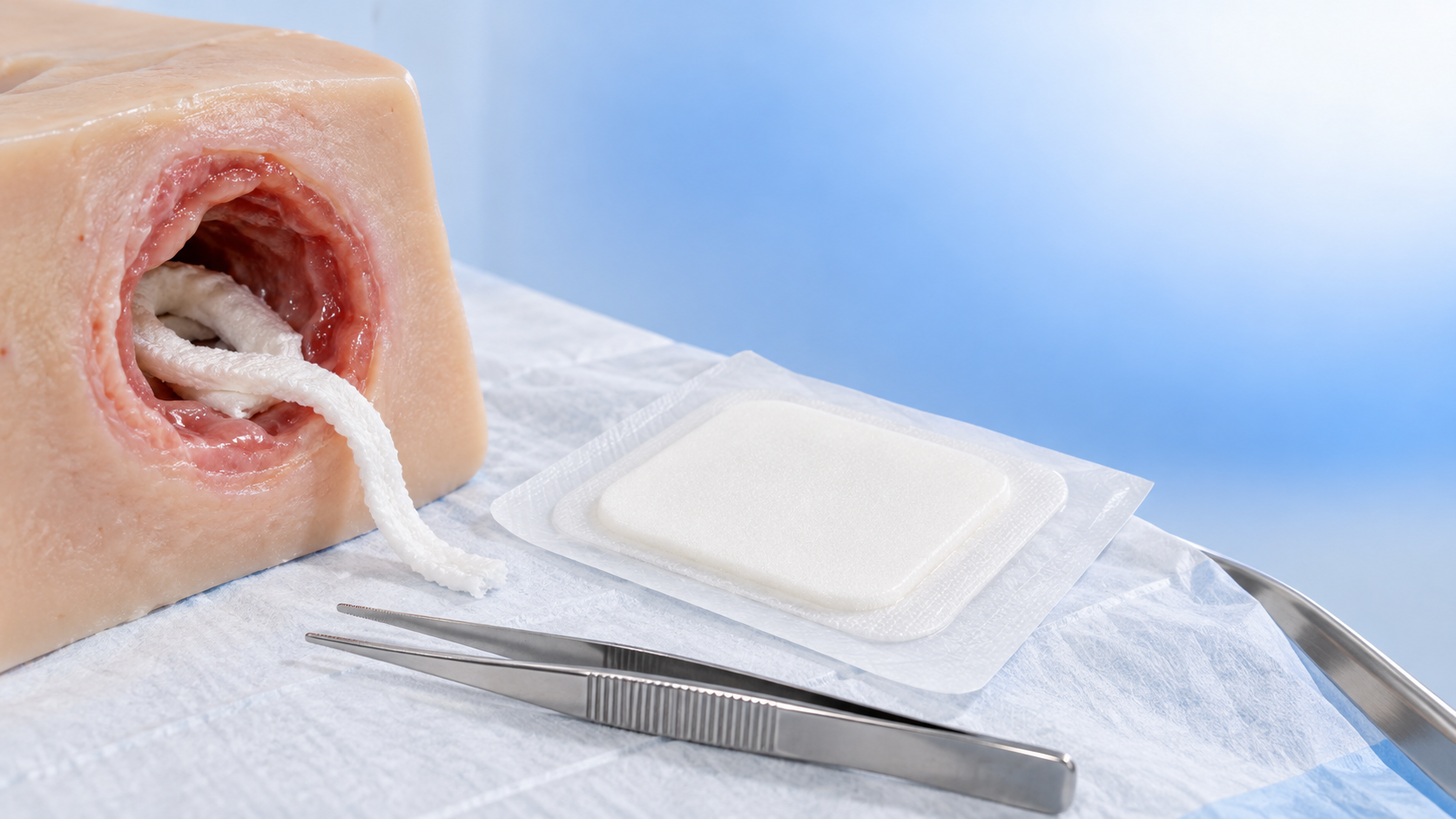
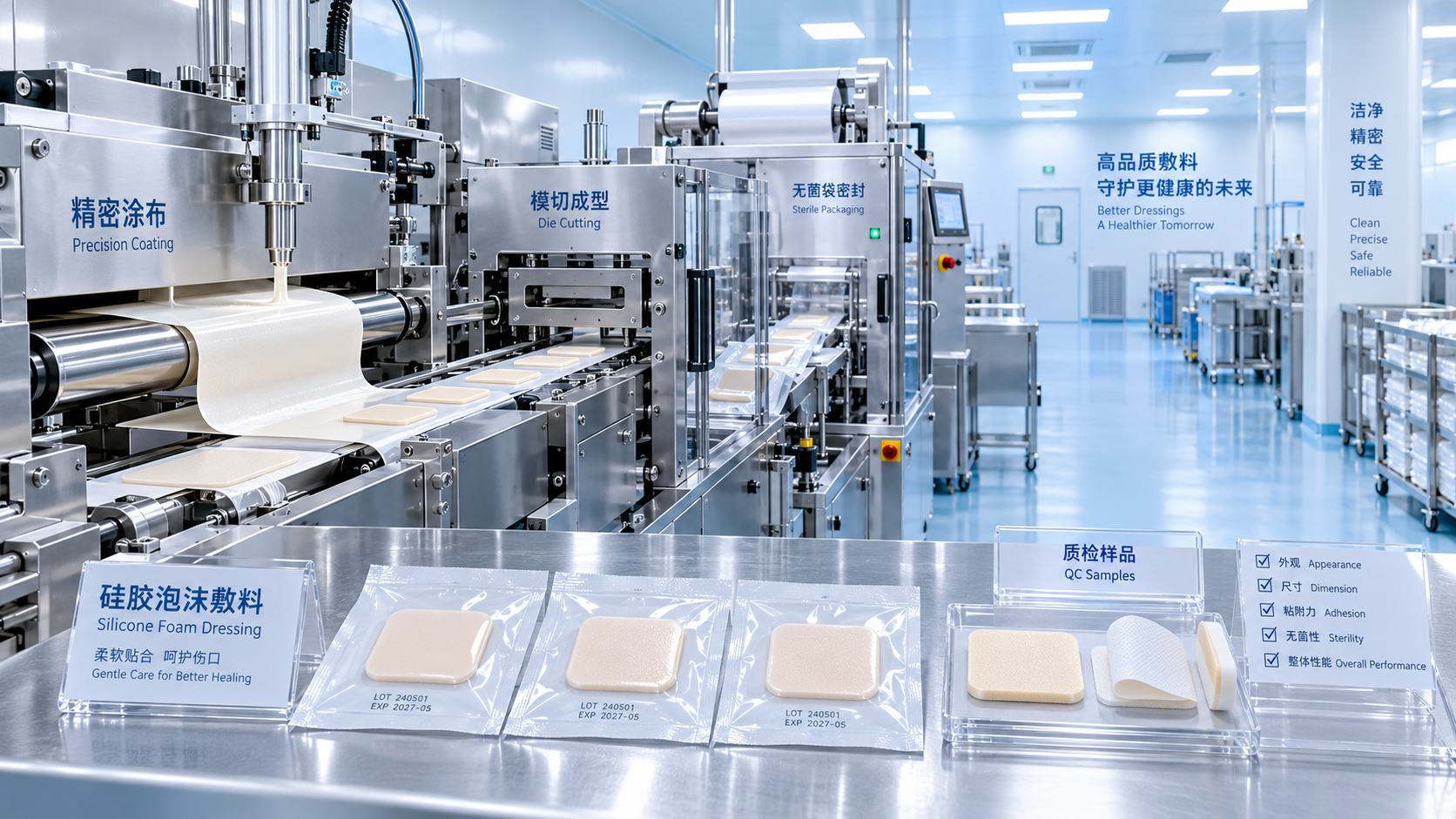
Scaffolds and advanced dressings often use implantable biomaterials that encourage cell attachment, moisture balance, and controlled degradation.
Here, bioactivity may matter more than maximum strength.
What are the biggest risks and common mistakes with implantable biomaterials?
Many failures begin with assumptions carried over from another device category or another anatomical site.
- Assuming prior material use automatically supports a new indication.
- Focusing on tensile strength while overlooking fatigue and wear.
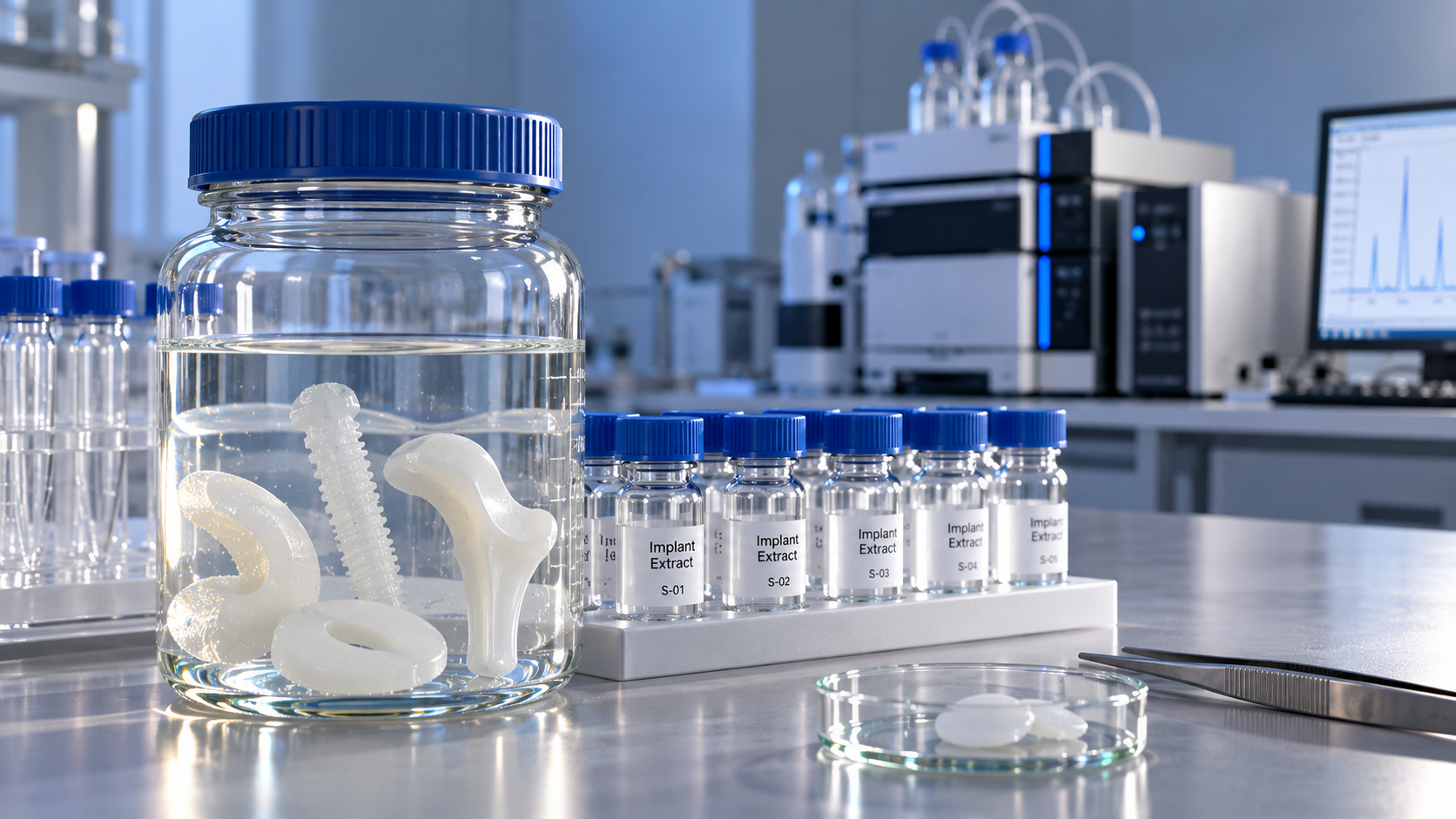
- Ignoring extractables, leachables, and degradation pathways.
- Treating coatings as minor additions instead of risk multipliers.
- Underestimating sterilization effects on polymers and adhesives.
- Choosing innovative implantable biomaterials without a realistic evidence plan.
A good rule is simple. If the material changes the body response, the evidence package must change too.
How can implantable biomaterials be compared in a practical evaluation framework?
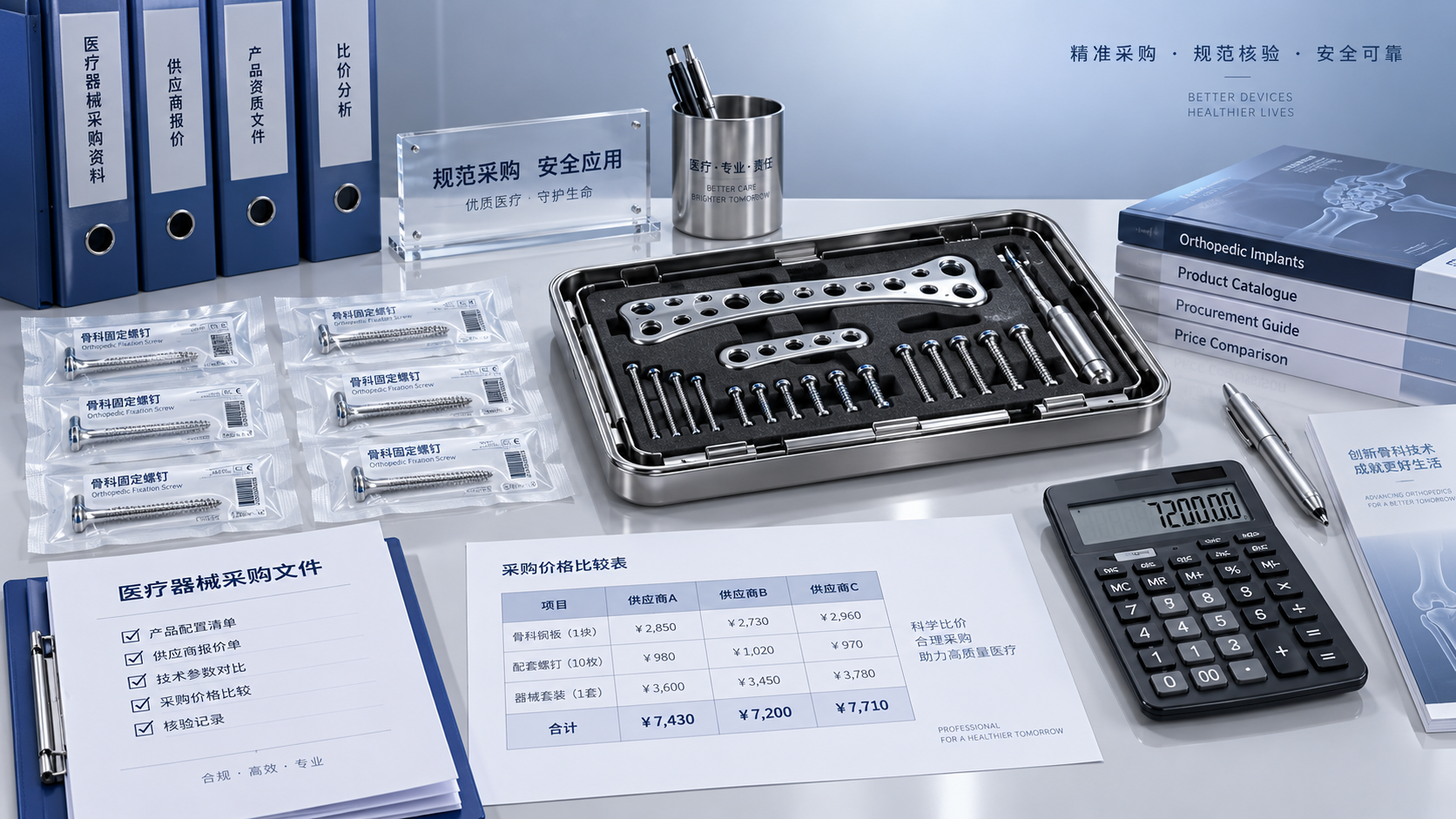
A structured matrix helps compare implantable biomaterials beyond marketing claims and isolated test results.
This framework is especially useful when comparing implantable biomaterials for premium devices under cost pressure and strict regulatory review.
What does a smart next step look like for implantable biomaterials selection?
Start with the clinical function, then map mechanical, biological, and process requirements in parallel.
Screen implantable biomaterials by intended contact, service life, sterilization route, and failure mode before refining geometry.
Then build a staged evidence plan. Include ISO 10993 strategy, fatigue logic, surface characterization, and post-market monitoring assumptions early.
For high-value implants, the winning material is the one that performs in the body, survives manufacturing, and remains defendable under regulatory review.
In short, implantable biomaterials should be selected through trade-off discipline, not material popularity.
A practical evaluation matrix, early risk screening, and evidence-focused development can improve both implant performance and long-term market readiness.
Get weekly intelligence in your inbox.
No noise. No sponsored content. Pure intelligence.
News Recommendations
 Oct 26, 2026Can a single approval cover life science product sales worldwide?Can a single approval cover life science product sales worldwide?
 Oct 25, 2026When is sensitization testing needed for medical device biocompatibility?When is sensitization testing needed for medical device biocompatibility?
 Oct 24, 2026How is biocompatibility tested for implantable polymer biomaterials?How is biocompatibility tested for implantable polymer biomaterials?
 Oct 23, 2026How to build reimbursement into an implant commercialization strategyHow to build reimbursement into an implant commercialization strategy
 Oct 22, 2026What clinical evidence do implants need for CE marking under EU MDR?What clinical evidence do implants need for CE marking under EU MDR?
 Oct 21, 2026How to choose disposable laparoscopic stapler reloads for thick tissueHow to choose disposable laparoscopic stapler reloads for thick tissue
 Oct 20, 2026How to assess medical polymer biocompatibility under ISO 10993How to assess medical polymer biocompatibility under ISO 10993
 Oct 19, 2026How do interventional device categories differ in clinical use?How do interventional device categories differ in clinical use?
 Oct 18, 2026When to choose alginate dressings for heavily exuding chronic woundsWhen to choose alginate dressings for heavily exuding chronic wounds
 Oct 17, 2026How is biocompatibility tested for custom medical-grade PEEK implants?How is biocompatibility tested for custom medical-grade PEEK implants?
 Oct 16, 2026How to check a wound healing materials supplier’s biocompatibility dataHow to check a wound healing materials supplier’s biocompatibility data
 Oct 15, 2026How to verify the FDA clearance status of silver wound dressingsHow to verify the FDA clearance status of silver wound dressings
 Oct 14, 2026How to register orthopedic implants and instruments in Latin AmericaHow to register orthopedic implants and instruments in Latin America
 Oct 13, 2026How to use a device market intelligence database to benchmark VBP pricesHow to use a device market intelligence database to benchmark VBP prices
 Oct 12, 2026When should stainless steel orthopedic instruments be replaced?When should stainless steel orthopedic instruments be replaced?
 Oct 11, 2026When are alginate dressings rope the right choice for cavity wounds?When are alginate dressings rope the right choice for cavity wounds?
 Oct 10, 2026When smart minimally invasive technology improves catheter accessWhen smart minimally invasive technology improves catheter access
 Oct 08, 2026Clinical evaluation requirements for cardiovascular implant devices in EuropeClinical evaluation requirements for cardiovascular implant devices in Europe
 Oct 07, 2026What to verify before appointing an artificial joint implants distributorWhat to verify before appointing an artificial joint implants distributor
 Oct 06, 2026How ISO 10993 guides biocompatibility testing for medical materialsHow ISO 10993 guides biocompatibility testing for medical materials
 Oct 05, 2026How to verify an orthopedic implants and instruments exporterHow to verify an orthopedic implants and instruments exporter
 Oct 04, 2026What drives surgical stapling devices price differences in hospital tenders?What drives surgical stapling devices price differences in hospital tenders?
 Oct 03, 2026How to assess a central venous catheter manufacturer's infection-control evidenceHow to assess a central venous catheter manufacturer's infection-control evidence
 Oct 02, 2026How to assess an advanced wound care factory’s quality systemHow to assess an advanced wound care factory’s quality system
 Oct 01, 2026What is driving global medical consumables demand in emerging markets?What is driving global medical consumables demand in emerging markets?
 Sep 30, 2026Implant Material Compliance Testing: Evidence Needed for Regulatory SubmissionImplant Material Compliance Testing: Evidence Needed for Regulatory Submission
 Sep 30, 2026From Corrosion to Fatigue: What Implant Materials Testing Should MeasureFrom Corrosion to Fatigue: What Implant Materials Testing Should Measure