Biodegradable Implants: When Resorption Becomes a Risk
Biodegradable implants promise less invasive healing and fewer secondary removal procedures, but resorption is not always a benign endpoint. For quality control and safety managers, the real challenge lies in identifying when degradation kinetics, byproducts, mechanical loss, or patient-specific factors turn a clinical advantage into a regulatory and postoperative risk. This article examines where biodegradable implants can fail expectations—and how risk-based evaluation can prevent that outcome.
Why do biodegradable implants become risky in real-world quality management?
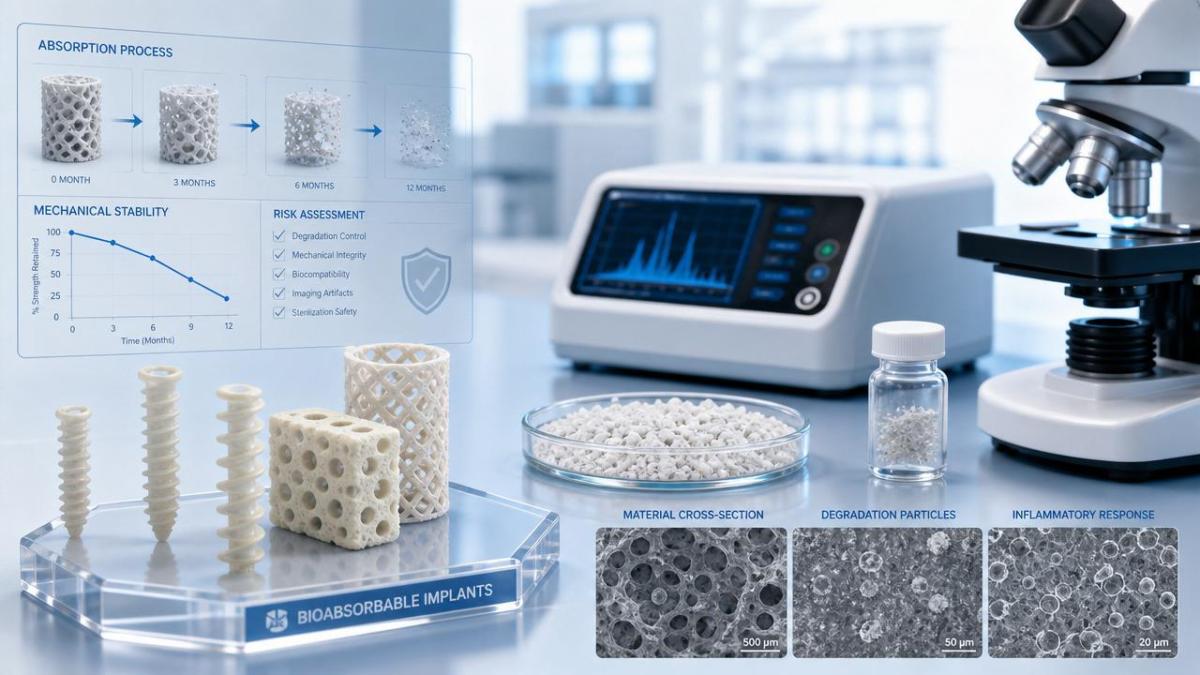
In theory, biodegradable implants solve a familiar problem: an implant supports tissue healing, then gradually disappears as the body recovers. In practice, that timeline is rarely simple. Resorption can begin too early, proceed too slowly, trigger inflammatory reactions, or leave a mechanical gap before the tissue regains strength.
For quality and safety teams, the core issue is not whether a material degrades. The issue is whether degradation remains predictable across batches, sterilization methods, anatomical sites, and patient conditions. In orthopedic fixation, cardiovascular support, tissue regeneration scaffolds, and absorbable closure systems, small variation in material behavior can produce large clinical consequences.
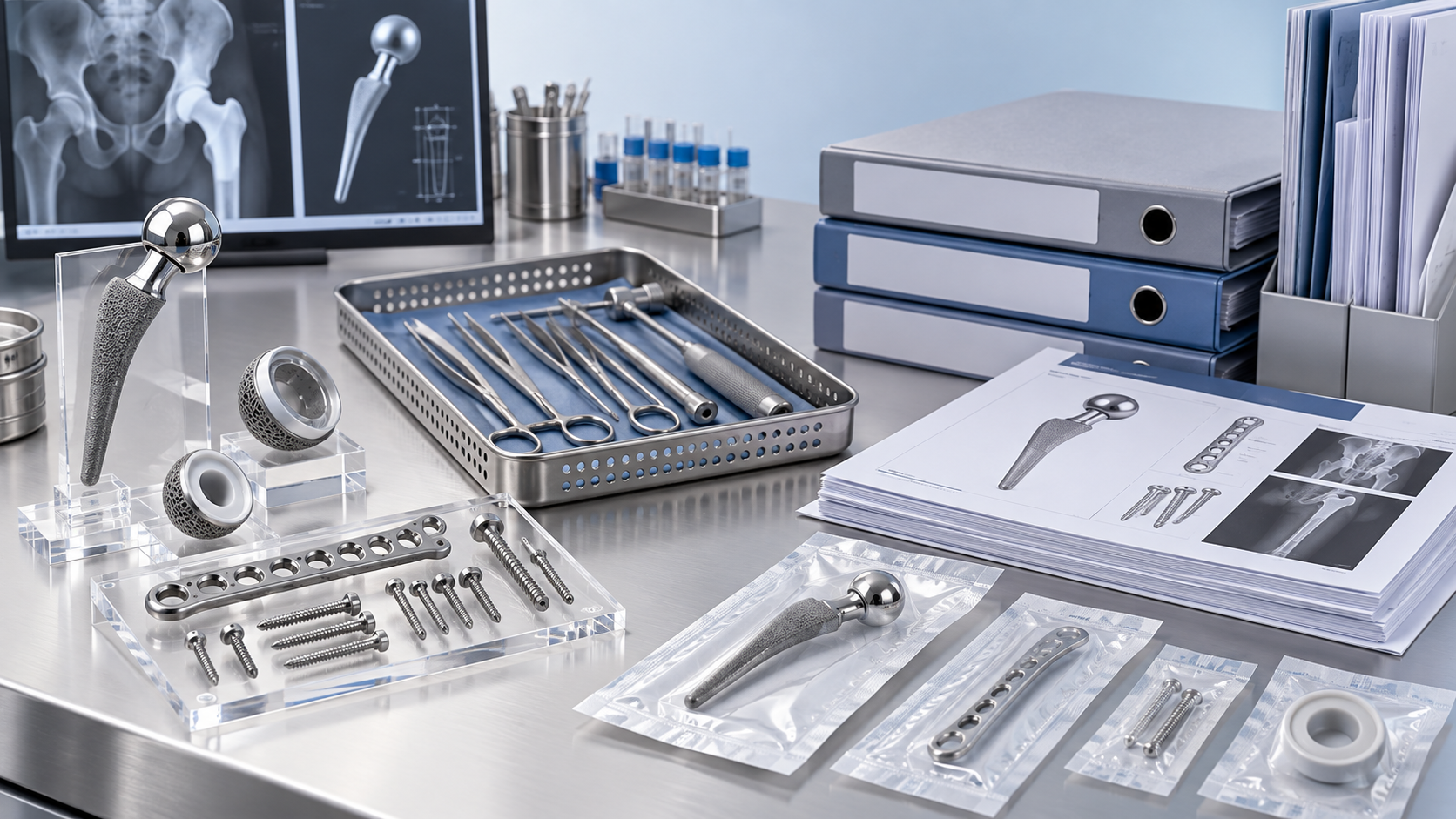
This is especially relevant across the IMCS focus areas. In orthopedic implants, premature loss of fixation may disrupt bone union. In cardiovascular applications, fragment generation or inflammatory response can compromise vessel healing. In minimally invasive surgery and advanced wound care, degradation byproducts can alter local pH, moisture balance, or tissue response.
- Mechanical support may decline before the target tissue reaches sufficient functional recovery.
- Degradation byproducts may accumulate faster than local tissue can buffer or clear them.
- Manufacturing variability, porosity, molecular weight, and geometry may alter resorption kinetics.
- Clinical performance may differ sharply between healthy patients and those with diabetes, vascular disease, or impaired bone remodeling.
That is why biodegradable implants should be evaluated as dynamic systems rather than static devices. Material science, machining precision, packaging integrity, sterilization compatibility, and post-market surveillance all influence the safety profile.
What failure modes should safety managers monitor first?
When biodegradable implants underperform, the failure is often not dramatic at the start. It may appear as delayed healing, unexplained local swelling, imaging ambiguity, unstable fixation, or inconsistent in vitro and in vivo correlation. Early recognition depends on a structured failure-mode perspective.
Mechanical failure before biological recovery
Absorbable screws, pins, anchors, and scaffolds must retain strength long enough for the target tissue to bridge, integrate, or remodel. If molecular weight drops too quickly or water uptake accelerates hydrolysis, the implant may lose structural function while radiographic healing still looks incomplete.
Inflammation linked to degradation byproducts
Common biodegradable polymer systems may generate acidic byproducts during breakdown. In low-perfusion environments or enclosed anatomical spaces, local pH shift may intensify inflammation, pain, osteolysis, or fibrous encapsulation. The hazard is not universal, but it must be screened carefully.
Fragmentation, debris, and inconsistent resorption
Not all implants degrade uniformly. Geometry, crystallinity, and stress concentration can create partial fragmentation. Debris may trigger macrophage activity, image interpretation challenges, or migration concerns in small lumens or soft-tissue interfaces.
Process-induced variability
Injection molding, extrusion, additive manufacturing, annealing, and sterilization each affect polymer chain integrity. Ethylene oxide, gamma, e-beam, and packaging shelf conditions can shift degradation behavior. A device that passes bench testing in development may still drift in stability after commercial scale-up.
The table below summarizes the most practical risk signals for biodegradable implants from a quality-control perspective.
For procurement and release decisions, this table helps shift the discussion from “absorbable or not” to “predictable across the intended use cycle or not.” That distinction is where many safety failures begin.
Which application scenarios are most sensitive to resorption risk?
Not all biodegradable implants carry the same risk profile. The danger rises when structural demand is high, tissue healing is slow, perfusion is poor, or revision access is difficult. Safety managers should prioritize these contexts during supplier evaluation and design review.
Orthopedic fixation and sports medicine
Bone screws, interference screws, pins, and anchors often appear ideal for resorbable design. Yet load transfer, patient activity level, and remodeling rate vary widely. A polymer system suitable for small non-load-bearing fixation may not be suitable for sites exposed to repetitive mechanical stress.
Tissue regeneration scaffolds
Scaffolds used in bone repair, membrane regeneration, or soft-tissue engineering must balance porosity, cell compatibility, and controlled loss of mass. Faster degradation may create space before tissue fills it. Slower degradation may interfere with remodeling or provoke prolonged foreign-body response.
Cardiovascular and microchannel-related applications
In vascular contexts, any uncertainty around thrombogenicity, endothelial healing, particulate release, or lumen integrity demands a cautious evidence standard. Here, even small resorption irregularities can have outsized safety impact.
- High-load sites require longer strength retention and tighter fatigue assessment.
- Poorly perfused tissues require stronger scrutiny of local byproduct accumulation.
- Small-diameter or flow-critical applications require deeper analysis of debris and surface response.
- Patients with metabolic or inflammatory comorbidities may need more conservative acceptance criteria.
How should biodegradable implants be compared during sourcing and technical review?
For quality teams, comparison should go beyond headline material names such as PLA, PGA, PLGA, magnesium-based systems, or composite bioresorbables. The more useful approach is to compare functional risk dimensions that affect release, compliance, and clinical predictability.
The comparison table below can support supplier qualification, technical file review, and cross-functional discussions between R&D, regulatory, procurement, and clinical affairs.
This comparison method is more reliable than selecting biodegradable implants by cost or marketing claims alone. It aligns better with Class III device thinking, where dynamic safety evidence carries greater weight than brochure-level performance summaries.
What standards and compliance evidence should not be overlooked?
For safety managers, compliance review of biodegradable implants should connect material degradation, biological safety, mechanical integrity, and clinical relevance. A fragmented file can look complete on paper while leaving key risk links unresolved.
Biocompatibility is necessary, but not sufficient
ISO 10993 planning remains essential, especially where degradation products create exposure profiles that differ from stable implants. Cytotoxicity, sensitization, irritation, systemic toxicity, implantation, and chemical characterization may all be relevant depending on contact duration and anatomy.
Mechanical testing must reflect time dependence
Static strength alone does not answer the central question. Teams should examine retention curves, fatigue performance, environmental conditioning, and clinically meaningful endpoints over time. A biodegradable implant can pass initial strength criteria and still fail the treatment objective.
Clinical evaluation must address degradation uncertainty
Under stricter regulatory frameworks, clinical evaluation for absorbable systems should discuss patient selection, event timing, follow-up duration, imaging interpretation, and adverse event attribution. Resorption-related complications may surface later than acute procedural events.
- Check whether degradation studies align with the final sterilized and packaged product.
- Confirm that biological evaluation considers degradation products, not only the starting material.
- Review whether clinical evidence matches the intended anatomical indication and follow-up duration.
- Ensure post-market plans can detect delayed inflammatory or mechanical events.
This is where IMCS offers strategic value. By integrating toxicology validation, clinical logic, and regulatory intelligence across implant categories, IMCS helps teams connect test data with real compliance decisions rather than treating each document as an isolated checkbox.
How can procurement teams reduce risk before supplier selection?
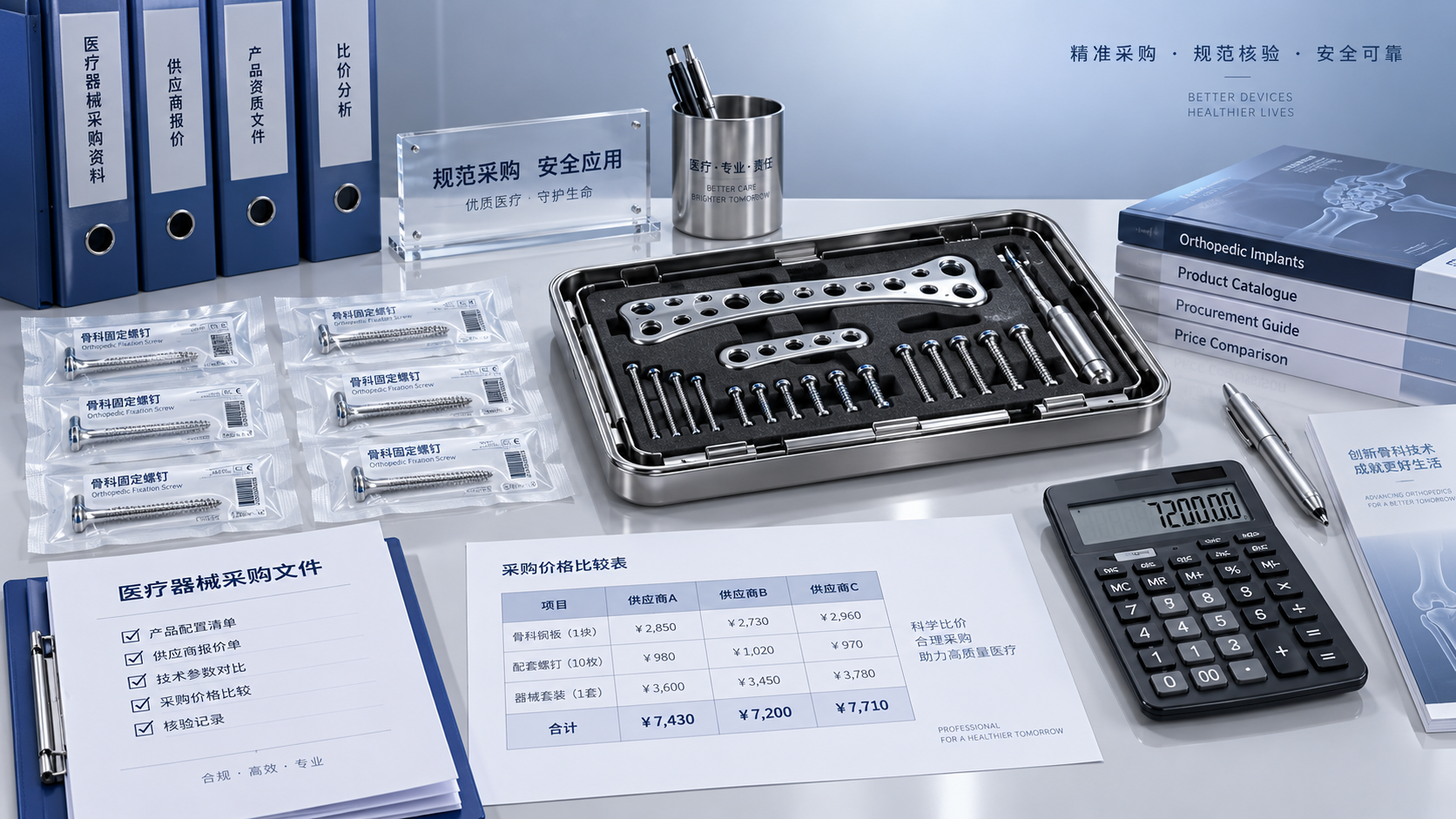
In many organizations, procurement receives pressure from pricing, delivery, and volume targets, especially under cost-control policies and competitive tender environments. Yet biodegradable implants should not be treated like standard commodity consumables. The hidden cost of rework, complaint handling, and clinical escalation can exceed the upfront savings.
A practical supplier screening process should include technical and safety gates before commercial negotiation reaches the final stage.
- Define the healing timeline and load case of the intended application before requesting samples.
- Request evidence on strength retention, degradation profile, sterilization compatibility, and shelf stability.
- Review whether the supplier can explain lot-to-lot control of molecular weight, porosity, and processing conditions.
- Check whether clinical and biological evidence reflects the final marketed configuration.
- Assess responsiveness on change notification, deviation handling, and complaint investigation.
For organizations dealing with orthopedic implants, cardiovascular devices, surgical consumables, polymer catheters, and regenerative materials, this disciplined approach prevents biodegradable implants from becoming an uncontrolled exception in the portfolio.
Common misconceptions about biodegradable implants
“If it is absorbable, removal risk disappears.”
Removal surgery may be reduced, but risk does not disappear. It shifts toward degradation timing, byproduct response, and incomplete functional support.
“Biocompatible raw material guarantees safe clinical resorption.”
Not necessarily. Final device geometry, sterilization, additives, residuals, and local tissue conditions can alter the biological outcome significantly.
“Bench degradation data always predicts in vivo behavior.”
Bench data is useful, but body temperature, fluid exchange, loading, enzymes, and inflammation may change the resorption pattern. Correlation should be justified, not assumed.
FAQ: what do quality and safety teams ask most about biodegradable implants?
How do we judge whether a biodegradable implant degrades too quickly?
Compare strength retention against the real healing window of the target tissue, not only against total mass-loss timing. Early molecular or mechanical decline can be more important than complete resorption time.
What should we ask suppliers beyond standard certificates?
Ask for degradation chemistry, retention data after sterilization, aging results in final packaging, lot-control parameters, and evidence that clinical evaluation reflects the commercial device rather than a development prototype.
Are biodegradable implants always better for minimally invasive procedures?
Not always. They can reduce removal procedures, but they may introduce different risks in confined spaces, high-motion sites, or cases where postoperative monitoring of degradation-related events is limited.
What is the biggest hidden risk during commercialization?
Process drift. A biodegradable implant may perform well in development, then change subtly after scale-up, sterilization optimization, supplier change, or shelf-life extension. Strong change control is critical.
Why choose IMCS for biodegradable implant risk evaluation?
Biodegradable implants sit at the intersection of materials science, clinical timing, and high-risk device regulation. IMCS helps quality and safety teams evaluate that intersection with more precision. Our perspective spans orthopedic replacement implants, cardiovascular interventional devices, minimally invasive surgical consumables, medical polymer systems, and advanced tissue-regeneration materials.
If you are reviewing a biodegradable implant program, IMCS can support discussions around parameter confirmation, material and product selection, degradation-risk interpretation, applicable certification pathways, delivery-cycle planning, sample evaluation priorities, and quotation-stage technical comparison. This is particularly useful when internal teams must balance safety evidence, tender pressure, and commercialization timelines.
Contact IMCS when you need practical support on supplier screening, compliance document review, test-path planning, indication-specific risk mapping, or portfolio decisions across implants and medical consumables. In biodegradable systems, better decisions come from better stitched intelligence before risk reaches the patient.
Get weekly intelligence in your inbox.
No noise. No sponsored content. Pure intelligence.
News Recommendations
 Oct 26, 2026Can a single approval cover life science product sales worldwide?Can a single approval cover life science product sales worldwide?
 Oct 25, 2026When is sensitization testing needed for medical device biocompatibility?When is sensitization testing needed for medical device biocompatibility?
 Oct 24, 2026How is biocompatibility tested for implantable polymer biomaterials?How is biocompatibility tested for implantable polymer biomaterials?
 Oct 23, 2026How to build reimbursement into an implant commercialization strategyHow to build reimbursement into an implant commercialization strategy
 Oct 22, 2026What clinical evidence do implants need for CE marking under EU MDR?What clinical evidence do implants need for CE marking under EU MDR?
 Oct 21, 2026How to choose disposable laparoscopic stapler reloads for thick tissueHow to choose disposable laparoscopic stapler reloads for thick tissue
 Oct 20, 2026How to assess medical polymer biocompatibility under ISO 10993How to assess medical polymer biocompatibility under ISO 10993
 Oct 19, 2026How do interventional device categories differ in clinical use?How do interventional device categories differ in clinical use?
 Oct 18, 2026When to choose alginate dressings for heavily exuding chronic woundsWhen to choose alginate dressings for heavily exuding chronic wounds
 Oct 17, 2026How is biocompatibility tested for custom medical-grade PEEK implants?How is biocompatibility tested for custom medical-grade PEEK implants?
 Oct 16, 2026How to check a wound healing materials supplier’s biocompatibility dataHow to check a wound healing materials supplier’s biocompatibility data
 Oct 15, 2026How to verify the FDA clearance status of silver wound dressingsHow to verify the FDA clearance status of silver wound dressings
 Oct 14, 2026How to register orthopedic implants and instruments in Latin AmericaHow to register orthopedic implants and instruments in Latin America
 Oct 13, 2026How to use a device market intelligence database to benchmark VBP pricesHow to use a device market intelligence database to benchmark VBP prices
 Oct 12, 2026When should stainless steel orthopedic instruments be replaced?When should stainless steel orthopedic instruments be replaced?
 Oct 11, 2026When are alginate dressings rope the right choice for cavity wounds?When are alginate dressings rope the right choice for cavity wounds?
 Oct 10, 2026When smart minimally invasive technology improves catheter accessWhen smart minimally invasive technology improves catheter access
 Oct 08, 2026Clinical evaluation requirements for cardiovascular implant devices in EuropeClinical evaluation requirements for cardiovascular implant devices in Europe
 Oct 07, 2026What to verify before appointing an artificial joint implants distributorWhat to verify before appointing an artificial joint implants distributor
 Oct 06, 2026How ISO 10993 guides biocompatibility testing for medical materialsHow ISO 10993 guides biocompatibility testing for medical materials
 Oct 05, 2026How to verify an orthopedic implants and instruments exporterHow to verify an orthopedic implants and instruments exporter
 Oct 04, 2026What drives surgical stapling devices price differences in hospital tenders?What drives surgical stapling devices price differences in hospital tenders?
 Oct 03, 2026How to assess a central venous catheter manufacturer's infection-control evidenceHow to assess a central venous catheter manufacturer's infection-control evidence
 Oct 02, 2026How to assess an advanced wound care factory’s quality systemHow to assess an advanced wound care factory’s quality system
 Oct 01, 2026What is driving global medical consumables demand in emerging markets?What is driving global medical consumables demand in emerging markets?
 Sep 30, 2026Implant Material Compliance Testing: Evidence Needed for Regulatory SubmissionImplant Material Compliance Testing: Evidence Needed for Regulatory Submission
 Sep 30, 2026From Corrosion to Fatigue: What Implant Materials Testing Should MeasureFrom Corrosion to Fatigue: What Implant Materials Testing Should Measure