Medical Material Science in Implants: Common Biocompatibility Pitfalls
In medical material science, small biocompatibility mistakes rarely stay small. A trace impurity, a poorly controlled surface finish, or a weak biological evaluation plan can escalate into inflammation, thrombosis, revision surgery, recall exposure, or delayed market approval. For implant systems, where materials remain in direct contact with tissue, blood, or bone for long periods, biocompatibility must be managed as a design, process, and regulatory discipline rather than a final test item.
This article provides a practical checklist for identifying common biocompatibility pitfalls in medical material science across implants and high-risk consumables. It focuses on issues that affect clinical safety, ISO 10993 readiness, manufacturing consistency, and long-term product performance.
Why a checklist matters in medical material science

Biocompatibility failures often emerge at the intersection of materials selection, processing history, sterilization, packaging, and intended use. Teams may approve a base material grade, yet overlook machining oils, additive residues, coating instability, or extractables introduced later.
A checklist approach reduces blind spots. It aligns engineering evidence, toxicology logic, supplier controls, and clinical risk analysis. In medical material science, structured review is especially valuable for Class III implants, cardiovascular devices, orthopedic systems, polymer catheters, and tissue-contacting wound materials.
Core biocompatibility checklist for implants
- Verify the exact material specification, grade, supplier, and formulation. Do not assume all titanium, PEEK, silicone, or cobalt-chromium variants behave the same in biological contact.
- Map every patient-contacting material, including coatings, inks, adhesives, lubricants, and processing aids. Hidden secondary materials frequently drive biocompatibility failures in medical material science reviews.
- Review manufacturing residues early. Assess detergents, coolants, passivation chemicals, mold-release agents, and cleaning validation limits before running ISO 10993 testing on finished devices.
- Control surface chemistry and topography. Roughness, oxidation state, porosity, and coating adhesion can alter protein adsorption, cell response, wear generation, and corrosion behavior after implantation.
- Assess chemical characterization under realistic extraction conditions. Poor solvent selection, weak time-temperature design, or non-representative samples can hide toxicologically relevant compounds.
- Link biological endpoints to contact type and duration. Follow ISO 10993 logic instead of ordering generic tests that miss implantation, hemocompatibility, or chronic exposure concerns.
- Examine sterilization effects on materials. Gamma, ETO, steam, and e-beam methods may change polymer stability, residual profiles, oxidation, mechanical integrity, or leachable generation.
- Check particulate and wear risks. Implants with articulation, delivery friction, or porous structures may release debris that creates inflammatory, osteolytic, or embolic complications.
- Evaluate packaging interaction and shelf-life aging. Container systems can introduce extractables, alter moisture balance, or accelerate degradation that changes biological safety at end of life.
- Document toxicological rationale clearly. Regulators expect a traceable path from chemistry data to exposure assessment, risk characterization, and acceptance of any omitted biological test.
Application-specific pitfalls across major implant categories
Orthopedic implants and instruments
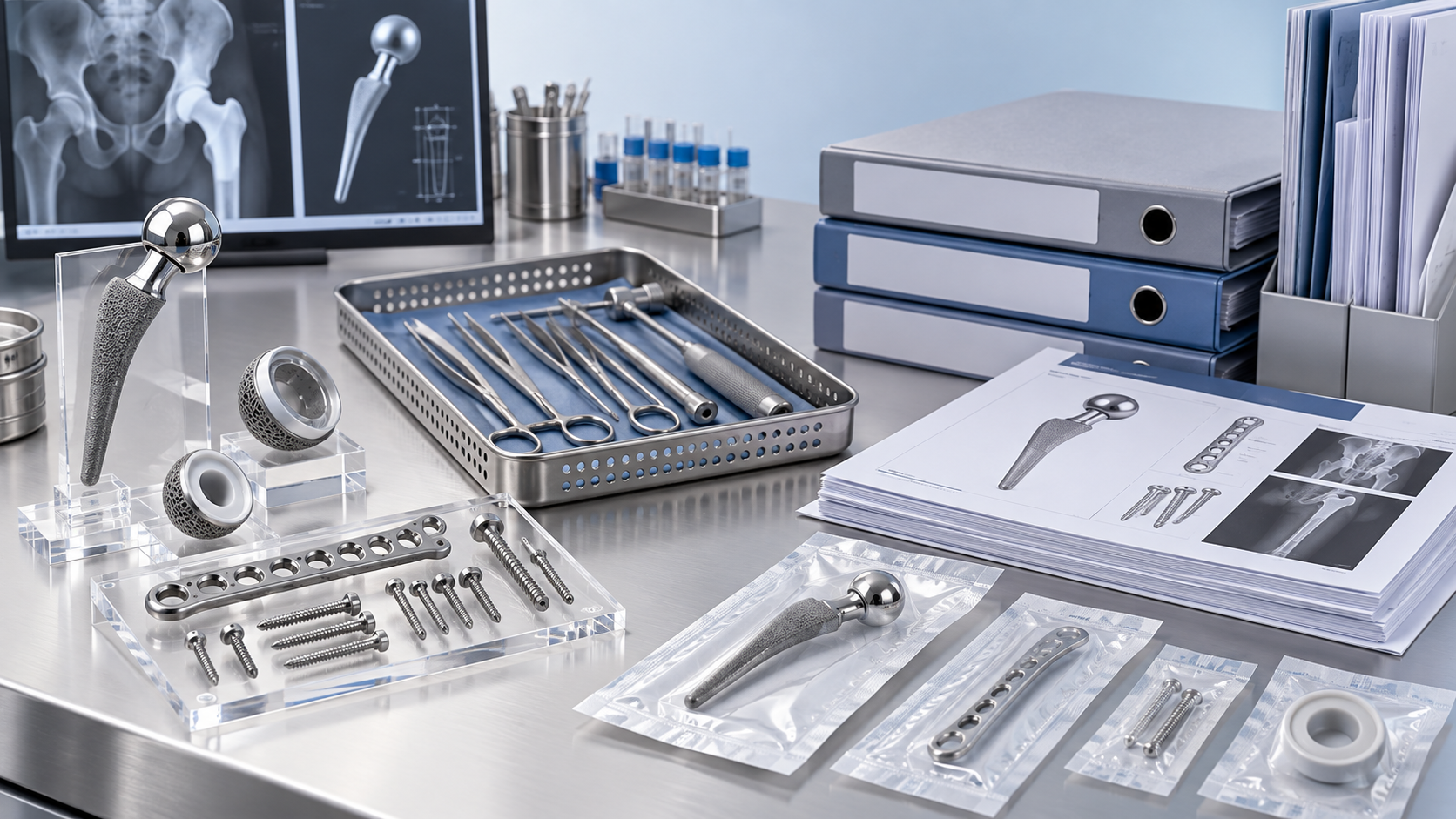
In orthopedic medical material science, porous titanium structures and additive manufacturing have improved osseointegration, but they also increase attention on trapped powders, unmelted particles, and internal surface cleaning. A successful bulk material choice does not guarantee a safe finished implant.
Another common issue is tribology. Joint systems may pass static material reviews but fail when wear debris, metal ion release, or fretting corrosion are considered under real articulation and loading conditions.
Cardiovascular interventional devices
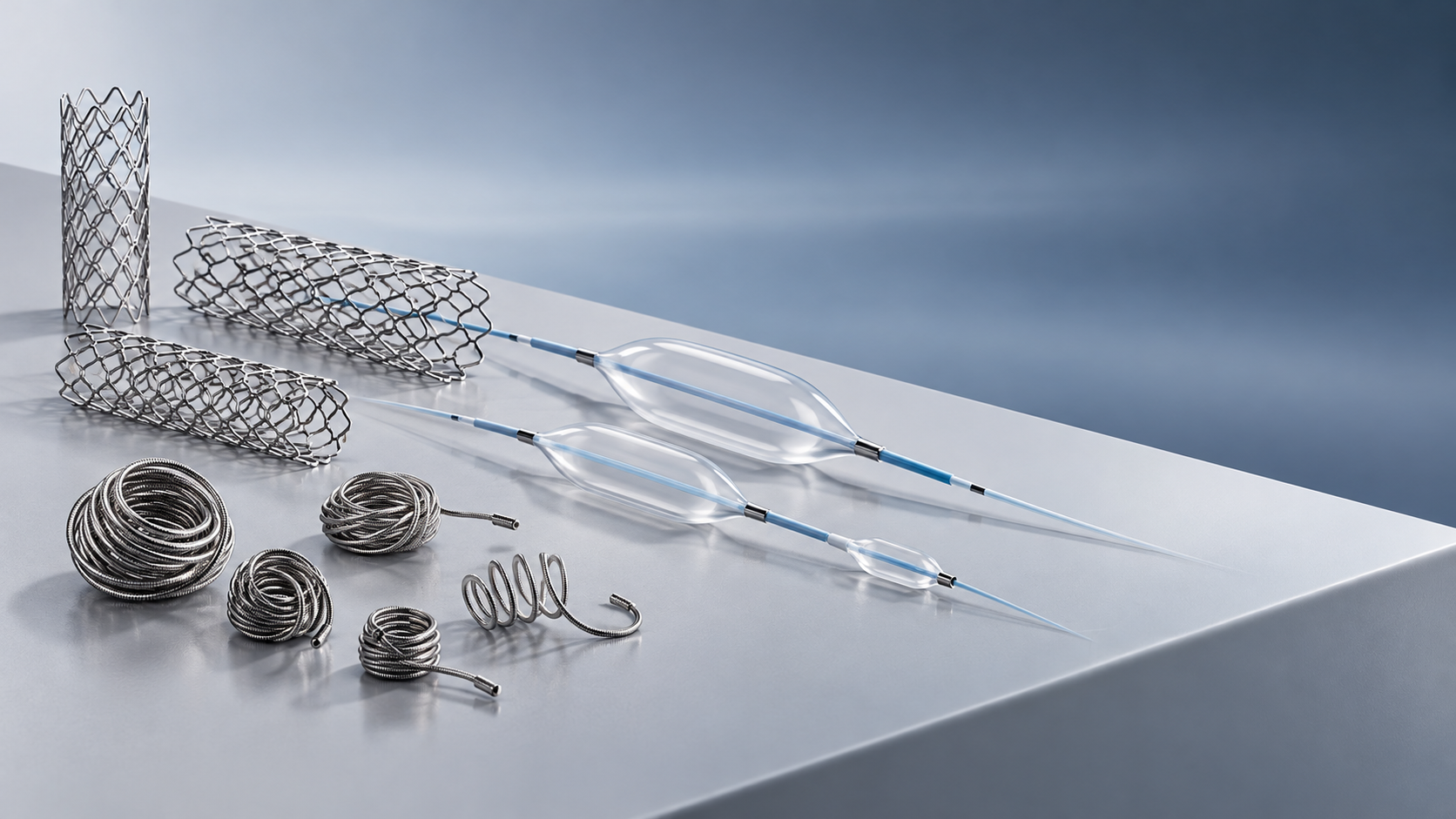
For stents, valves, and blood-contacting delivery systems, hemocompatibility is not optional background work. Surface energy, coating uniformity, drug-polymer interaction, and micro-defects can influence platelet activation, thrombus formation, and endothelial healing.
Medical material science decisions also affect crimping, expansion, fatigue, and corrosion. A coating that appears stable in bench storage may crack during deployment and expose patients to particulates or altered drug release kinetics.
Polymer catheters and minimally invasive consumables
Catheters often combine multiple polymers, tie layers, lubricious coatings, radiopaque fillers, and bonding agents. The pitfall is evaluating only the resin data sheet while ignoring the assembled device and the final sterilized state.
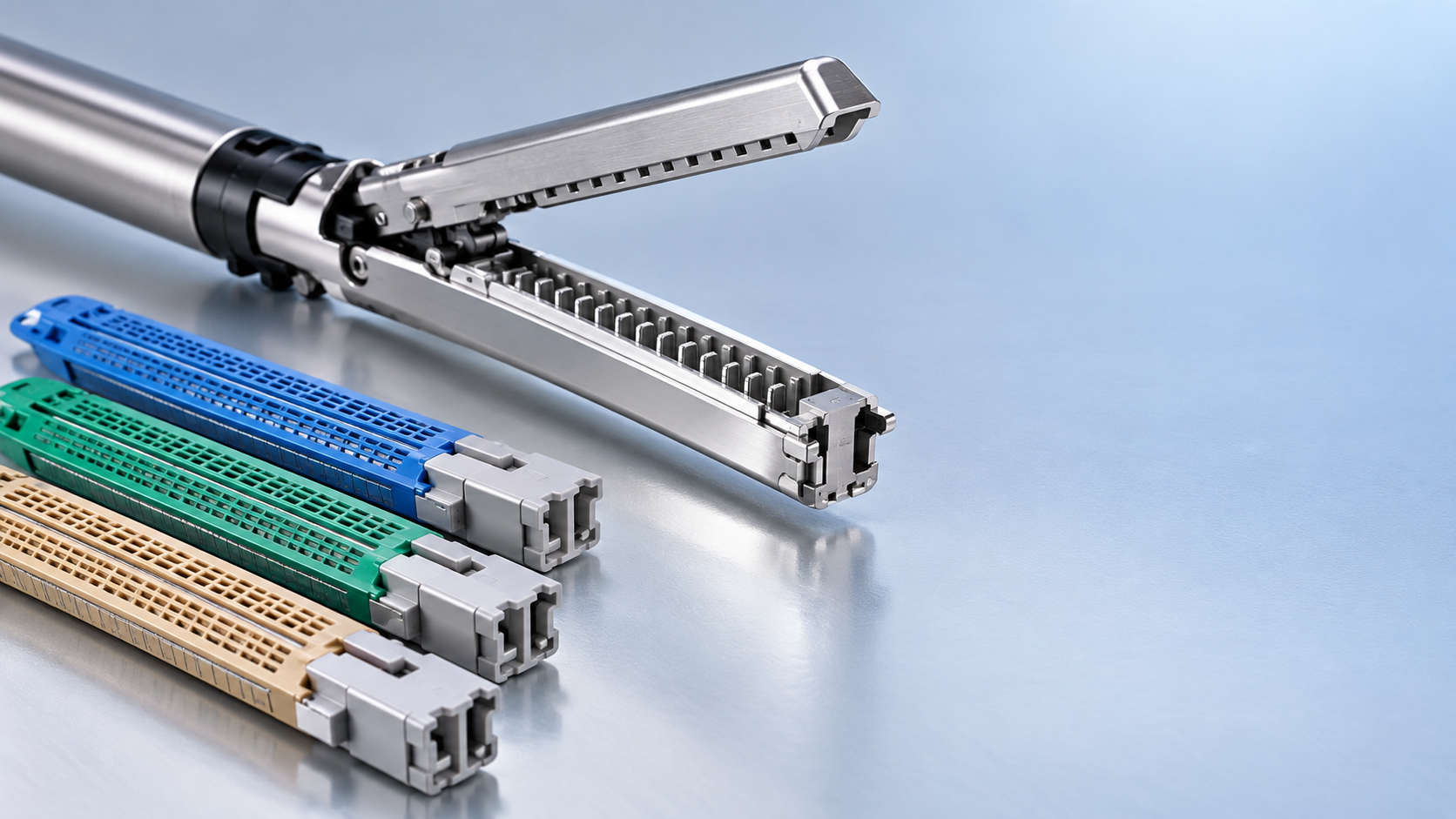
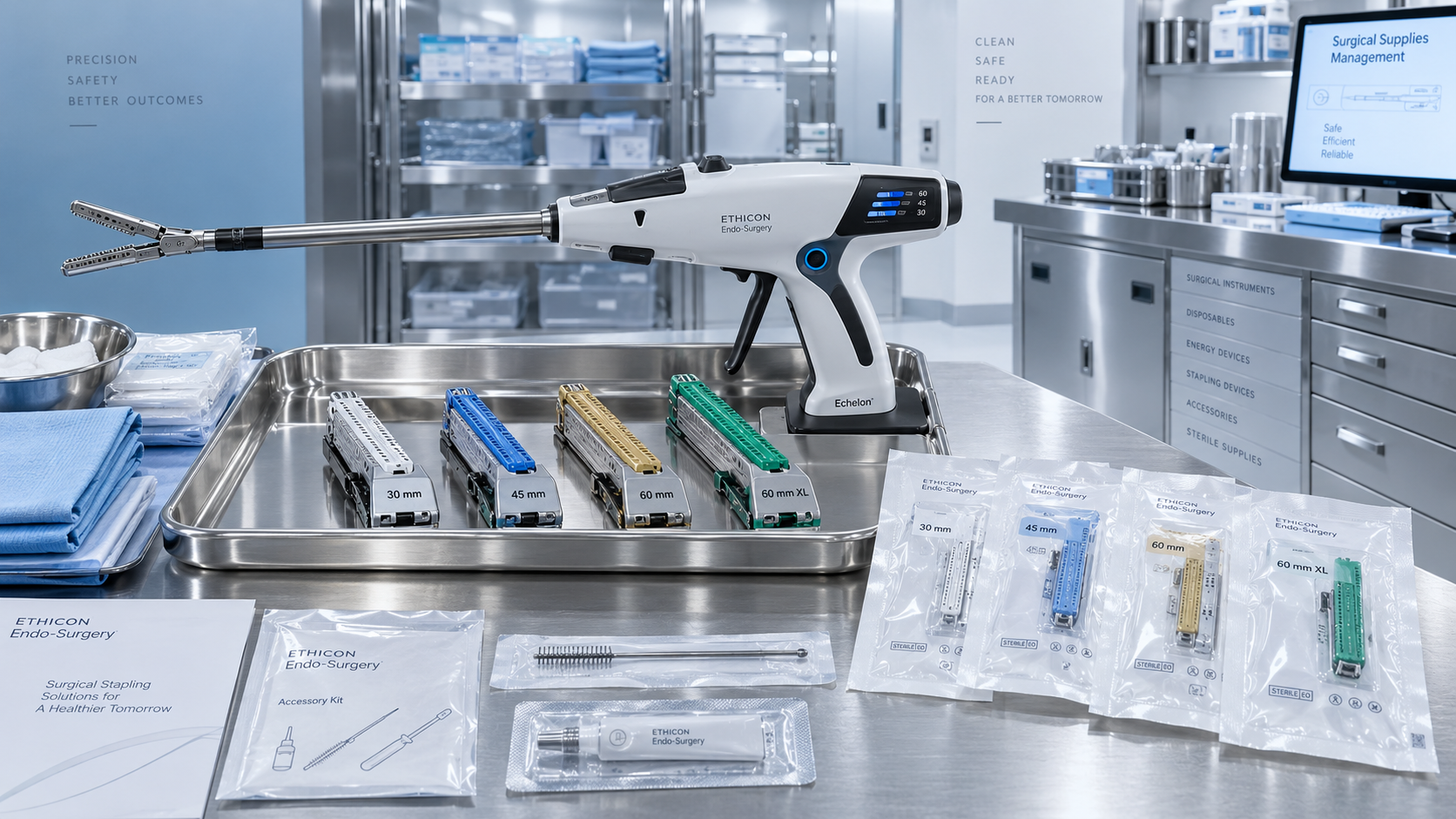
In staples and MIS consumables, tissue contact may be shorter, yet local irritation, residue transfer, and corrosion from mixed-metal interactions still require disciplined review. Short-term use does not equal low biological risk.
Commonly overlooked risks in medical material science
Assuming predicate similarity is enough
A common shortcut is claiming equivalence to a marketed device without proving matching chemistry, process controls, surface condition, and clinical exposure. In medical material science, small differences can invalidate the comparison.
Testing prototypes instead of final product
Biocompatibility data from pre-production samples can mislead if commercial cleaning, packaging, sterilization, or storage conditions differ. Finished, worst-case, representative product must anchor the evaluation.
Ignoring process change impact
Changing a supplier, additive, surface treatment, or sterilization cycle may alter extractables and tissue response. Change control should trigger a structured biocompatibility impact review, not only dimensional requalification.
Treating ISO 10993 as a checkbox
Ordering cytotoxicity, sensitization, and irritation tests without chemical characterization or toxicological assessment creates evidence gaps. Regulators increasingly expect a science-based biological evaluation plan tied to device-specific risk.
Underestimating long-term degradation
Implants may remain stable at release but degrade through oxidation, hydrolysis, stress cracking, or corrosion in vivo. Medical material science must consider lifetime exposure, not just early implantation performance.
Practical execution steps
- Build a material inventory that includes every direct and indirect patient-contacting substance across components, coatings, packaging interfaces, and processing residues.
- Create a biocompatibility matrix linking contact category, duration, anatomical site, and ISO 10993 endpoints to each device family and worst-case configuration.
- Use chemical characterization before broad biological testing whenever possible, then justify endpoint coverage with toxicological risk assessment and extraction rationale.
- Integrate supplier quality agreements with material change notification, formulation transparency, and traceability for critical implant-grade raw materials.
- Reassess biological safety after process, packaging, sterilization, or shelf-life changes instead of relying on historical data from earlier product generations.
Summary and next actions
Medical material science is central to implant safety, regulatory resilience, and long-term device performance. The most common biocompatibility pitfalls are rarely dramatic at the start. They usually begin as unchallenged assumptions about material equivalence, process cleanliness, surface behavior, or test sufficiency.
A stronger path is to review the finished device as a complete biological system. Check raw materials, process residues, surface condition, sterilization impact, extractables, degradation, and intended clinical exposure together. That approach improves design confidence and reduces costly surprises late in verification, submission, or post-market surveillance.
For immediate action, start with a gap assessment against current material inventory, ISO 10993 strategy, and change control records. Then prioritize the highest-risk implant families for deeper chemical and toxicological review. In medical material science, early rigor is usually the most efficient form of risk control.
Get weekly intelligence in your inbox.
No noise. No sponsored content. Pure intelligence.
News Recommendations
 Oct 26, 2026Can a single approval cover life science product sales worldwide?Can a single approval cover life science product sales worldwide?
 Oct 25, 2026When is sensitization testing needed for medical device biocompatibility?When is sensitization testing needed for medical device biocompatibility?
 Oct 24, 2026How is biocompatibility tested for implantable polymer biomaterials?How is biocompatibility tested for implantable polymer biomaterials?
 Oct 23, 2026How to build reimbursement into an implant commercialization strategyHow to build reimbursement into an implant commercialization strategy
 Oct 22, 2026What clinical evidence do implants need for CE marking under EU MDR?What clinical evidence do implants need for CE marking under EU MDR?
 Oct 21, 2026How to choose disposable laparoscopic stapler reloads for thick tissueHow to choose disposable laparoscopic stapler reloads for thick tissue
 Oct 20, 2026How to assess medical polymer biocompatibility under ISO 10993How to assess medical polymer biocompatibility under ISO 10993
 Oct 19, 2026How do interventional device categories differ in clinical use?How do interventional device categories differ in clinical use?
 Oct 18, 2026When to choose alginate dressings for heavily exuding chronic woundsWhen to choose alginate dressings for heavily exuding chronic wounds
 Oct 17, 2026How is biocompatibility tested for custom medical-grade PEEK implants?How is biocompatibility tested for custom medical-grade PEEK implants?
 Oct 16, 2026How to check a wound healing materials supplier’s biocompatibility dataHow to check a wound healing materials supplier’s biocompatibility data
 Oct 15, 2026How to verify the FDA clearance status of silver wound dressingsHow to verify the FDA clearance status of silver wound dressings
 Oct 14, 2026How to register orthopedic implants and instruments in Latin AmericaHow to register orthopedic implants and instruments in Latin America
 Oct 13, 2026How to use a device market intelligence database to benchmark VBP pricesHow to use a device market intelligence database to benchmark VBP prices
 Oct 12, 2026When should stainless steel orthopedic instruments be replaced?When should stainless steel orthopedic instruments be replaced?
 Oct 11, 2026When are alginate dressings rope the right choice for cavity wounds?When are alginate dressings rope the right choice for cavity wounds?
 Oct 10, 2026When smart minimally invasive technology improves catheter accessWhen smart minimally invasive technology improves catheter access
 Oct 08, 2026Clinical evaluation requirements for cardiovascular implant devices in EuropeClinical evaluation requirements for cardiovascular implant devices in Europe
 Oct 07, 2026What to verify before appointing an artificial joint implants distributorWhat to verify before appointing an artificial joint implants distributor
 Oct 06, 2026How ISO 10993 guides biocompatibility testing for medical materialsHow ISO 10993 guides biocompatibility testing for medical materials
 Oct 05, 2026How to verify an orthopedic implants and instruments exporterHow to verify an orthopedic implants and instruments exporter
 Oct 04, 2026What drives surgical stapling devices price differences in hospital tenders?What drives surgical stapling devices price differences in hospital tenders?
 Oct 03, 2026How to assess a central venous catheter manufacturer's infection-control evidenceHow to assess a central venous catheter manufacturer's infection-control evidence
 Oct 02, 2026How to assess an advanced wound care factory’s quality systemHow to assess an advanced wound care factory’s quality system
 Oct 01, 2026What is driving global medical consumables demand in emerging markets?What is driving global medical consumables demand in emerging markets?
 Sep 30, 2026Implant Material Compliance Testing: Evidence Needed for Regulatory SubmissionImplant Material Compliance Testing: Evidence Needed for Regulatory Submission
 Sep 30, 2026From Corrosion to Fatigue: What Implant Materials Testing Should MeasureFrom Corrosion to Fatigue: What Implant Materials Testing Should Measure